https://asknature.org/strategy/quorum-determines-new-hive-site/
https://en.m.wikipedia.org/wiki/Bark_(botany)
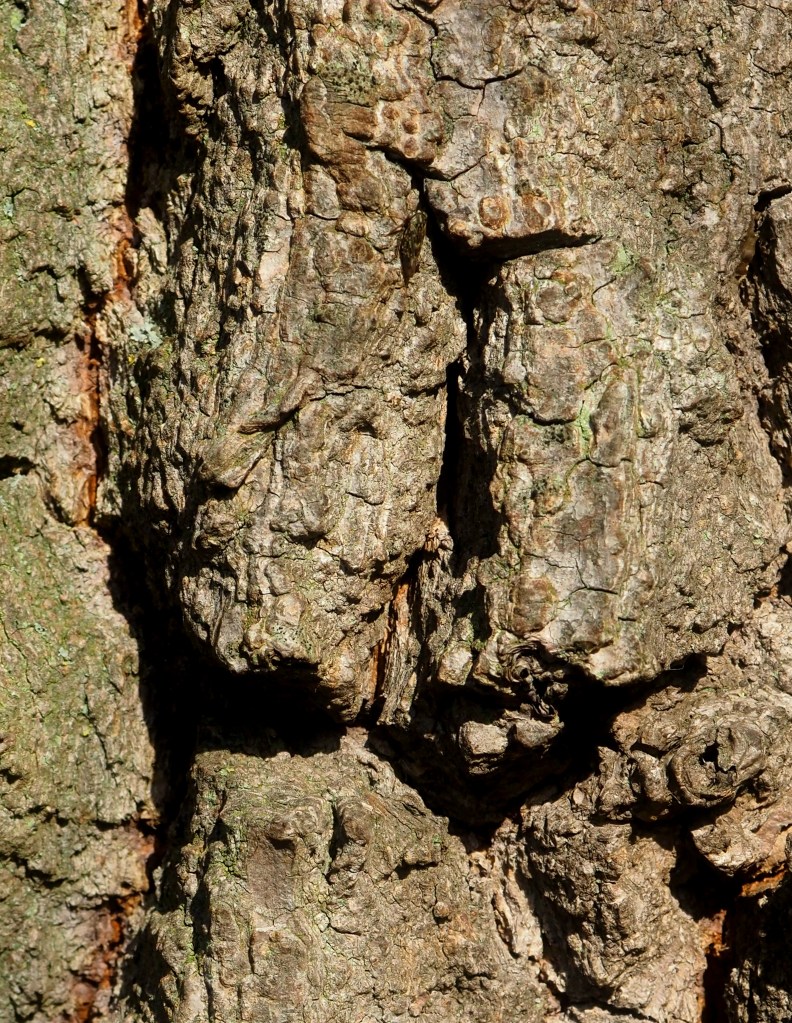
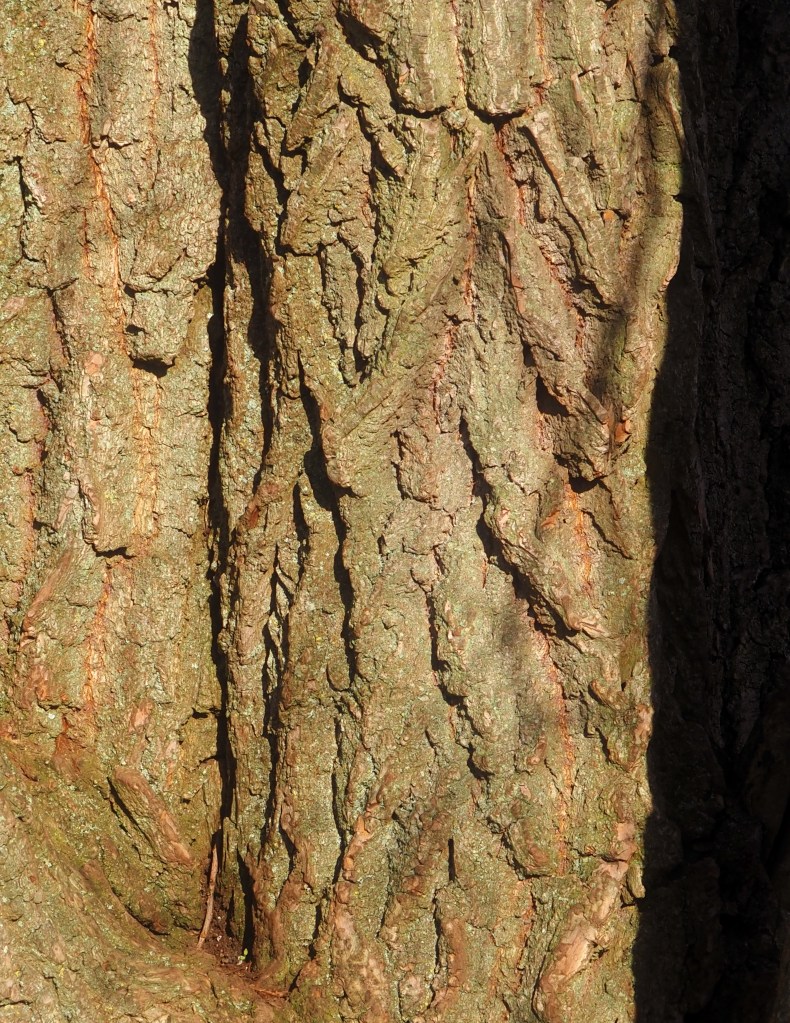
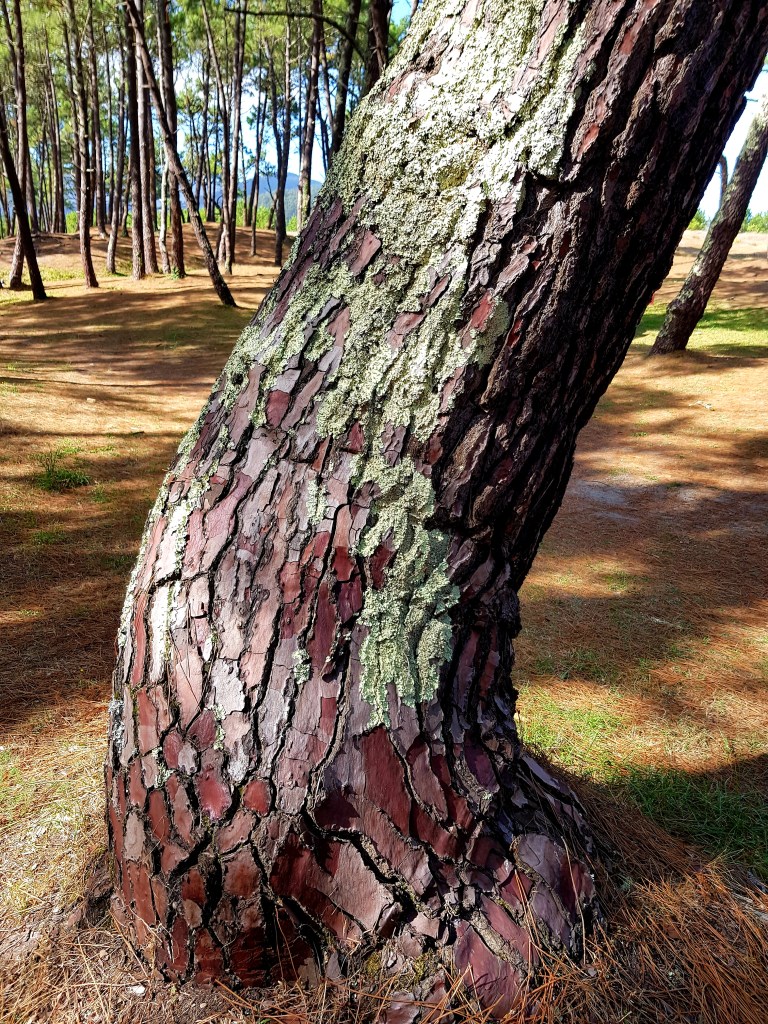
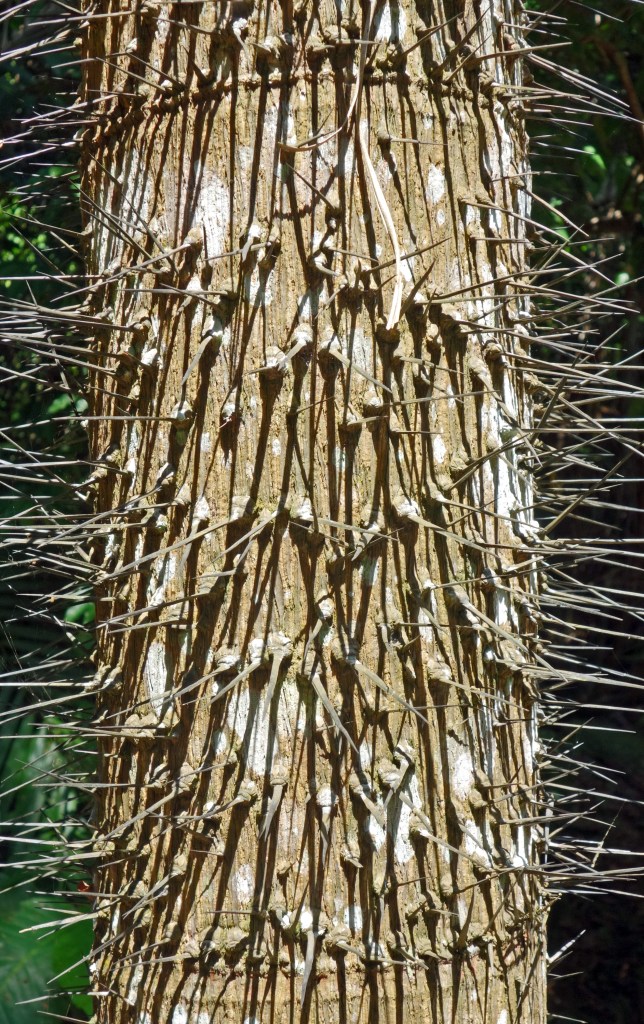
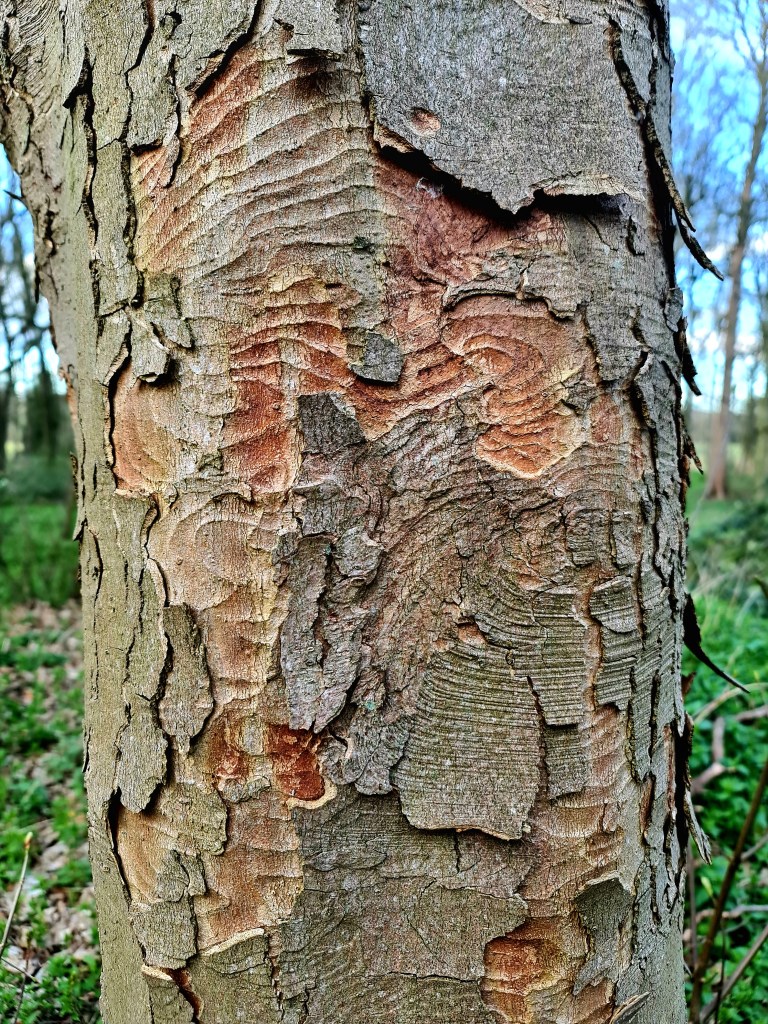
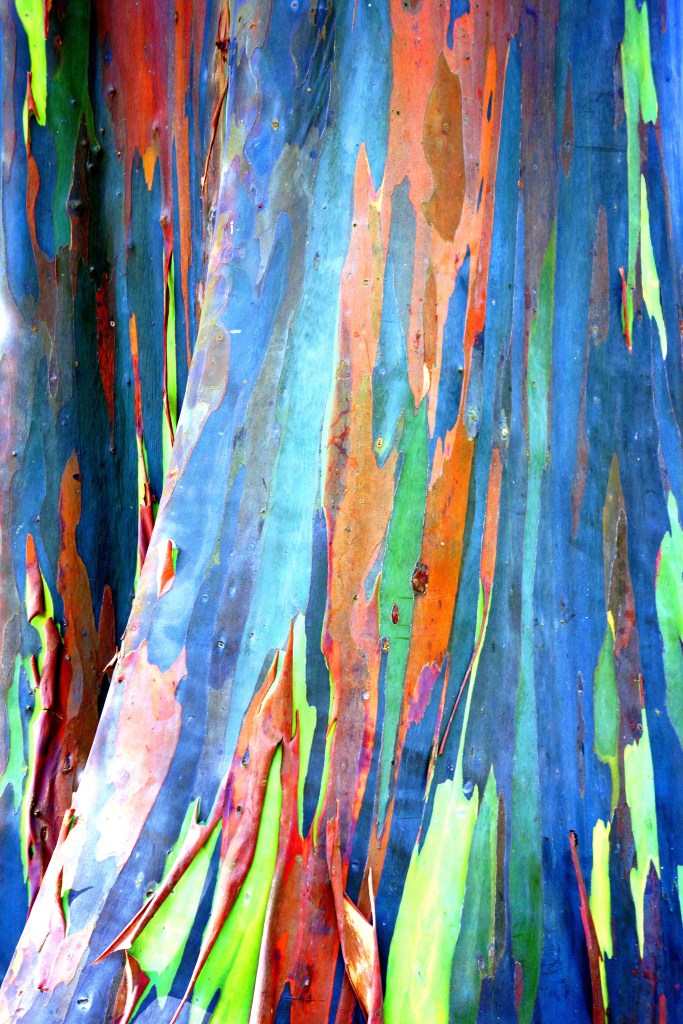
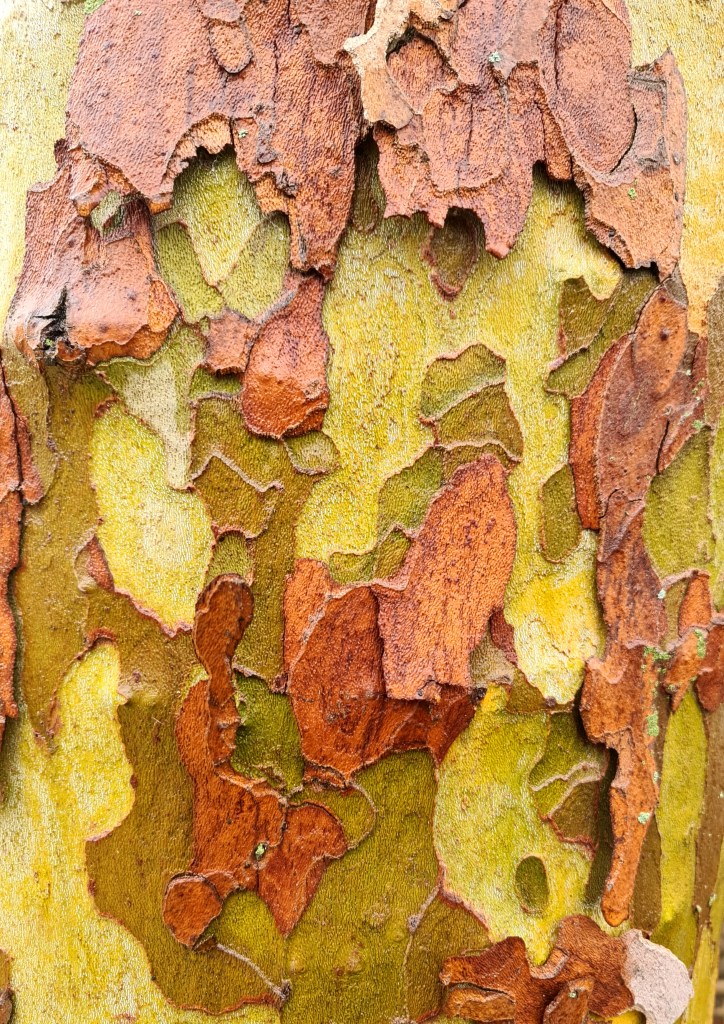
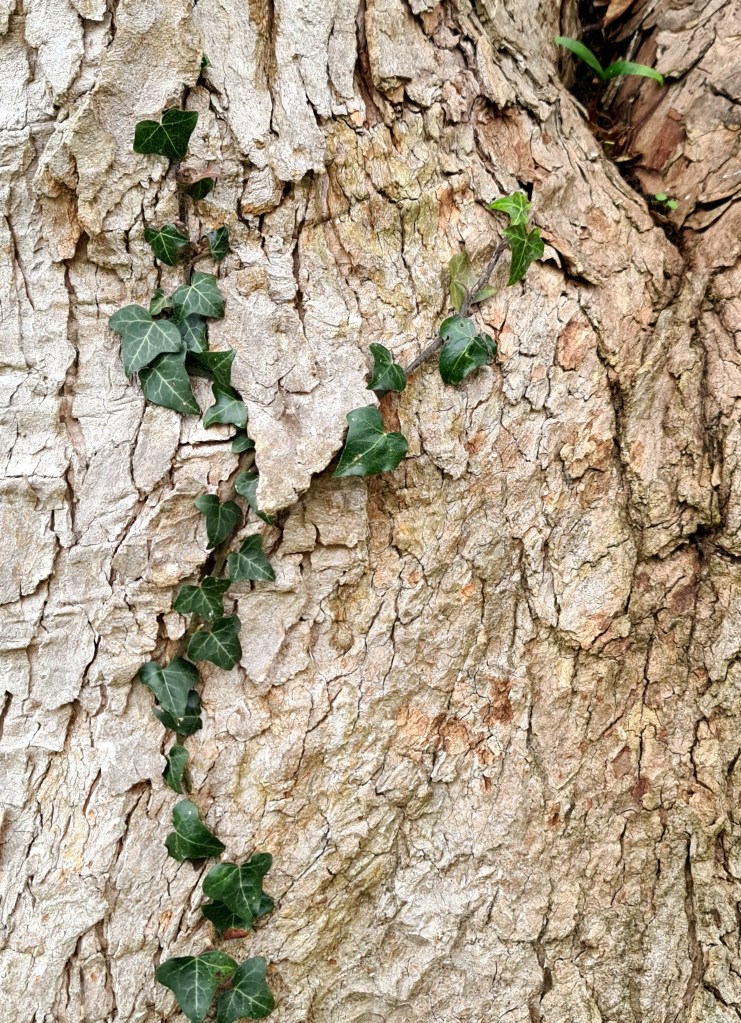
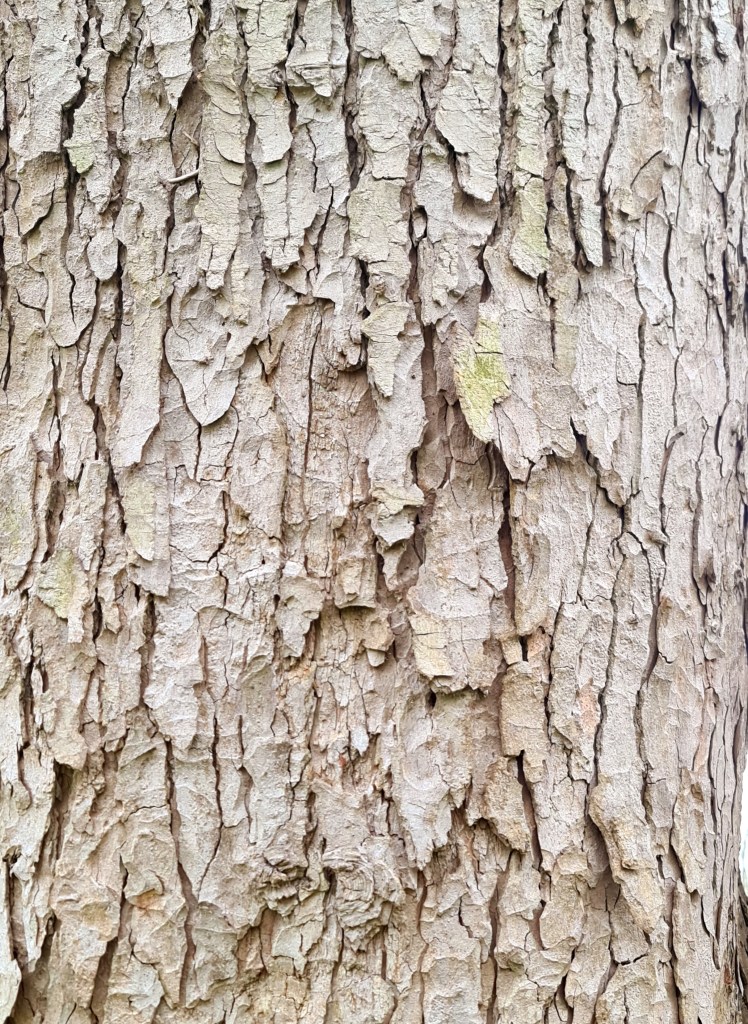
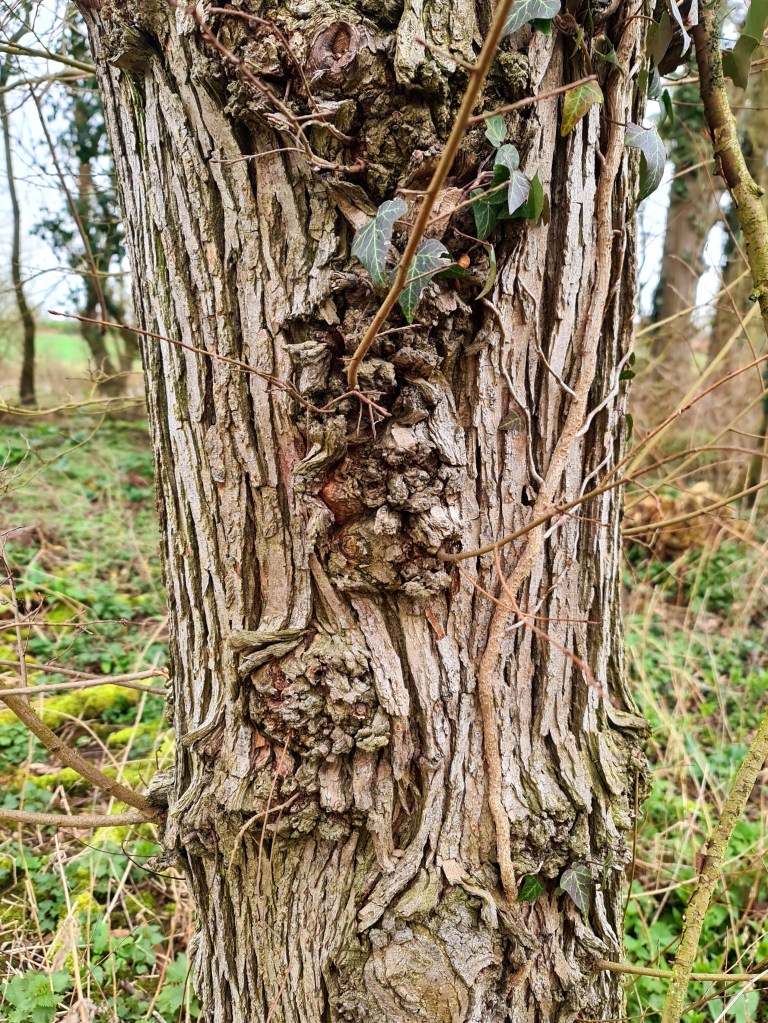
Slough off or peel away
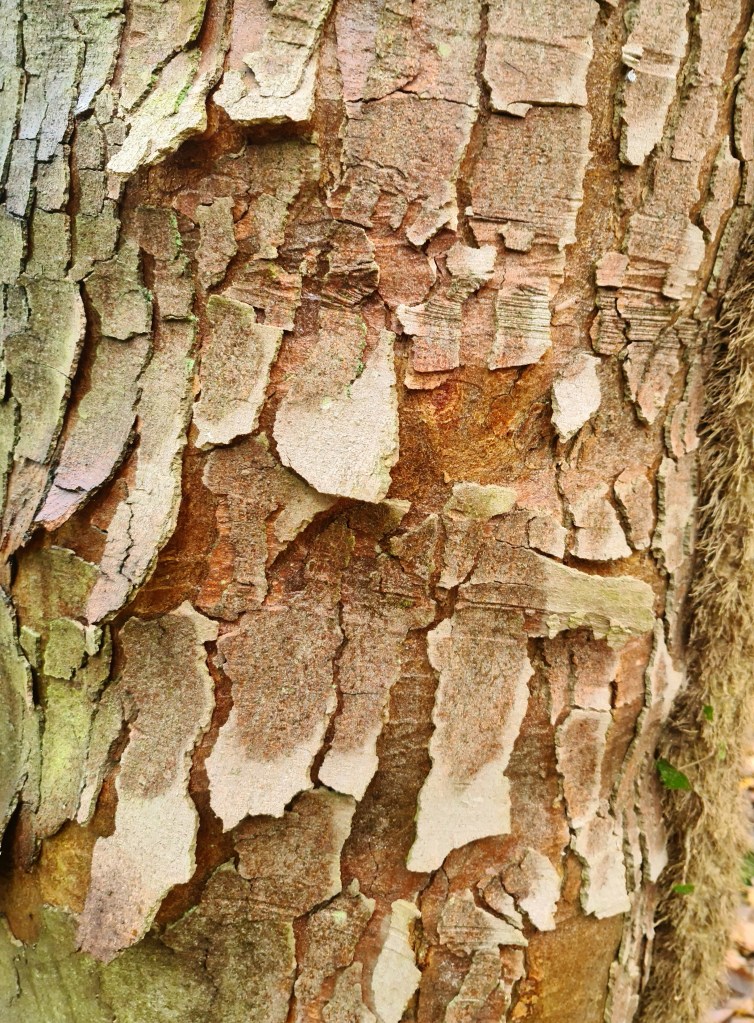
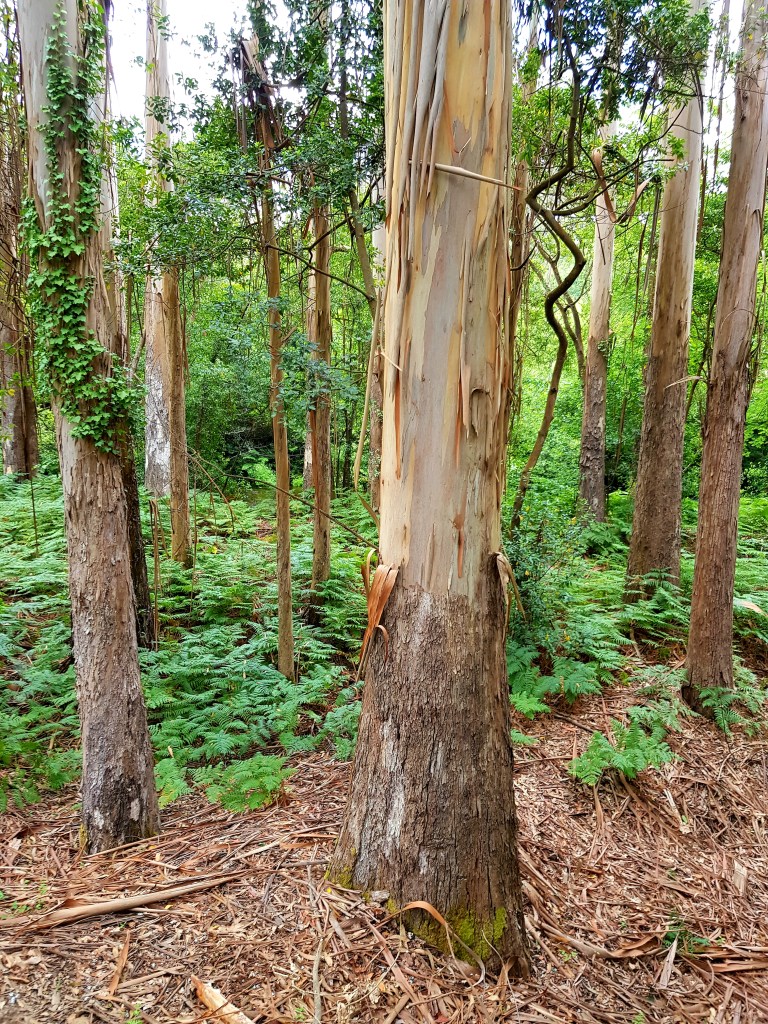
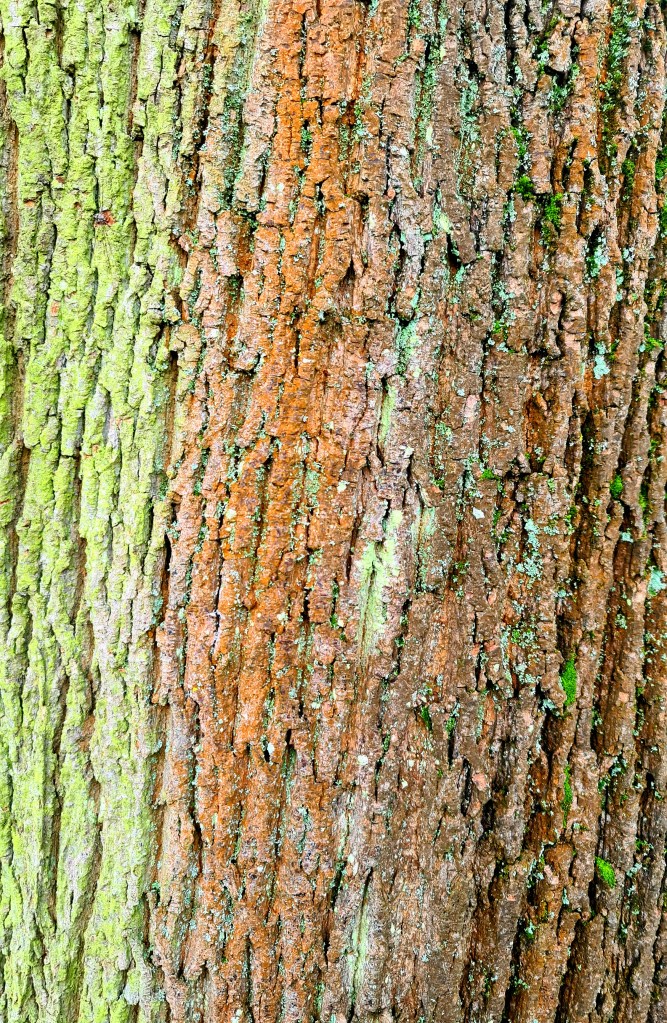
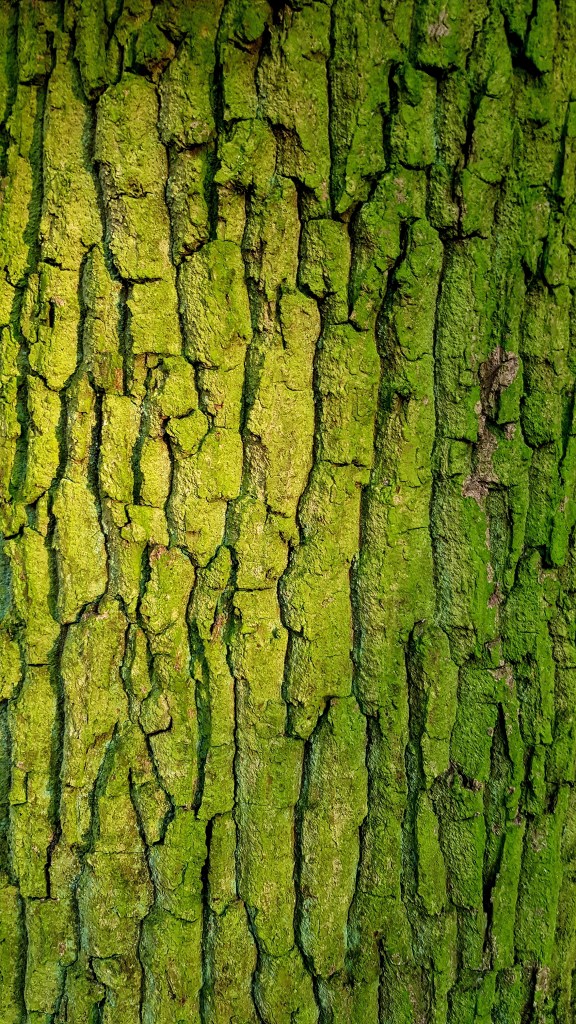
Living on bark
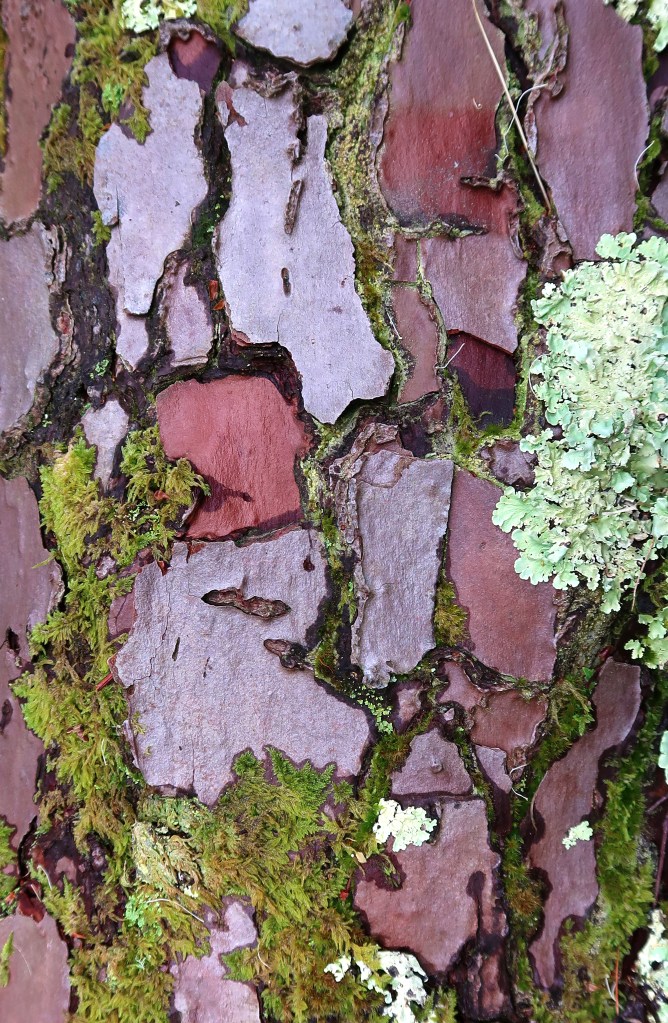
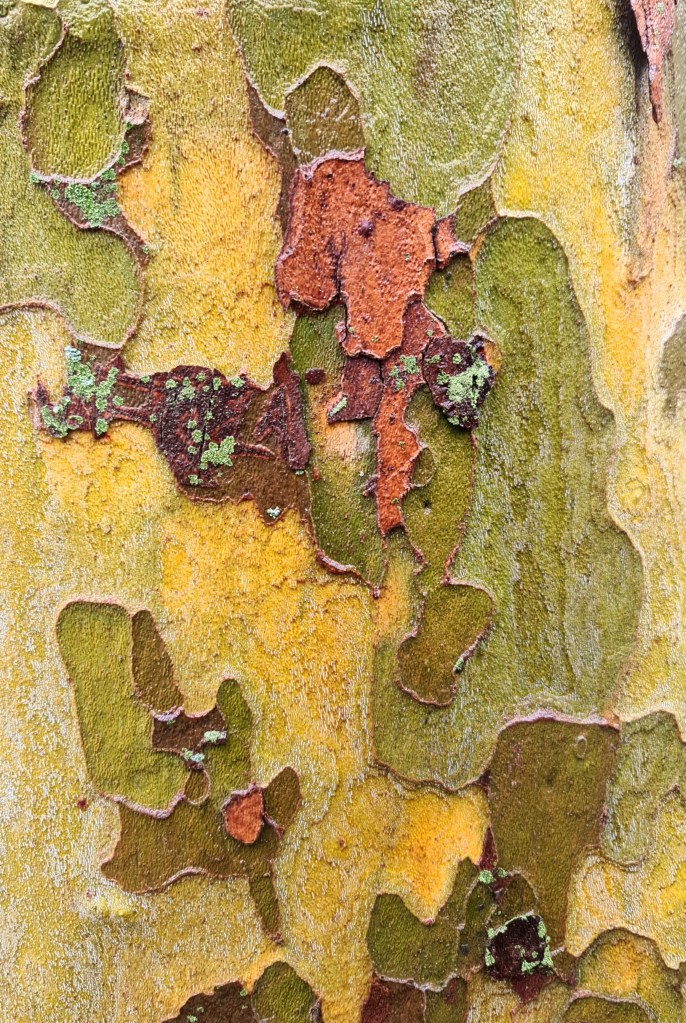
Lichens are a symbiotic association of a fungus (Fungi) with either a green alga (Protoctista) and/or a cyanobacterium (Monera). All living together for their mutual benefit!
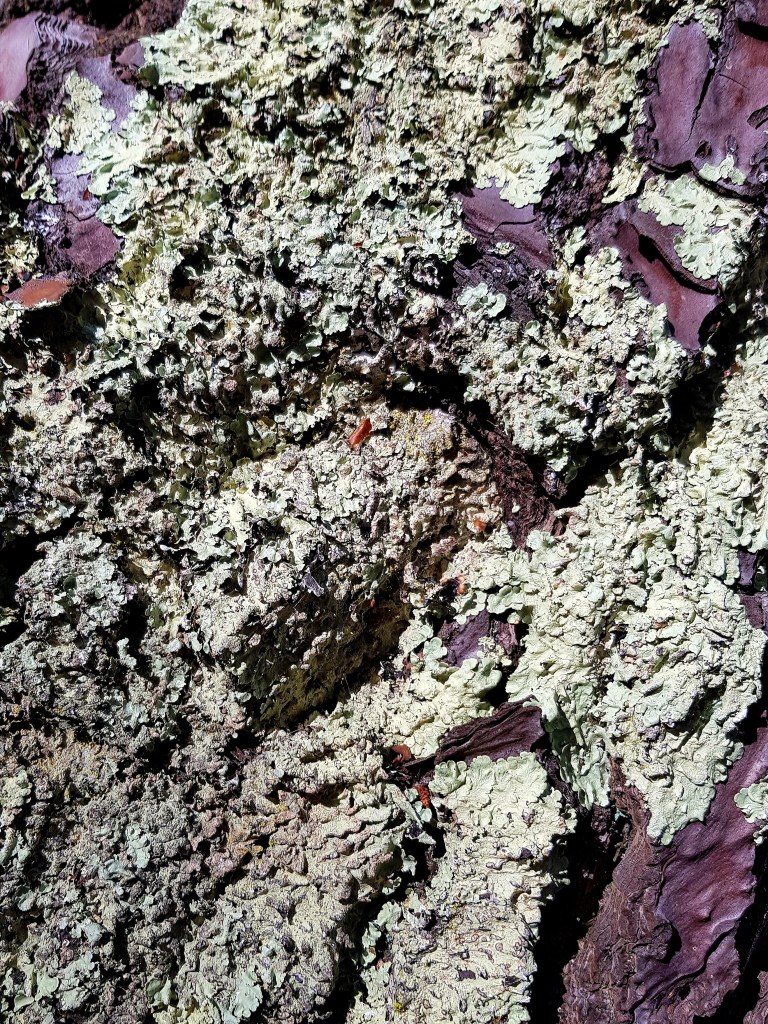
Lichens are epiphytes and take nothing from the tree that they are growing on, other than a place to live and thrive. The algae and / or bacteria do the job of photosynthesising, whilst the fungus provides support and protection. What’s not to love about them?!
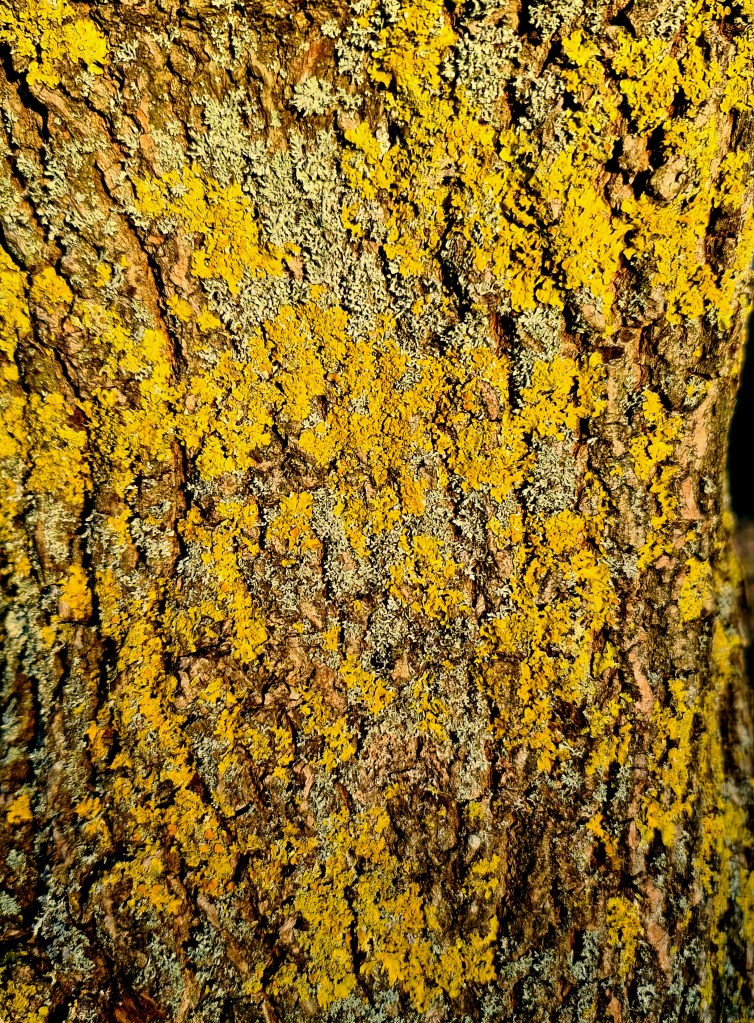
Lichens obtain water and minerals from rain and dust particles in the atmosphere, which means that they are sensitive bioindicators of air quality, and they respond directly to the ambient conditions, including pollution.
Living under bark
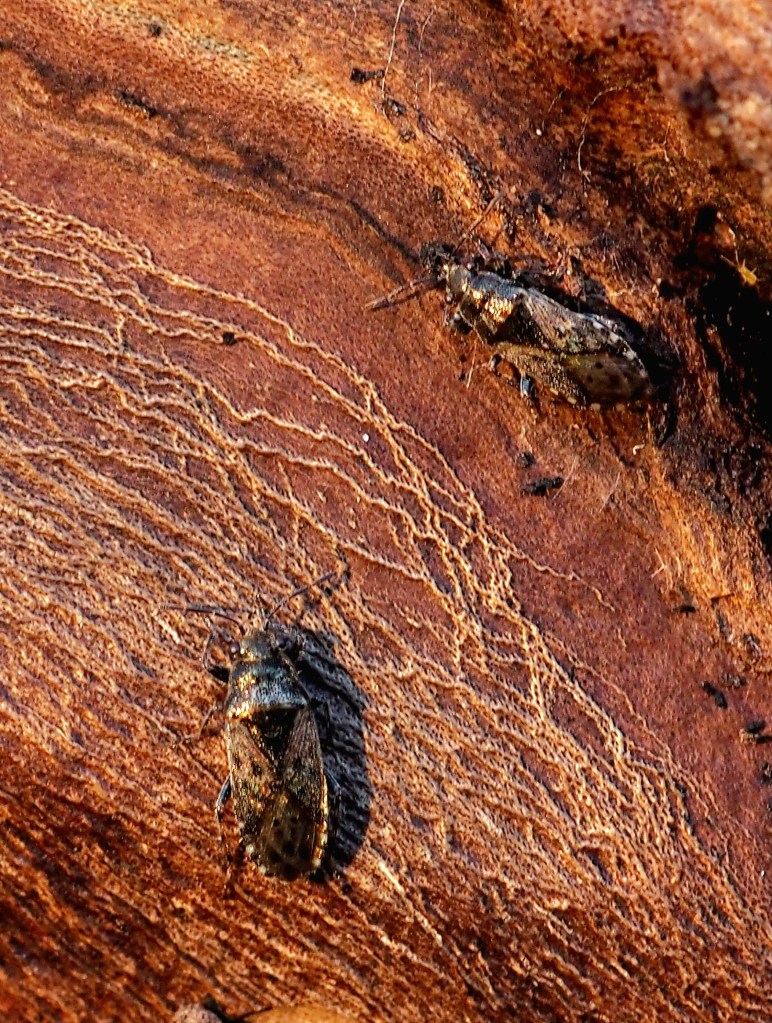
A huge variety of creatures live under bark, most notably wood-boring beetles, but many others use it for protection and over-wintering, particularly in fallen trees and branches.
 Ray Cannon's nature notes