Young kittiwake chicks have a number of innate behaviours which have evolved over millennia to ensure their survival. Typically, kittiwakes nest high up on vertical cliff faces, on narrow ledges often only about 8-10 cm wide. On man-made cliffs, commonly known as buildings (!), they also like narrow ledges, and often build their nests on window ledges, or other convenient, narrow horizontal surfaces projecting outwards at a safe height above the streets or pavements below.
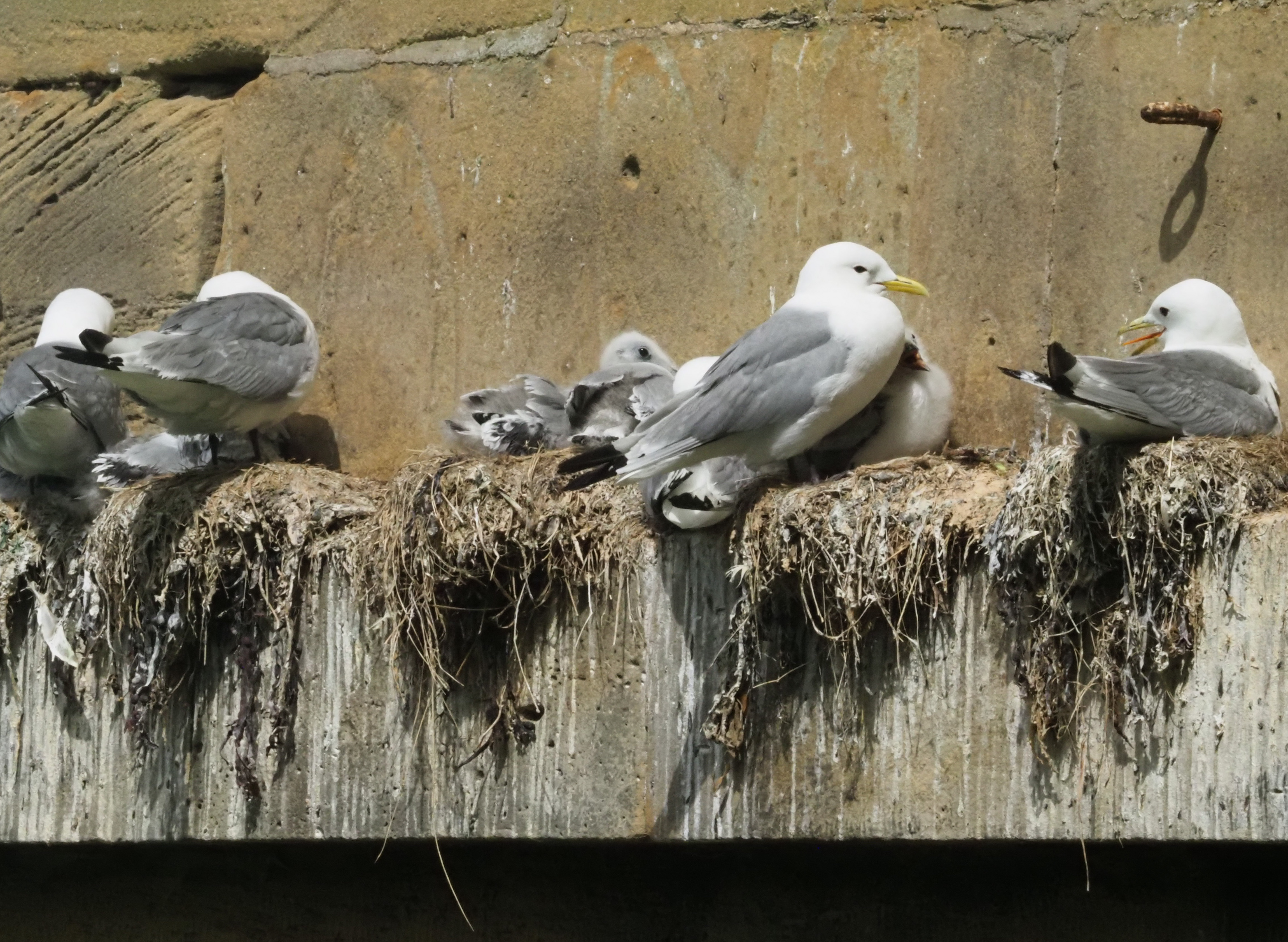
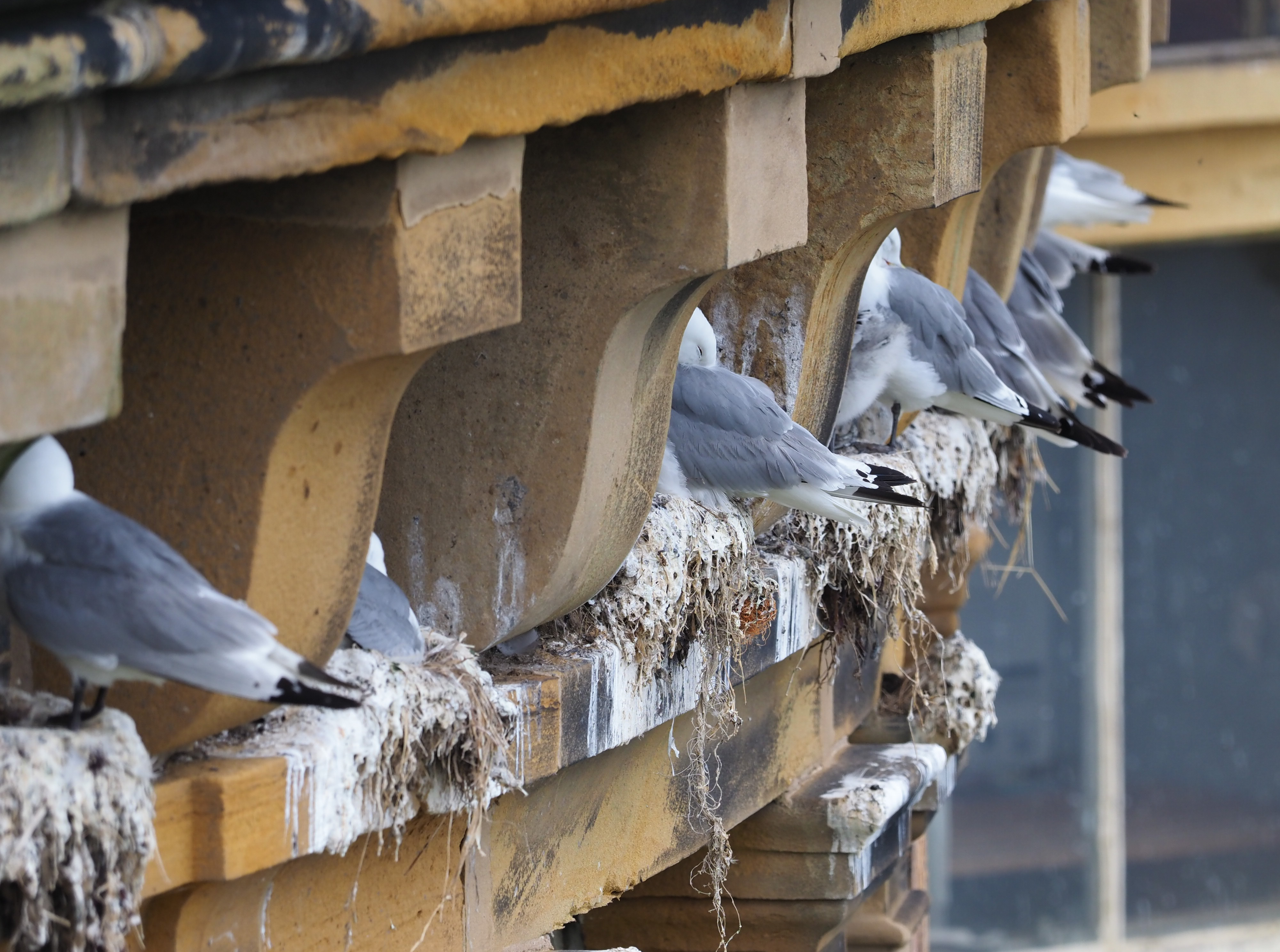
Adaptations to this vertical lifestyle, include constructing a nest with a deep cup for the chick to rest in. Chicks generally adopt a cliff-facing posture and they will crouch and bury their heads against the ‘rock face’ when threatened by a predator (Coulson, 2011).
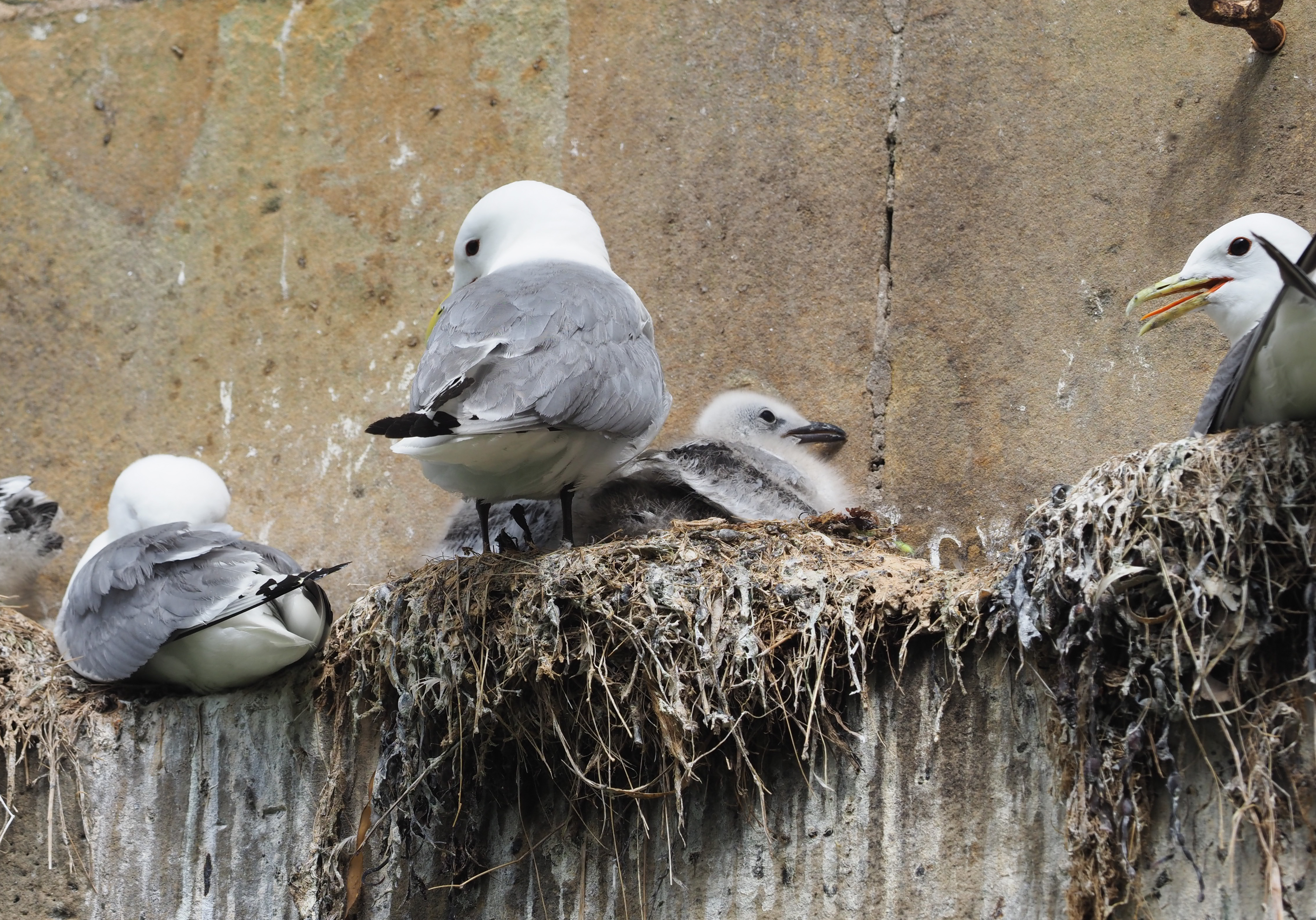
I have written before about kittiwakes being such good parents. Both male and female parent take it turn to incubate the egg(s): covering, protecting and warming them with their brood patches, carefully turning them, and keeping them covered virtually all of the time (99.5%), for an average of about 27 days.
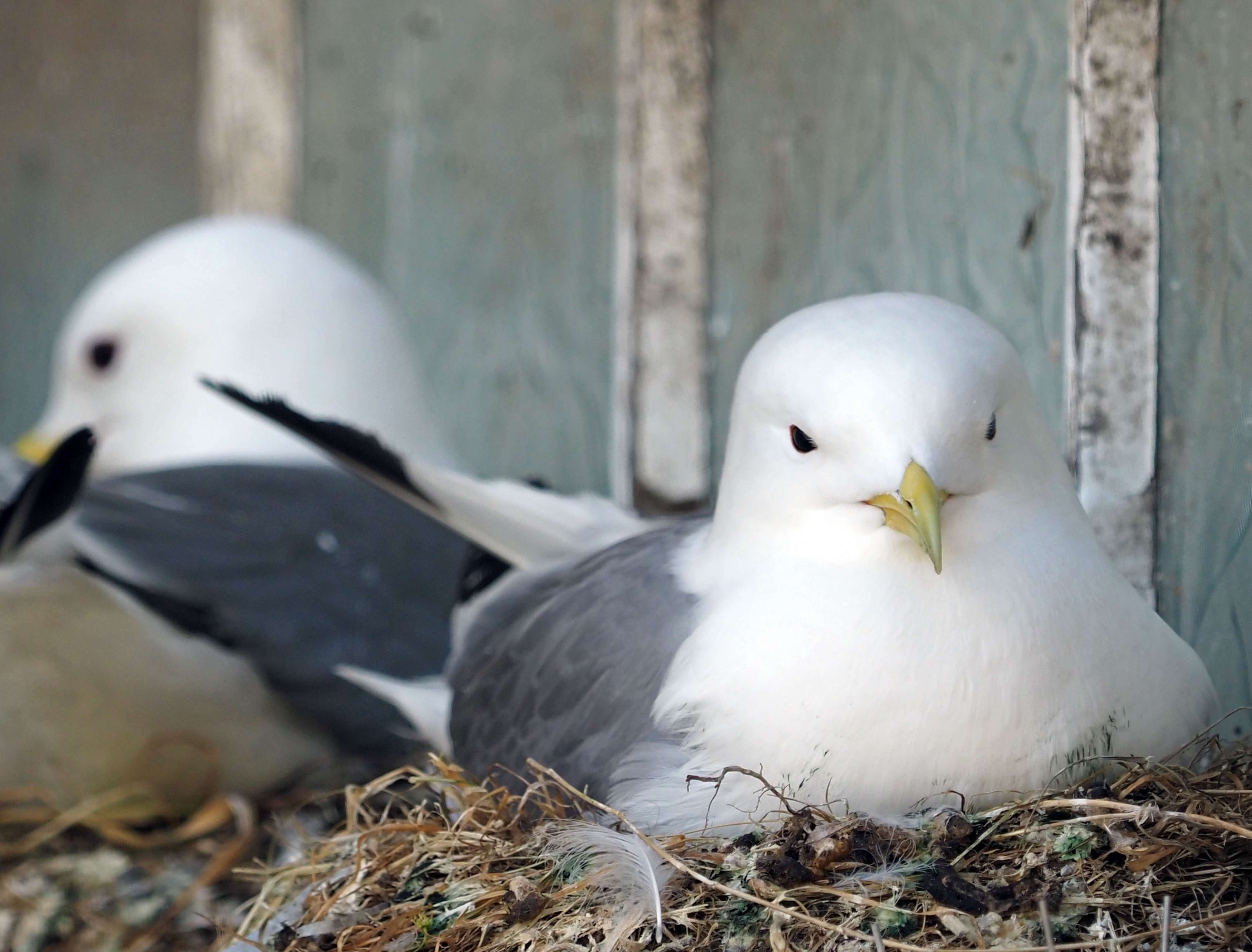
After hatching, the parents also keep the tiny chicks, which only weigh about 33 grammes at hatching, warm and covered up, until they are able to maintain their own body temperature(s).
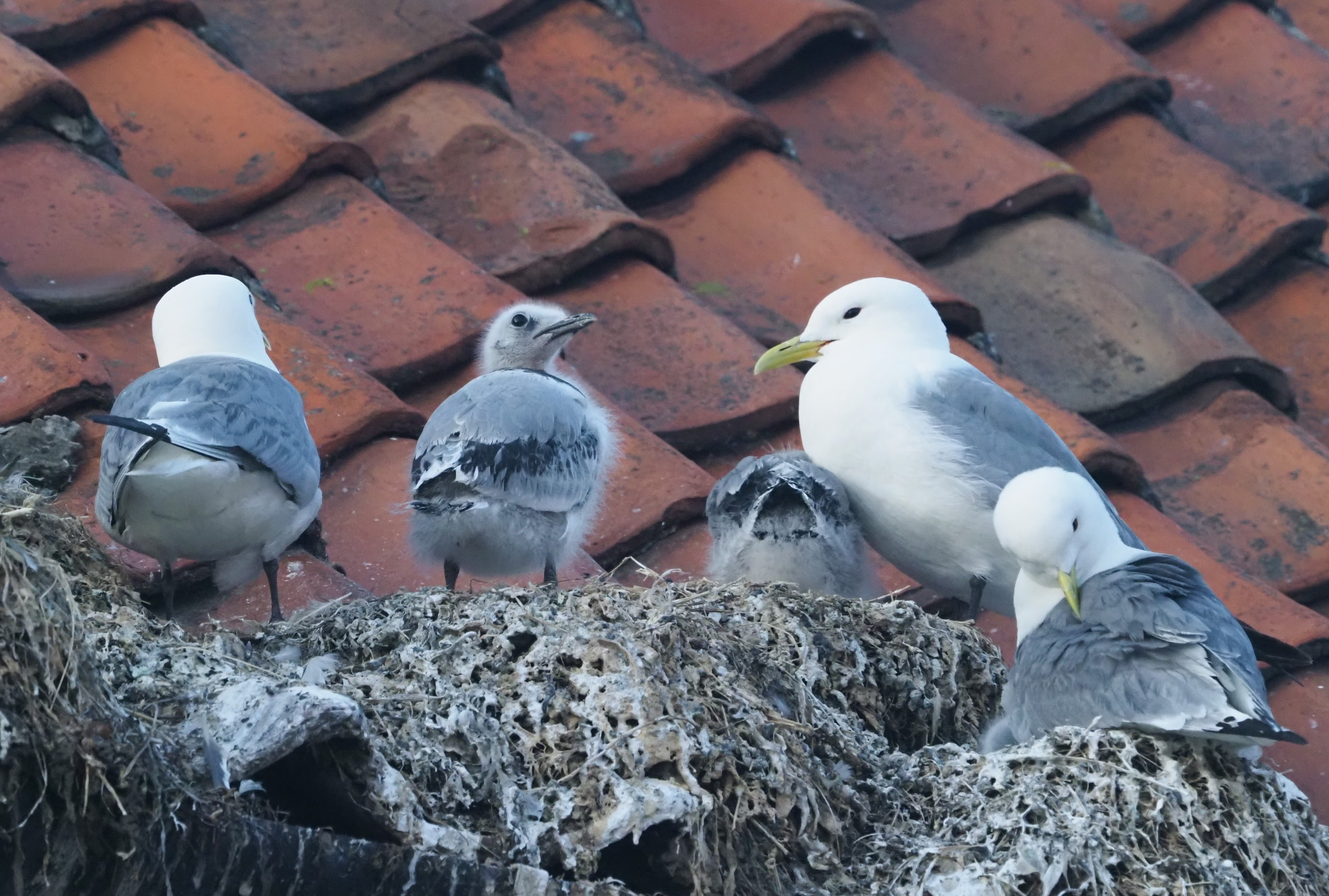
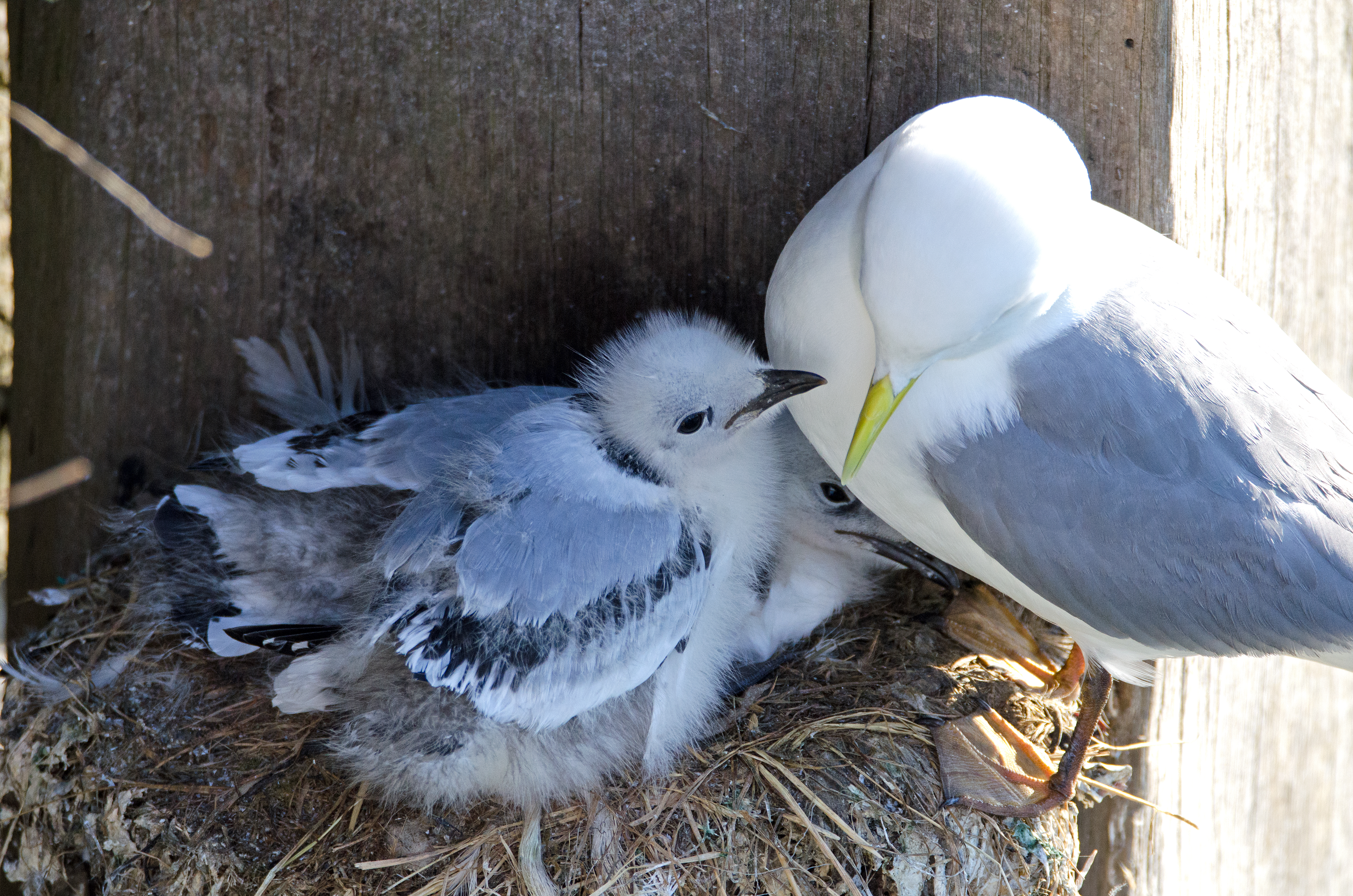
Kittiwakes chicks can also get rather hot in the summer sunshine and frequently ‘pant’ with their mouths open to try and cool down. Overheating can be fatal.
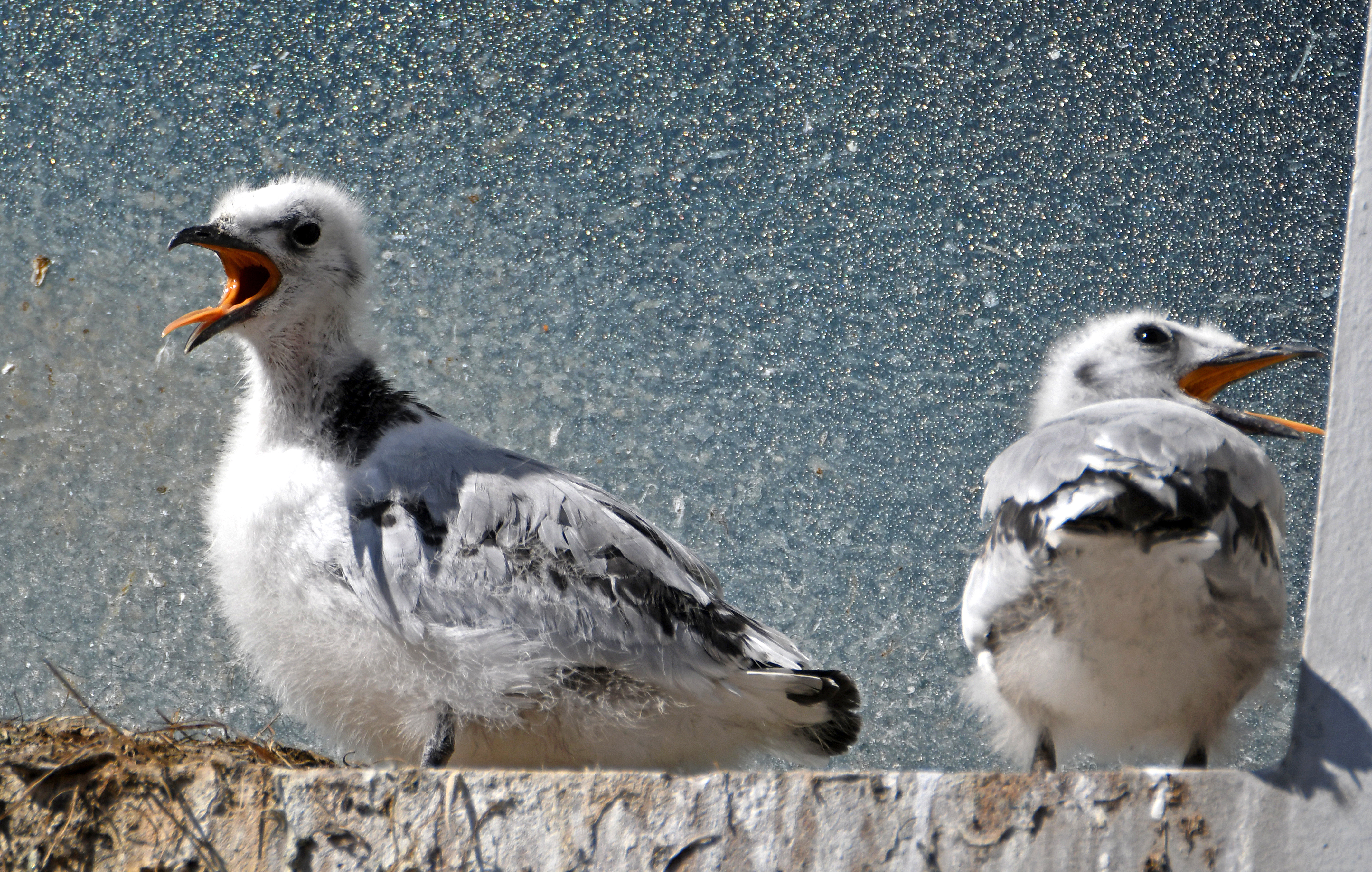
The chicks do not receive much food during the first few days after hatching, as they retain some of the egg yolk within their bodies, but they soon start begging. This begging behaviour is required as a stimulus for the parent to feed it, and the chicks keep this up until they have fledged, i.e. left the nest for good.
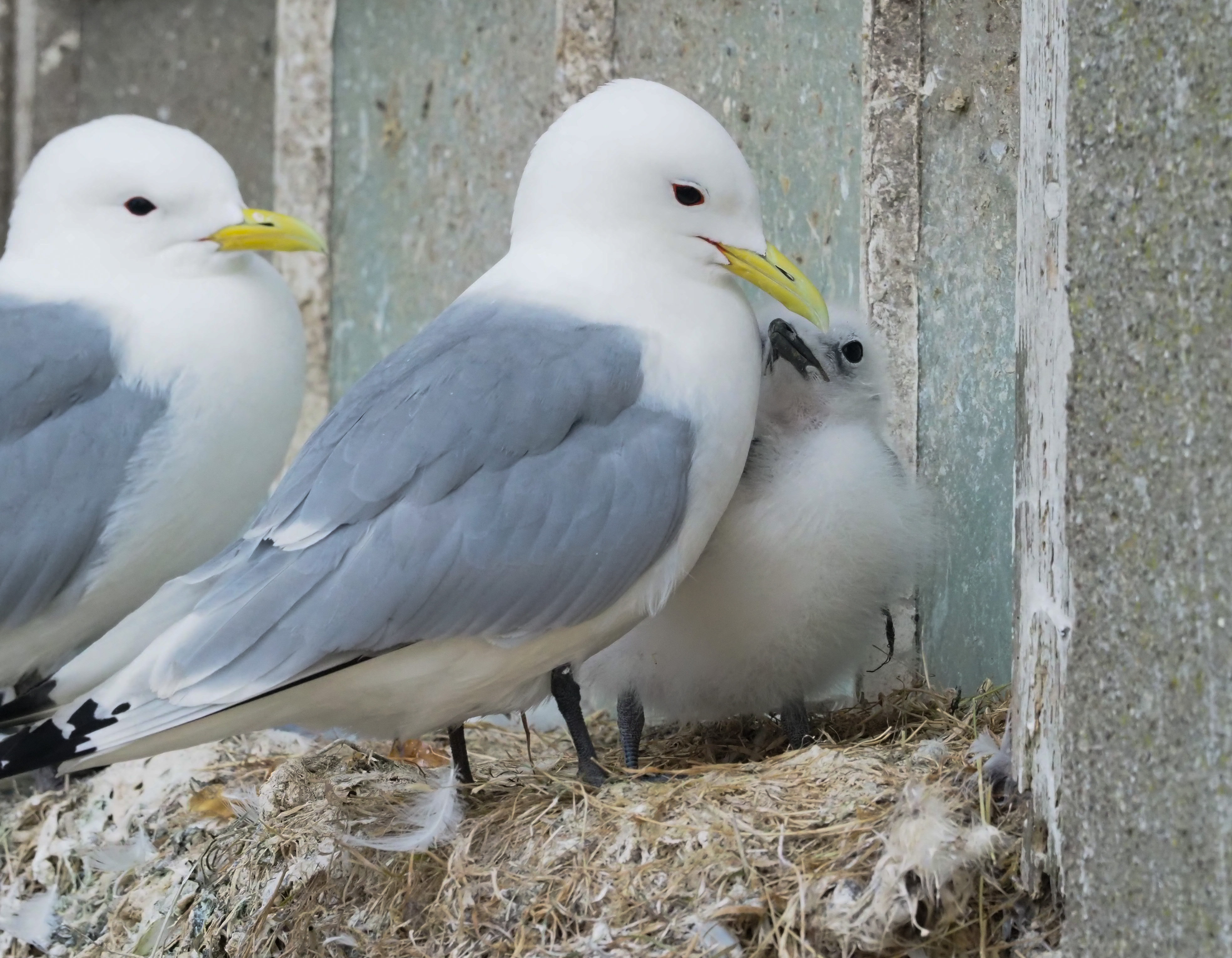
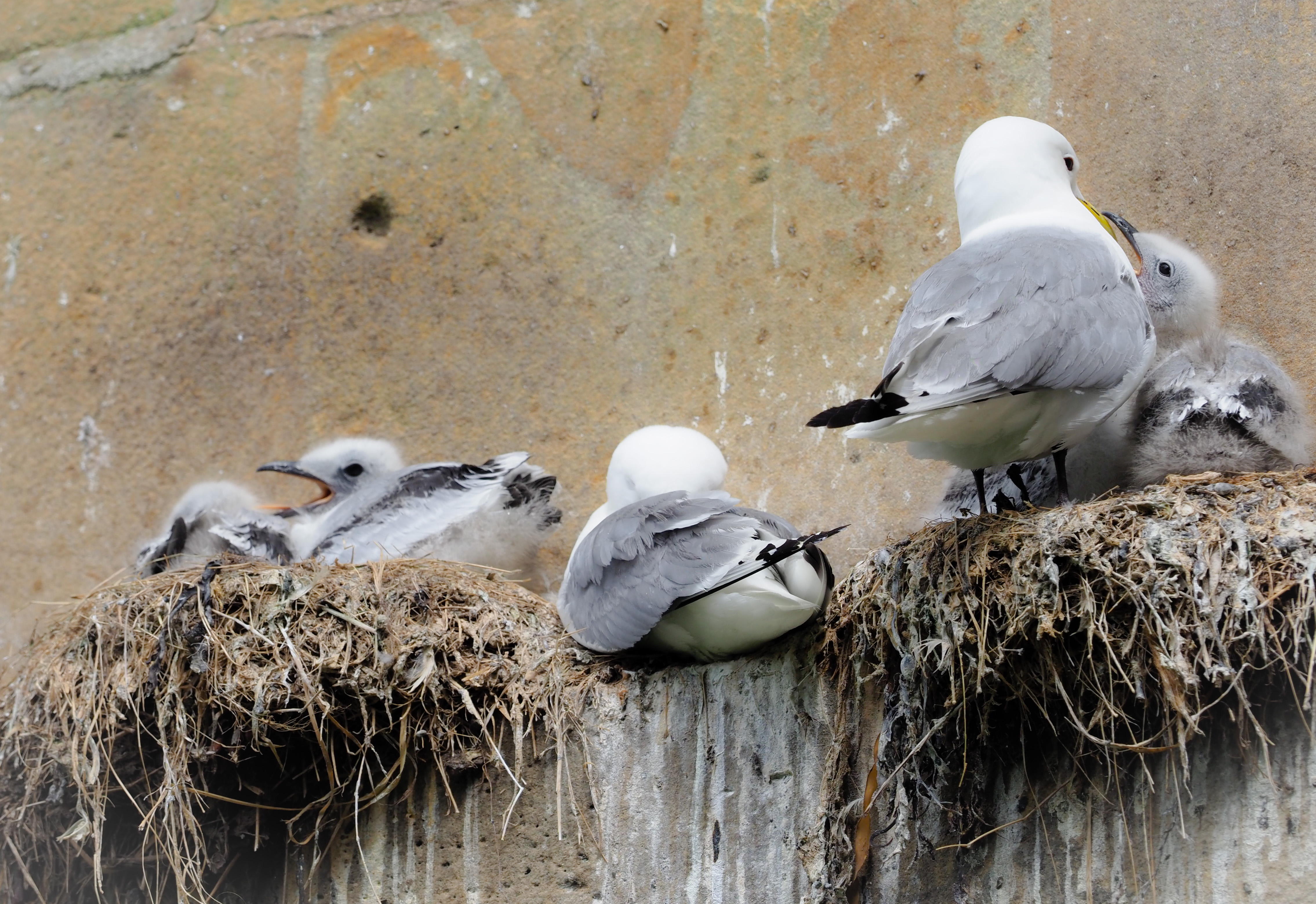
This final departure from the nest occurs about 41-42 days after they have hatched, although like most teenagers, they return to the nest to be fed by the parents for about 10 days after their first flight.
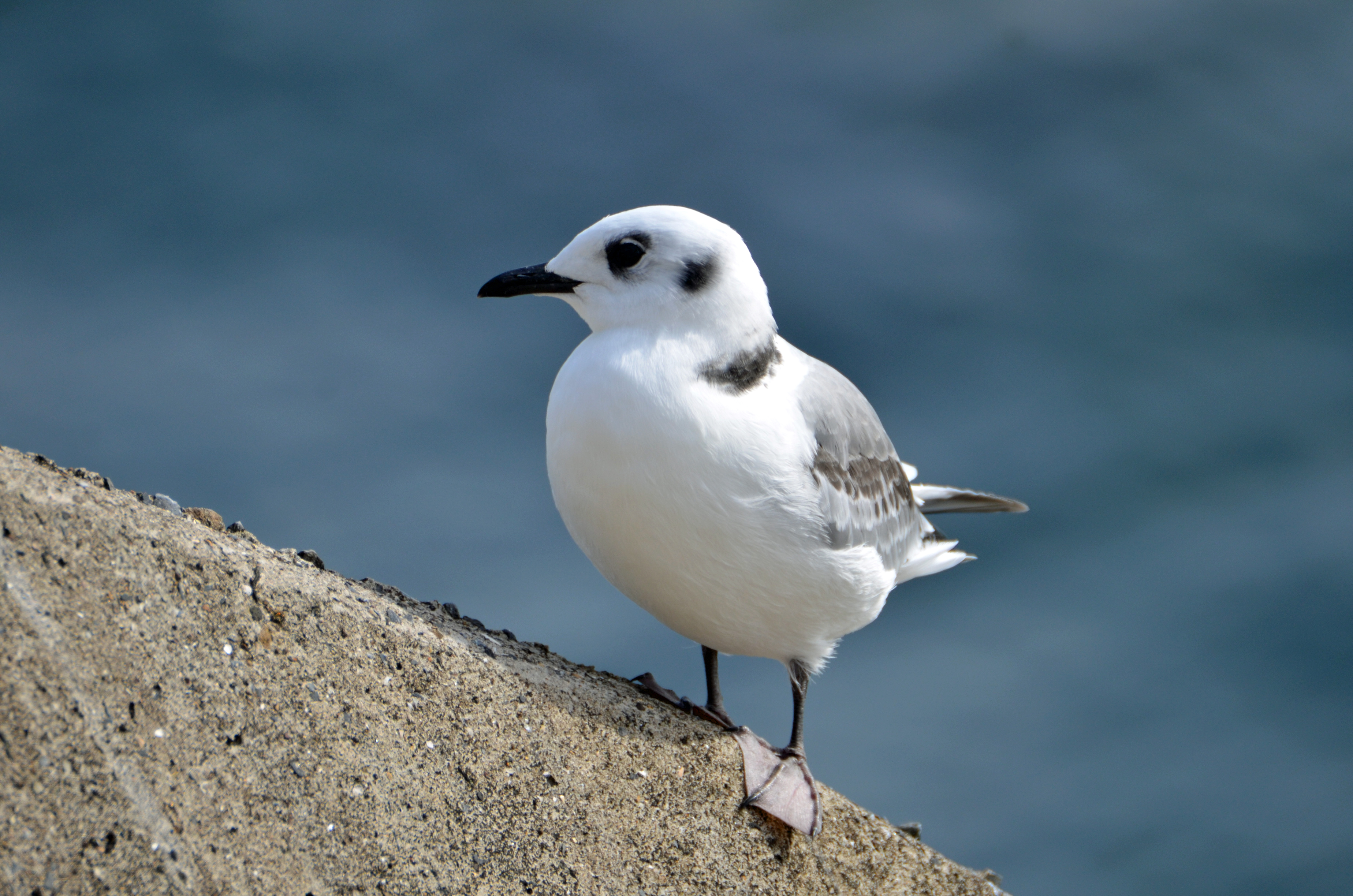
During their 41 days or so of the chicks time in the nest, the parents take it in turn to remain, guarding and feeding the chick(s), so they are rarely left unattended. Black-legged kittiwakes typically lay a clutch of two eggs, but there are also nests with one or three offspring.
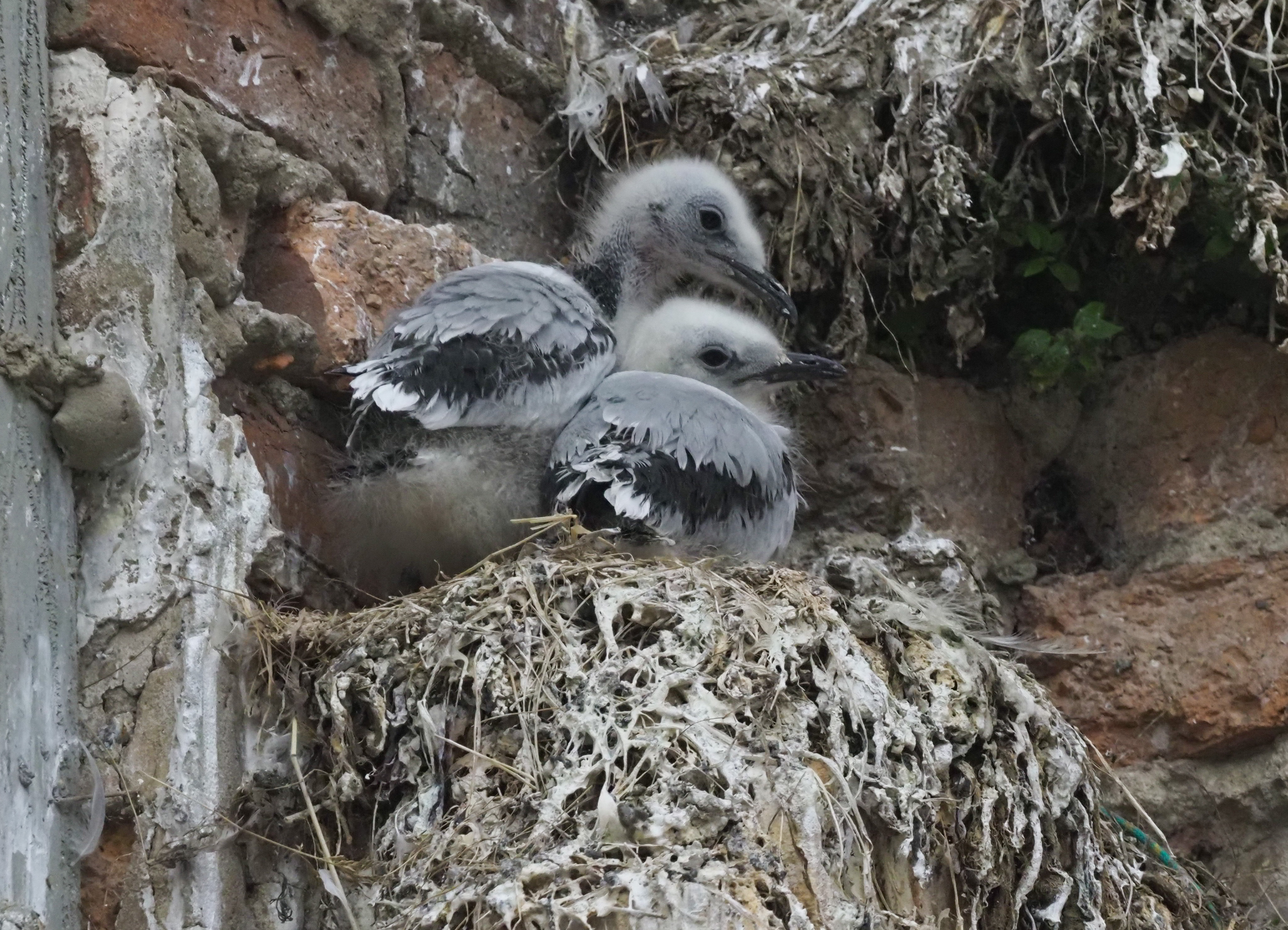
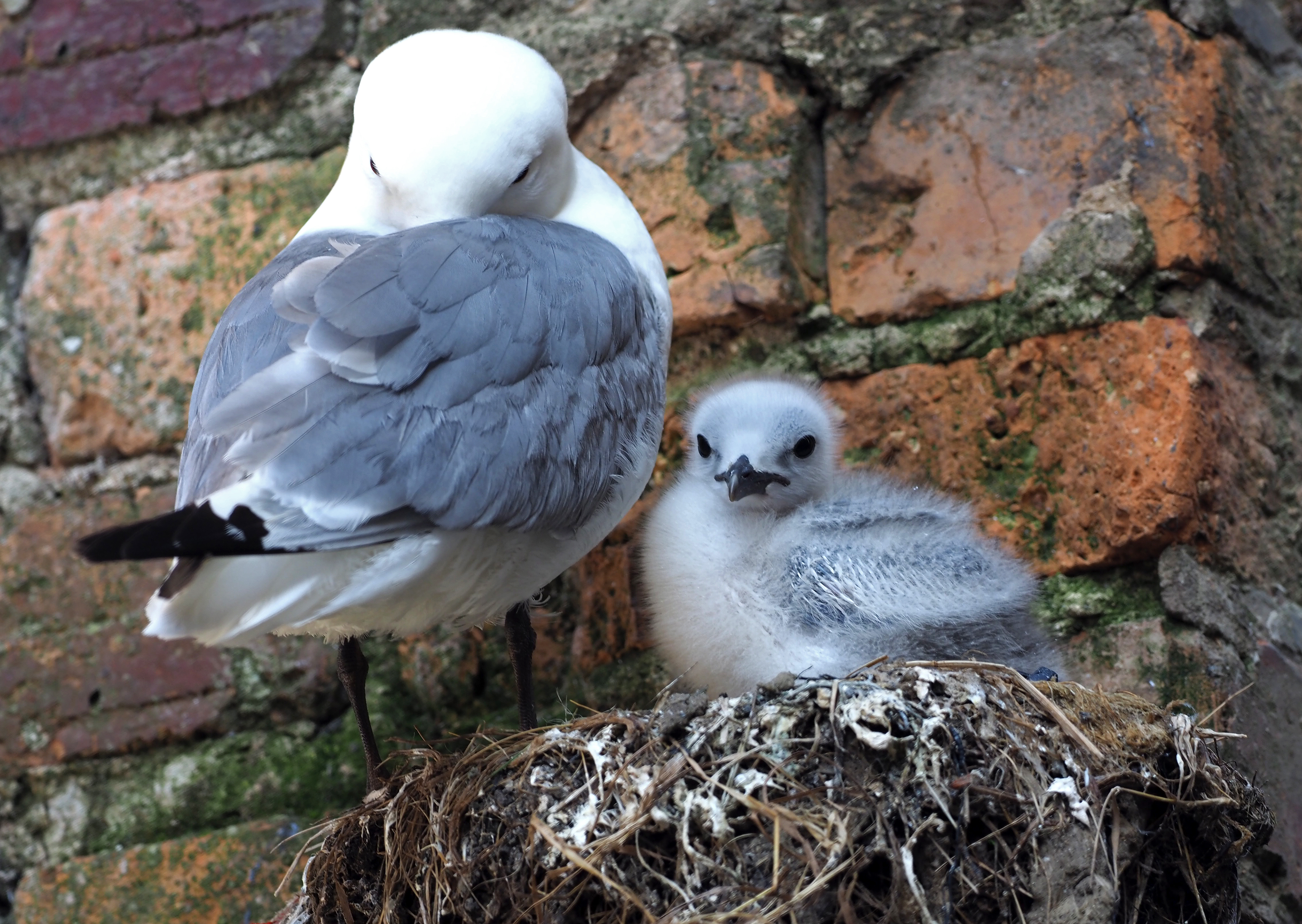
The parents take it in turn to leave the nest for a while – typically for about three hours – to go fishing! Remarkably, they can travel up to 40 miles and back in this time, but may of course find fish (sand-eels and capelin) much closer to the shore.
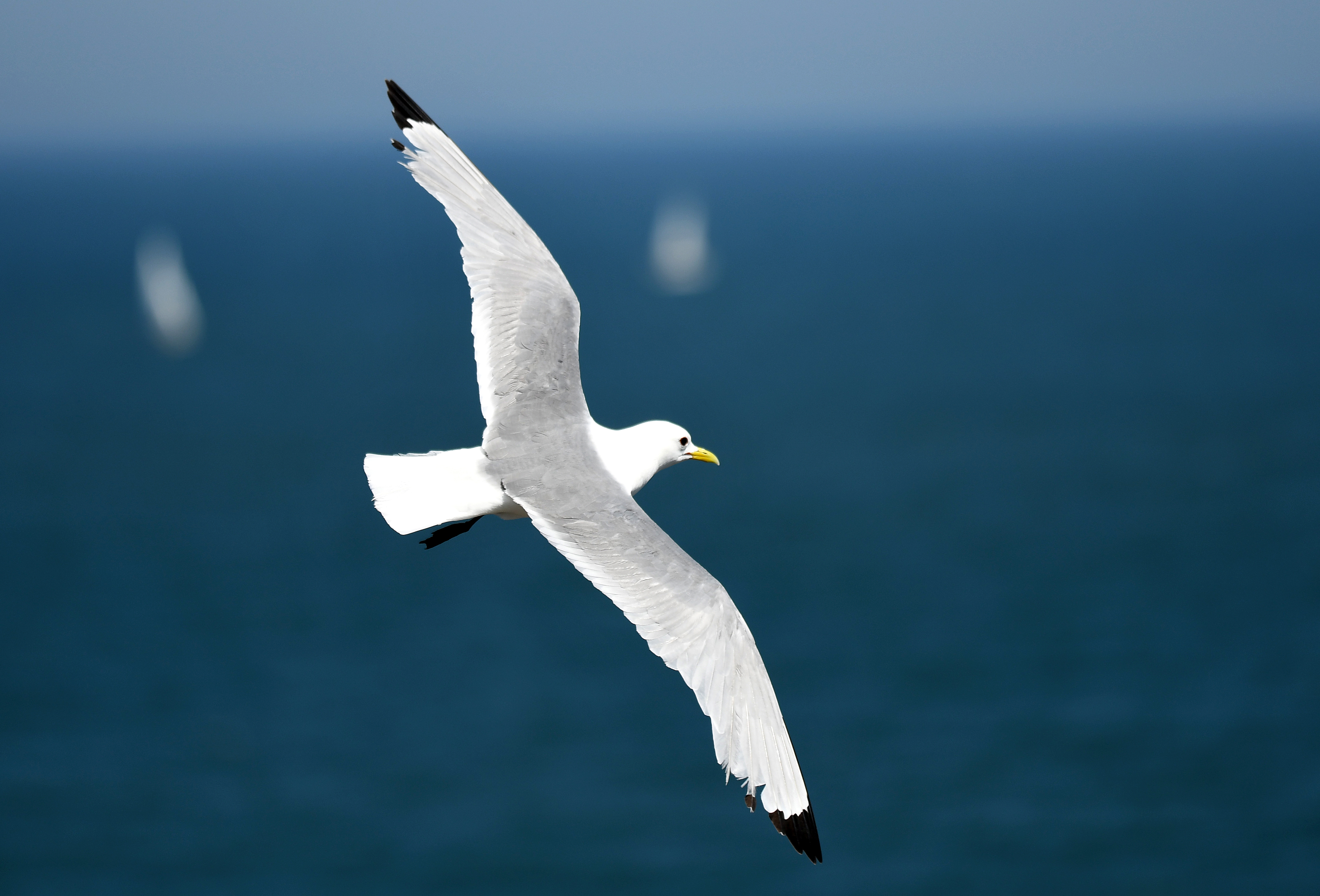
Research work on the Farne Islands discovered that kittiwake chicks get fed about five times a day, until they are about 20 days old, when the frequency of feeds drops off to about three and half feeds per day, on average. The chicks initially receive up to about 125 grammes of regurgitated fish per day – which works out about 3,000g (or 3 kilos) – until they are capable of flight. During the first 36 days or so, the chicks increase in weight at least 10 times, reaching about 350g. Fully grown adults can weigh up to 500g.
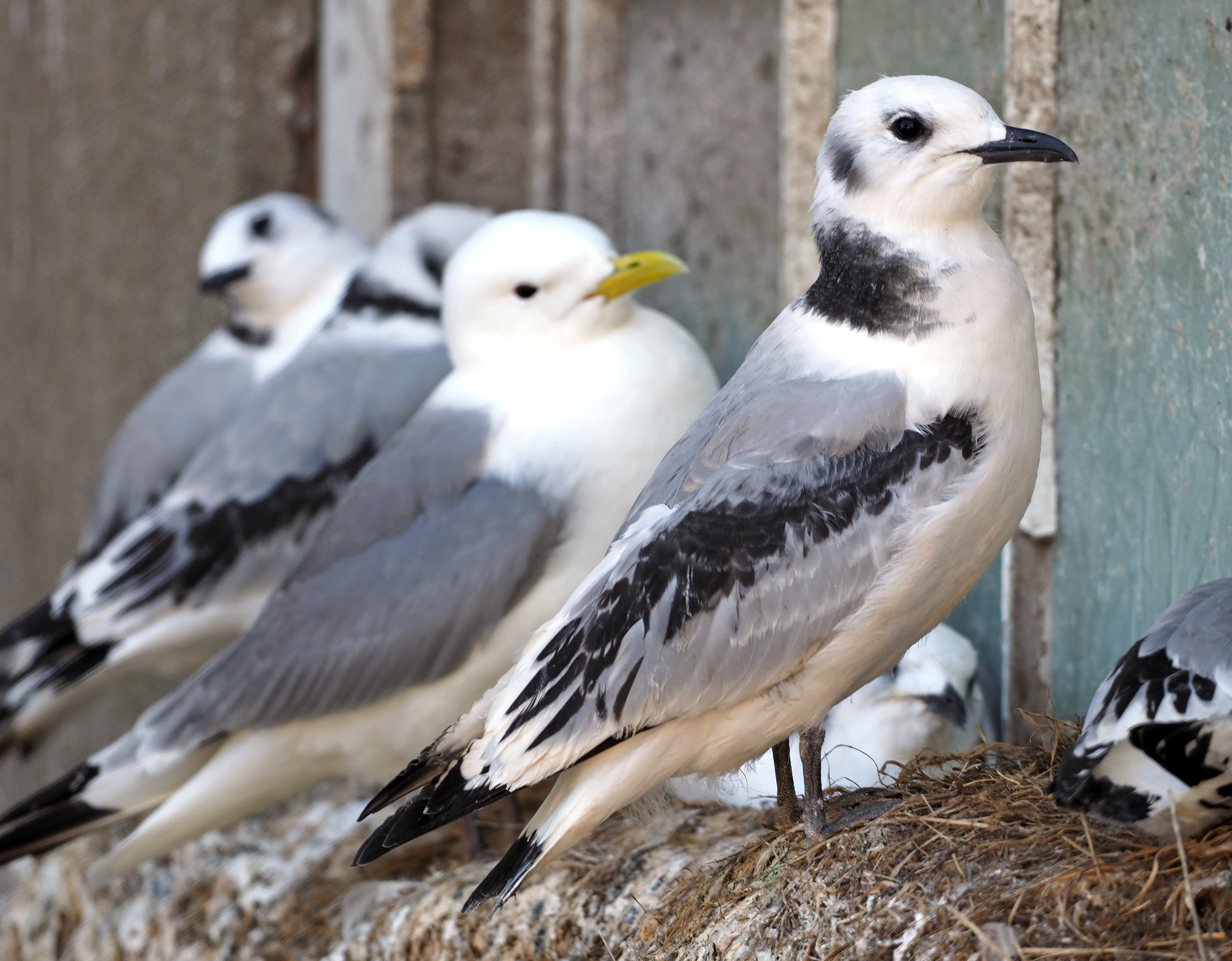
Interestingly, only a small proportion of the three kilos of food fed to the kittiwake chicks goes into the growth of the chick. The majority of the food they consume is used to maintain normal bodily functions, keeping themselves warm and healthy. This means that relatively small reductions (e.g. 10%) in the amount of food a chick receives can have a marked impact on their daily growth rate; which suggests that parents who are good at feeding their chicks will be rewarded by large, healthy offspring. Survival of the fittest.
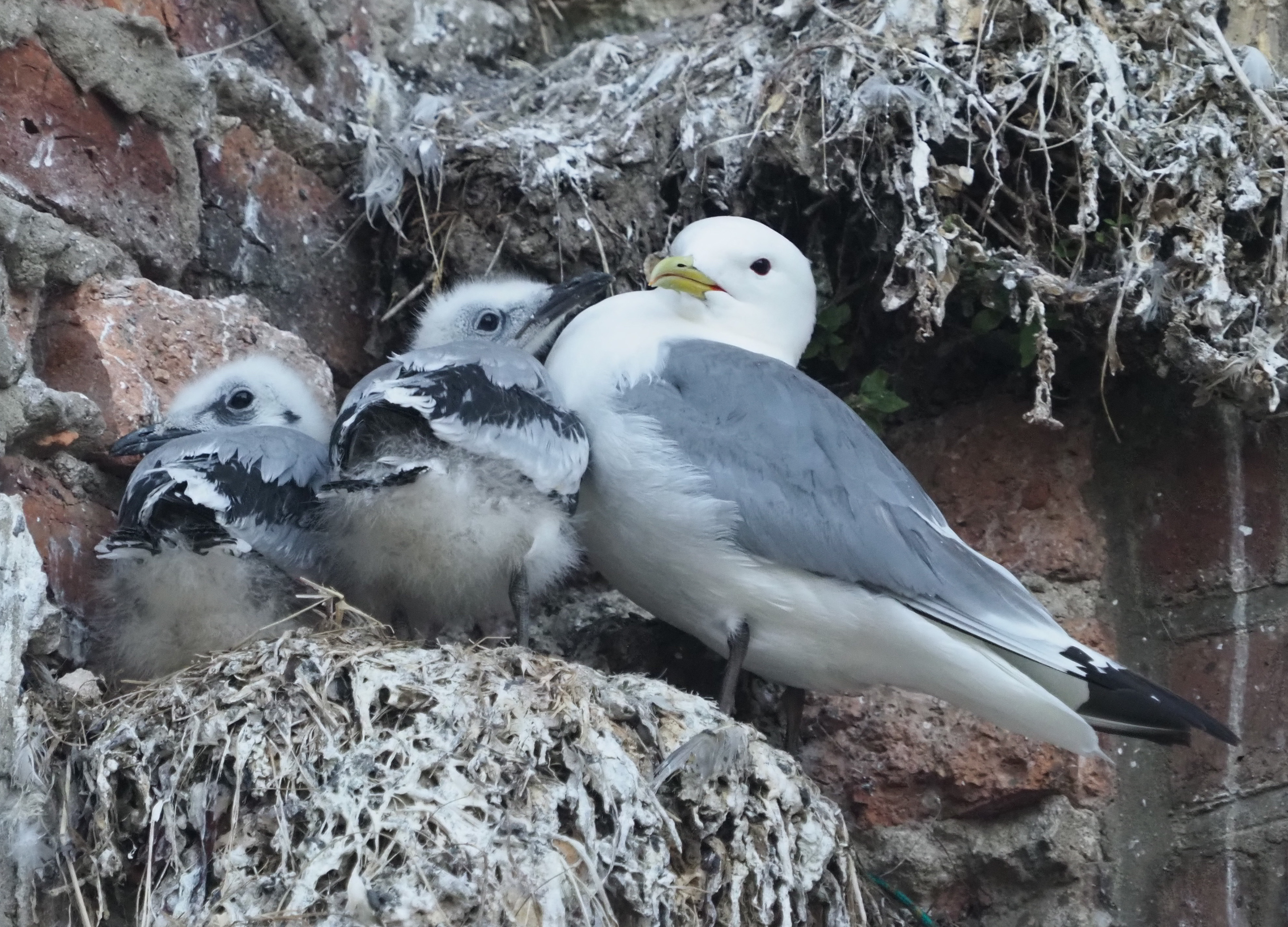
Chicks start exercising their wings long before they actually use them to fly. They face inwards towards the cliff or building, hold on tight to the nest, and flap! Flapping must be a very basic instinct, something they must need to do at a very deep level!
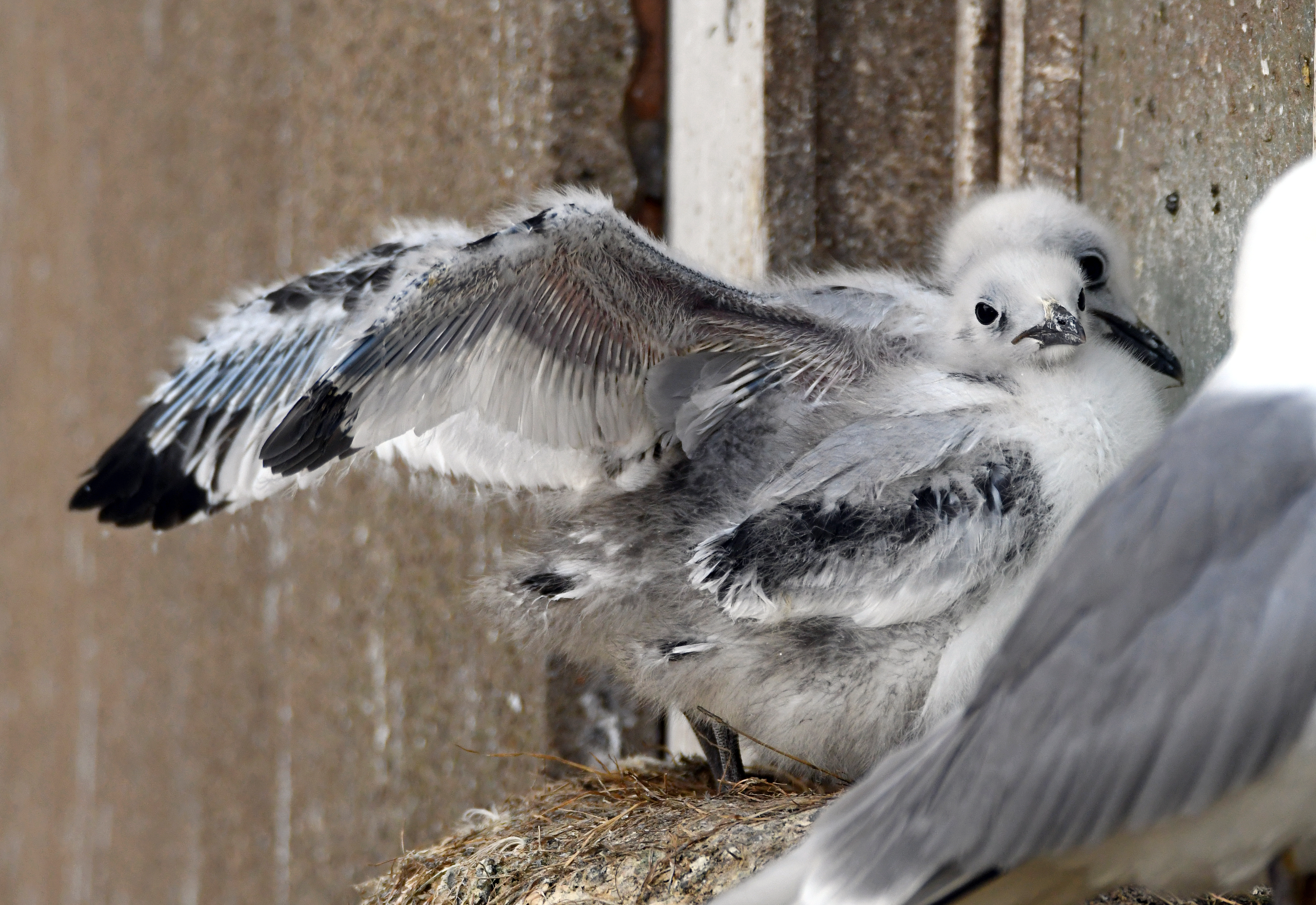
When the chicks leave the nest for the last time, the bond with the parents is broken, and they are on their own. They have to forage for themselves. They leave the colony and join up with other kittiwakes in feeding groups where they can learn how to successfully find food and survive in the open ocean.
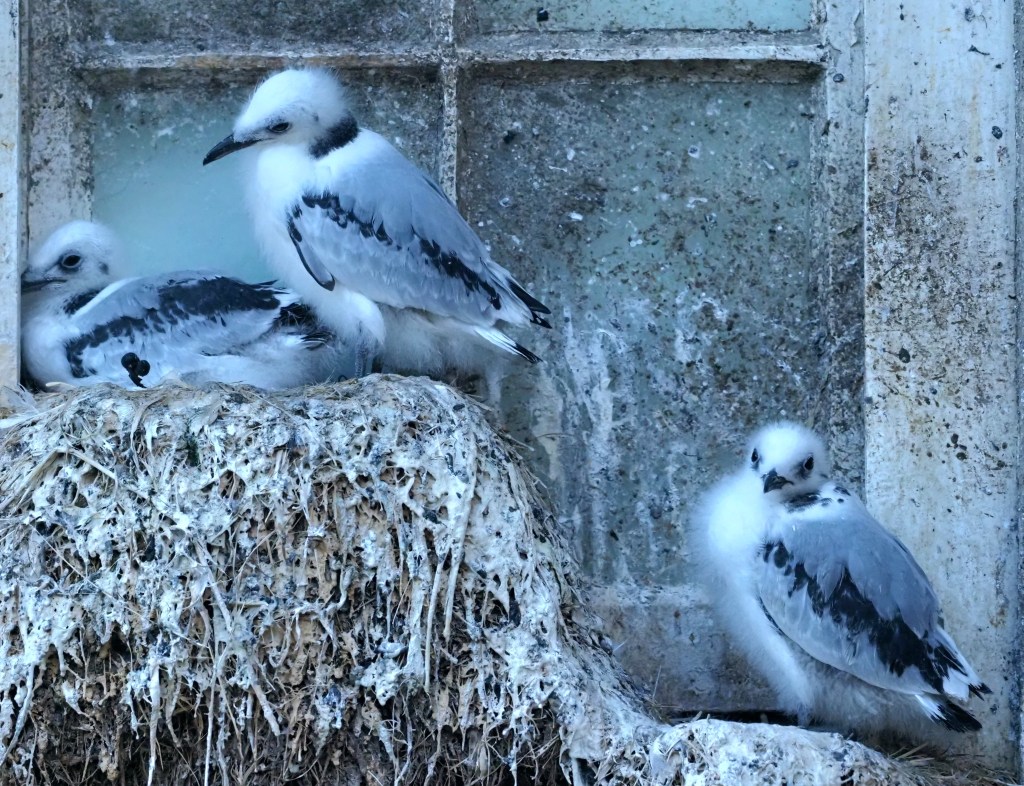
All photos taken in Scarborough, North Yorkshire, by the author, Raymond JC Cannon
This blog was written with the aid of the excellent book by Coulson, J. (2011): The kittiwake. A&C Black.

 Ray Cannon's nature notes
[…] Kittiwake chicks: bringing up babies! […]