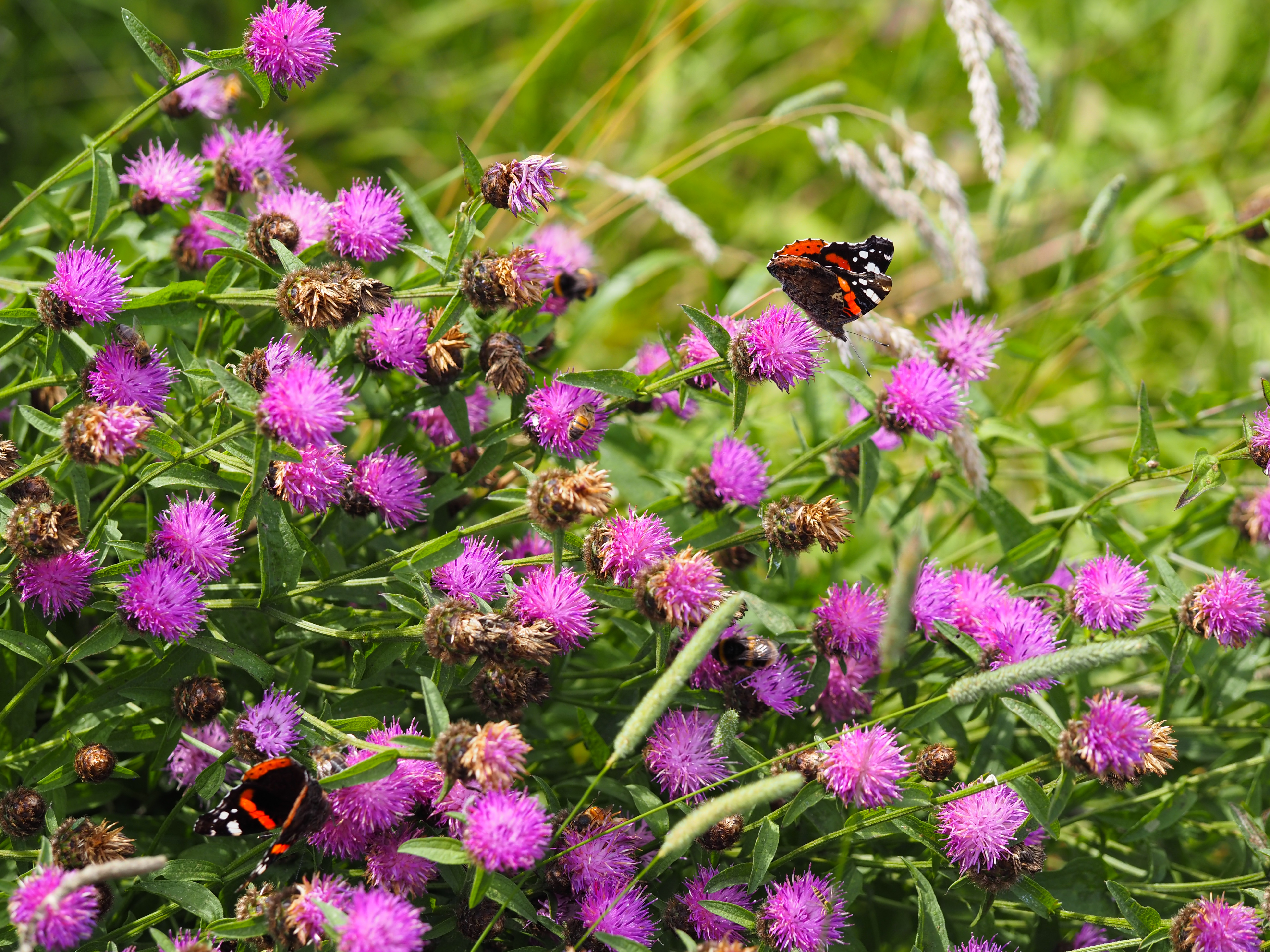
There have been many reports of insect declines of late, and of a generally impoverished insect fauna. So many reports in fact, that one might conclude that there was little left of our invertebrate friends! Of course, the situation is serious, and there has undoubtedly been an overall decline in the diversity and abundance of insects, but the picture is patchy and insects are not declining everywhere. In the words of one report: “accounts of the demise of insects may be slightly exaggerated” (Thomas et al., 2019).
“butterflies are declining across large parts of Europe” (Warren et al., 2021)
“many insect taxa are experiencing rapid declines in both temperate and tropical ecosystems” (Harvey et al., 2023).
It was with these thoughts about the possible demise of insects swishing around in my head, that I wandered the countryside this summer, looking for subjects to photograph. So it was a tonic to come across a field, earlier this month (July 2023) seemingly brimming with insects of all kinds!
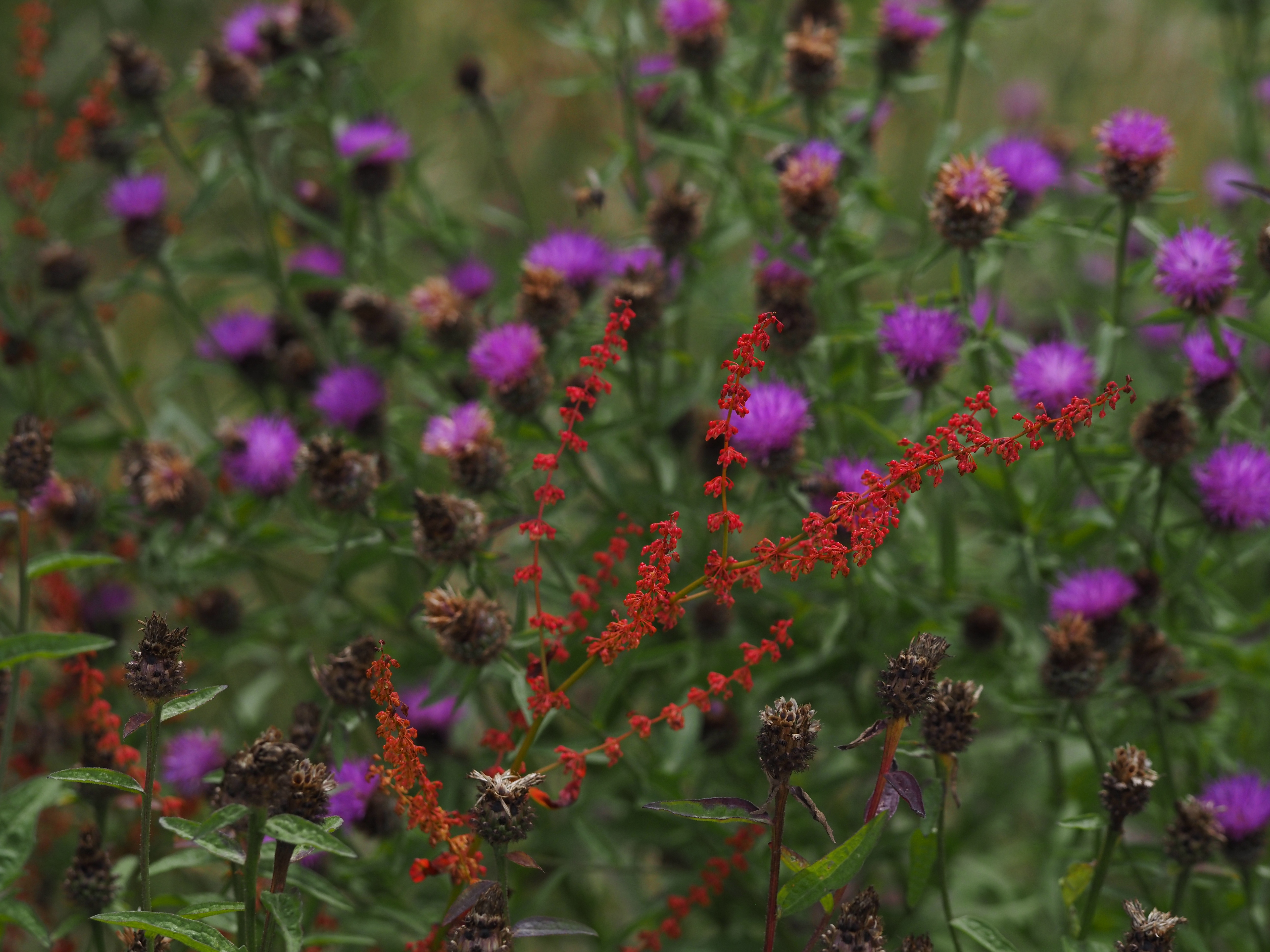
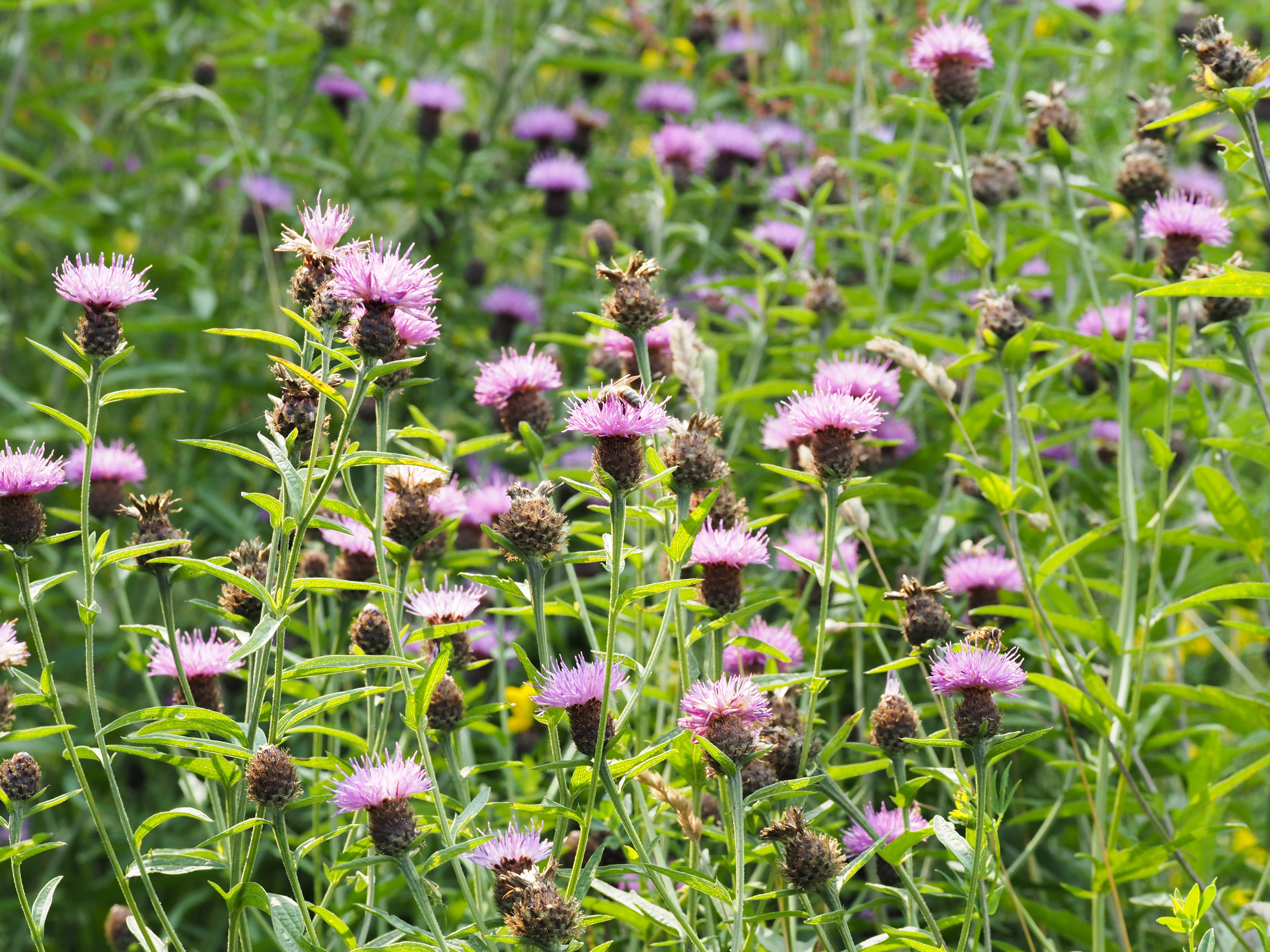
I am sure that there was nothing unusual about this field, other than it was warm and sunny, and the insects were making the most of the good weather. Just an ordinary fallow field, or meadow, in Bedfordshire, dominated at the margins by common knapweed, creeping thistles, common ragwort, red sorrel, bird’s foot trefoil and other so-called grassland ‘weeds’!
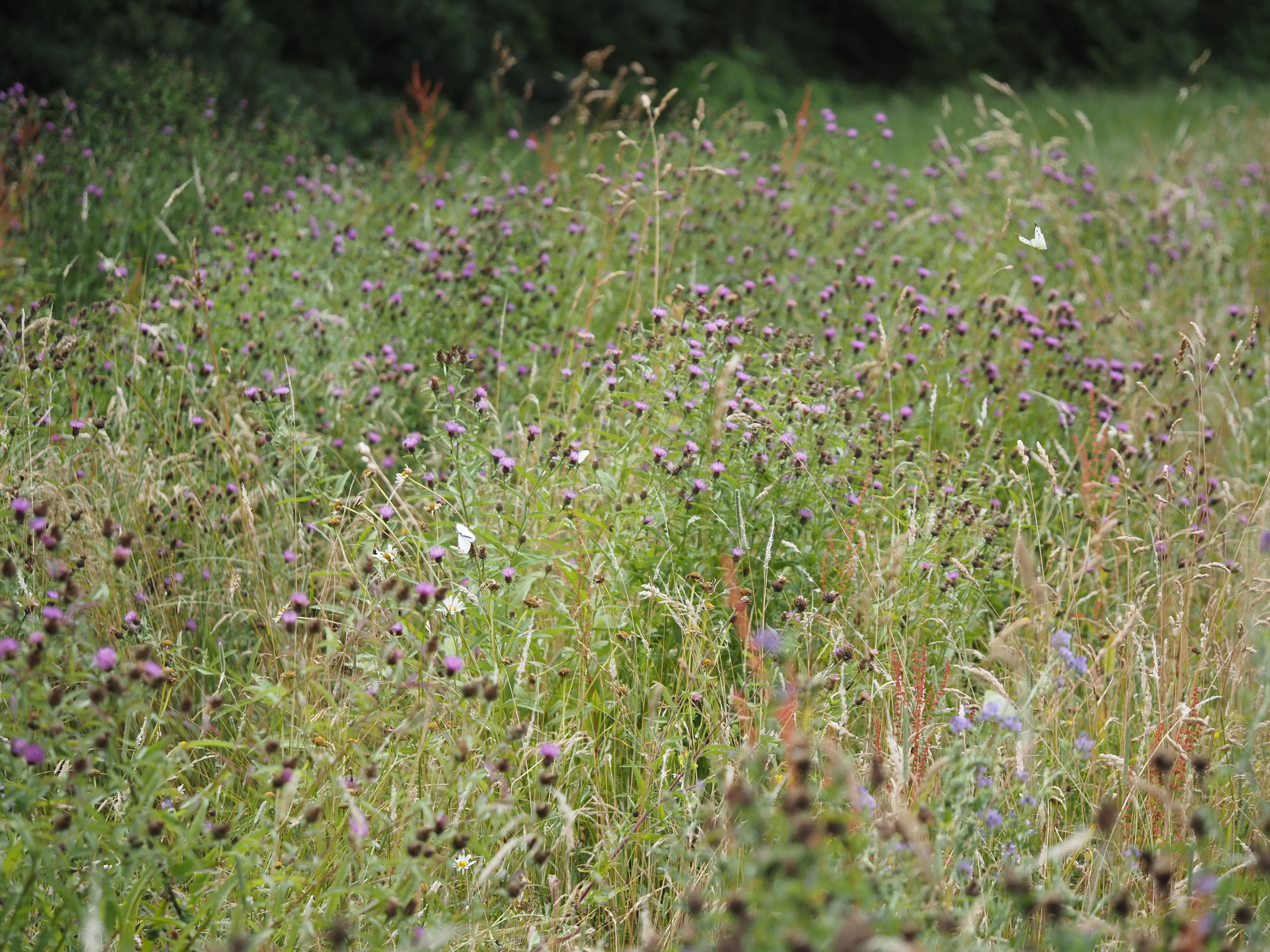
It’s worth noting that many these flowering perennials, so beloved of pollinators, are classed as weeds by farmers (and some gardeners), who usually want to grow something else! Weeds are just wild plants in the wrong place. But there’s the rub. It is because we are so efficient at growing monocultures in the countryside, that we have excluded such flowers, or pushed them to the margins. And of course, insects have suffered as a result.
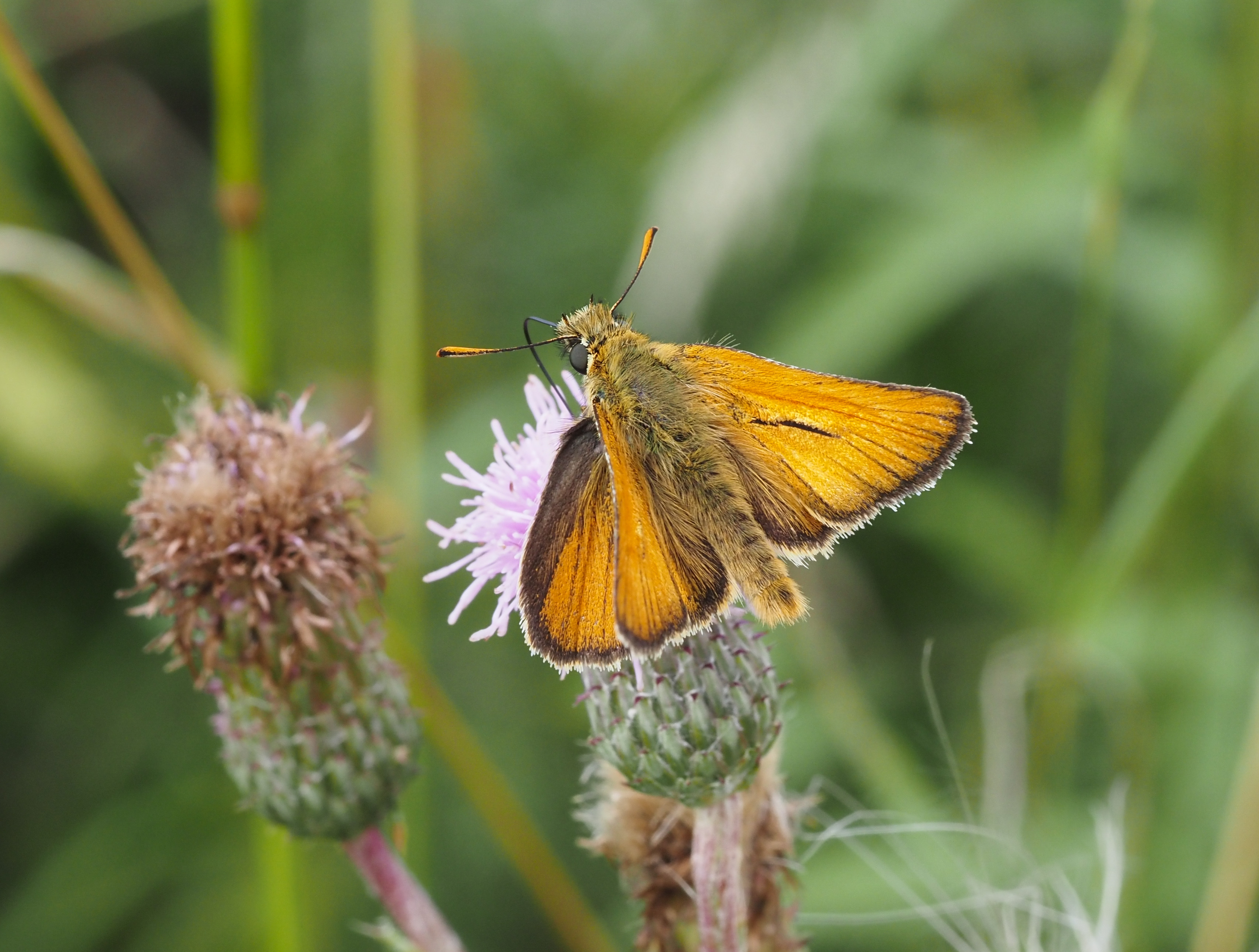
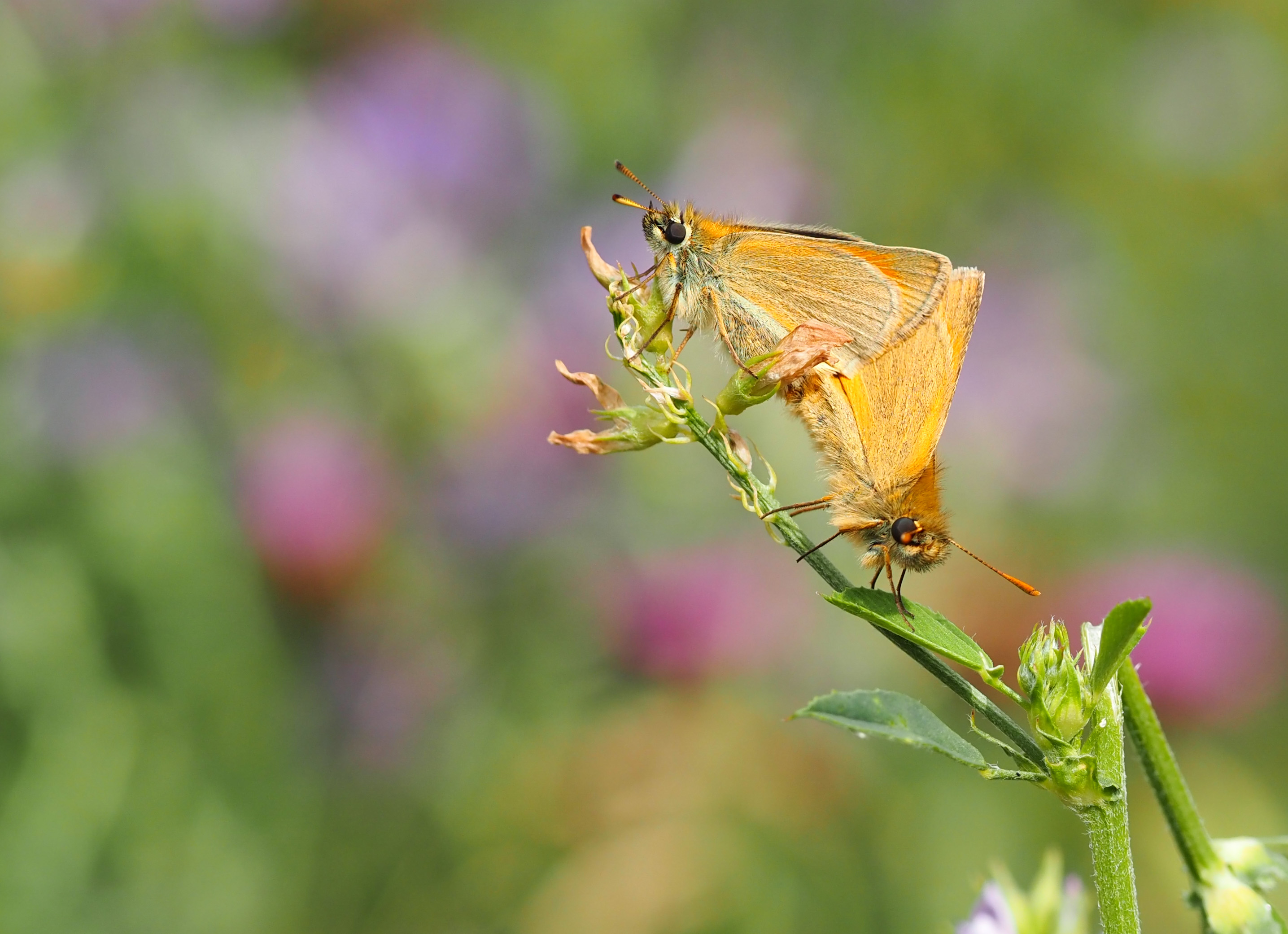
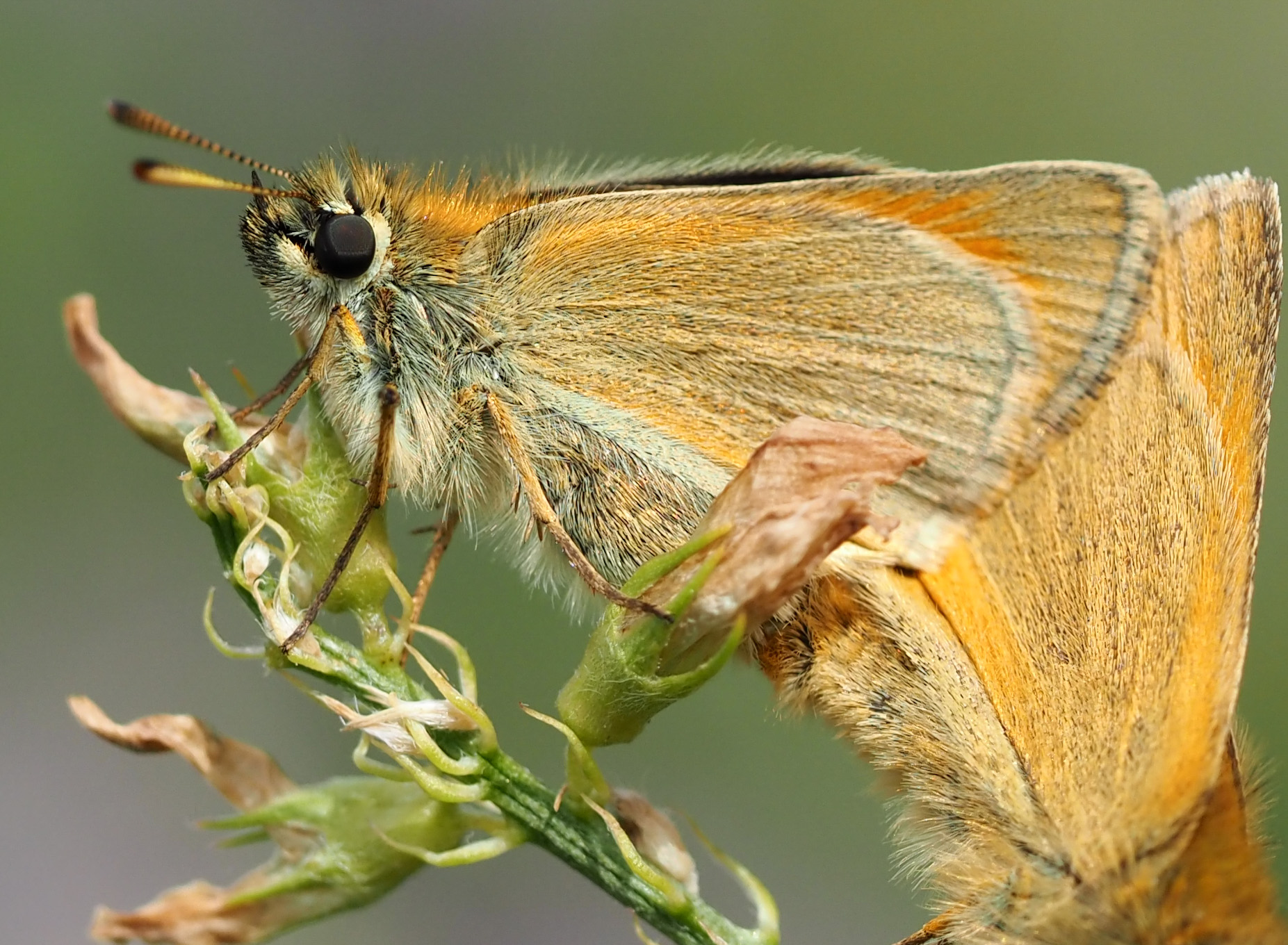
This field in Bedfordshire was certainly no ancient meadow, and I don’t know how long it had been set aside, or left fallow. There were ploughed-up fields on the other side of this field and woodland along two sides, separated by a wide grassy border. The field was located on the margins of the Colworth estate, near the village of Sharnbrook, in Bedfordshire, UK.
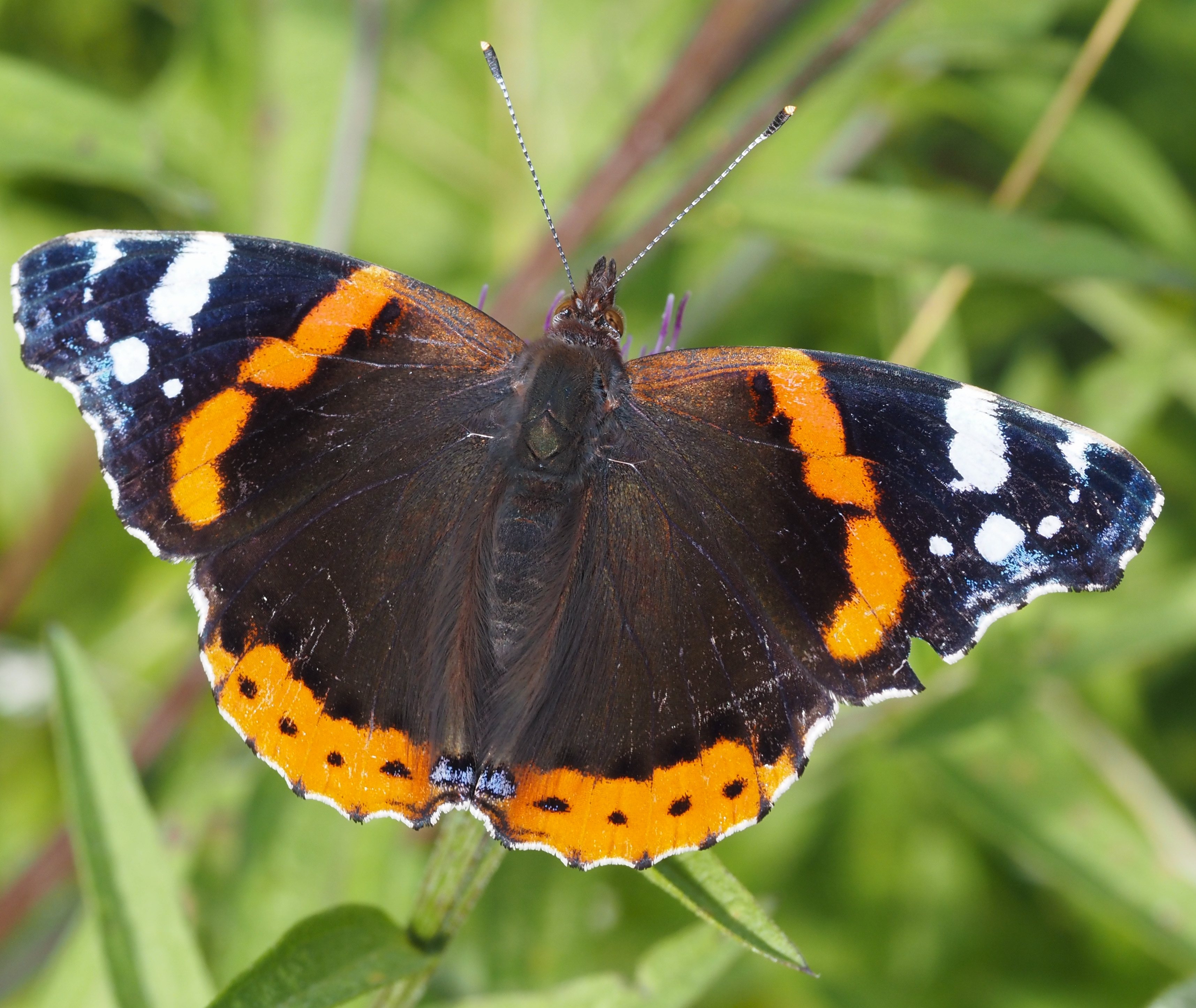
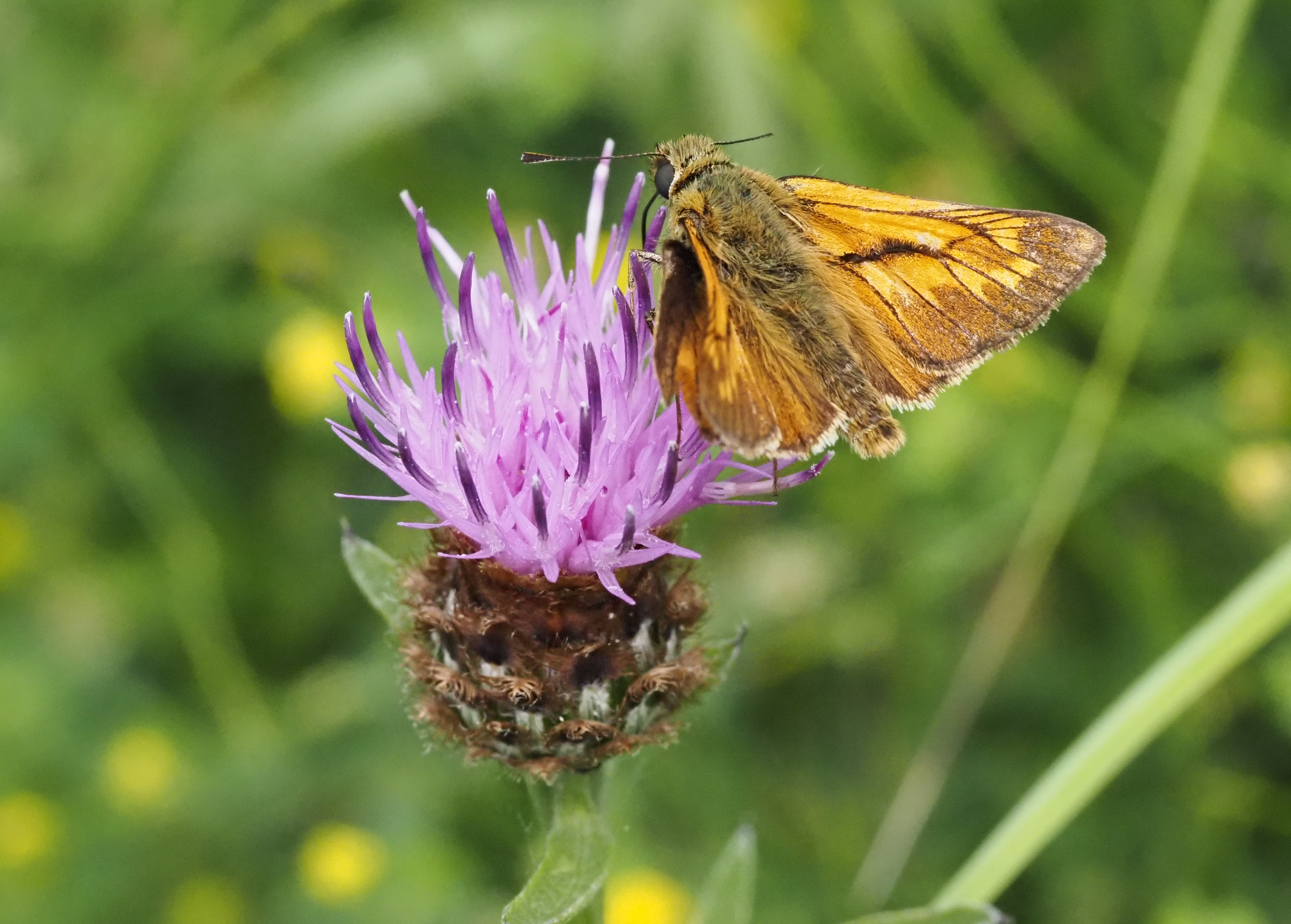
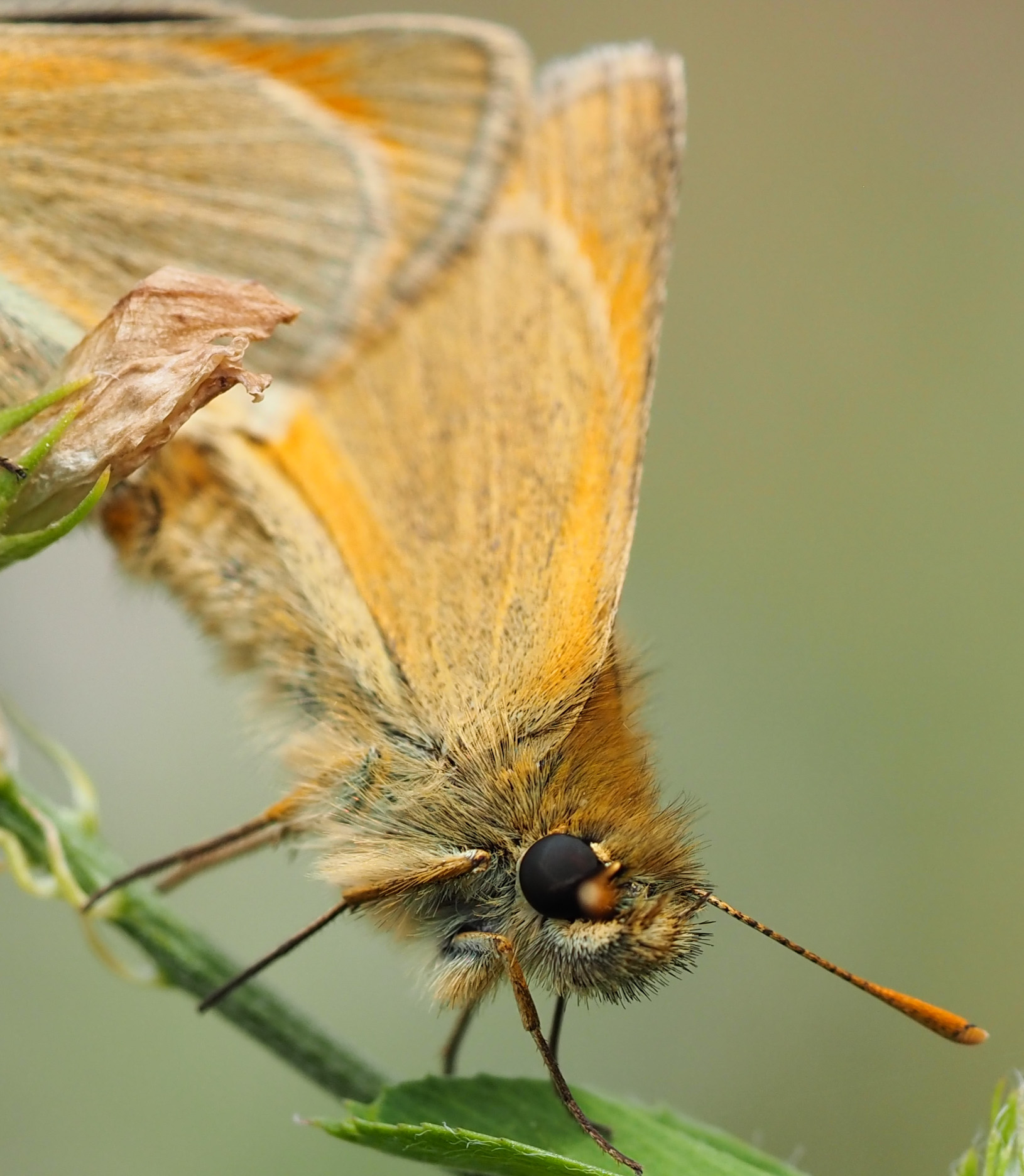
There were lots of butterflies in the meadow, including: large and small whites, green-veined whites, large and small skippers, red admirals, commas, gatekeepers, meadow browns, a holly blue, ringlets, brimstones, a painted lady, and best of all, lots of silver-washed fritillaries. That’s 14 species of butterflies!
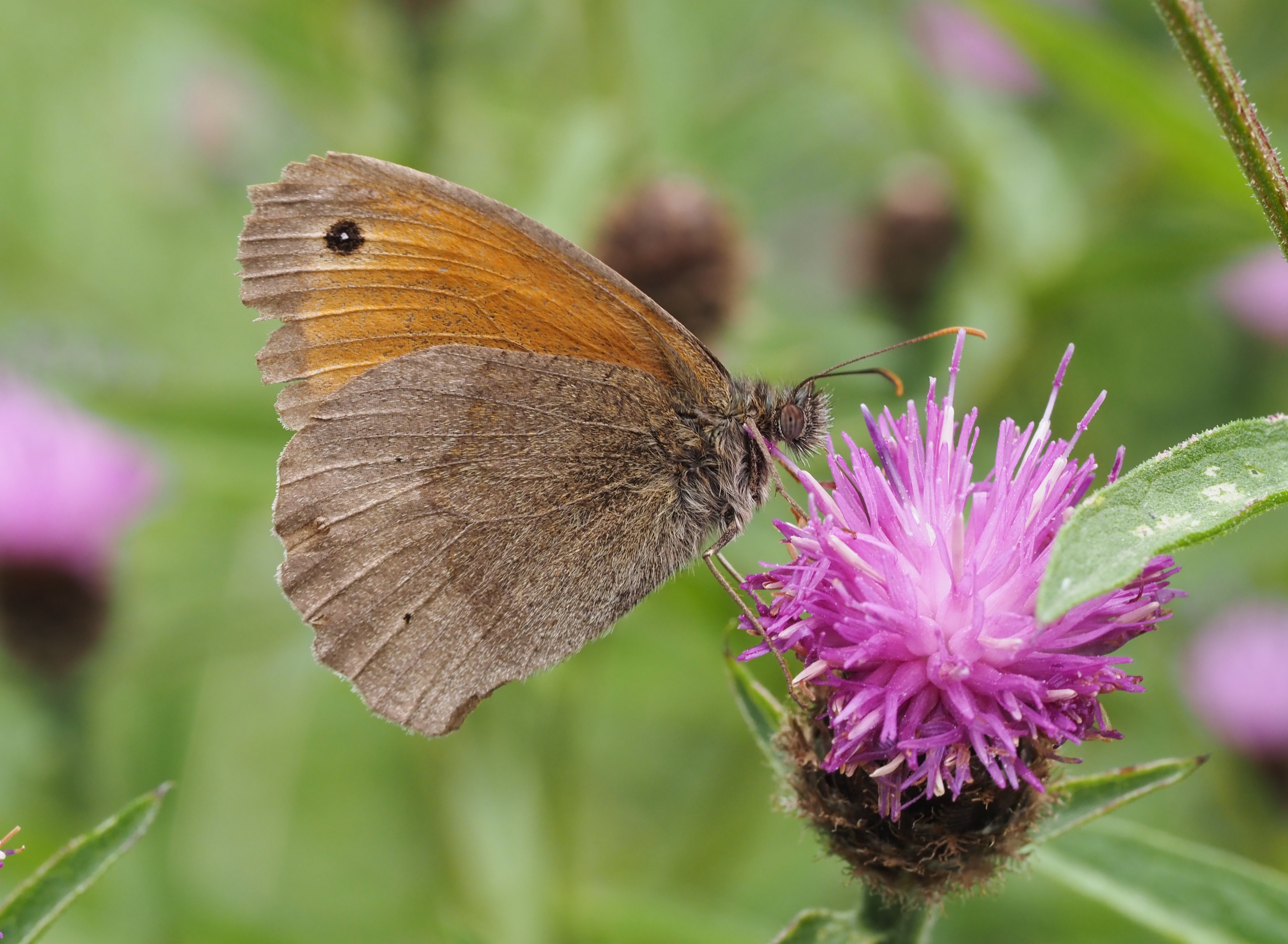
Meadow browns were flitting about in the field following rapid zig-zag paths, too flighty in the warm humid conditions to photograph, but occasionally coming to rest to refresh themselves on the abundant knapweed flowers (below).
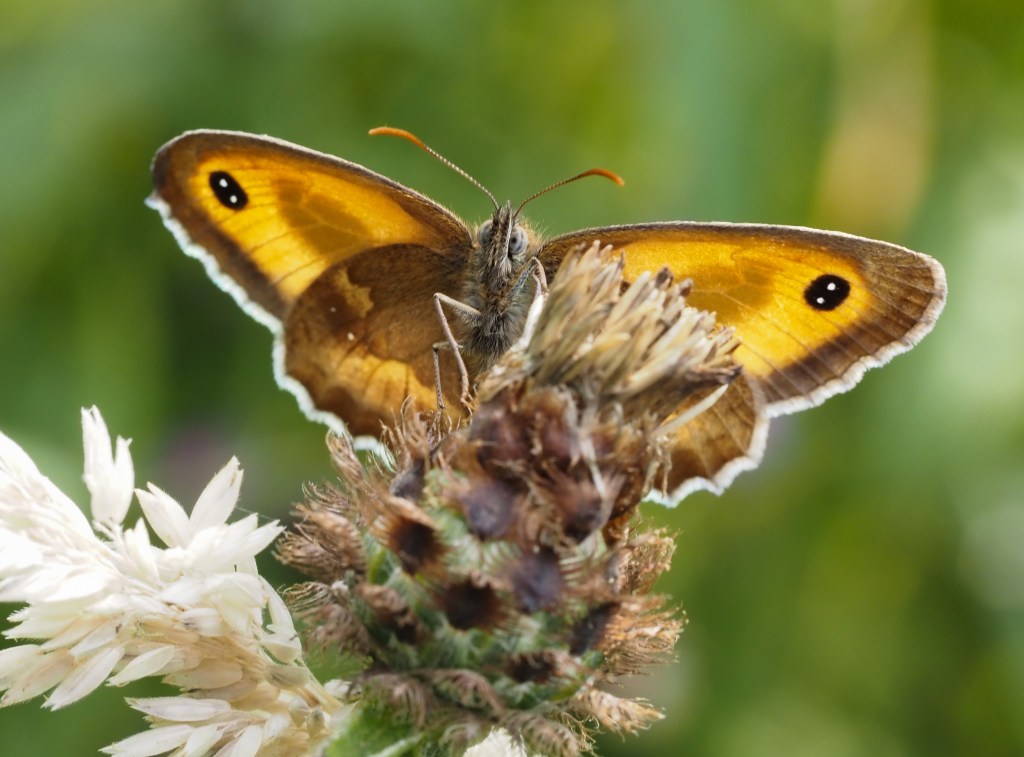
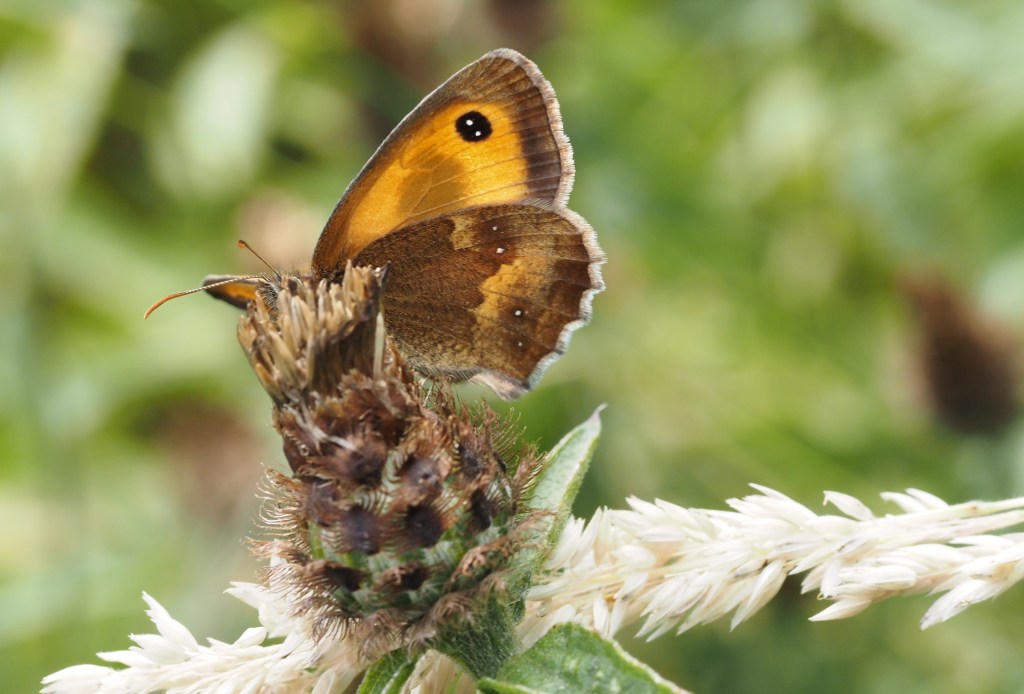
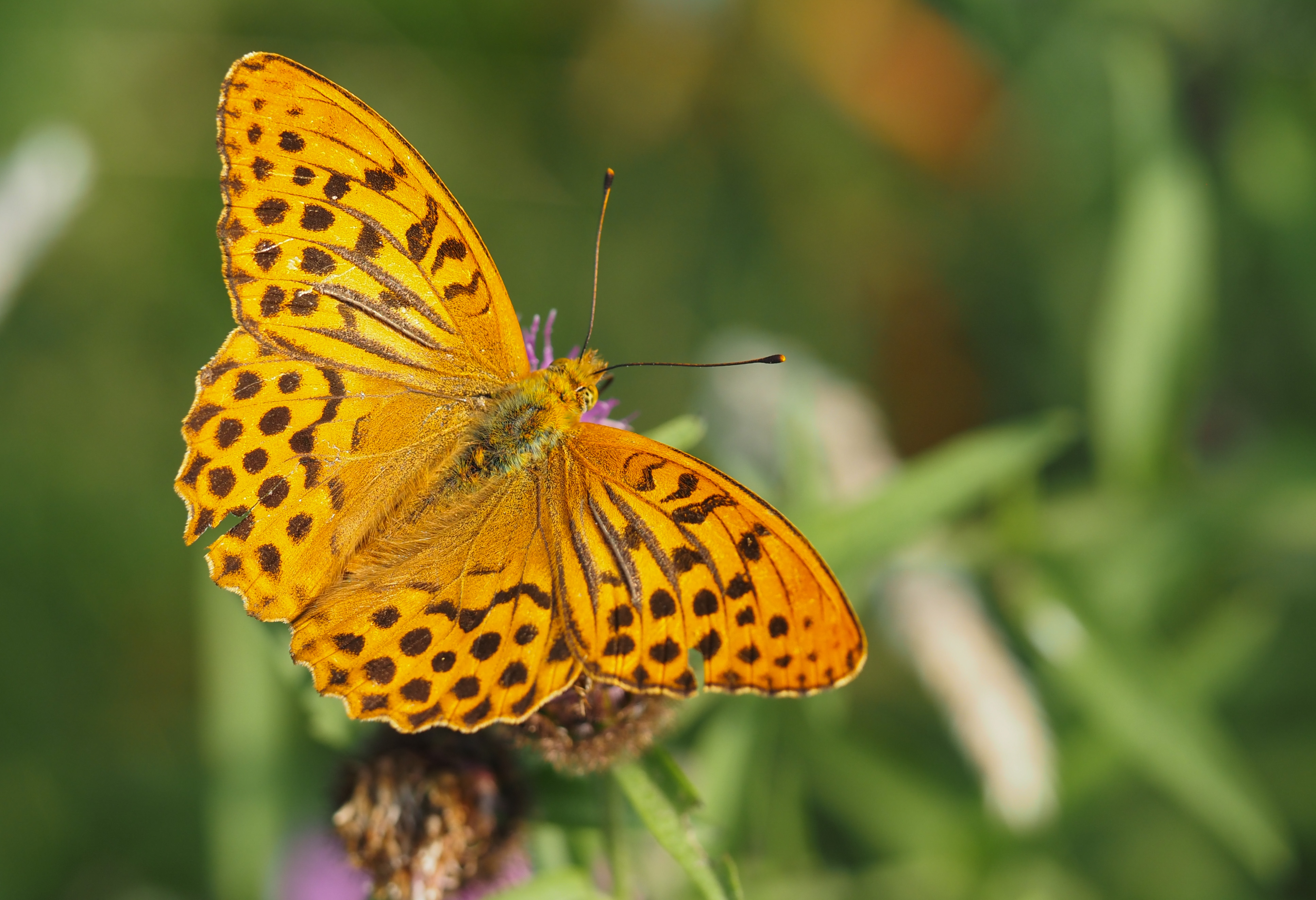
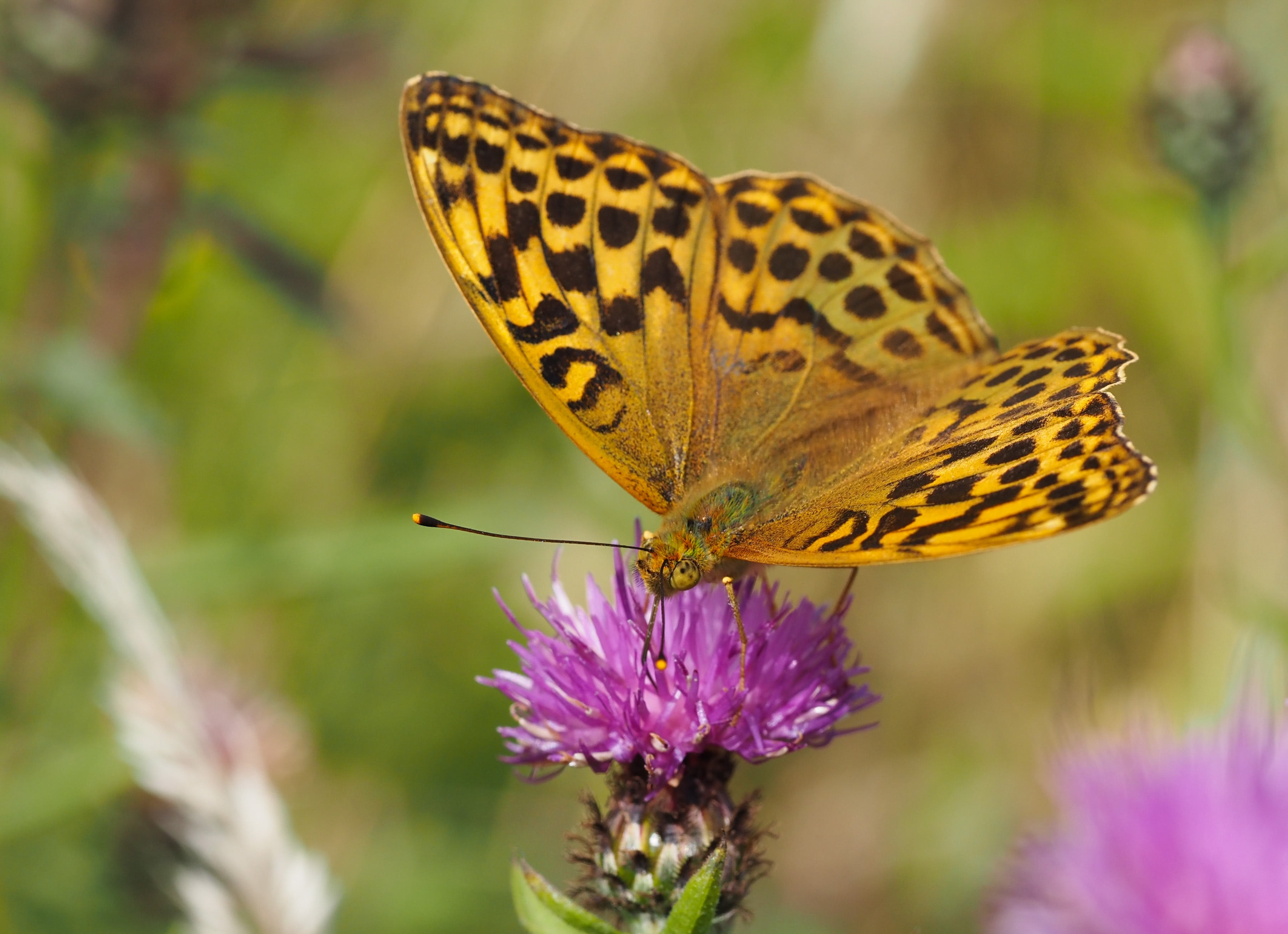
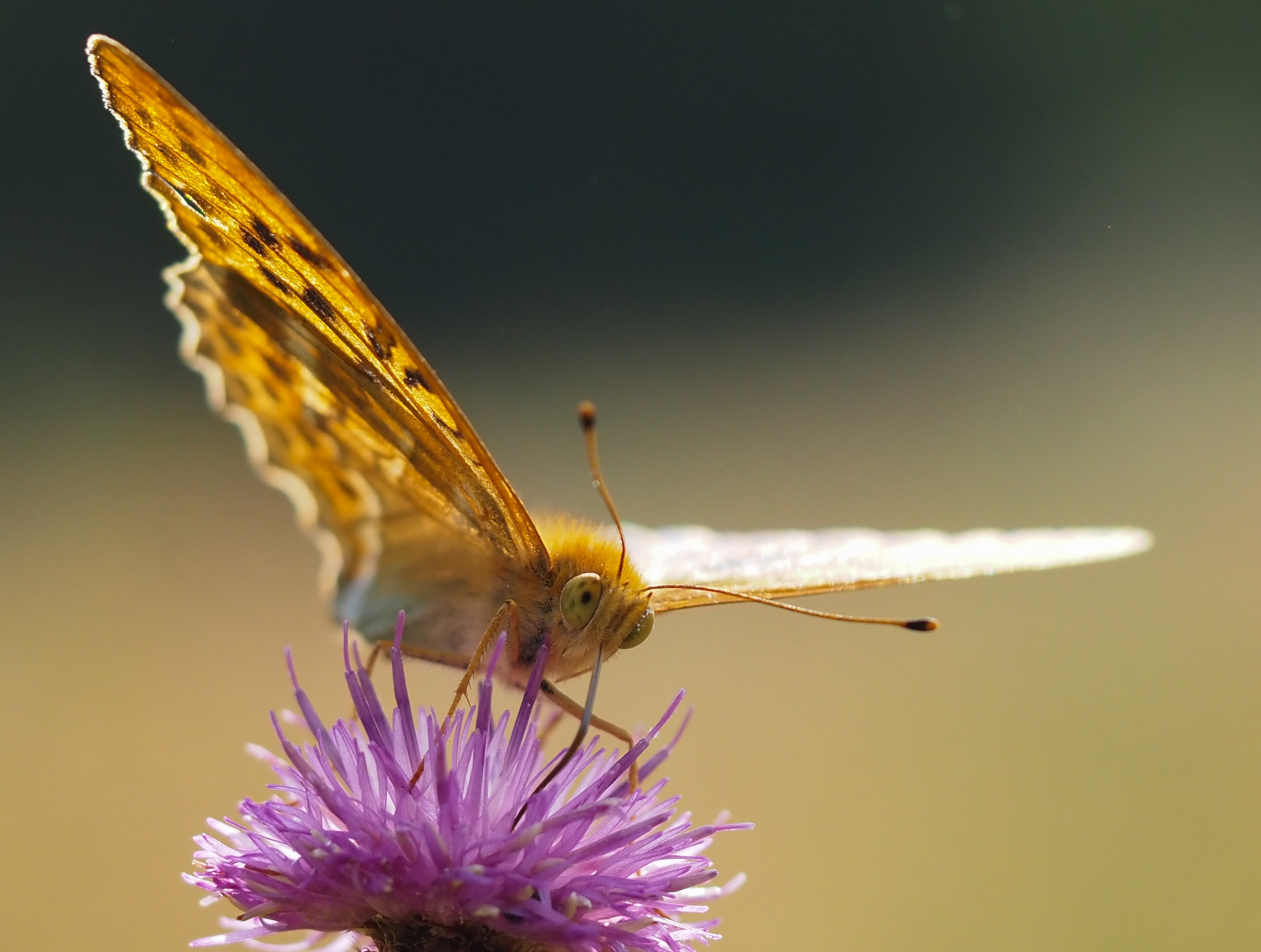
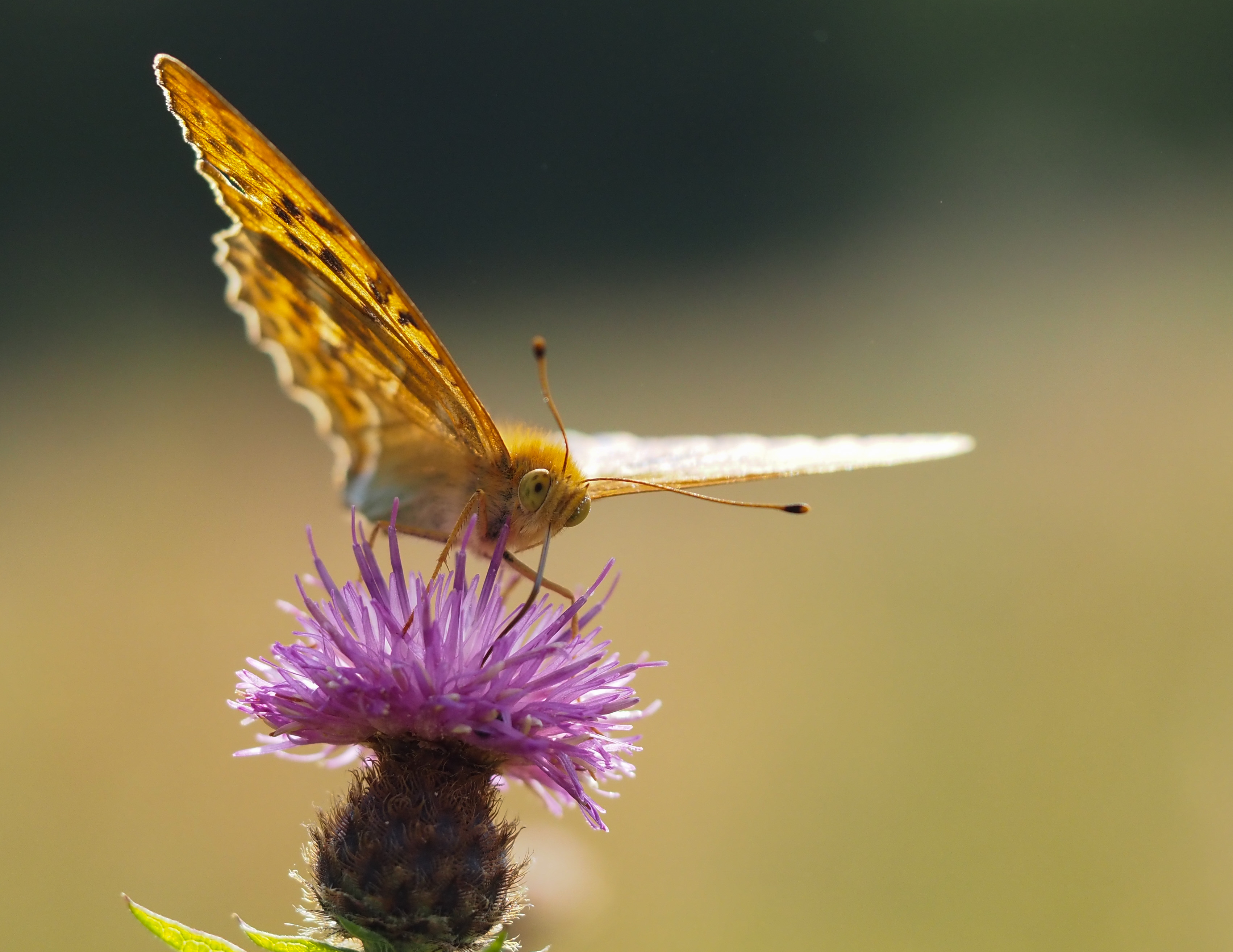
Similarly, there were lots of gatekeeper butterflies, the males with their brown fore-wing markings, seemingly more apparent than the females. I was delighted to see quite a few silver-washed fritillaries, both males and females, which had clearly come out of the nearby woodland to feed on the knapweed flowers.
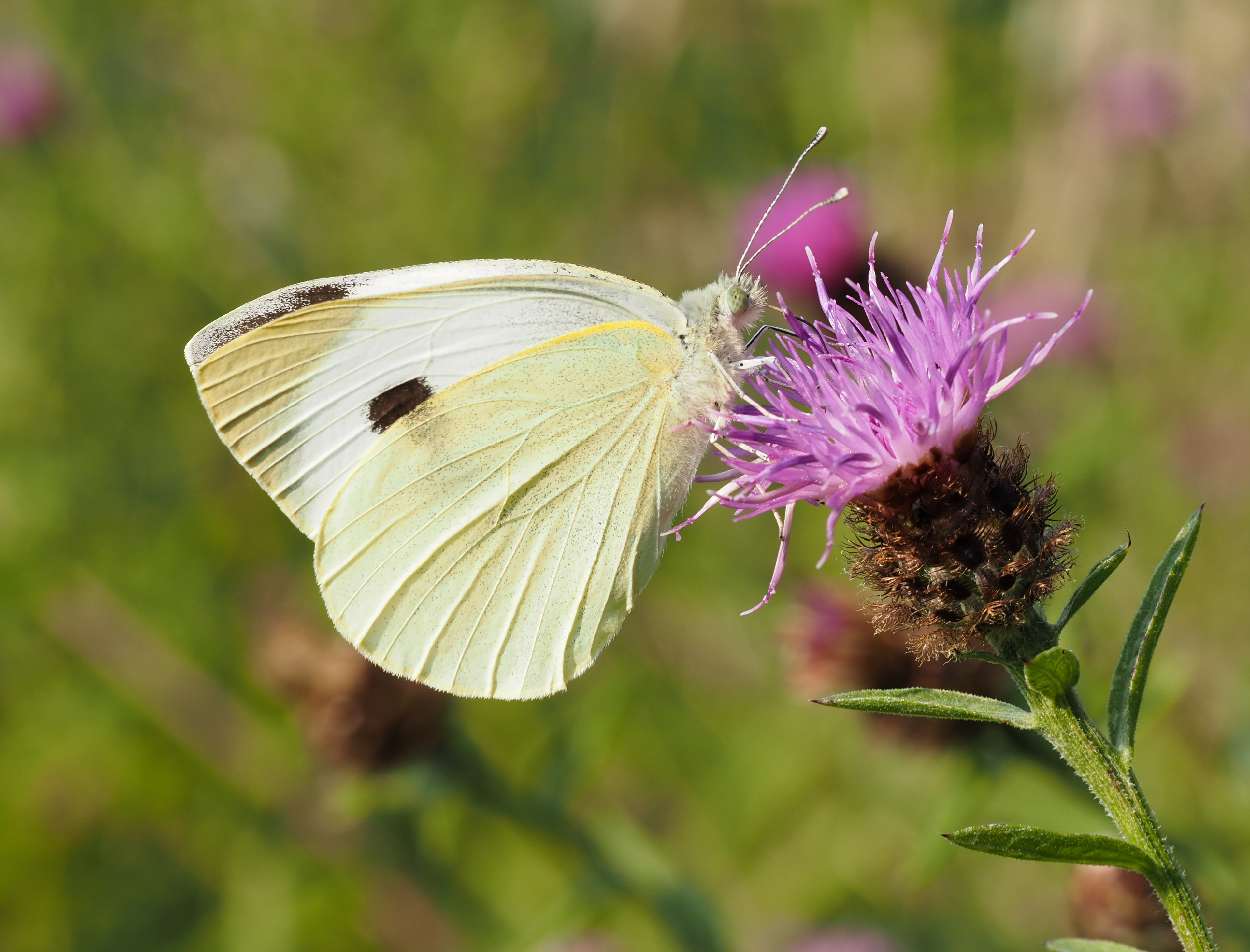
There were also quite a few, fresh looking large white butterflies, an attractive species with quite a lot of colour – despite being called white – in newly emerged individuals (below).
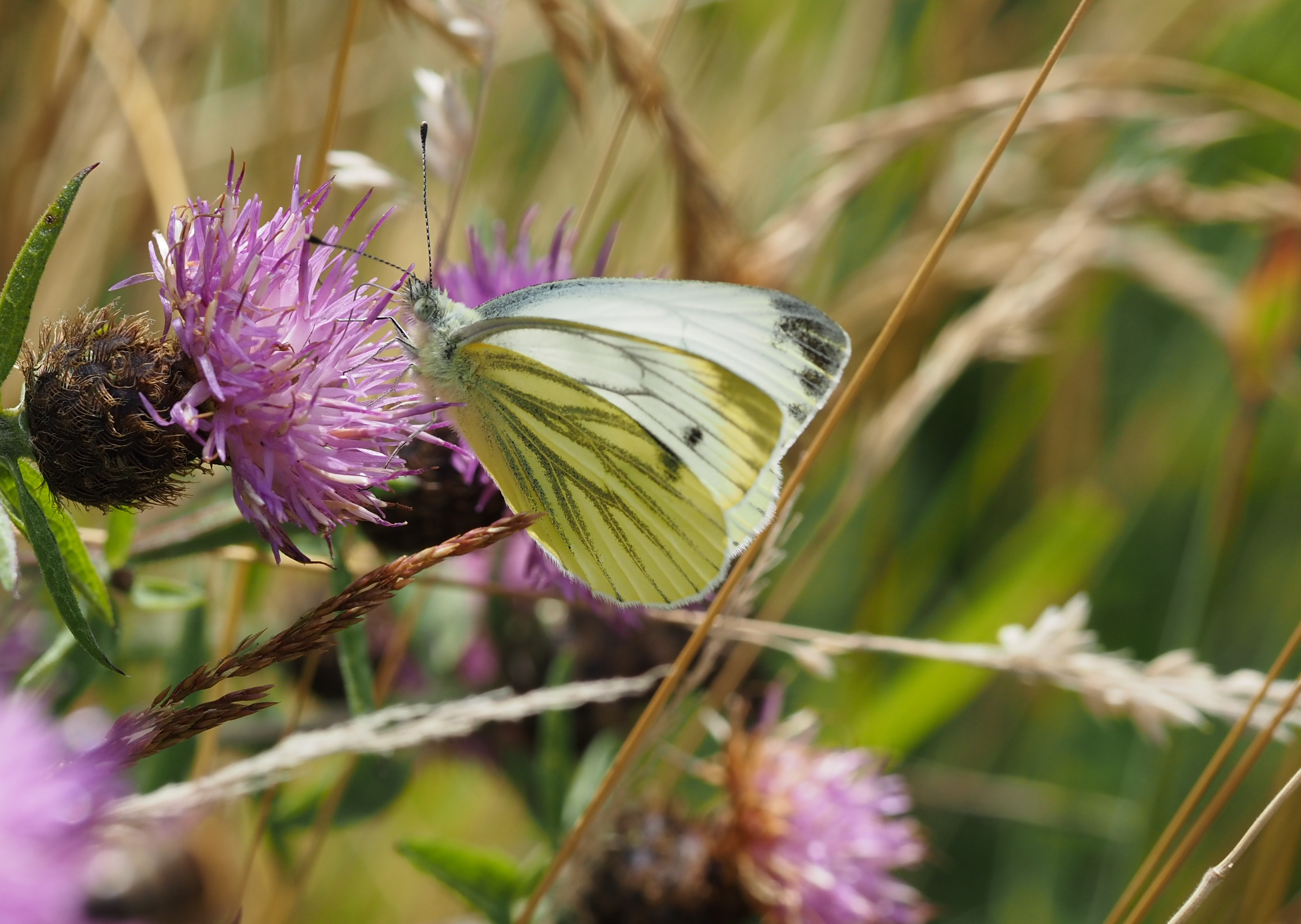
There was also an occasional green-veined white (below), a butterfly where the female has a remarkably effective way of saying no, to amorous males, as I described here.
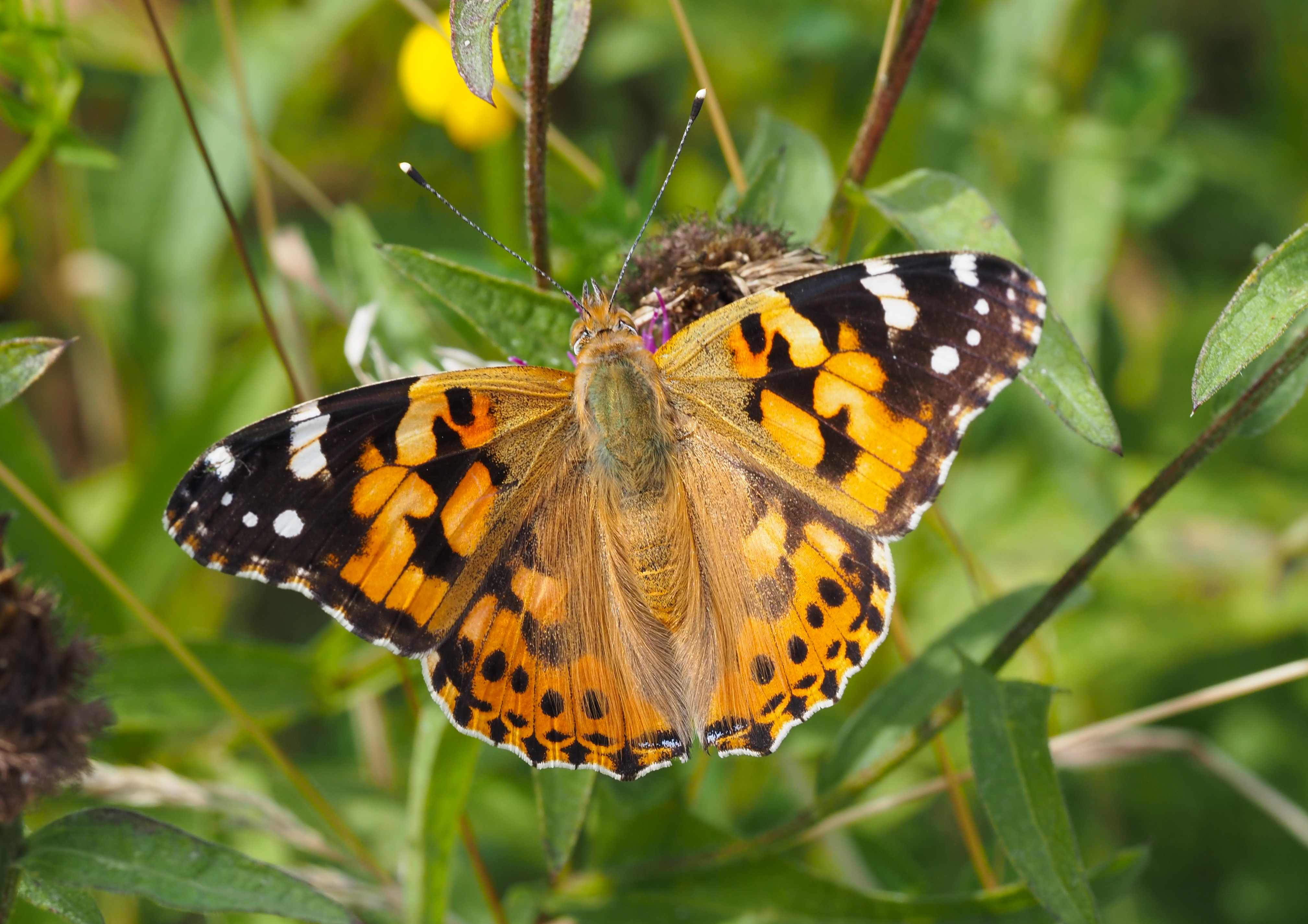
On one occasion (16 July 23) I was surprised to come across a painted lady. This species is renown for being a long-distance migrant, flying north all the way from Africa to Europe and back each year. It does this in stages however, stopping off to breed in a multi‐generational round‐trip each year. So this rather fresh looking individual had probably developed on a host plant in this country, the offspring of a parent which may have flown over from the continent earlier in the season.
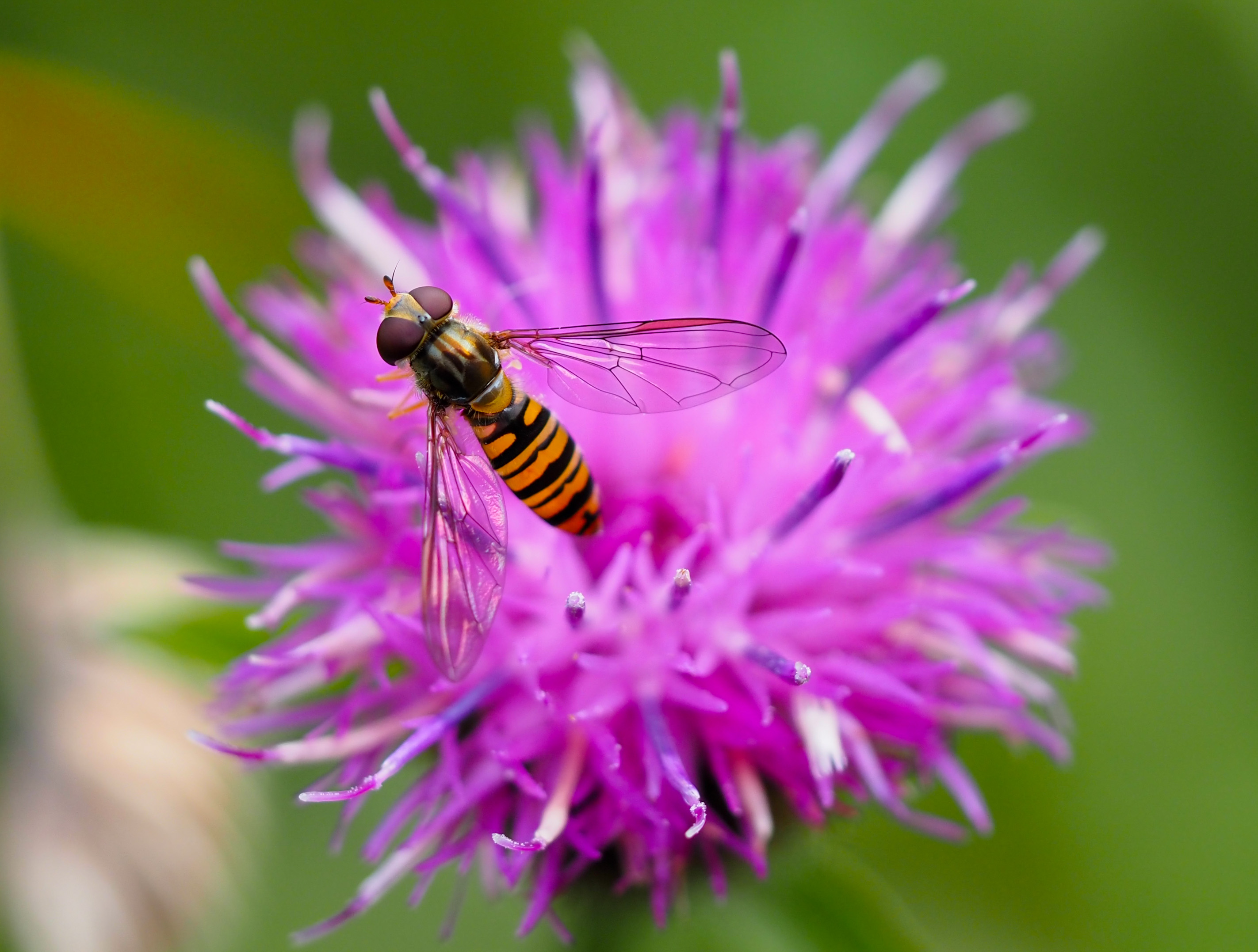
Hoverflies were also competing for nectar (below).
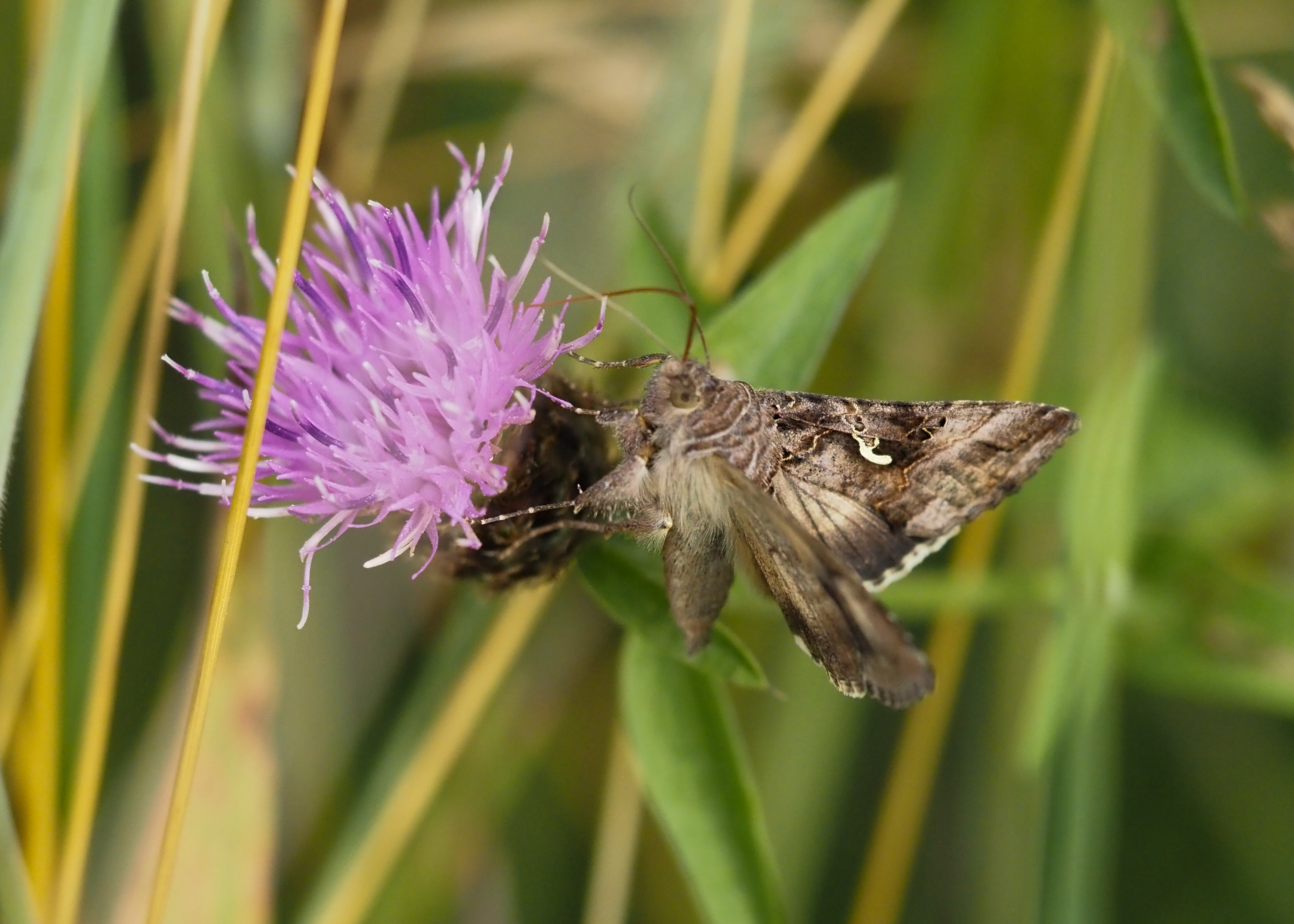
There were lots of Silver Y moths, which tended to flit about and remain low down in the grass/flower sward. Had they flown in from somewhere? Moths, particularly small ones, have a way of landing upside down, or underneath a leaf, which can make them harder to photograph.
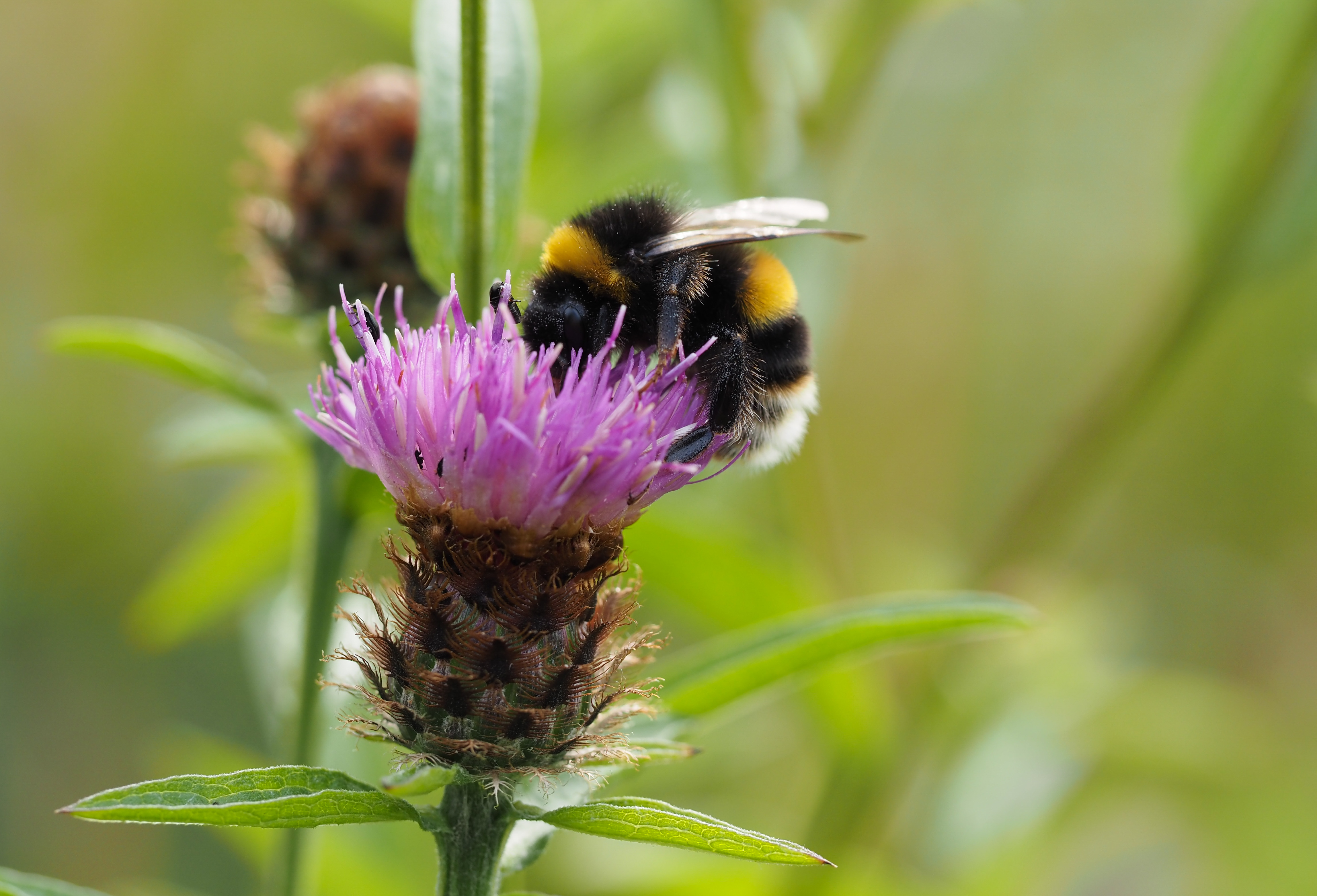
There were bumble bees everywhere!
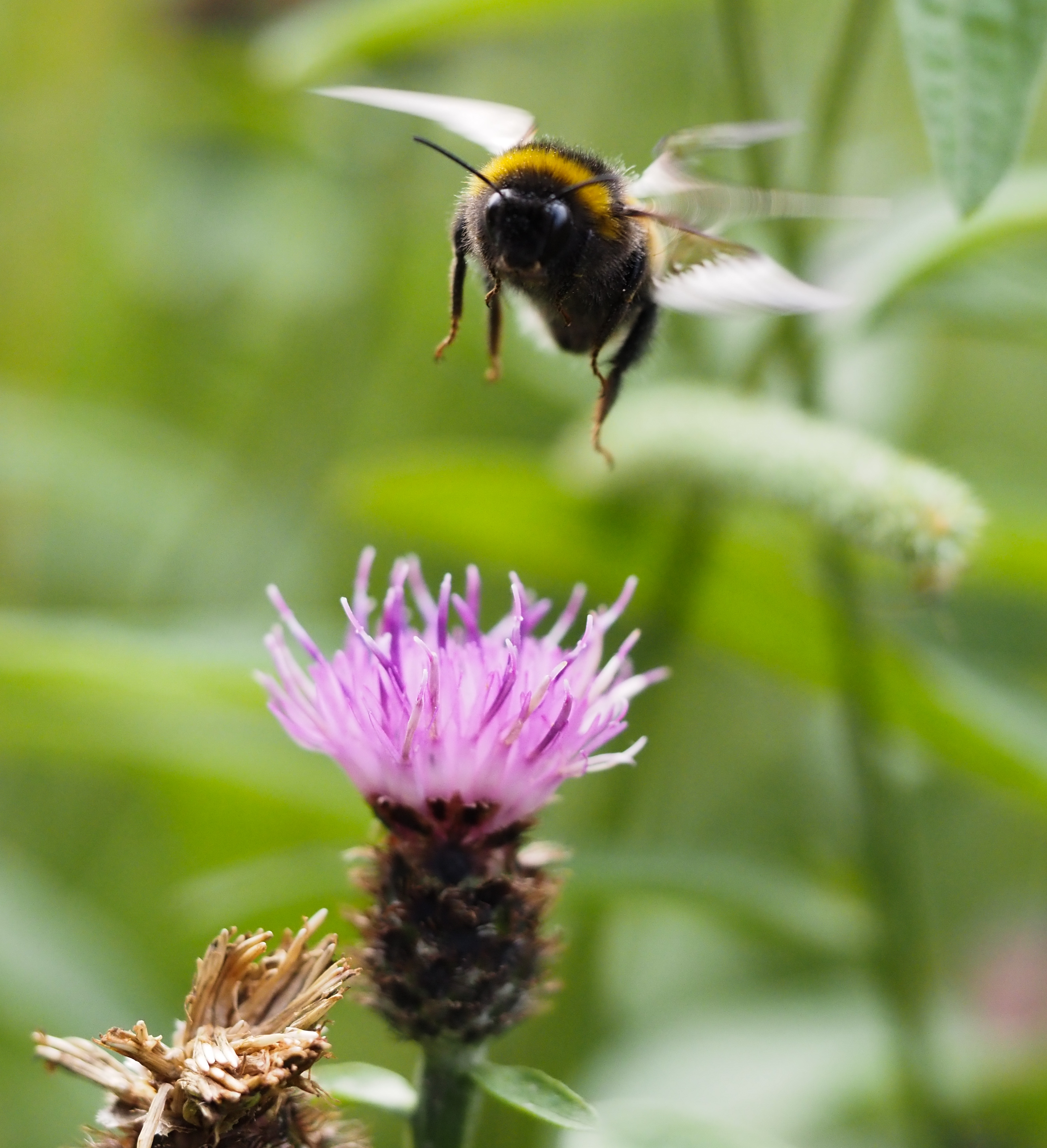
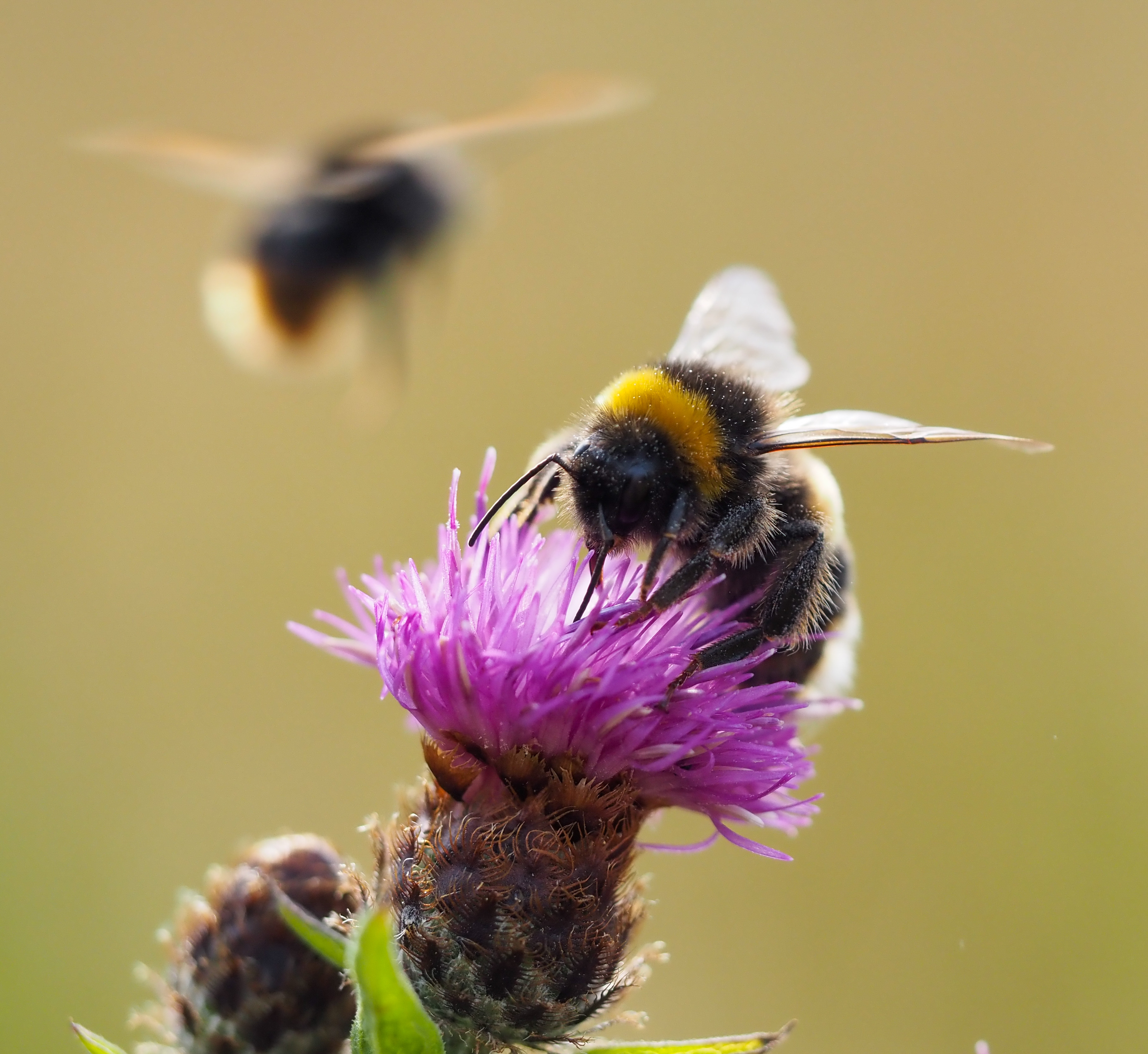
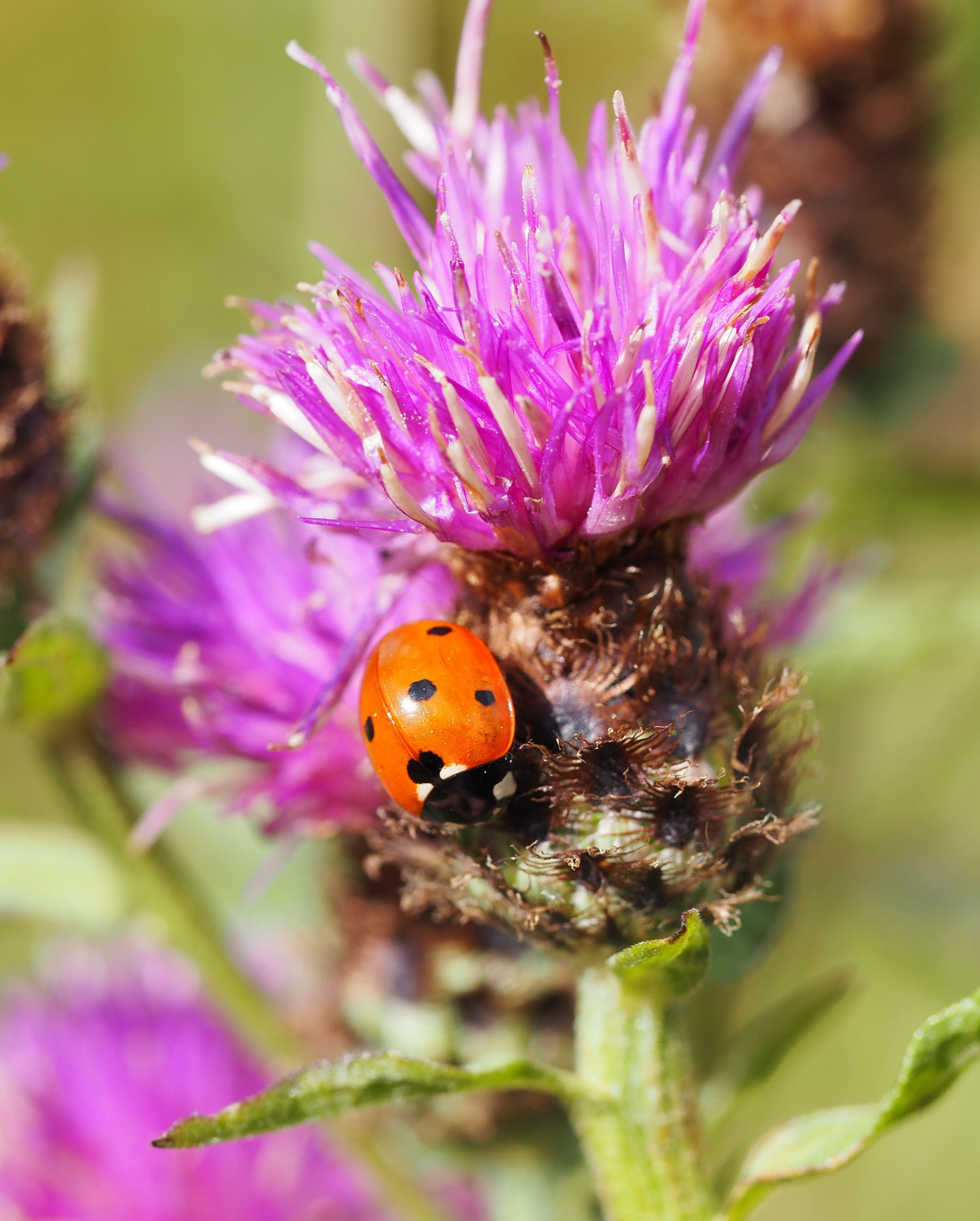
Lower down in the grass sward, grasshoppers were hopping about; and higher up, ladybirds were searching for victims! Still, something has to keep the aphids in check, or we would be over-run! Biocontrol.
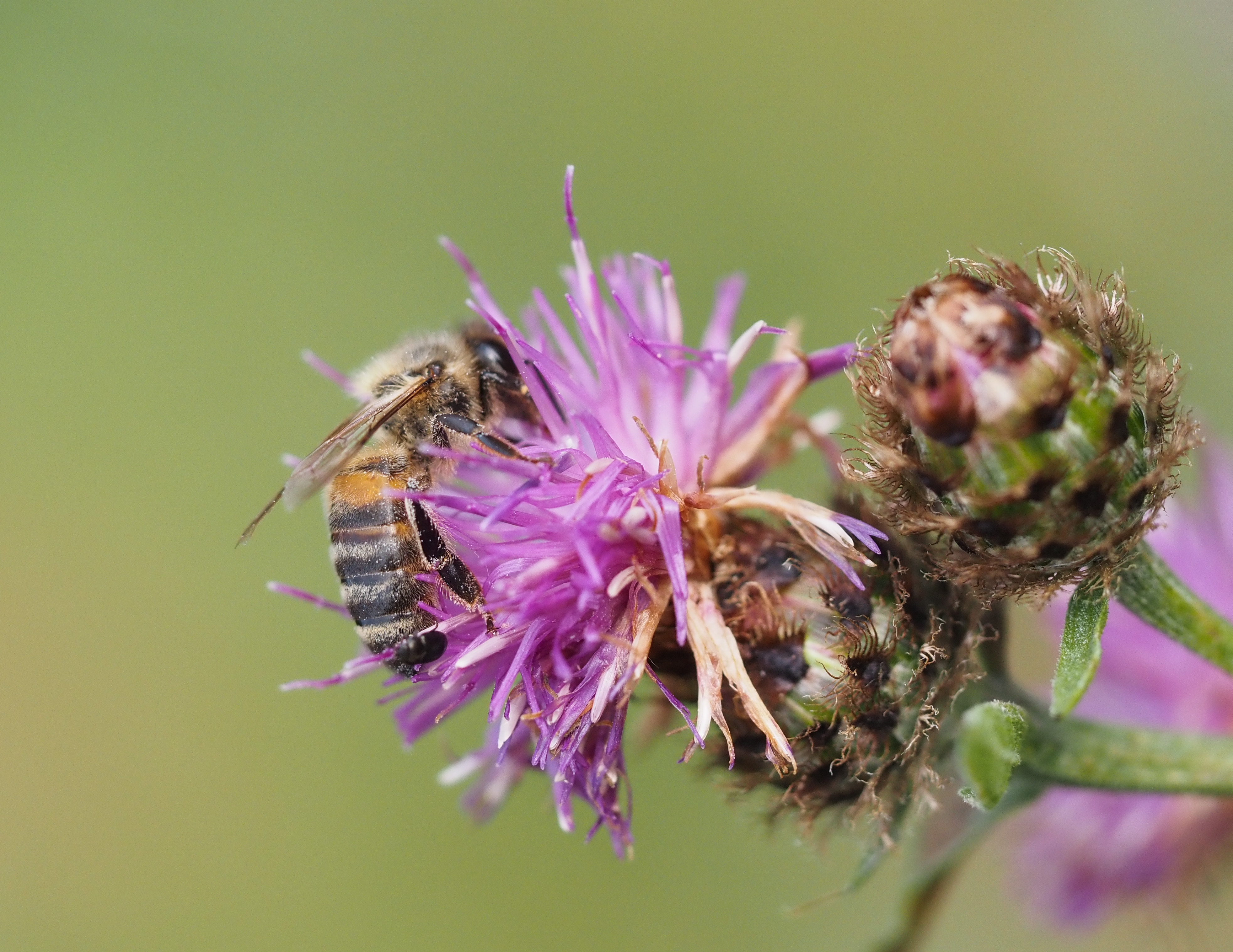
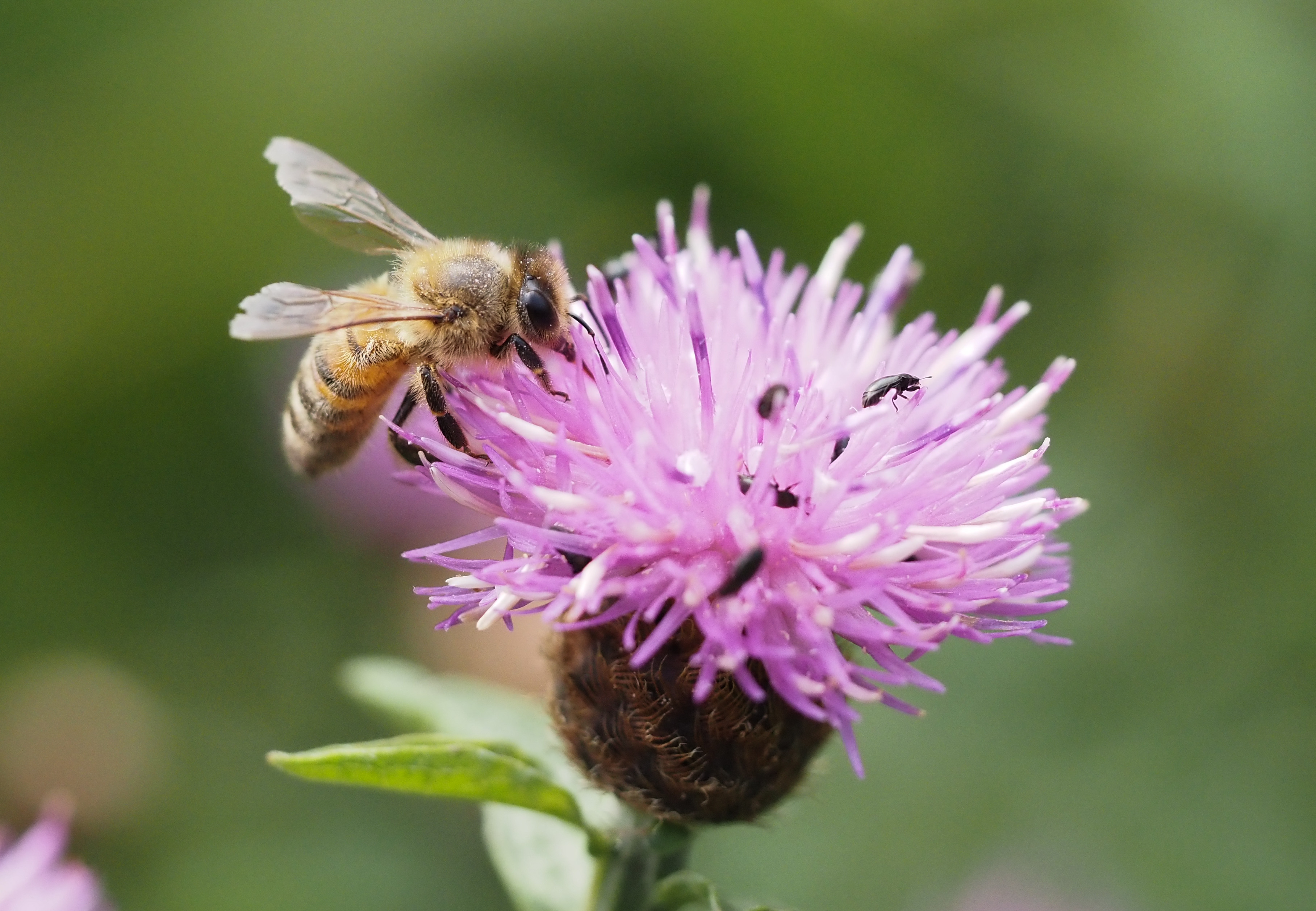
There were also many honey bees, competing with the bumblebees perhaps, for access to the purple flowers? I suspect, that there was more than enough nectar to go round.
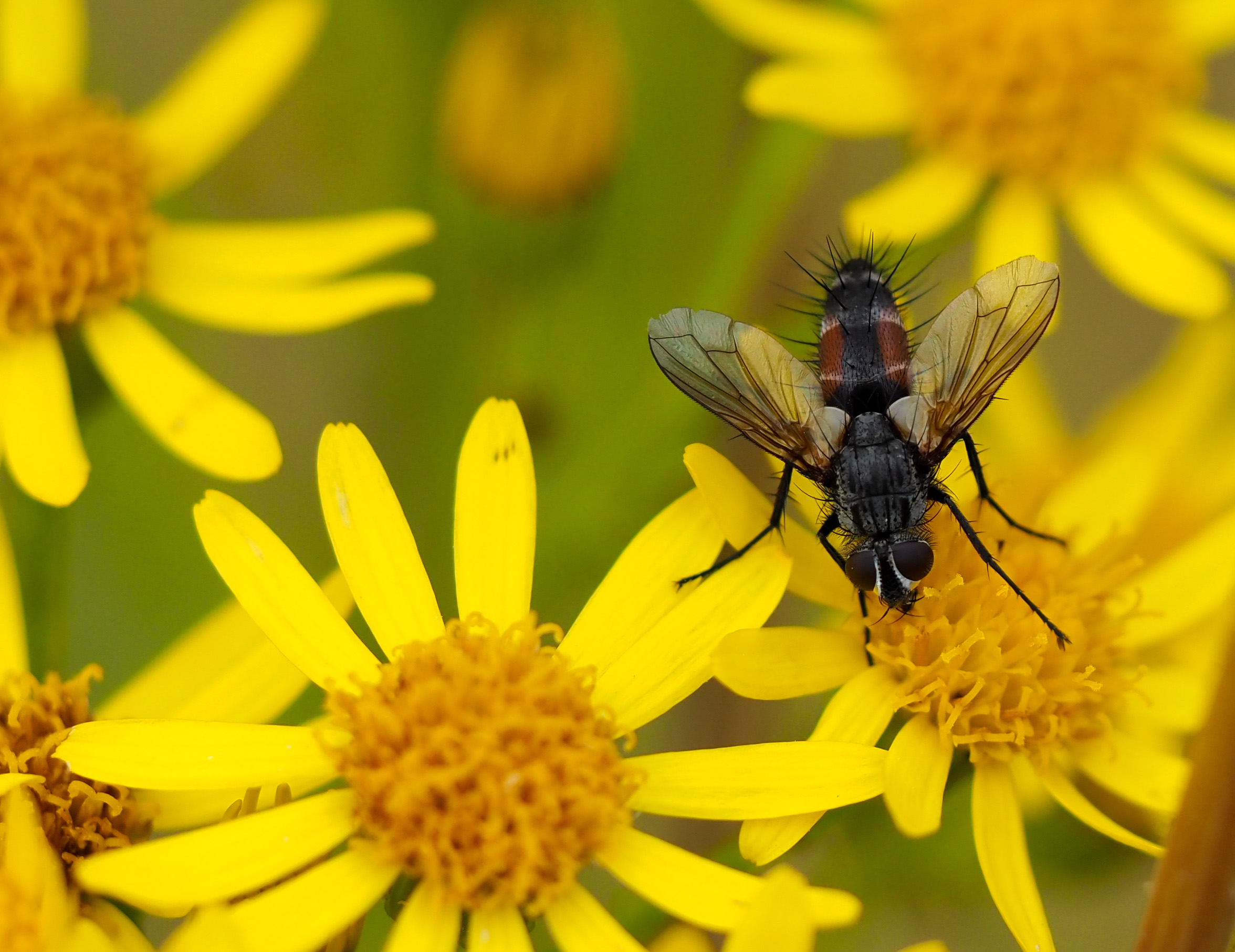
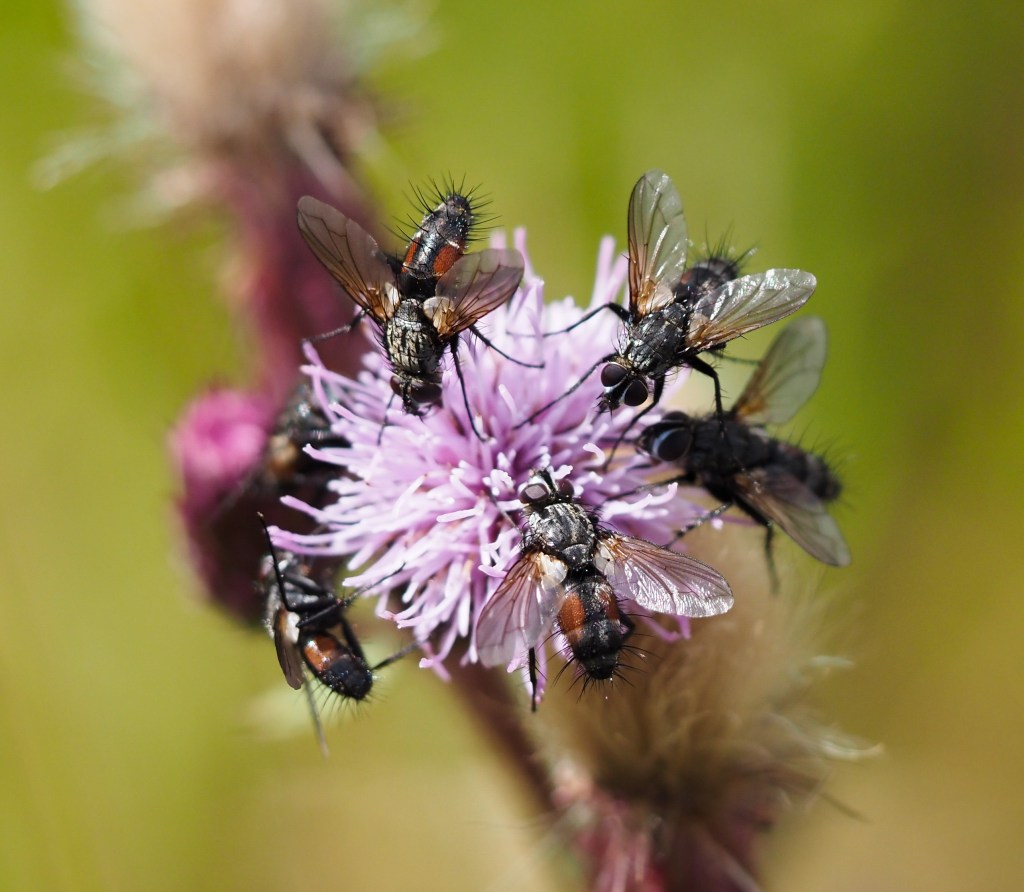
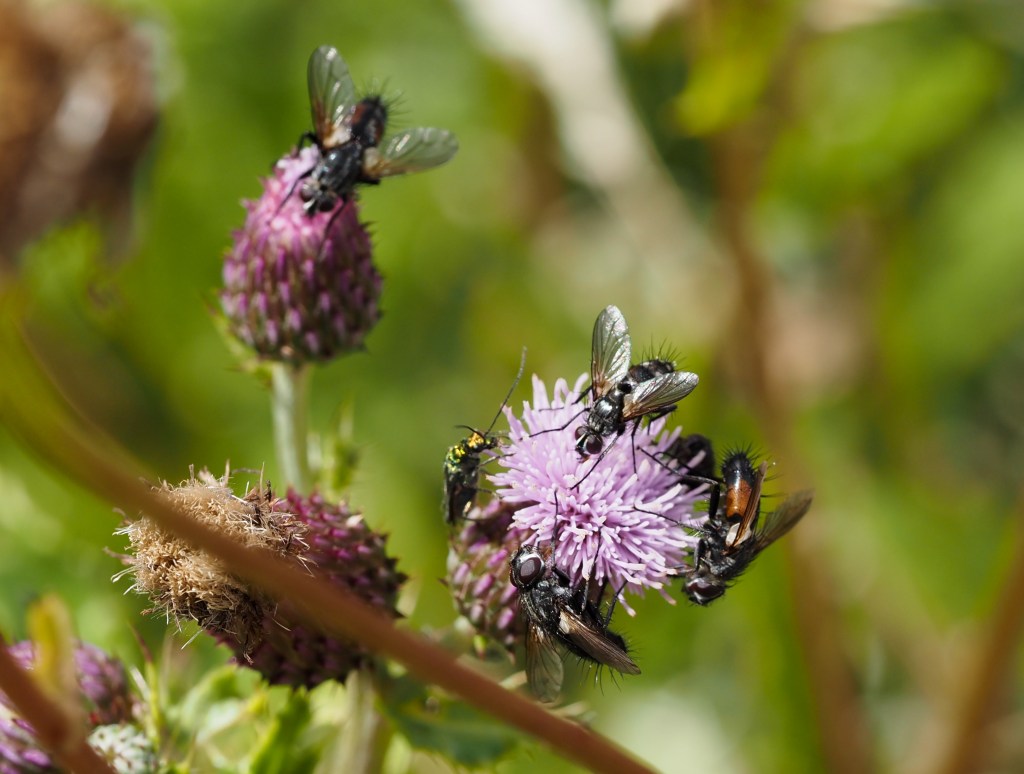
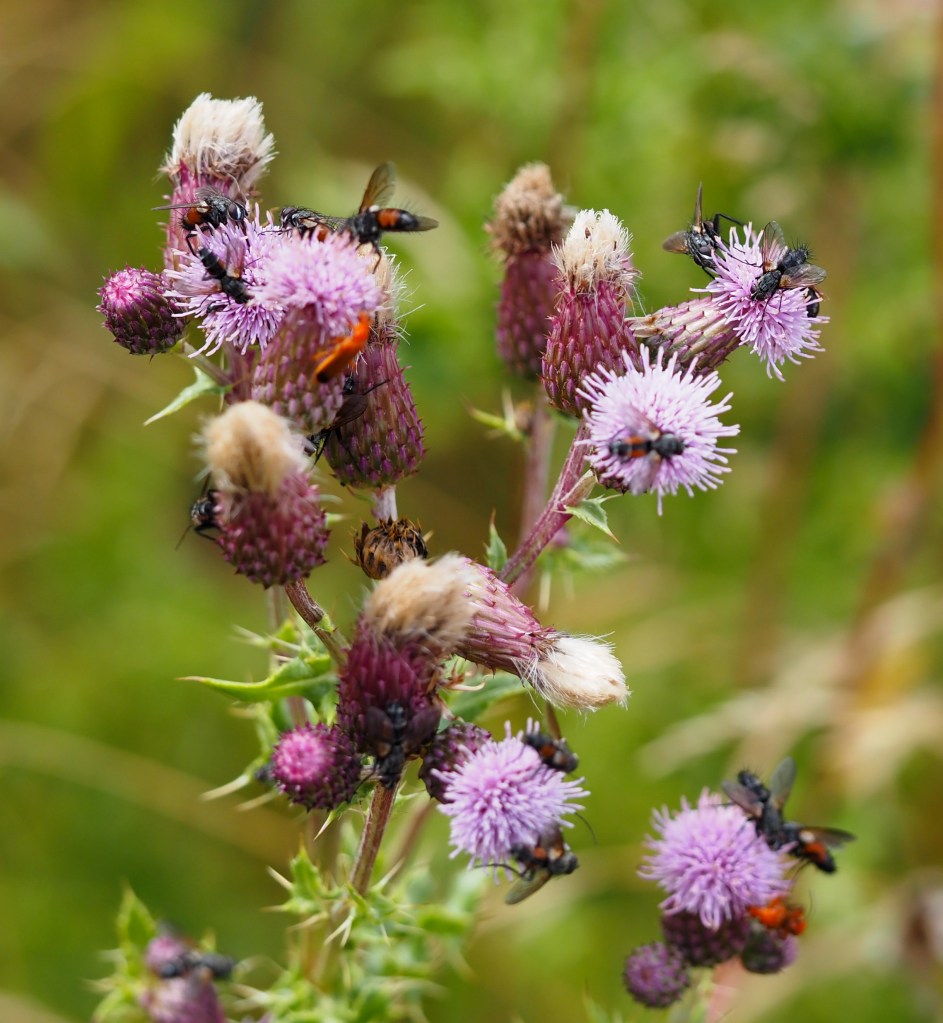
As well as knapweed, there were patches of another purple flower: creeping thistle (Cirsium arvense). This is another so-called weed, and this flower seemed to hold an inordinate attraction for a tachinid fly, Eriothrix rufomaculata (Dexiinae, Voriini), as well as a variety of other insects, such as soldier beetles (below).
Eriothrix rufomaculata is an abundant tachinid parasitoid of lepidopteran larvae, including the larvae of moths such as the Garden Grass-veneer, Chrysoteuchia culmella.
There were also quite a few common blue damselflies scattered about in the field. They are clearly prepared to fly quite a long way from water in search of a mate!
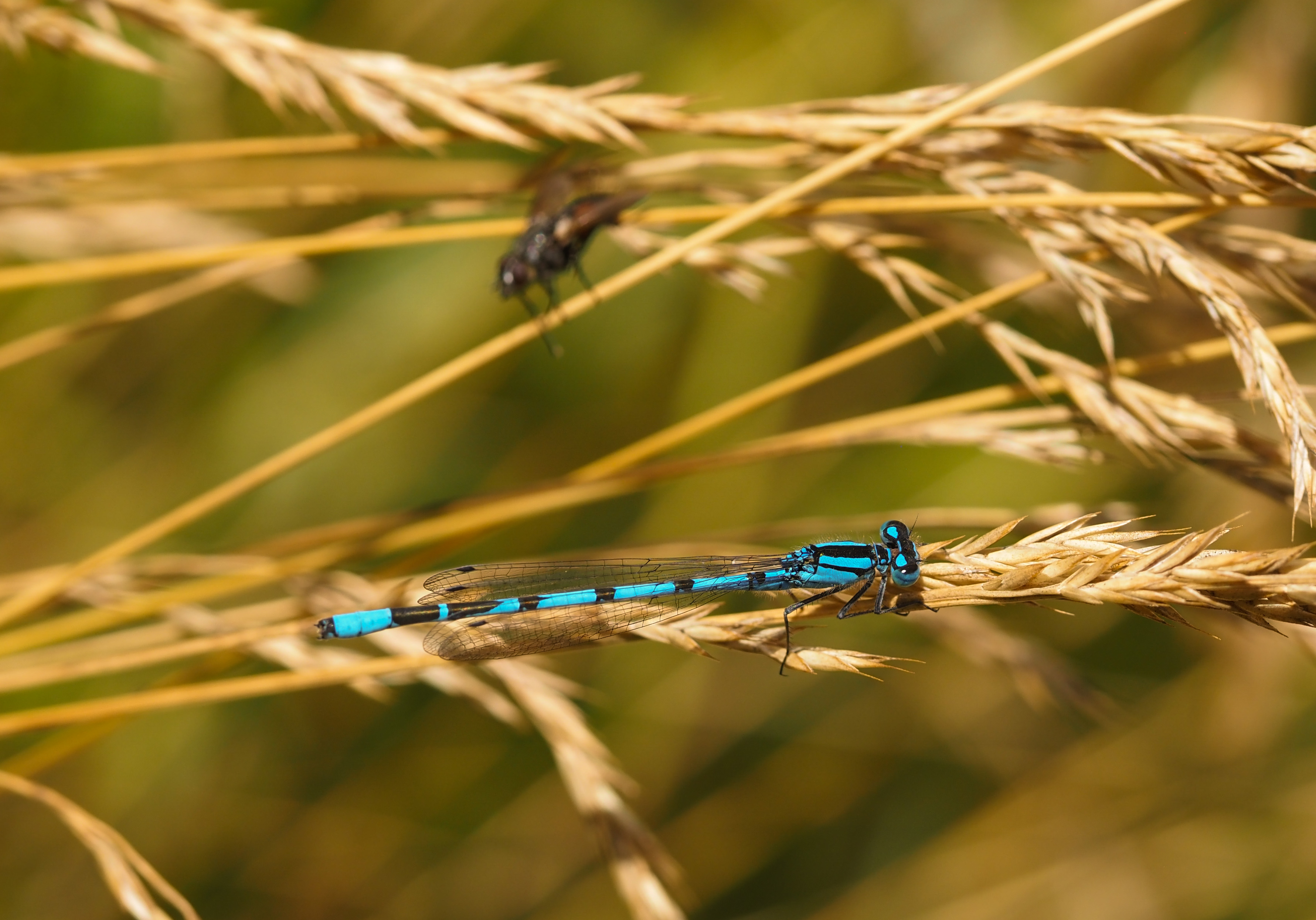
I hope that these photographs interest and entertain, and I think they show that there are still many insects out there in our countryside; we just need to look after them by providing suitable habitats – leaving them some undisturbed spaces – and hopefully we can slow and reverse the insect declines.
Insect decline literature
Goulson, D. (2019). The insect apocalypse, and why it matters. Current Biology, 29(19), R967-R971.
Hallmann CA, Sorg M, Jongejans E, Siepel H, Ho”and N, et al. 2017. More than 75 percent decline over 27 years in total flyying insect biomass in protected areas. PLOS ONE 12(10):e0185809
Leather SR. 2018. “Ecological Armageddon”: more evidence for the drastic decline in insect numbers. Ann. Appl. Biol. 172:1–3
Sánchez-Bayo F, Wyckhuys KAG. 2019. Worldwide decline of the entomofauna: a review of its drivers. Biol. Conserv. 232:8–27.
Thomas, C. D., Jones, T. H., & Hartley, S. E. (2019). ” Insectageddon”: A call for more robust data and rigorous analyses. Global Change Biology, 25(6), 1891-1892.
Vogel G. 2017. Where have all the insects gone? Science 356:576–79
Wagner, D. L. (2020). Insect declines in the Anthropocene. Annual review of entomology, 65, 457-480.
Warren, M. S., Maes, D., van Swaay, C. A., Goffart, P., Van Dyck, H., Bourn, N. A., … & Ellis, S. (2021). The decline of butterflies in Europe: Problems, significance, and possible solutions. Proceedings of the National Academy of Sciences, 118(2), e2002551117.
 Ray Cannon's nature notes