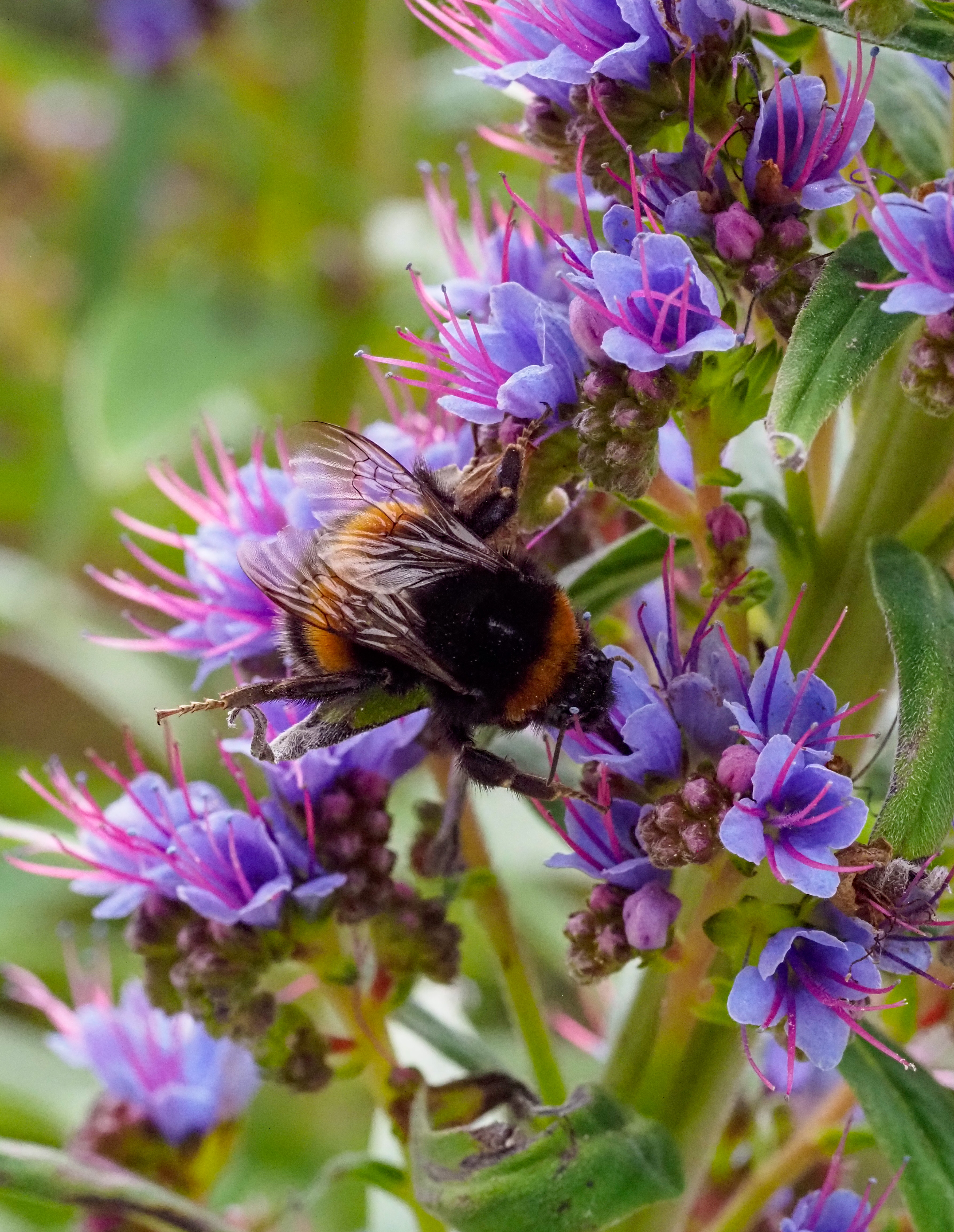
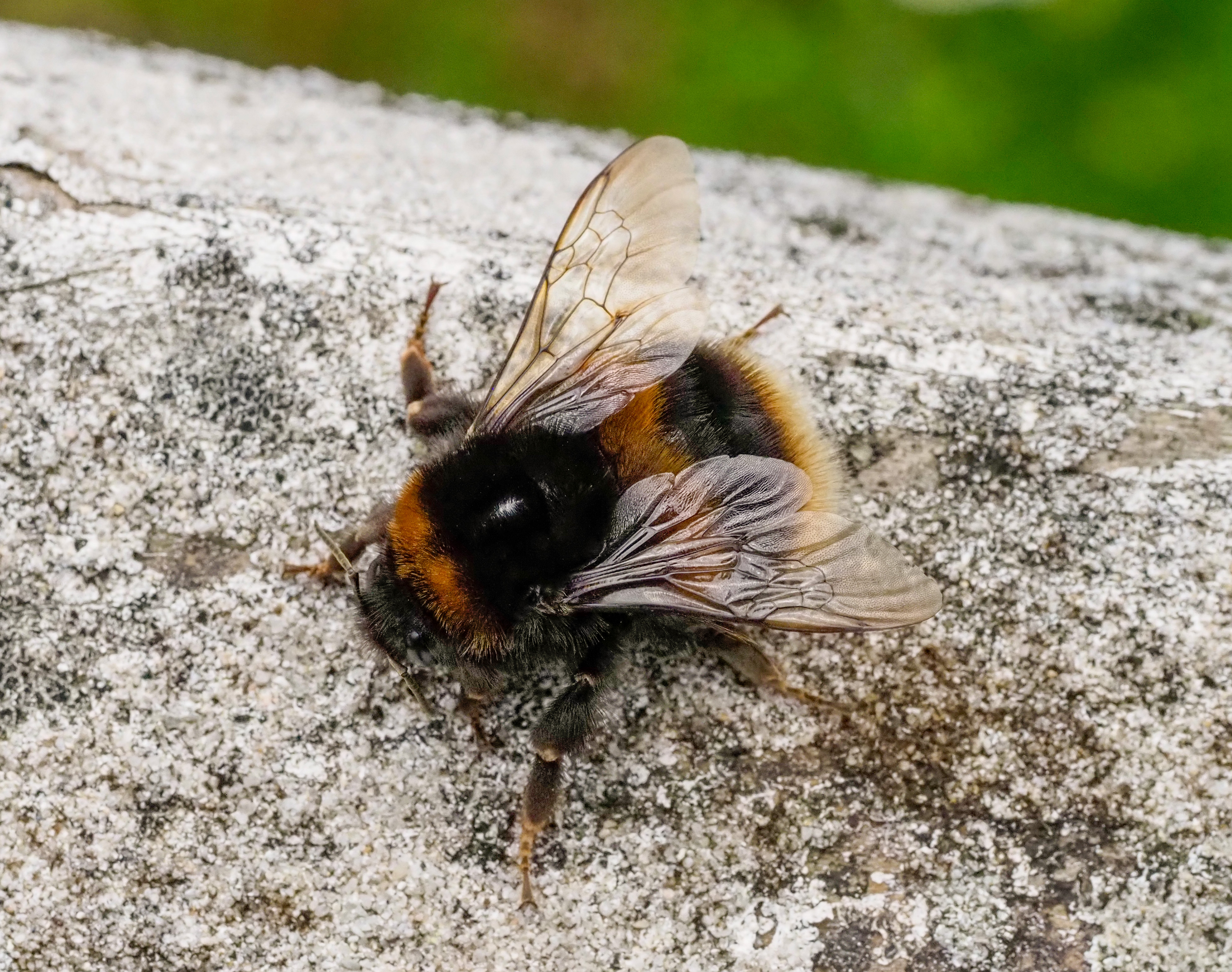
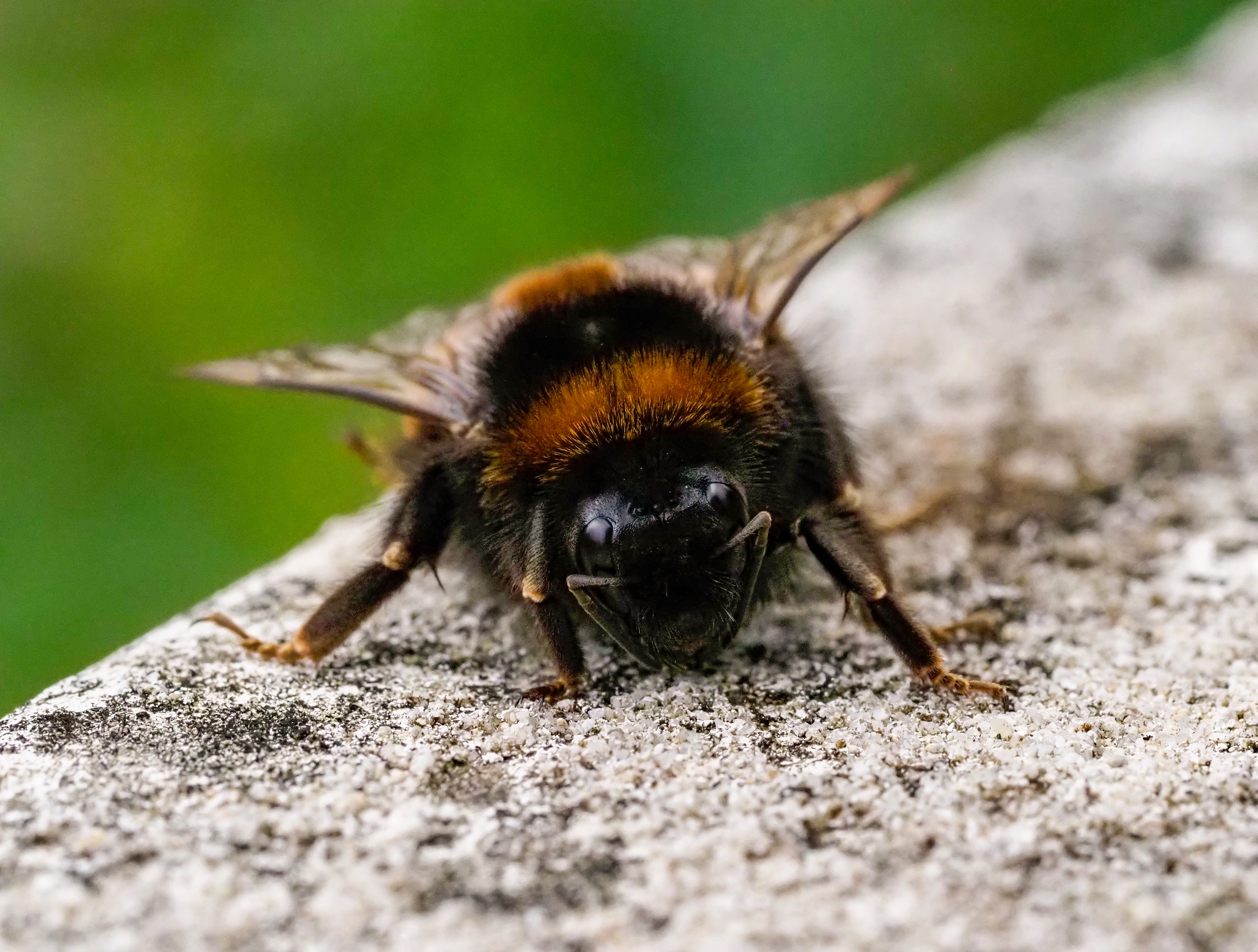
In April this year (2024) I had the pleasure of visiting Tresco Abbey gardens again. I did a blog previously on the flowers in this wonderful garden on the island of Tresco, in the Scilly Islands, see here. This time was a bit earlier in the season than before, but it was well timed for bumblebees, particular large queens of the the buff-tailed bumblebee, Bombus terrestris, which were making the most of the flowering Echium species in the garden.
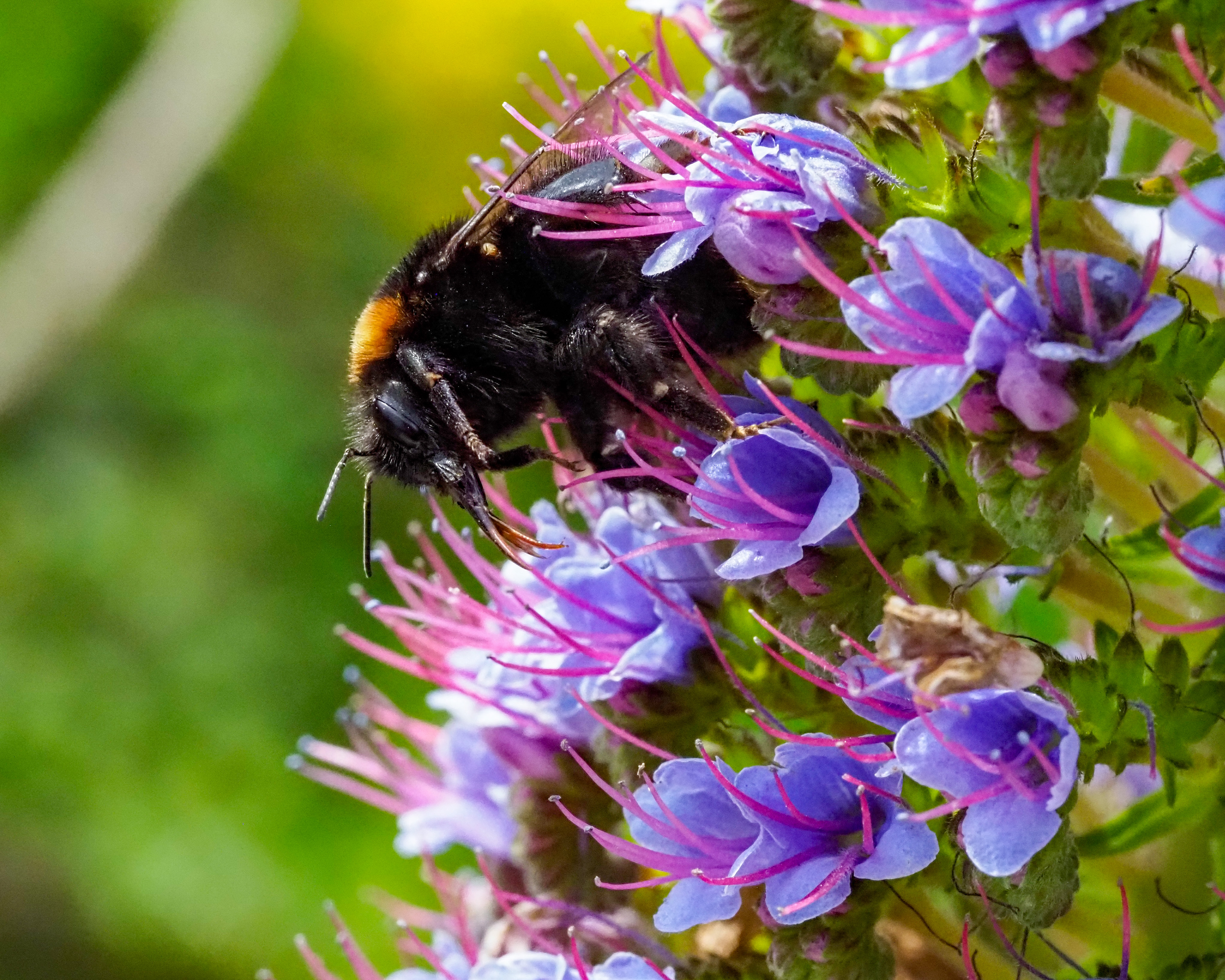
Three Echiums were being grown – Echium candicans (Pride of Madeira), Echium pininana (Giant Viper’s-bugloss) and Echium x scilloniensis (Scilly Viper’s-bugloss) – but it was the Pride of Madeira (below) which seemed to hold the most attraction for the bees.
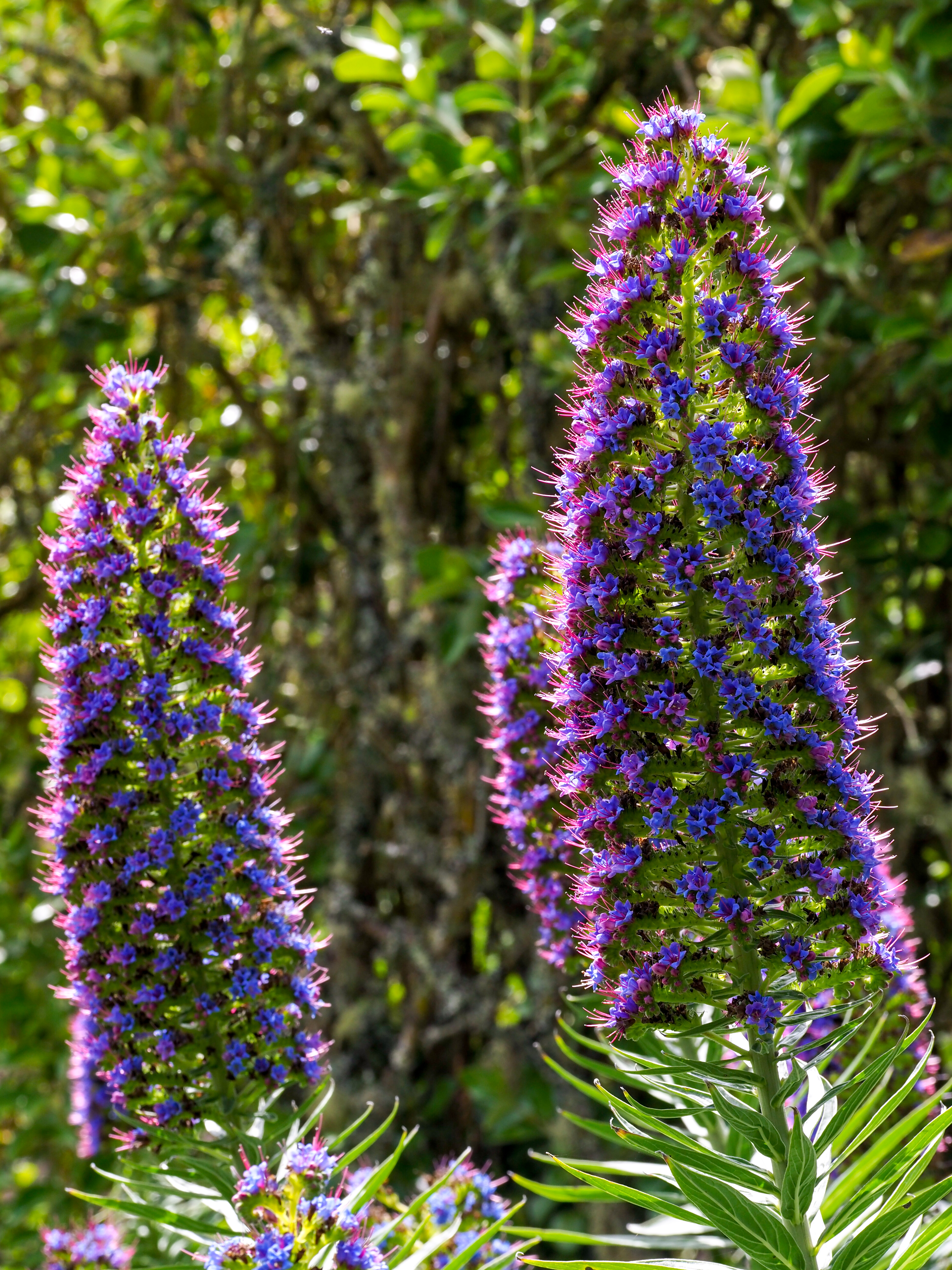
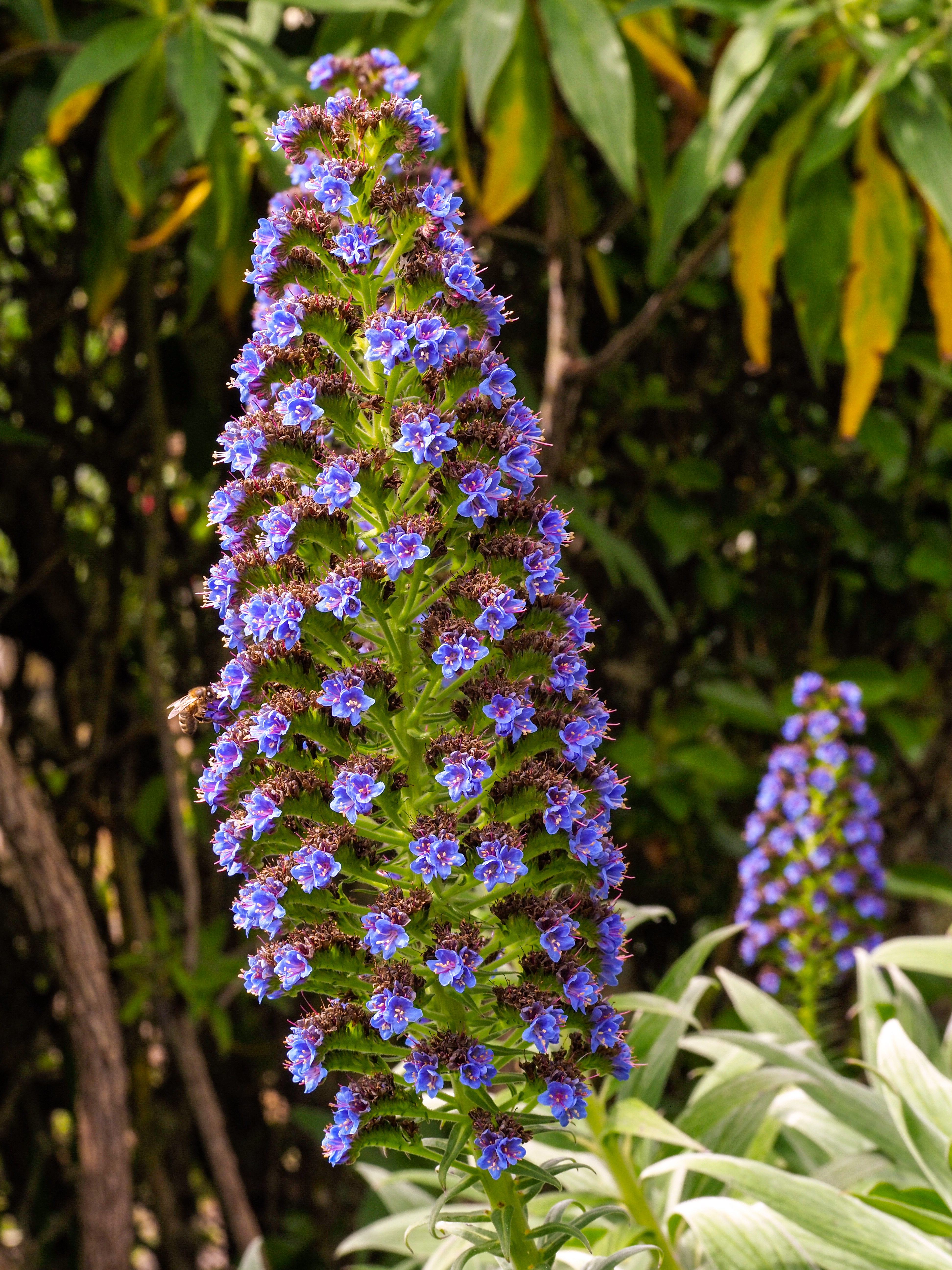
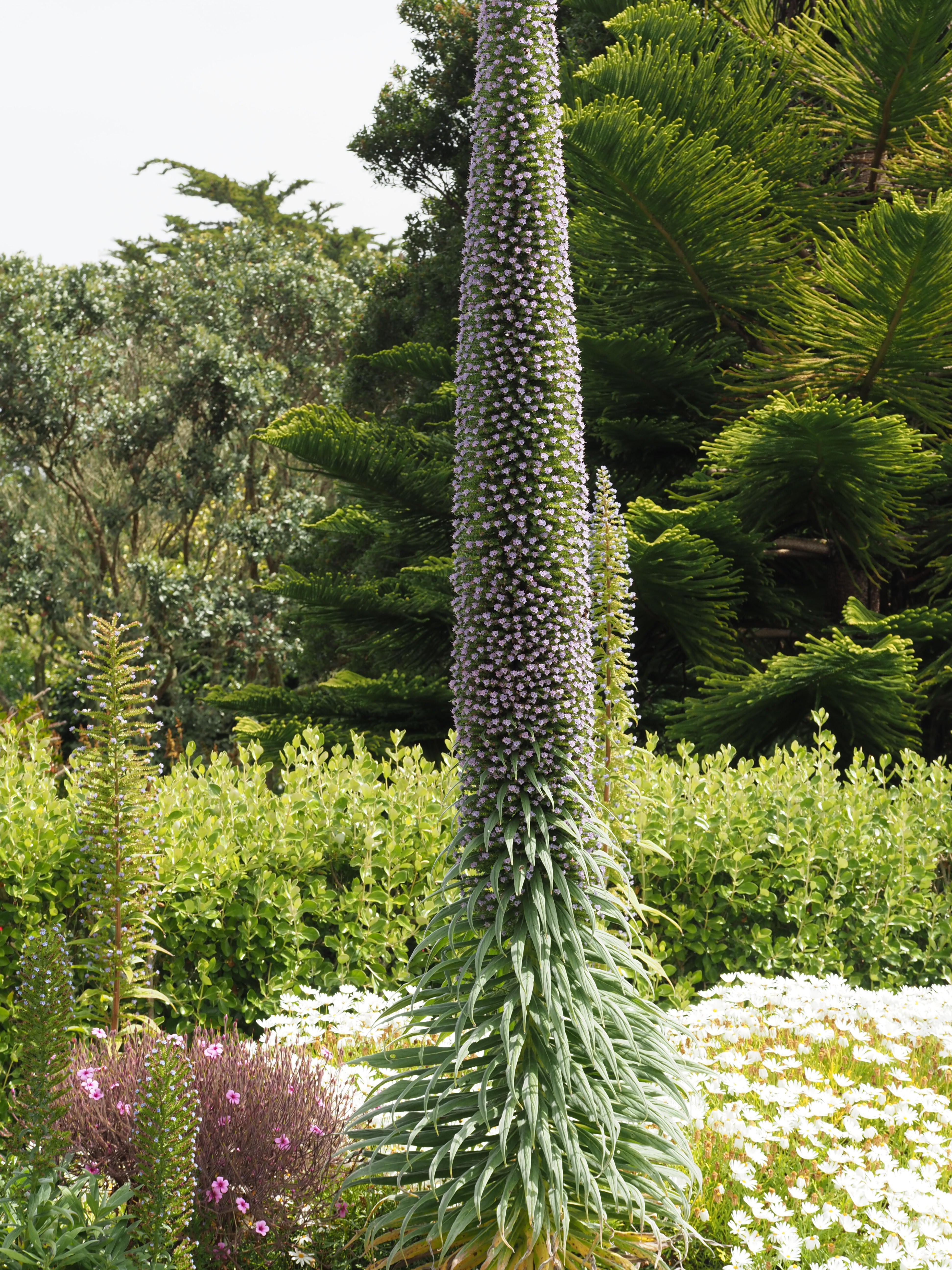
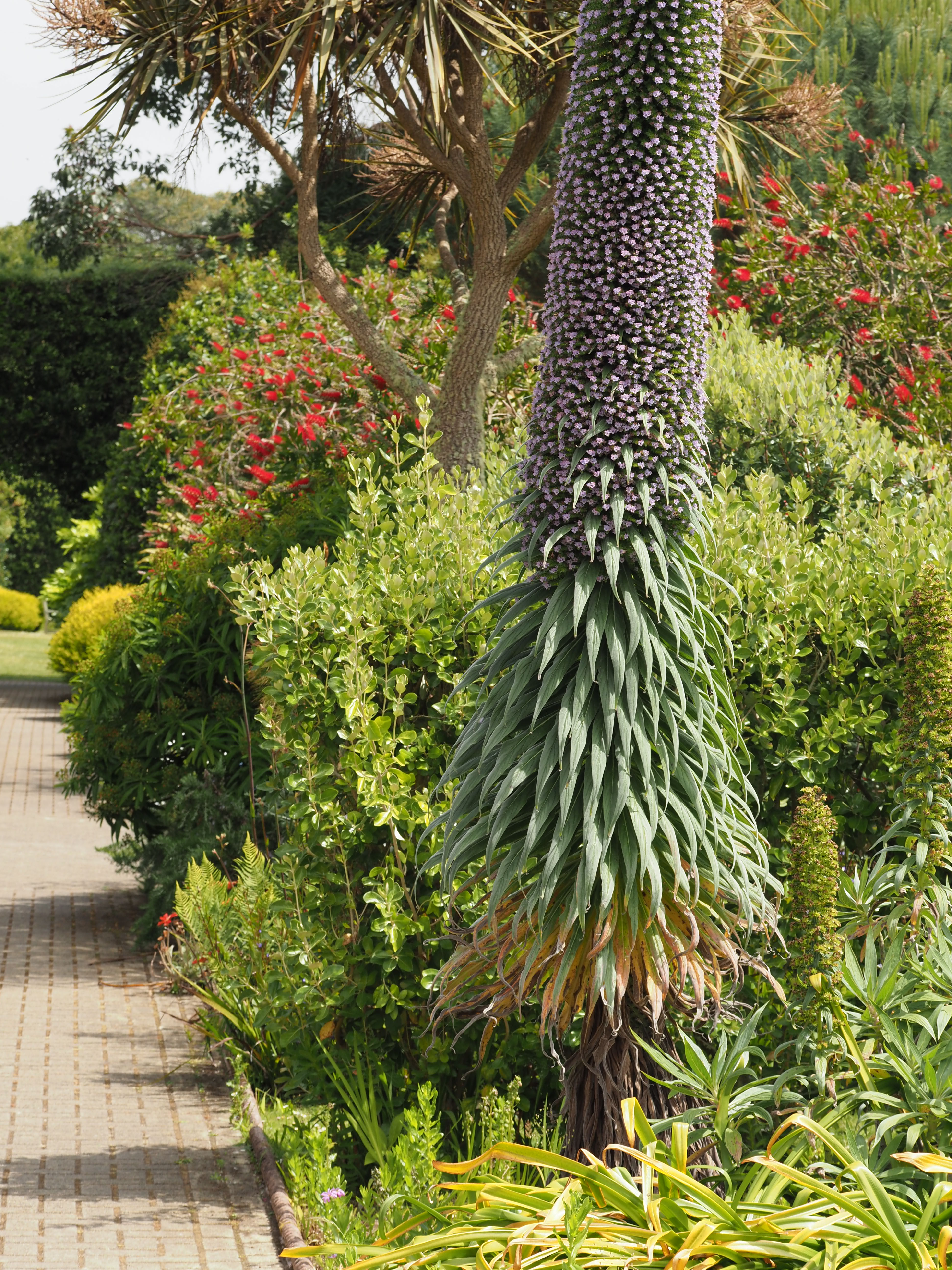
Echium pininiana (giant viper’s bugloss, shown below) the single-stemmed type can grow up to twenty-foot tall in just eighteen months and will produce a spectacular blue flower spike that will tower above any shrubs that happen to be loitering nearby. Being biennial and only living for two years, it will then scatter copious amounts of seed. The following season this will produce many hundreds of young plants and so the cycle is repeated.
Studies have shown that the large amounts of pollen and nectar produced by the Madeiran endemic, Echium candicans, attract a wide diversity of visitors from different insect groups, including bees, butterflies, and hoverflies. In this case it was the bumblebees which were so apparent, flying from spike to spike.
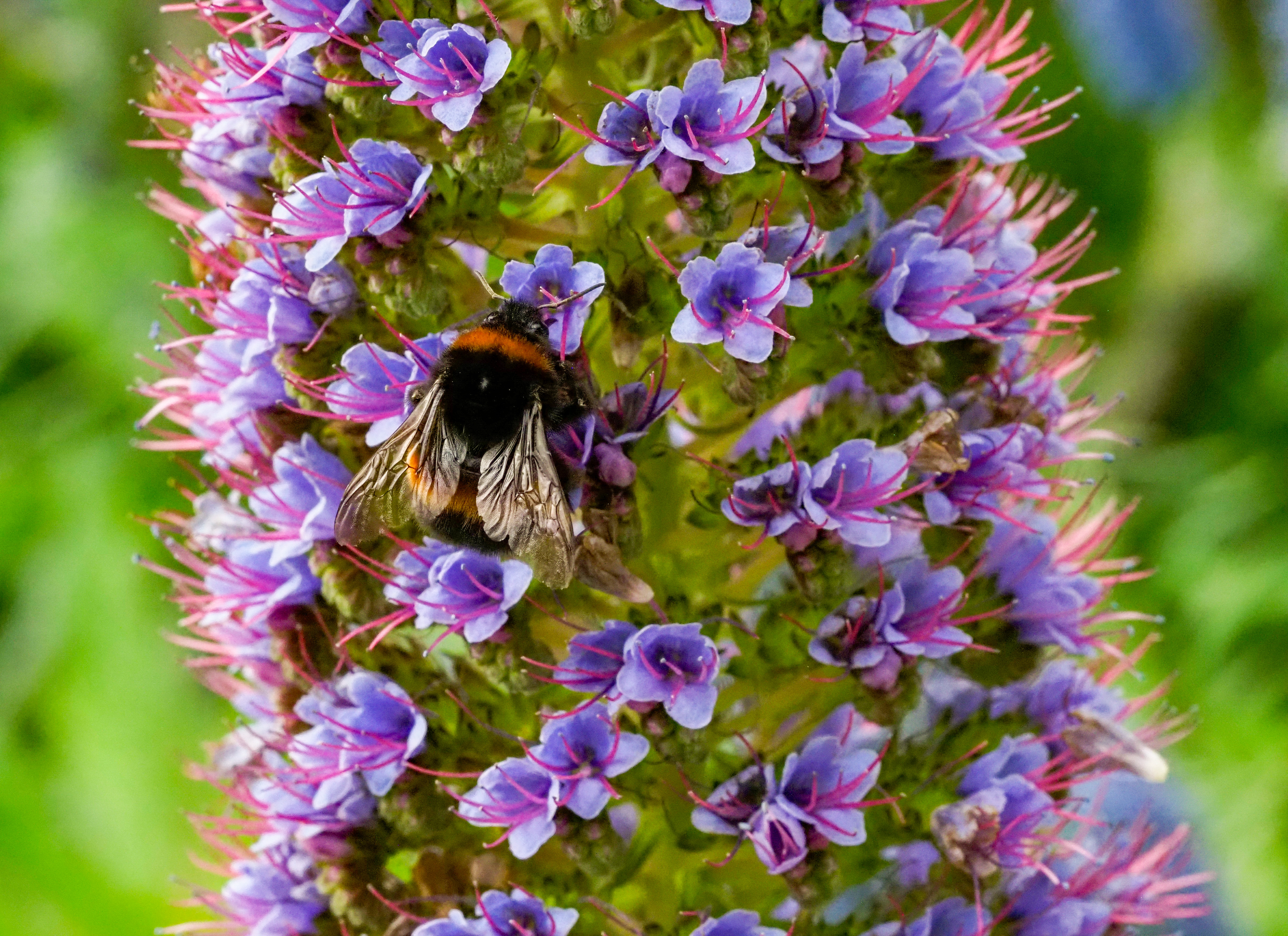
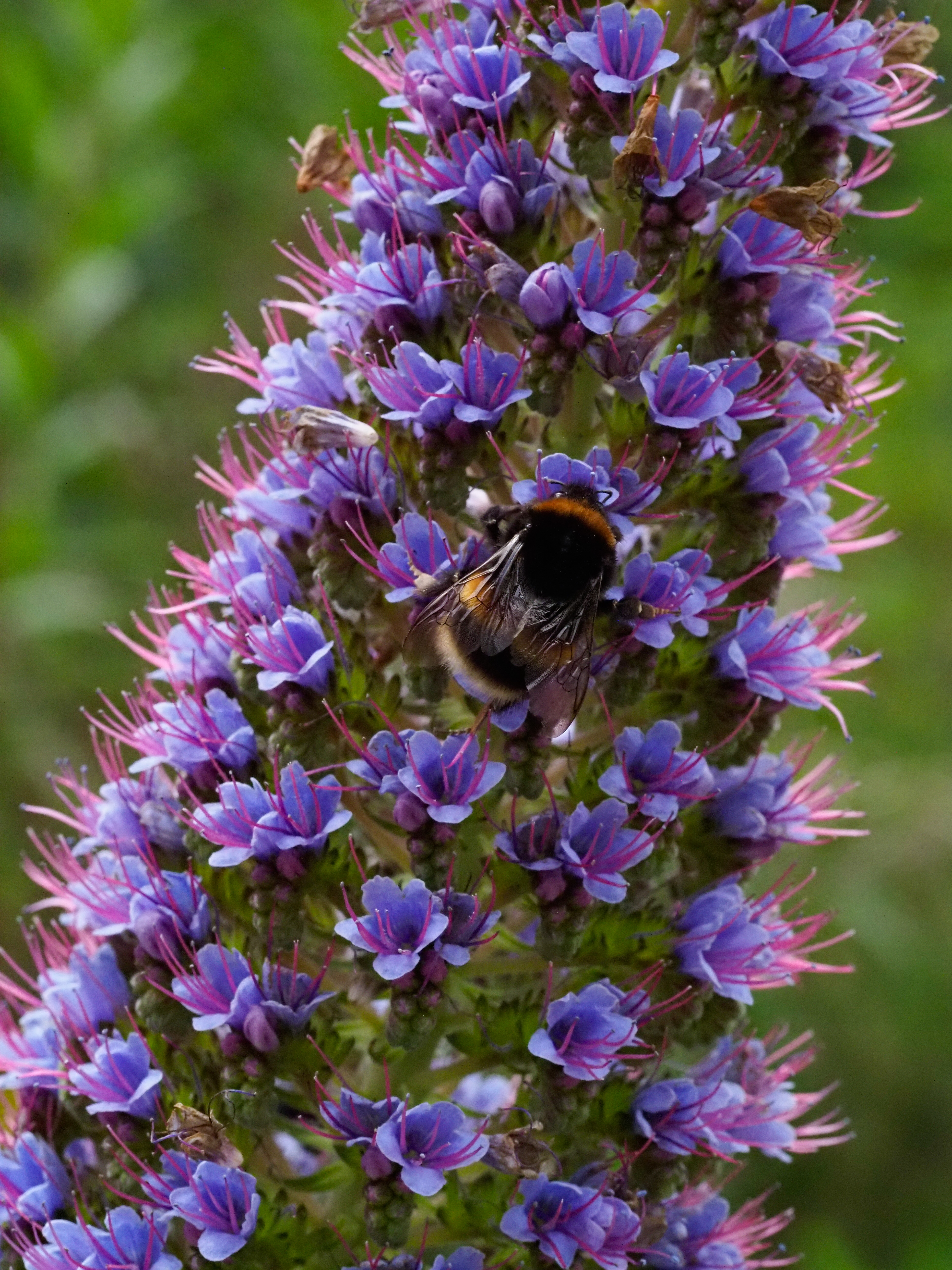
The pristine wings of these bees, together with the date, suggested that they had only just emerged.
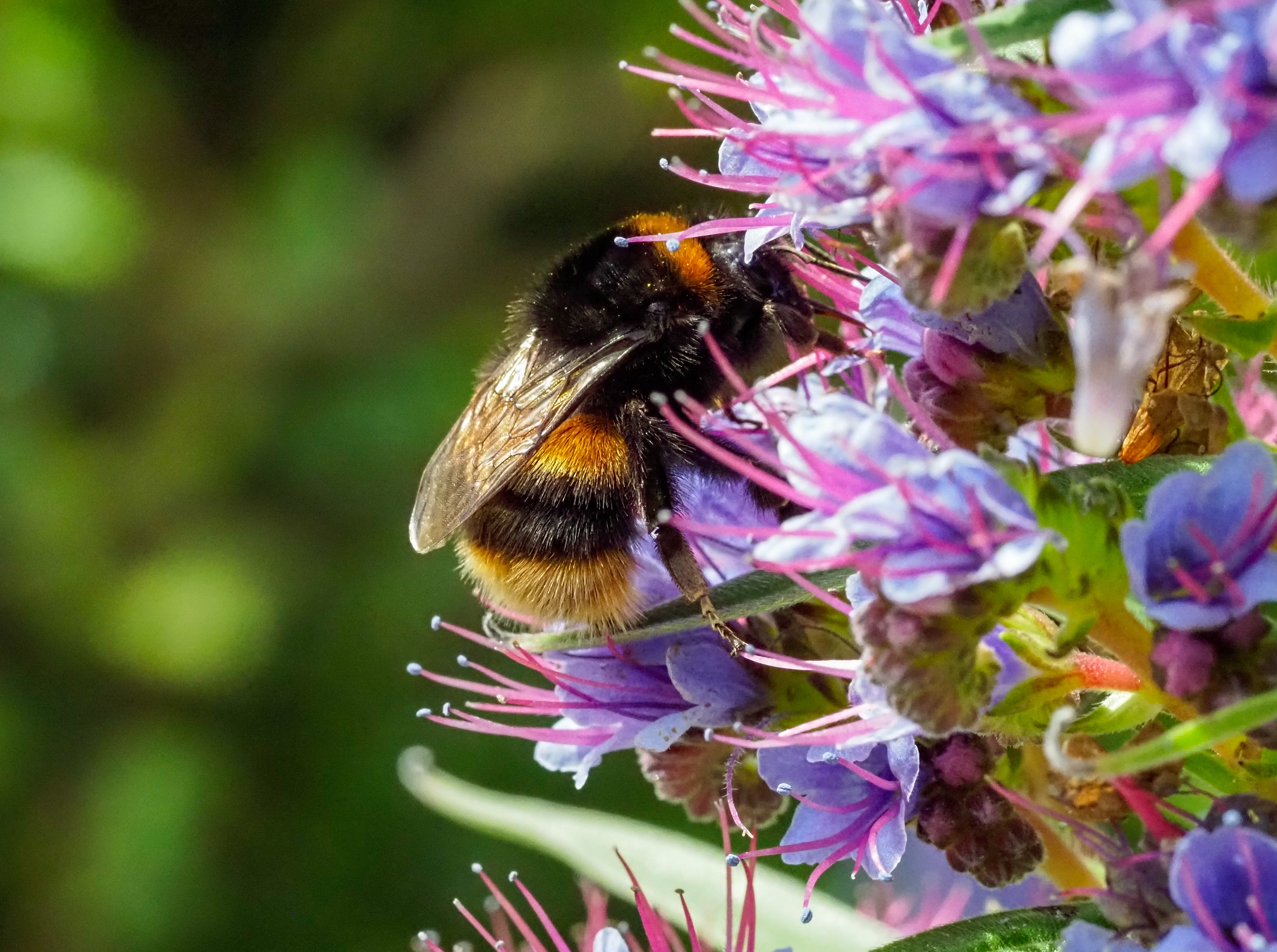
I could have watched and photographed these gorgeous insects all day, but it occurred to me that they seemed to be concentrating in particular on the Echium inflorescence’s, flying quite a few metres from one individual plant to another.
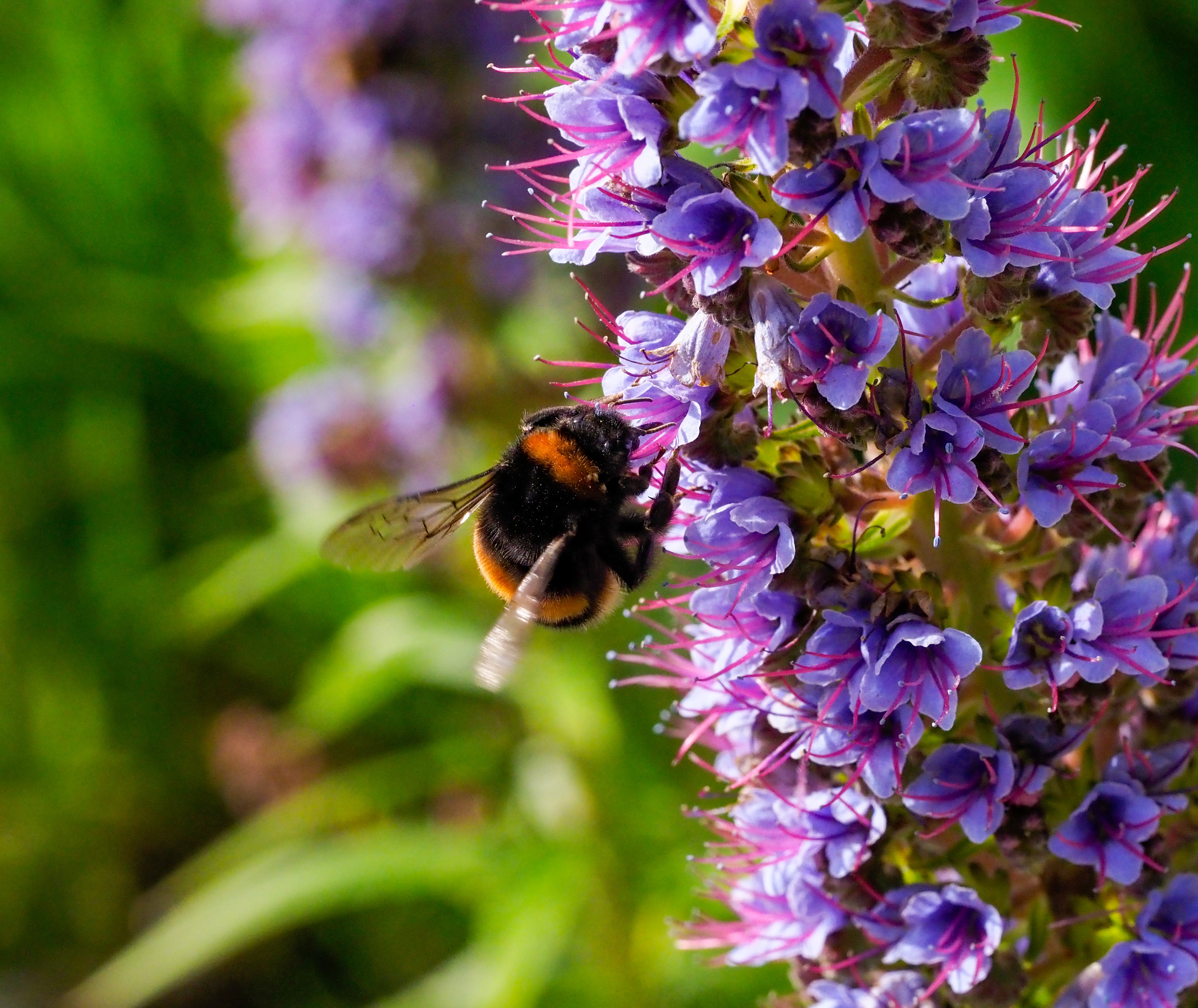
Individual bees and bumblebees are often, what is called flower-constant, meaning that tend to forage from one plant type only, so long as it remains rewarding, in terms of producing nectar.
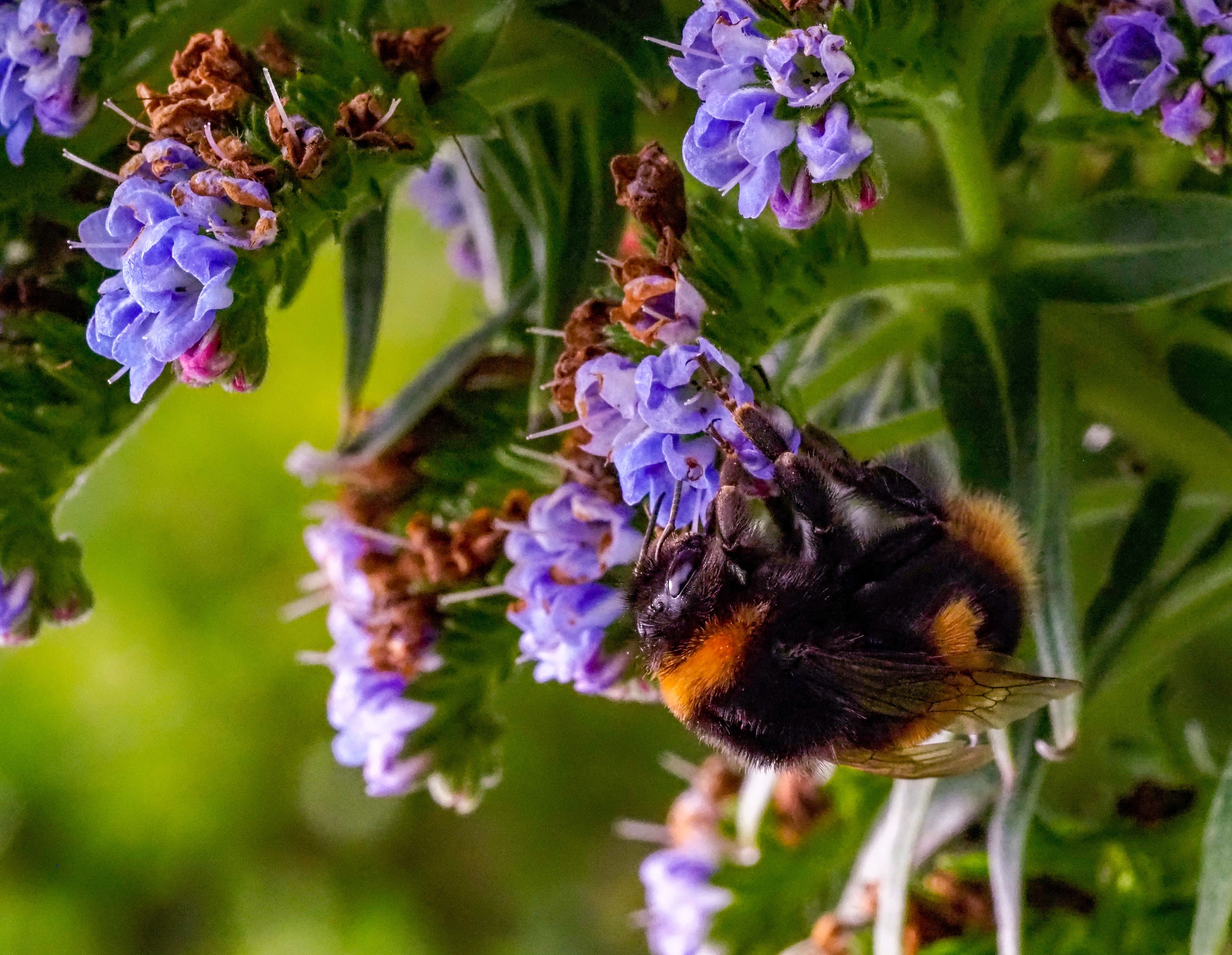
In other words, bumblebees, like many other pollinators, often choose to concentrate their foraging efforts on one particular sort of flower, even when there are other rewarding species in the area (Chittka et al., 1999). This makes sense if that particular species is ‘in flower’ and relatively abundant, as the Echiums certainly were in this garden.
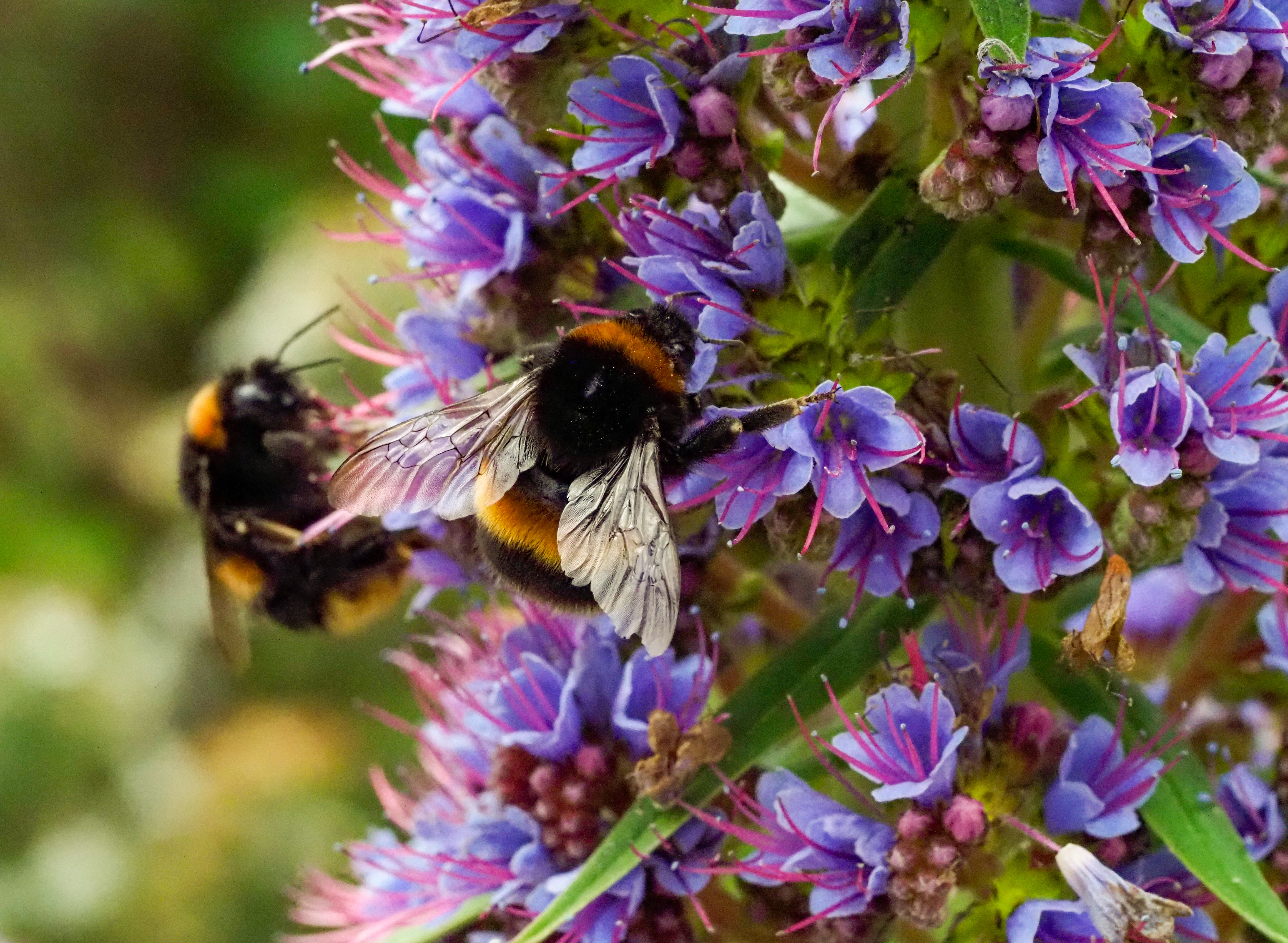
It is possible that there are limitations on the bees’ ability to memorise many different sorts of flowers at the same time, but I think it is quite understandable if one particular species is producing lots of nectar at that particular time, and there are plenty of them within reasonable flying time!
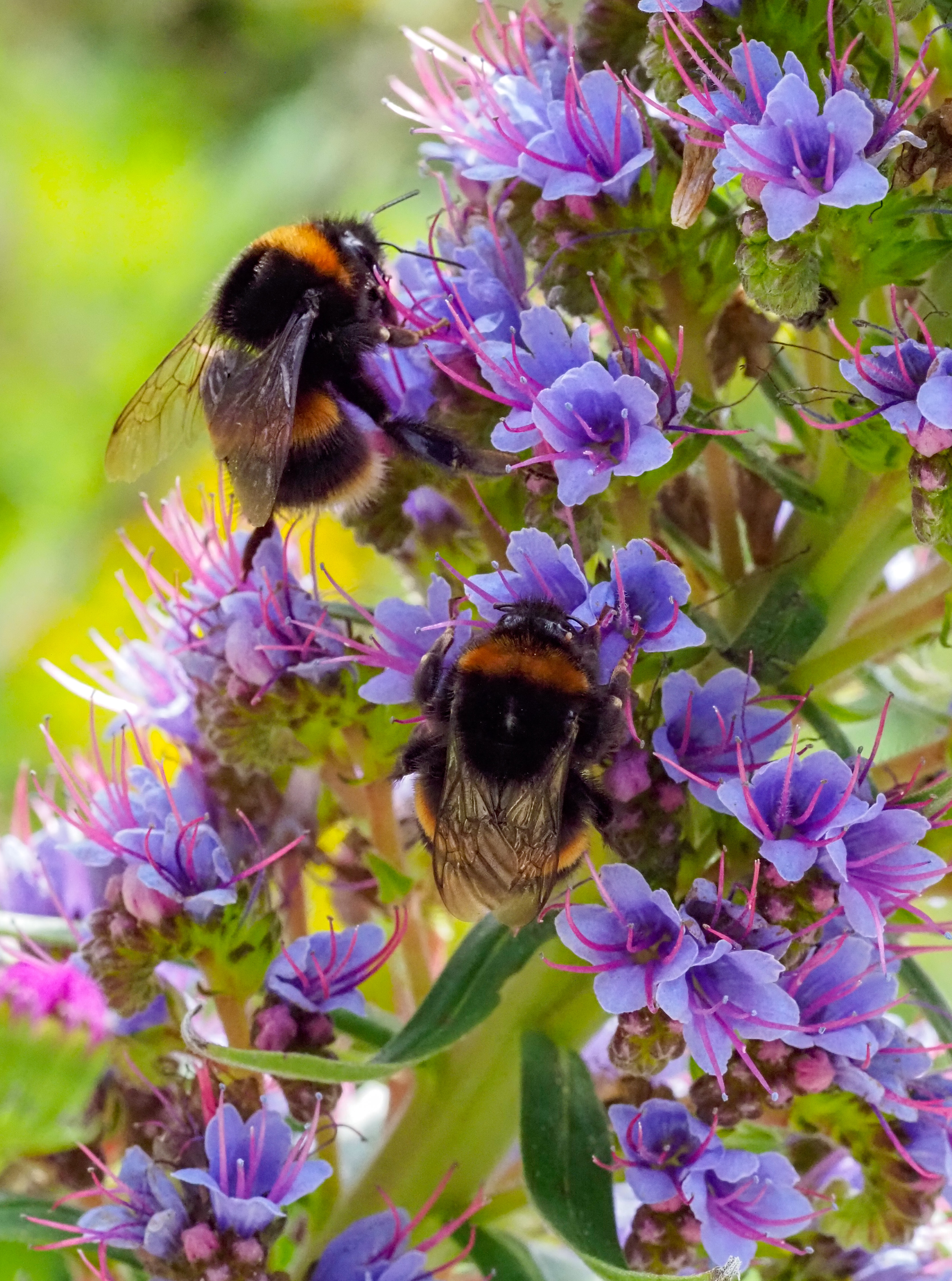
Flower constancy is also a ‘no-brainer’ with the large Echium spikes, since once a bee arrives on an inflorescence it has only to move from one floret to the next, without even needing to fly! And there can be 100’s of flowers on each spike!
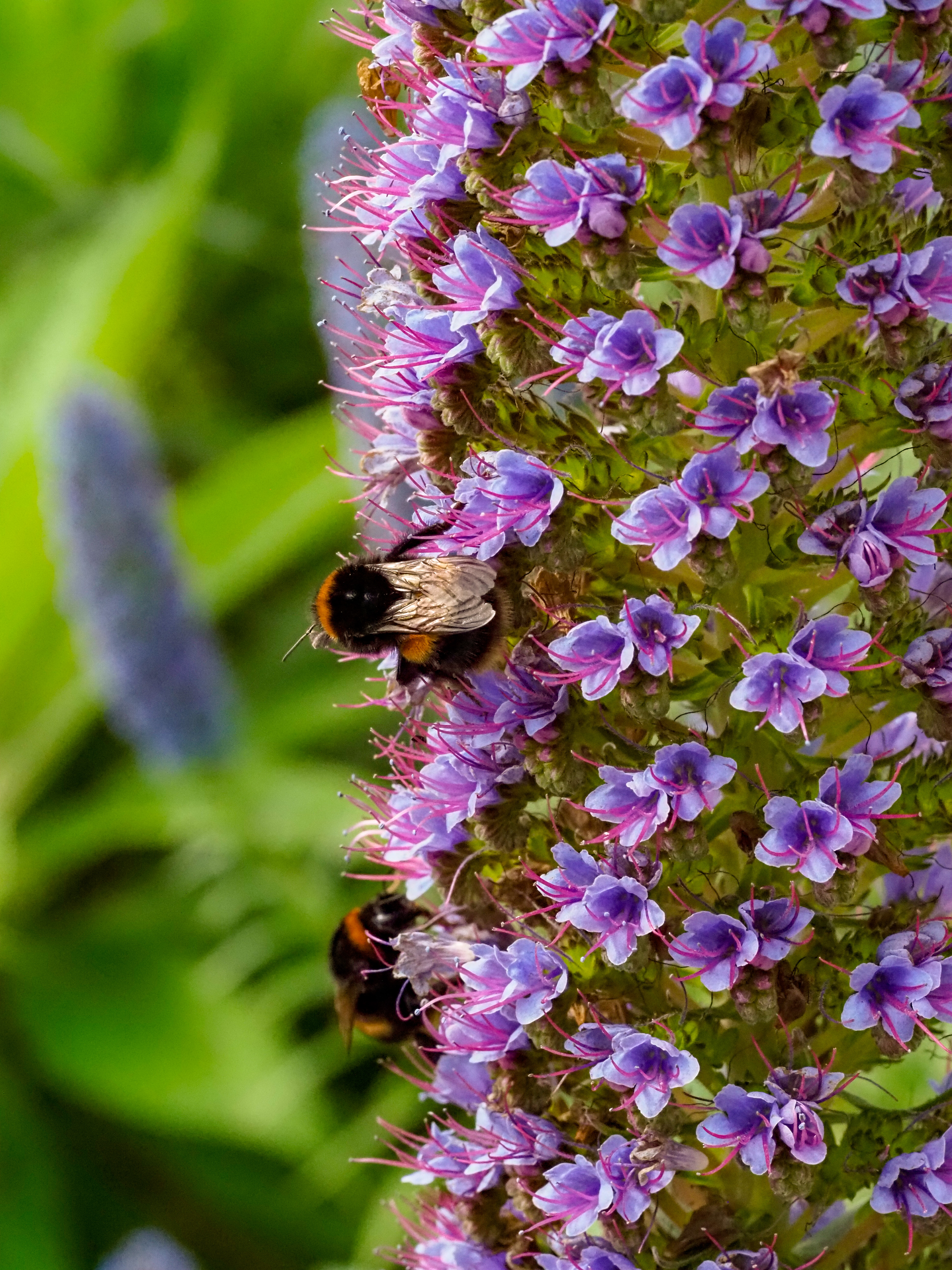
Nevertheless, each bee needs to find a floret that contains a good supply of nectar that has not been recently emptied by another bee. Fortunately, bumblebees leave scent marks – from their tarsal glands – which can indicate if another bee has visited that flower, and even whether the scent-marks were left by themselves (during a previous visit) or by other members of their species. Or even by other, completely different bee species!
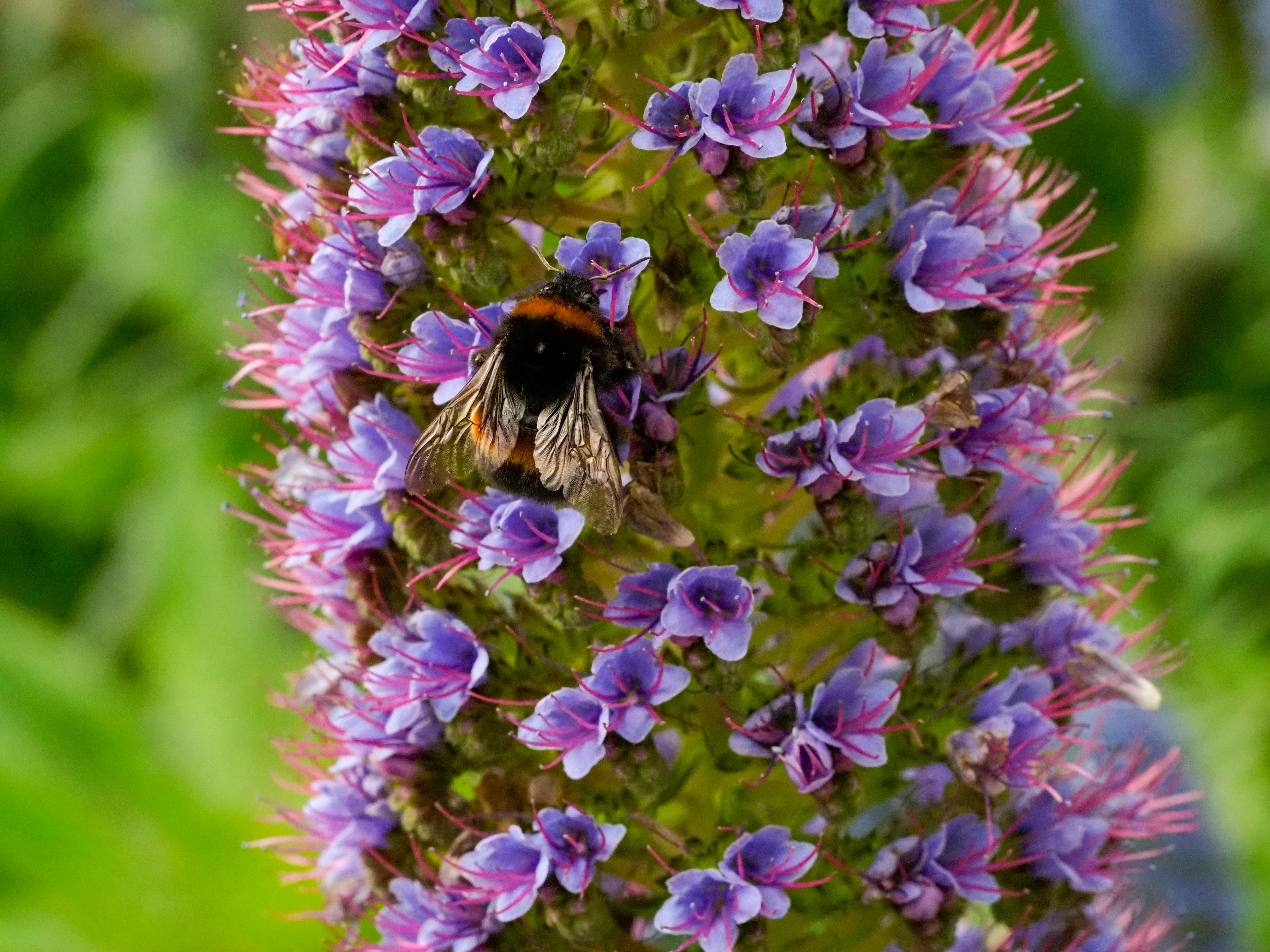
So, bumblebees use these scent marks left earlier by other visiting pollinators to avoid wasting time inspecting and sticking their tongues into, previously emptied flowers. However, flowers can usually refill with nectar relatively quickly during their peak growing season, i.e. replenishing the supply after it has been sucked dry by a pollinator (Chittka, 2022). N.B. Bumblebees sup, or lap, nectar by extending and retracting their feathery glossa (or tongue) into the liquid.
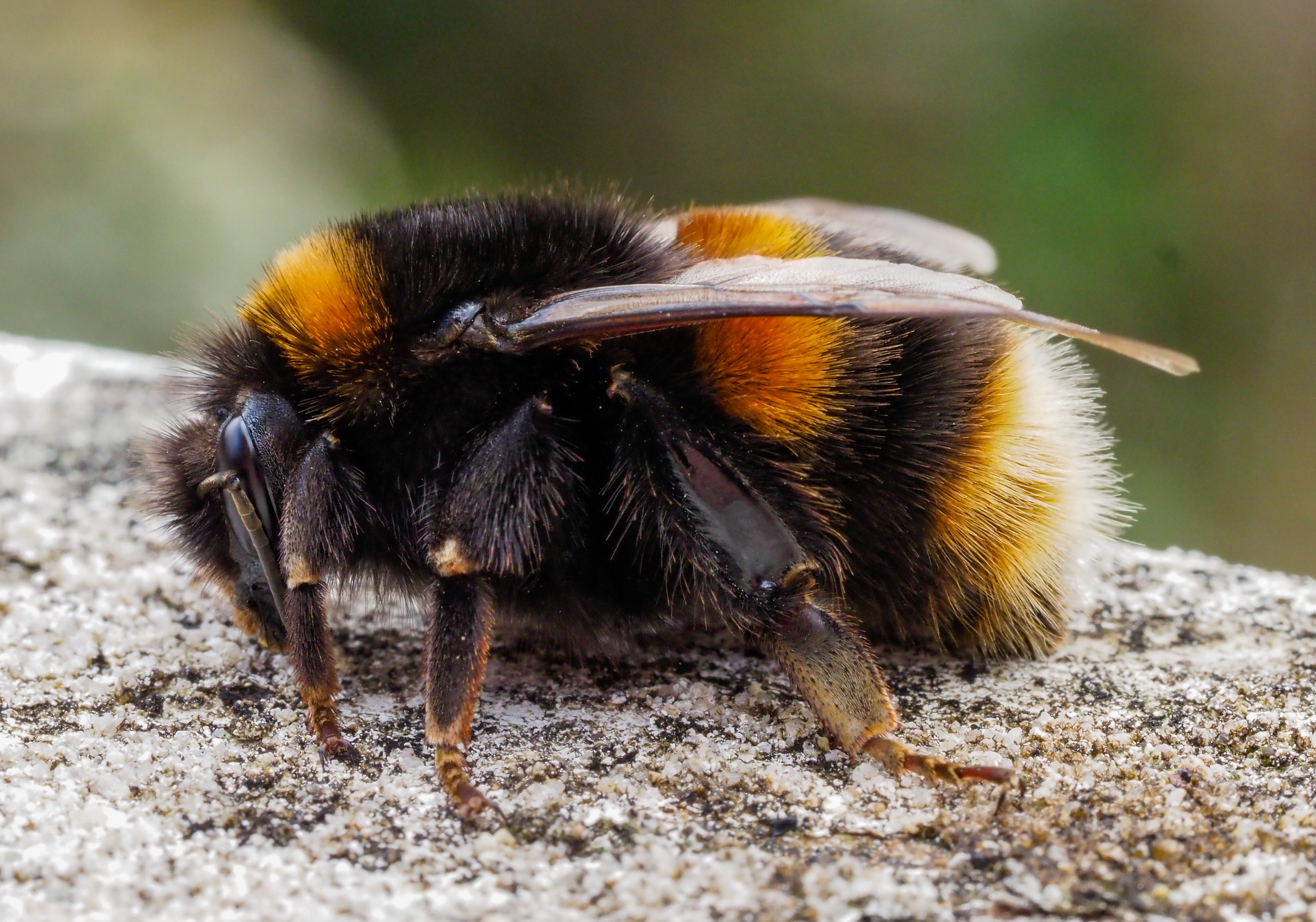
I noticed that some bumblebees seemed to be having a rest on the ground underneath the flowers, after they had been feeding for a while (below). Perhaps they had become sated, or even a bit tipsy, after taking on board so much nectar?
It was a privilege to get a glimpse into the lives of these wonderful, industrious animals that we rely on so much for pollinating the flowers we get so much pleasure from.
References
Chittka, L. (2022). The mind of a bee. Princeton University Press.
Chittka, L., Thomson, J. D., & Waser, N. M. (1999). Flower constancy, insect psychology, and plant evolution. Naturwissenschaften, 86, 361-377.
Esposito, F., Costa, R., & Boieiro, M. (2021). Foraging Behavior and Pollen Transport by Flower Visitors of the Madeira Island Endemic Echium candicans. Insects 2021, 12, 488.
Pearce, R. F., Giuggioli, L., & Rands, S. A. (2017). Bumblebees can discriminate between scent-marks deposited by conspecifics. Scientific reports, 7(1), 43872.
Wilms, J., & Eltz, T. (2008). Foraging scent marks of bumblebees: footprint cues rather than pheromone signals. Naturwissenschaften, 95, 149-153.
 Ray Cannon's nature notes
I didn’t know about the scent marks. Checked the literature. Fascinating.
Yes, it’s quite a complex subject, I think. It might make a good blog story in itself. I touched on it in one of my early blogs about bees and ants. 😁
https://rcannon992.com/2016/06/21/do-bumblebees-know-when-ants-are-in/
Thank you for the link, Ray. Checked it out. Very interesting. By the way, I like the idea of a bumblebee steamrolling an ant. 😄
Fascinating. I followed the link to your 2023 post on Tesco Gardens – what an unearthly place!