Ladybirds are well-known predators, and aphids are one of their favourite meals! They can feed and develop on a variety of different aphid species, just consuming more of them if the prey items are small.

All stages, from tiny 1st instar larvae through to adults, eat large numbers of these sugar-filled insects. Seven-spot ladybirds (Coccinella septempunctata) can consume anywhere from 50 to 250 aphids per day – studies vary – depending on the size and species of the aphid.
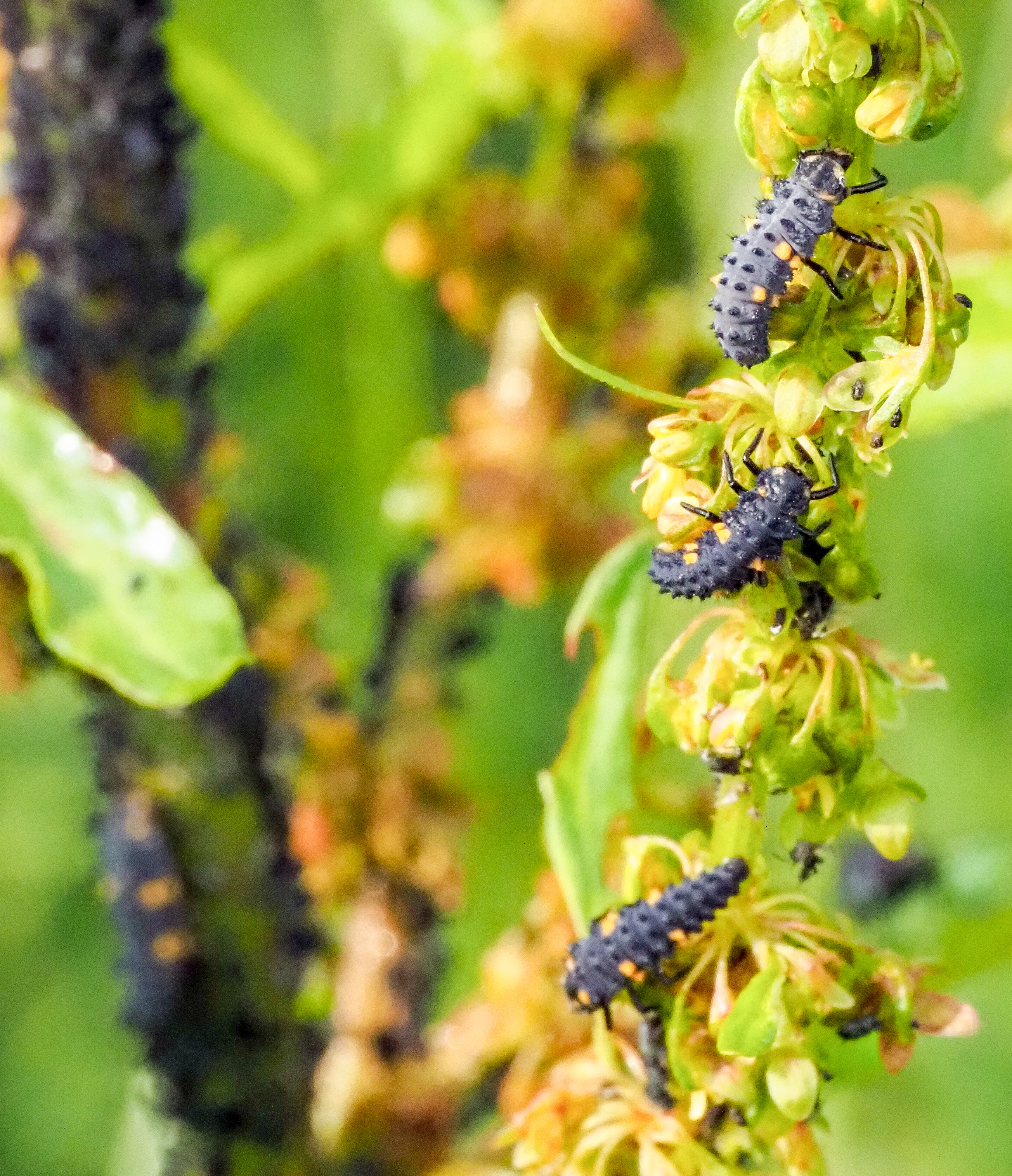
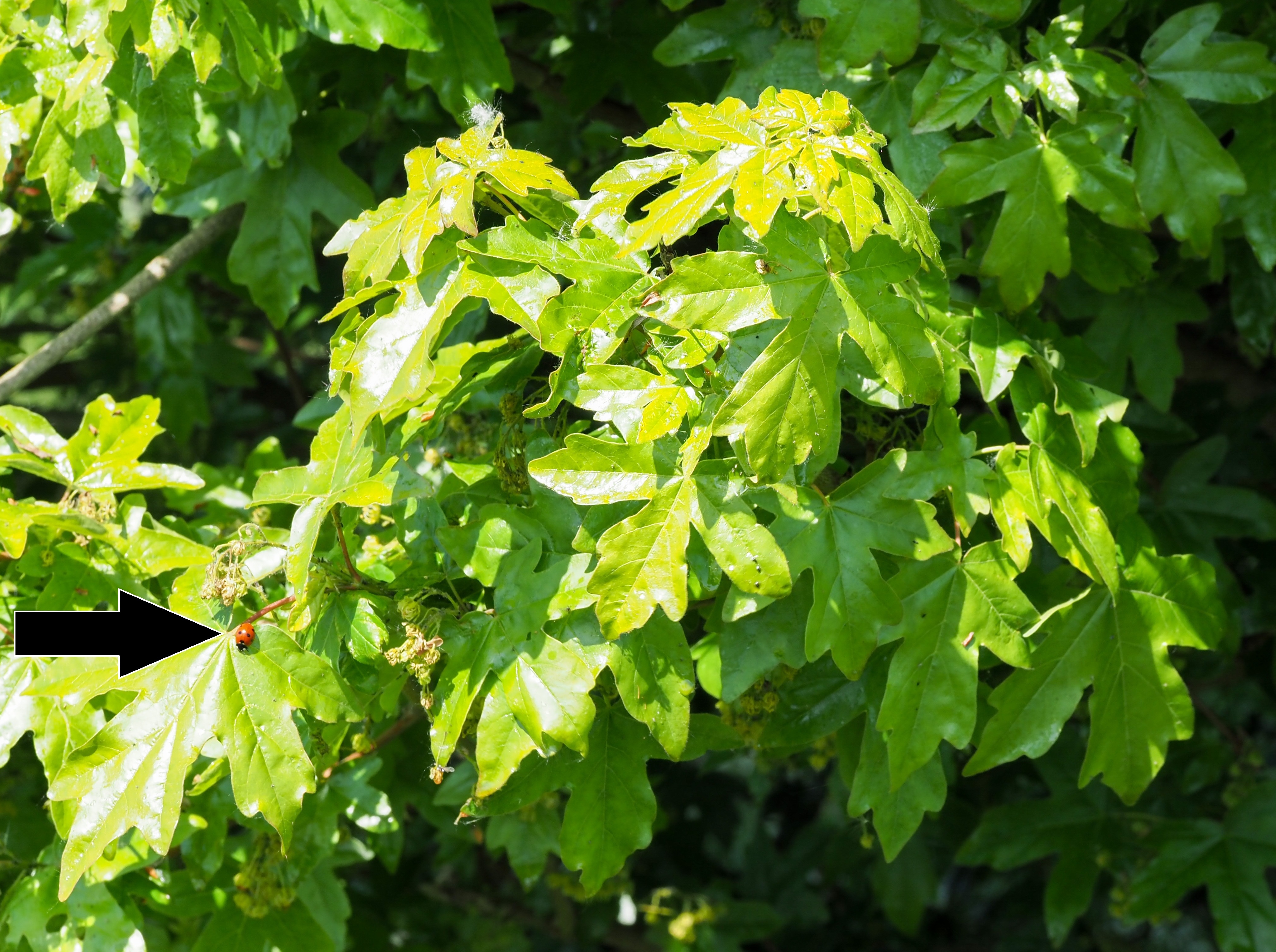
It has long been a matter of debate, the extent to which ladybirds can control aphids, but there are many examples of coccinellids (Coccinellidae) working their way through large populations of aphids, particularly when the numbers (i.e. populations) of both predator and prey are in synchrony. Ladybirds can rapidly reduce aphid populations on both primary (e.g. trees) and secondary hosts (e.g. field crops) and I came across an example of this effect, earlier this year, for aphids living on field maple (Acer campestre) trees in a hedgerow in Bedfordshire (see below).
Photograph by Raymond JC Cannon
At the end of April, I noticed that there were large numbers of Common maple aphids (Periphyllus testudinaceus) on the lovely green leaves of some trees at the end of a hedgerow.

Photograph by Raymond JC Cannon
The leaves were quite shiny, due to the presence of honeydew excreted by the aphids, which were on the undersides of the leaves. This sugary secretion acts as an olfactory cue, attracting ladybirds to the trees, where they start to search for aphids on the leaves. Many seven-spot ladybirds (Coccinella septempunctata) were already in attendance!
I visited the site over three consecutive days and got the impression that the ladybirds were rapidly working their way through the aphids. For example there was evidence of discarded skins, although these could have been the result of normal moulting by aphids from one nymphal instar (i.e. stage) to the next (see below).

This species of aphid – also called Common periphyllus aphids (Periphyllus testudinaceus) – overwinter on the trees as eggs and hatch out in the spring. The immature fundatrices (shown here) as this first generation is called, feed on the developing buds of sycamore or maple trees. The wingless, asexual female aphids (fundatrices) – also called stem mothers – feed on the bursting maple buds and produce a second generation of both winged and wingless viviparous females; which means that they give birth to live young, rather than mating and laying eggs. I.e. parthenogenesis.
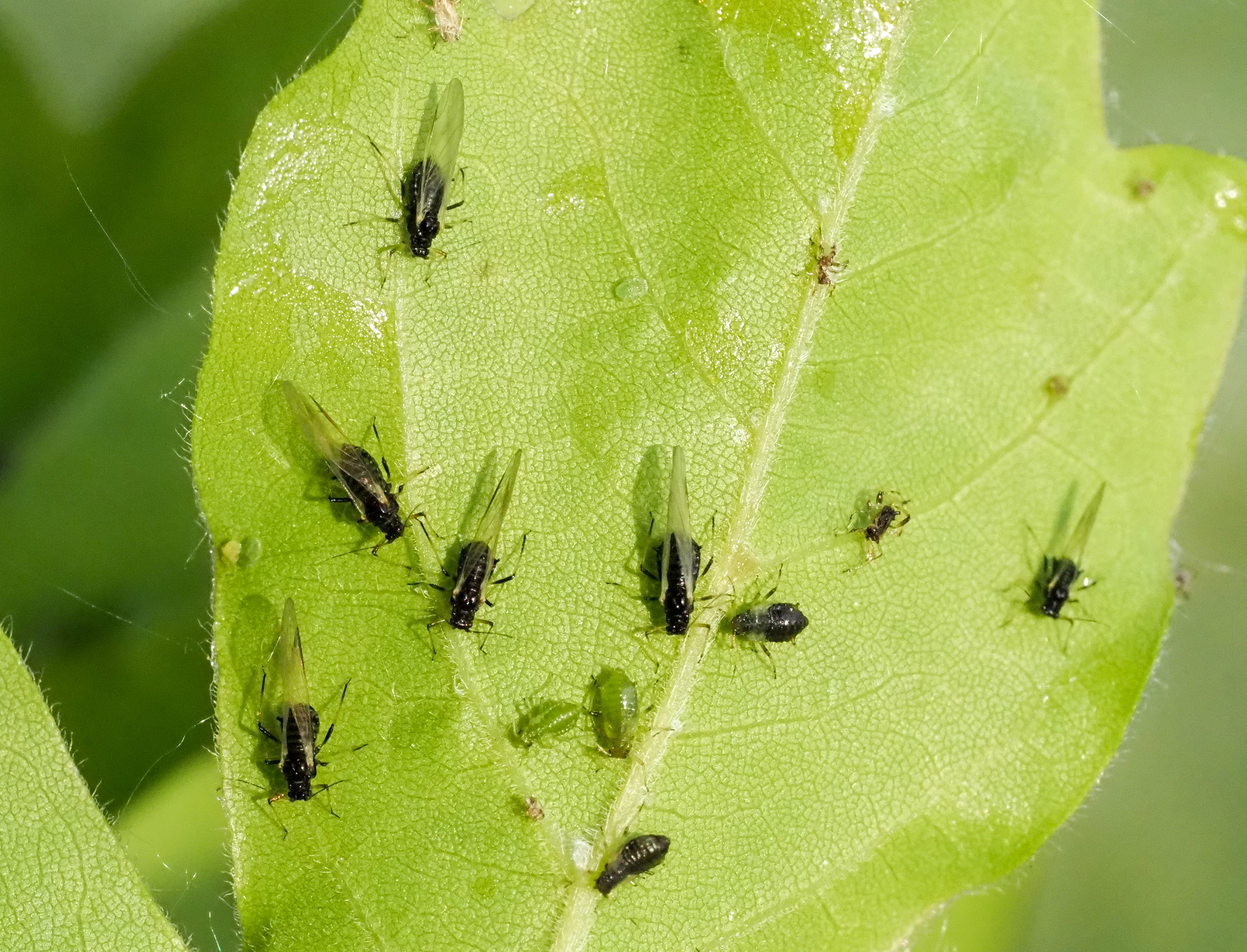
It was this second generation that I came across at the end of April, and they were feeding on the undersides of the relatively new leaves. Many of them had already developed into winged adults (called alates), shown below, although there were still plenty of nymphs around as well.
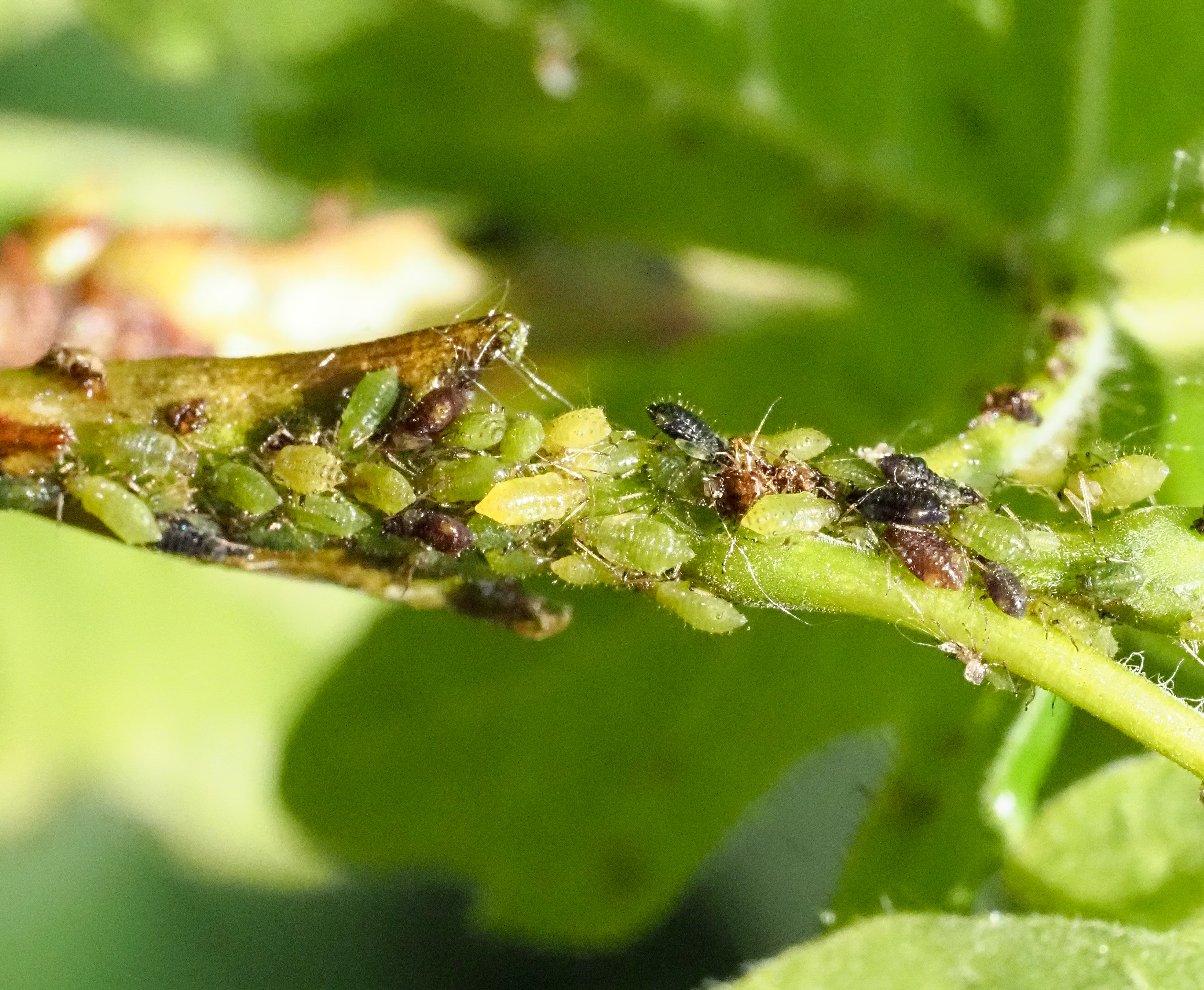
There are usually two colour forms – various shades of green and black – in developing Periphyllus testudinaceus nymphs on maple and sycamore trees, but ‘the functional significance of the various colour forms is unclear’ according to Bob Dransfield and Bob Brightwell on their website InfluentialPoints.com.
Photograph by Raymond JC Cannon
Like many aphids, this species produces prodigious quantities of honeydew, and they are often visited by ants (although I did not see any when I was photographing the aphids and ladybirds at the end of April).

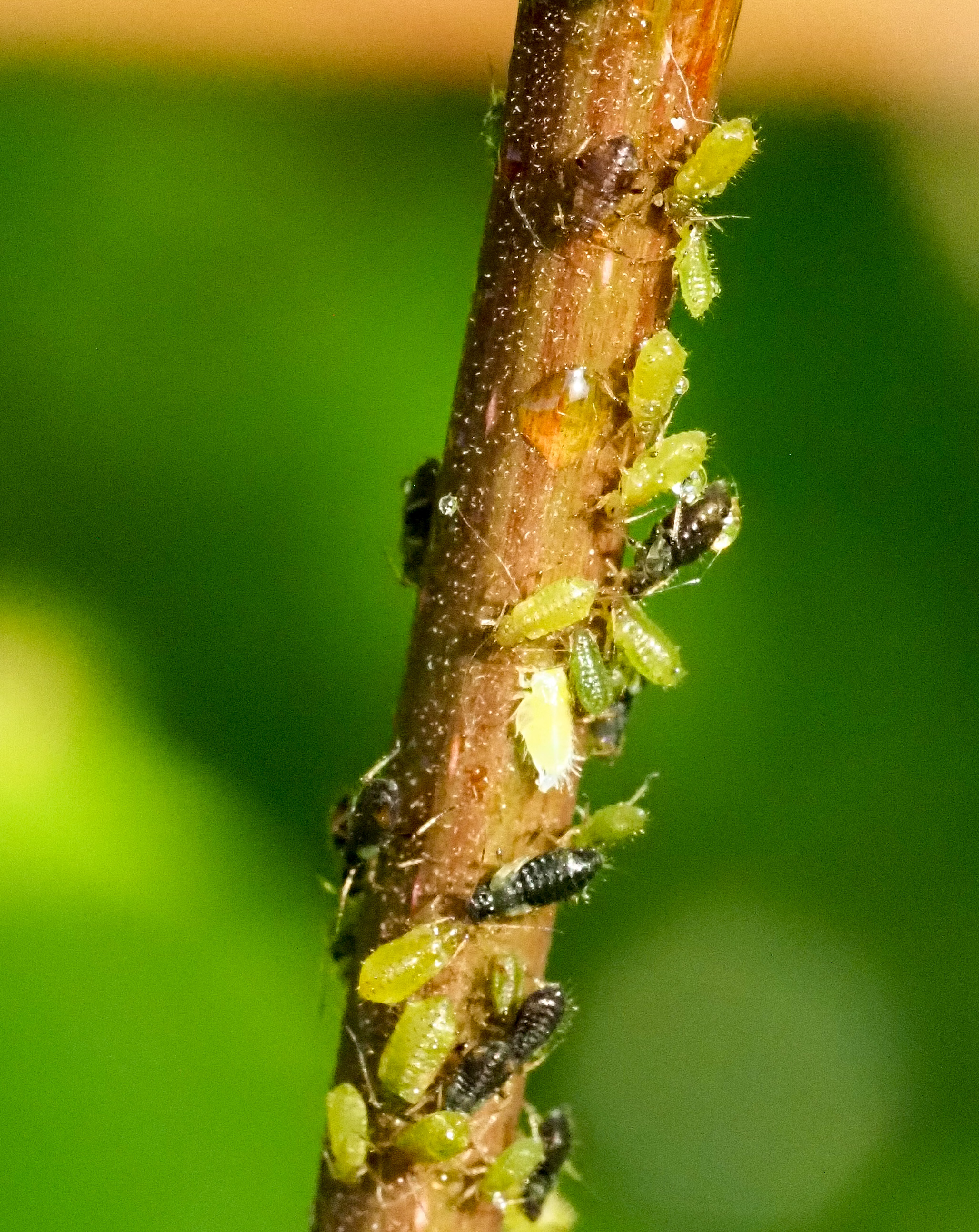
Photograph by Raymond JC Cannon
The winged adults (alates) have broad dark stripes on their abdomens – a bit like a Celtic Football Club shirt! – and their cornicles are short and dark (see below).
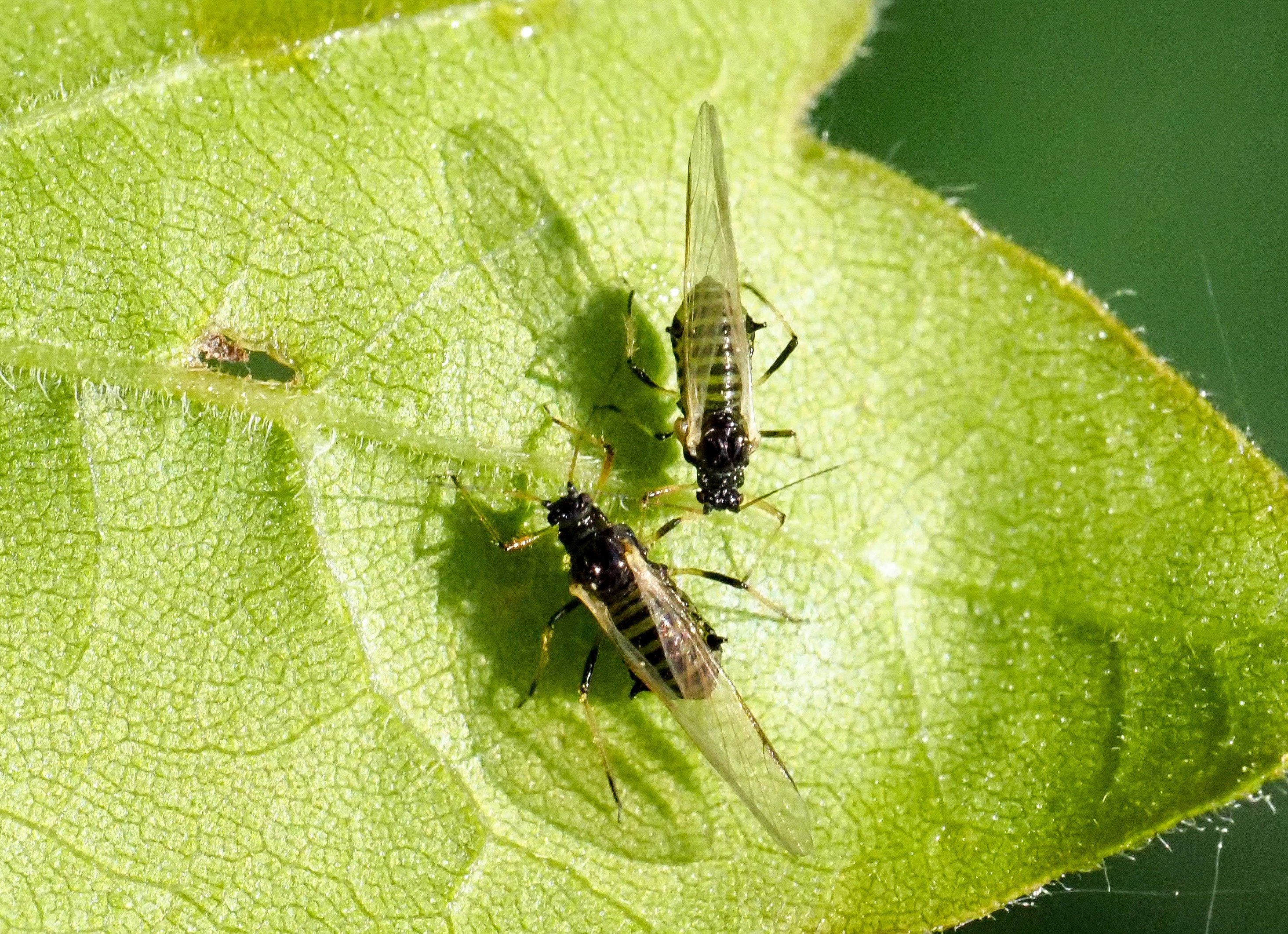
Photograph by Raymond JC Cannon
The adults vary in size quite a lot, between 2.0-3.7 mm, as seen below.

Photograph by Raymond JC Cannon
After a few days, the ladybirds had pretty well cleared out (i.e. eaten) this second generation of aphids, but many of the winged aphids will also have flown off to start new colonies elsewhere.
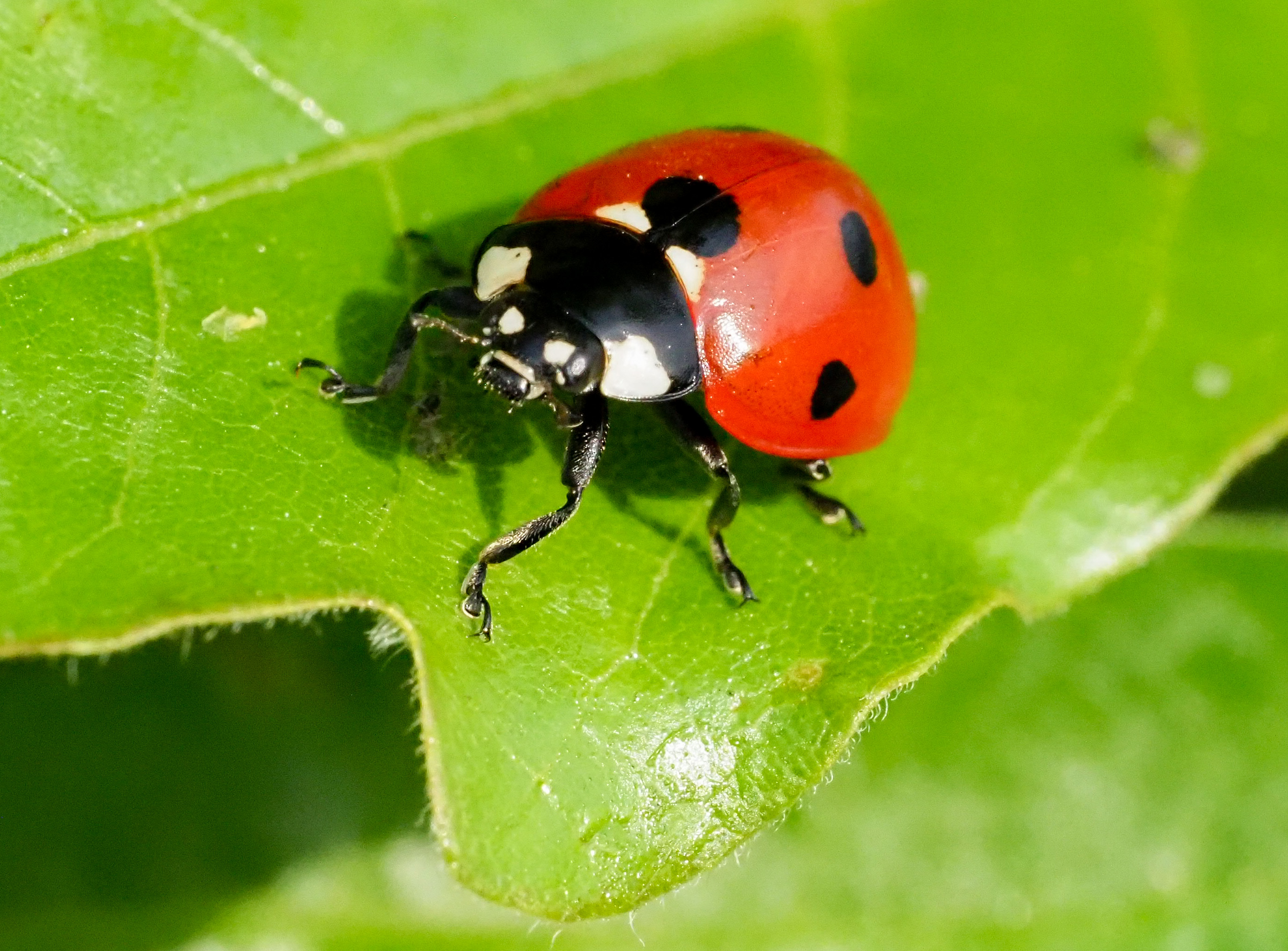

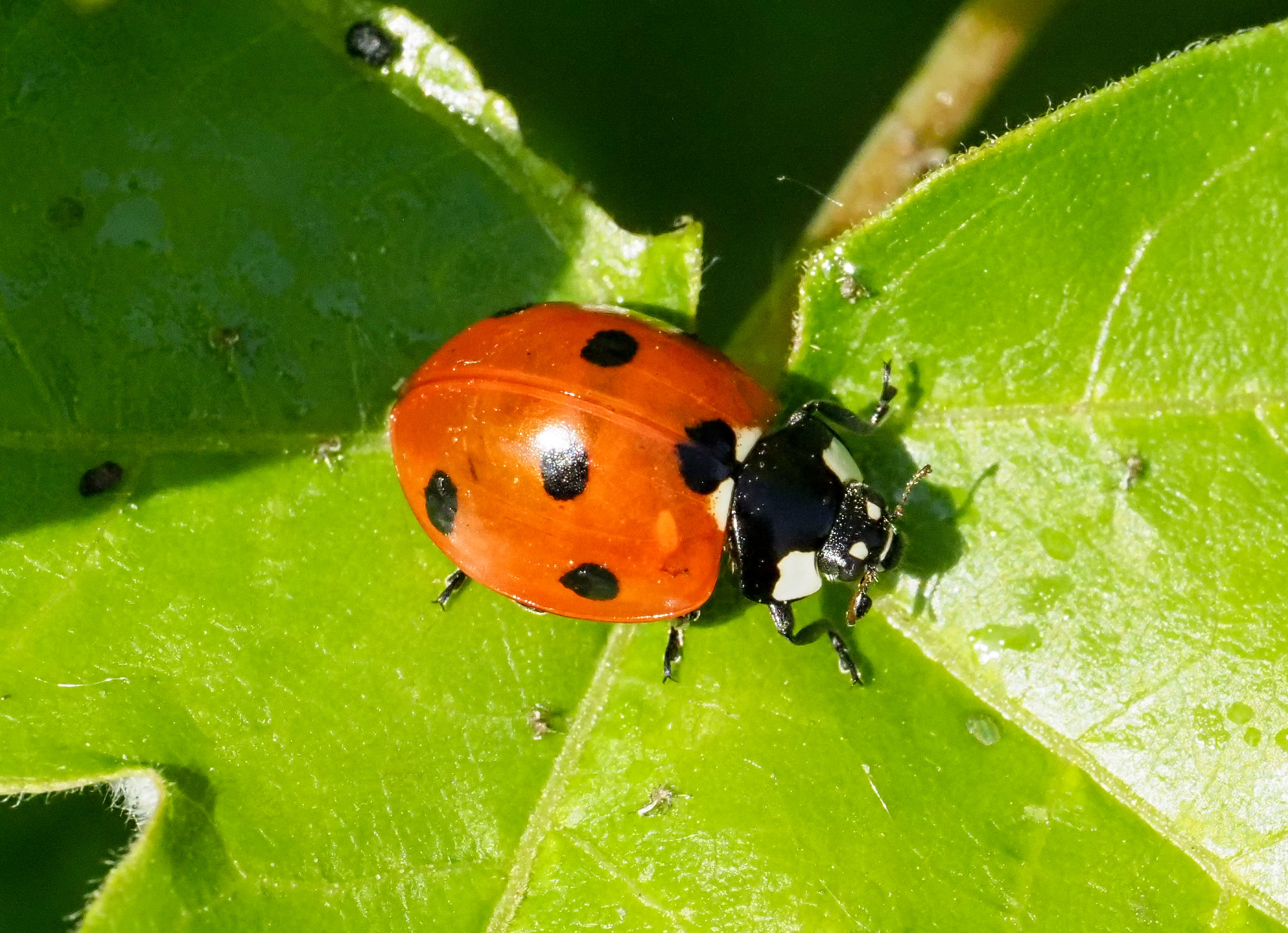
Seven-spot ladybirds (Coccinella septempunctata) on field maple leaves.
Photograph by Raymond JC Cannon
Aphids have a wonderful system whereby the production of alates is tied to the population density. As numbers increase the amount of contact between individuals increases, the aphids internalise a physiological record of this crowding, producing more winged forms compared to aphids in isolation. I described this phenomenon for the Sycamore aphid (Drepanosiphum platanoidis), in a blog called Spaced out aphids!
The adult morph is usually determined within the first few days of nymphal life and can be affected by the conditions, such as crowding, experienced by the parental generation. Wing buds start to appear on 3rd and 4th instar nymphs, which can be seen in the following photograph.
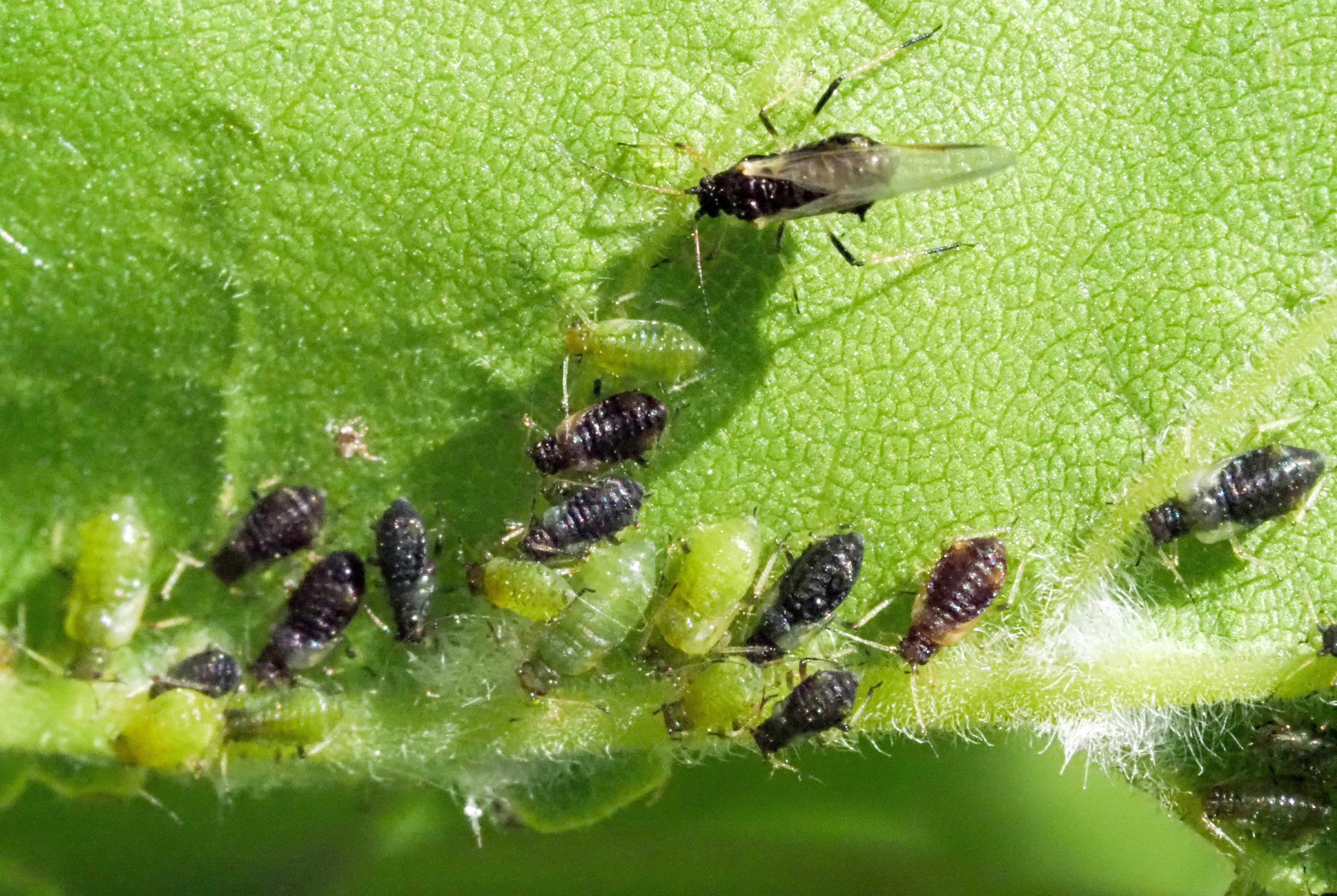
Photograph by Raymond JC Cannon
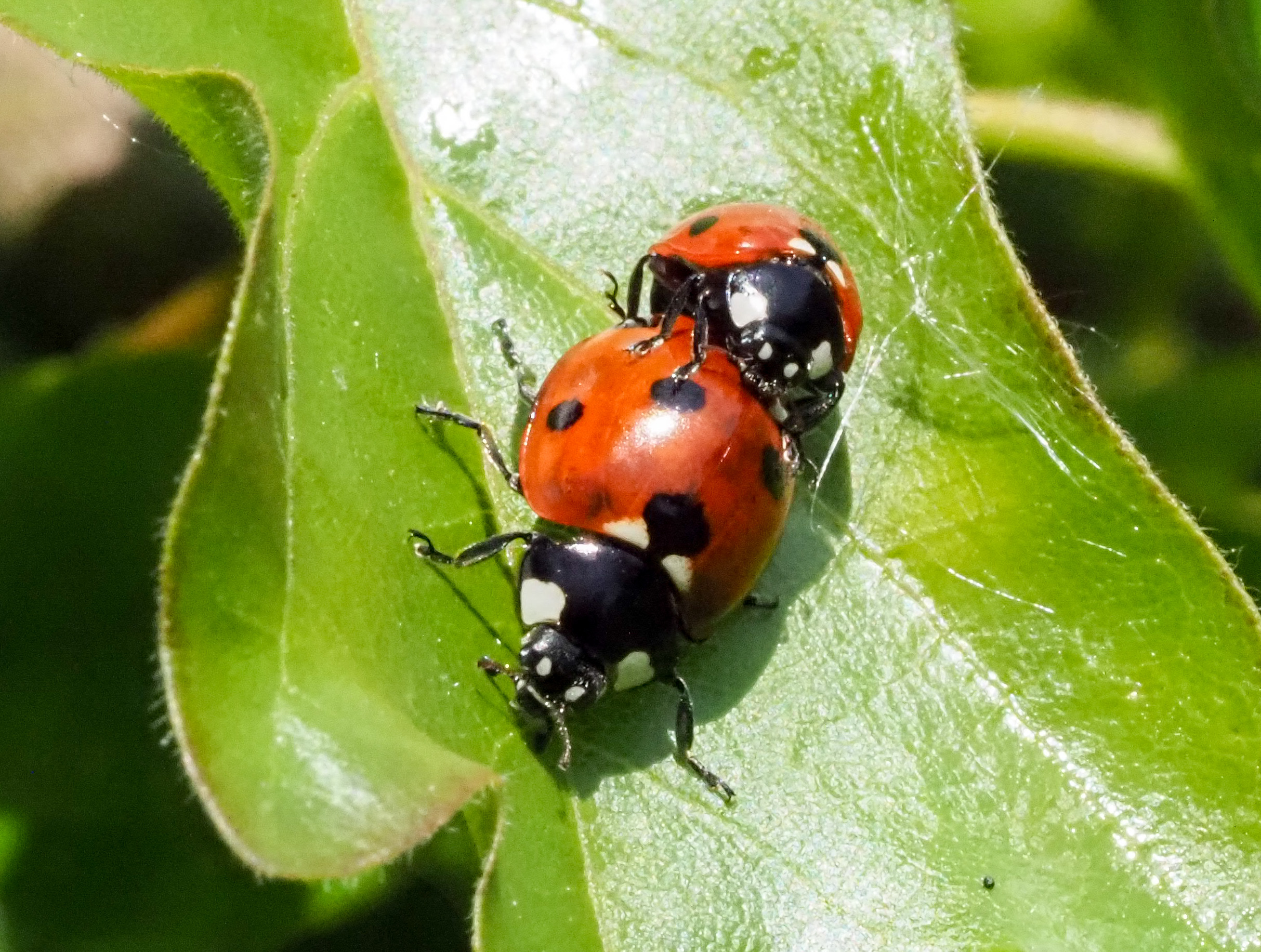
Once the ladybird adults had had their fill of the maple aphids, they appeared to be getting on with the serious business of mating (see below). The males are smaller than female ladybirds, which have rounder, wider abdomens (below).

Photograph by Raymond JC Cannon

I did not see many ladybird larvae at this particular date, probably because they were all in the adult stage, about to lay eggs and produce another generation. However, there were a few ladybird larvae around (below).

I am looking forward to seeing them all again next year – aphids and ladybirds – if I get the opportunity to catch this stage of development in the spring of 2026.
References
Völkl, W., Mackauer, M., Pell, J. K., & Brodeur, J. (2007). Predators, parasitoids and pathogens. In H. van Emden and R. Harrington (eds.) Aphids as crop pests, pp 187-233 CAB International, Oxford, UK
Wilkaniec BA, Sztukowska KA. Periphyllus testudinaceus (Fernie, 1852)(Hemiptera, Aphidoidea) number dynamics on the domestic species of maple-trees. Aphid and Other Hemipterous Insects. 2008;14:83-9.
 Ray Cannon's nature notes
Wow, what a complete and intriguing post! I thoroughly enjoyed your photos and story. I’ll be looking for examples of this synergy in my outings. Thanks!