Most butterflies spend the winter as caterpillars or pupae (chrysalises). Others remain as eggs over winter. But some have evolved to endure the coldest months of the year as imagoes, i.e. adults. The main advantage in doing so, is that they can make an early start in the spring, mating and laying eggs as soon as the weather warms up.
There are four species of butterfly which typically overwinter as adults in the UK, going into a dormant state (hibernation) to survive the cold months; they are the
- Brimstone, Gonepteryx rhamni (univoltine)
- Small Tortoiseshell, Aglais urticae (typically bivoltine)
- European Peacock, Inachis io (primarily univoltine)
- Comma, Polygonia c-album (typically bivoltine)
Univoltine = one generation or brood per year; Bivoltine = two generations per year.
As such, they are all species which appear early in the spring, e.g. during March and April, and in various states of wear and tear depending on how they have fared during their relatively long-lived lives. However, despite sometimes missing bits of wings or appearing rather worn – although some come through the winter months in good shape – this doesn’t necessarily prevent them from finding a partner, mating, and producing another generation of their species.
Here are some photos of the early-appearing Fab Four!
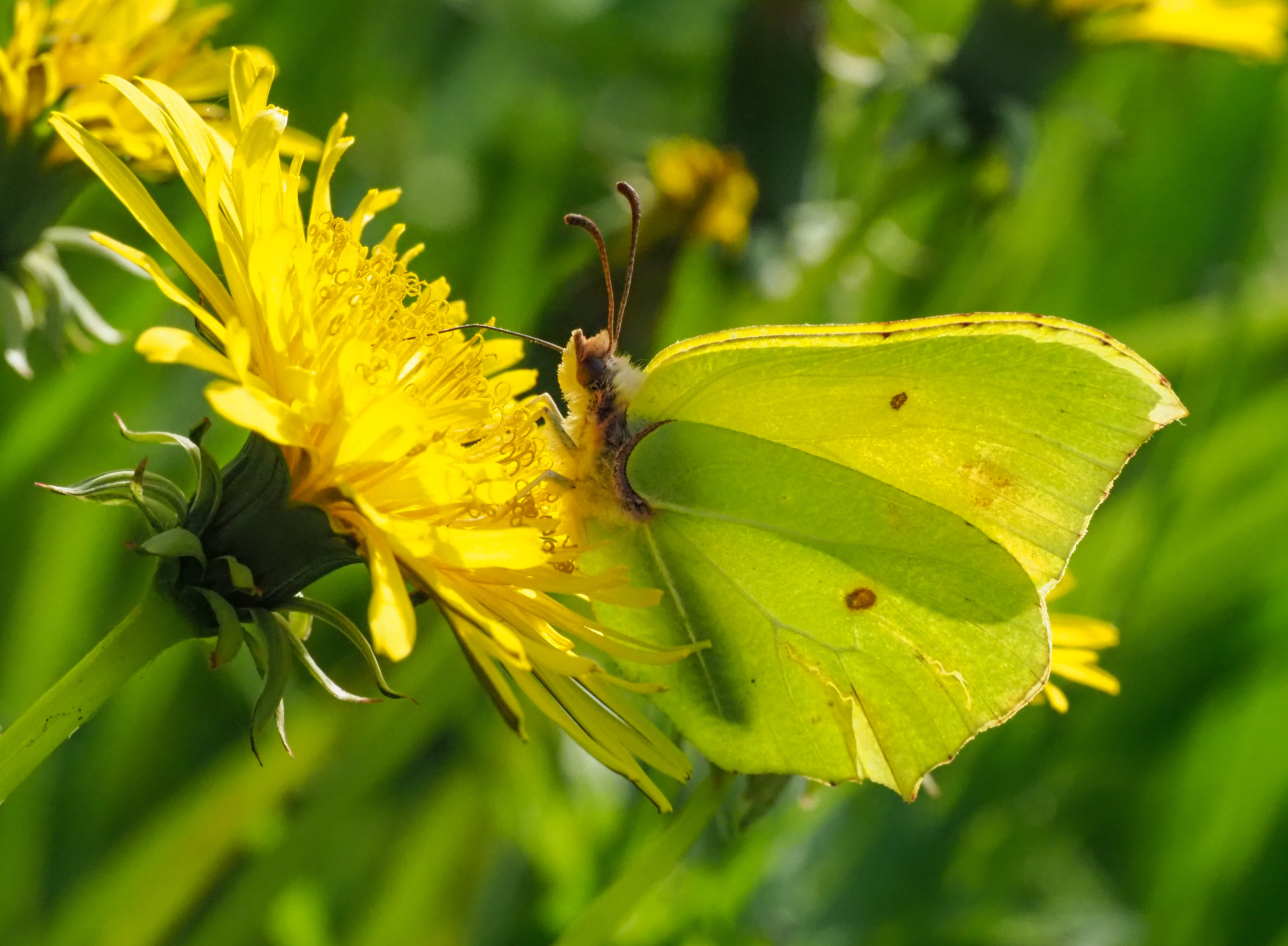
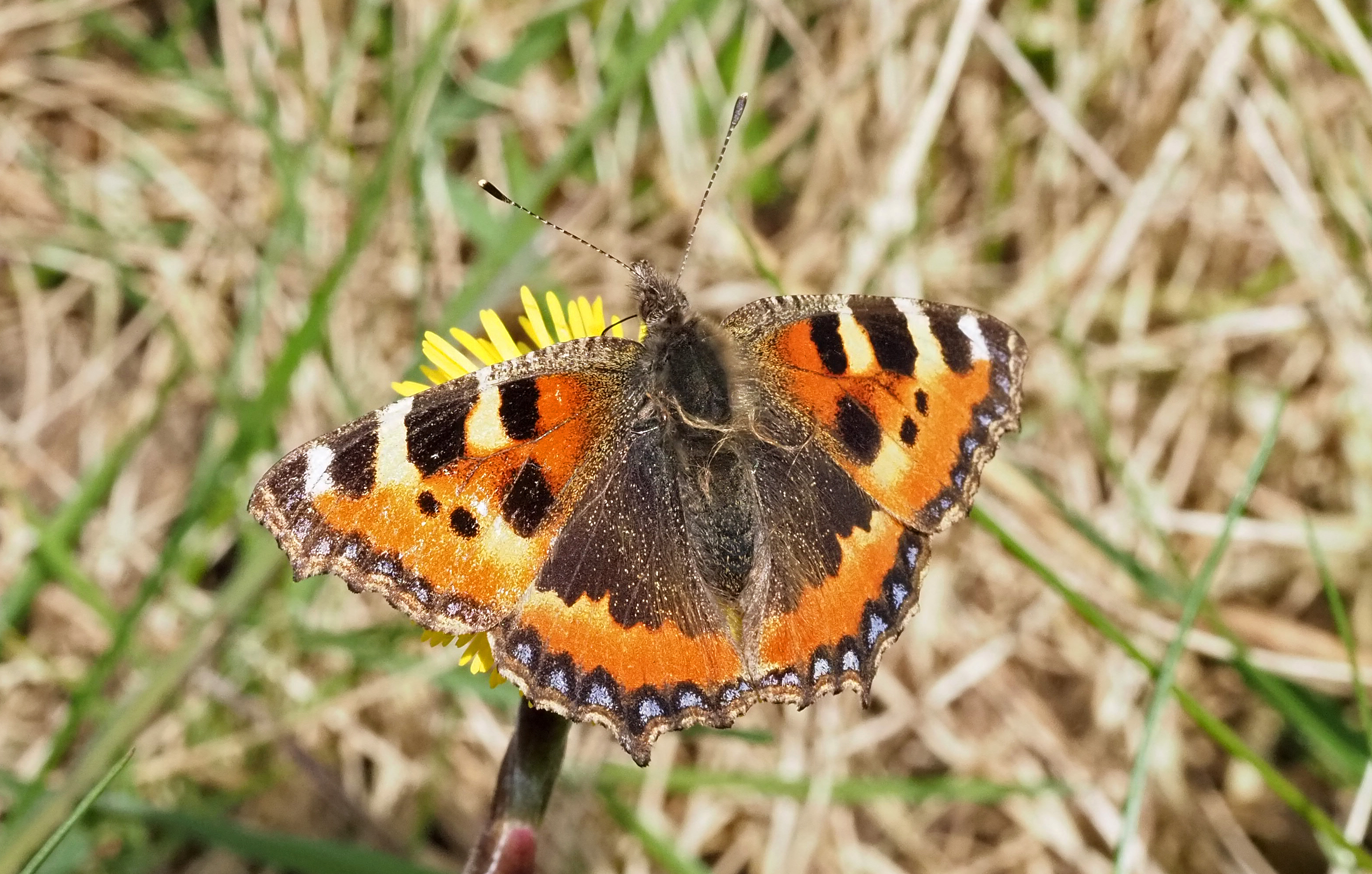
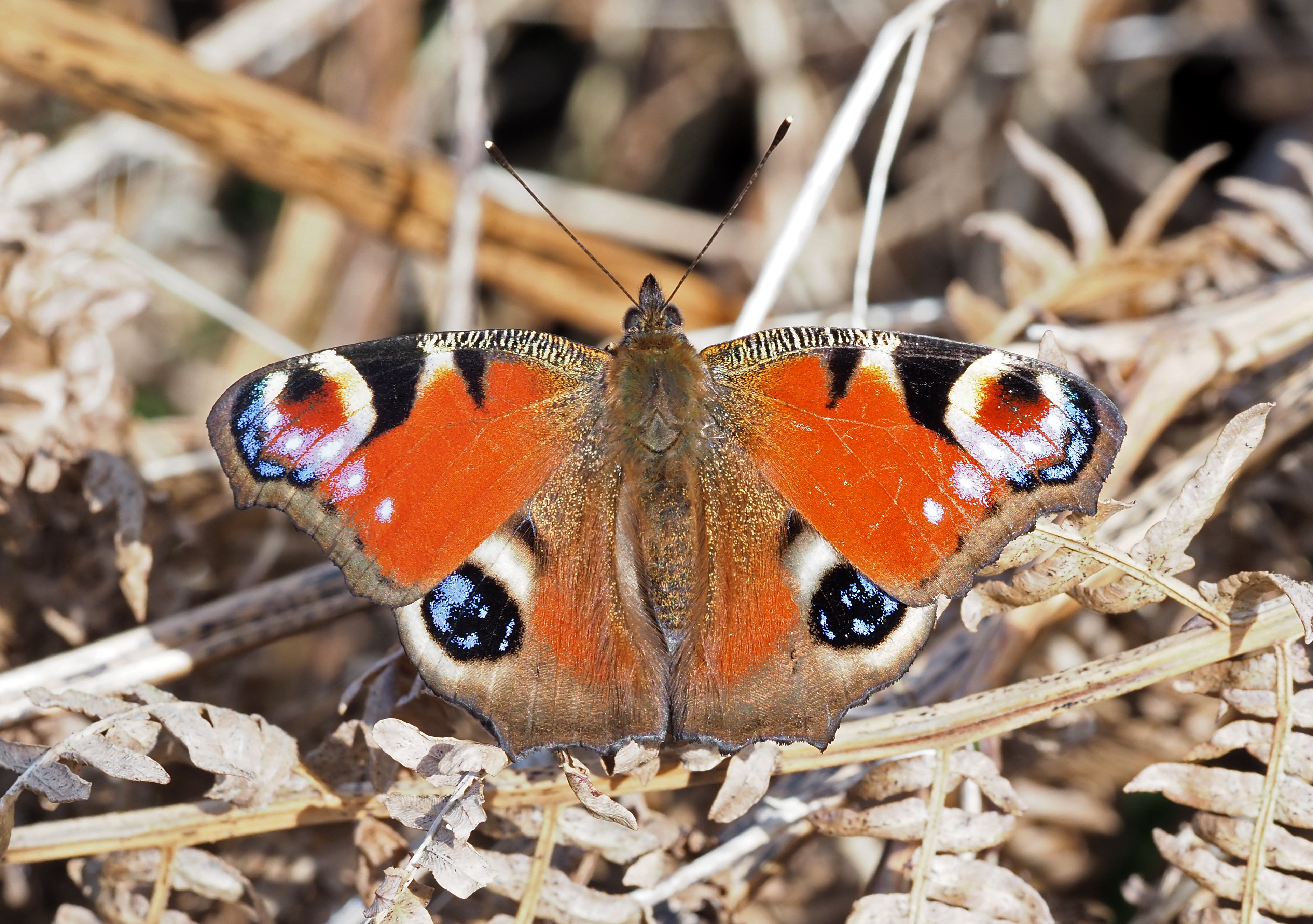
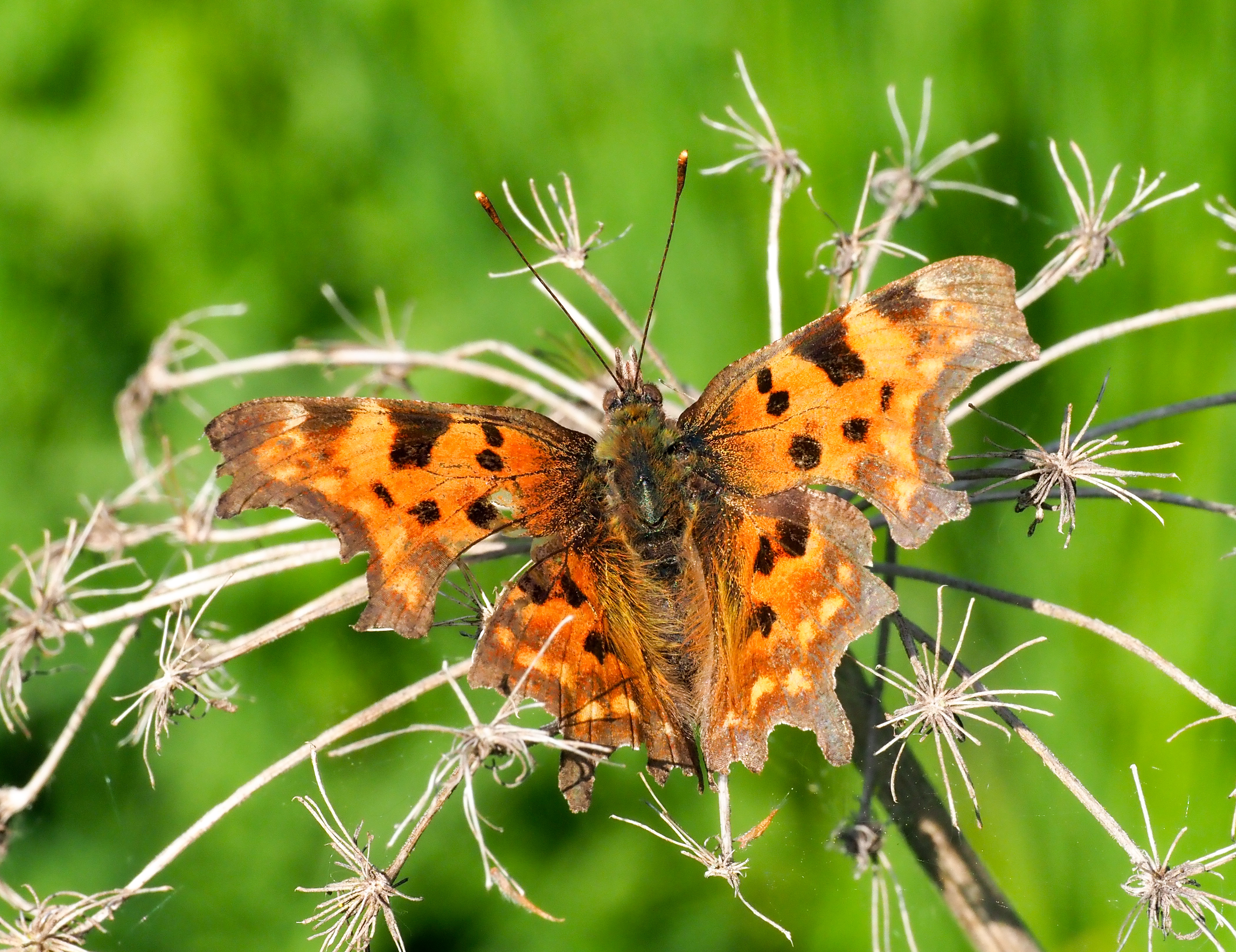
Although, the hardy winter survivors often appear rather worn, at least when looked at closely in a photograph, with bird peck-marks and tattered wings, it’s worth remembering that most have survived in the wild for more 10 months! They have however built up their food (e.g. lipid) reserves by feeding, both before and after hibernating, and are ready to reproduce in the spring or early summer.
European Peacock, Inachis io
For example, here are some photos of Peacock butterflies, all different individuals, taken in the months of April or May, in different years (below).
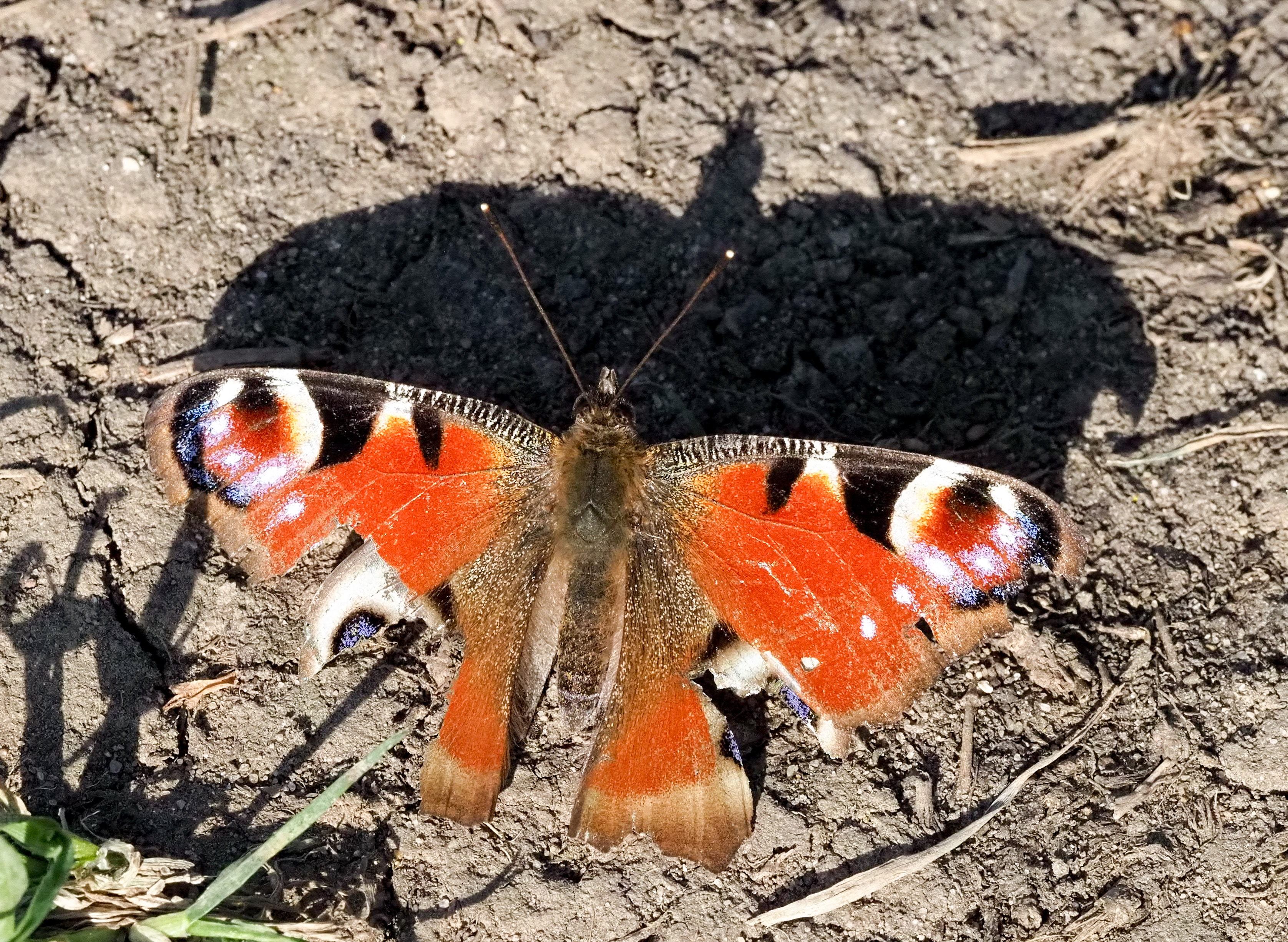
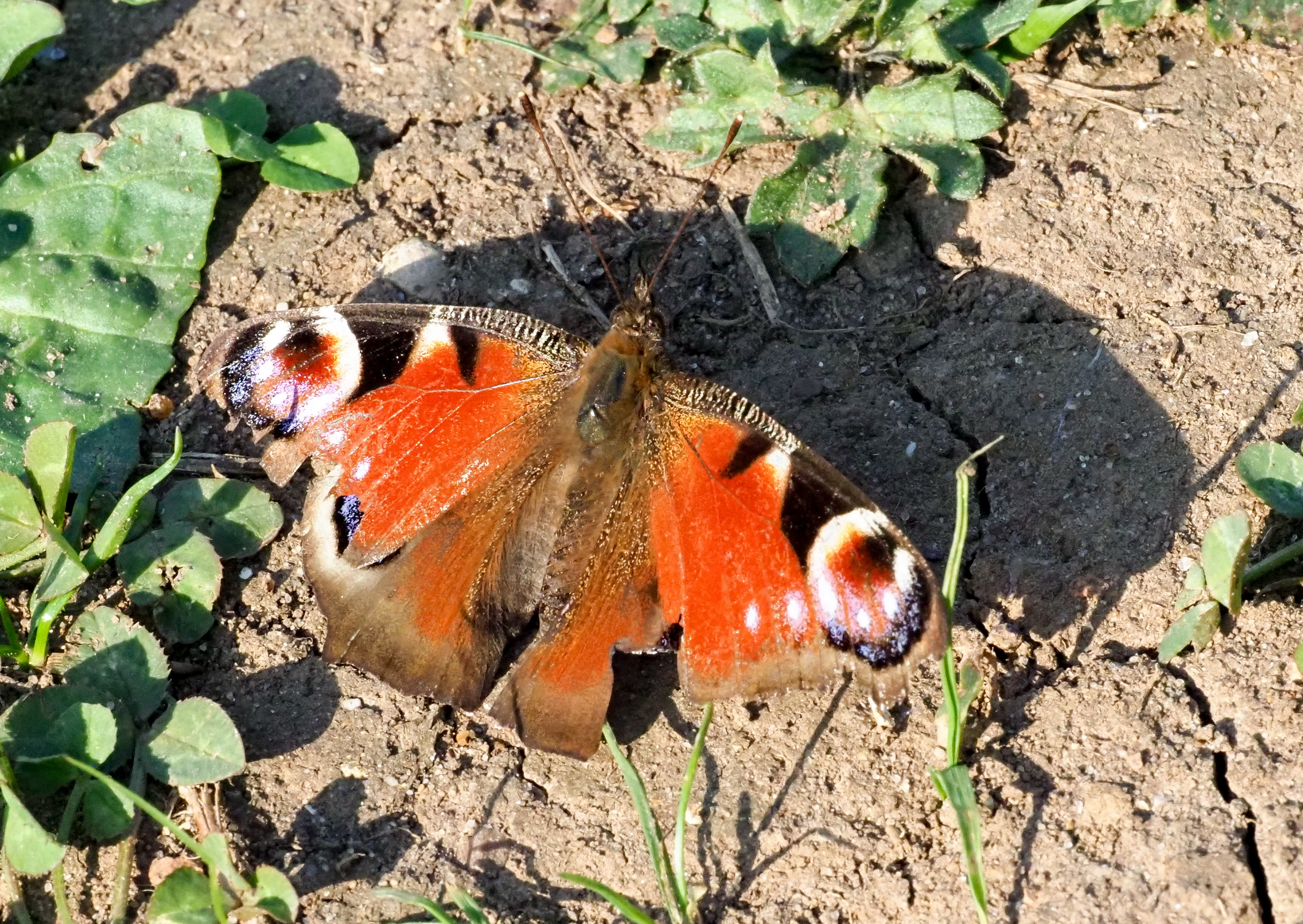
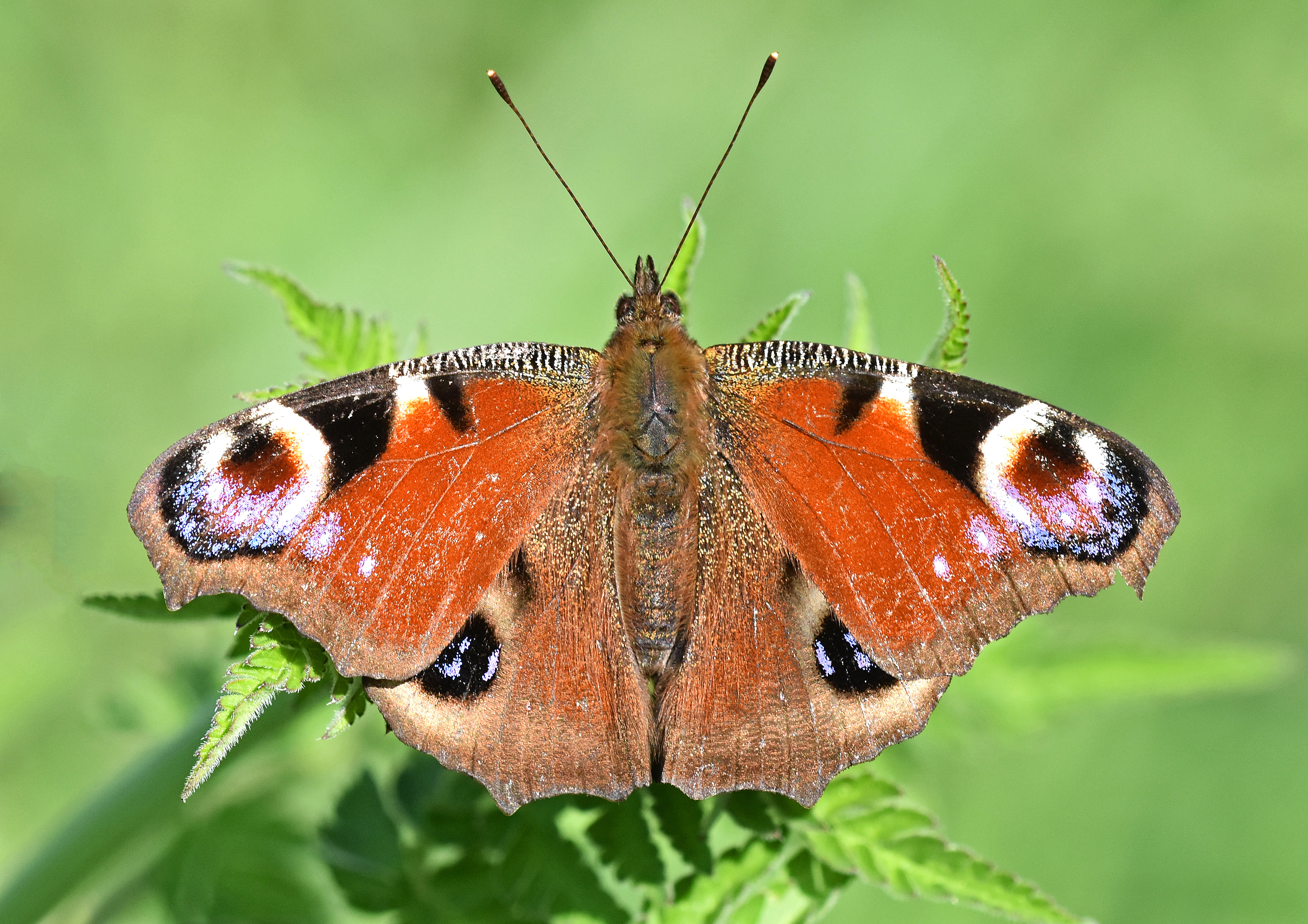
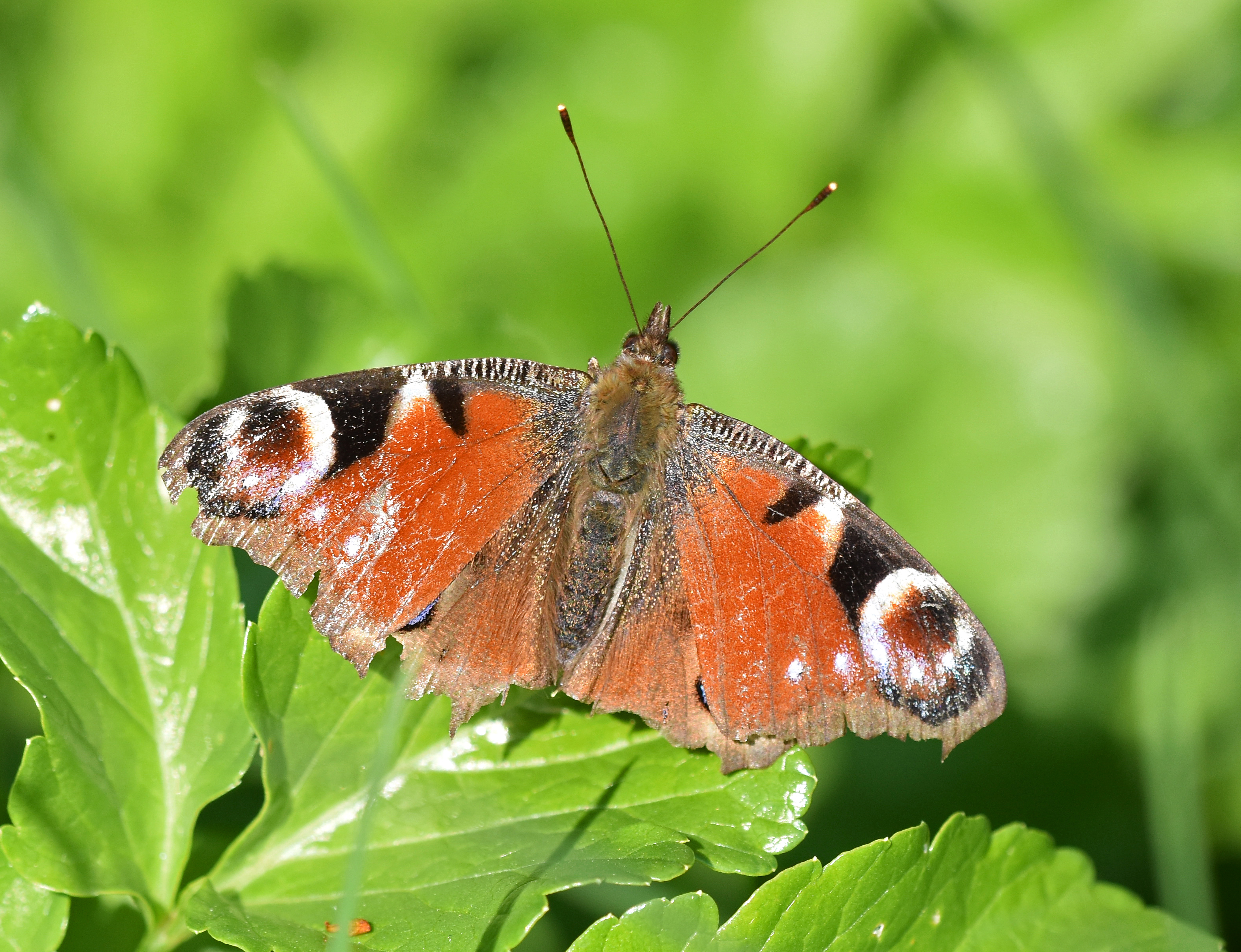
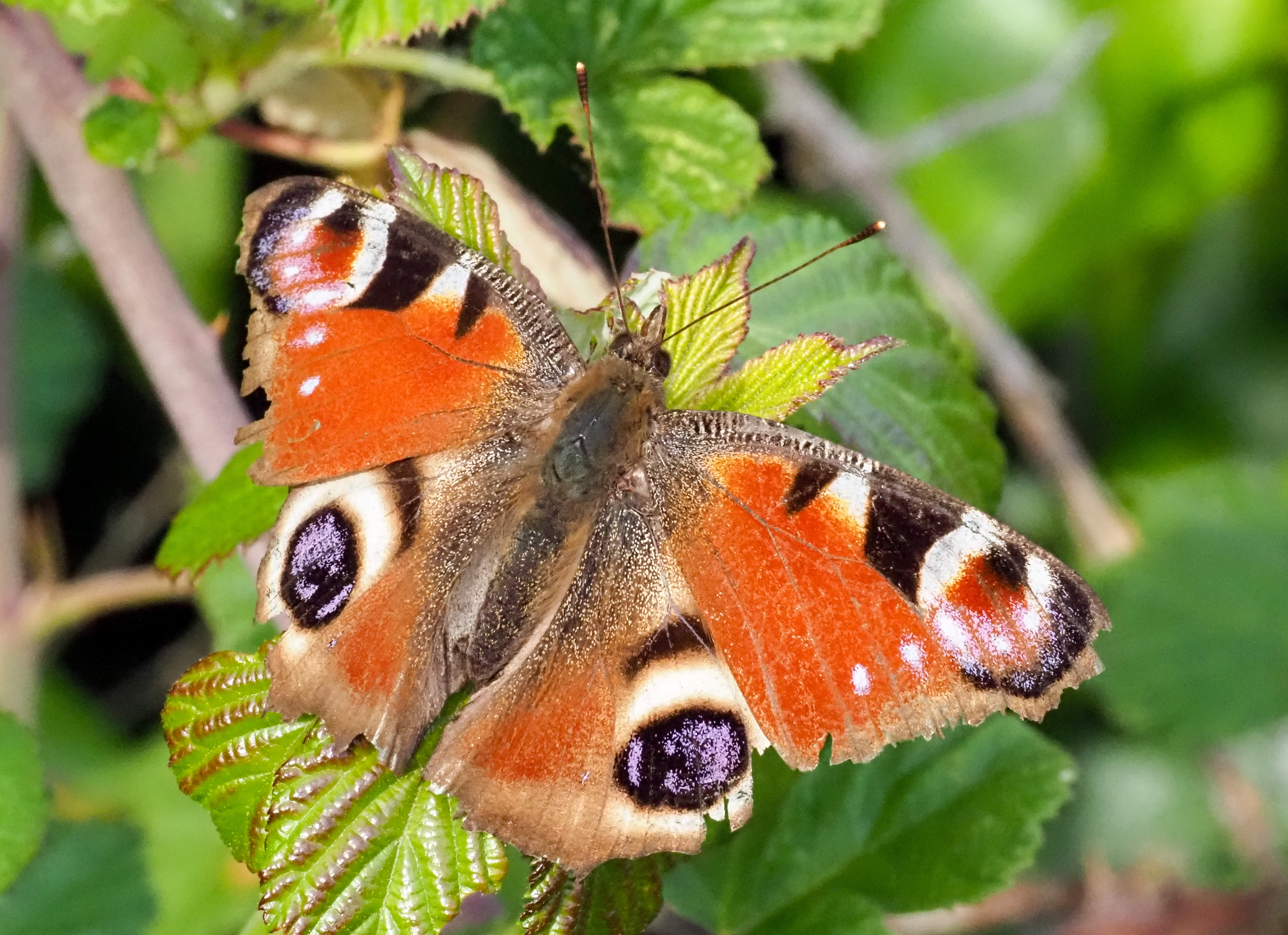
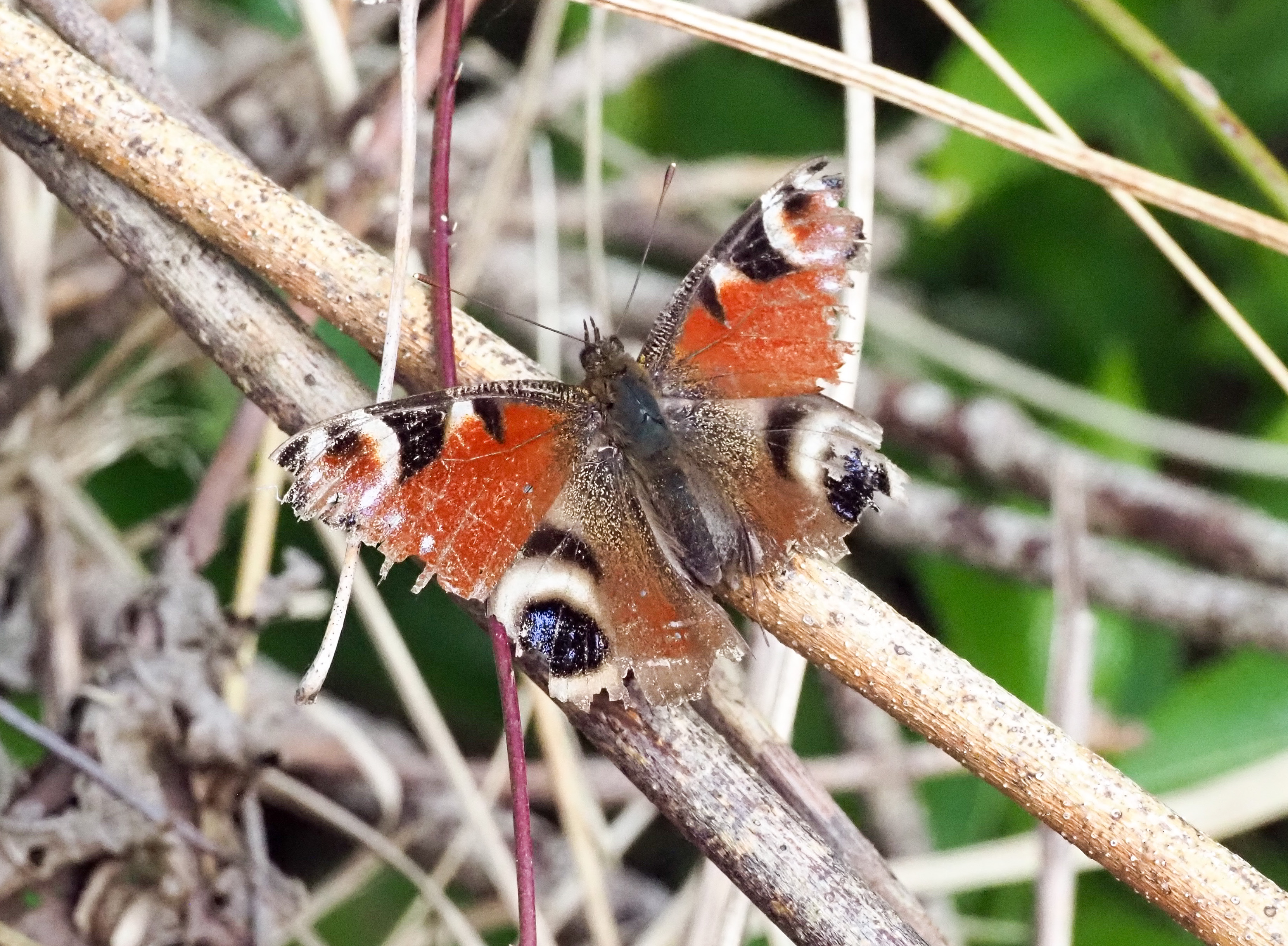
And now here are some examples of individuals of the next generations that developed from the eggs laid by their over-wintering parents, looking magnificent with their brand new wings. Of course, they may soon start to accumulate peck-marks on their wings and start to show signs of wear before they enter hibernation in the coming winters.
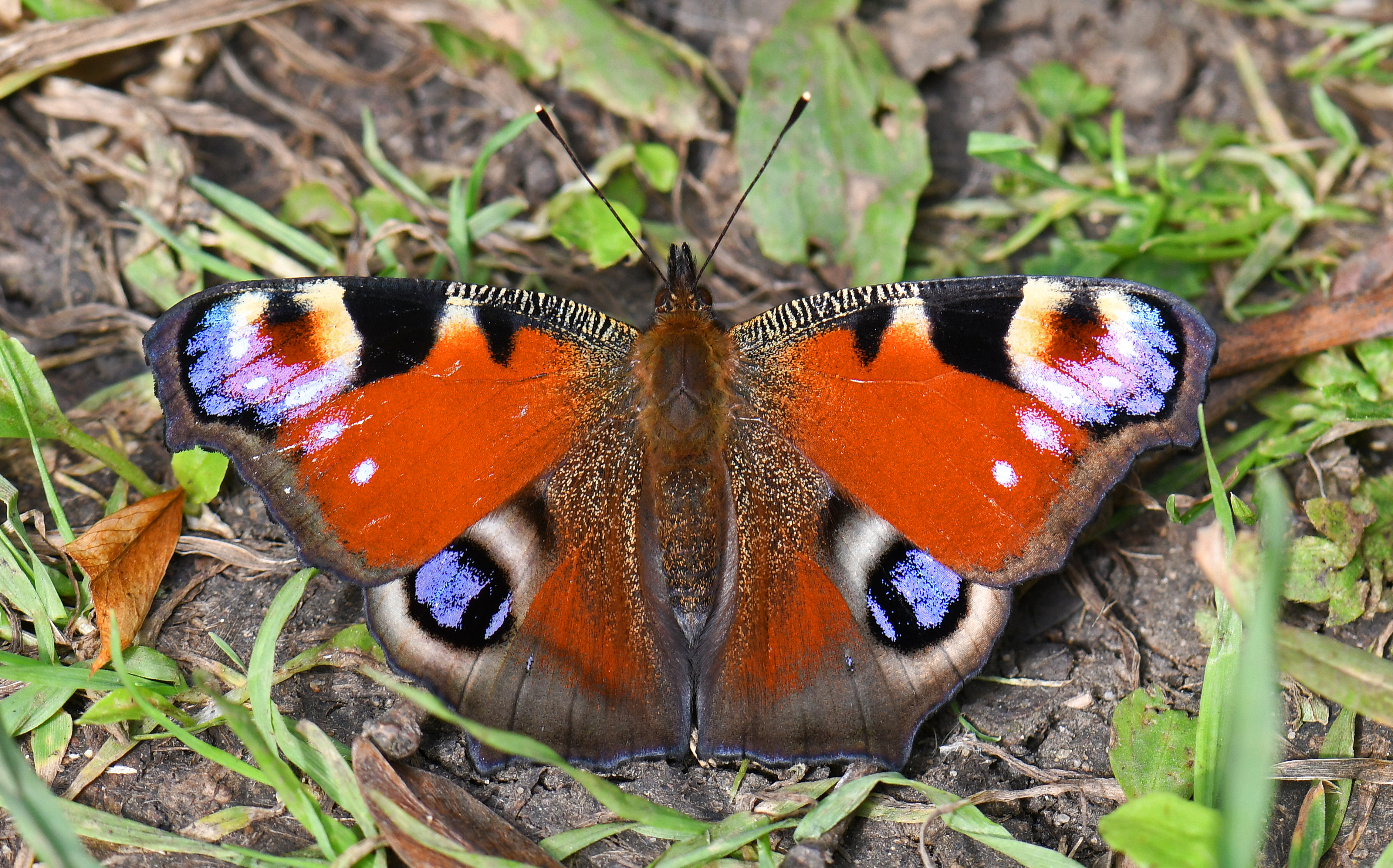
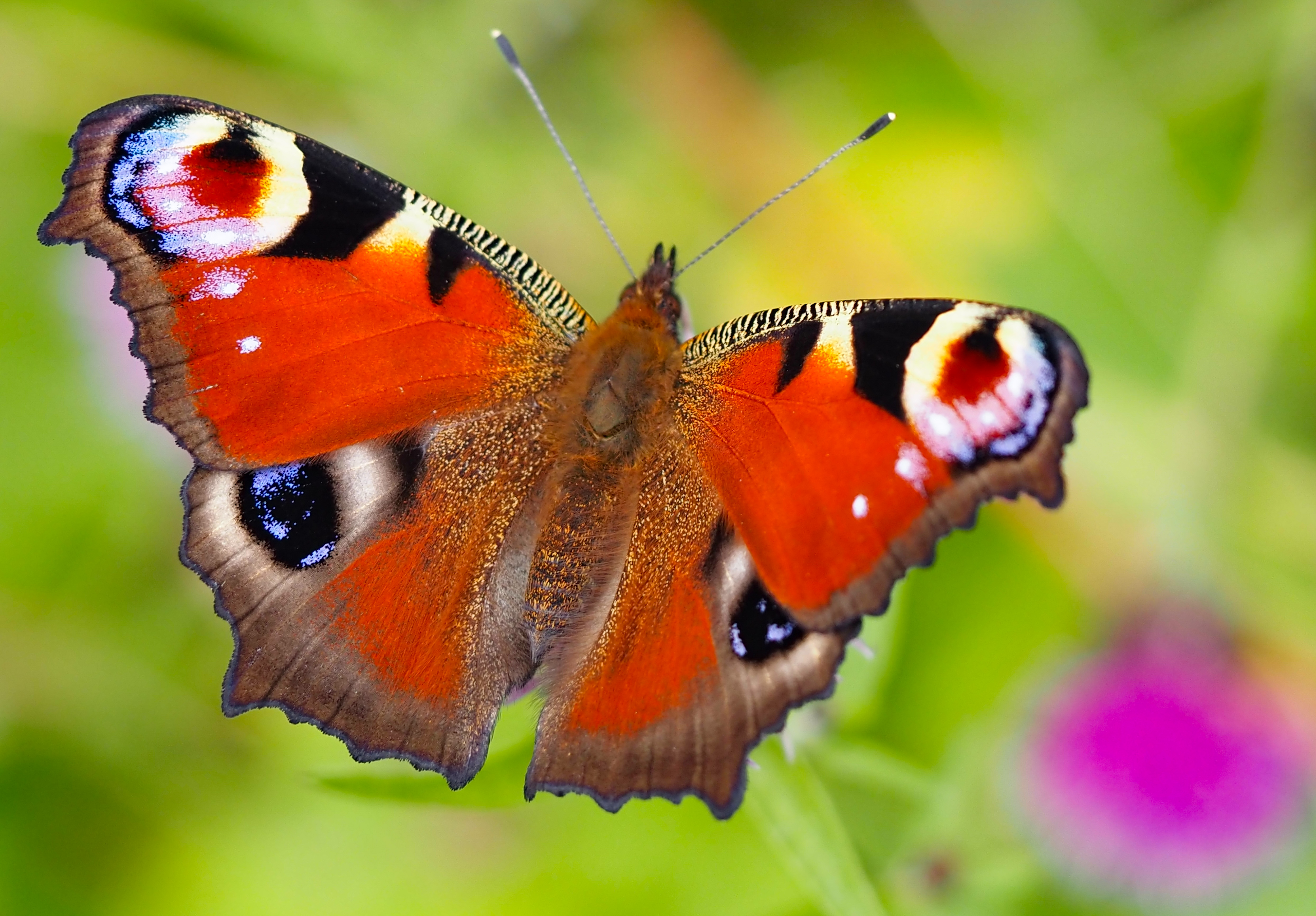
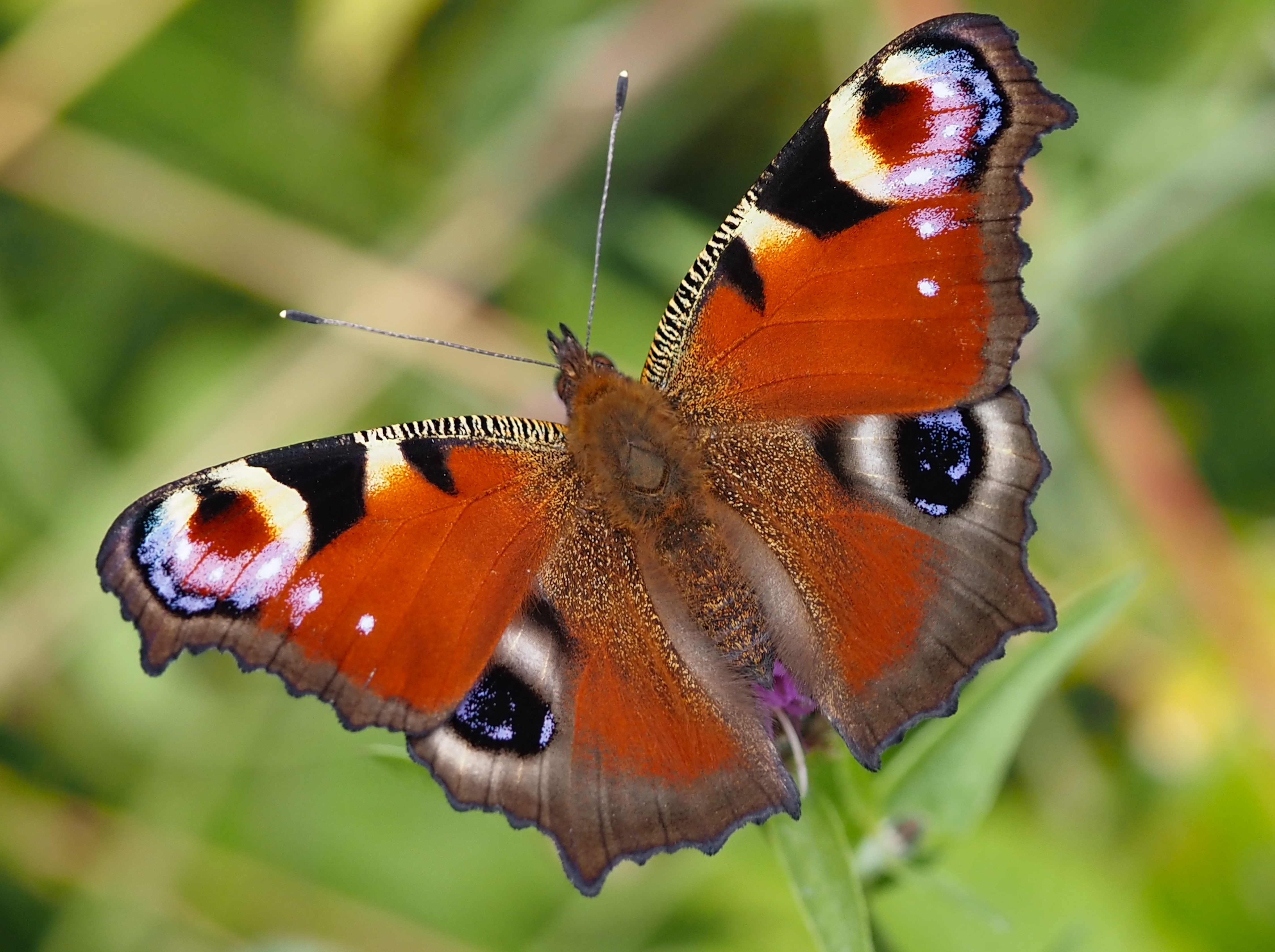
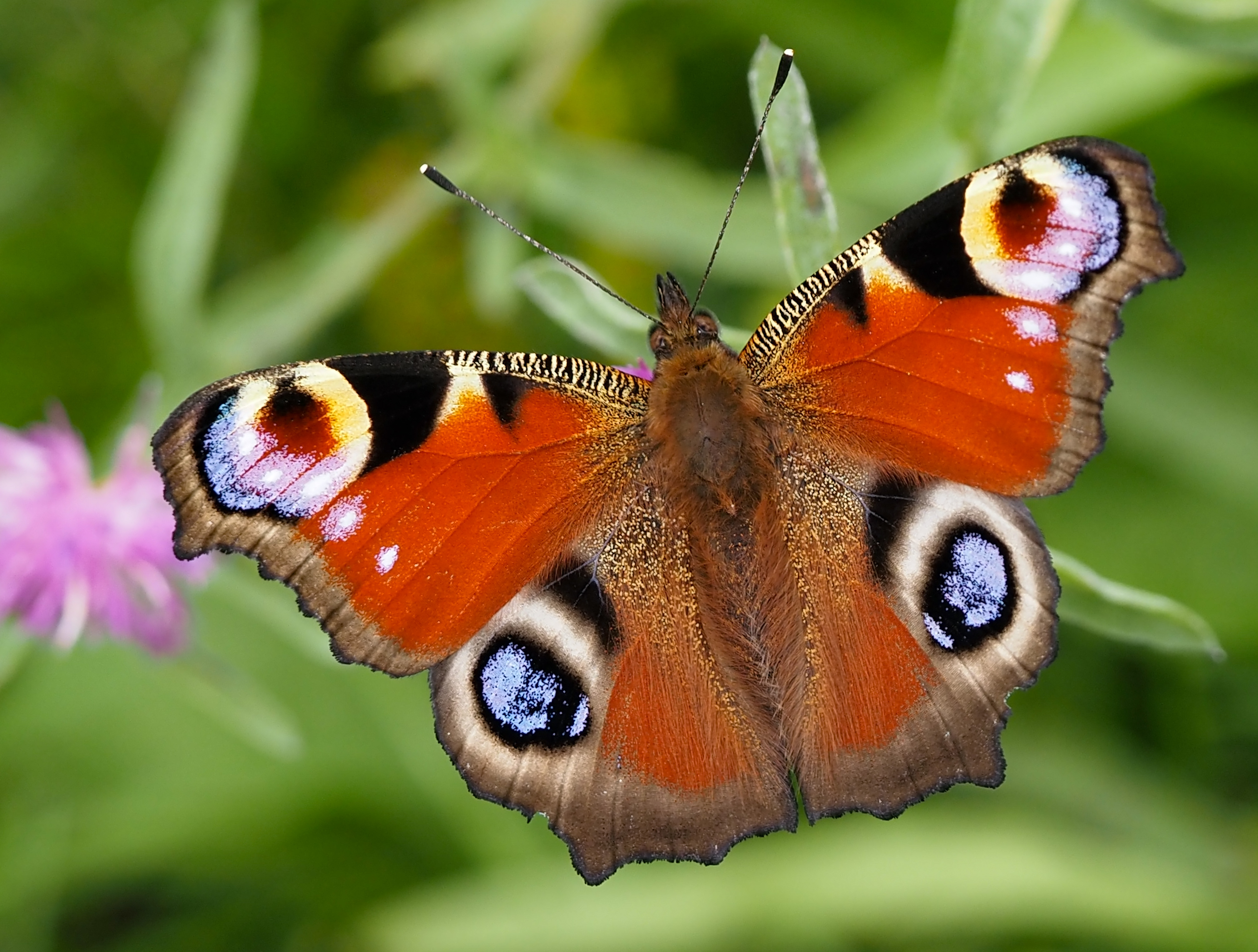
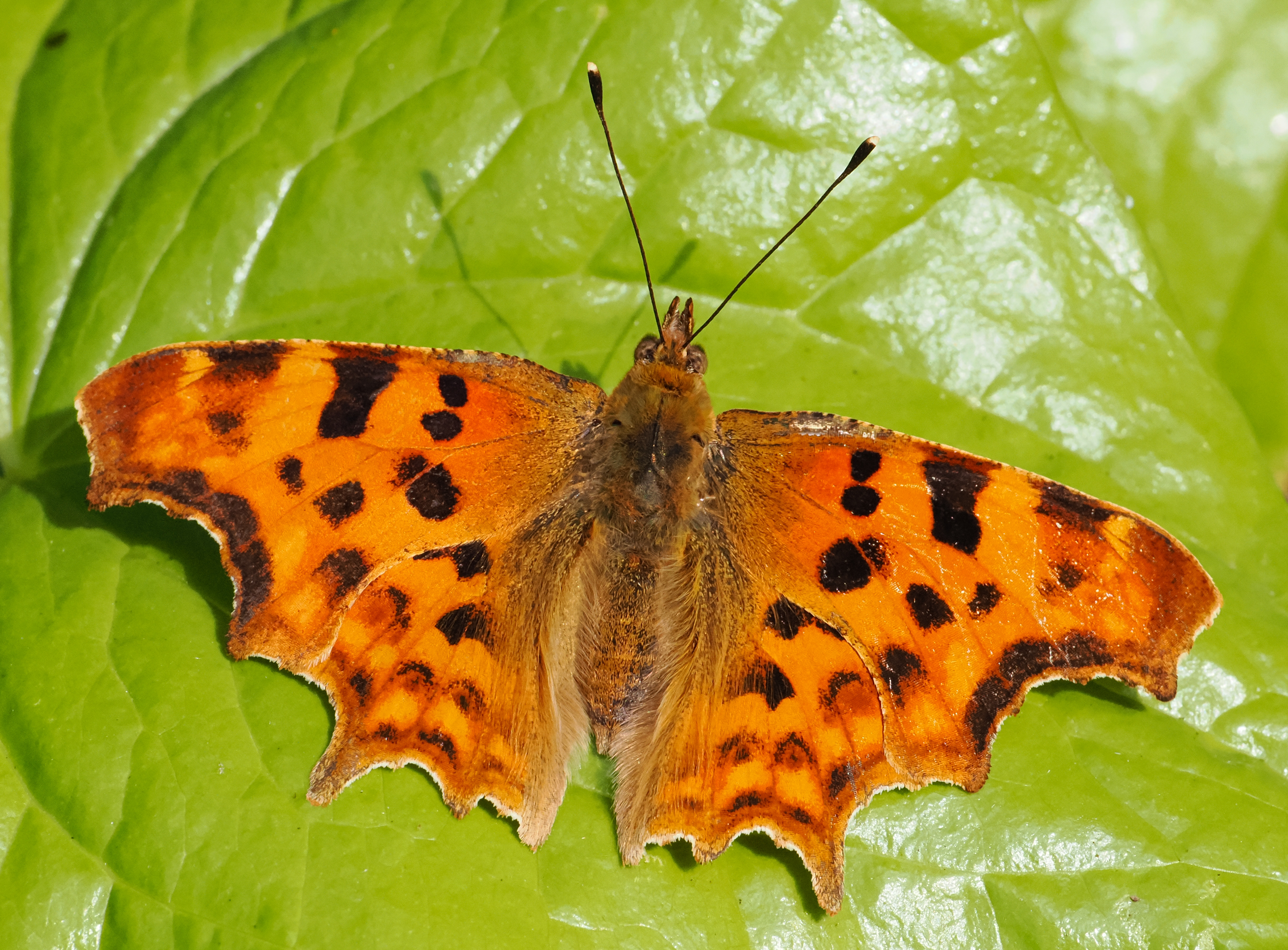
In bivoltine species, such as the Comma, the summer generation is relatively short-lived, lasting for only a month or less (see previous blog: A kaleidoscope of commas!). The two generations of the Comma also have a slightly different appearance: the summer form (below) is usually lighter, while the overwintering form is darker, providing better camouflage against dead leaves.
Brimstone, Gonepteryx rhamni (univoltine)
The brimstone butterfly is univoltine, meaning it produces only one generation per year, so the adults are particularly long-lived and both sexes can live on, after they have mated. Notice the rather tattered wings of this pair of Brimstone butterflies, mating in early June in Spain.
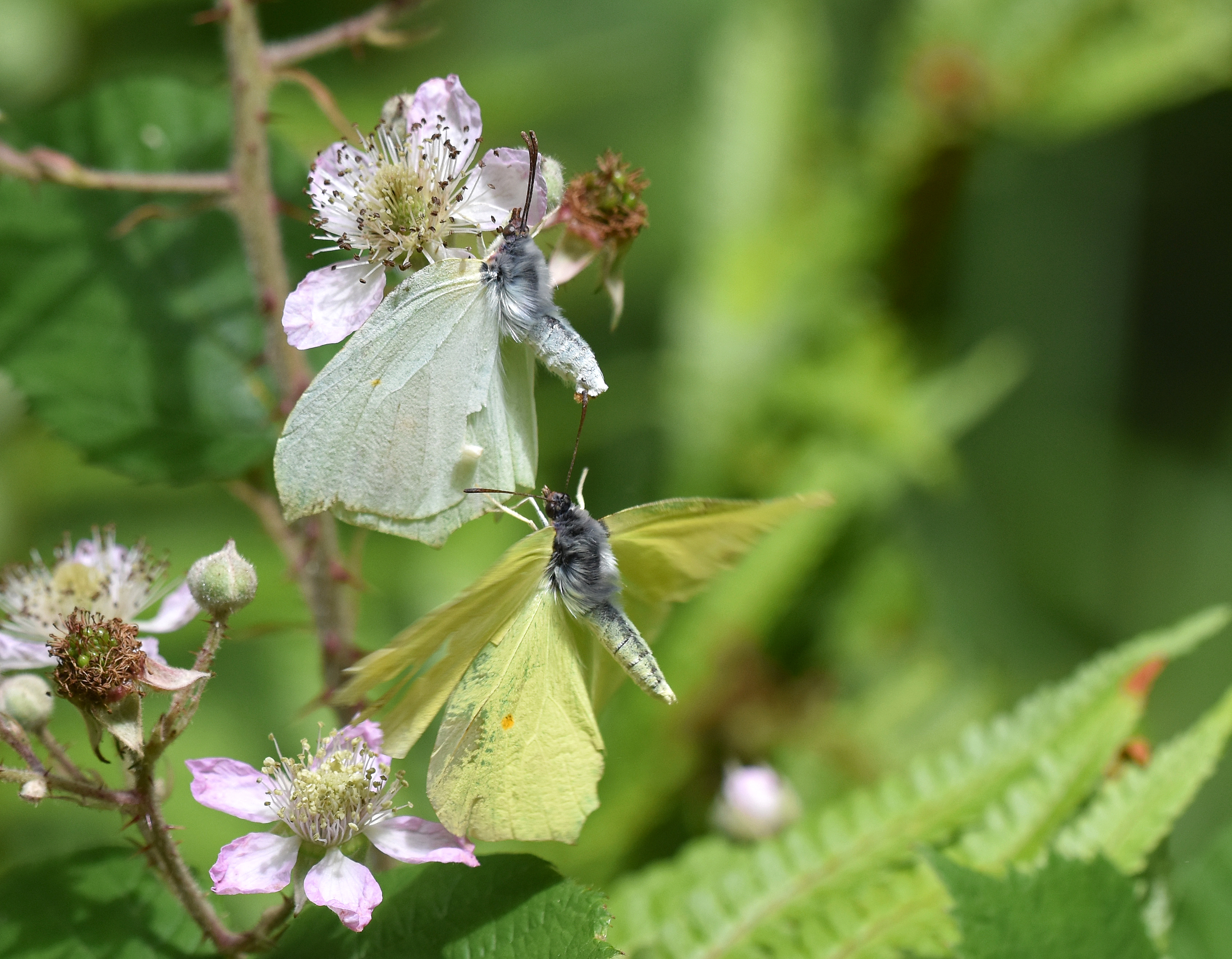
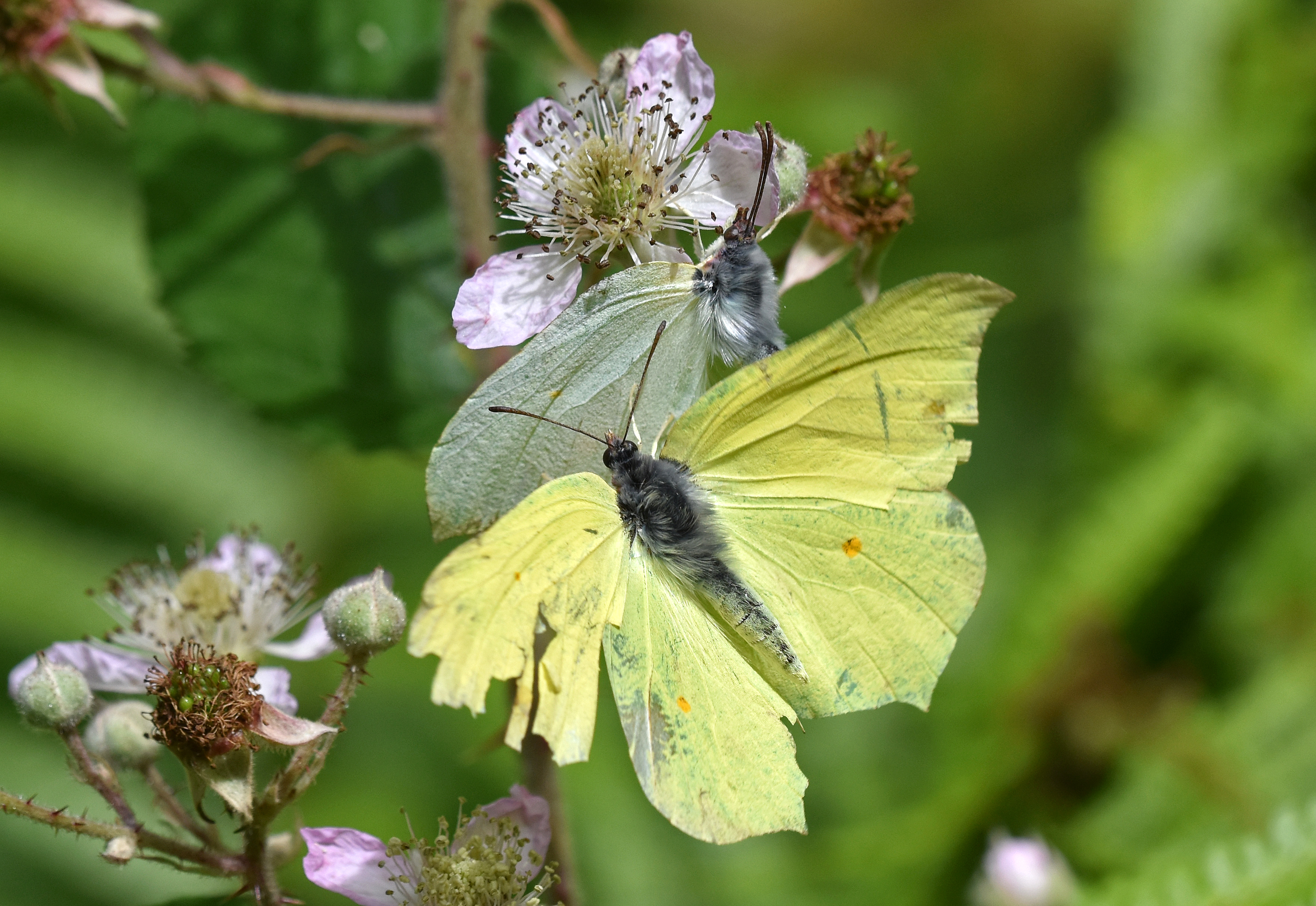
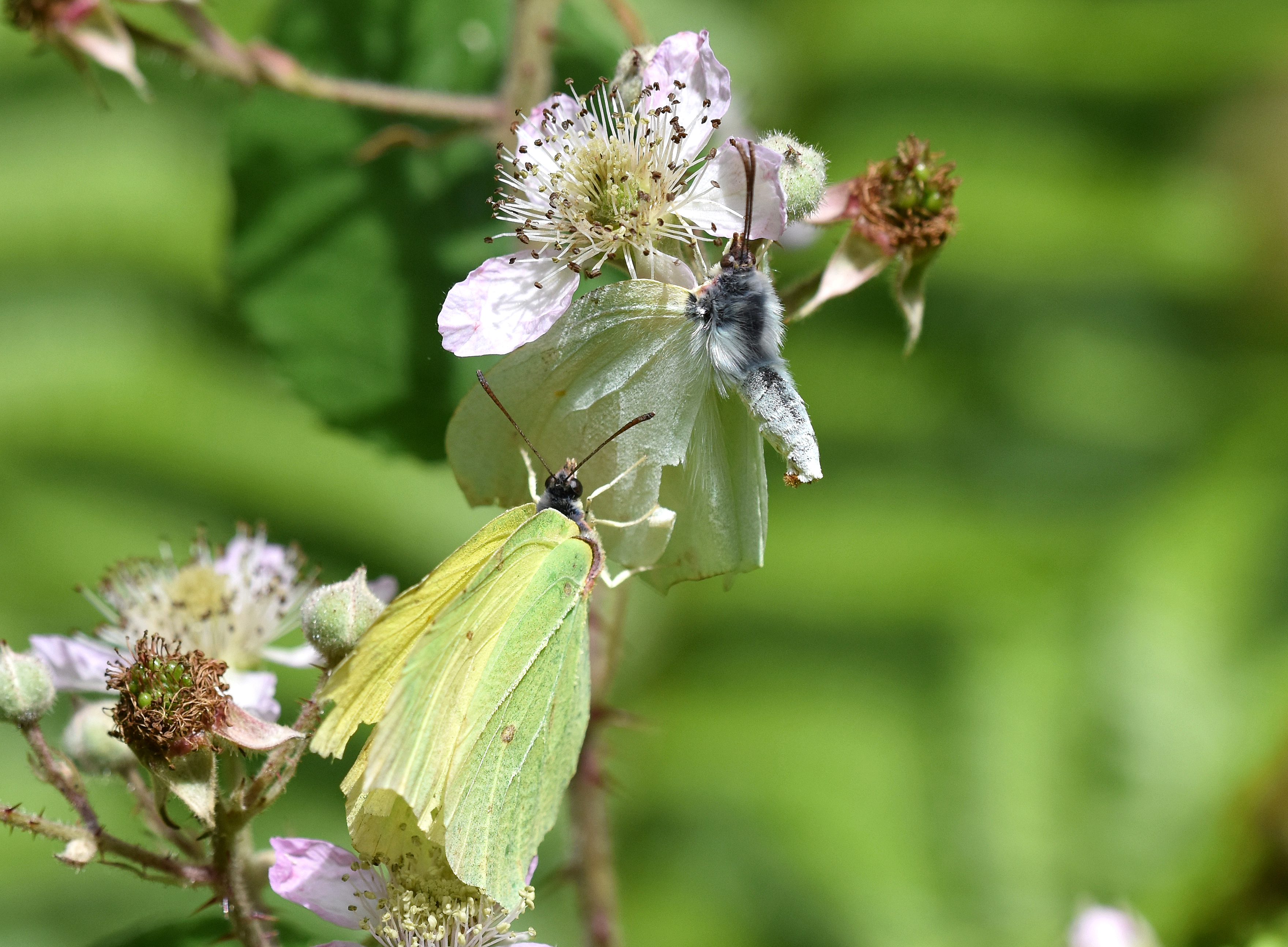
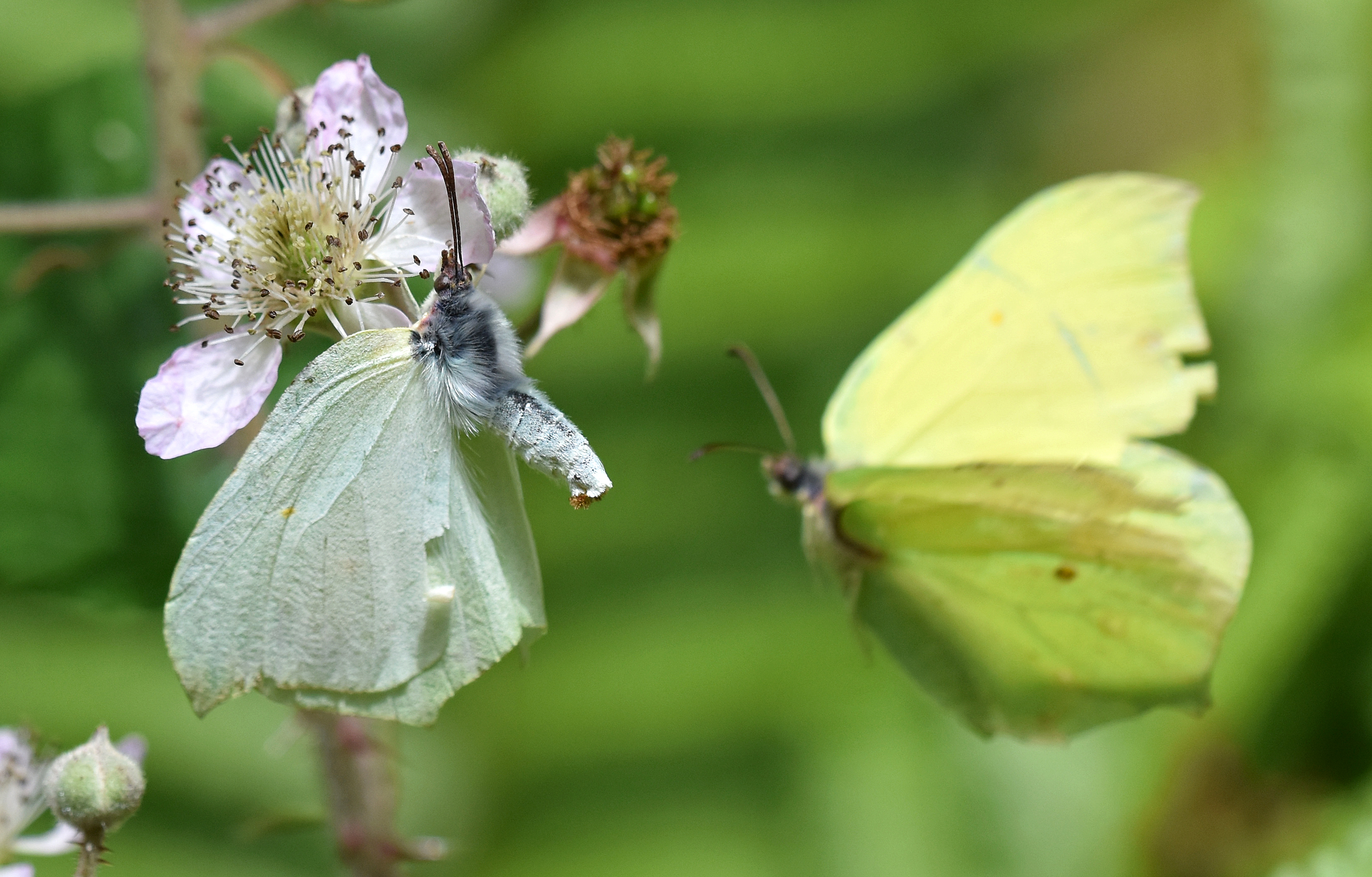
Photograph by Raymond JC Cannon
Nevertheless, those Brimstone butterflies produced in the previous year will all have died by about mid-July in the subsequent year, about the time when their offspring begin to emerge from their chrysalis. Adult Brimstones seen after this date are invariably the next generation (see below).
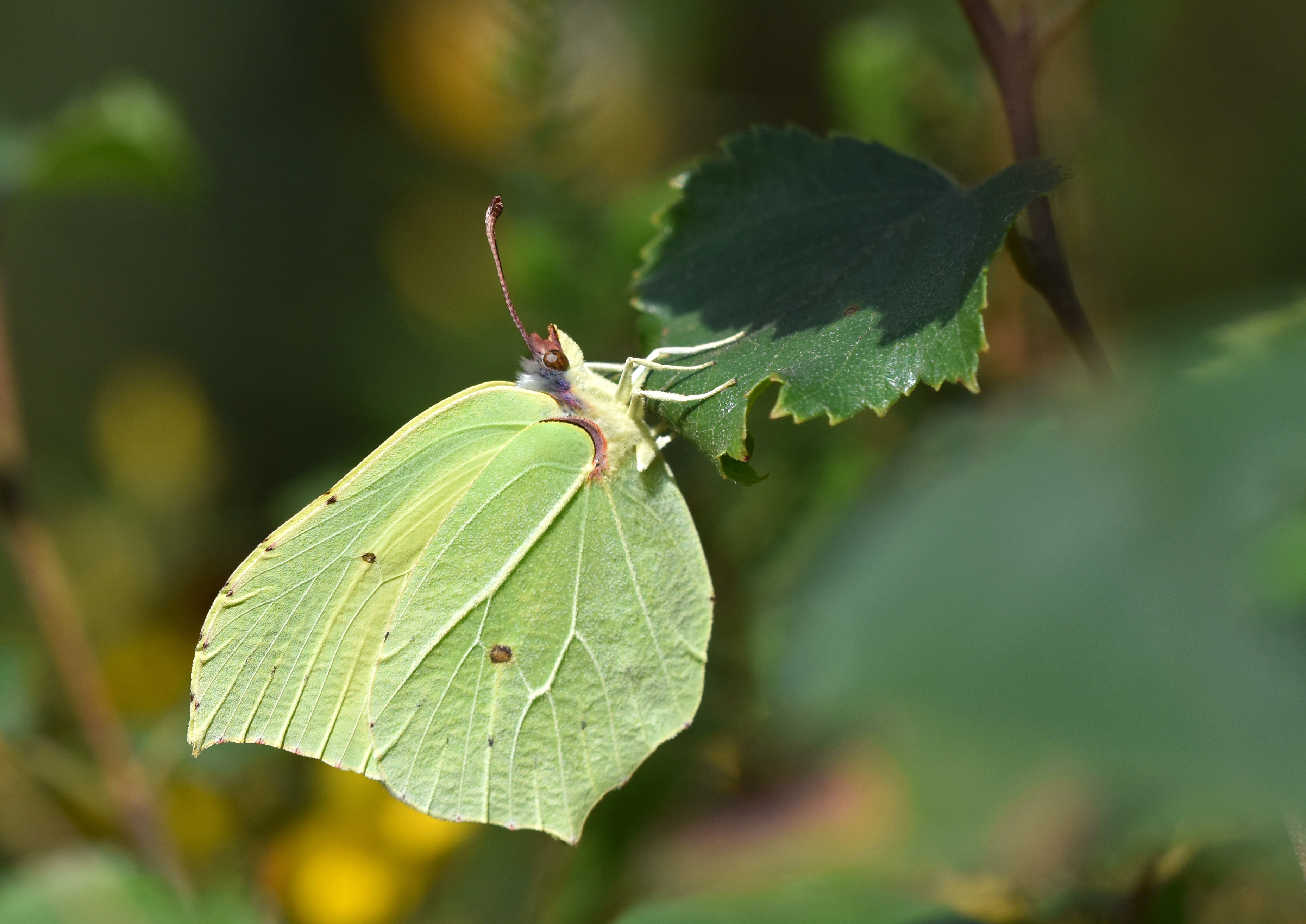
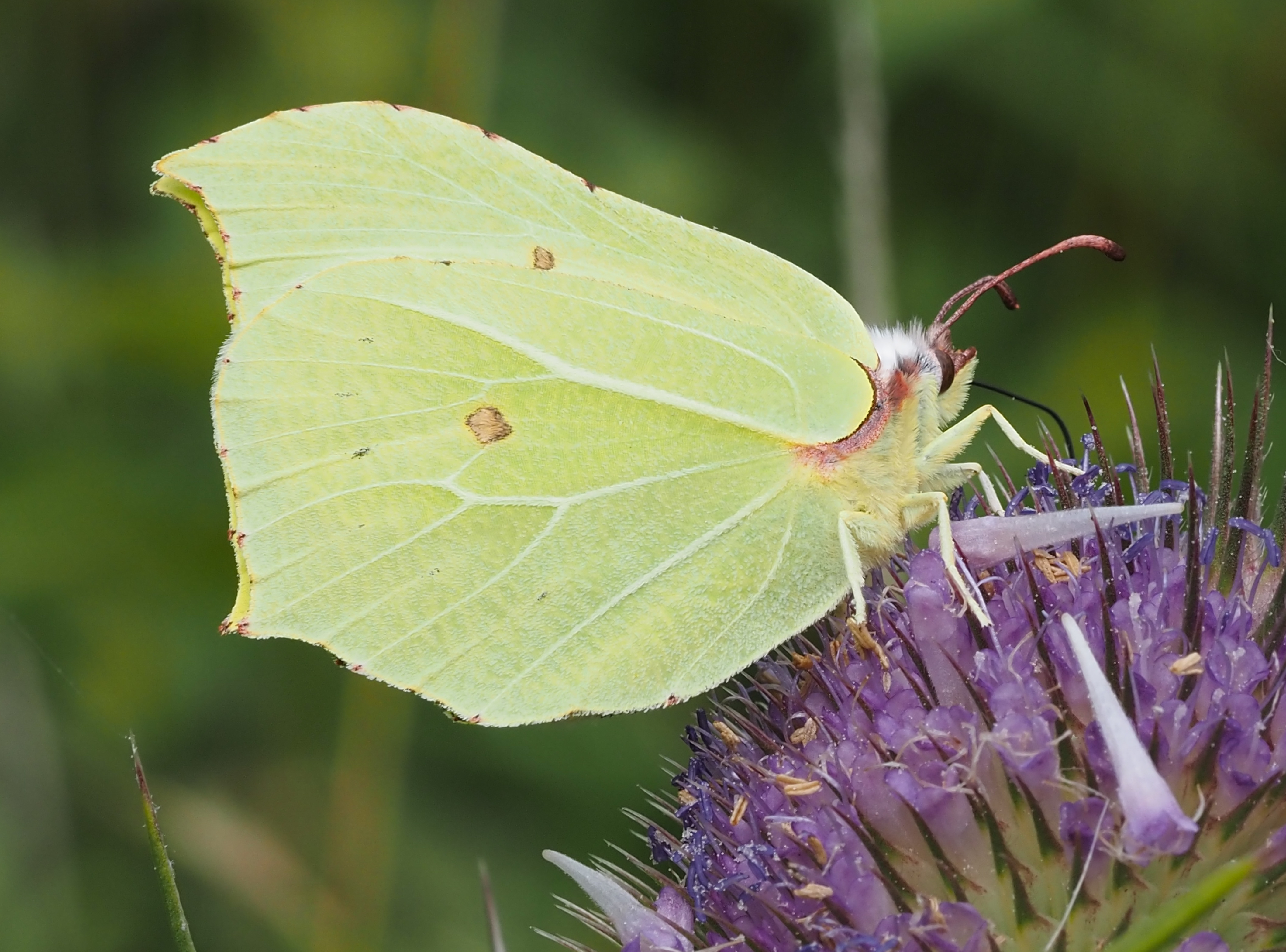
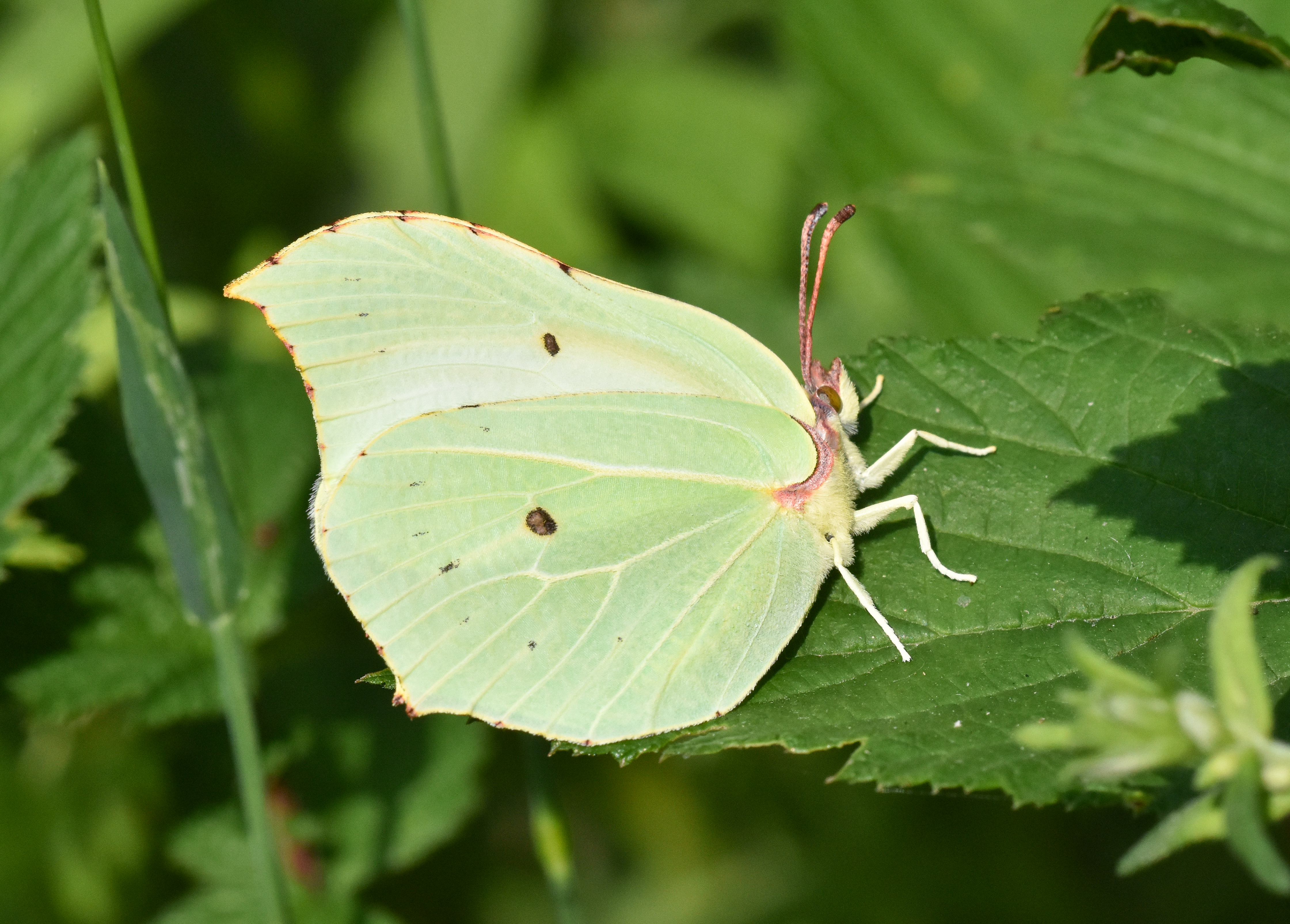
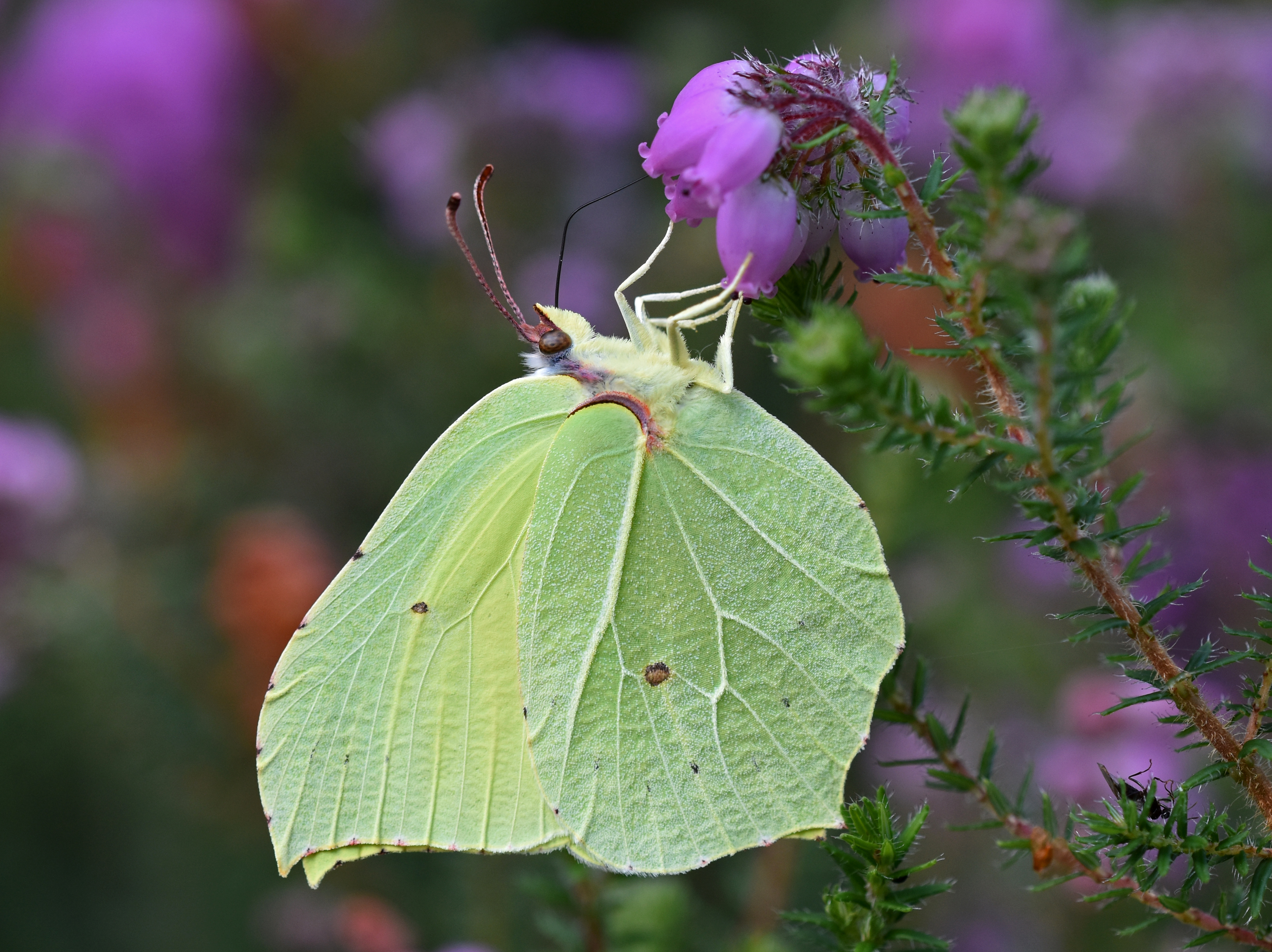
In Brimstone butterflies, the males appear first in the spring (protandry): emerging from hibernation 21 days earlier – on average – than the first females, at least in Sweden (Wiklund et al., 1996). Similarly, male Commas and Peacock butterflies also appear several days before the females (Wiklund et al., 2003). This behaviour has probably evolved as a result of male-male competition to be in place before the females emerge, being ready to court them as they struggle out of their pupae! However, male butterflies are for the most part gentlemen; they cannot force their way with a reluctant female! At least in most species! See Cannon (2019).
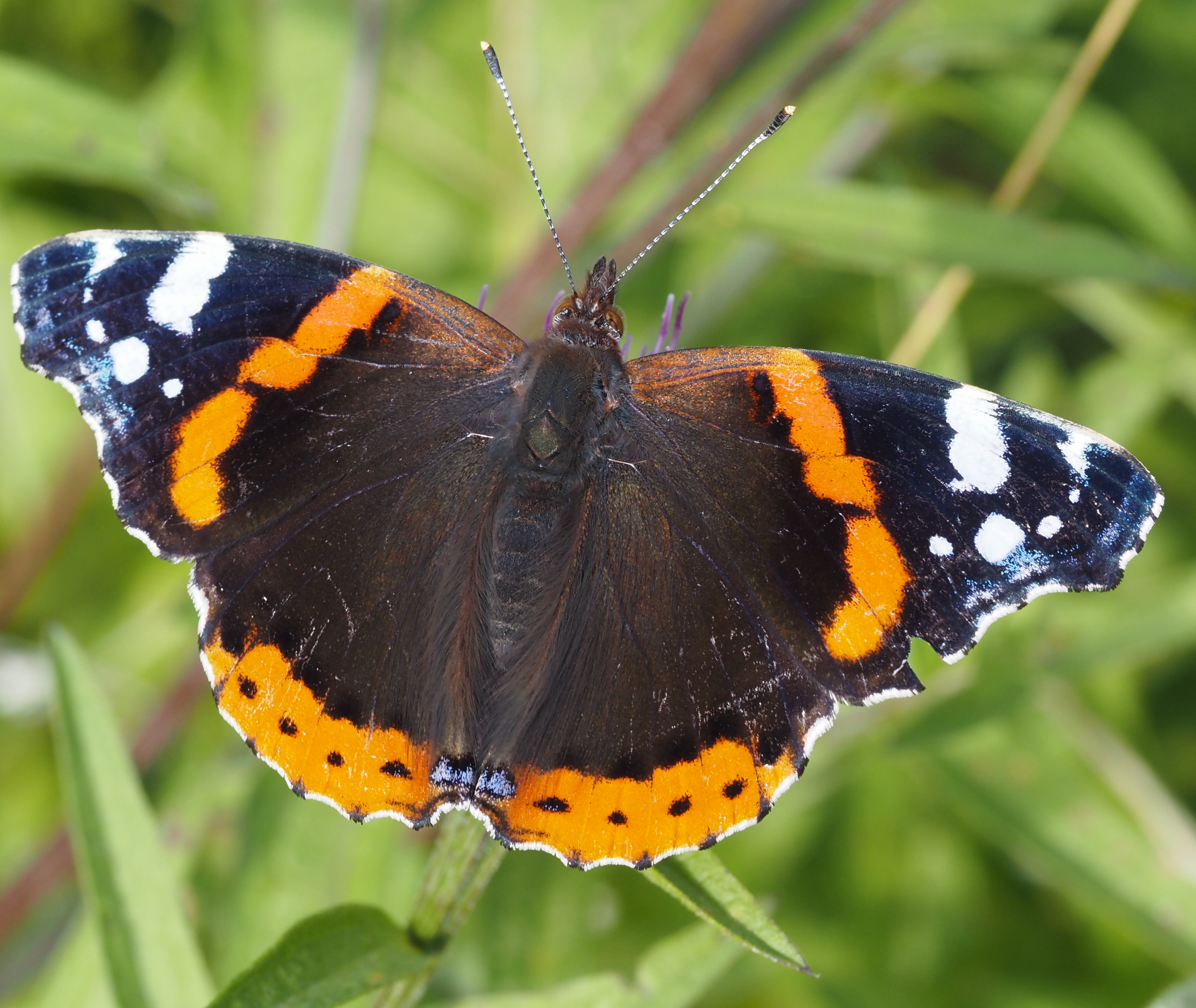
Red Admiral, Vanessa atalanta
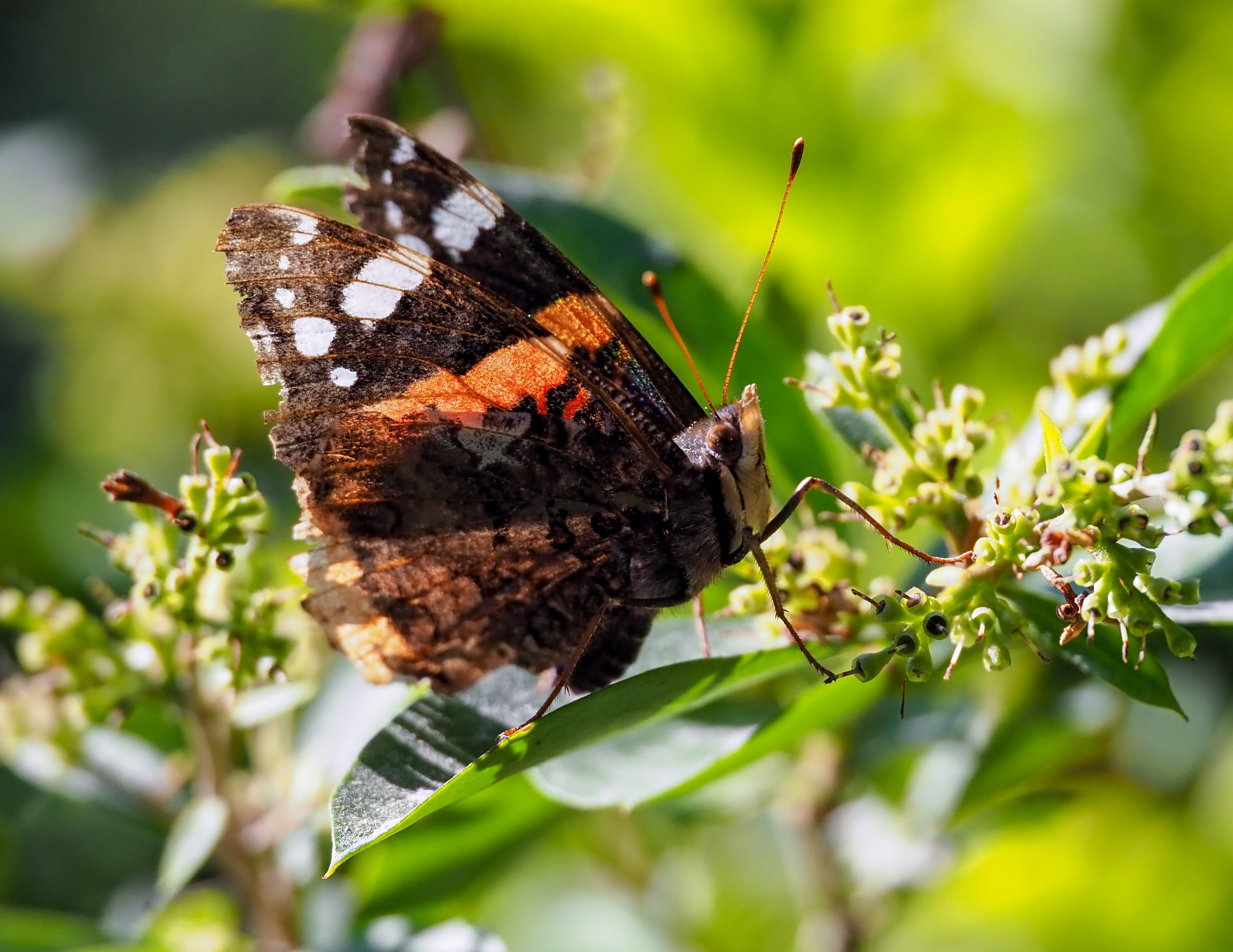
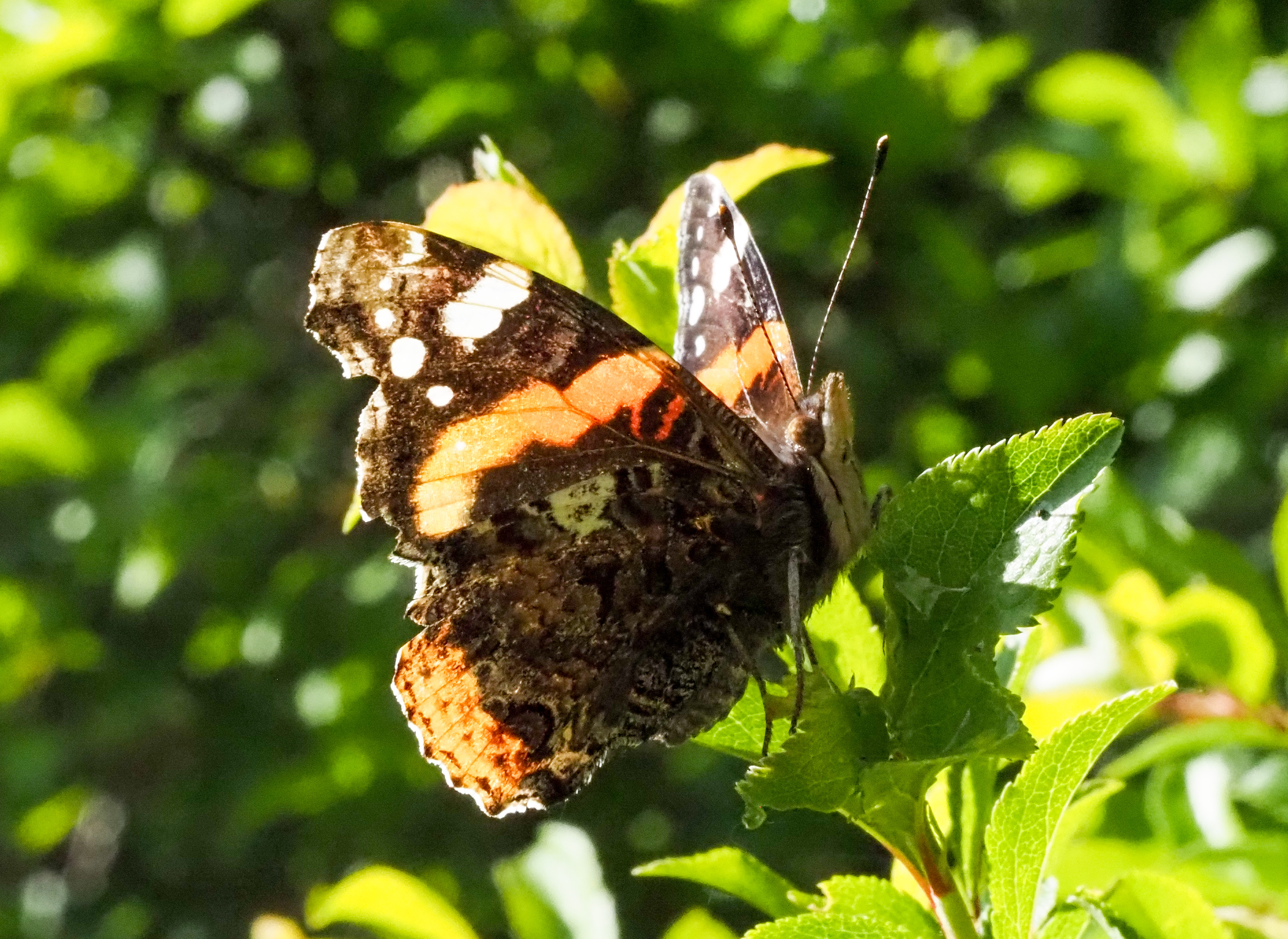
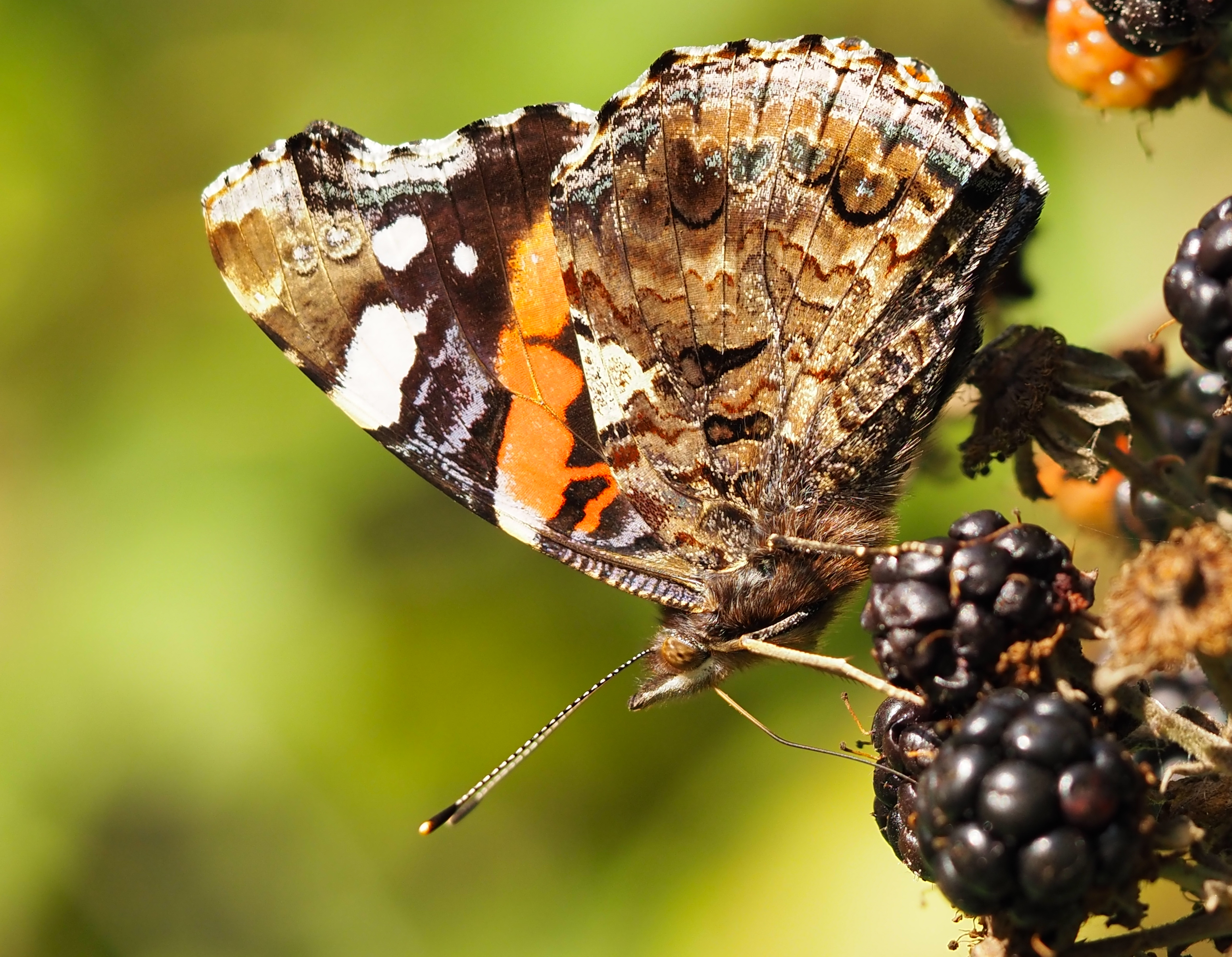
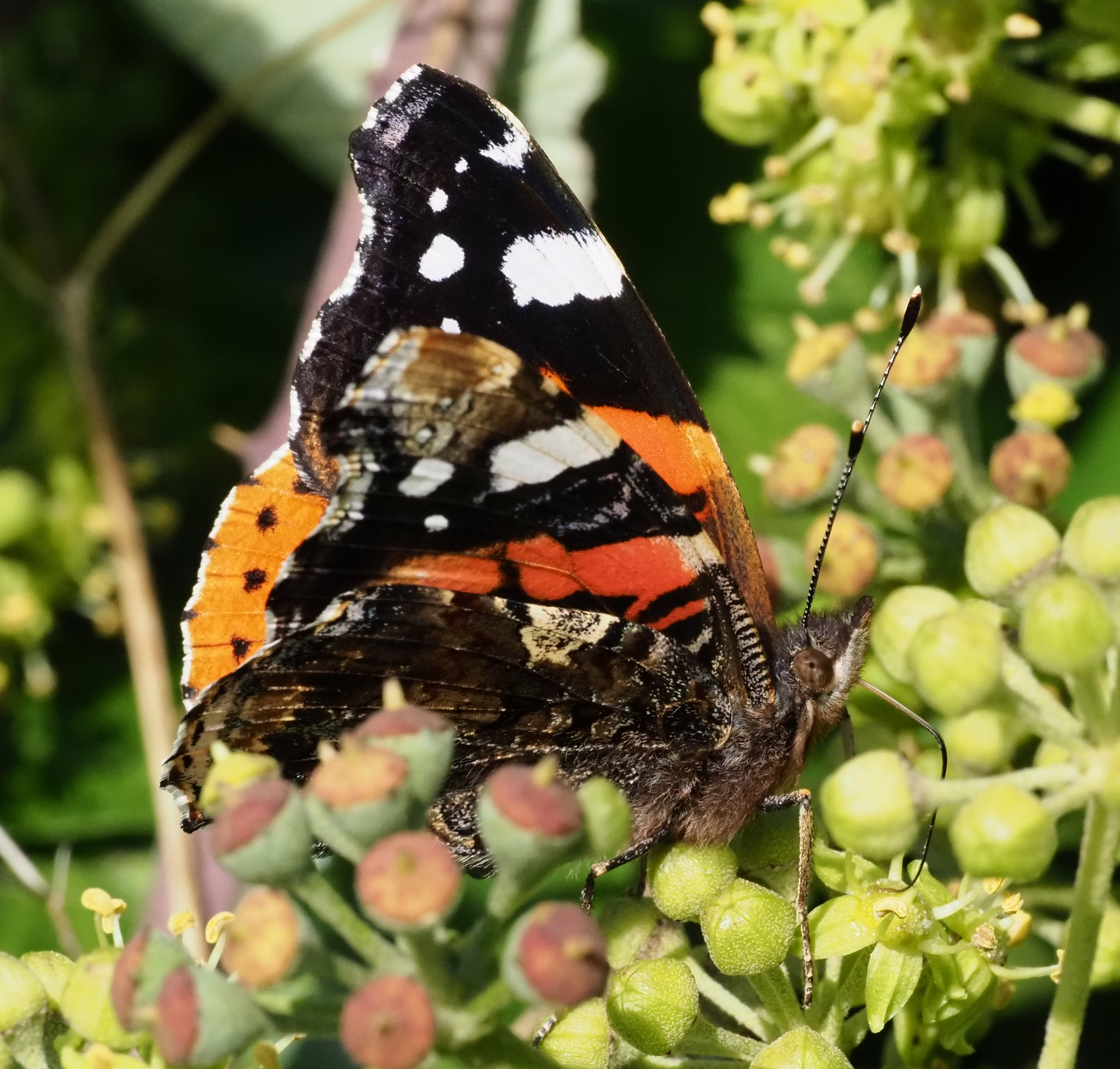
We also need to mention one more species, the Red Admiral, Vanessa atalanta, which has started to overwinter more often in the UK. However, it is still somewhat of an outlier, as most adults continue to migrate to warmer climes in the autumn (see: Red Admirals – European migrants). And those that do remain over winter are not really dormant; as far as I am aware they do not enter a true winter diapause. However, they are described as hibernating, and can be found in a variety of locations, for example, high up on trees, resting on the bark, or amongst dead leaves and ivy (Dennis et al., 2006).
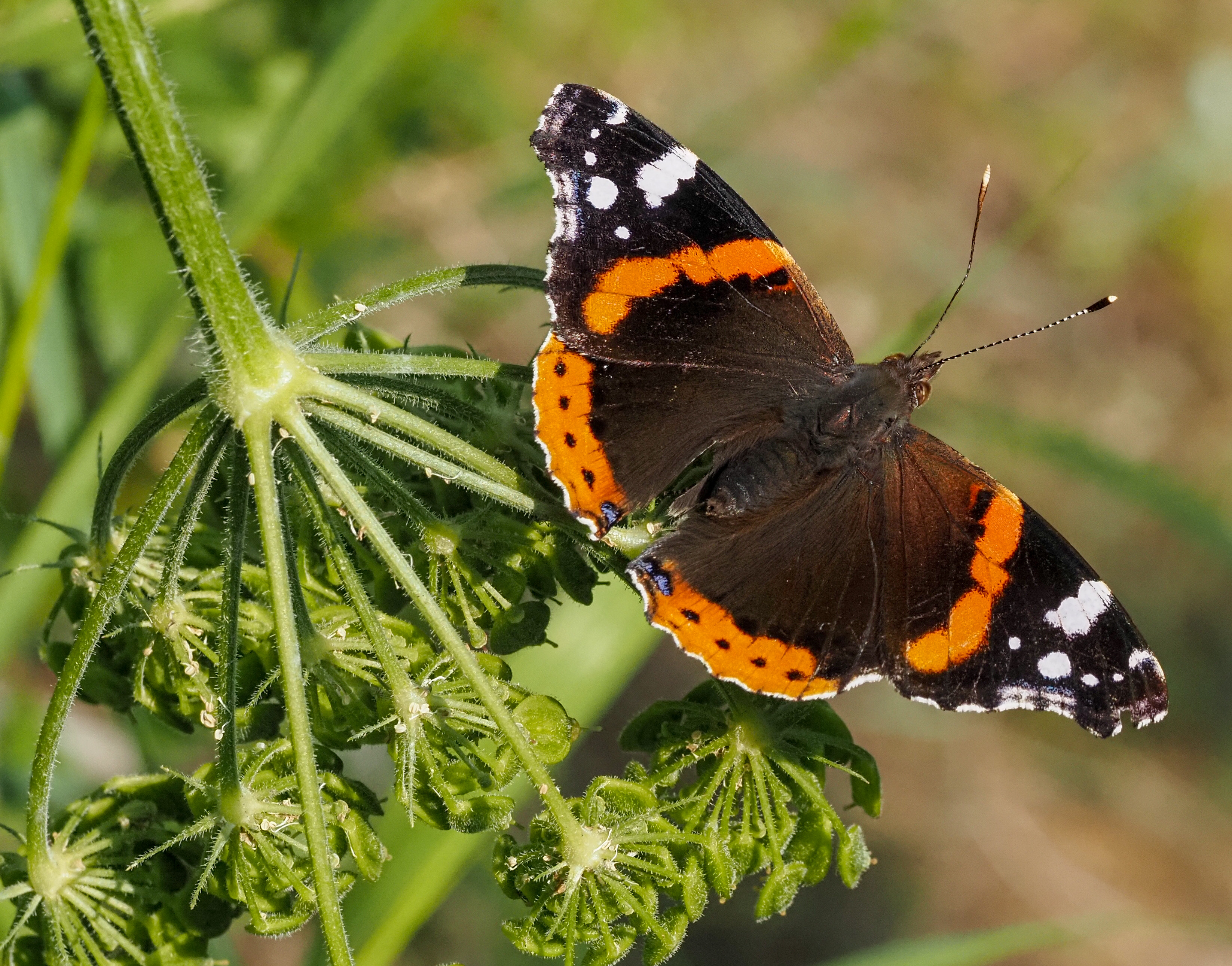
Milder winters in recent decades have enabled Red Admiral butterflies to survive and reproduce in Britain and Ireland (Dennis et al., 2006). As a result there has been a significant increase in the number and distribution of V. atalanta sightings during the winter months from December to February (Fox & Dennis, 2010).
Camberwell Beauty (Nymphalis antiopa)
Another butterfly, the Camberwell Beauty (Nymphalis antiopa), could also be mentioned, although it is a rare migrant and does not maintain a sustainable breeding population in the British Isles (see: UK butterflies). Nevertheless some of the occasional adult wanderers do go into hibernation in the UK and emerge, potentially to mate; if only they could find each other!
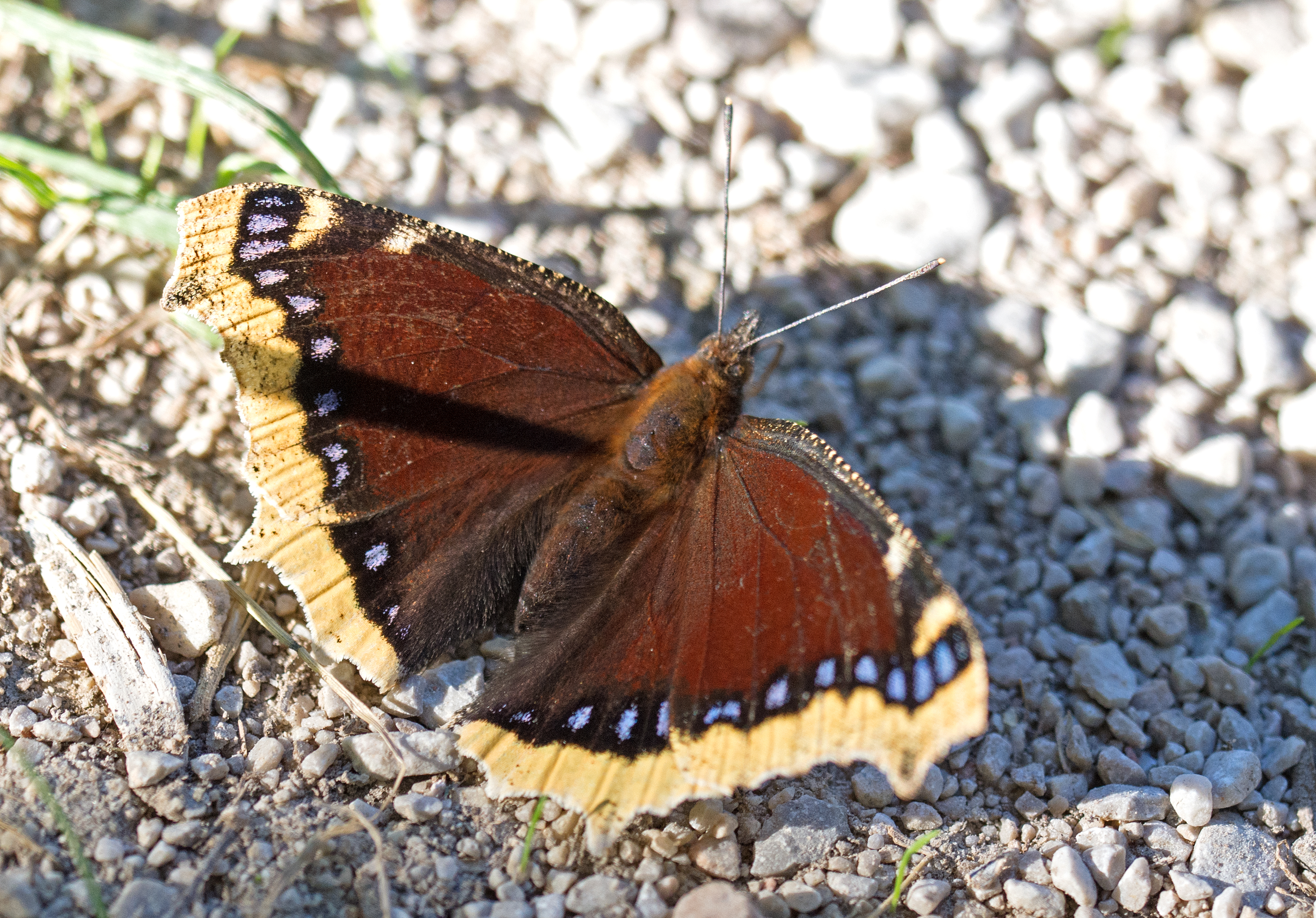
It has been suggested that the winters are too mild and damp in the British Isles for successful hibernation of the Camberwell Beauty butterfly in most years. Whilst this may be the case, the failure of this species to become established here is probably due be to the fact that the ‘small number of widely scattered survivors’ fail to locate each other, and thus, fail to mate in the spring (van Swaay et al., 2008). Immature stages of this species have never been found in the UK, so it is unlikely to establish. But never say never when it comes to climate change!
Surviving the winter
Overwintering adult butterflies typically survive the winter in sheltered spots where they are buffered against the extremes of cold and wind. Although these places are typically natural microsites, like hollows in the boles of trees, or small caves, butterflies also make good use of Man-made structures: e.g. finding protection in the lofts and attics of our houses, in sheds and garages, in barns, and so on. Four peacock butterflies were even found hanging upside-down inside a sheepdog kennel, seemingly undisturbed by the comings and goings of the dog! (Dennis, 2009).
Unfortunately, many of the hibernating adult butterflies will suffer predation overwinter, as small rodents also like to occupy such sites. Unlike the cold-blooded butterflies, warm-blooded small rodents like mice and voles largely remain active during winter and can feed on the overwintering butterfles (Wiklund et al., 2008).
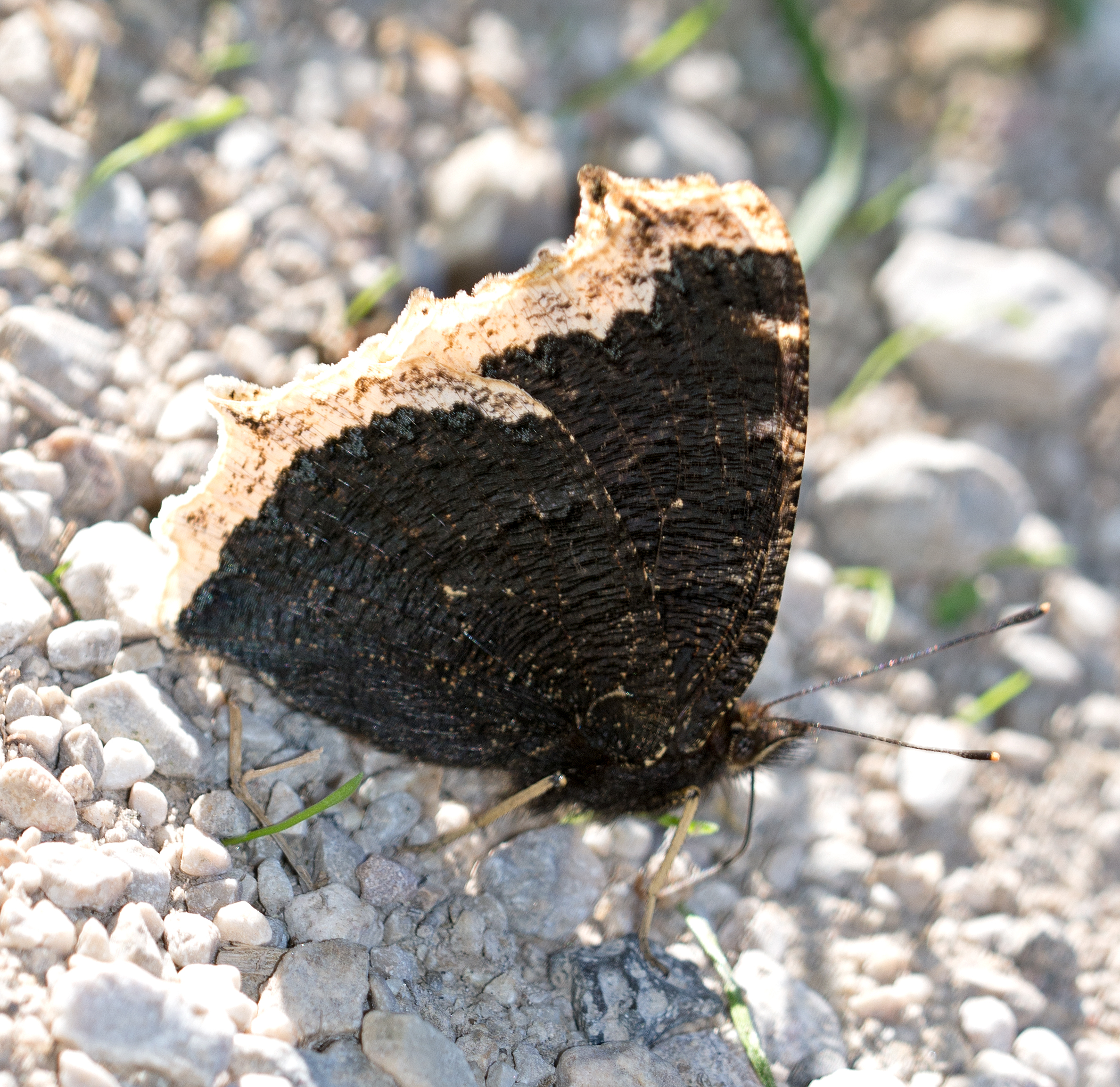
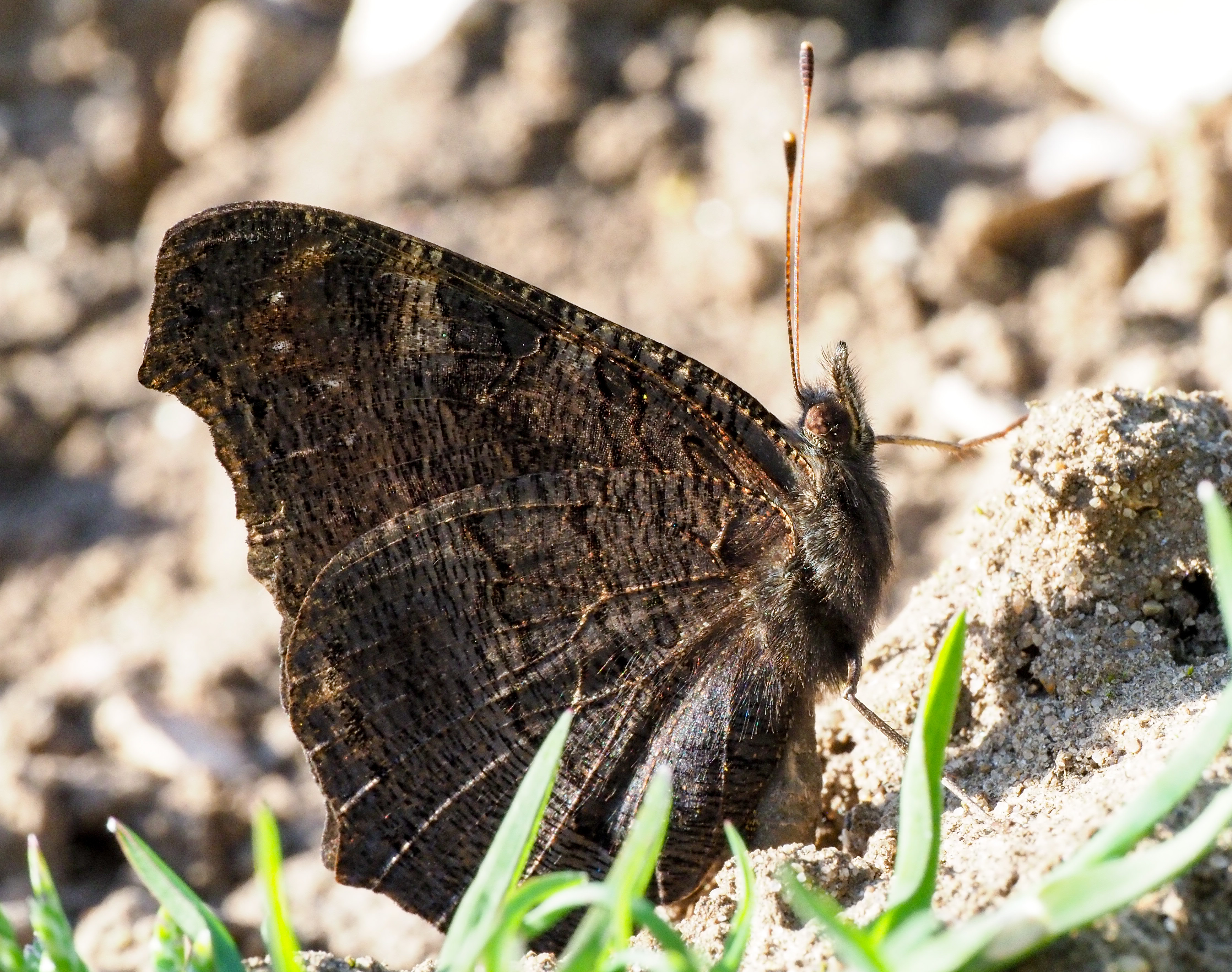
All of the overwintering nymphalid butterflies are extremely well camouflaged when they close their wings and remain still against a natural background, such as bark or dried leaves (see below). This ability, which some butterflies possess, of being able to hide in some situations (using the cryptic colouration of their underwings; particularly the hindwings), whilst being conspicuous and highly apparent on other occasions (showing off their colourful upper-wings), is a powerful adaptation and something I called: Different wings for different duties, in a previous blog.
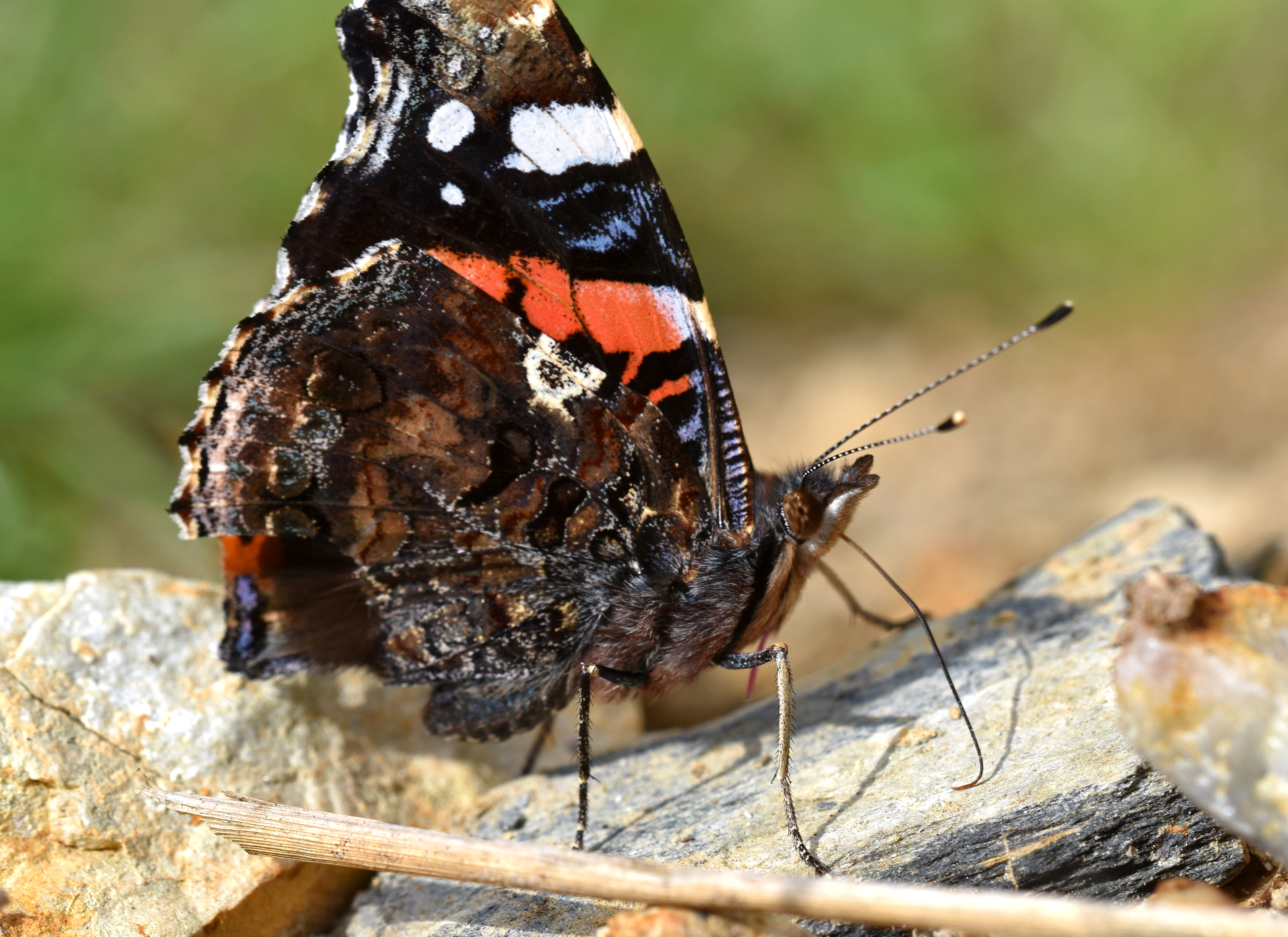
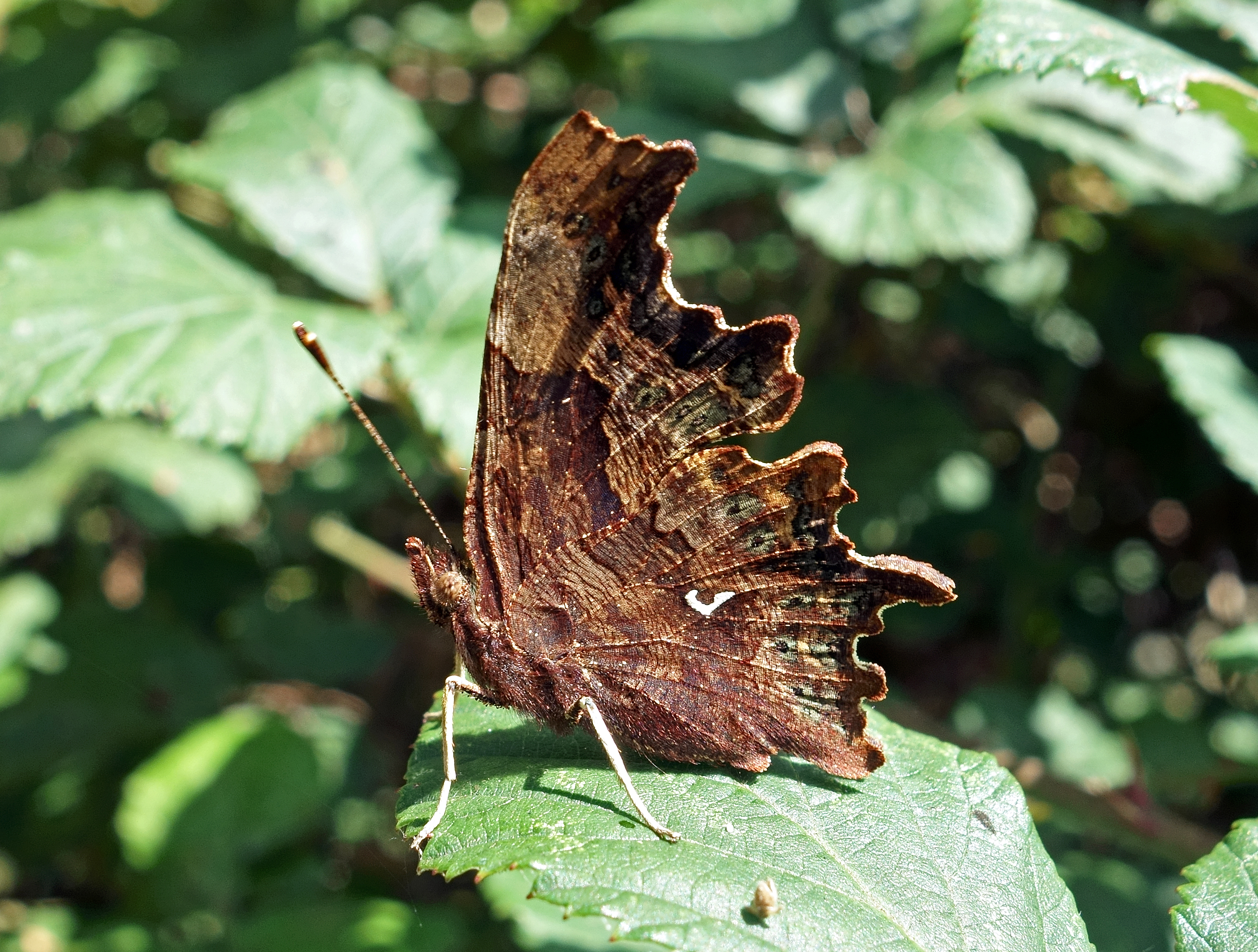
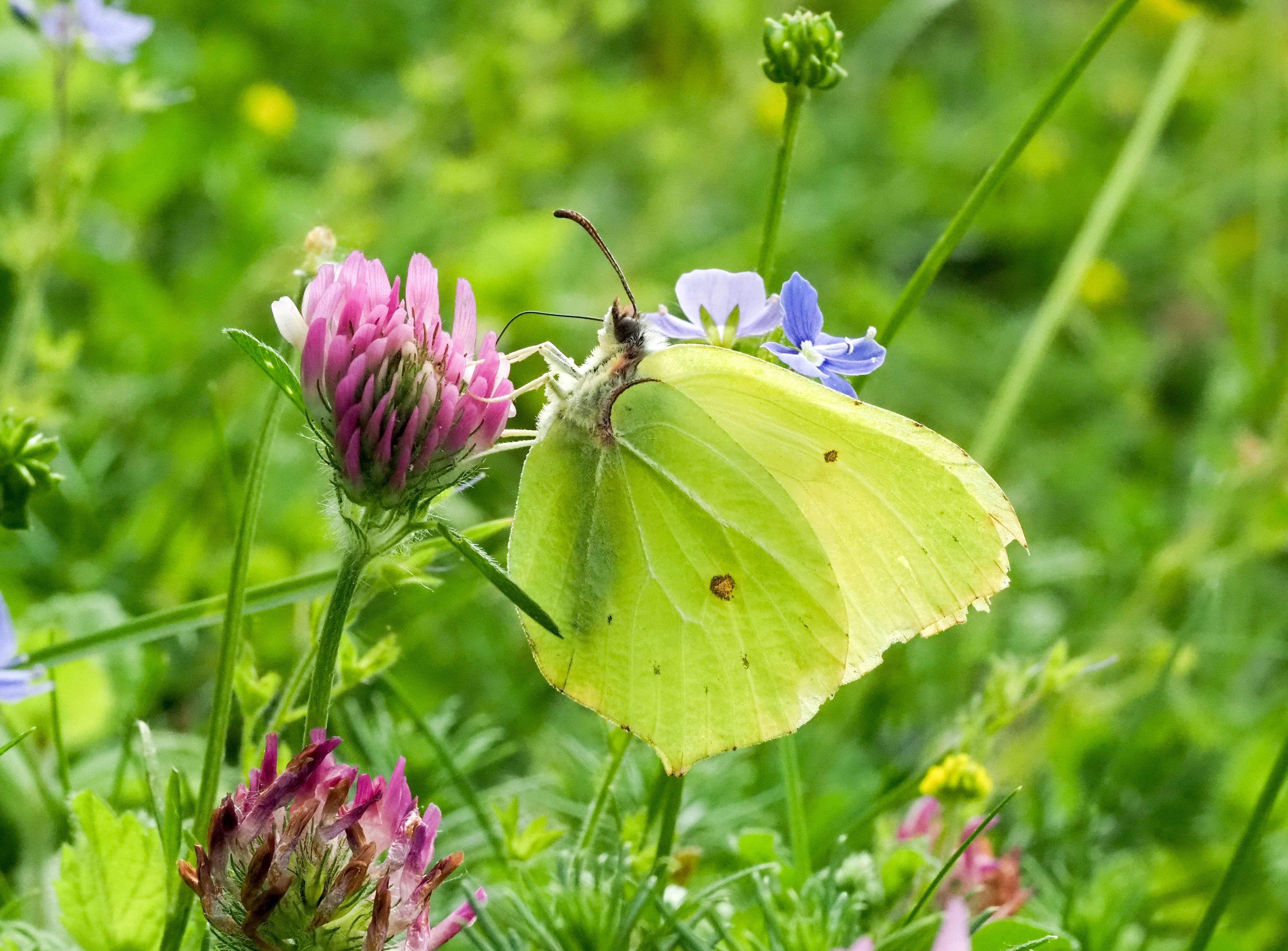
The Brimstone however, is a different story. There is no evidence of cryptic coloration on its underwings (below).
Most insects enter winter dormancy well in advance of the deterioration of environmental conditions – the physiological changes are usually triggered by decreasing daylength – and they often remain dormant long after favourable conditions return.
However, our winters are changing rapidly under climate change, with increases in both average (mean) and extreme minimum temperatures, as well as snow cover, over winter (Marshall et al., 2020). These changes in our winter climate have produced very noticeable changes in phenology (the timing of seasonal lifecycle events): in particular, earlier emergence dates during spring, and later entry into dormancy or diapause in the autumn.
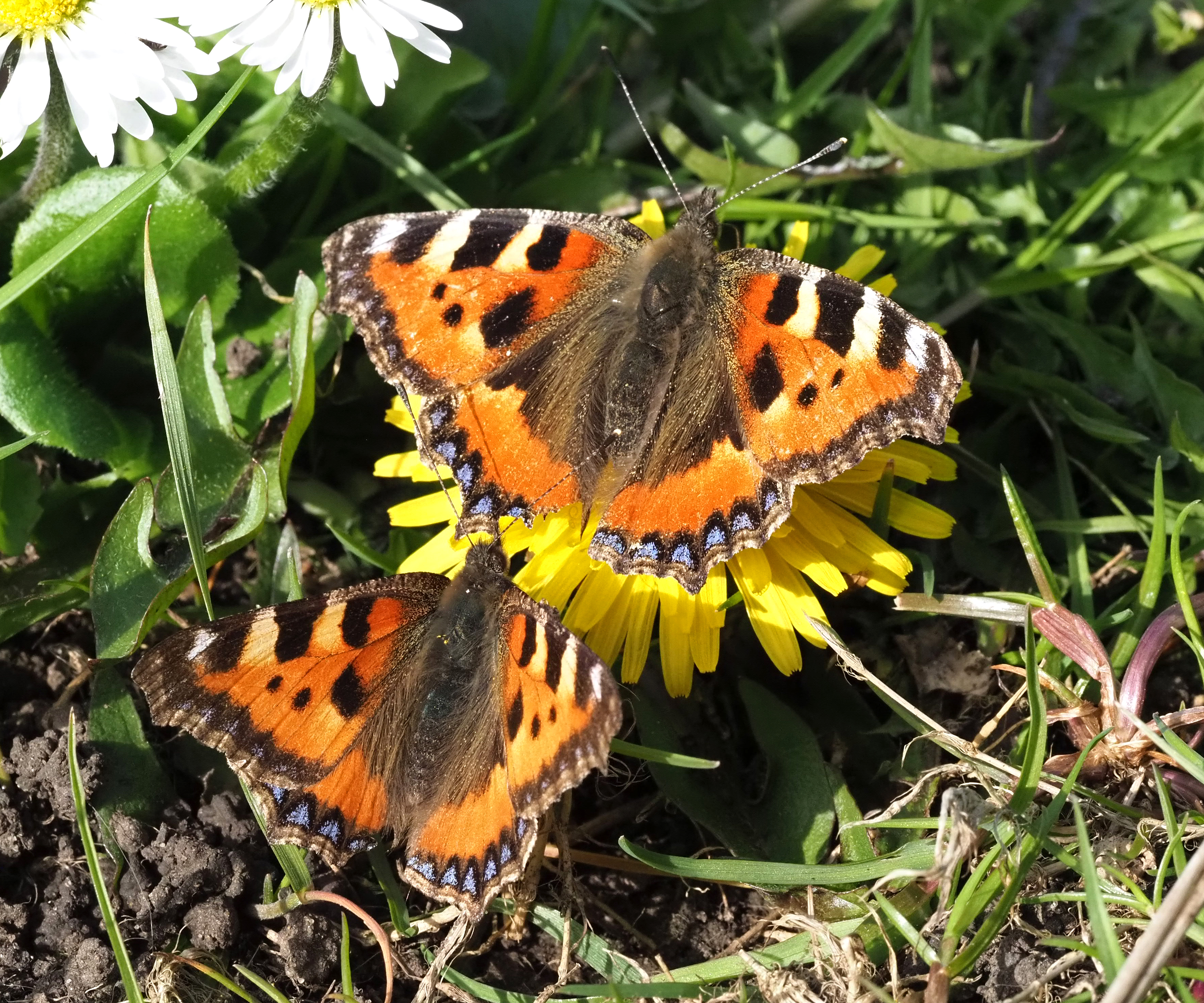
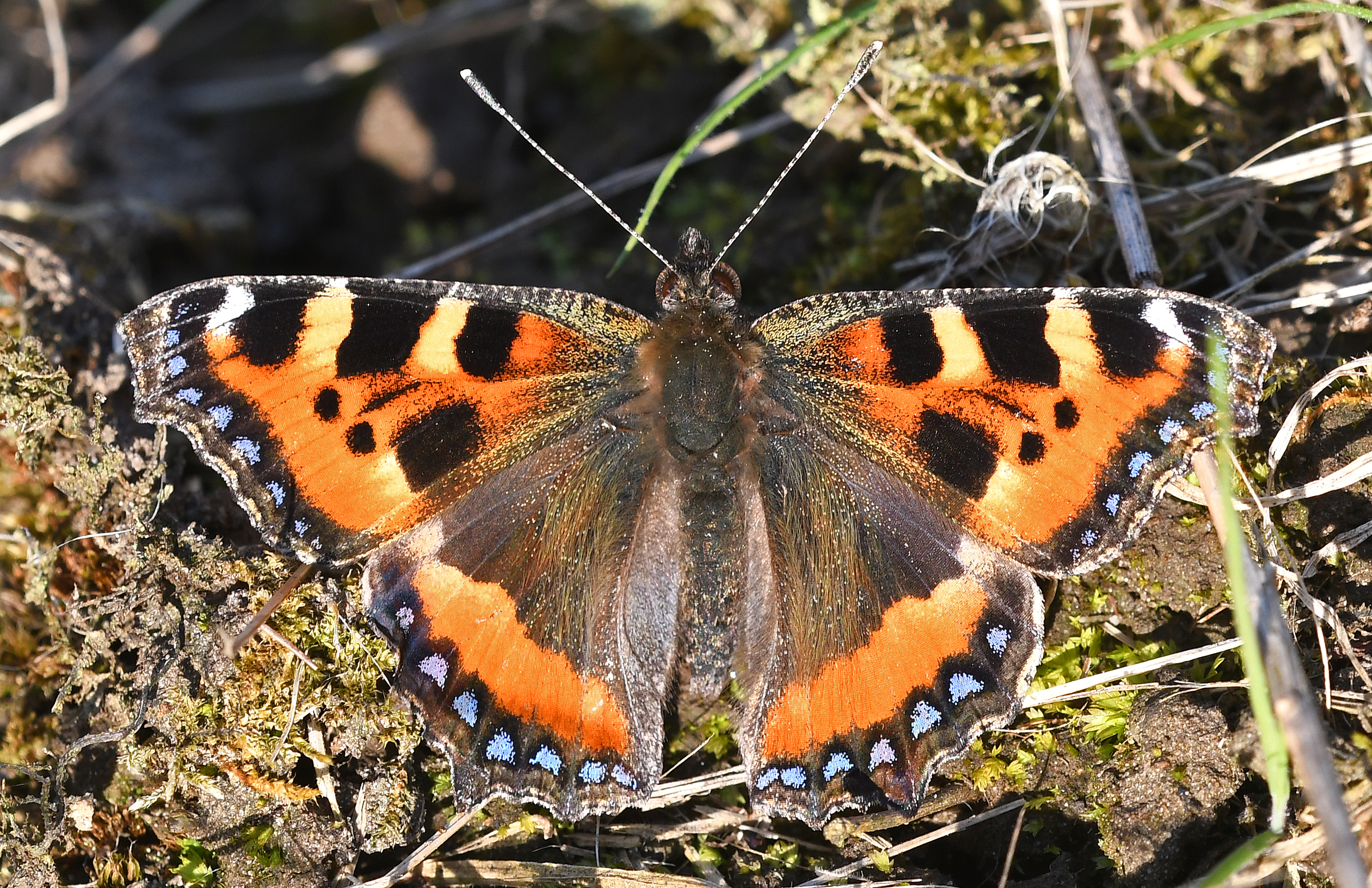
Small Tortoiseshell, Aglais urticae (typically bivoltine)
The small Tortoiseshell butterfly Aglais urticae, is one of the first butterflies to be seen in the spring. It has an enormous range in the Palearctic region: from the British Isles to Kamchatka in far eastern Russia and from the Himalayas to the forest tundra of the north (Meshcheryakova et al., 2023). Small Tortoiseshell adults are more tolerant of the cold than those of the Peacock, and A. urticae survives in more northerly zones than I. io in Europe (Pullin and Bale, 1989).
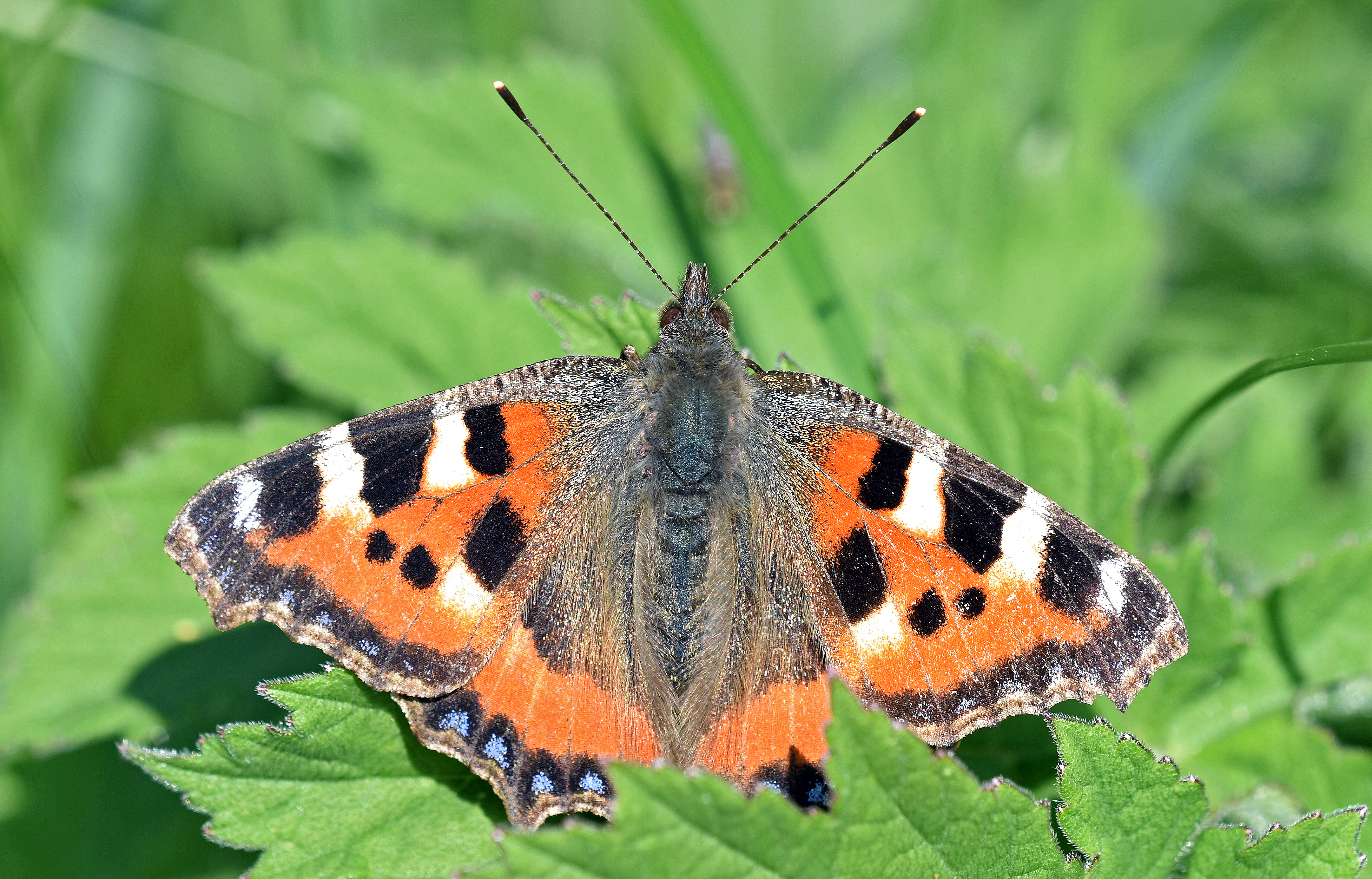
However, the extent to which a species can tolerate cold temperatures and occupy more northerly regions is a function of its behaviour, as well as its physiology, i.e. cold tolerance. It is thought that the northerly distribution of A. urticae may be due to the gregarious nature of its larvae – i.e. their ability to thermoregulate en mass – as much as their physiological responses to low temperatures (Bryant et al., 1997).
When they emerge from hibernation, usually during April or May, depending on the latitude, the males of Commas and Peacocks set up and defend territories along forest edges (Wiklund et al., 2003), ready to mate when the females emerge (below). See also: previous blog: Frisky butterflies in the Spring sunshine!
The changing climate
With climate change, most butterfly species are now appearing earlier in the year, especially those species which overwinter as adults or as pupae (Karlsson, 2013). One might think that warmer winters would be beneficial for our overwintering butterflies, but warm and humid conditions during winter can in fact lead to a marked reduction in the survival of diapausing butterflies (Klockmann & Fischer (2019).
Firstly, higher temperatures whilst the butterflies are in winter diapause can boost their metabolic rates, resulting in them burning through crucial fat reserves needed for survival and reproduction. Secondly, increased moisture or humidity during winter promotes the development of fungal infections and bacterial diseases. Indeed, cold spells during winter months are beneficial, or at least neutral, in terms of their impacts on population size; while warm spells in winter are generally harmful.
This shows how unpredictable the effects of global warming can be, and how species need to be able to adapt to novel climates if they are going to survive.
So, while species with overwintering adults are well-placed to benefit from the warmer and lengthier growing seasons under climate change, there are risks associated with warmer winters. Mild winter temperatures could wake up our hibernating butterflies too early, causing them to use up their limited fat reserves (needed for courtship and mating) when trying to survive before the spring flowers have opened.
Links
Frisky butterflies in the Spring sunshine!
https://butterfly-conservation.org/news-and-blog/winging-it-through-the-winter
Red Admiral Butterflies, do they hibernate in Britain?
Aglais io
Winter Cold a benefit for Butterflies
References
Bryant, S., Thomas, C., & Bale, J. (1997). Nettle‐feeding nymphalid butterflies: temperature, development and distribution. Ecological Entomology, 22(4), 390-398.
Cannon, R. J. (2019). Courtship and mating in butterflies. CABI. Preview 54 pages.
Dennis, R. L. H. (2009). Inachis io (Linnaeus, 1758) (Lepidoptera: Nymphalidae) hibernating in the dog-house. Entomologist’s Gazette 60, p88.
Dennis, R. L. H., Stefanescu, C., & Tremewan, W. G. (2006). Why does Vanessa atalanta (Linnaeus)(Lepidoptera: Nymphalidae) engage in late summer territorial disputes when close relatives are feeding up for overwintering? Entomologist’s Gazette, 57(2), 83.
Fox, R. I. & Dennis, R. L. (2010). Winter survival of Vanessa atalanta (Linnaeus, 1758)(Lepidoptera: Nymphalidae): a new resident butterfly for Britain and Ireland? Entomologist”s Gazette, May 19;61(2):94.
Friberg, M., Lehmann, P., & Wiklund, C. (2023). Autumn mass change and winter mass loss differ between migratory and nonmigratory butterflies. Animal Behaviour, 204, 67-75.
Karlsson, B. (2014). Extended season for northern butterflies. International journal of biometeorology, 58(5), 691-701.
Klockmann, M., & Fischer, K. (2019). Strong reduction in diapause survival under warm and humid overwintering conditions in a temperate‐zone butterfly. Population Ecology, 61(2), 150-159.
Marshall, K. E., Gotthard, K., & Williams, C. M. (2020). Evolutionary impacts of winter climate change on insects. Current Opinion in Insect Science, 41, 54-62.. Strong reduction in diapause survival under warm and humid overwintering conditions in a temperate‐zone butterfly. Population Ecology, 61(2), 150-159.
McDermott Long, O., Warren, R., Price, J., Brereton, T. M., Botham, M. S., & Franco, A. M. (2017). Sensitivity of UK butterflies to local climatic extremes: which life stages are most at risk?. Journal of Animal Ecology, 86(1), 108-116.
Meshcheryakova, E. N., Bulakhova, N. A., Zhigulskaya, Z. A., Shekhovtsov, S. V., & Berman, D. I. (2023). Wintering and cold hardiness of the small tortoiseshell Aglais urticae (Linnaeus, 1758)(Nymphalidae, Lepidoptera) in the West and East of the Northern Palearctic. Diversity, 15(1), 72.
Pullin, A. S. (1987). Adult feeding time, lipid accumulation, and overwintering in Aglais urticae and Inachis io (Lepidoptera: Nymphalidae). Journal of Zoology, 211(4), 631-641.
Pullin, A. S., & Bale, J. S. (1989). Effects of low temperature on diapausing Aglais urticae and Inachis io (Lepidoptera: Nymphalidae): cold hardiness and overwintering survival. Journal of Insect Physiology, 35(4), 277-281.
Wiklund, C., Lehmann, P., & Friberg, M. (2019). Diapause decision in the small tortoiseshell butterfly, Aglais urticae. Entomologia Experimentalis et Applicata, 167(5), 433-441.
Pullin, A. S., & Bale, J. S. (1989). Effects of low temperature on diapausing Aglais urticae and Inachis io (Lepidoptera: Nymphalidae): overwintering physiology. Journal of Insect Physiology, 35(4), 283-290.
van Swaay, C., Fox, R., & Bouwman, J. (2008). The Influx of the Camberwell Beauty. Atropos 35, 9-19.
Wiklund, C., Gotthard, K., & Nylin, S. (2003). Mating system and the evolution of sex-specific mortality rates in two nymphalid butterflies. Proceedings of the Royal Society of London. Series B: Biological Sciences, 270(1526), 1823-1828.
Wiklund, C., Lindfors, V., & Forsberg, J. (1996). Early male emergence and reproductive phenology of the adult overwintering butterfly Gonepteryx rhamni in Sweden. Oikos, 227-240.
Wiklund, C., Vallin, A., Friberg, M., & Jakobsson, S. (2008). Rodent predation on hibernating peacock and small tortoiseshell butterflies. Behavioral Ecology and Sociobiology, 62(3), 379-389.
 Ray Cannon's nature notes
Fantastic photos Ray. Well done. 👏👏👏
A great article, thank you, and lovely to be reminded of the lovely butterfly days that lie beyond these grey and short winter days.
Eleanor
And maybe consider the Large Totoiseshell? Though I think most sightings are releases there is a possibility of genuine wild stock.
Such great information. Very interesting information on the effects of climate change on butterfly health and populations. Thank you.
I had no idea that butterflies could survive a freezing winter, so thanks for educating me!