Primroses are in their prime at the moment, brightening up every spring day, come rain or shine, with their colourful, smiling faces. Or so it seems to me!
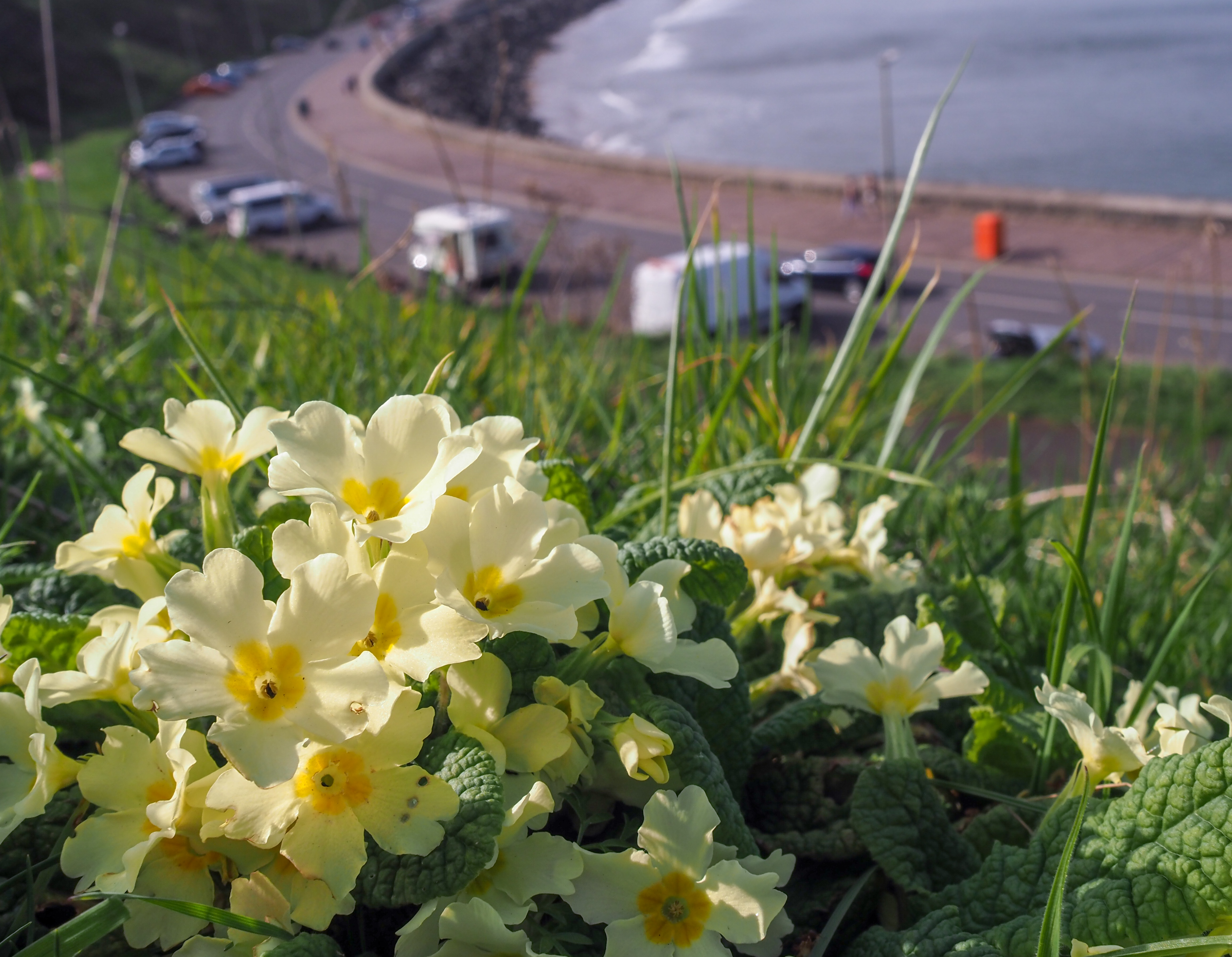
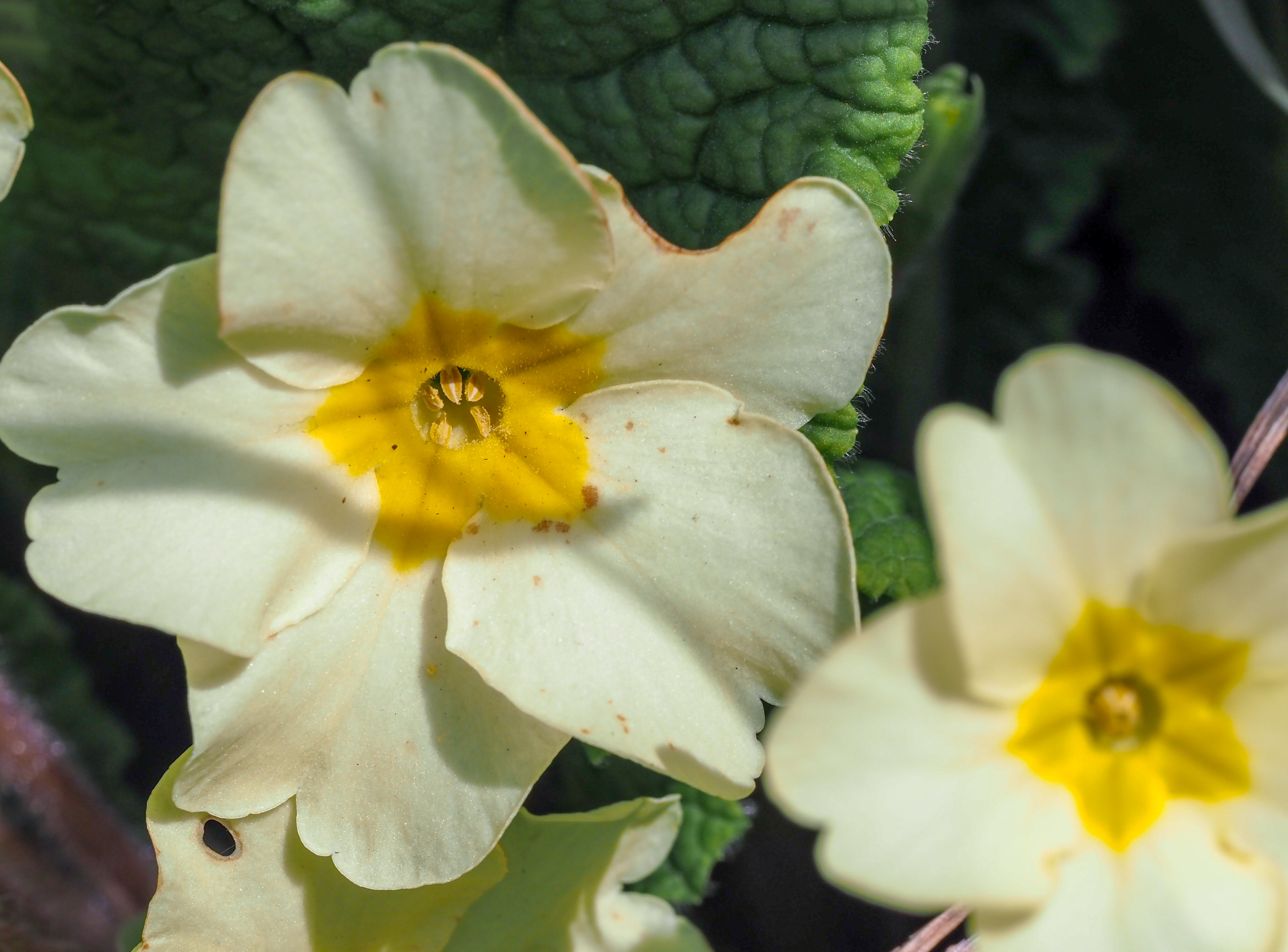
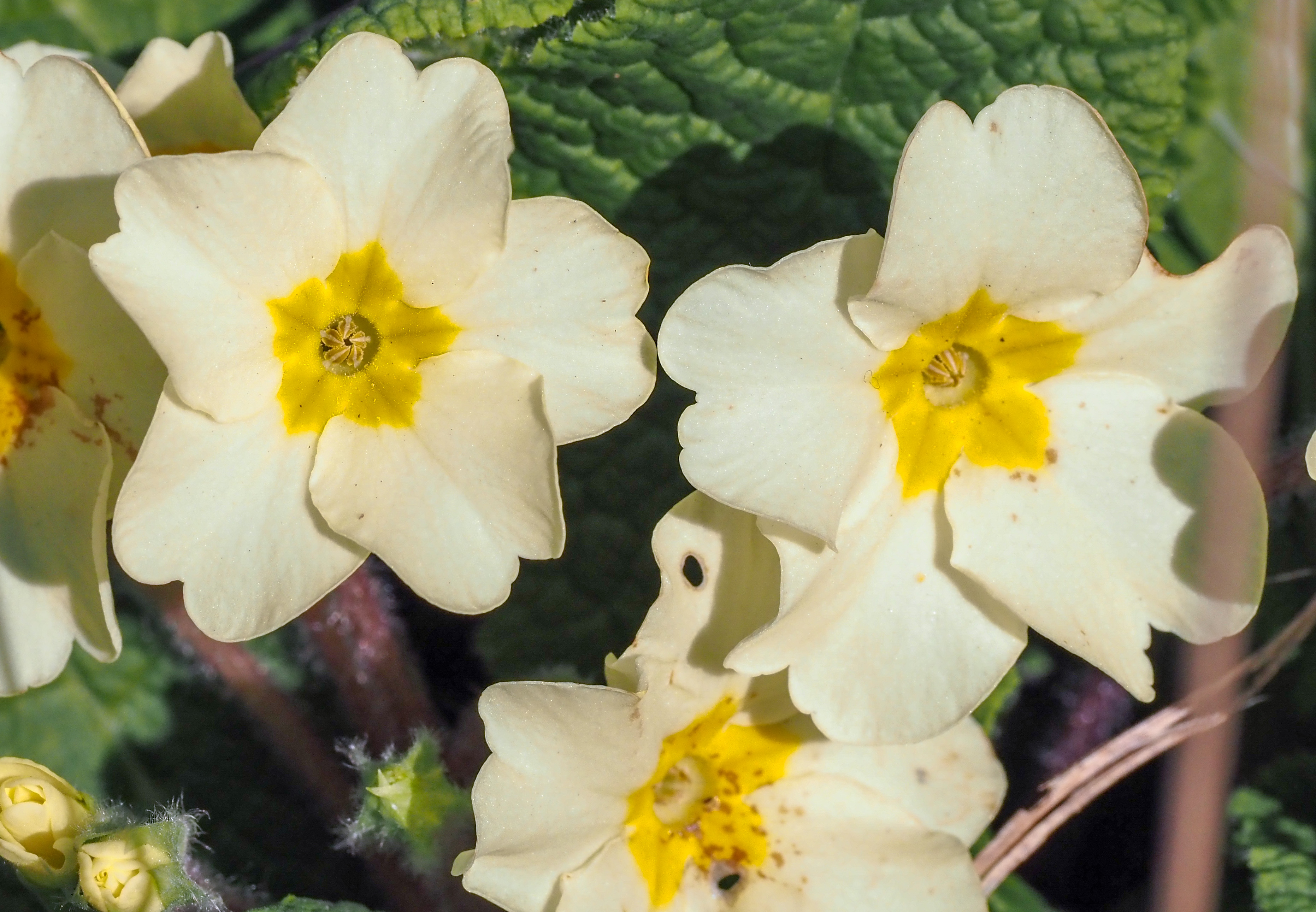
Some readers may know that there are two different types of common primroses, although you have to look hard to distinguish them: called pin and thrum. The differences are described (and illustrated very well on this site here). The same applies to cowslips as well.
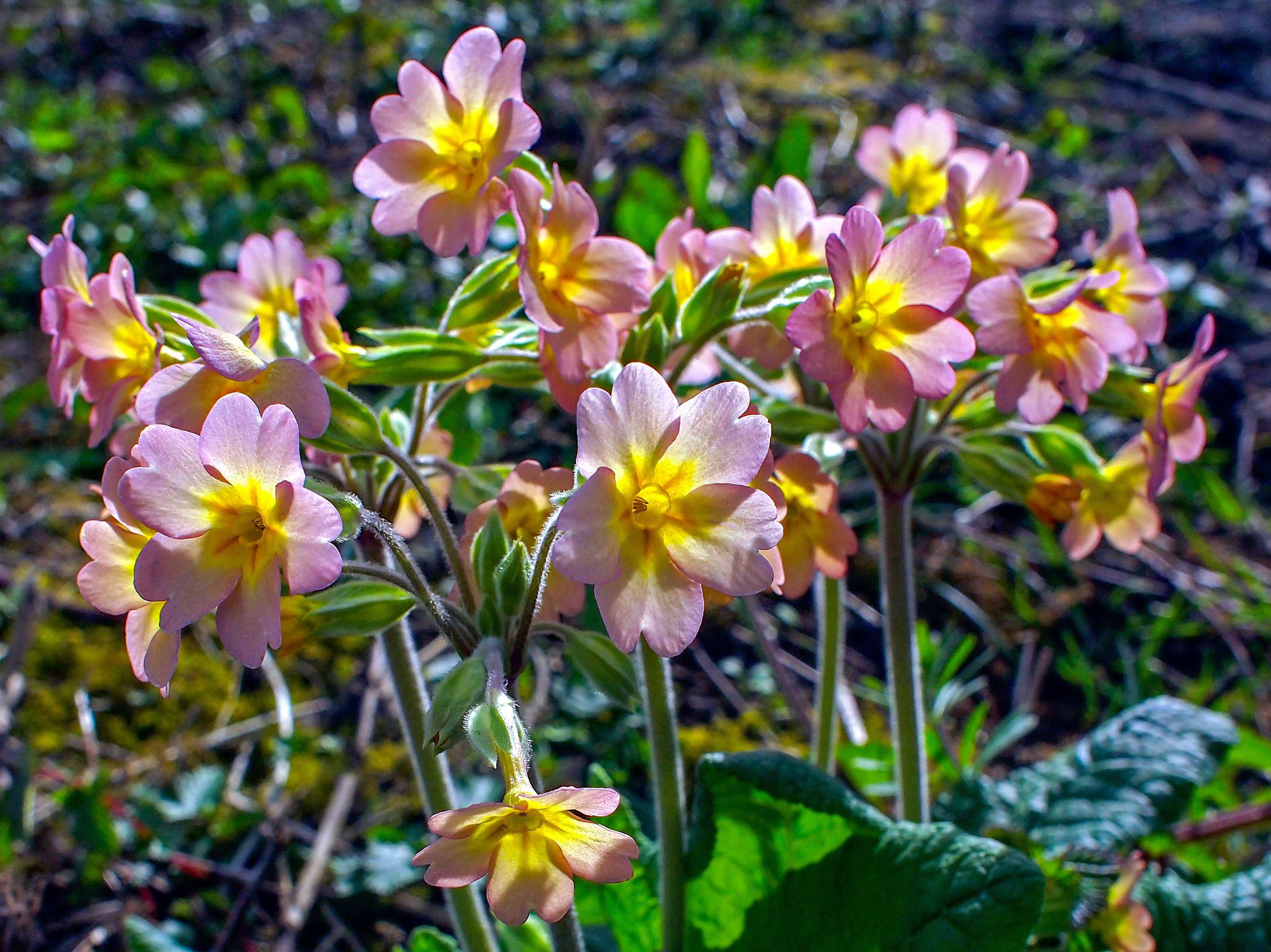
Charles Darwin was one of the first naturalists to notice and study this phenomenon, i.e. of different forms of flowers in the same species, and by his researches demonstrated that heterostyly, as it is called, has evolved as a way to promote out-crossing. Or to put it another way, the different positions of the anthers and stigmas within flowers, as well as their reciprocal position between the two morphs, reduces the probability of self-pollination (see below). In primroses, there are two floral morphs, so the species can be described as distylous.
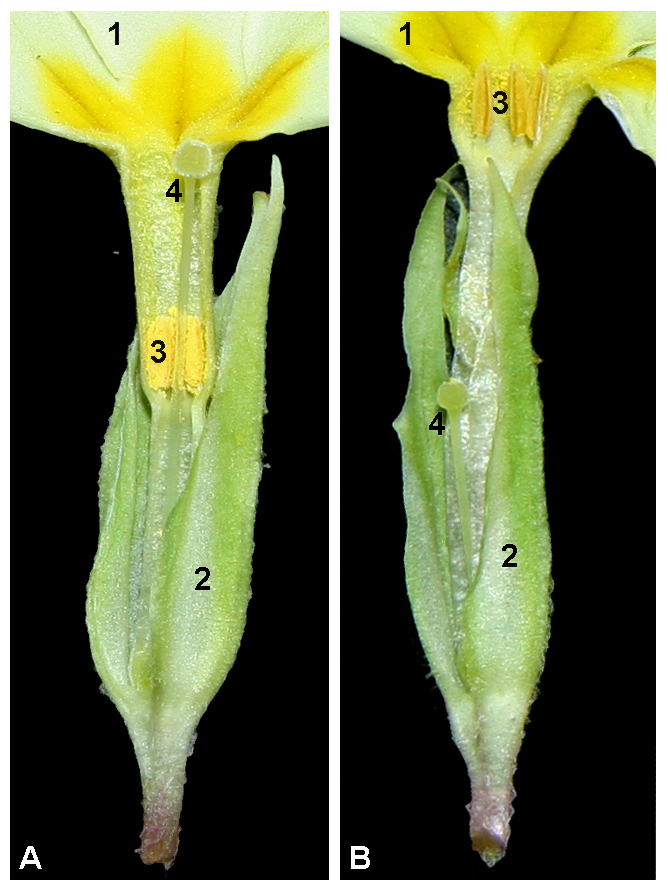
By berru – self-made, CC BY-SA 3.0
Heterostyly is a type of floral polymorphism which has evolved as a mechanism to ensure cross-pollination. Within a population of flowers such as the common primrose (Primula vulgaris) there are two genetically determined morphs, or types of flowers, which differ in terms of the length of their style, and the position of their stamens. In distylous species, such as most primroses, these morphs are referred to as L-morphs/pin morphs (i.e. long-styled morphs) and S-morphs/thrum morphs (i.e. short-styled morphs). There are also other differences between the morphs, such as the the size of pollen grains.
N.B. The style is a pillar-like stalk through which pollen tubes grow to reach the ovary, whereas the stigma is the sticky tip at the top of the style, that receives pollen (see below).
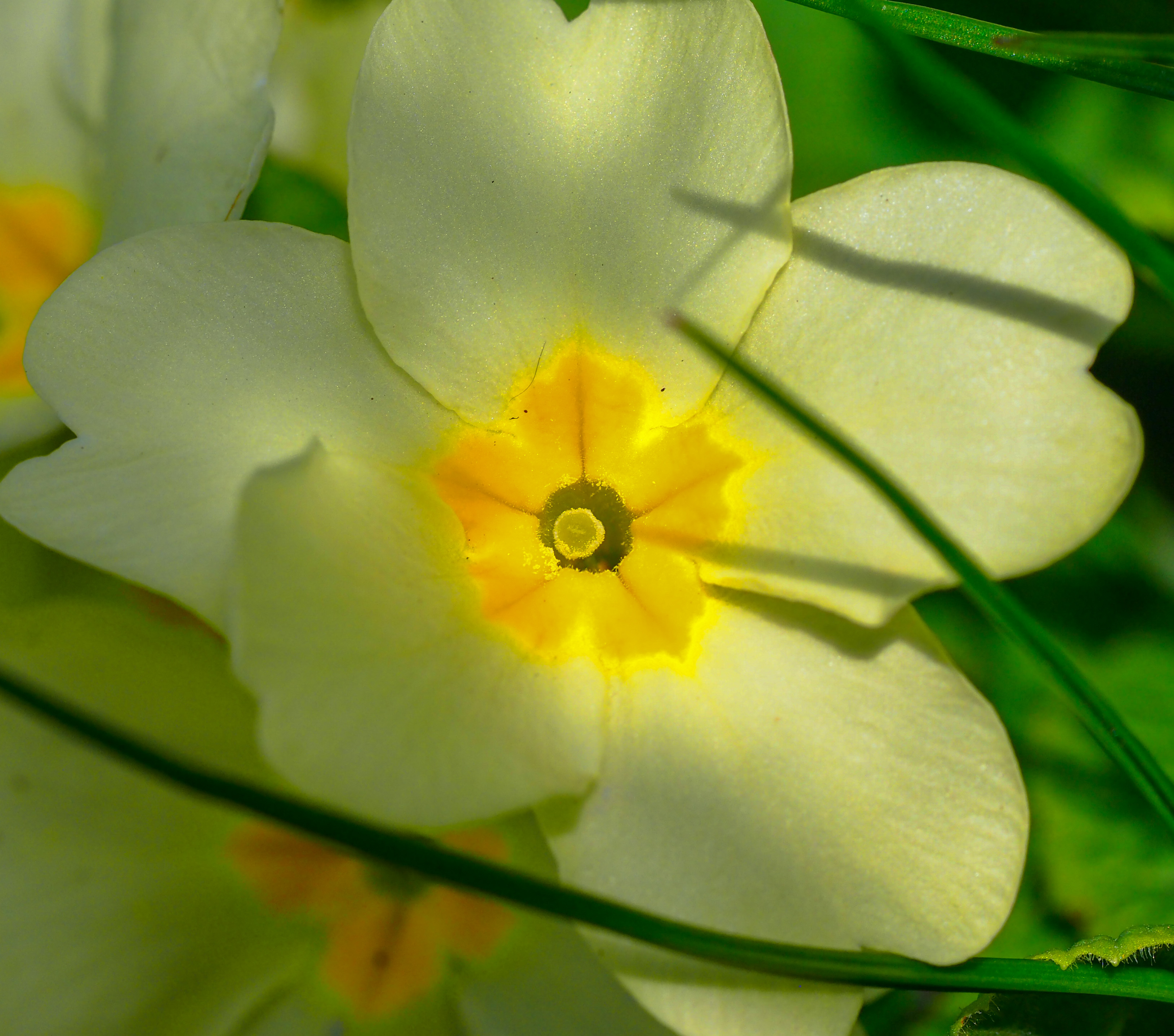
Photo by Raymond J C Cannon

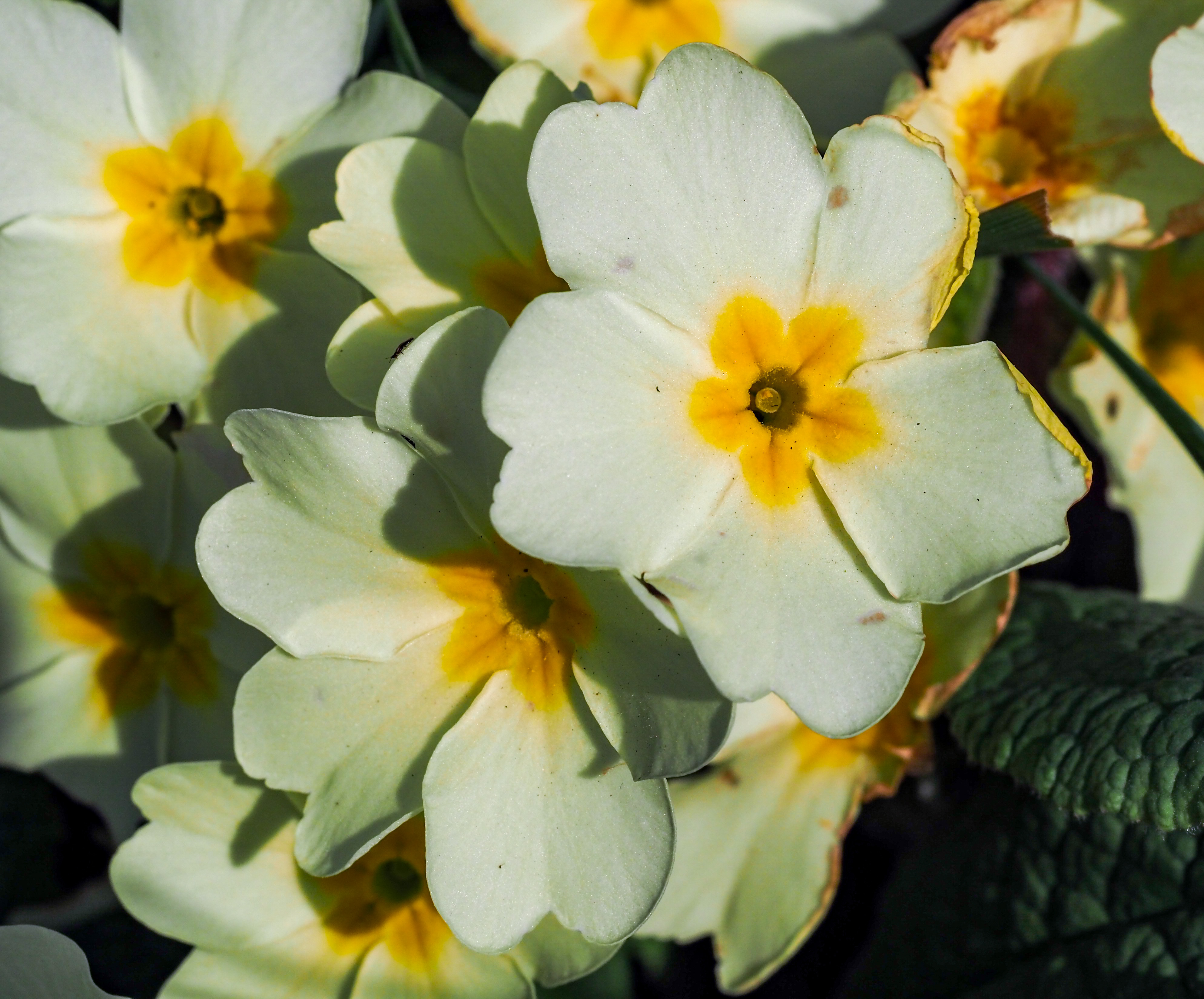
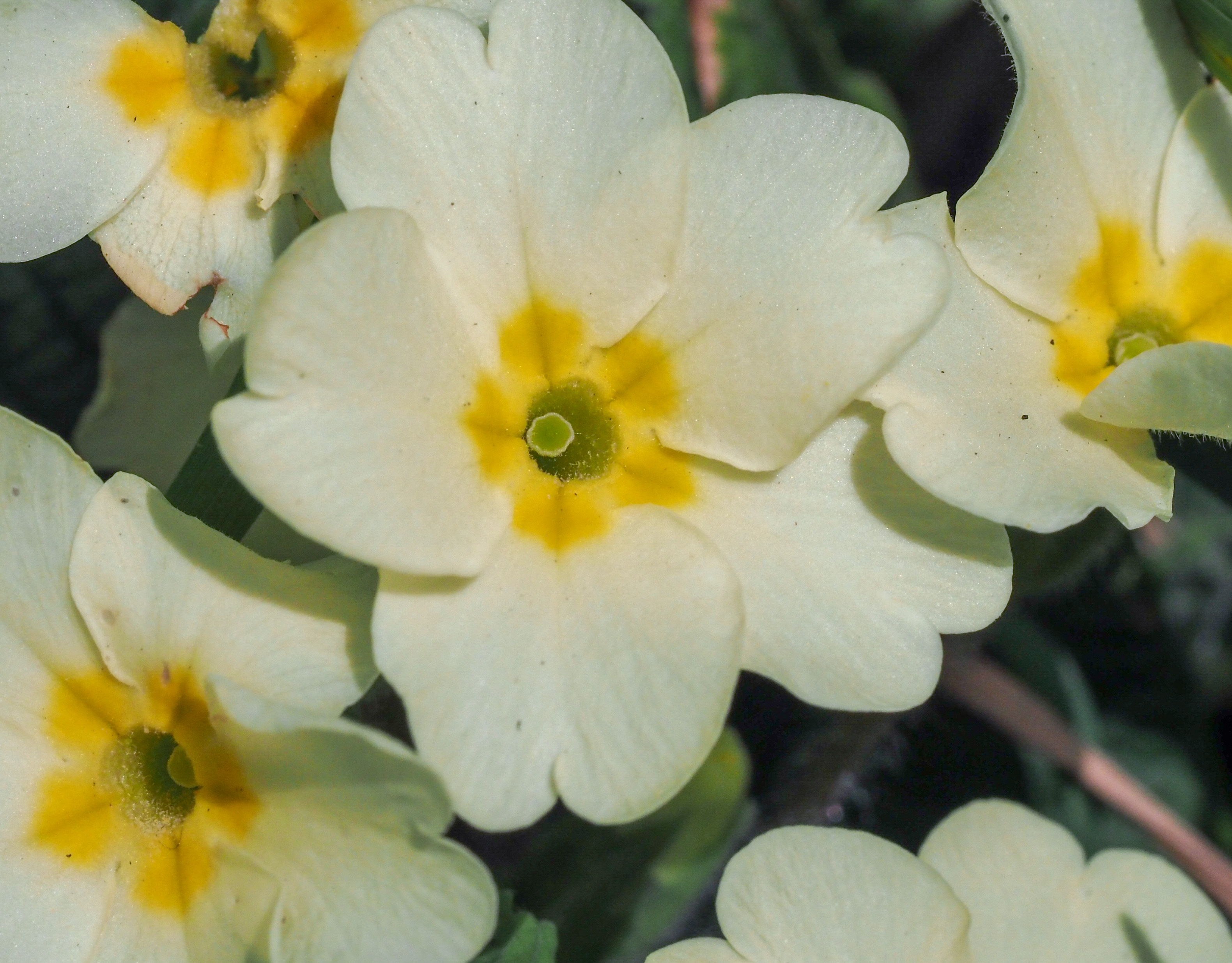
The flowers are hermaphroditic – meaning each flower has both male and female structures, but heterostylous, so individual primrose plants have either pin flowers (where the head of the style is prominent) or thrum flowers (where the stamens are prominent). Fertilisation can only take place between pin and thrum flowers, i.e. between the different morphs. Pin-to-pin and thrum-to-thrum pollination is therefore, ineffective.
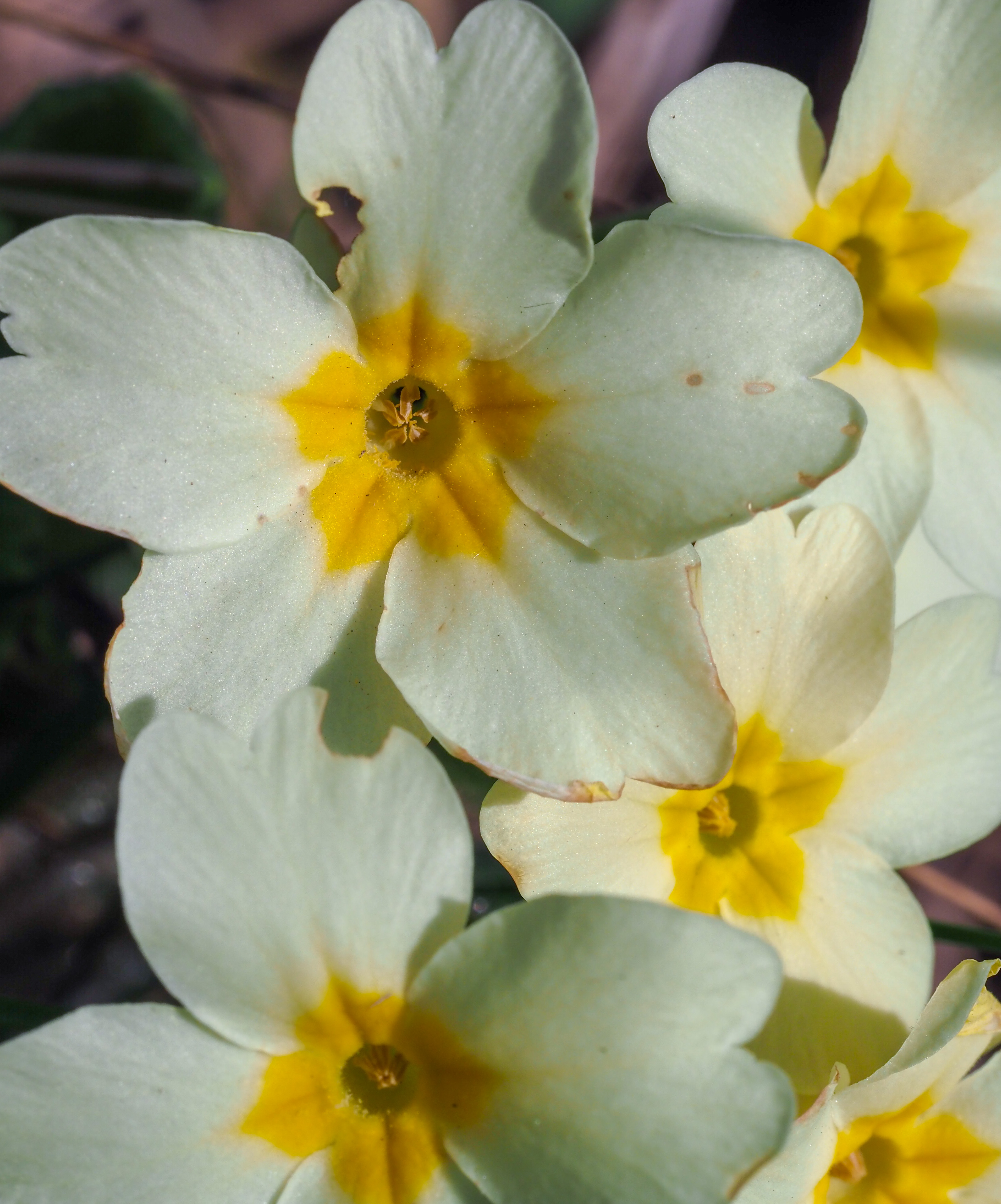
Photos by Raymond J C Cannon
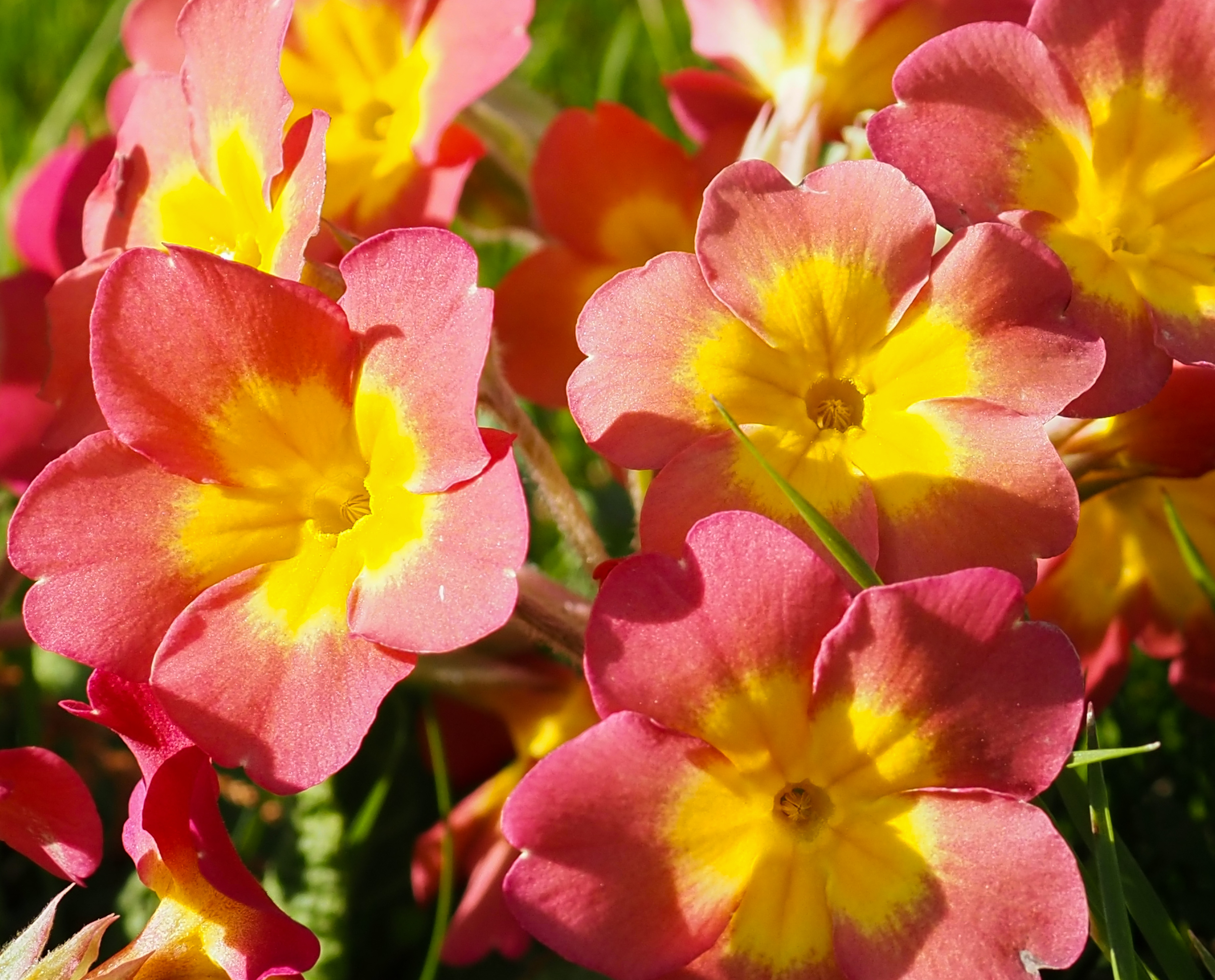
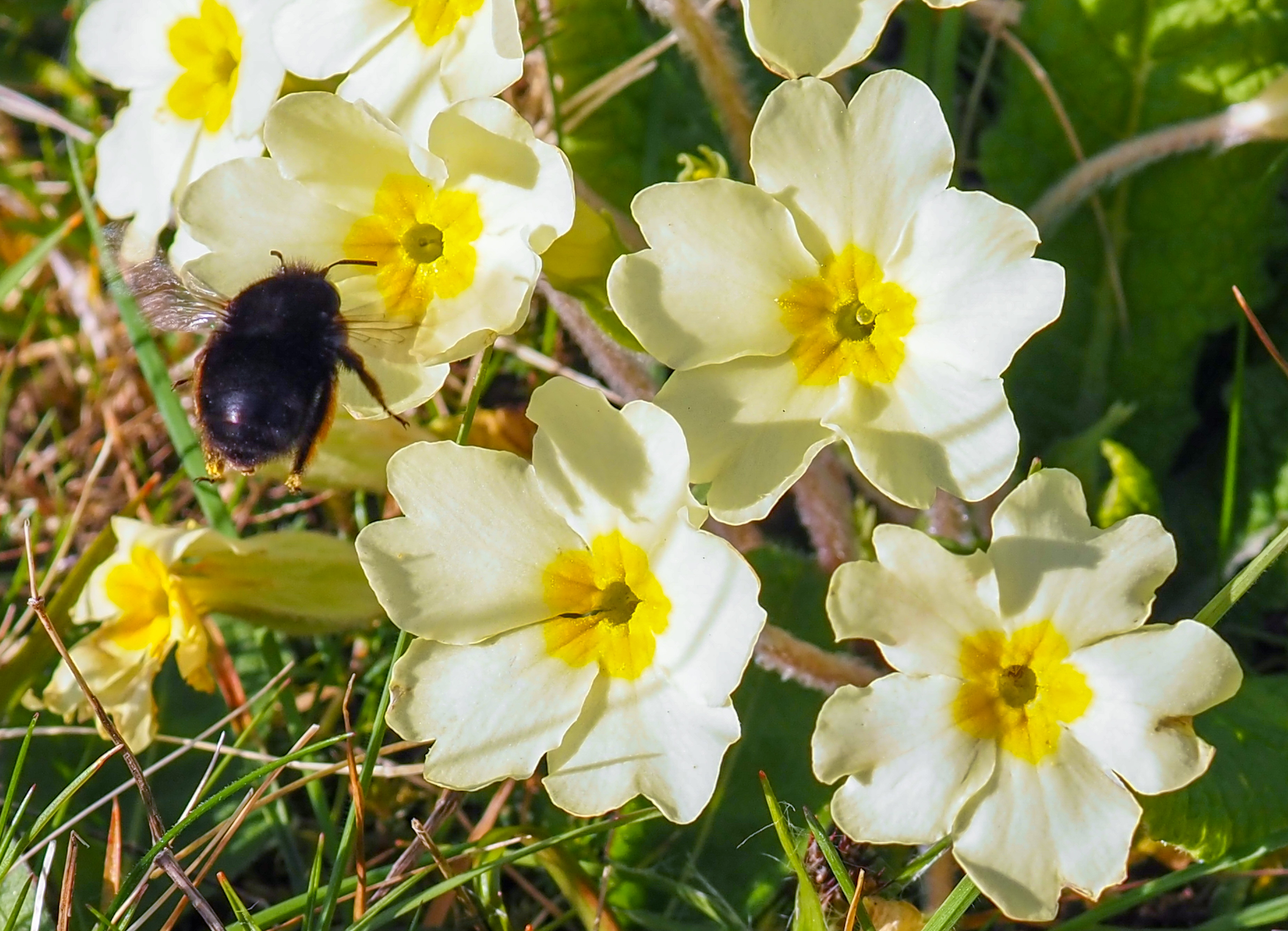
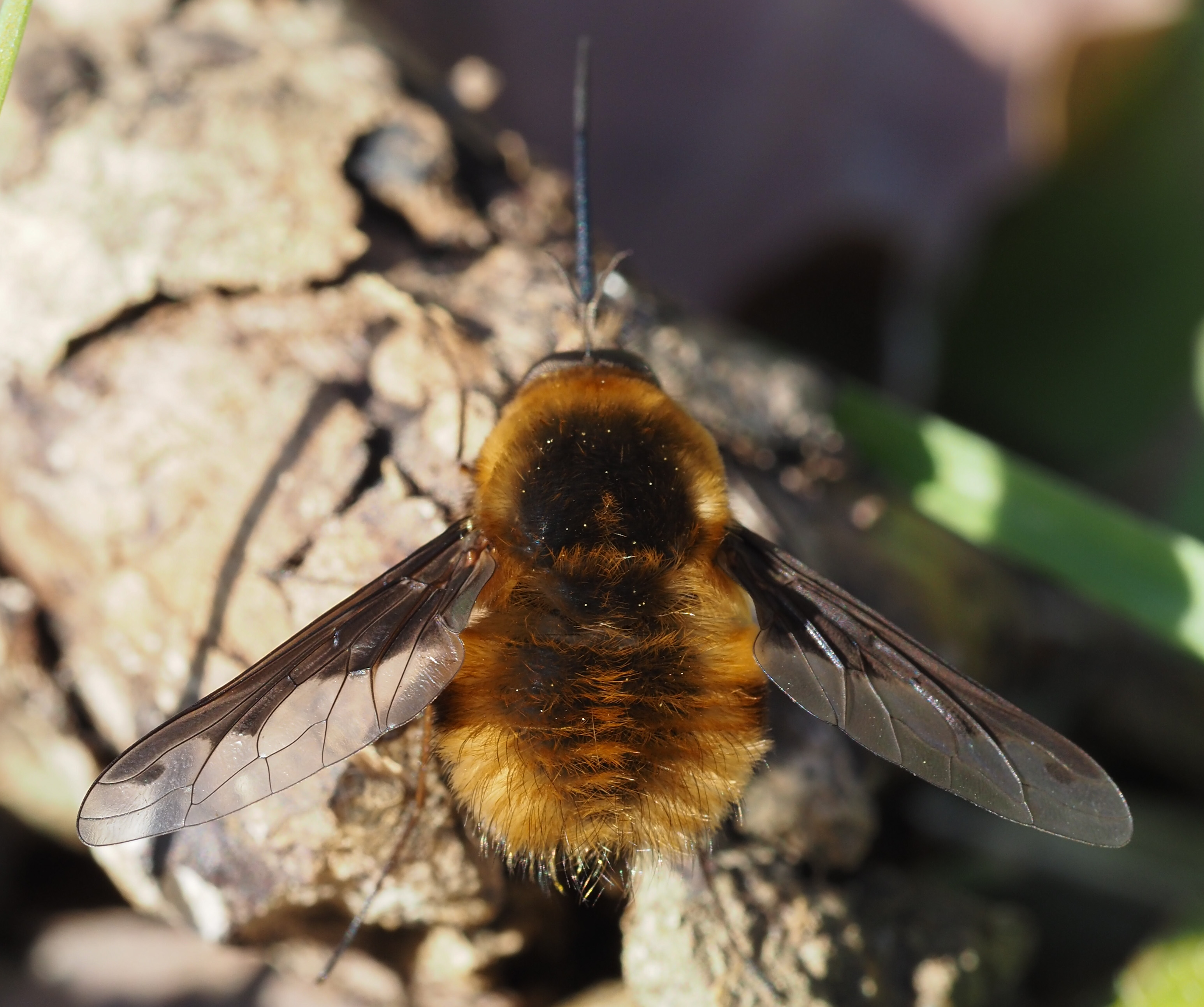
Primulas attract both bee-flies and bees which are active in the early Spring.
Next time you see a primrose, you might want to check whether it is pin or thrum!
References
Darwin, C. (1862). On the two forms, or dimorphic condition, in the species of Primula, and on their remarkable sexual relations. Botanical Journal of the Linnean Society, 6(22), 77-96.
Keller, B., Thomson, J. D., & Conti, E. (2014). Heterostyly promotes disassortative pollination and reduces sexual interference in Darwin’s primroses: evidence from experimental studies. Functional Ecology, 28(6), 1413-1425.
“reciprocal herkogamy improves the efficiency of pollen movement between L- and S-flowers via the transfer of pollen grains onto distinct positions of the pollinator’s body that correspond to the heights of the receiving stigmas in the reciprocal morphs, a process known as disassortative pollination” (Keller et al., 2014).
Liu, S. J., Wu, L. Y., & Huang, S. Q. (2016). Shortened anther–stigma distance reduces compatible pollination in two distylous Primula species. Journal of Plant Ecology, 9(2), 224-232.
“reciprocal herkogamy may facilitate compatible pollination, including both avoidance of incompatible pollination and promotion of compatible pollination” (Liu et al., 2016)
 Ray Cannon's nature notes

Very interesting, Ray, thanks!
I certainly will. 👀🔎🌼