I don’t know about you, but I sometimes forget, when admiring fruits and berries in autumnal hedgerows, that we owe their existence, in large measure to insects. The blossoms they originated from are an ecosystem service, providing pollen and nectar to a wide range of insects, whether or not they are directly involved in pollination. The fruits that develop from the fertilized flowers also provide a much needed resource for hungry insects (below) and birds.
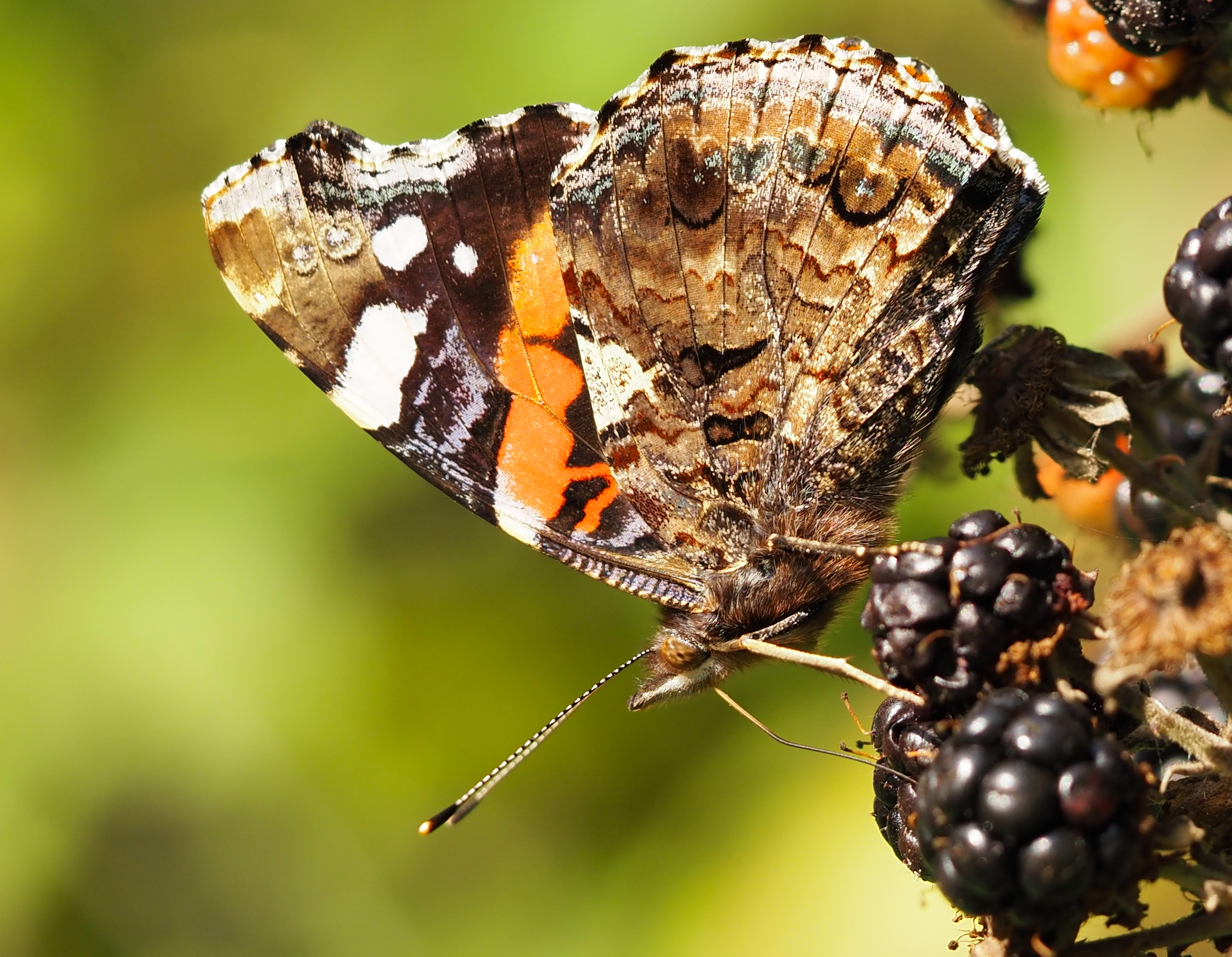
In this short blog, I thought it would be interesting to make the connection, in photographs, between ‘flower and fruit‘, and mention the insects which are responsible for this yearly miracle. I do not use the term miracle lightly. The older I get, the more I wonder at the the extraordinary and wonderful yearly event we take for granted in the natural world. Although, I do not think there is anything supernatural about the life cycles of flowering shrubs and trees, I do think that the yearly cycle of flowering and fruiting is something wonderful that brings both great joy to us humans and an essential gift of bounty to the natural world.
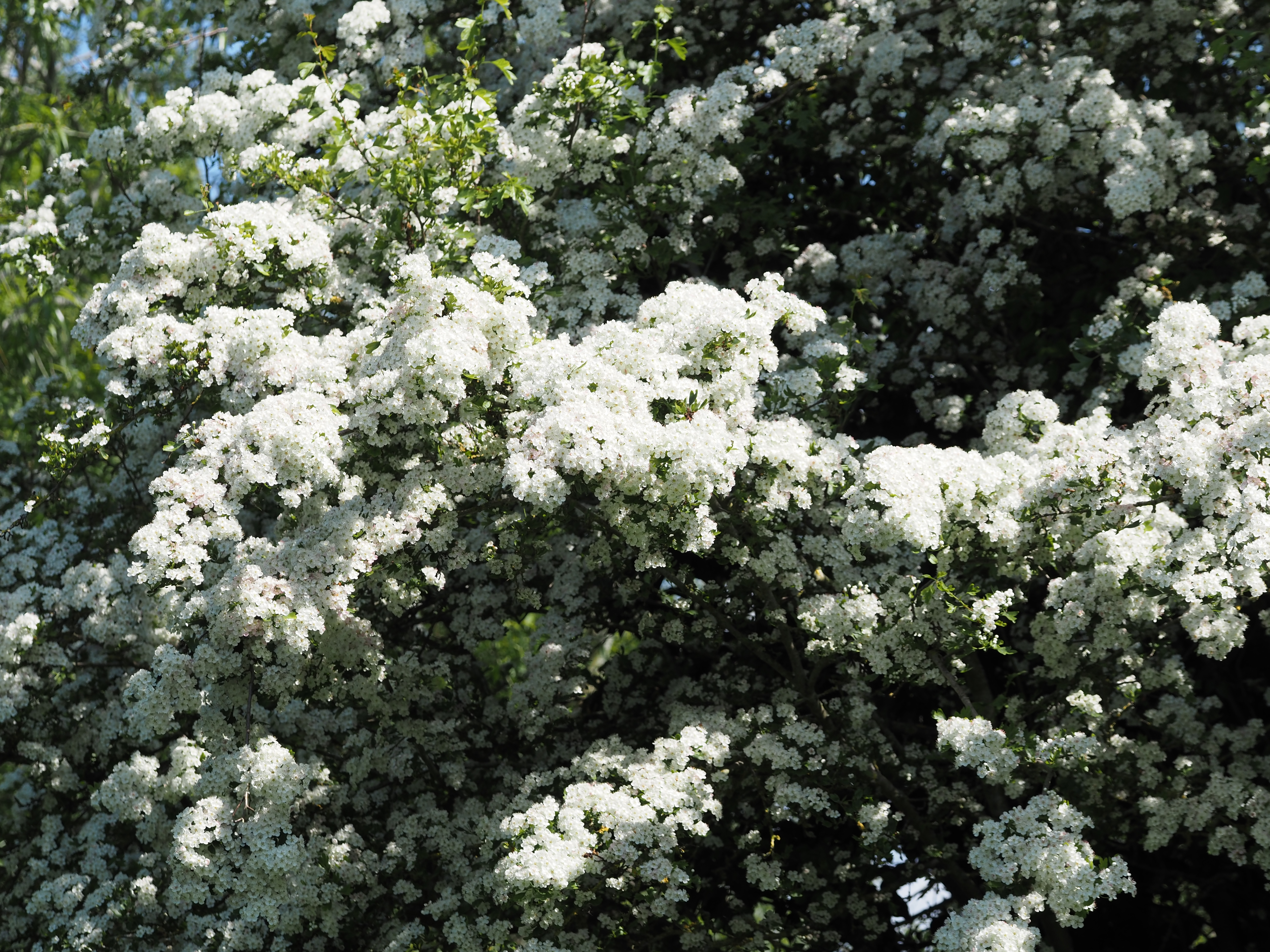
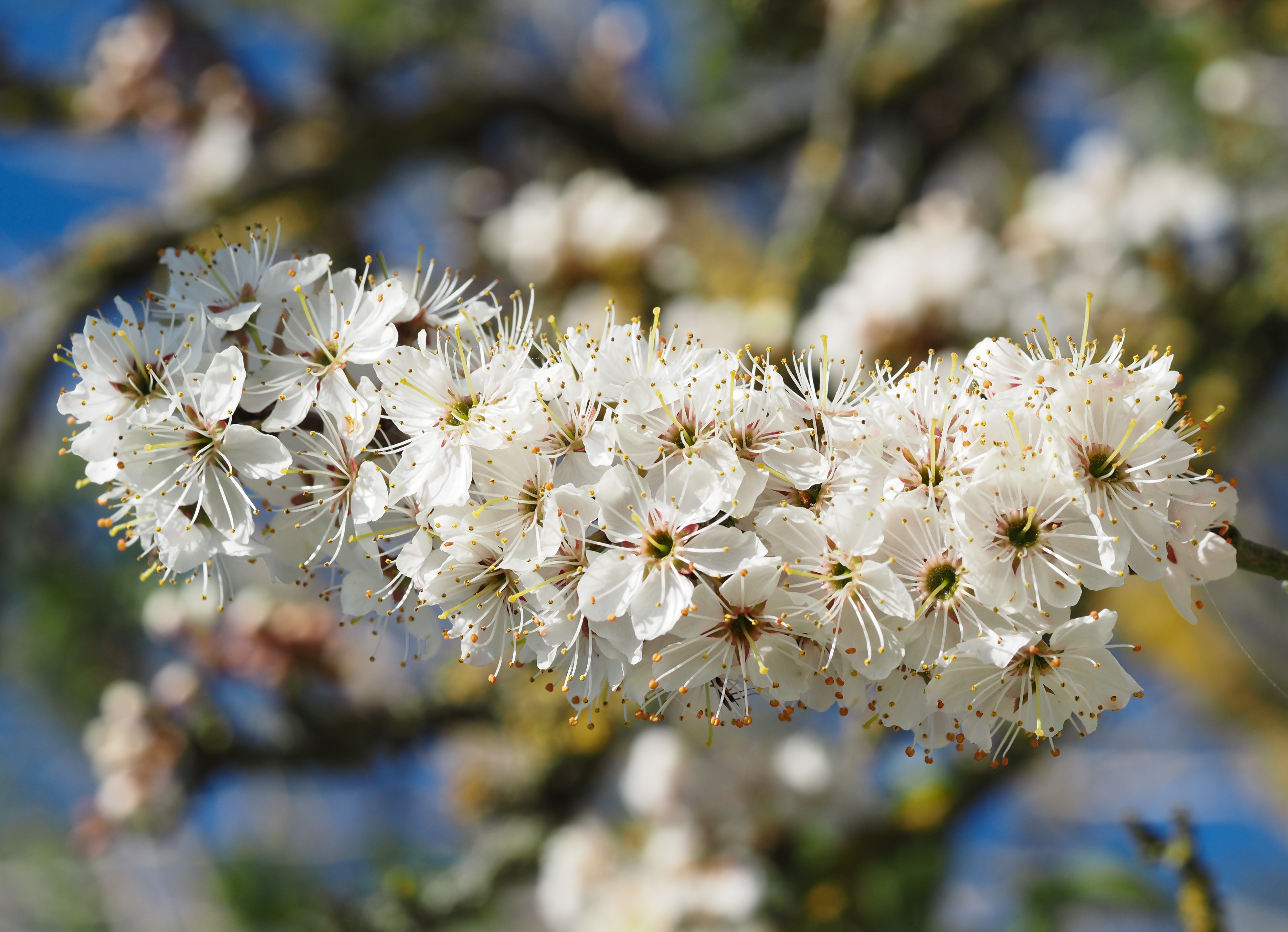
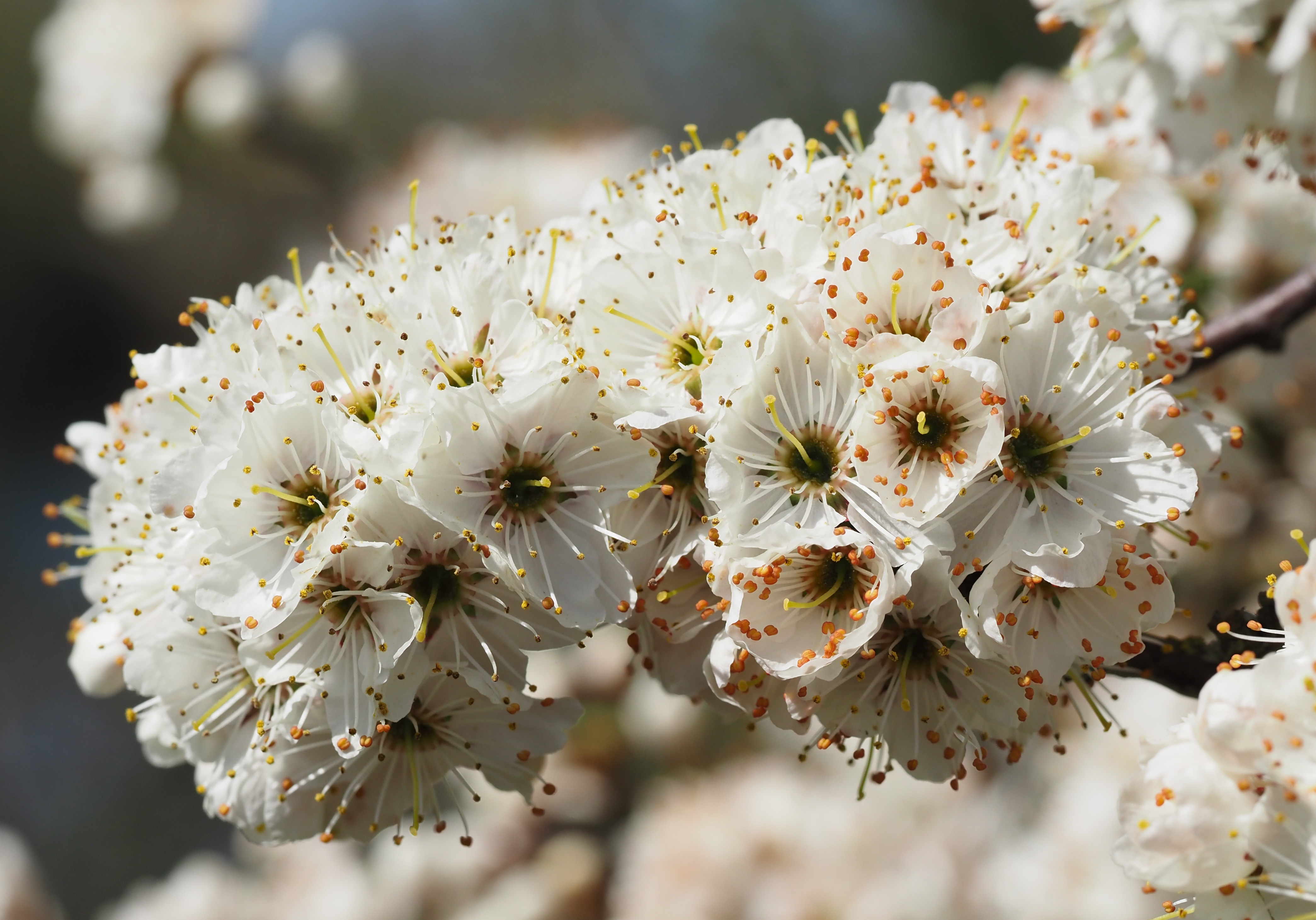
The flowers of hedgerow plants such as blackthorn (Prunus spinosa), hawthorn (Crataegus monogyna), dog rose (Rosa canina agg.), bramble (Rubus fruticosus agg.) and ivy (Hedera helix) are visited for both pollen and nectar by a wide variety of insect species, including bees and wasps, flies (especially hover flies), beetles, moths and butterflies. Some of these plant species, such as bramble and dog rose, are capable, to some degree, of producing seeds and fruits through both apomixis (asexual development without fertilization) and self-pollination. However, in experiments where insects were excluded from flowers, setting fruit was significantly reduced in blackthorn, hawthorn and ivy.
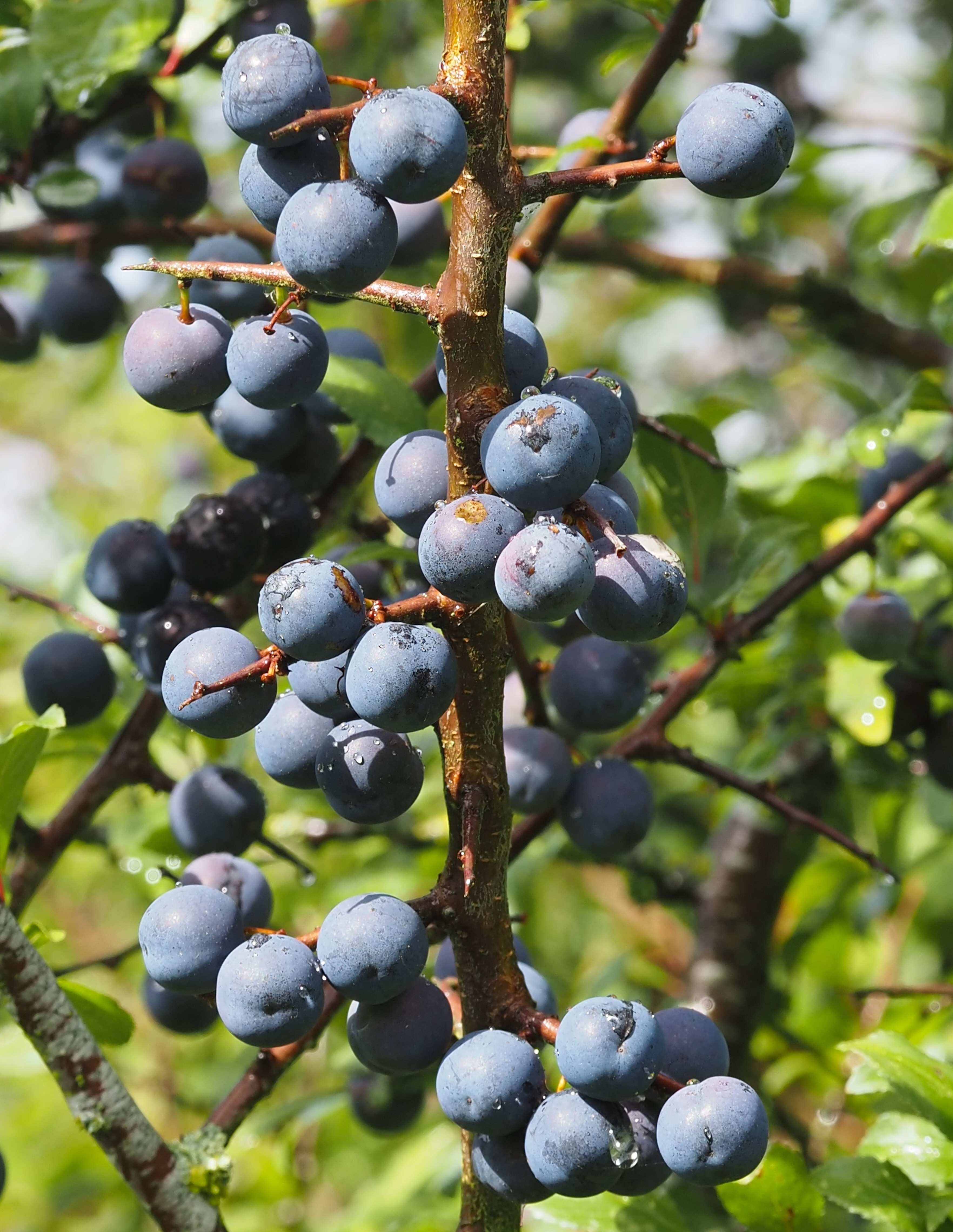
Blackthorn blossom and sloes
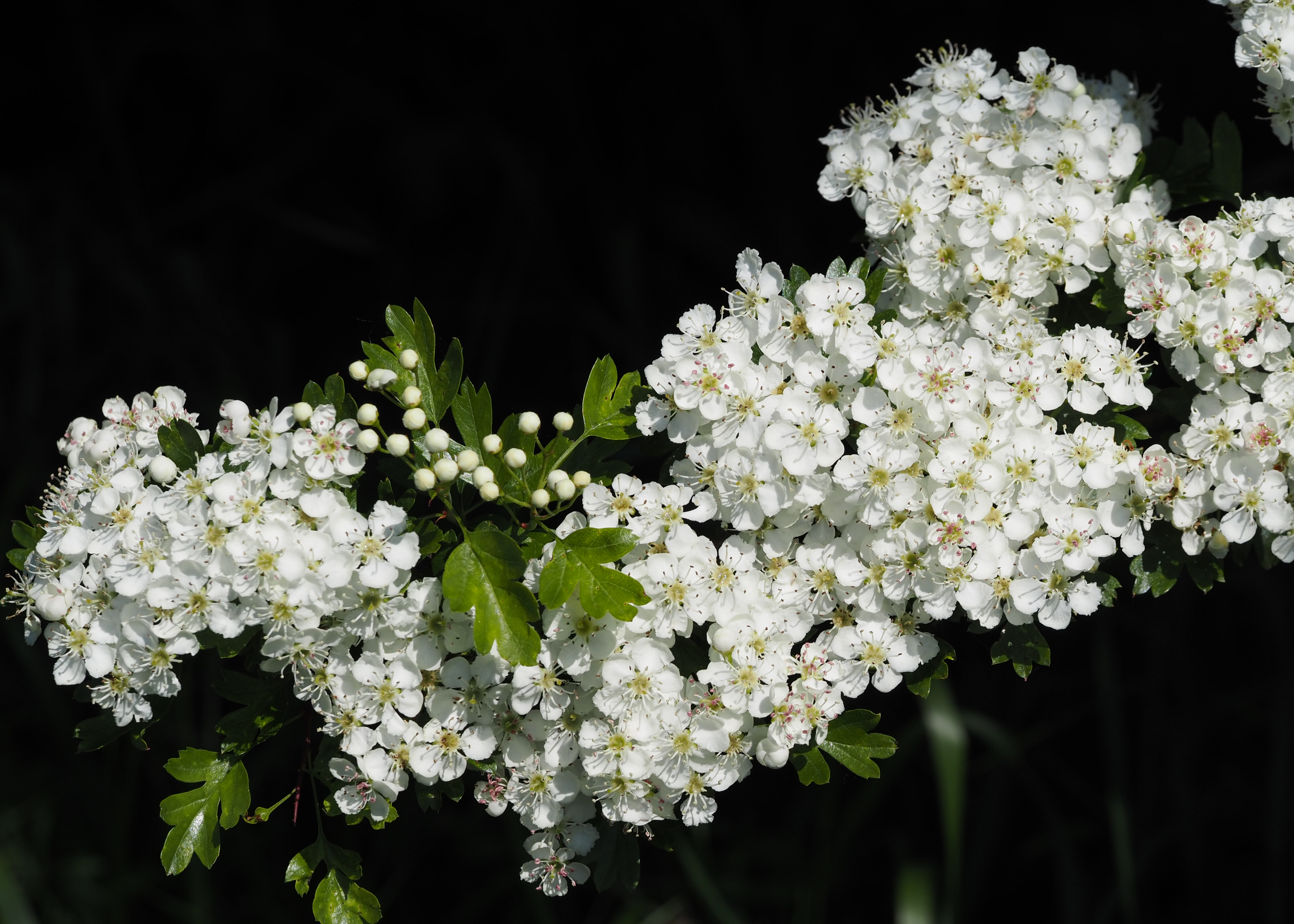
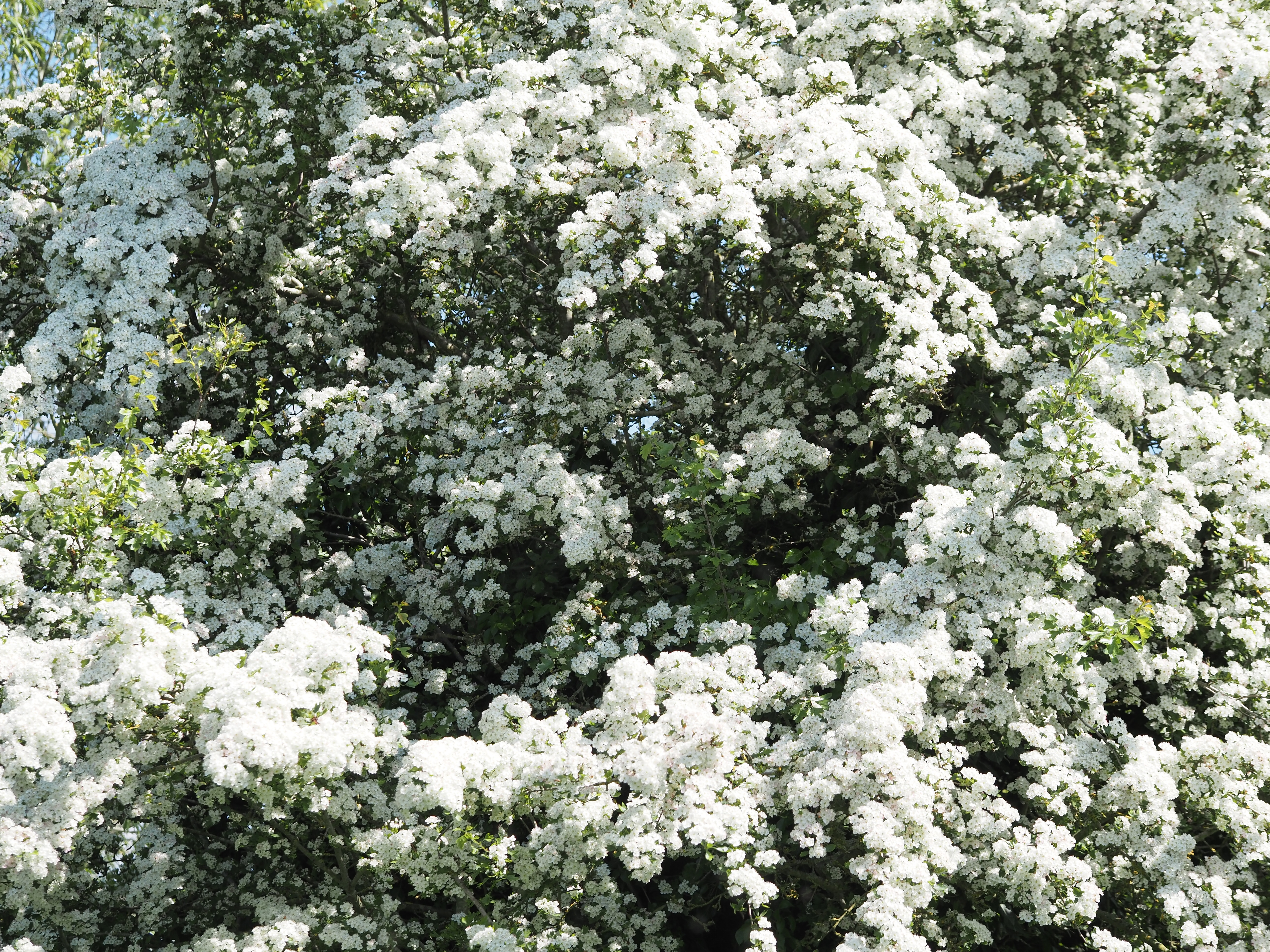
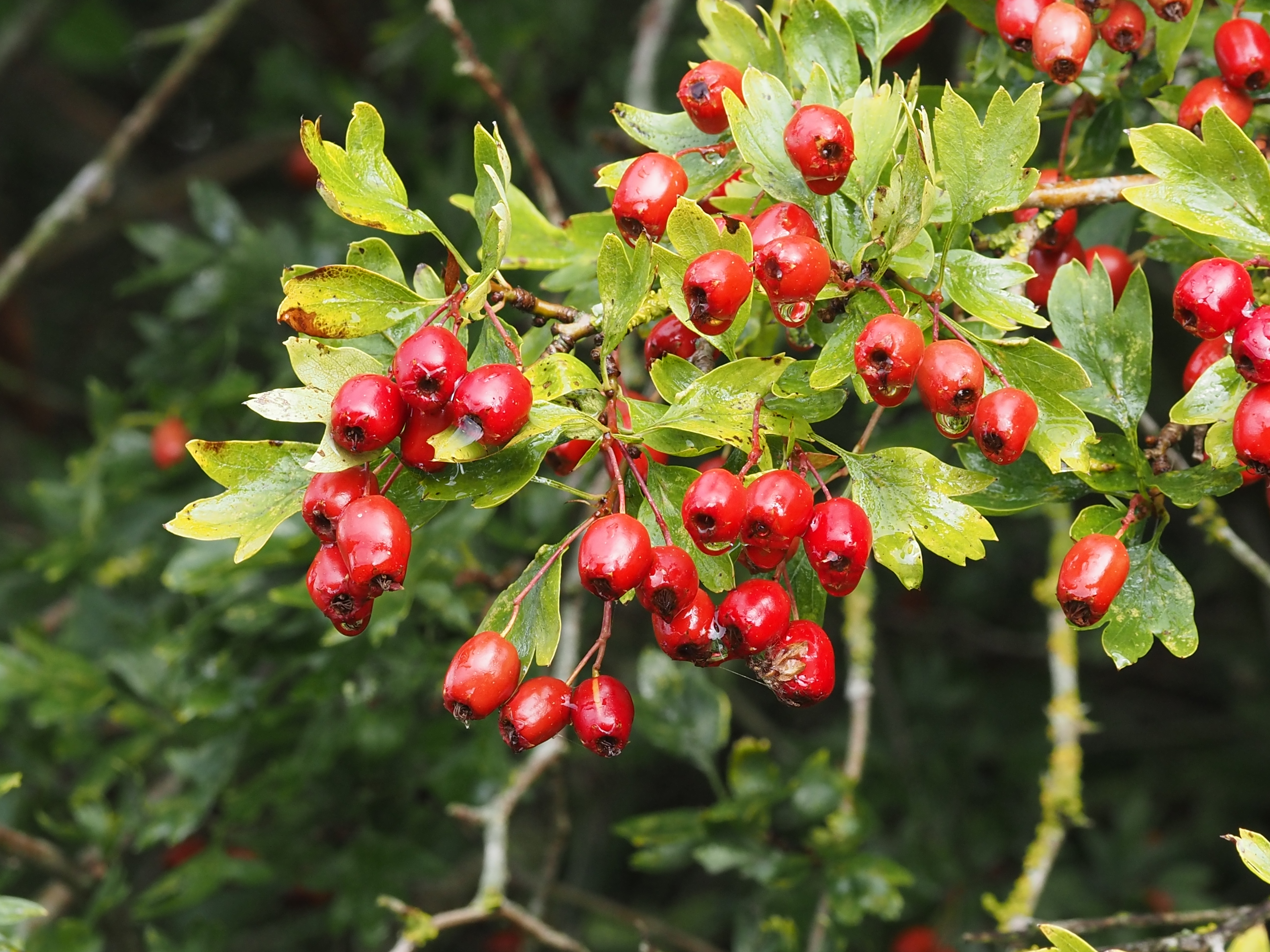
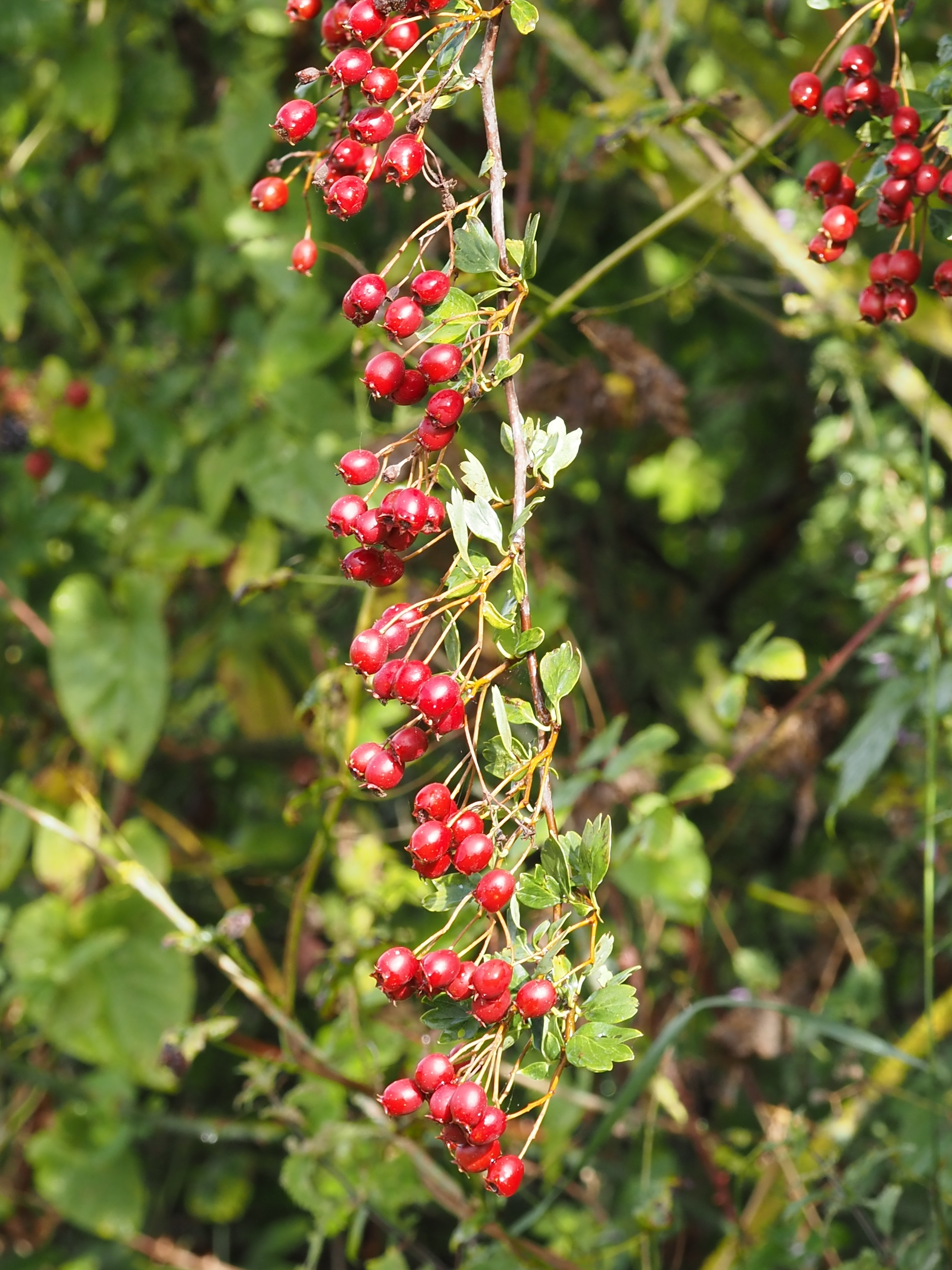
Hawthorn blossom and berries
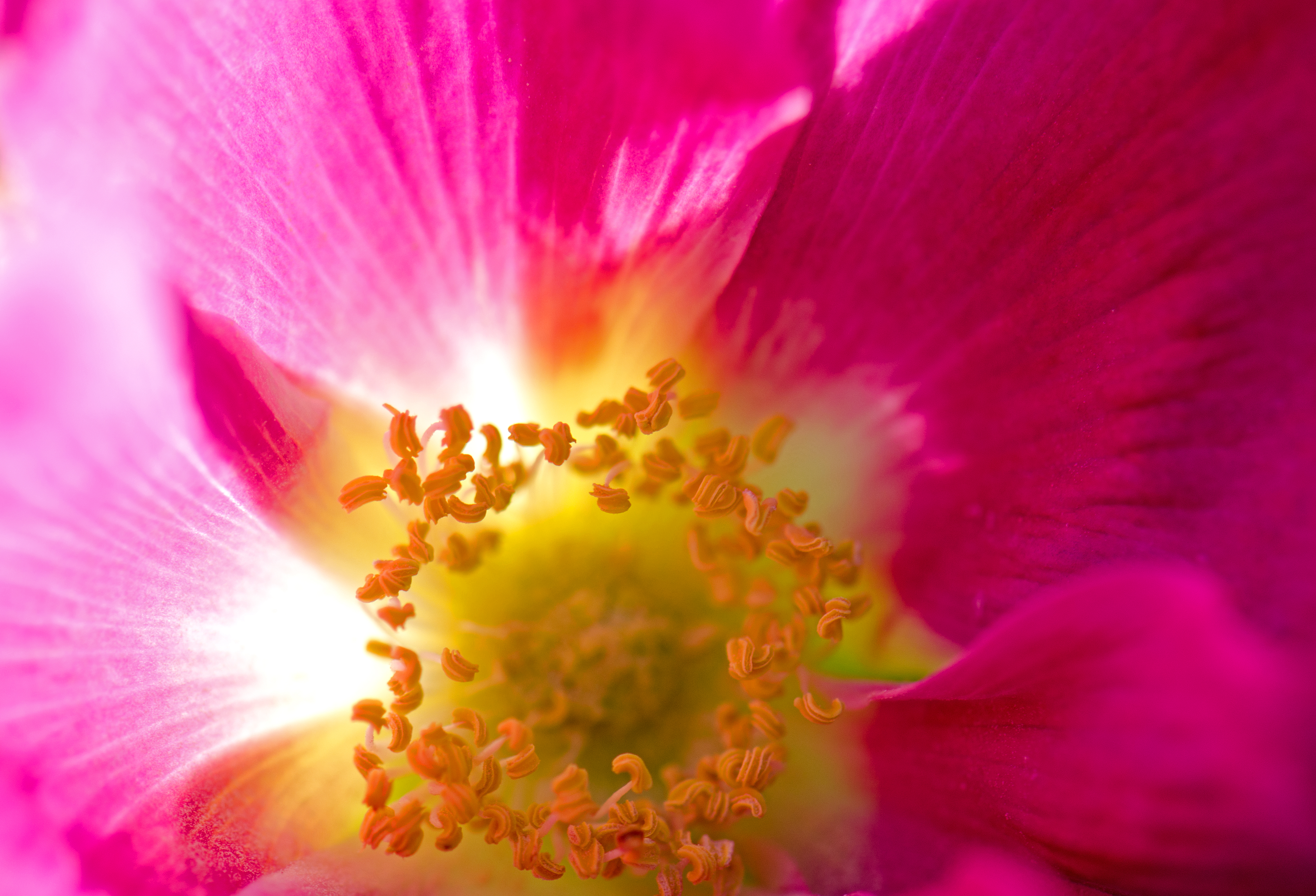
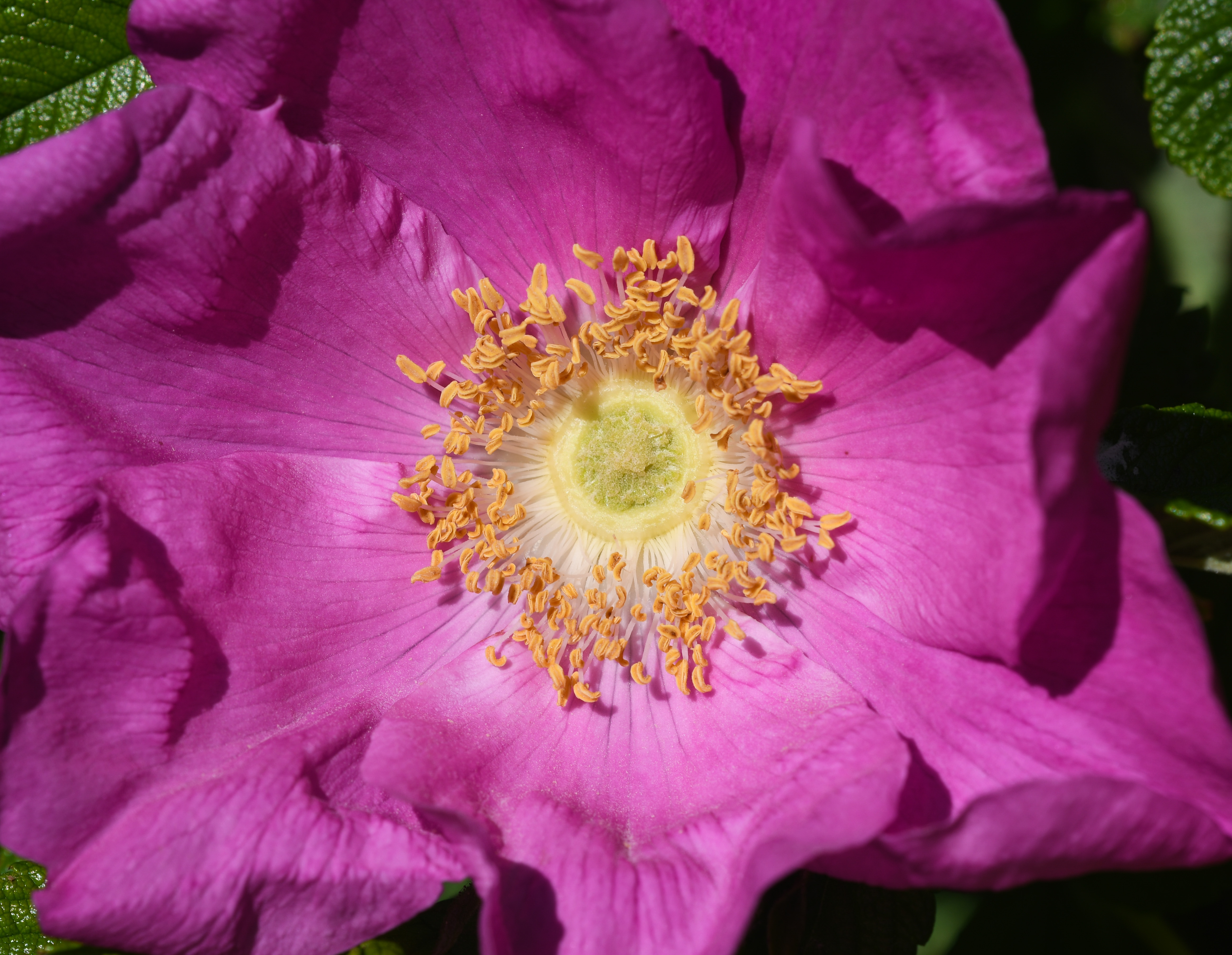
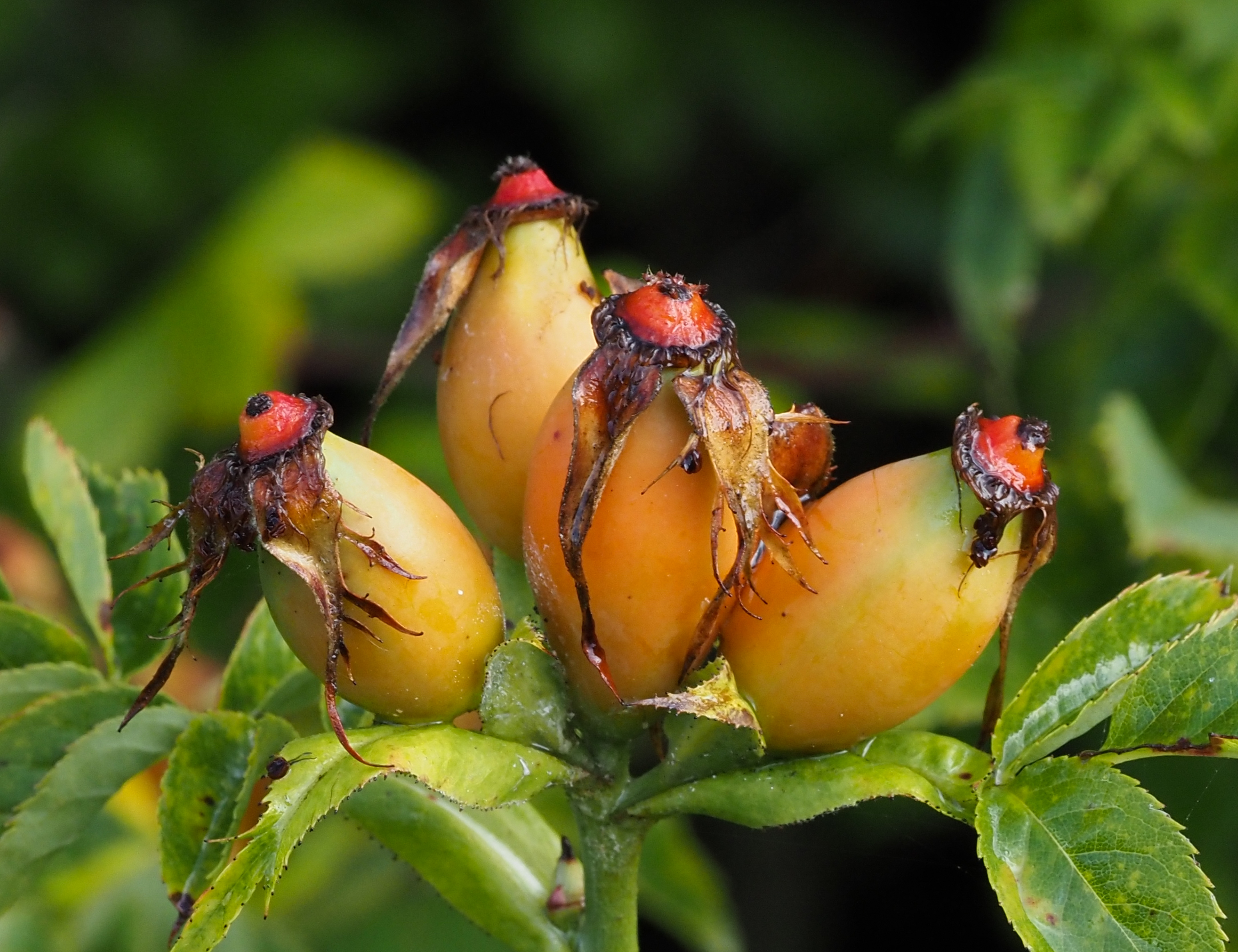
Dog rose and rose hips
Google ‘dog rose pollinators‘ and you will see a bewildering variety of insects in the many photographs. Hoverflies, beetles, bumblebees, honey bees, butterflies
Bramble and blackberries
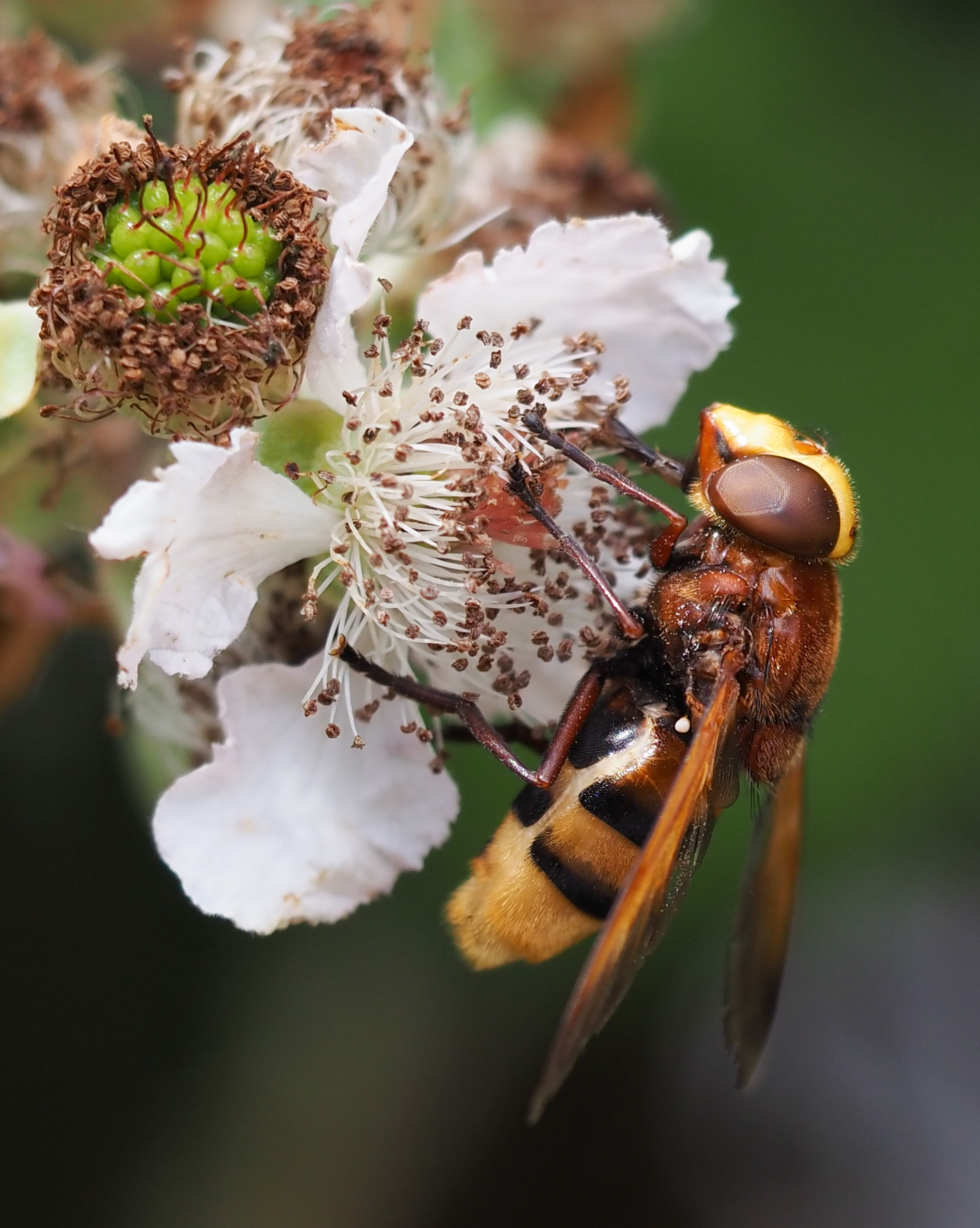
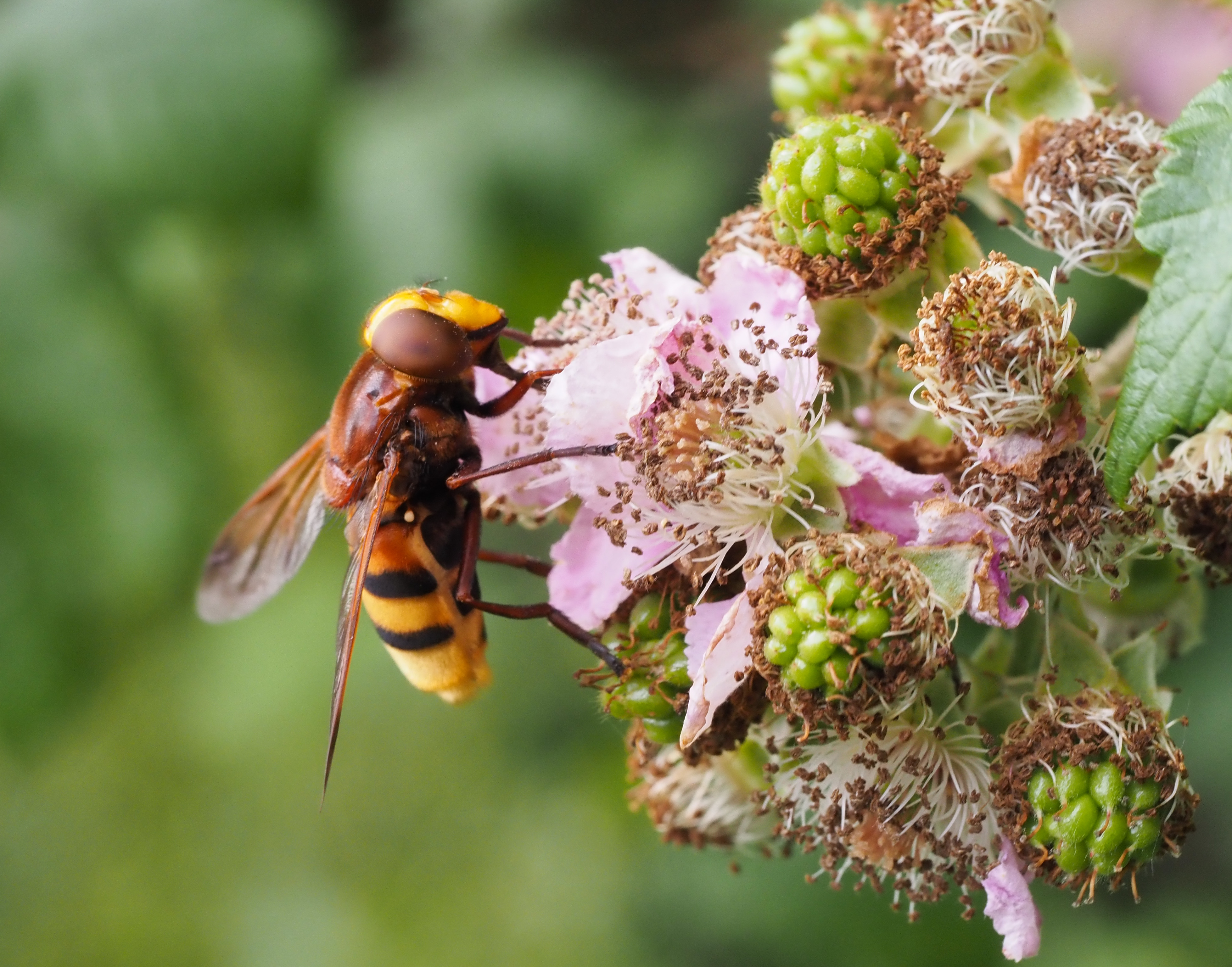
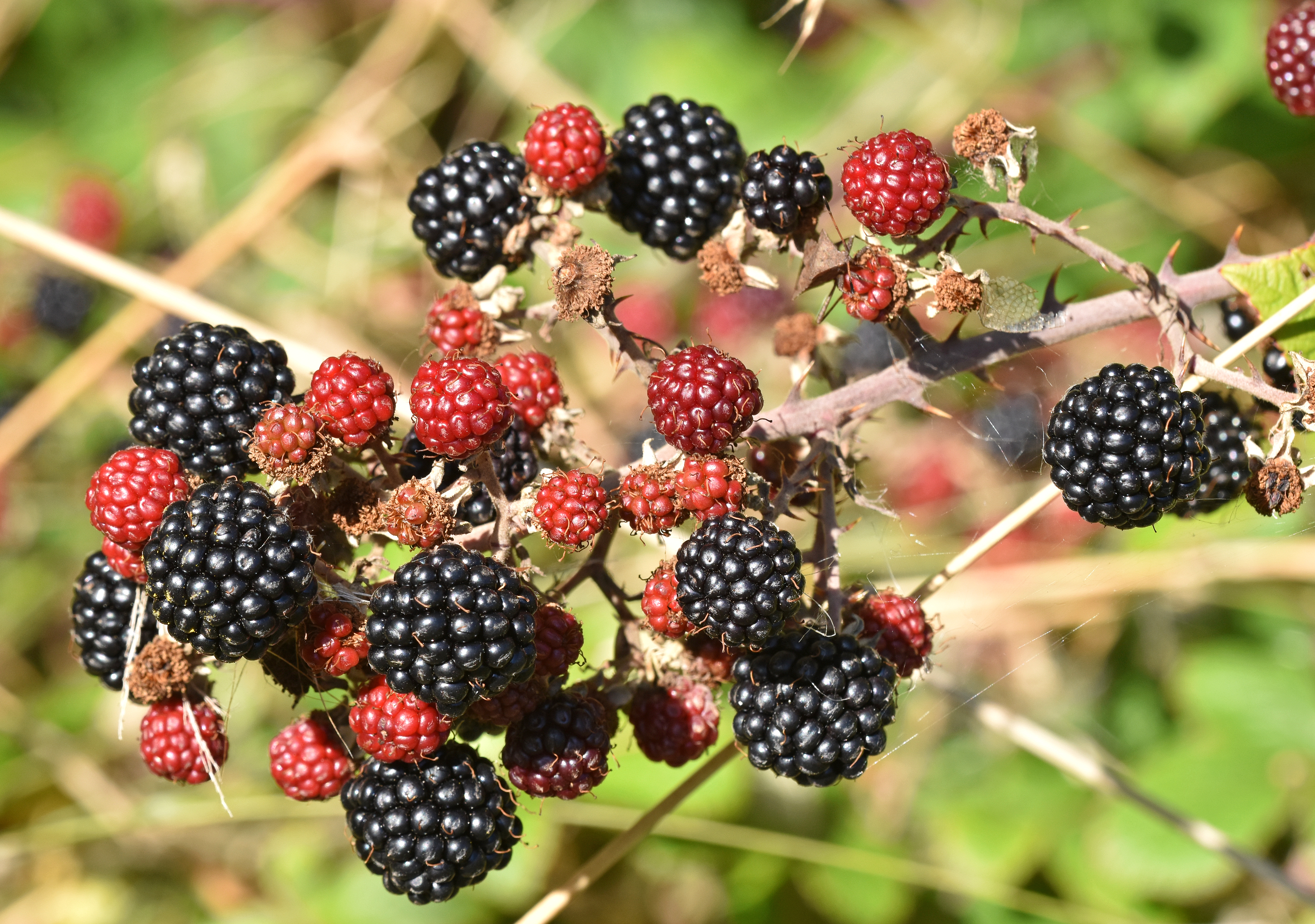
In summing up, there is often a disconnect in our minds between the flowers and blossoms we admire in the spring and the fruits we see in the autumn. In these days of reported insect declines, it’s worth reminding ourselves, I think, what insects do for us in the countryside.
All photographs by Raymond JC Cannon
References
Jacobs, J. H., Clark, S. J., Denholm, I., Goulson, D., Stoate, C., & Osborne, J. L. (2009). Pollination biology of fruit-bearing hedgerow plants and the role of flower-visiting insects in fruit-set. Annals of Botany, 104(7), 1397-1404.
 Ray Cannon's nature notes
[…] Returning to the autumnal theme, it is lovely to see all the red fruits and berries bejewelling the countryside. Why are so many of them red coloured? Presumably to advertise their presence and availability to birds. They are saying come and eat me, spread my seeds far and wide. And then there is the chemistry of it all: anthocyanins etc. There are also plenty of black and blue fruits as well! See here. […]