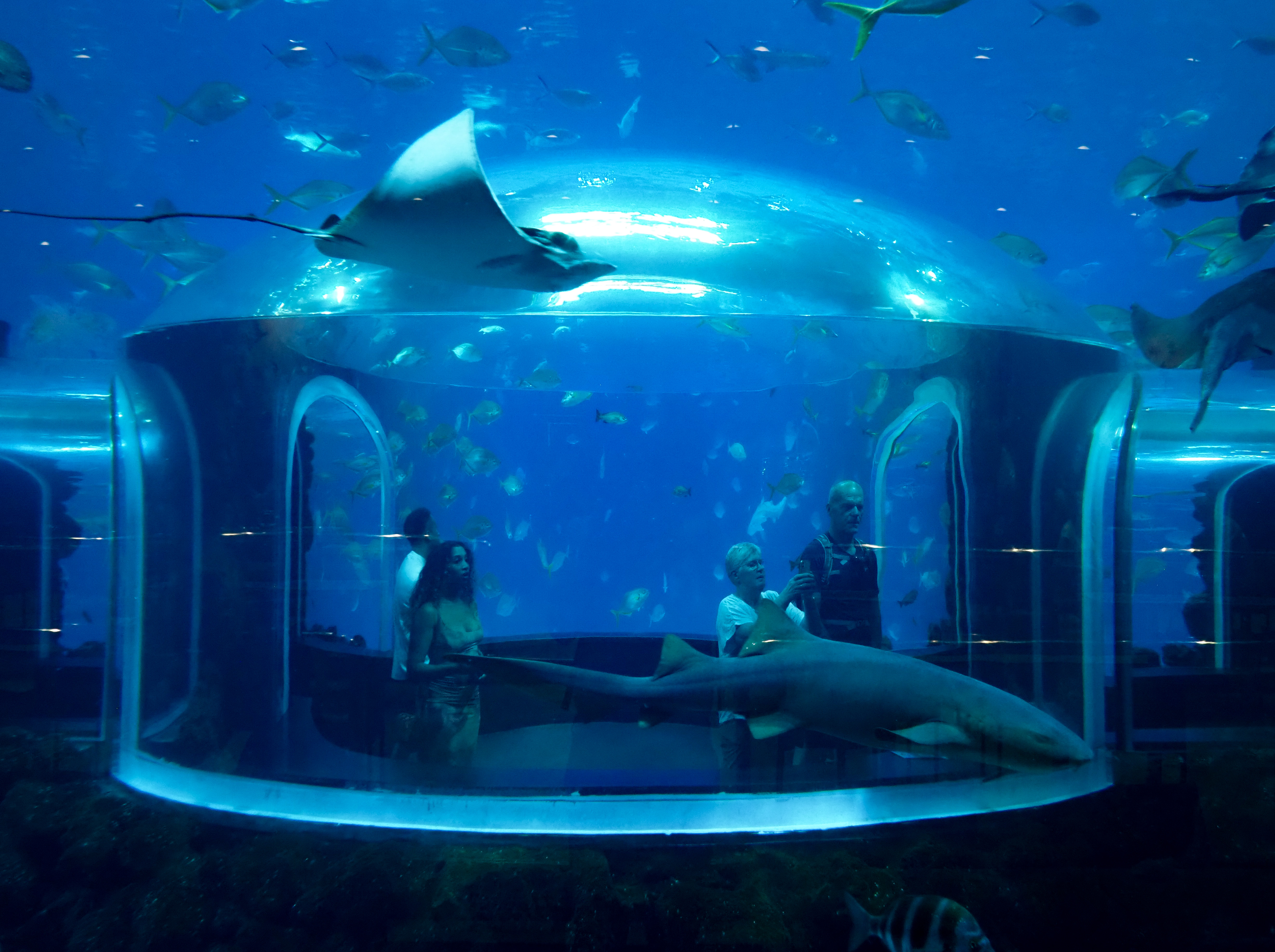
Aquariums are great places to take pictures. They are usually filled with a variety of spectacularly coloured, photogenic fish, the only downside being that the spaces surrounding the fish tanks are often quite dark, so it is necessary to pay attention to exposure settings. Or, just turn the dial on the camera to the auto setting and start snapping away! Mobile phones also usually do a great job of capturing the eerie blue light (see below).
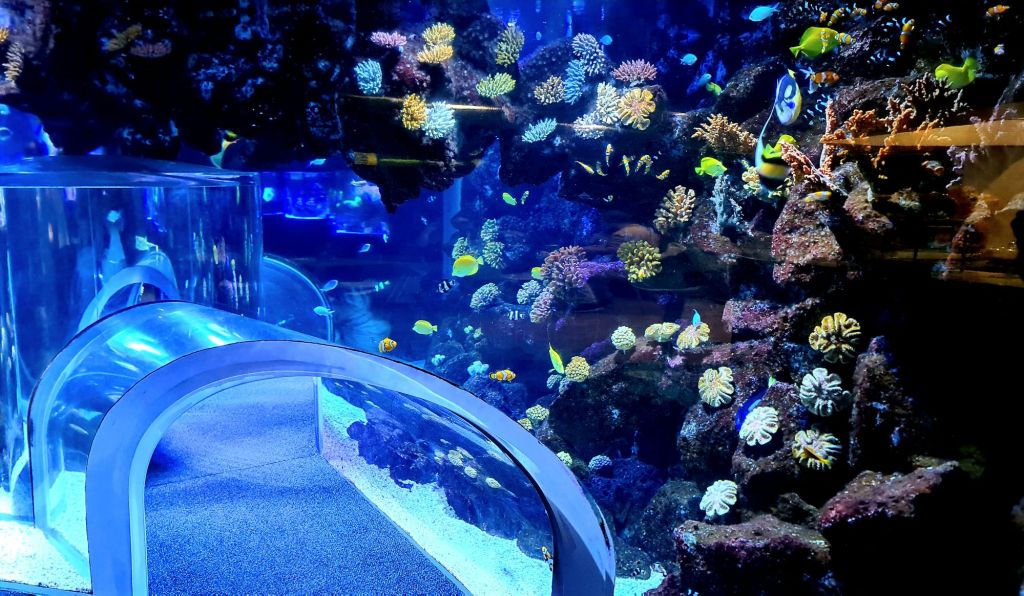
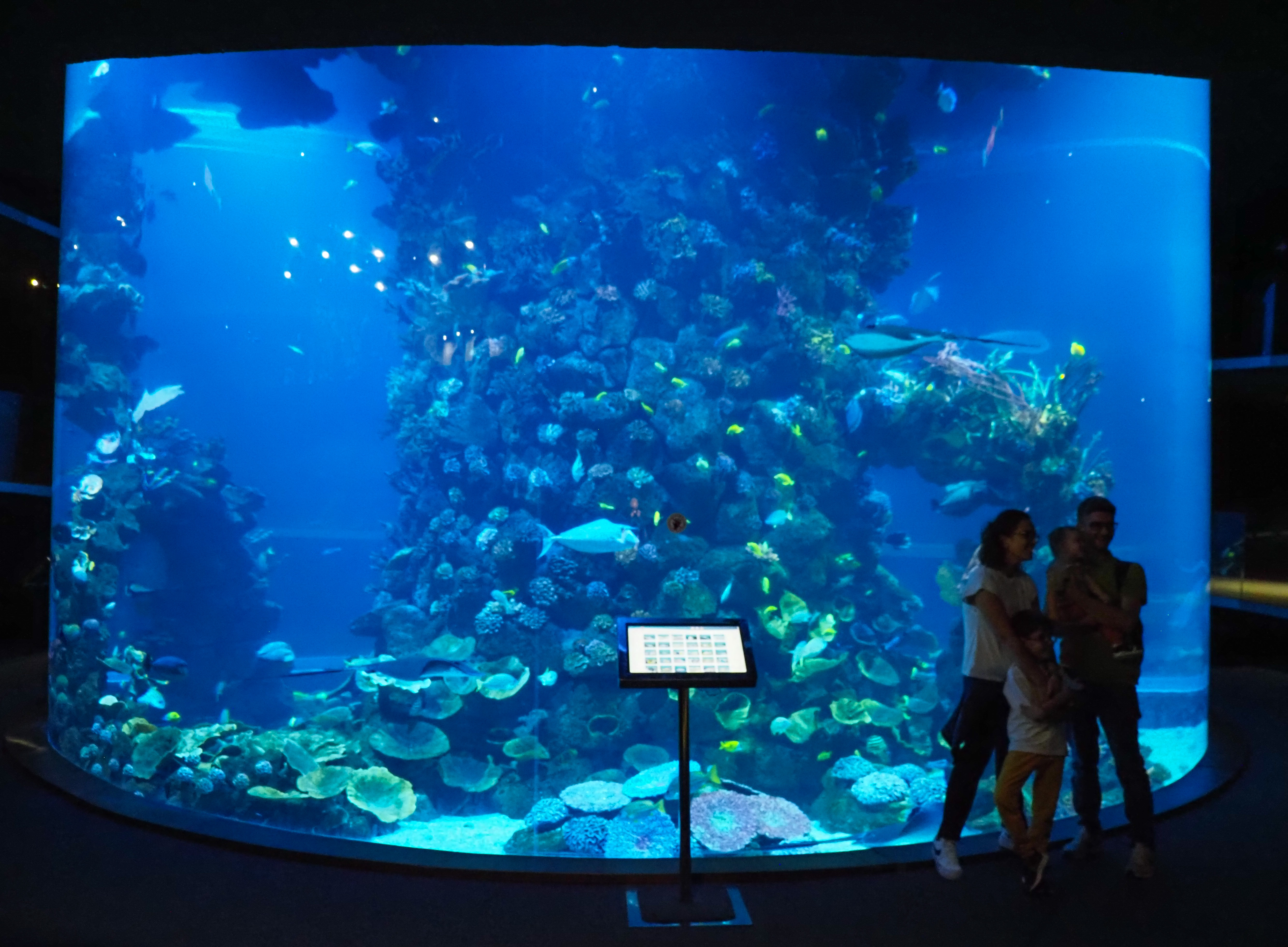
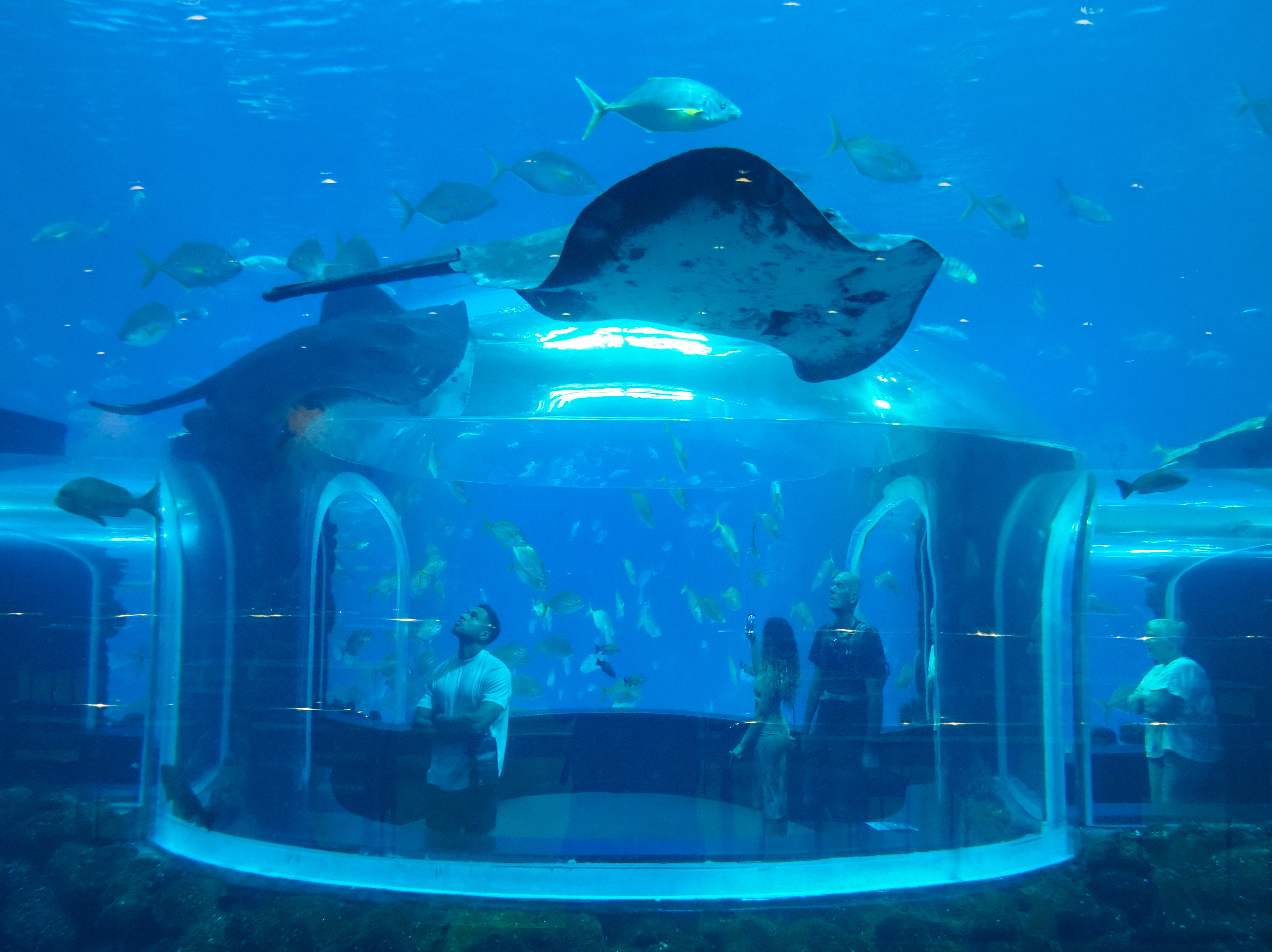
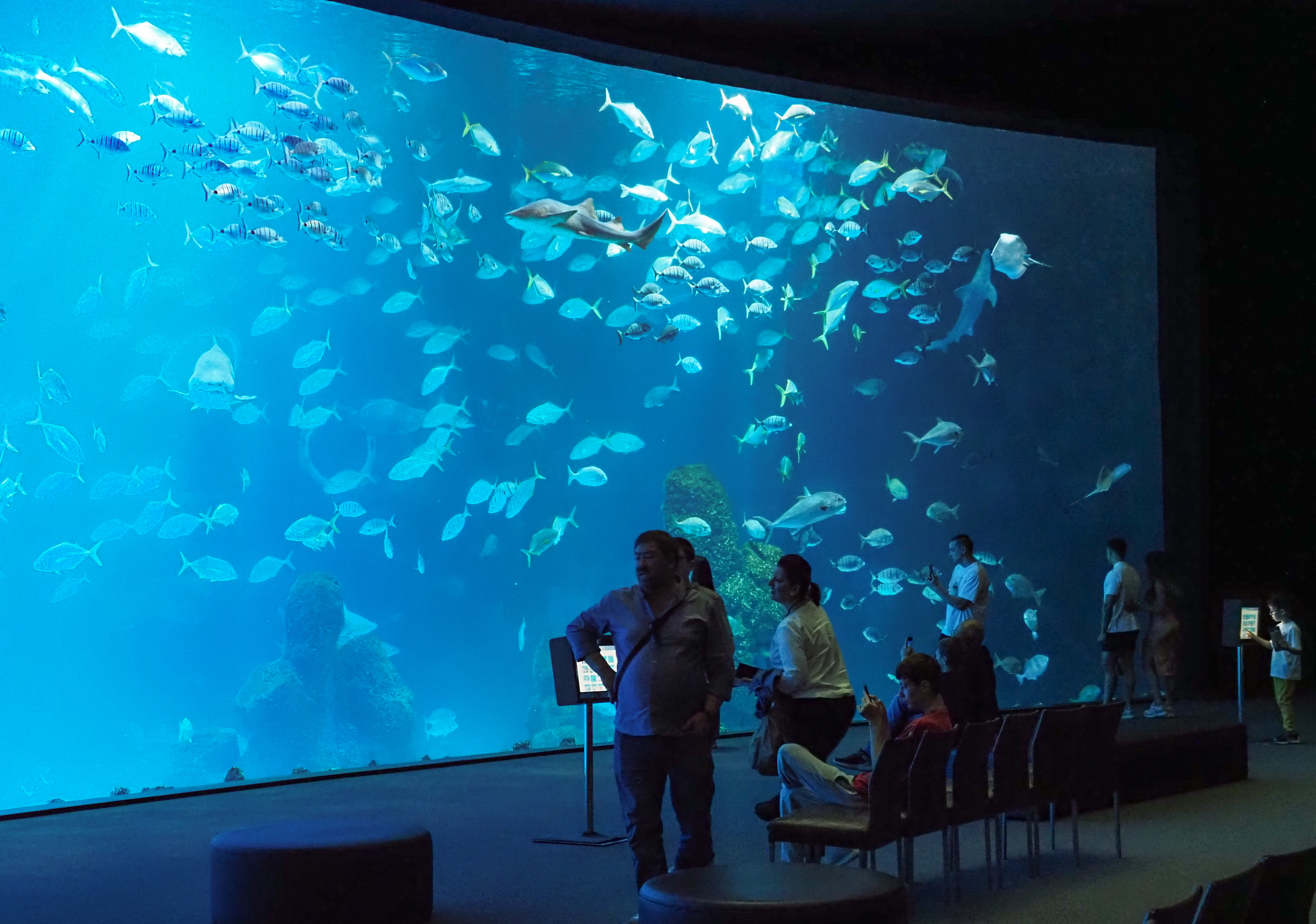
I was not expecting to come across an aquarium when our cruise ship docked in Gran Canaria earlier this month (Dec 2023) but it turned out to be one of the best in the world. Called Poema del Mar (‘Poem of the sea’), this large building is located in the northern part of Las Palmas de Gran Canaria. Not cheap, I paid 27 euros, but worth it I would suggest, if you have the cash to spare. Maintaining these huge tanks must be expensive!
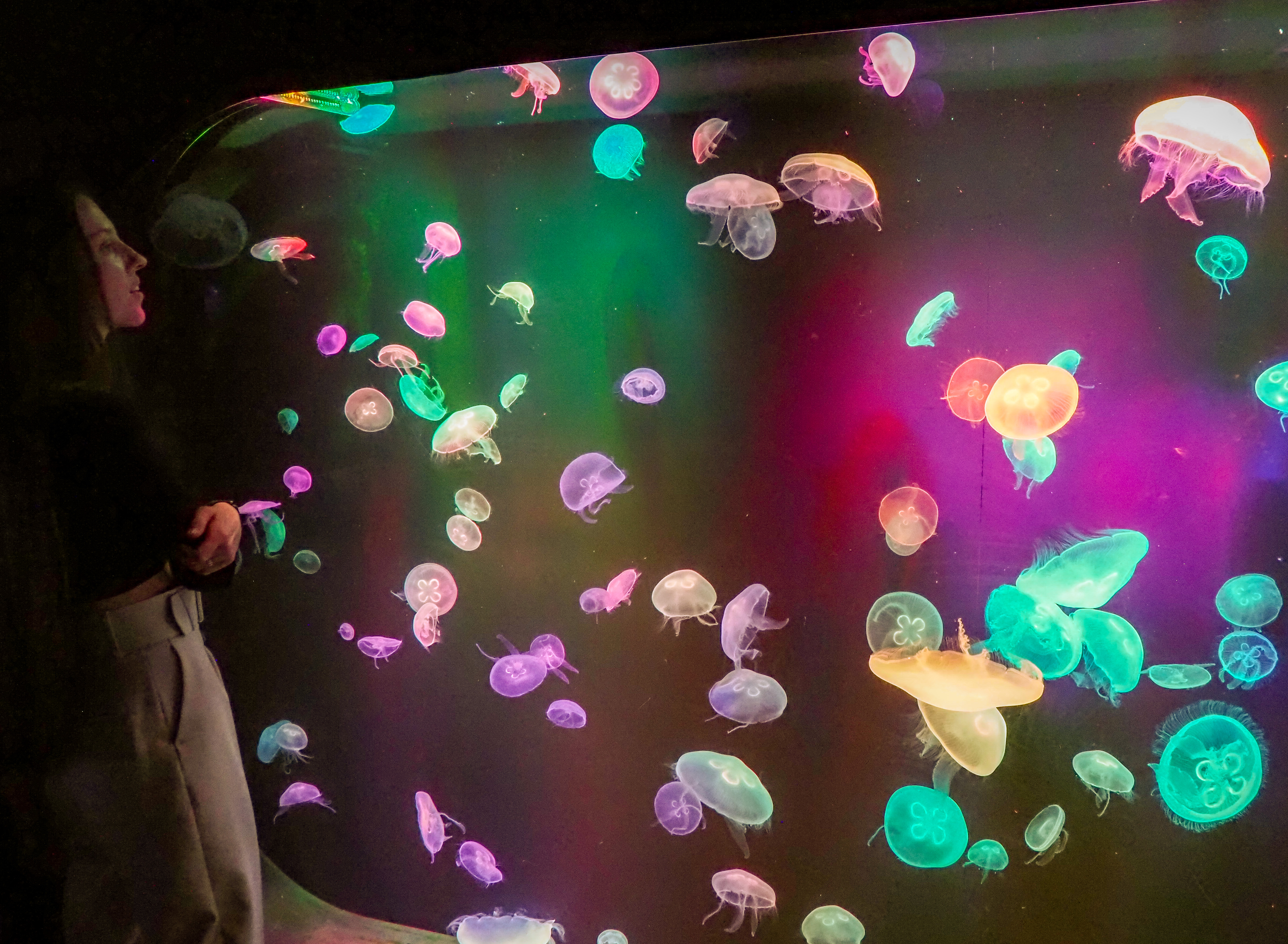
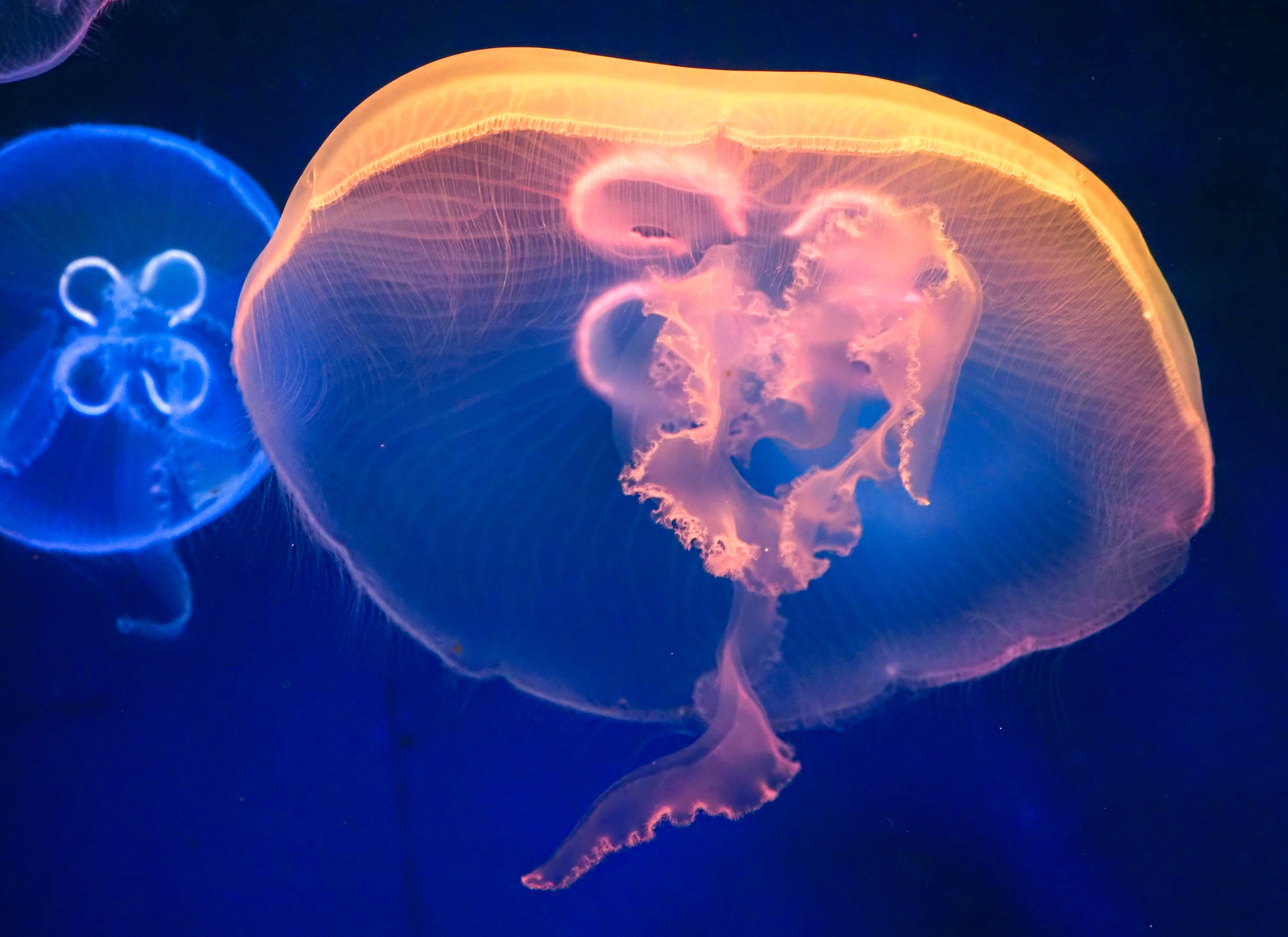
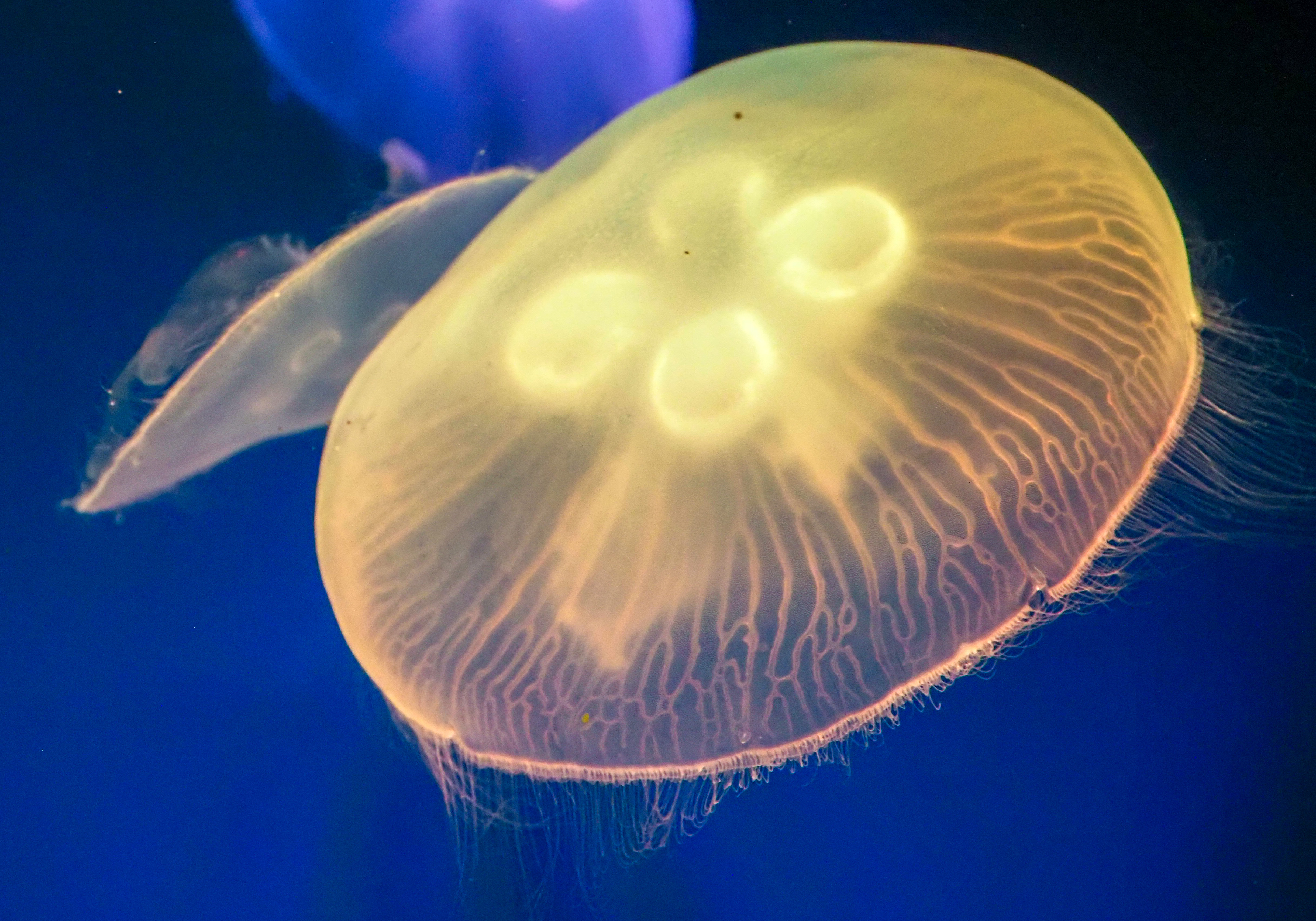
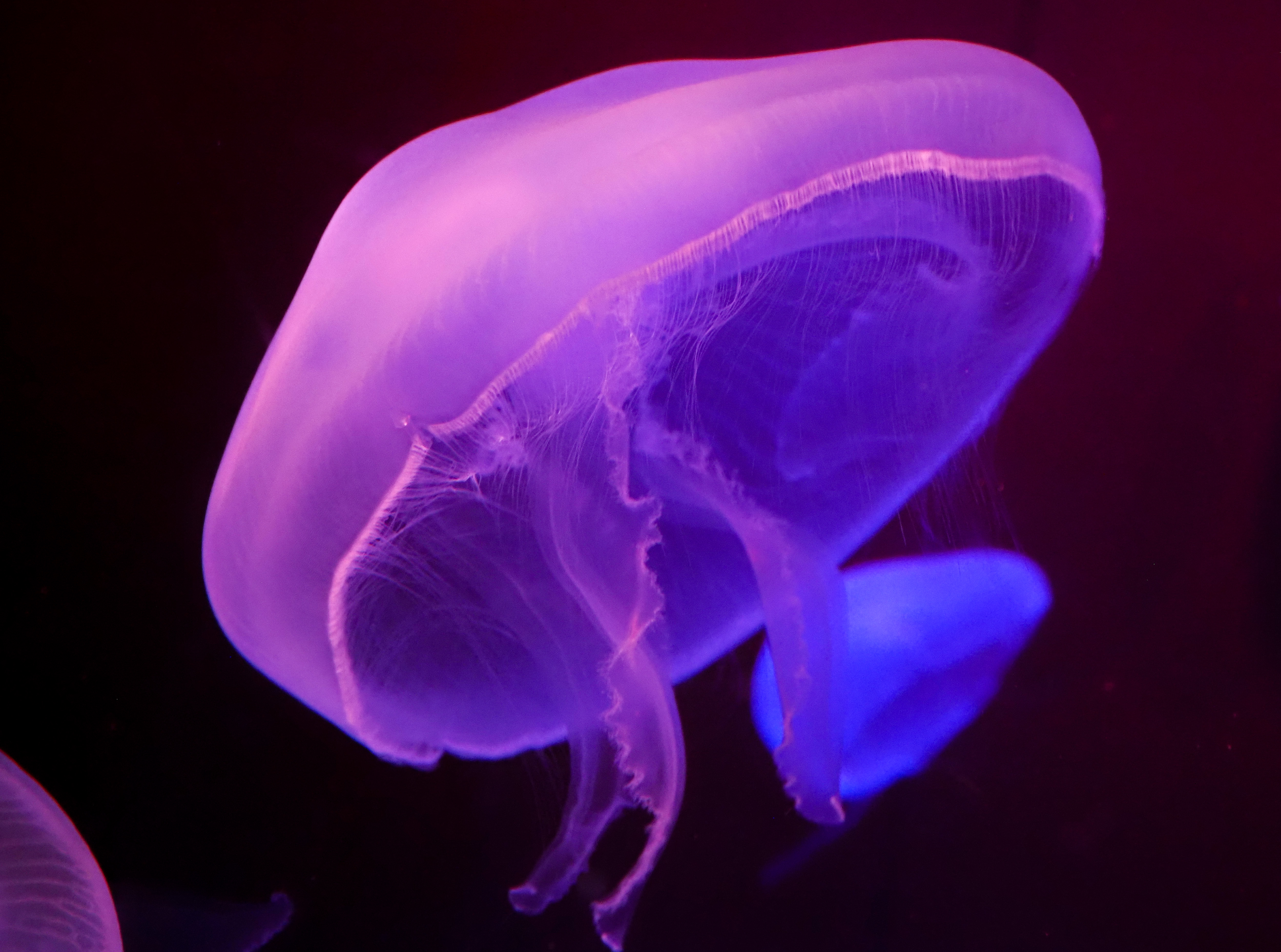
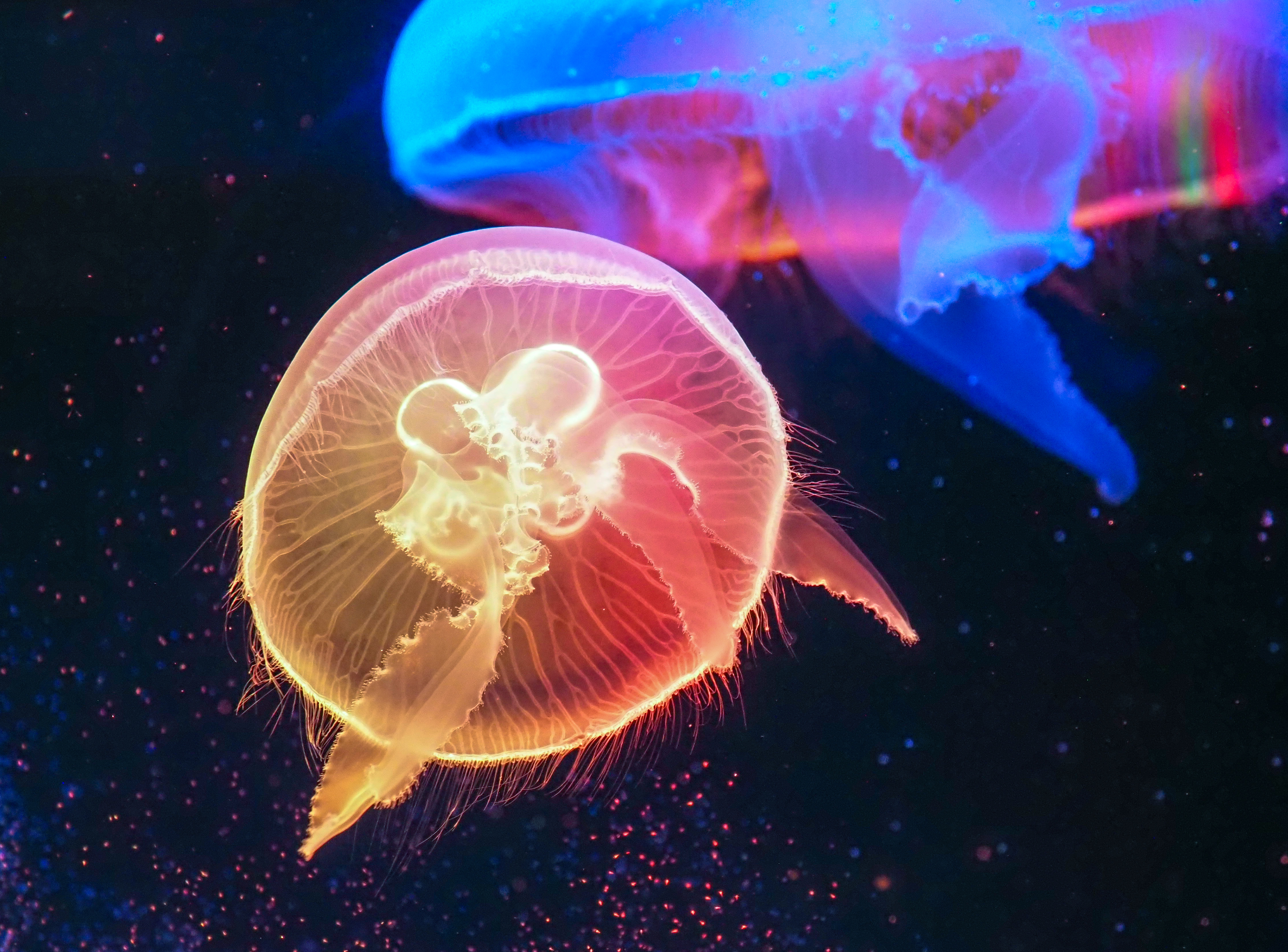
Moon jellyfish, or common jellyfish, Aurelia aurita, are rather simple invertebrates in the phylum Cnidaria, Class Scyphozoa (true jellyfish). I hope they will excuse me for calling them simple! They are in fact, incredibly successful organisms, having existed on this planet for a colossal length of time: cnidarians are thought to have originated some 741 million years ago (Ma) (+/- 686-819 Ma), with the major taxa we see today diversifying prior to the Cambrian epoch (543 Ma).
They lack respiratory, excretory, and circulatory systems, but that does not seem to inhibit them in any way, and they float around feeding on plankton and being fed on themselves by all number of other predators, including fish and other jellyfish, such as the lion’s mane jellyfish, Cyanea capillata (below).
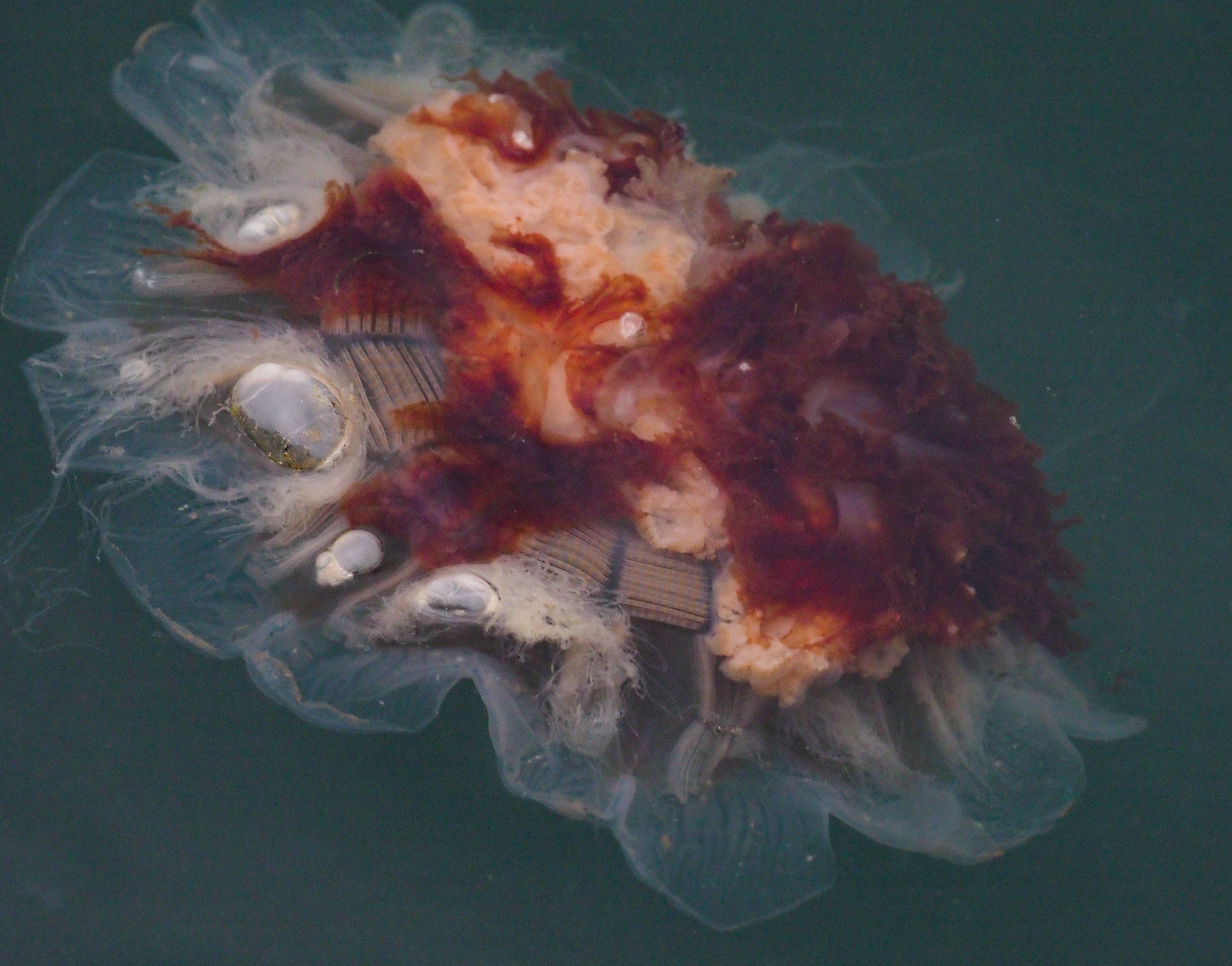
Moon jelly fish are incredibly common in oceans around the world and can survive in water temperatures ranging from 6–31 °C (the optimum temperatures are 9–19 °C). I have often seen moon jellyfish floating about in tanks in other aquaria around the world, but the use of coloured lights to illuminate them created a very pleasing effect.
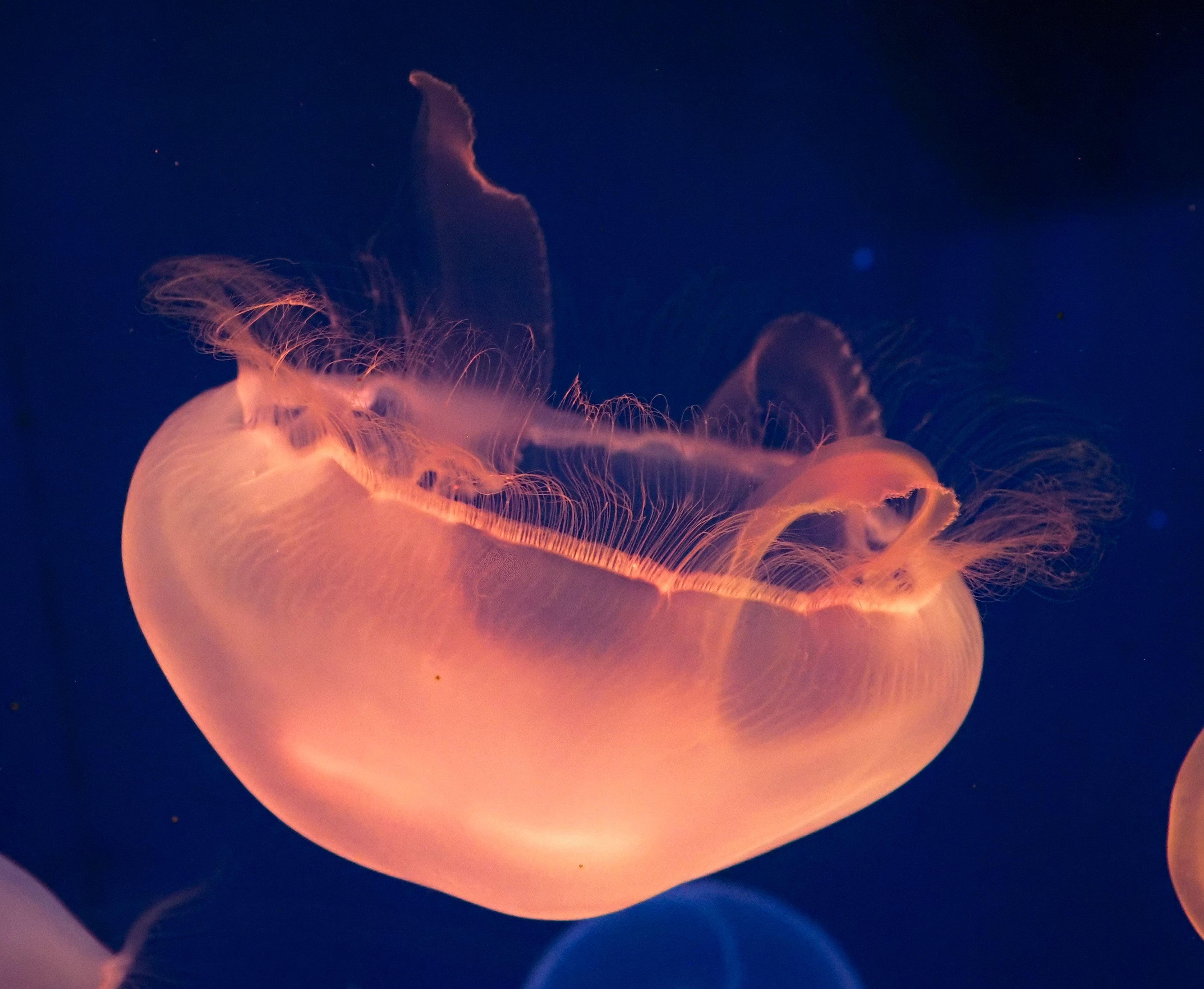
The nematocyst-laden tentacles hang down below the translucent body and bring captured prey items back into its body for digestion by the medusa. Technically speaking, jellyfish, also called sea jellies, are the medusa-phase of certain gelatinous members of the subphylum Medusozoa.
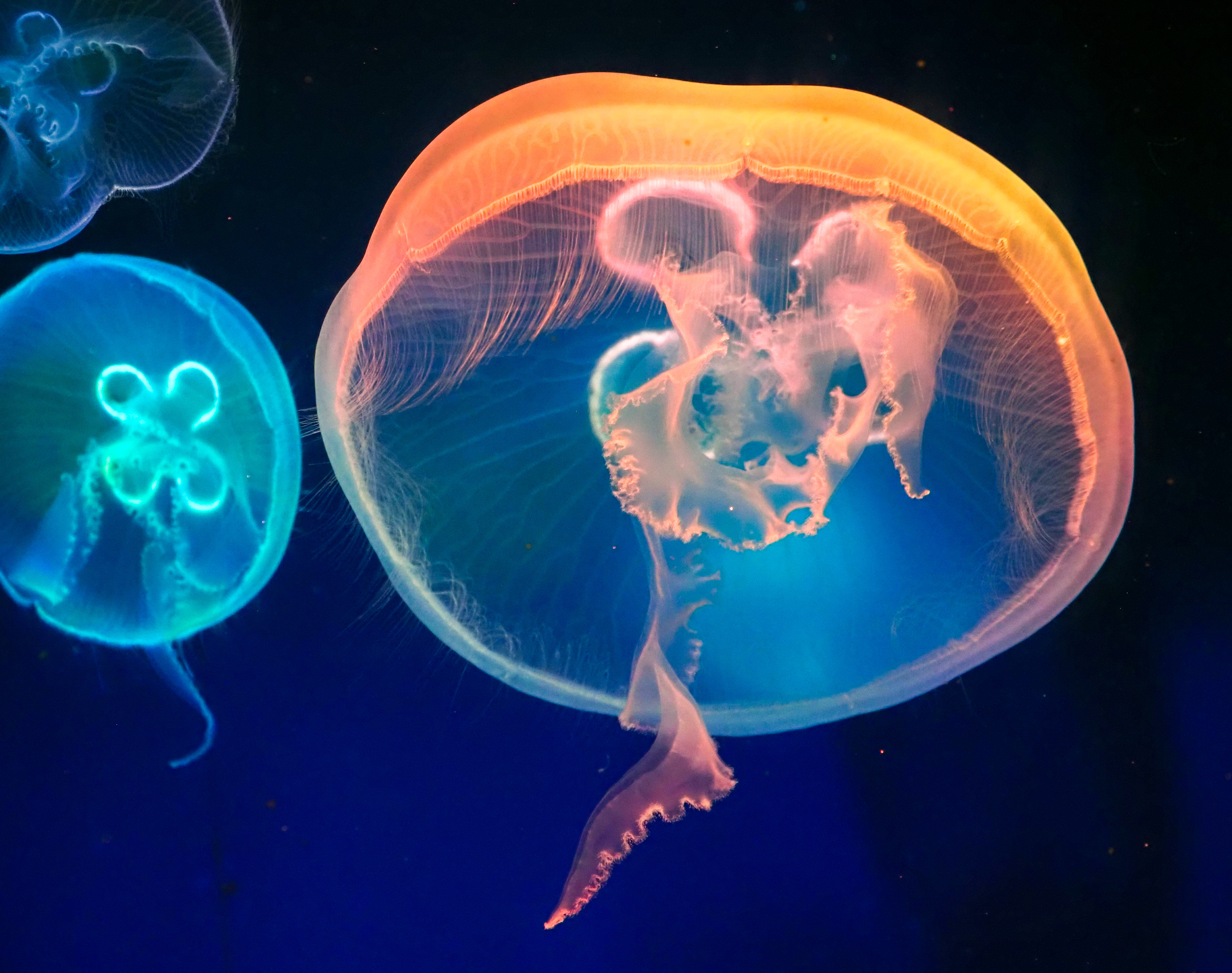
There are male and female jellyfish – although they can also reproduce asexually, which is always useful! – and four horseshoe-shaped gonads, are located in the centre of the invertebrate, but under the stomach (see below).
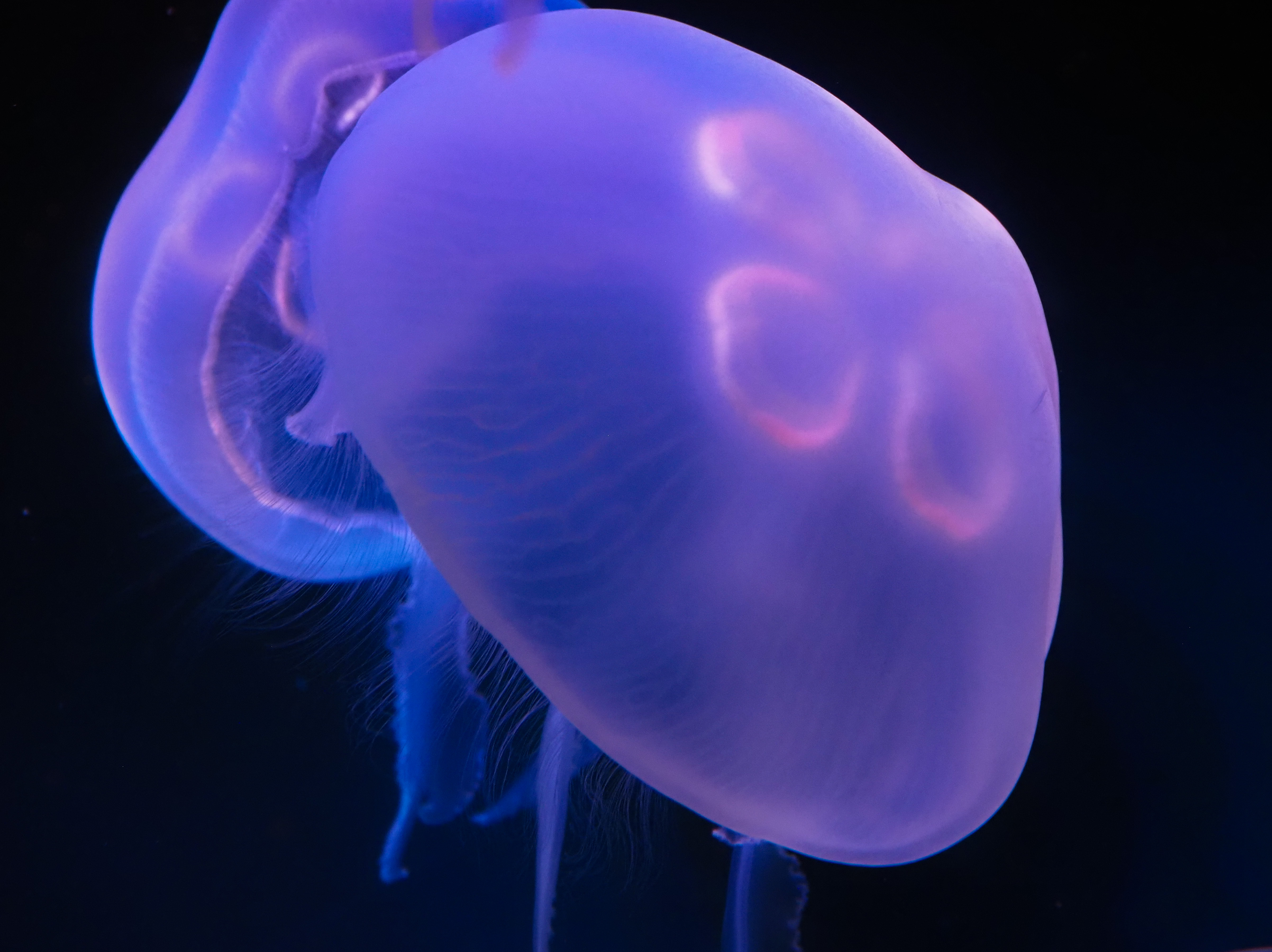
The common or moon jellyfish
I discovered that the genome of the moon jellyfish Aurelia has been sequenced, and found to comprise a total of 713 million bases (Mb) (Gold et al., 2019). Compare that to the humane genome, which has about 3 billion base pairs of DNA, distributed across 23 chromosomes. Not sure how many chromosomes this jellyfish has; some reports say 44, others say 210!
I’m not sure how proud we should be at having four times as much DNA as a jellyfish! It seems a rather meagre step up, given all the complex organs – especially our brains – and behaviours we possess.
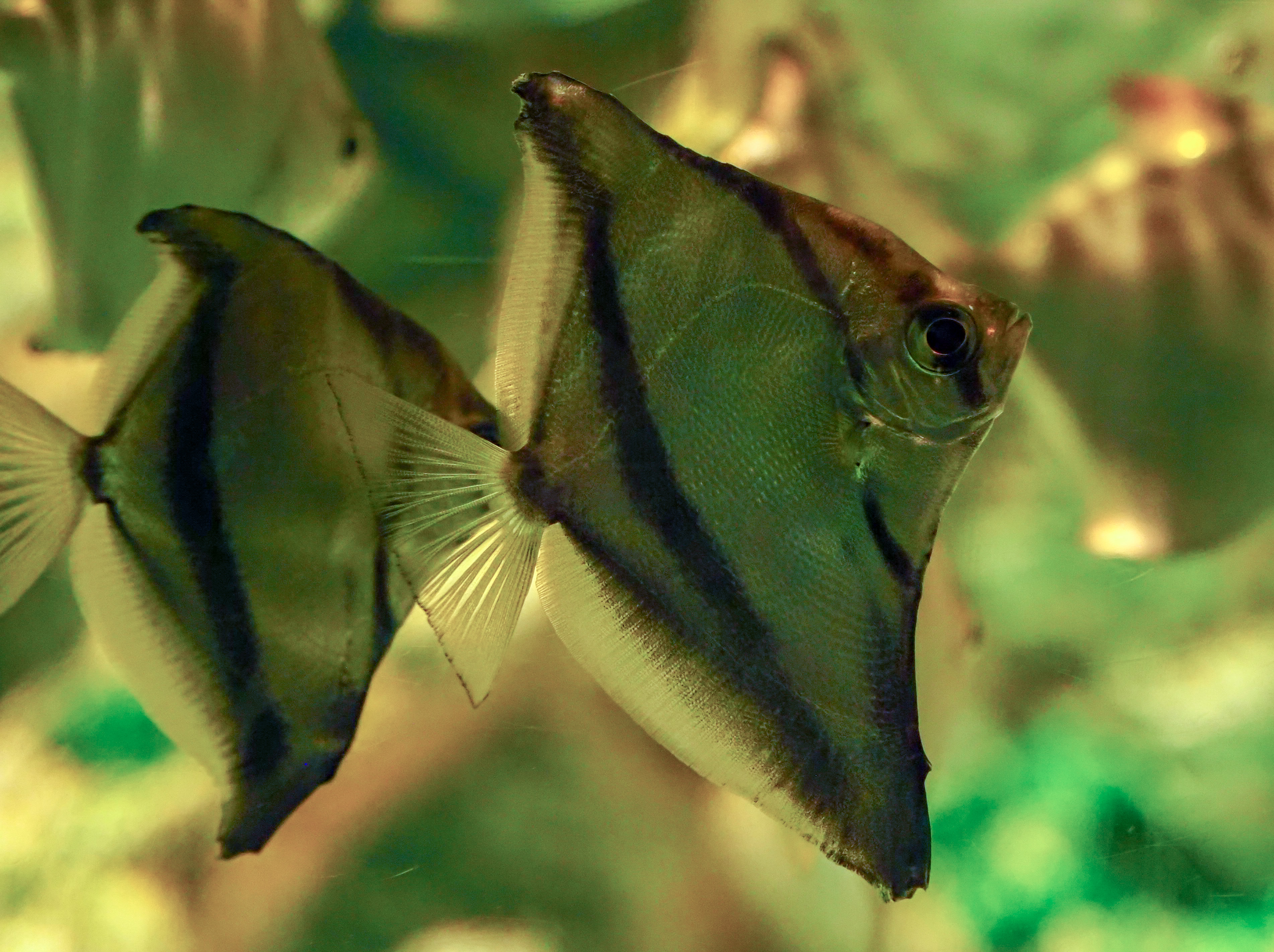
Another organism which is commonly kept and displayed in aquaria, is the ‘lookdown’ (Selene vomer). This rather striking looking fish (in the family Carangidae) are reported to be very hardy and long-lived aquarium specimens. They look to me like they might be deep-sea fish, but they actually occur at depths of 1 to 53 meters.
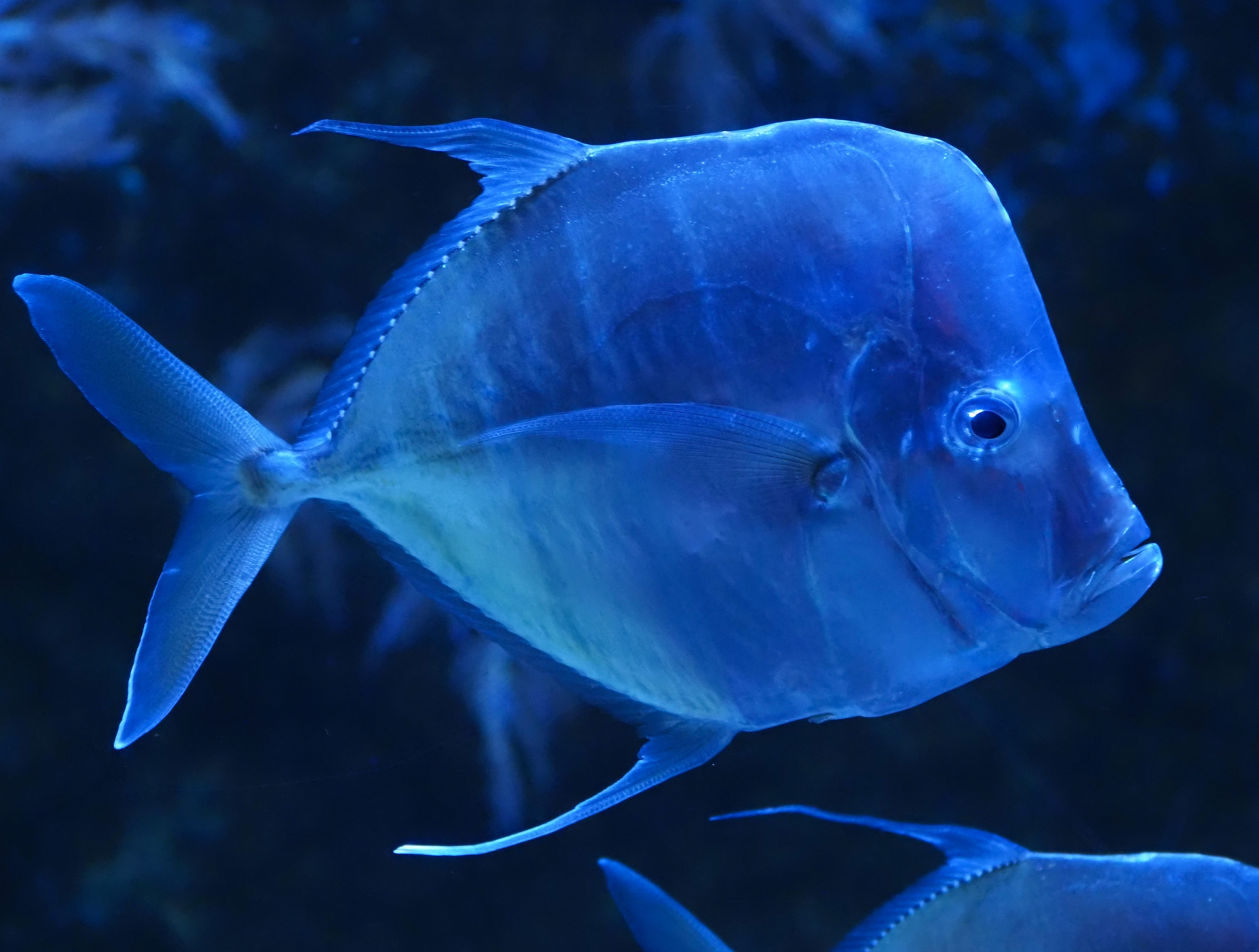
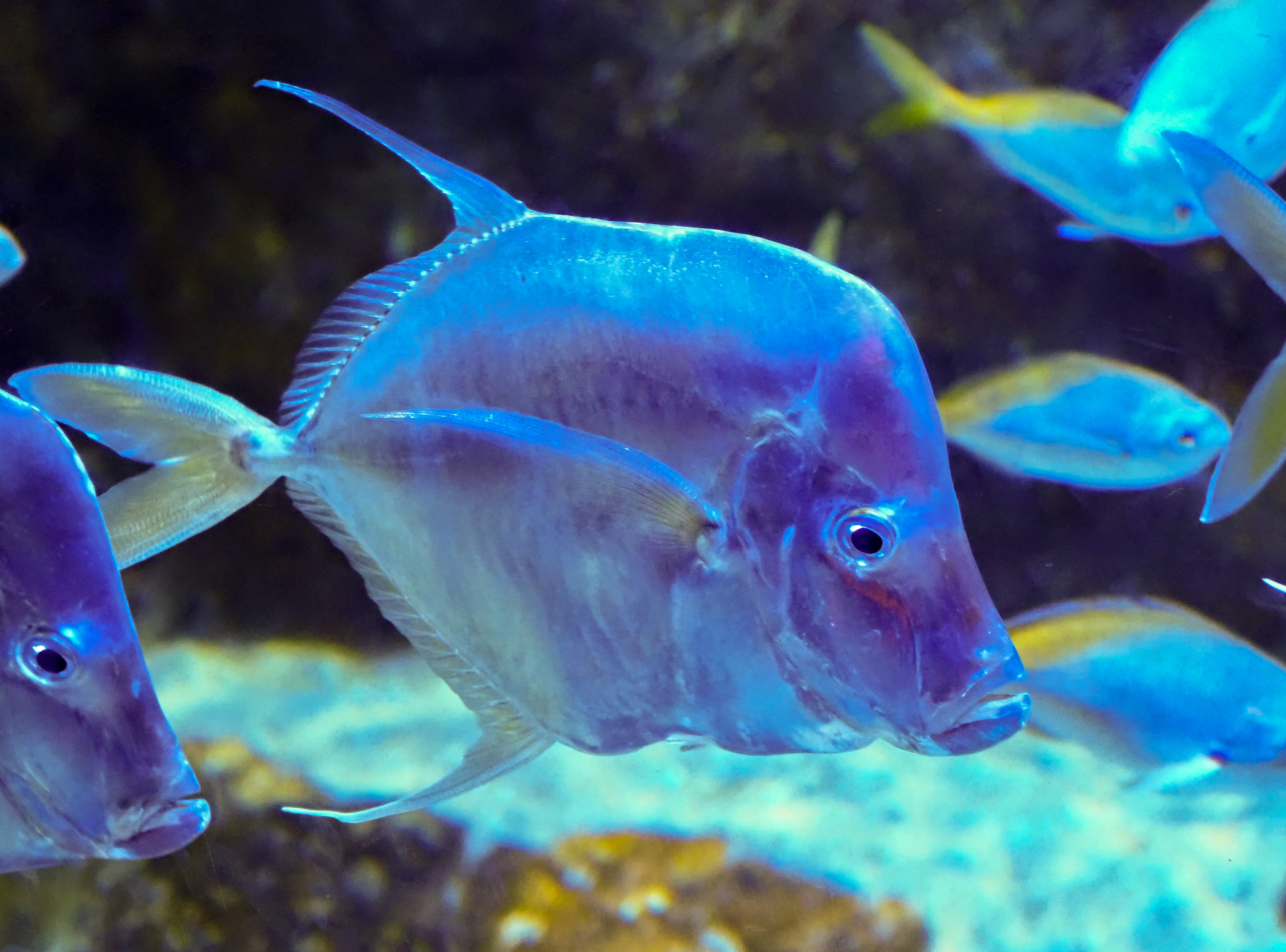
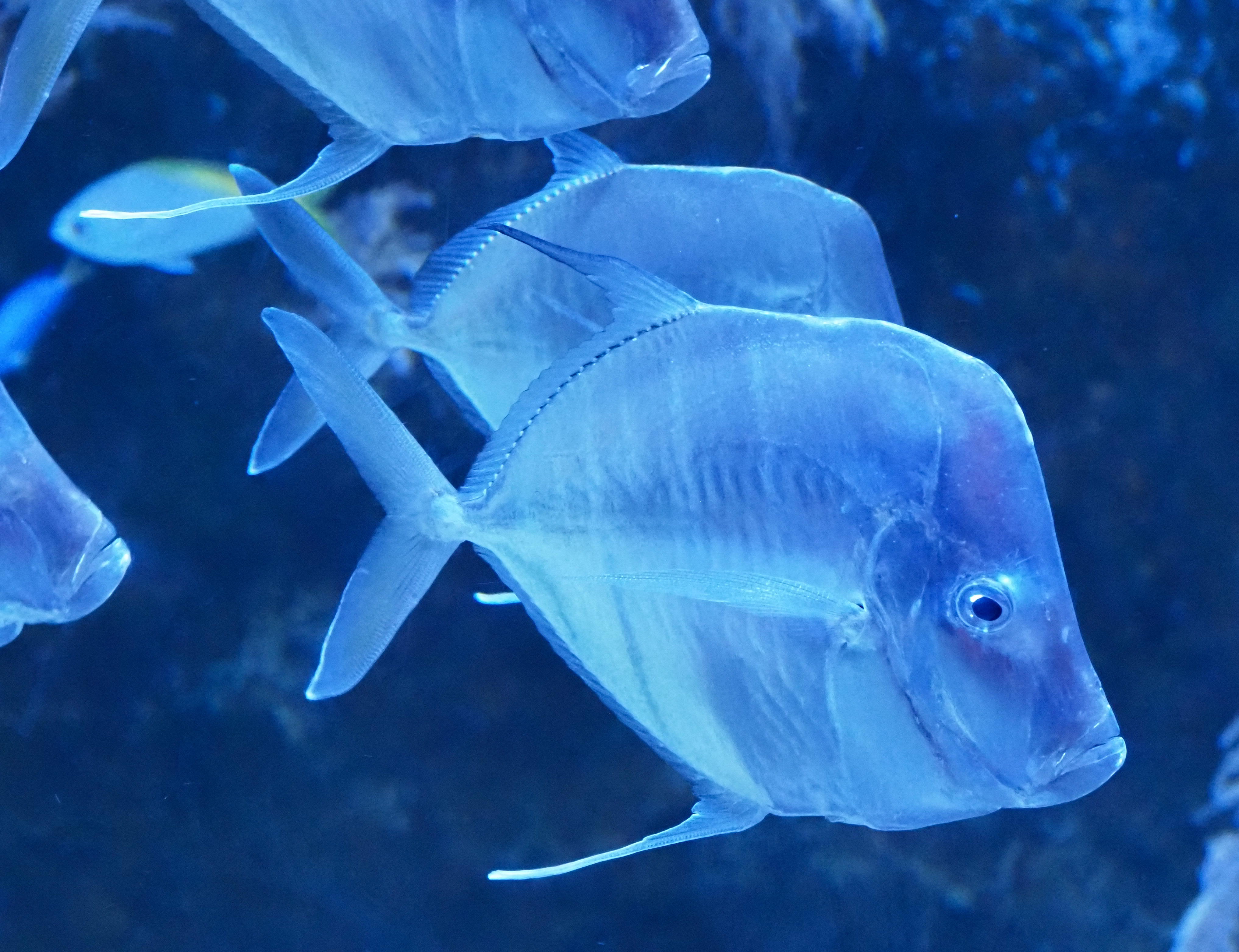
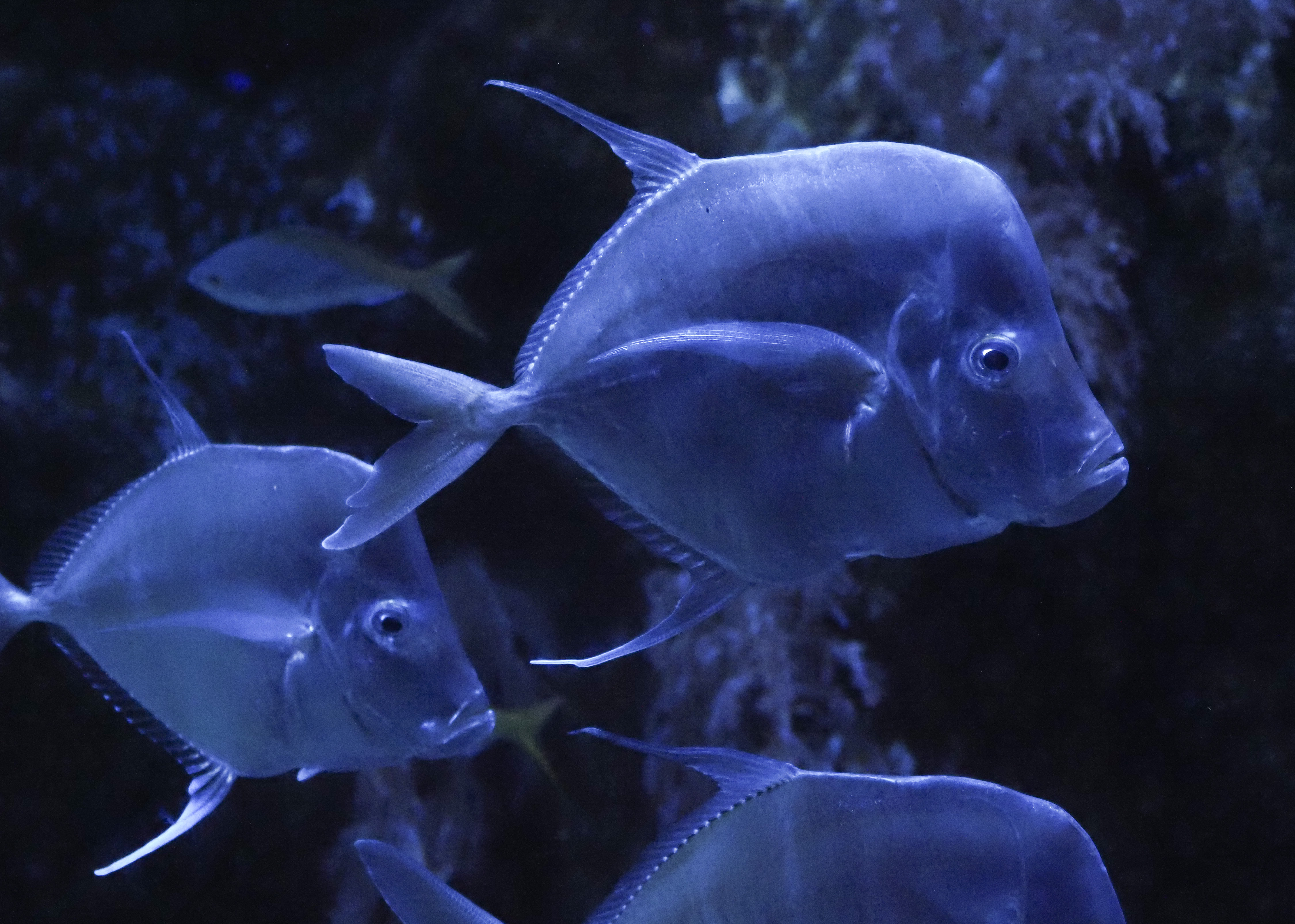
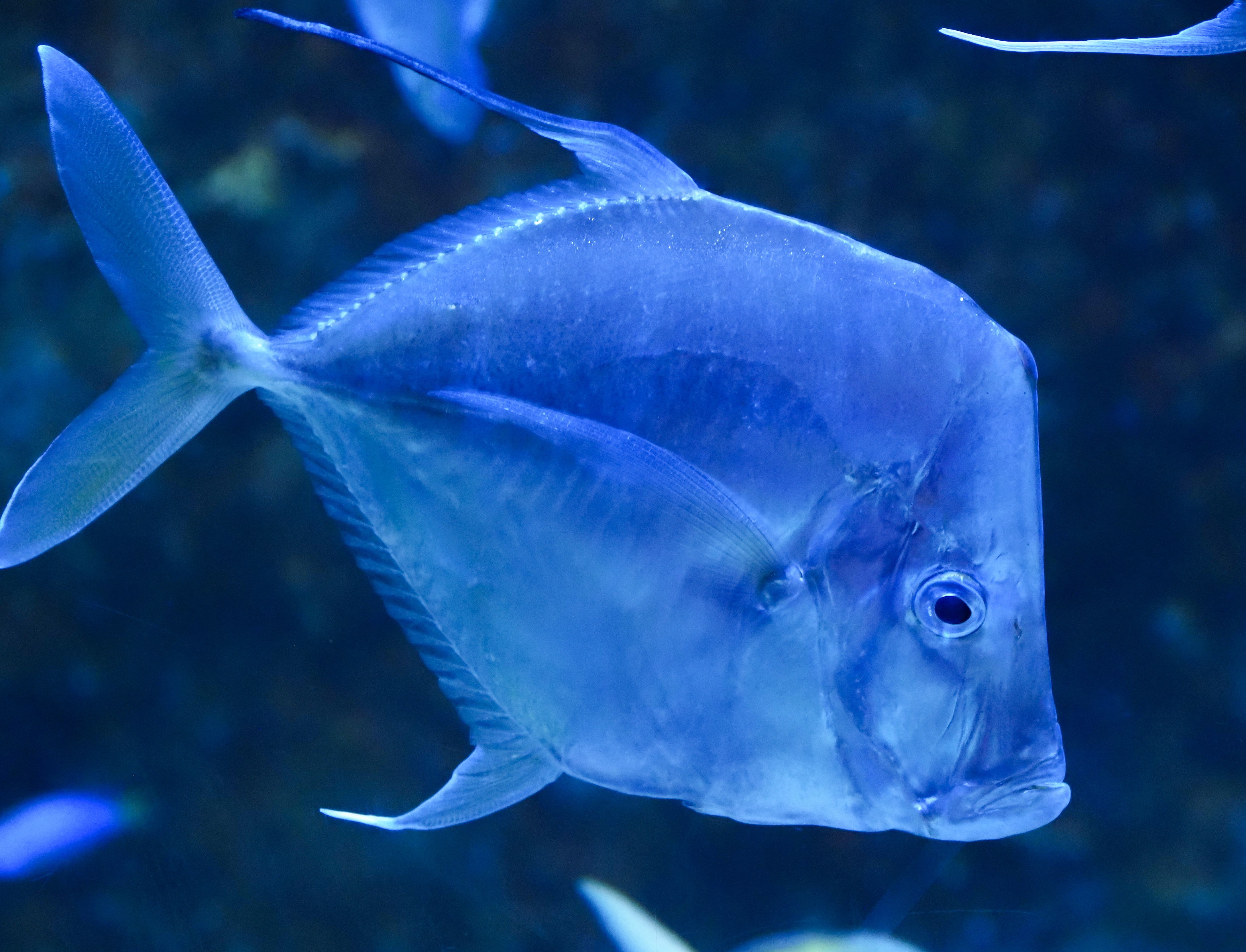
Lookdowns look even more amazing when you just see the bones, in an X-ray photograph!
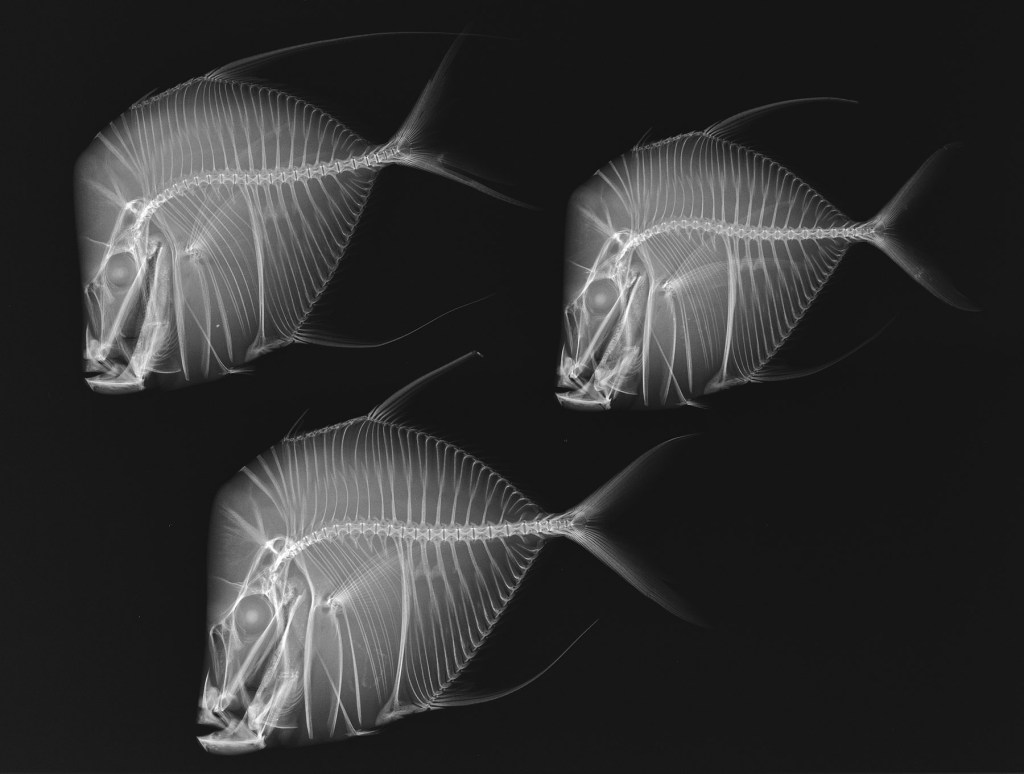
Selene vomer, X-ray image by Sandra Raredon Smithsonian Institution (Public Domain)
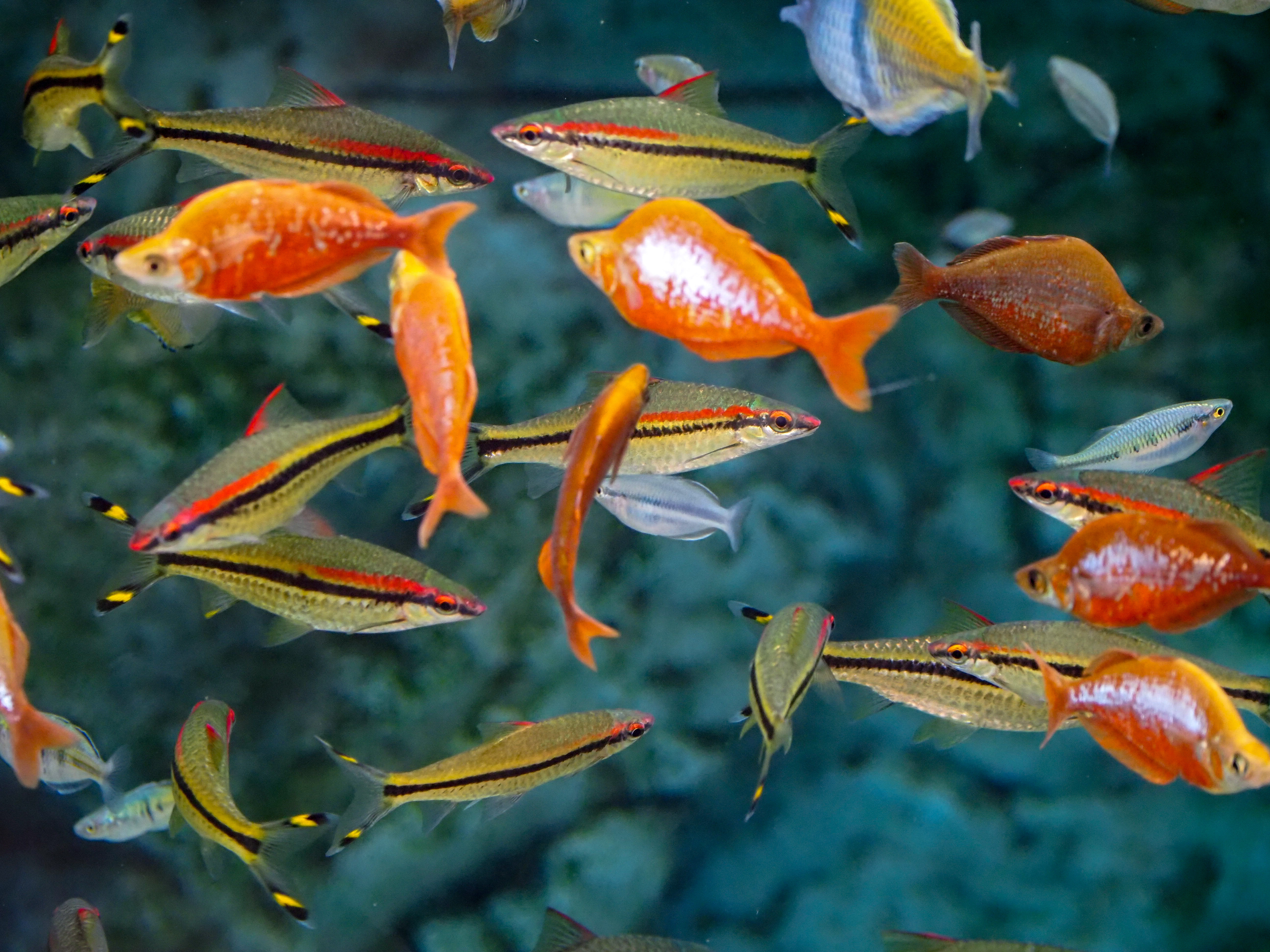
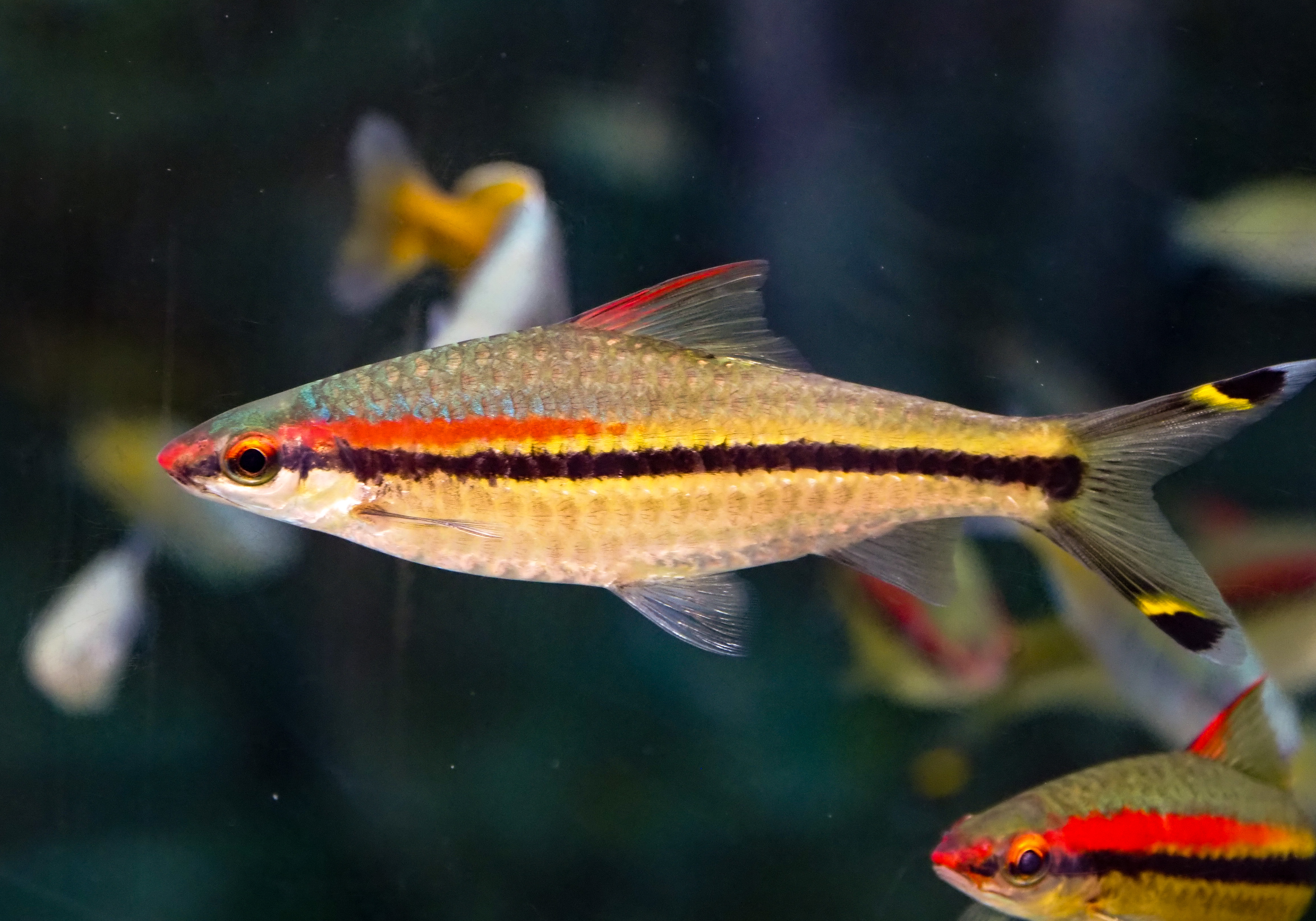
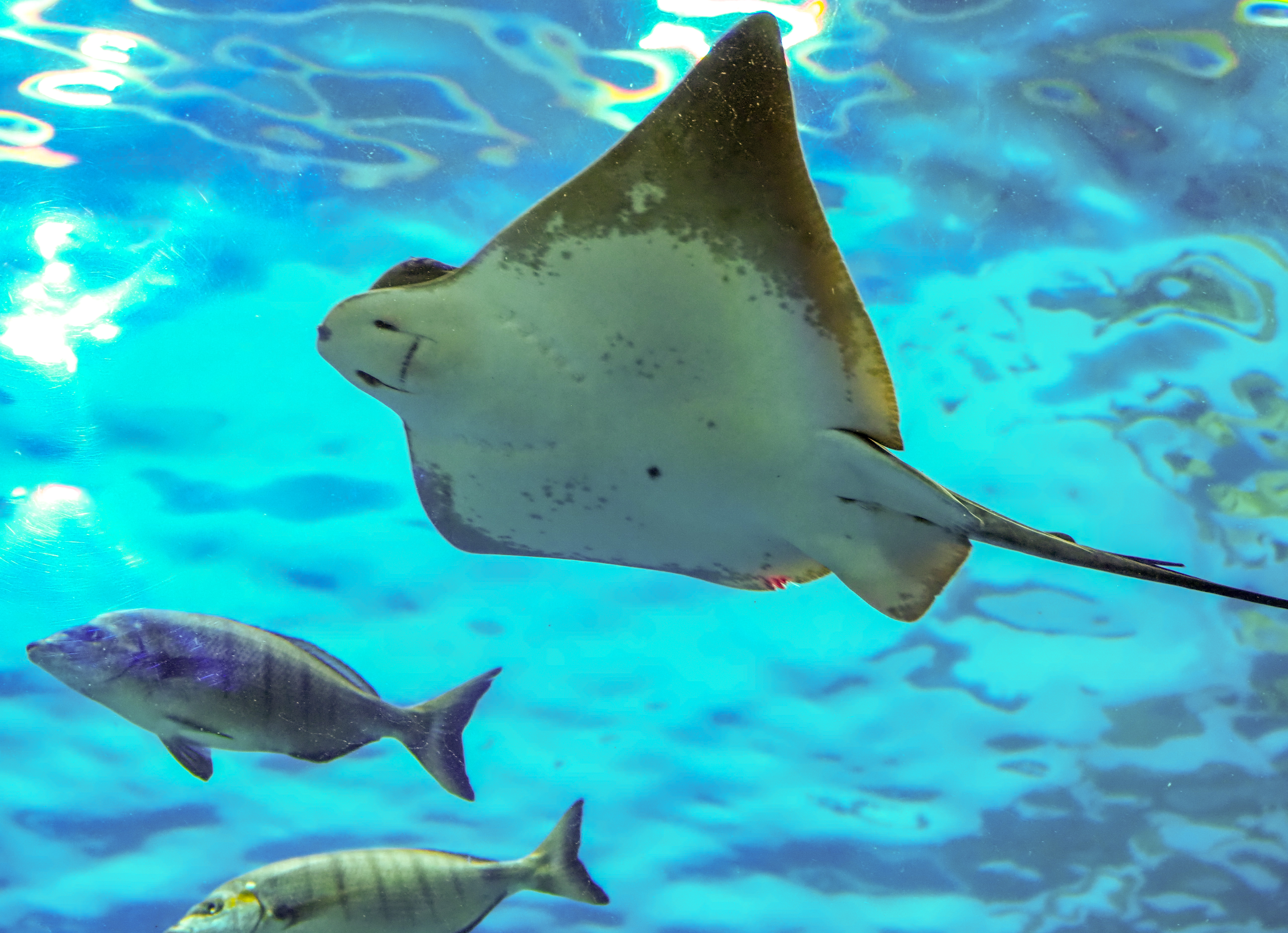
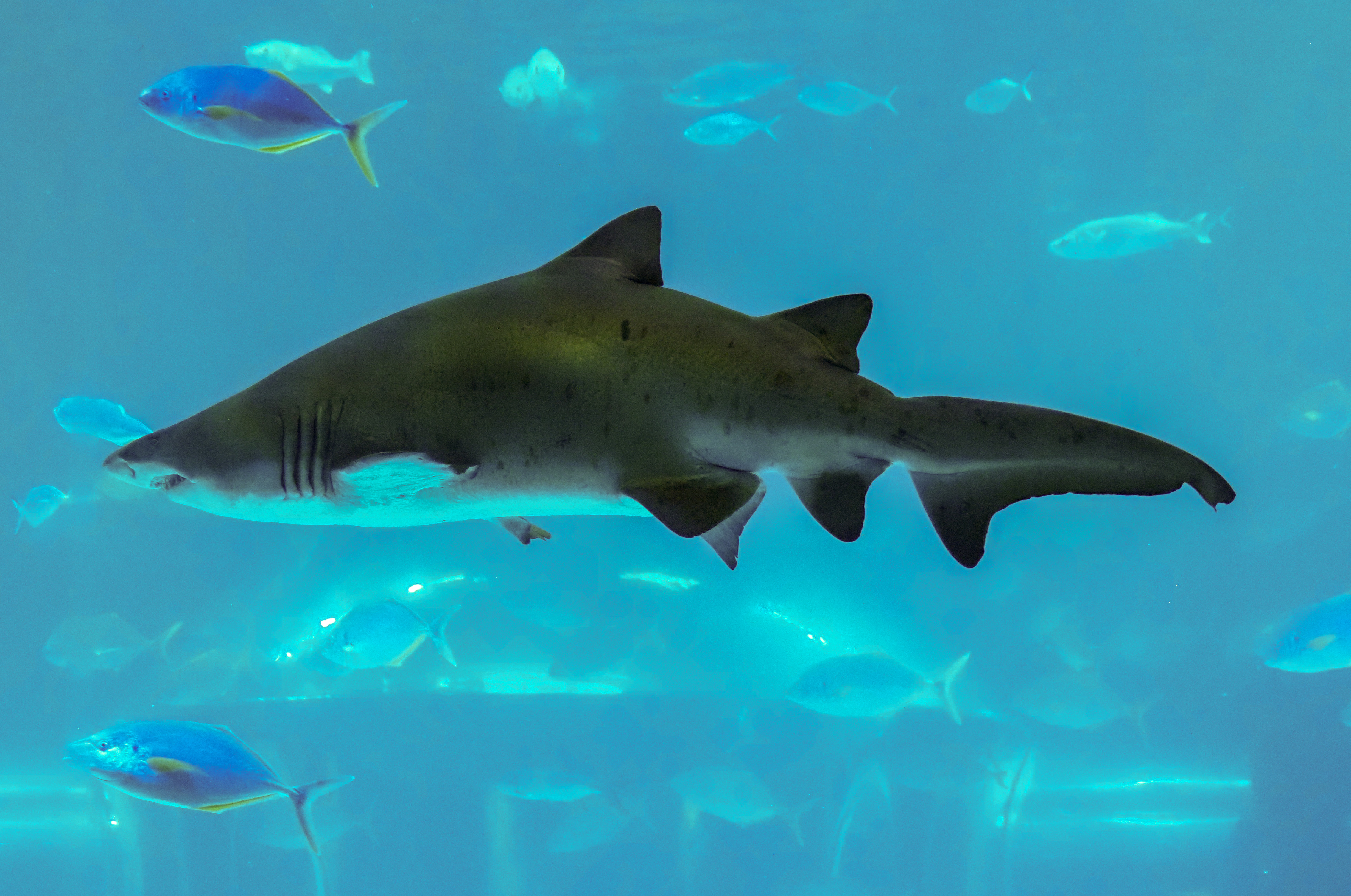
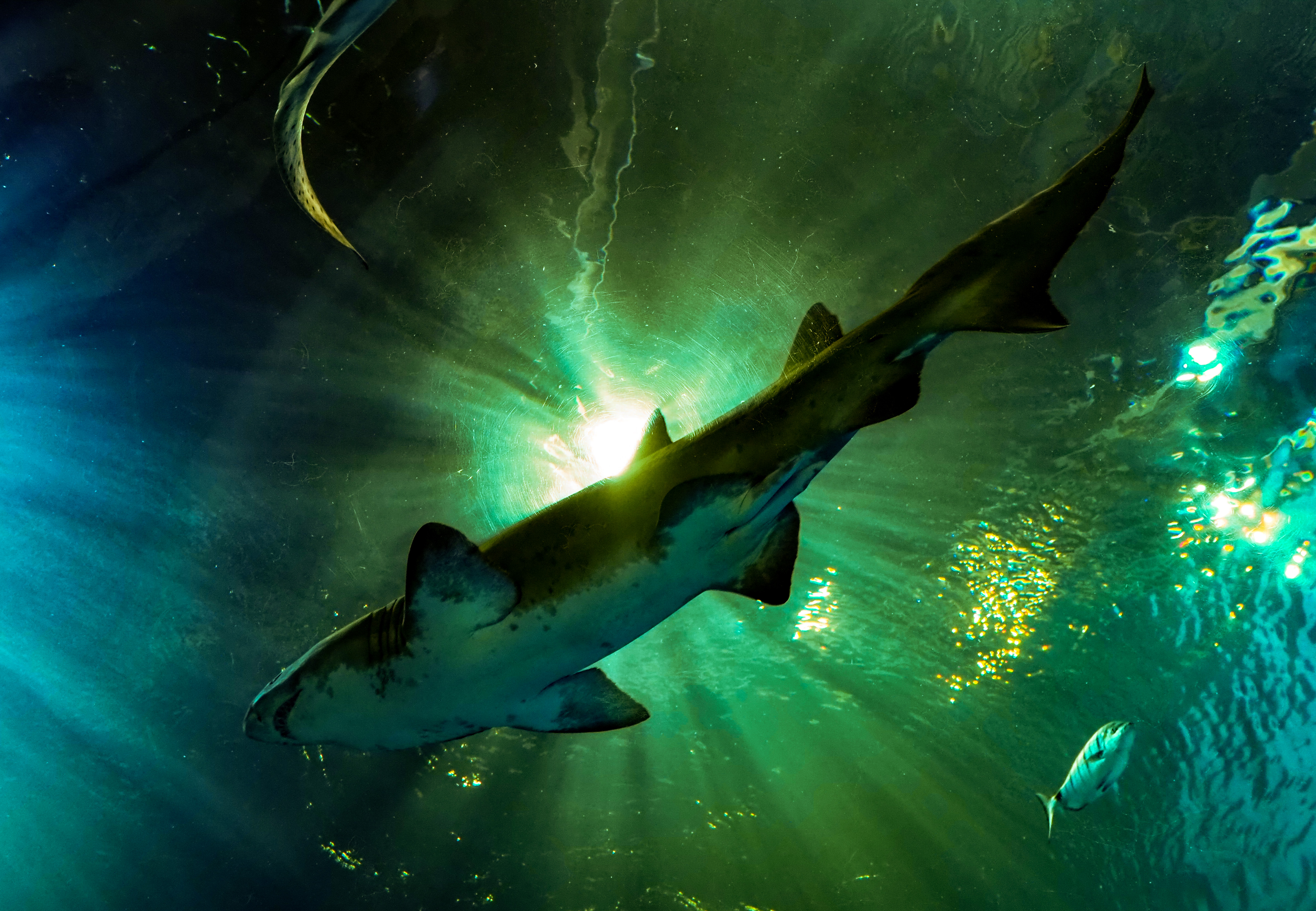
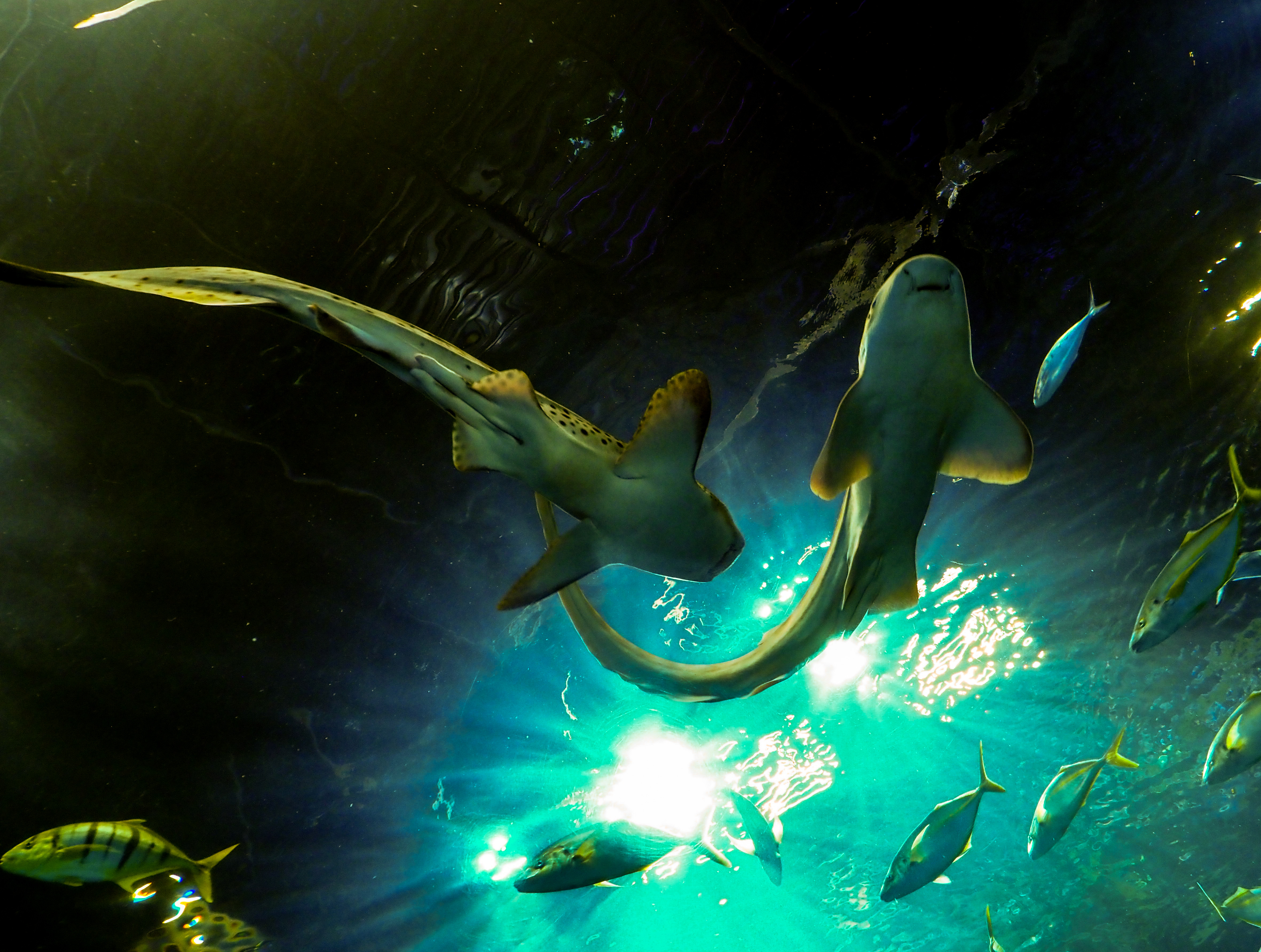
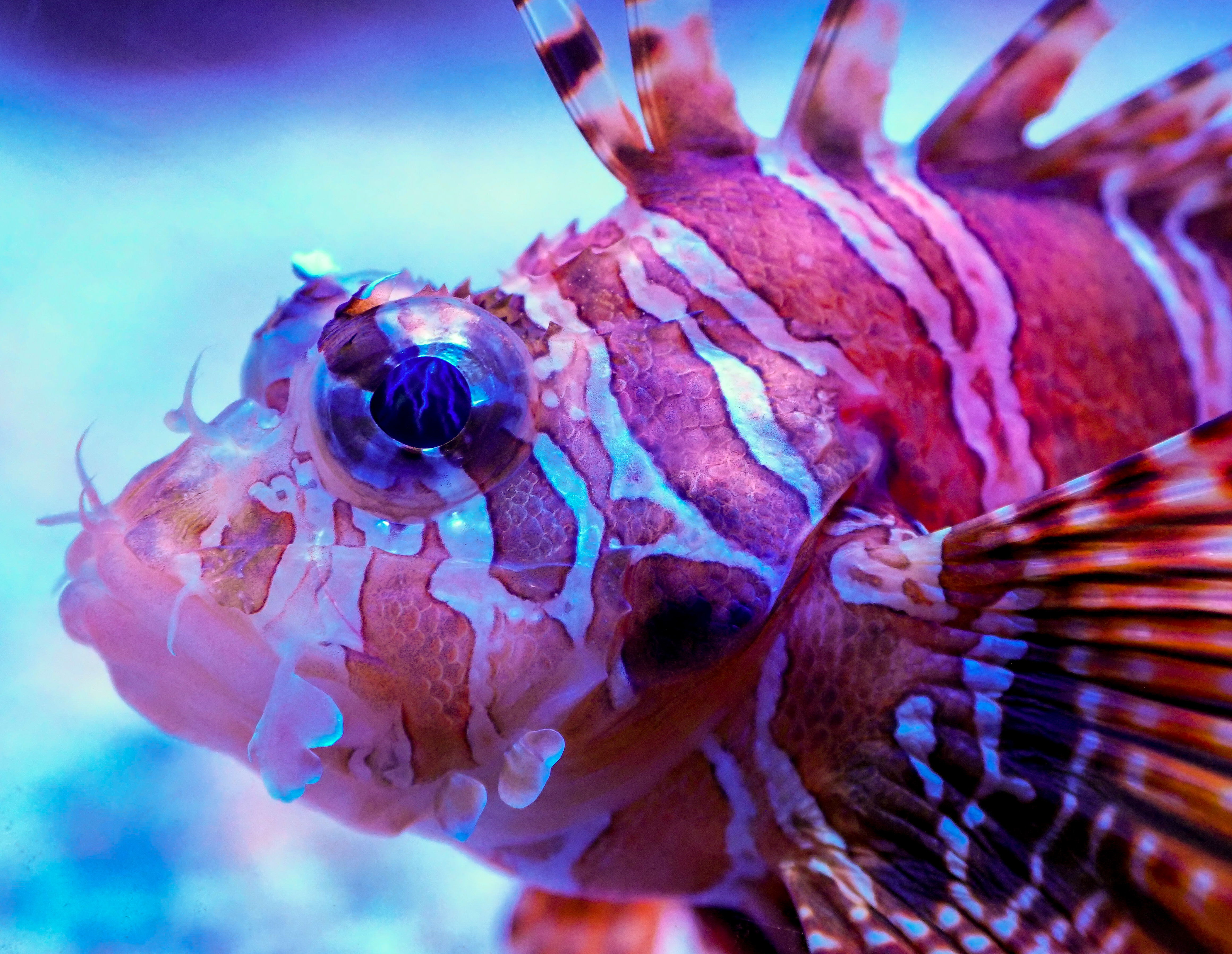
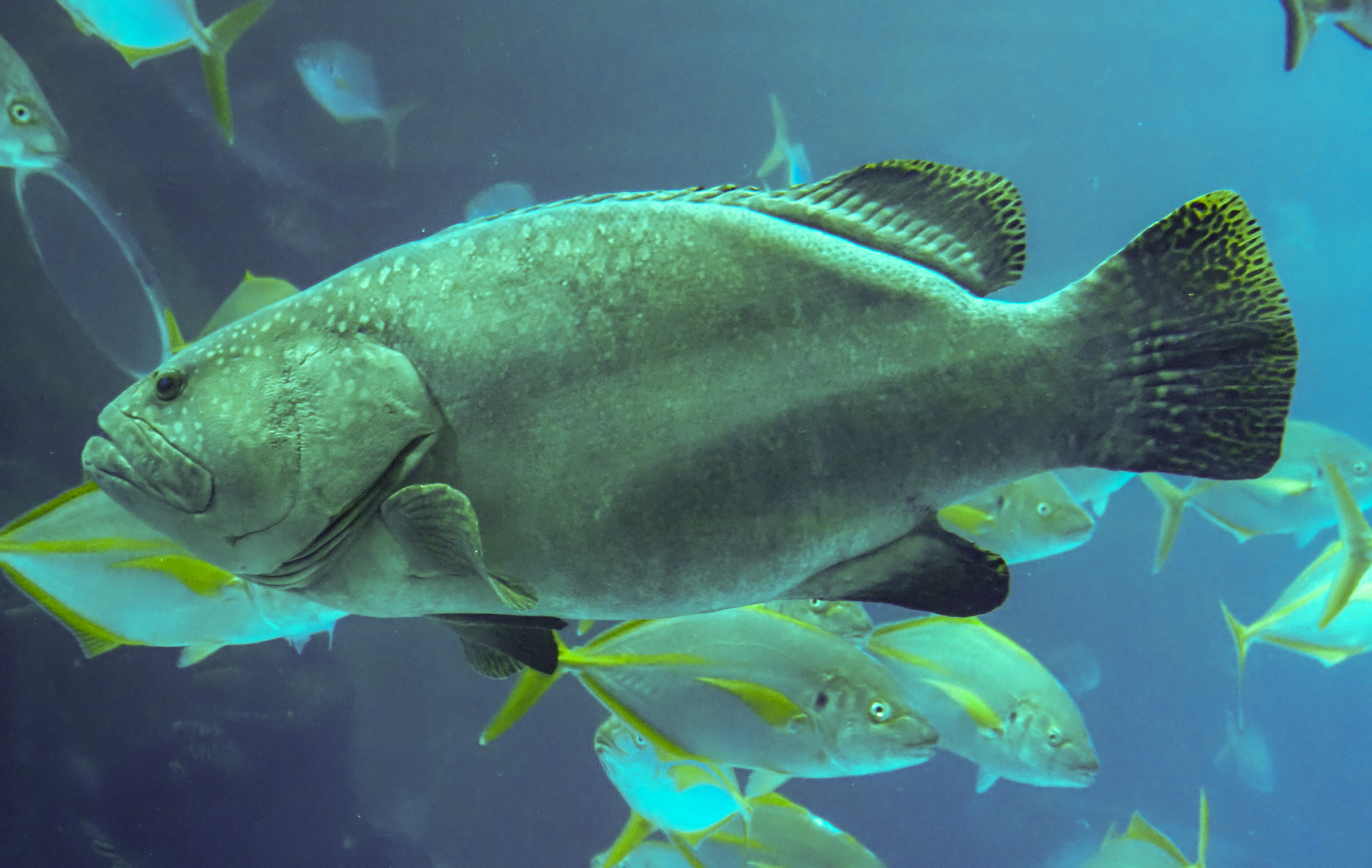
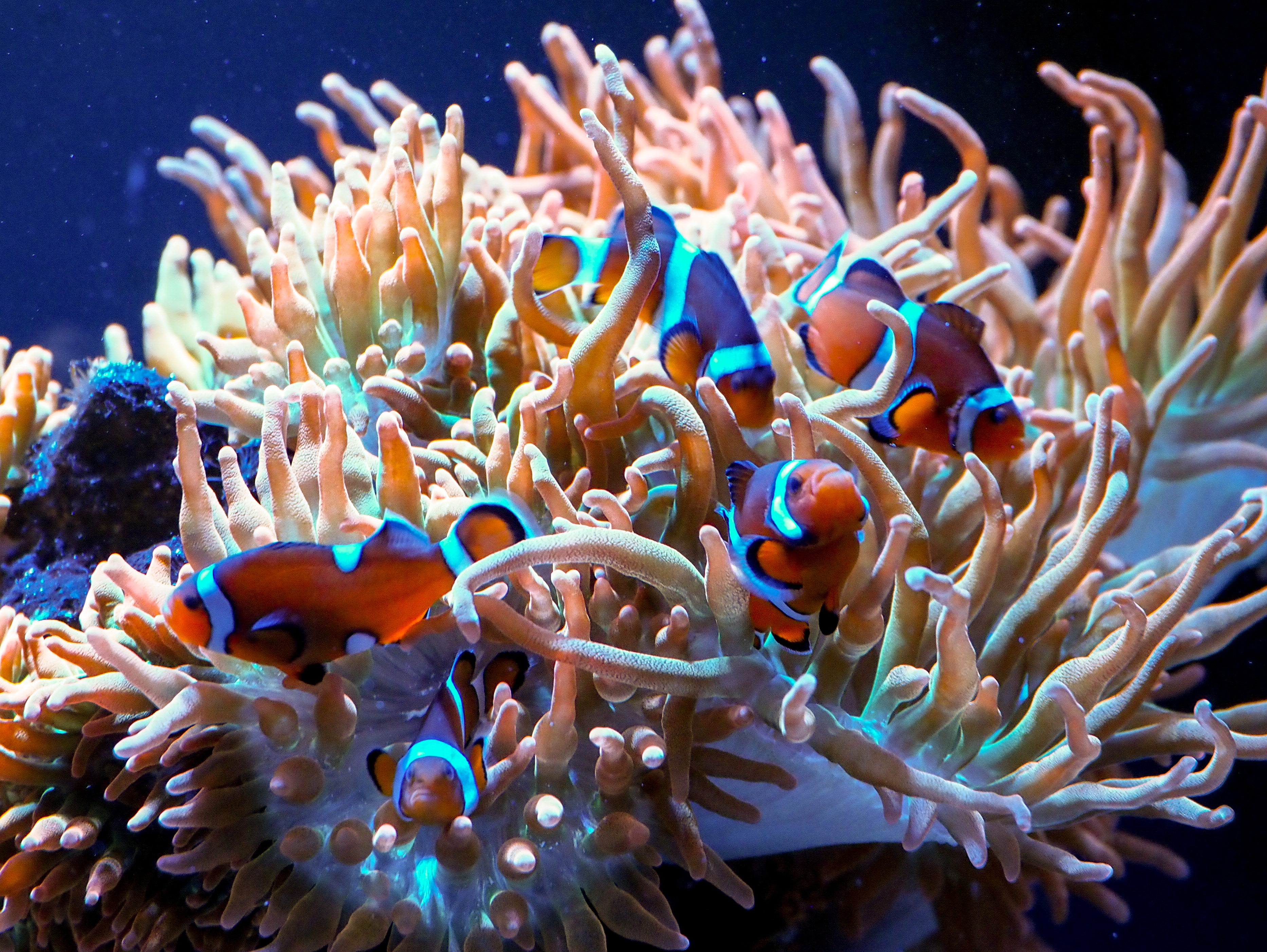
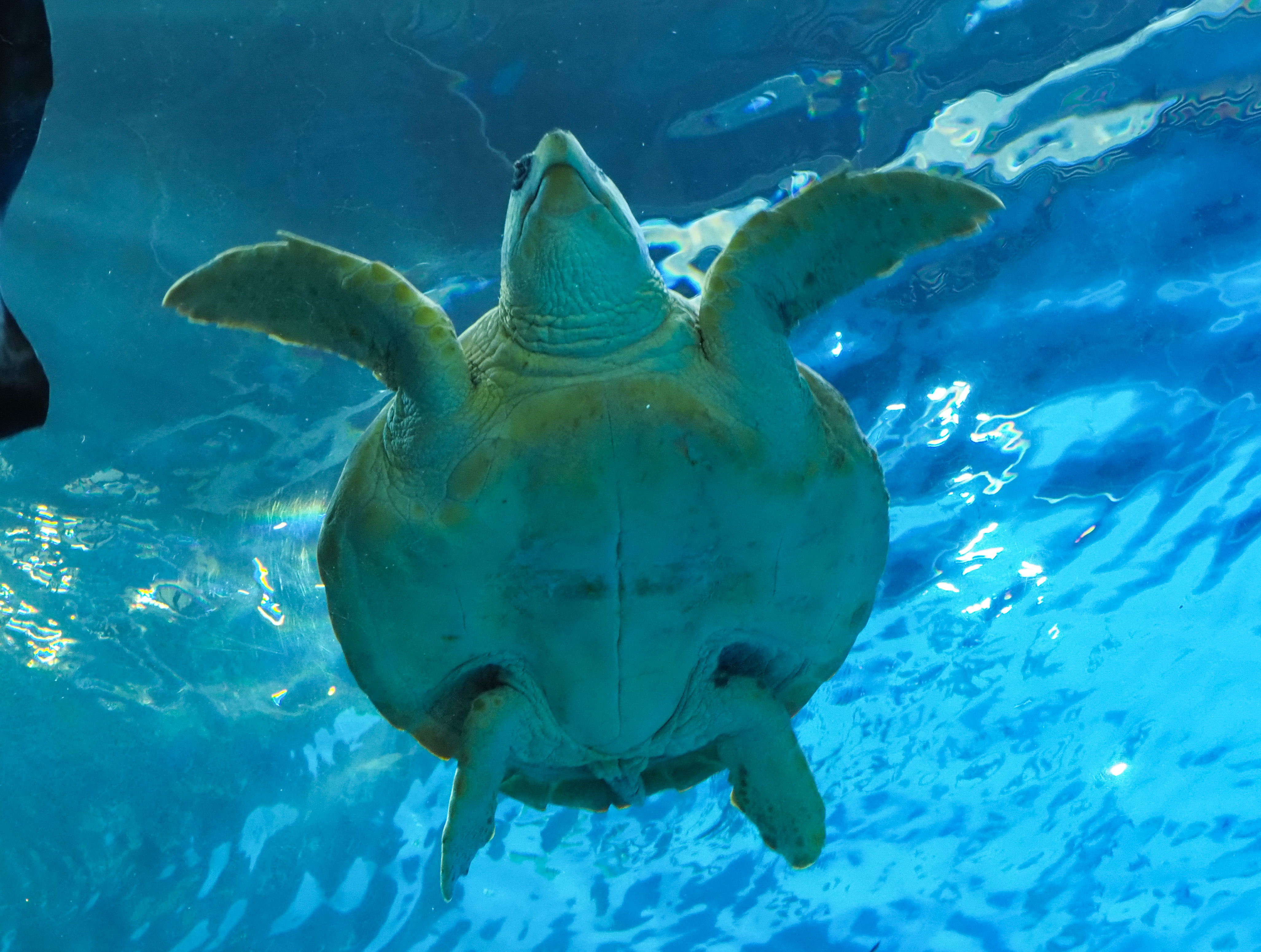
Here is a medley of some of the other fish on display.
Link
https://en.wikipedia.org/wiki/List_of_organisms_by_chromosome_count#cite_note-70
References
Gold, D. A., Katsuki, T., Li, Y., Yan, X., Regulski, M., Ibberson, D., … & Greenspan, R. J. (2019). The genome of the jellyfish Aurelia and the evolution of animal complexity. Nature ecology & evolution, 3(1), 96-104. https://www.nature.com/articles/s41559-018-0719-8.pdf
Han, J., Hu, S., Cartwright, P., Zhao, F., Ou, Q., Kubota, S., … & Yang, X. (2016). The earliest pelagic jellyfish with rhopalia from Cambrian Chengjiang Lagerstätte. Palaeogeography, Palaeoclimatology, Palaeoecology, 449, 166-173.
Khalturin, K., Shinzato, C., Khalturina, M., Hamada, M., Fujie, M., Koyanagi, R., … & Satoh, N. (2019). Medusozoan genomes inform the evolution of the jellyfish body plan. Nature ecology & evolution, 3(5), 811-822. https://www.nature.com/articles/s41559-019-0853-y
Park E, Hwang DS, Lee JS, Song JI, Seo TK, Won YJ. Estimation of divergence times in cnidarian evolution based on mitochondrial protein-coding genes and the fossil record. Mol Phylogenet Evol. 2012 Jan;62(1):329-45. doi: 10.1016/j.ympev.2011.10.008. Epub 2011 Oct 20. PMID: 22040765.
 Ray Cannon's nature notes

[…] Poema del Mar, aquarium in Las Palmas de Gran Canaria […]