Commas and question marks….on other Polygonia species and subspecies..
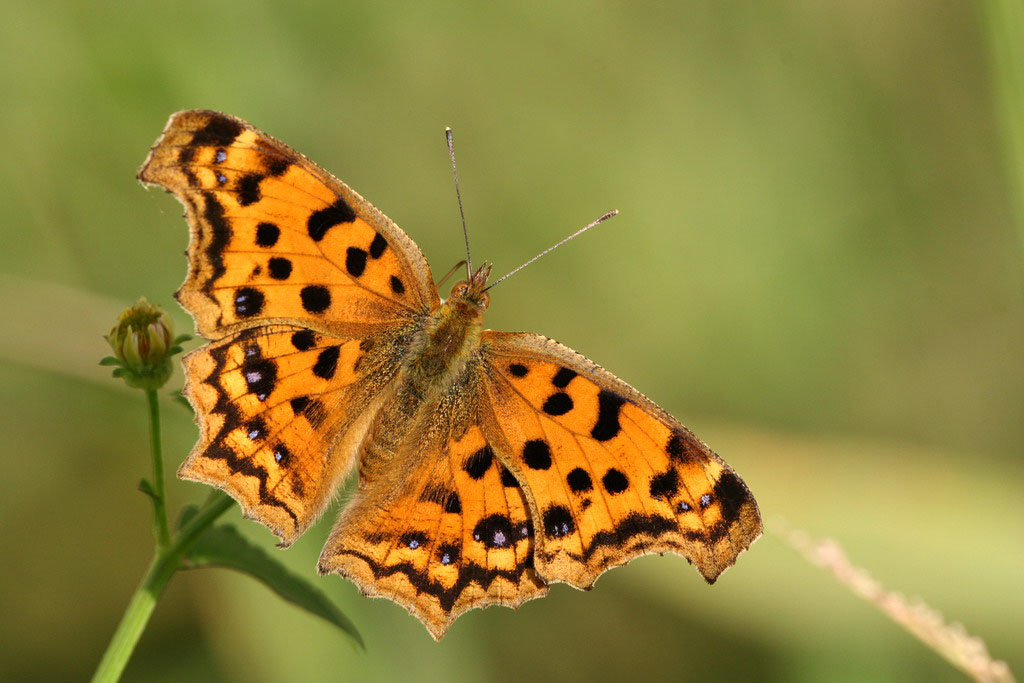
Polygonia butterflies (subfamily Nymphalinae, tribe Nymphalini) are usually referred to as i) commas or ii) question marks, based on the white punctuation marks on the ventral sides of their hindwings They are also called anglewings because of the pronounced angular shape of their wing margins (see below).
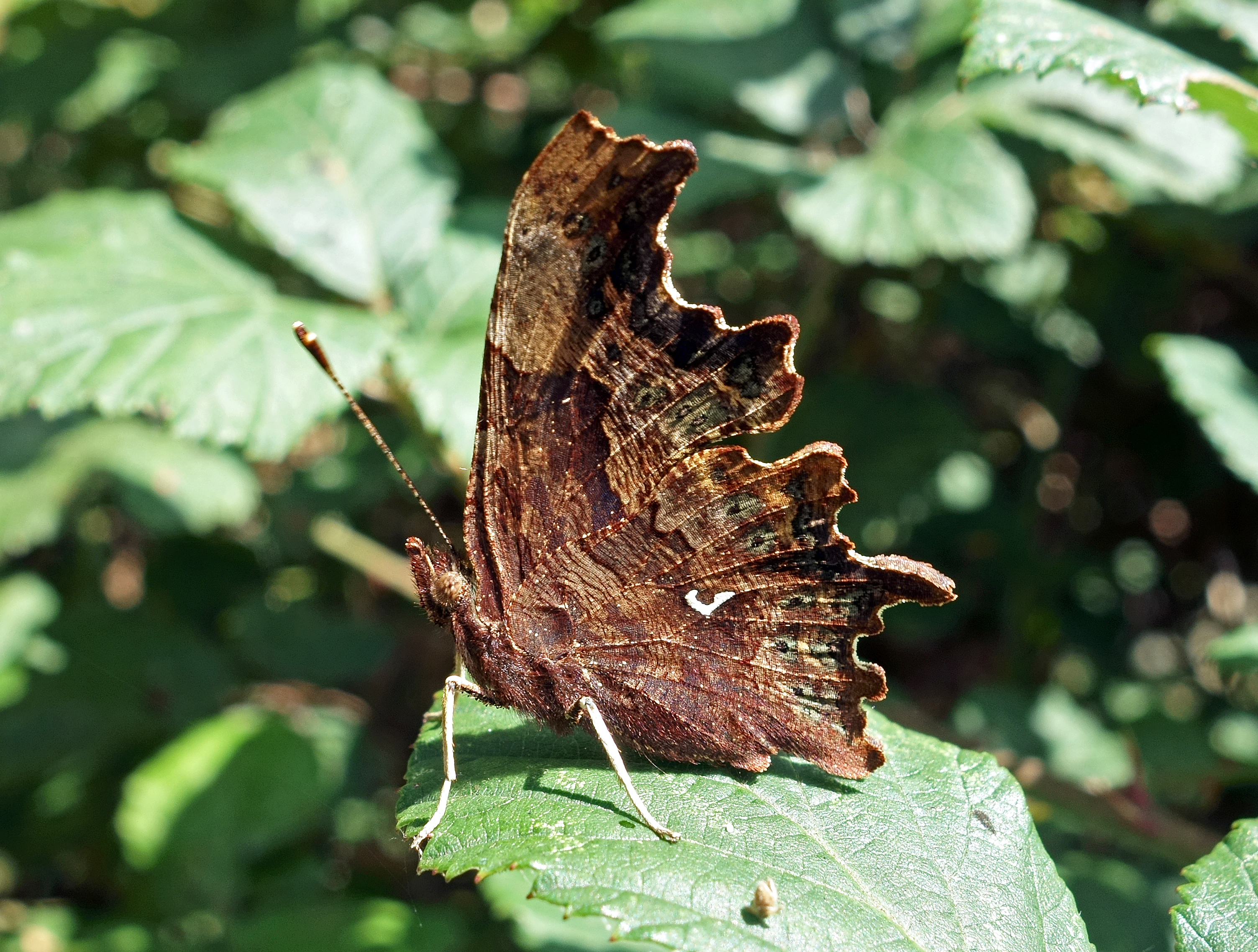
The genus Polygonia began to diversify about 46 million years ago, gradually evolving into the 15 (currently accepted) species we see today ((McDonald, 2015):
There are six Palearctic species (Polygonia c-album, P. c-aureum, P. giganteum, P. undina, P. egea, P. interposita); and nine Nearctic species (P. faunus, P. comma, P. progne, P. gracilis, P. oreas, P. interrogationis, P. haroldii, P. satyrus, P. g-argenteum). However, the taxonomic status of some of these species is disputed and there are
Polygonia species vary in terms of habitat preferences, but all overwinter as adults and are often the first butterflies to emerge in the spring. They are also long-lived, or at least the darker overwintering broods are, living as long as 8-9 months before reproducing, sometimes up to a year, when winter temperatures are mild.
They are generally considered to be leaf mimics
The genus contains both generalist and specialist species in terms of their host-plants, with a trend towards a broader dietary range over time. However, there can be intraspecific differences in host plant range, as in the species, P. c-album.
Some of these species are closely related, e.g. .. and can be difficult to separate in areas where the co-occur in synpatry.
Discussed previous blog.
There are several species within the genus, including Polygonia c-album, Polygonia c-aureum, and Polygonia egea, which exhibit seasonal polymorphism: i.e. a bright summer morph with light undersides and brighter uppersides, which we call, form hutchinsoni) and a dark overwintering morph – see previous blog here.
The winter morph is thought to represent the ancestral condition (Wiklund & Tullberg, 2004), i.e. the original form. However, this polyphenism was lost twice when Polygonia butterflies colonized the New World, according to Nylin (2013).
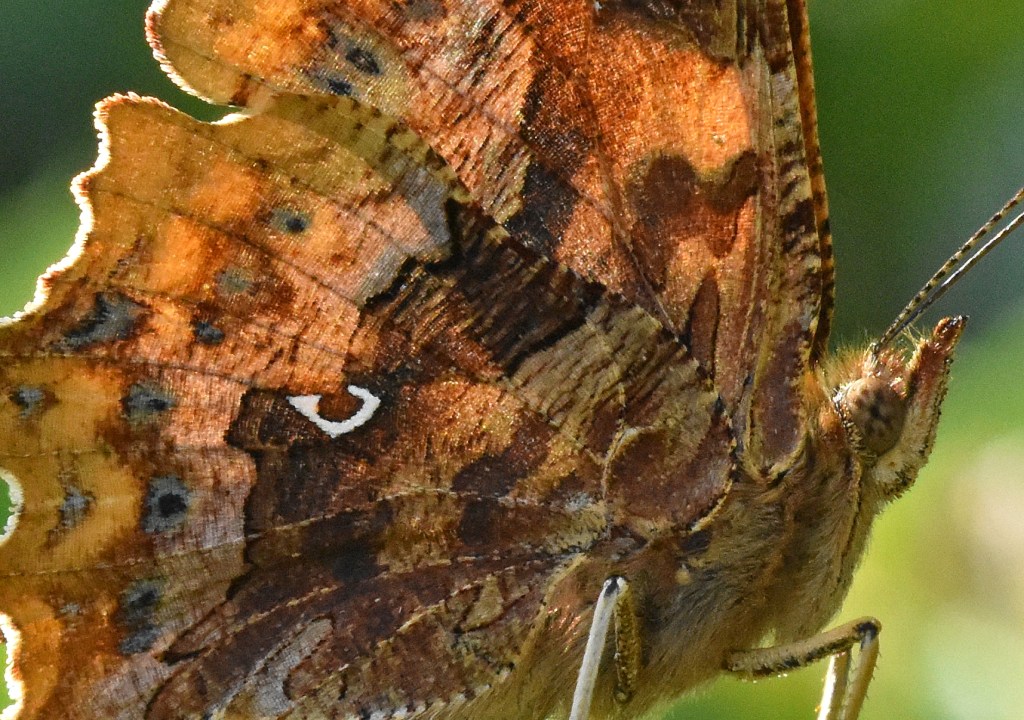
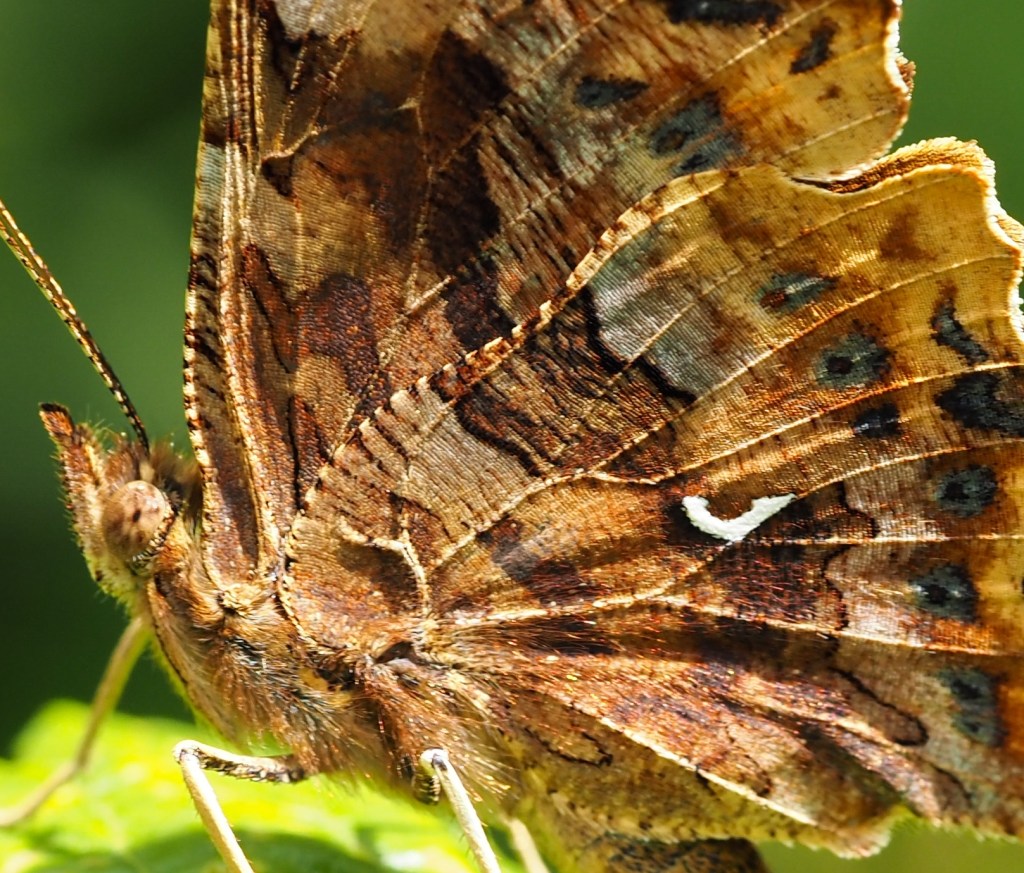
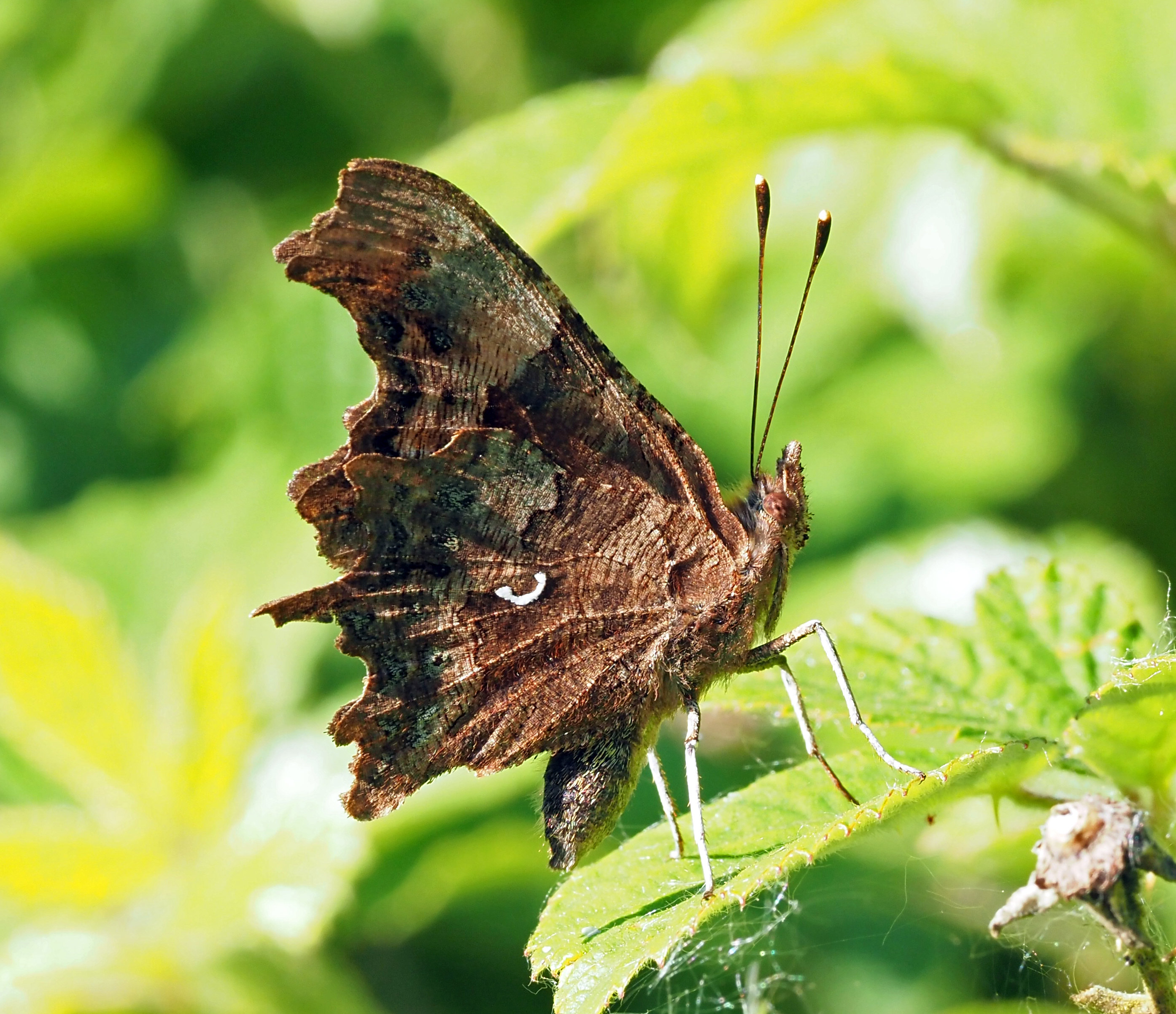
The type species for the genus, Polygonia c-aureum, was described by Linnaeus in 1758, and the Asian comma (P. c-aureum) is considered to be the most basal species within the Polygonia clade, i.e. using molecular data sets (mitochondrial gene sequences and nuclear gene sequences) to determine the family tree.
Later work by Wahlberg, N., Weingartner, E., Warren, A. D., & Nylin, S. (2009).
Polygonia is a genus thought to include five Palaearctic species (P. c-album, P. c-aureum, P. egea, P. gigantea and P. interposita), and nine Nearctic species, seven in the United States and Canada (P. comma, P. faunus, P. gracilis, P. interrogationis, P. oreas, P. progne and P. satyrus [27, 28])
In North America, there are eastern commas (Polygonia comma) and gray commas (Polygonia progne) in the eastern part of the continent, and hoary commas (Polygonia gracilis) and satyr commas (Polygonia satyrus) to the west. However, individuals can be widely variable – even though they share the same basic morphological features and have similar life histories – which can make identification of these species particularly challenging in locations where they occur in synpatry, i.e. within the same area (Dupuis et al., 2018). There are two species which are endemic to Mexico (P. g-argenteum and P. haroldii).
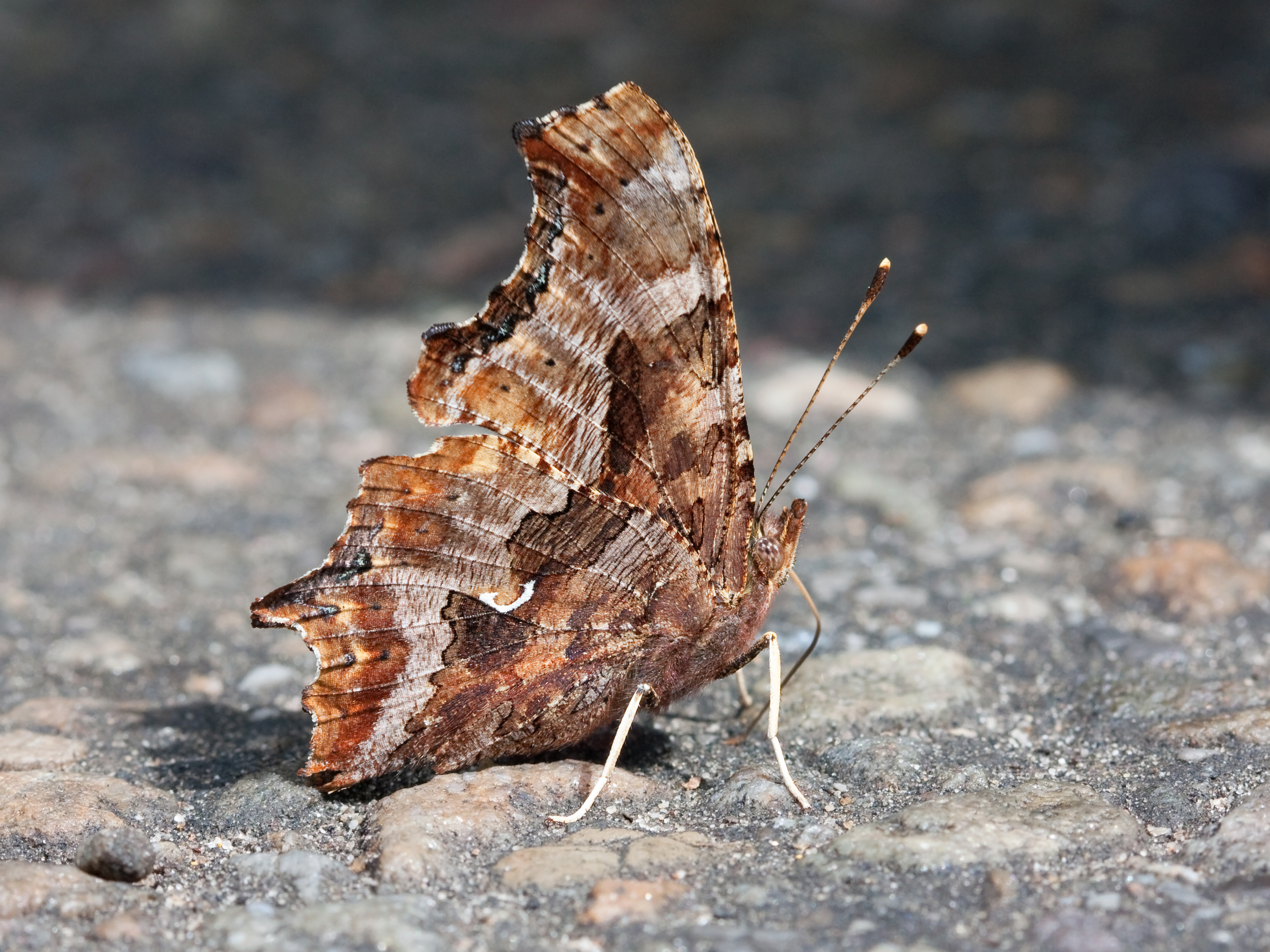
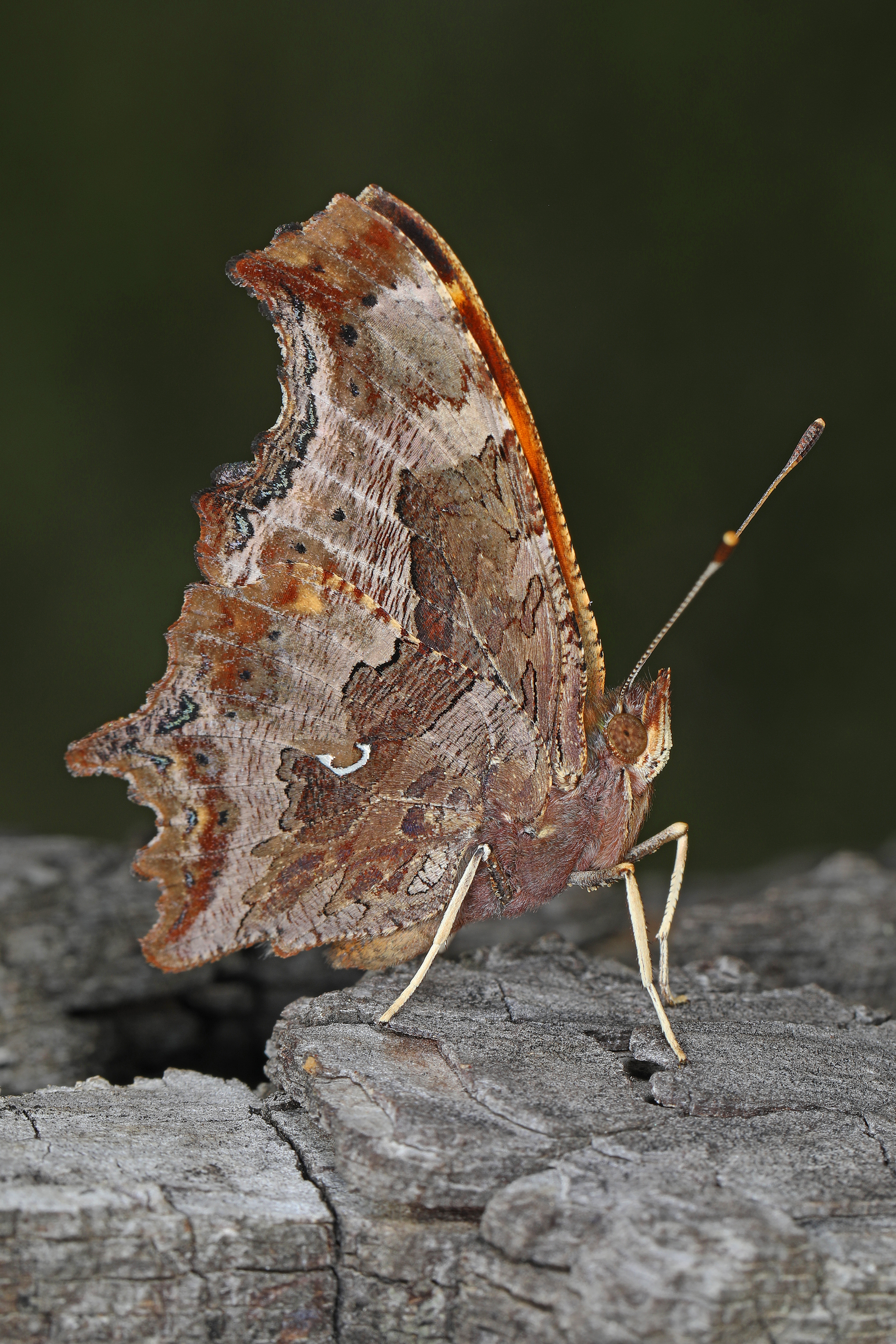
The question mark
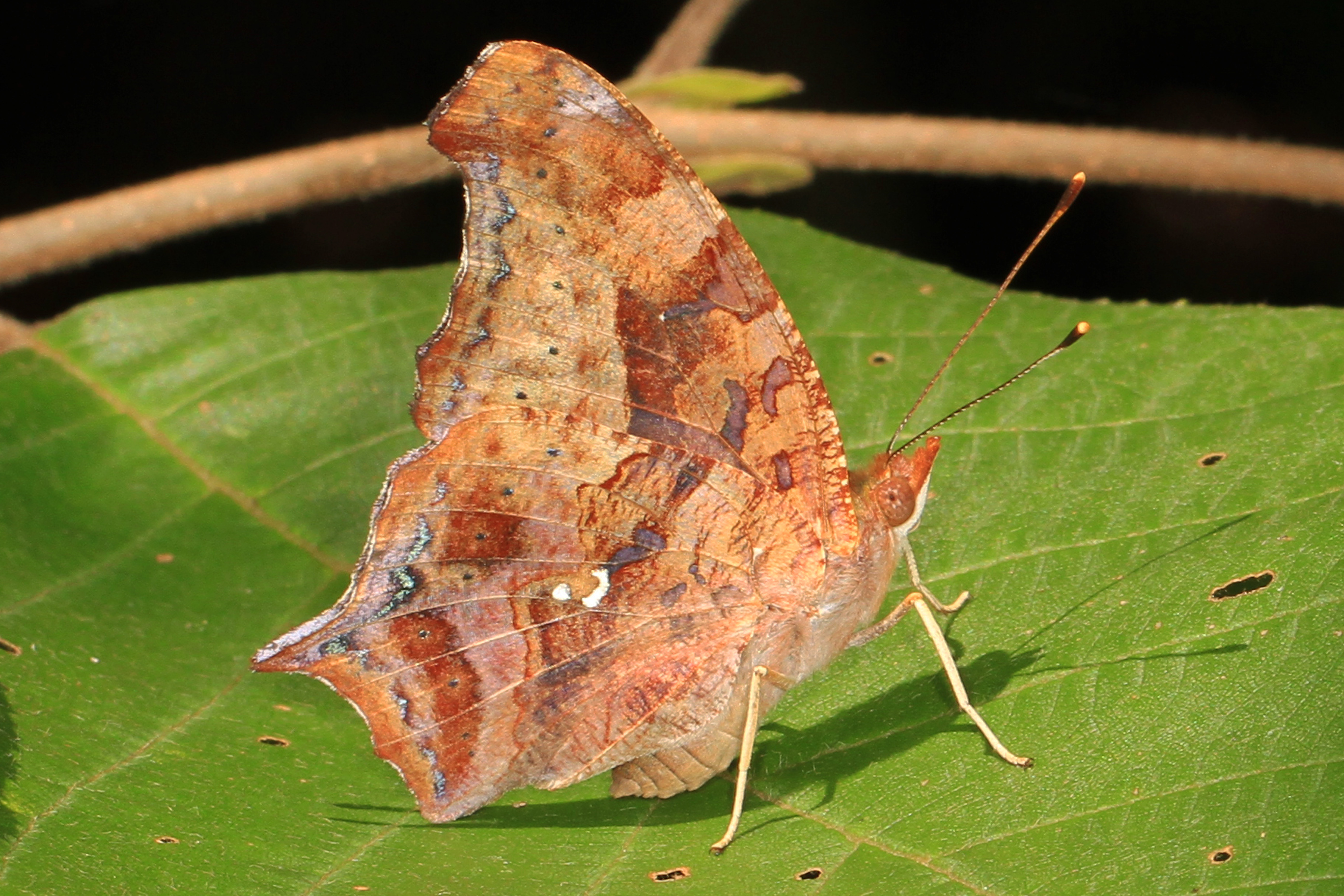
Flicker CC BY 2.0 DEED
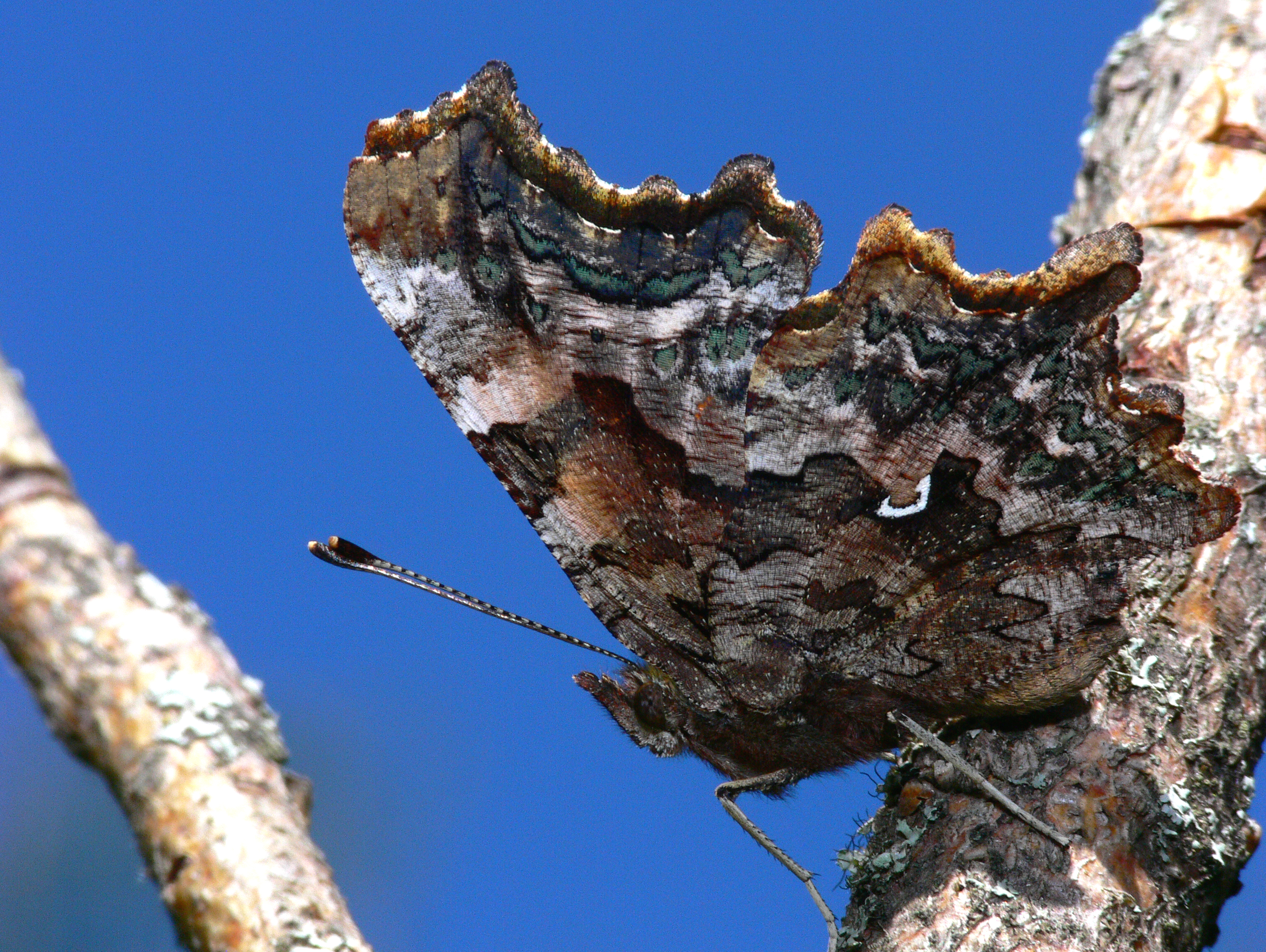
Considerable variability in the shape and form of the white (? or ,) marking
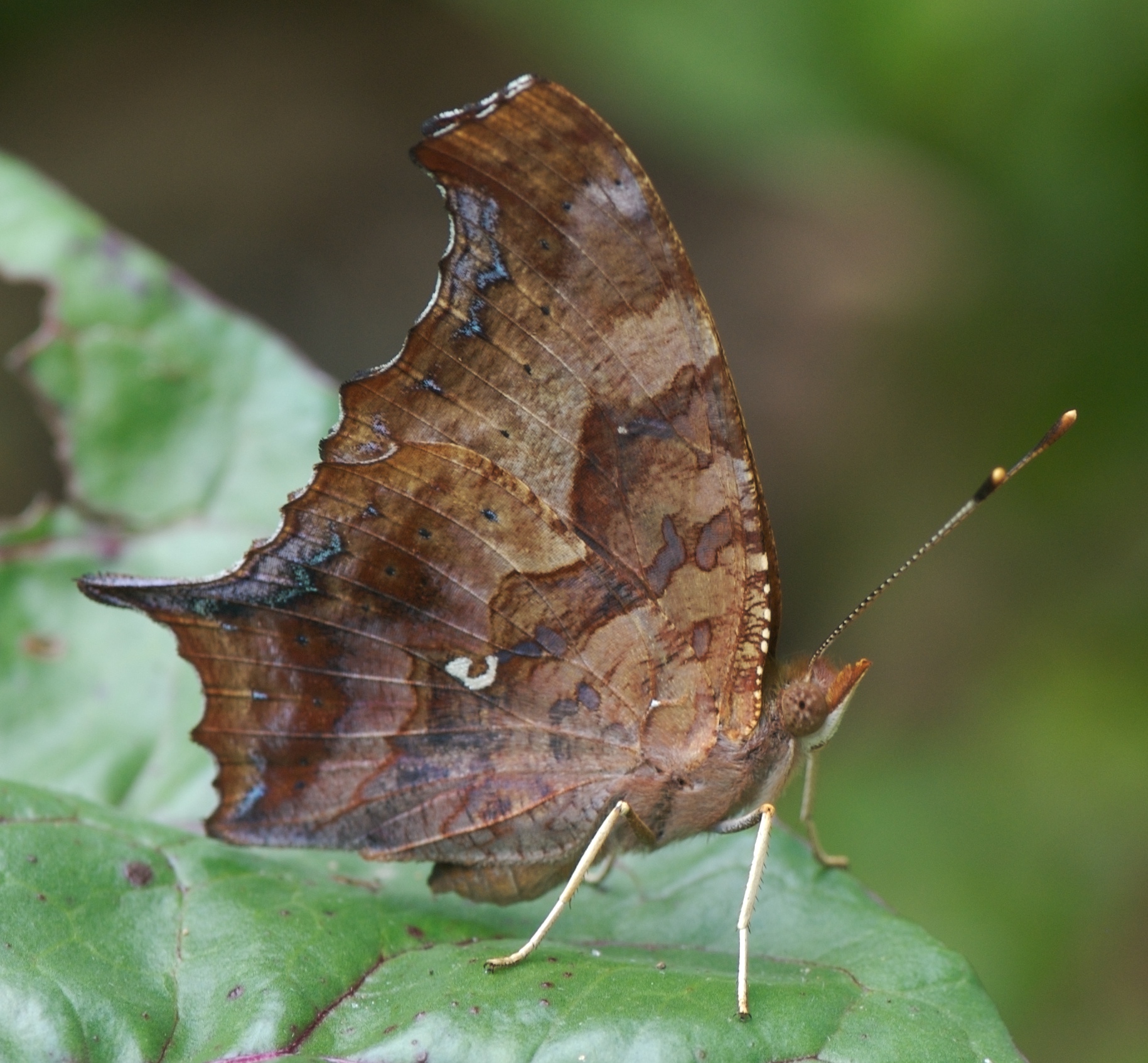
(Polygonia interrogationis) in Georgia, USA, by Ronnie Pitman Flickr CC BY-NC 2.0 DEED
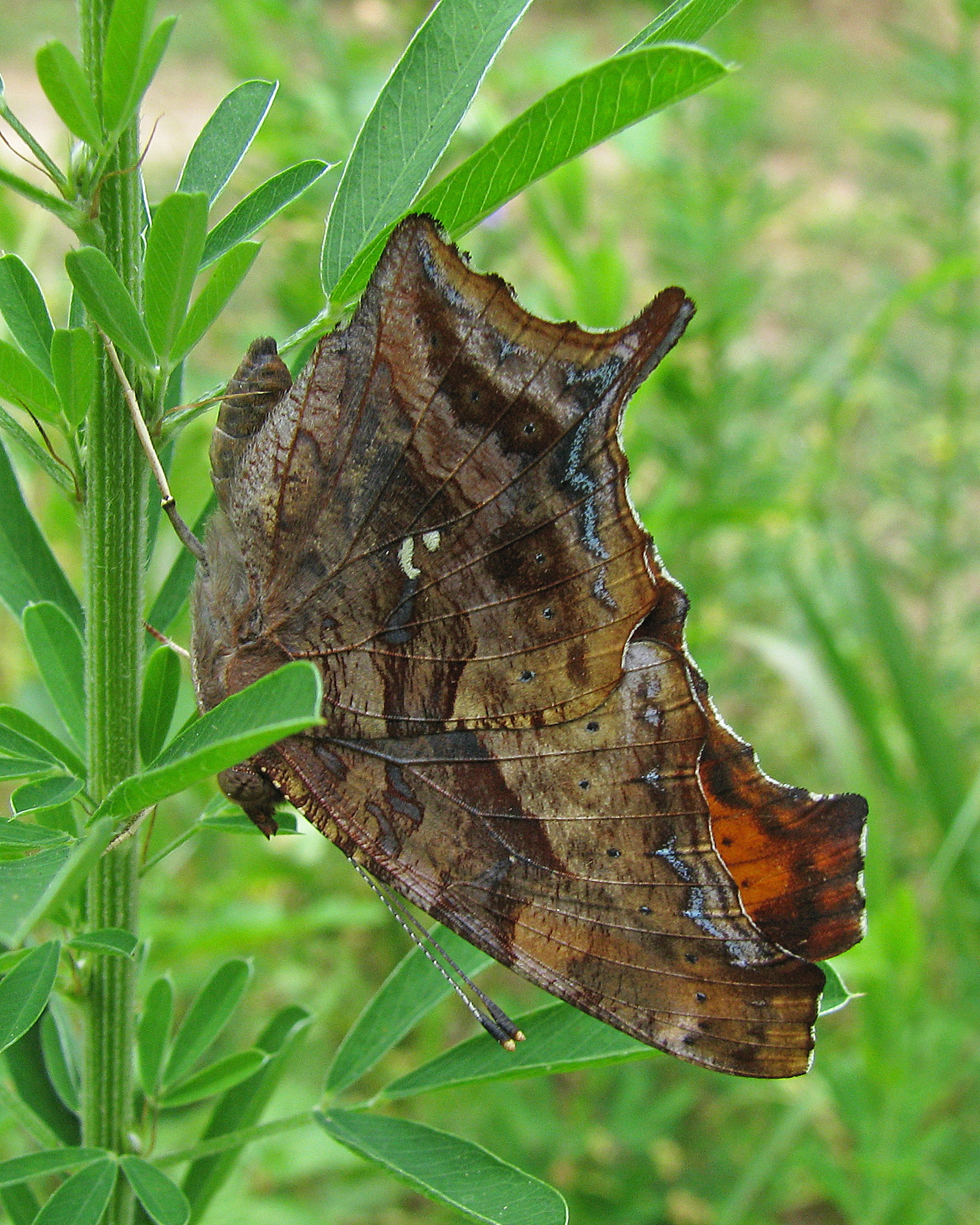
The Question Mark butterfly.
(Polygonia interrogationis) in Texas, USA, by Vicki DeLoach Flickr CC BY-NC-ND 2.0 DEED
On balance, there is currently limited evidence that distractive markings can act as a form of imperfect camouflage. However, more work is needed with potentially distractive markings on other species and under more naturalistic conditions (Hughes et al., 2019).
There is no doubt in my mind that butterflies can use markings on their wing to best effect in certain lighting conditions…
References
Dupuis, J. R., Mcdonald, C. M., Acorn, J. H., & Sperling, F. A. (2018). Genomics-informed species delimitation to support morphological identification of anglewing butterflies (Lepidoptera: Nymphalidae: Polygonia). Zoological Journal of the Linnean Society, 183(2), 372-389. https://academic.oup.com/zoolinnean/article/183/2/372/4621506
Hughes, A., Liggins, E., & Stevens, M. (2019). Imperfect camouflage: how to hide in a variable world?. Proceedings of the Royal Society B, 286(1902), 20190646.
McDonald, C. M. (2015). Integrative taxonomy of Polygonia Hubner 1819 (Lepidoptera: Nymphalidae) in Alberta.
Nylin, S. (1992). Seasonal plasticity in life history traits: growth and development in Polygonia c-album (Lepidoptera: Nymphalidae). Biological Journal of the Linnean Society, 47(3), 301-323.
Nylin, S. (2013). Induction of diapause and seasonal morphs in butterflies and other insects: knowns, unknowns and the challenge of integration. Physiological Entomology, 38(2), 96-104.
Olofsson, M., Dimitrova, M., & Wiklund, C. (2013). The white ‘comma’as a distractive mark on the wings of comma butterflies. Animal behaviour, 86(6), 1325-1331.
Shi, Q. H., Xing, J. H., Liu, X. H., & Hao, J. S. (2018). The complete mitochondrial genome of comma, polygonia c-aureum (Lepidoptera: Nymphalidae: Nymphalinae). Mitochondrial DNA Part B, 3(1), 53-55.
Wahlberg, N., & Nylin, S. (2003). Morphology versus molecules: resolution of the positions of Nymphalis, Polygonia, and related genera (Lepidoptera: Nymphalidae). Cladistics, 19(3), 213-223.
Wahlberg, N., Weingartner, E., Warren, A. D., & Nylin, S. (2009). Timing major conflict between mitochondrial and nuclear genes in species relationships of Polygonia butterflies (Nymphalidae: Nymphalini). BMC Evolutionary Biology, 9(1), 1-16.
Weingartner, E., Wahlberg, N., & Nylin, S. (2006). Dynamics of host plant use and species diversity in Polygonia butterflies (Nymphalidae). Journal of evolutionary biology, 19(2), 483-491.
Wiklund, C., & Tullberg, B. S. (2004). Seasonal polyphenism and leaf mimicry in the comma butterfly. Animal Behaviour, 68(3), 621-627.
Shi, Q. H., Xing, J. H., Liu, X. H., & Hao, J. S. (2018). The complete mitochondrial genome of comma, polygonia c-aureum (Lepidoptera: Nymphalidae: Nymphalinae). Mitochondrial DNA Part B, 3(1), 53-55.
 Ray Cannon's nature notes
[…] Commas and question marks Carefree commas! […]