Sleep-like states have been described in insects for hundreds of years, but it is one thing to observe insects resting or in a state of quiescence. It is another thing to prove that they are actually sleeping.
Here’s how one early Naturalist put it:
“Since the Hymenoptera are among the most assiduous, as well as the most intelligent workers, it is natural that they should exhibit some interesting habits of sleep.” (Banks, 1902).
American entomologist Nathan Banks (1902) described how, while he was engaged in wheeling his baby through some long grass one evening – not something you would put in the Methods section of a paper these days (!) – he came across the ‘sleeping quarters’ of some Ammophila wasps, which were attached to grass stems by their mandibles (see here). He noticed that they arrived back at their sleeping site every evening between seven and eight o’clock. He also described how:
“as the insect became sound asleep, all motion ceased, and by 9 o’clock, I could take a wasp off with my fingers and drop it in a bottle before it woke up.” (Banks, 1902).
It certainly sounds like sleep, but to a modern-day biologist, certain criteria need to be met before rest or quiescence can be defined as sleep. These include things like: reduced muscle tone; reduced responses to stimuli; and reduced consciousness. Sleep constitutes a marked sensory disconnect. In addition, there are usually specific sleeping postures and/or resting places associated with sleep. For example, in honeybees:
“Foragers sleep in a typical posture characterized by the relaxation of the thorax, head, and antennae, and little, if any, antennae movement” (Eban-Rothschild & Bloch, 2012).
Sleep was first described in the model insect, Drosophila, as recently as the year 2000 (see references in Helfrich-Förster, 2018). The criteria used to demonstrate that quiescencent episodes constitute sleep in the fruit fly, include: quiescence itself, increased arousal thresholds, rapid reversibility, and homeostasis. The latter means that there is a homeostatic regulation mechanism, which produces a sleep rebound after periods of sleep deprivation. I.e. a mechanism for returning to a steady state. Or, just catching up on sleep in everyday parlance.
These sleep criteria apply to all organisms, but unlike animals such as birds and mammals, which can close their eyelids when they go to sleep, insects can not close their compound eyes. These remain uncovered, of course, but they do become less sensitive during sleep. For example, neurons in part of the optic lobe (the lobula) did not respond to moving patterns in front of their eyes, whereas these produced a clear response when the bees were awake (Kaiser & Steiner-Kaiser, 1983).
Sleeping bees
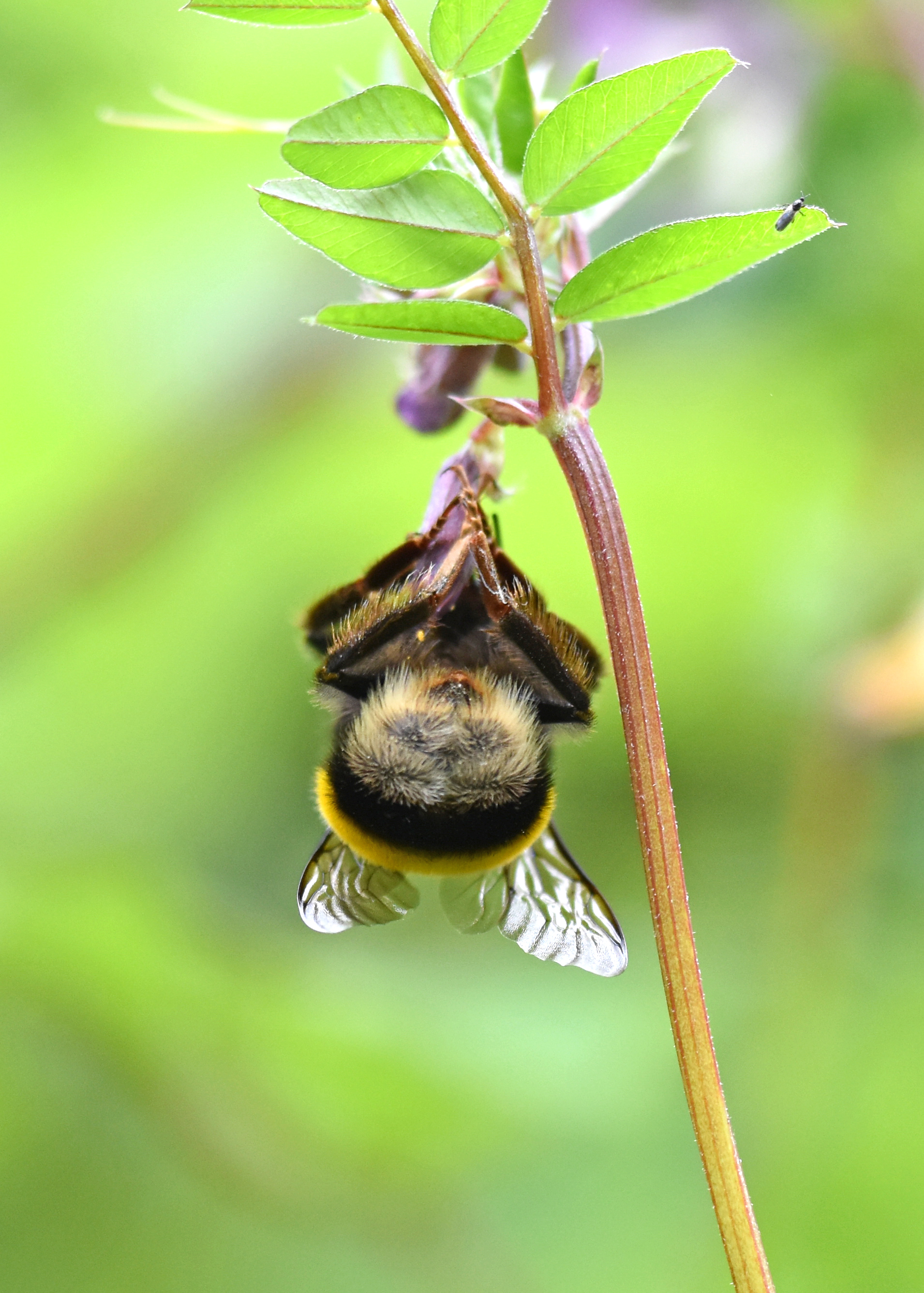
A sleep-like state in the bumble bee (Bombus terrestris) is characterised by a number of features, including not changing position for ≥ 5 consecutive seconds; and antennae that form an angle of ≤ 90° between frons and scape (Nagari et al., 2019). I assume this means hanging down? The antennae of honeybees, Apis mellifera, also hang down during sleep (Kaiser, 1988).
Honeybees spend a large proportion of their time in rest phases. Perhaps because they live such busy lives? One researcher recorded nearly eight hours of antennal immobility (=sleep) plus about five hours of small antennal movements. A total of 12.5 hours in 24 h (Kaiser, 1988). The deepest sleep occurs in the 7th hour of the rest phase (Sauer et al., 2003).
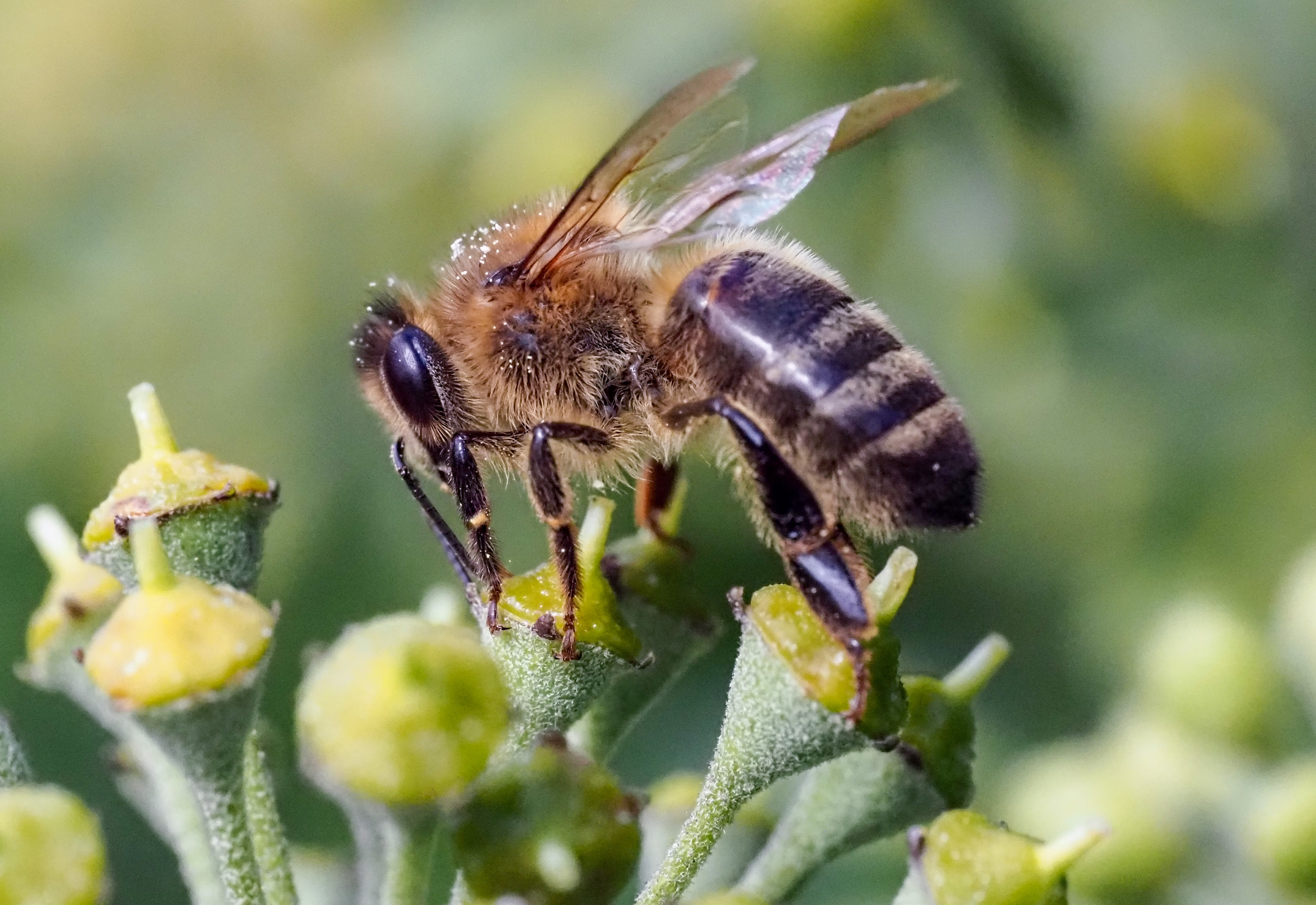
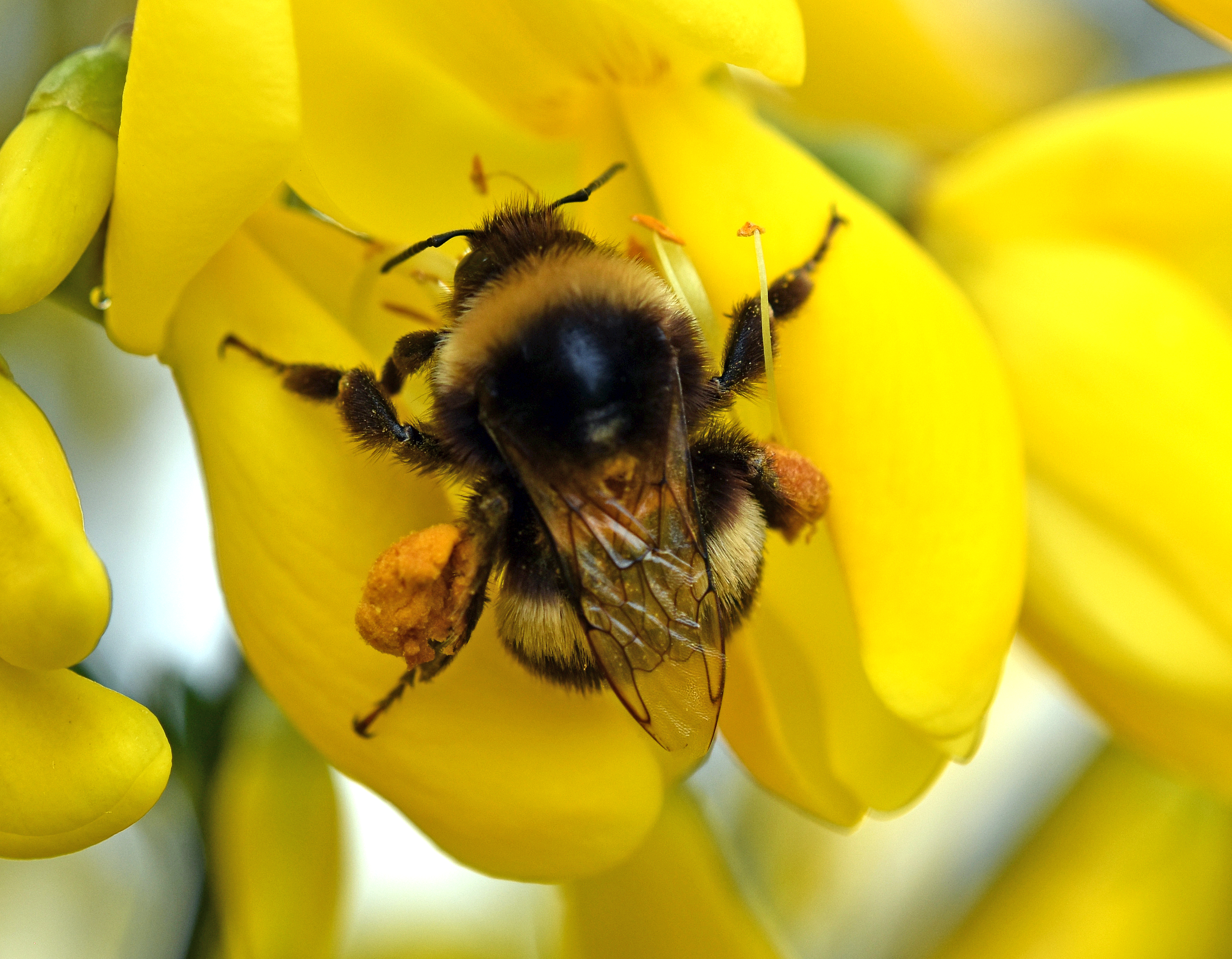
Many different types of insects, but especially flies and bees, use flowers as sleeping places. However, just because a bee is remaining motionless on a flower for some time, it does not mean it is actually asleep. Scientists call this relaxed immobility. It might be resting, or in cold or inclement weather, it may simply be conserving energy. Sleeping bees, exhibit a relaxed body posture, their antennae hang down (see below) and their legs are usually folded beneath the body.
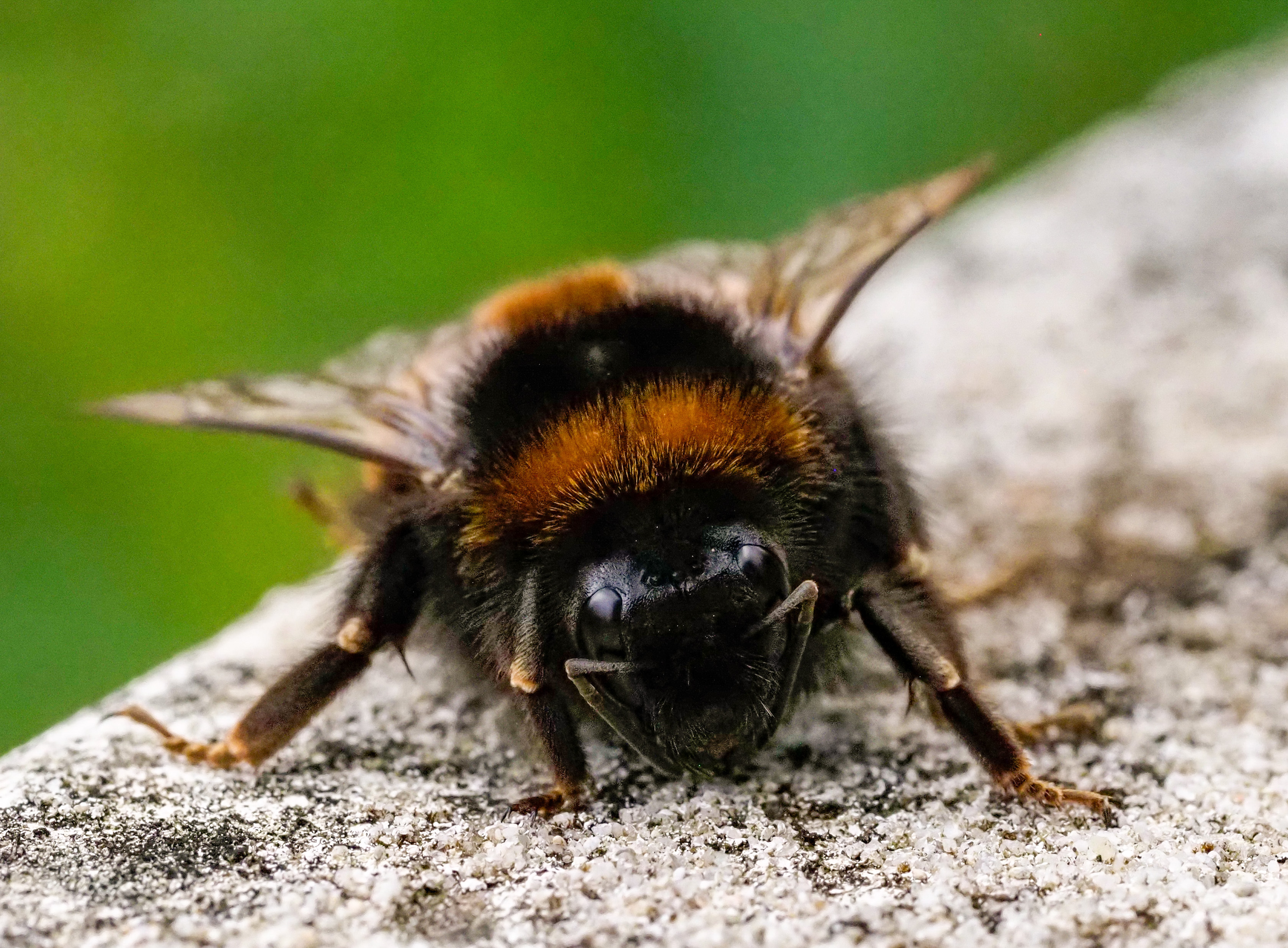
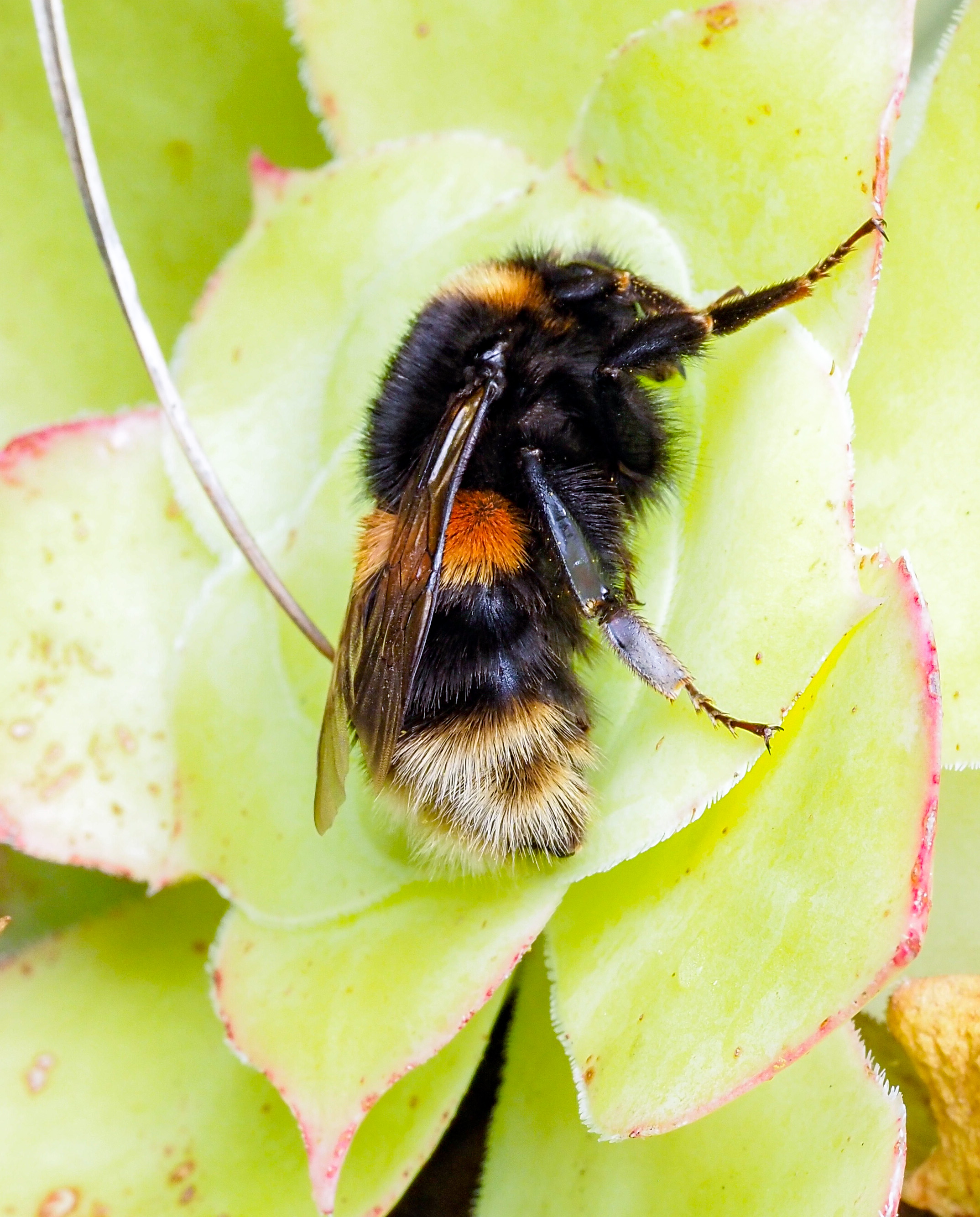
Resting bees appear to spread their legs and sling their hooks, as it were (see below), but perhaps they are just opportunistically napping during the day?
Postprandial sleep
We have all probably experienced feeling sleepy after a big meal, so it’s not surprising to learn that many different sorts of animals also exhibit a period of quiescence after ingesting a meal, including rats and fruit flies! In Drosophila, post-feeding sleep, or postprandial sleep, positively correlates with the volume ingested (Murphy et al., 2016). I.e. the more they eat, the more they sleep! Whether postprandial sleep exists in bees is not something I have been able to find in the literature. However, bees have highly developed brains with at least ten times as many neurons as Drosophila, so they may need a nap after some intensive foraging?
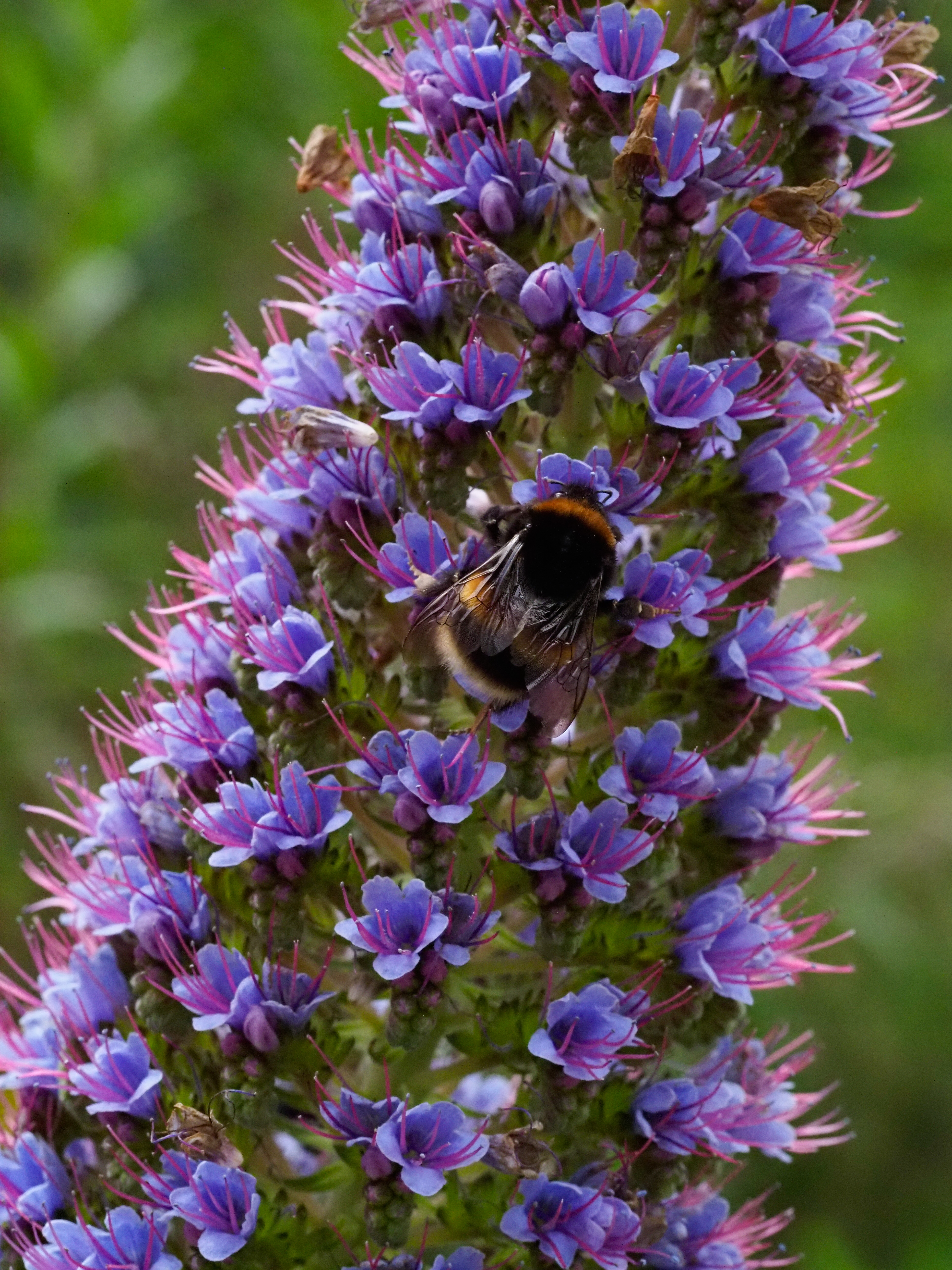
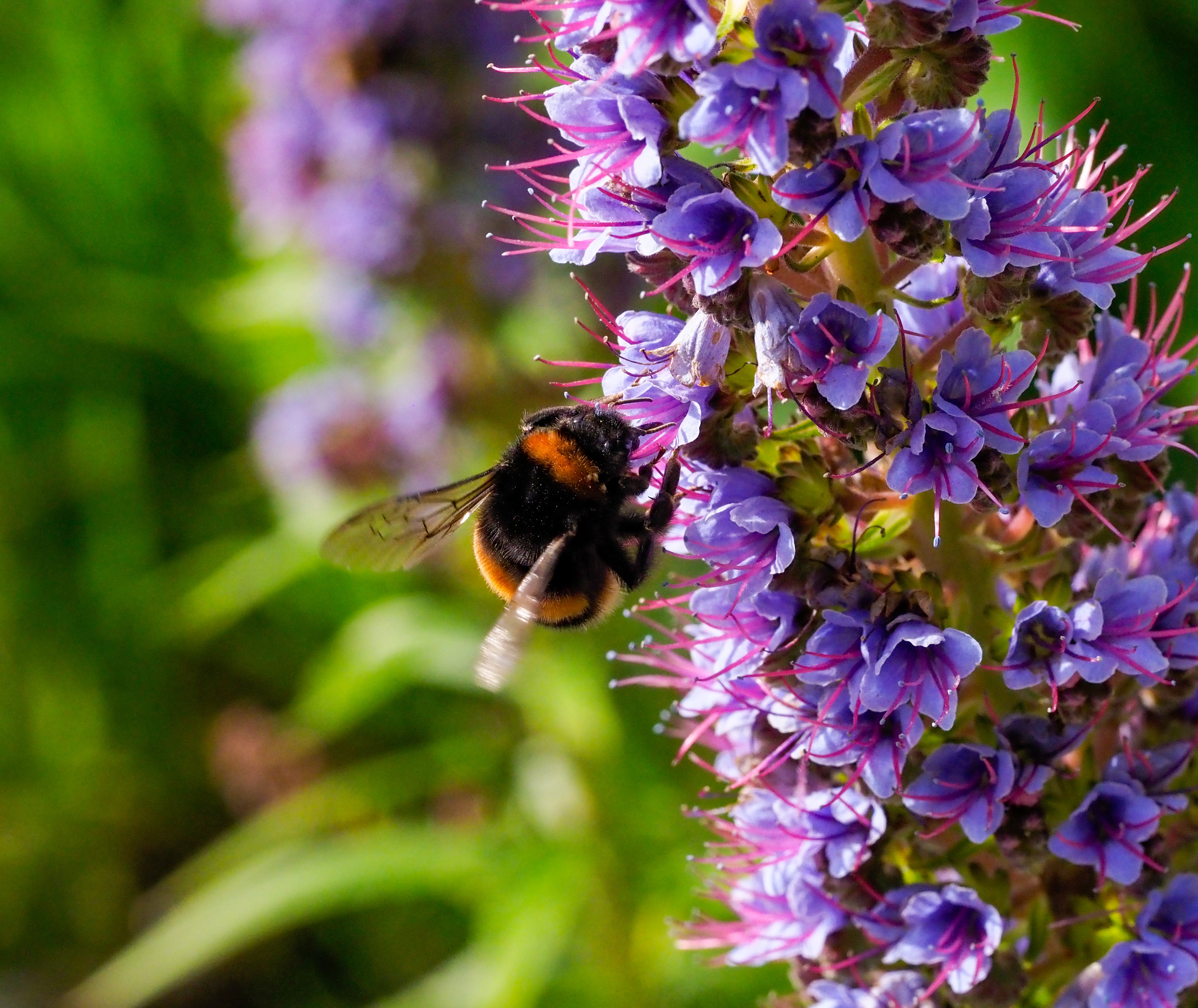
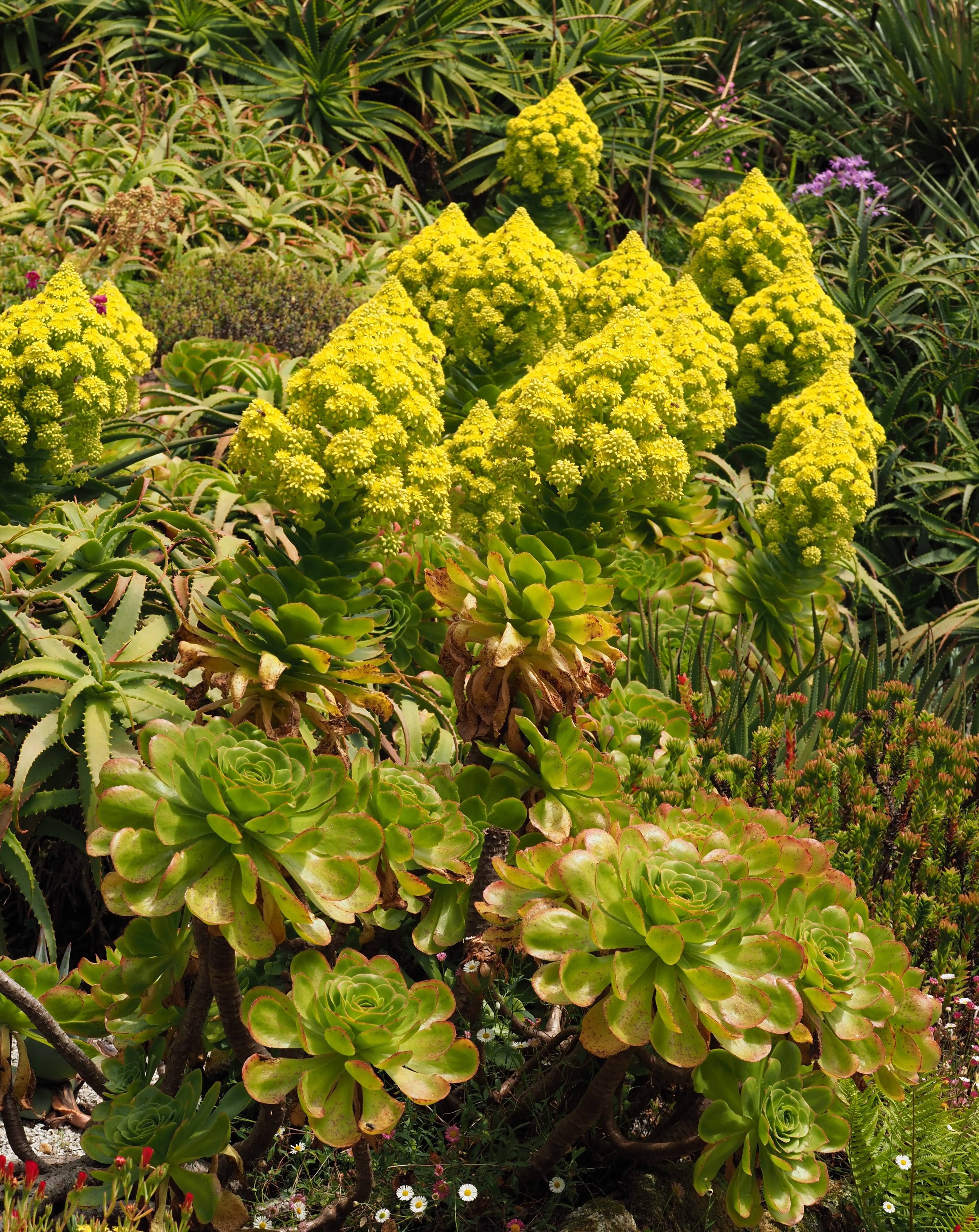
I observed and photographed bumblebees in a state of torpor, and possibly asleep, after they had fed on a large Echium inflorescence (see bees nectaring on flowers, above; and resting or sleeping on the ground afterwards, below).
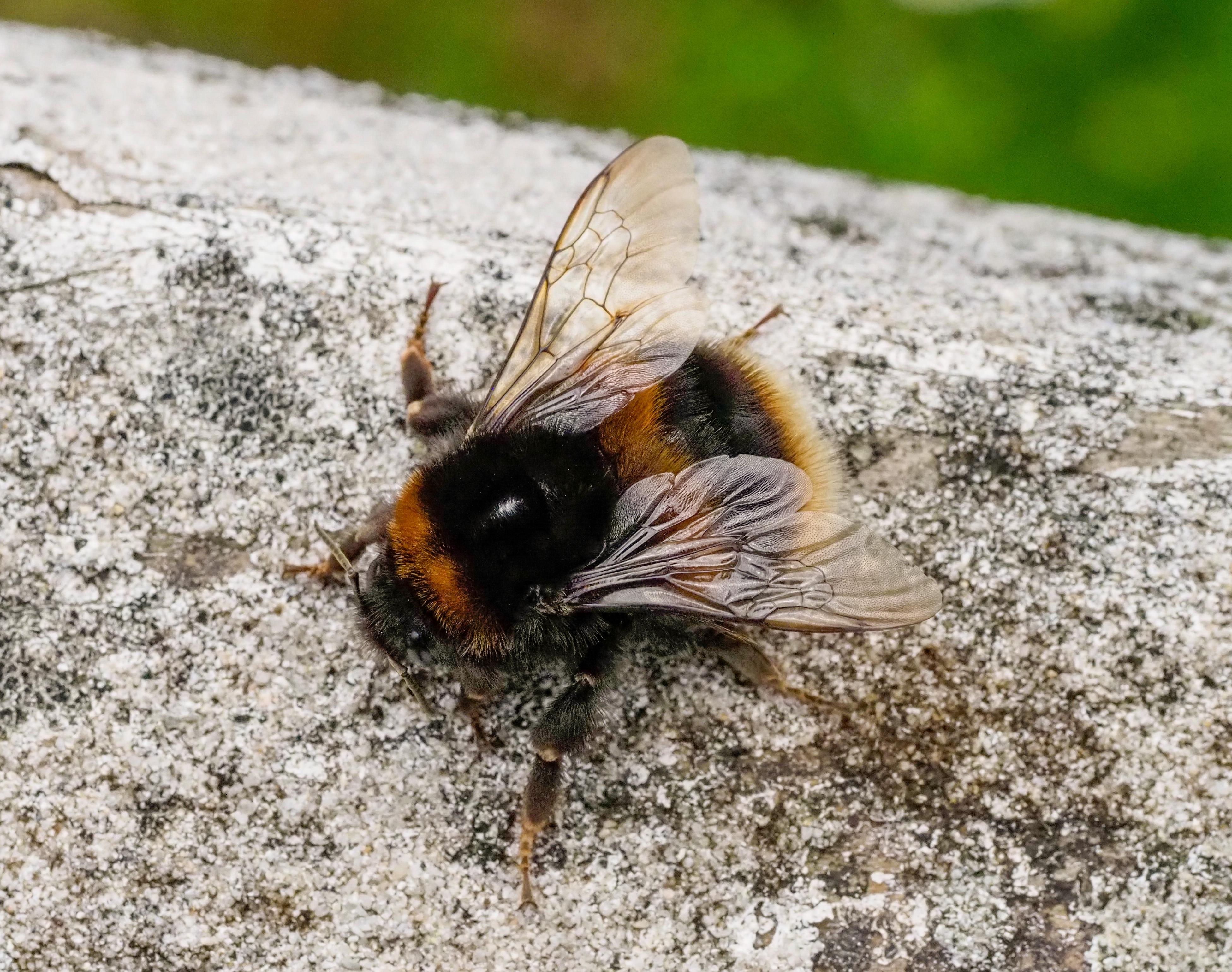
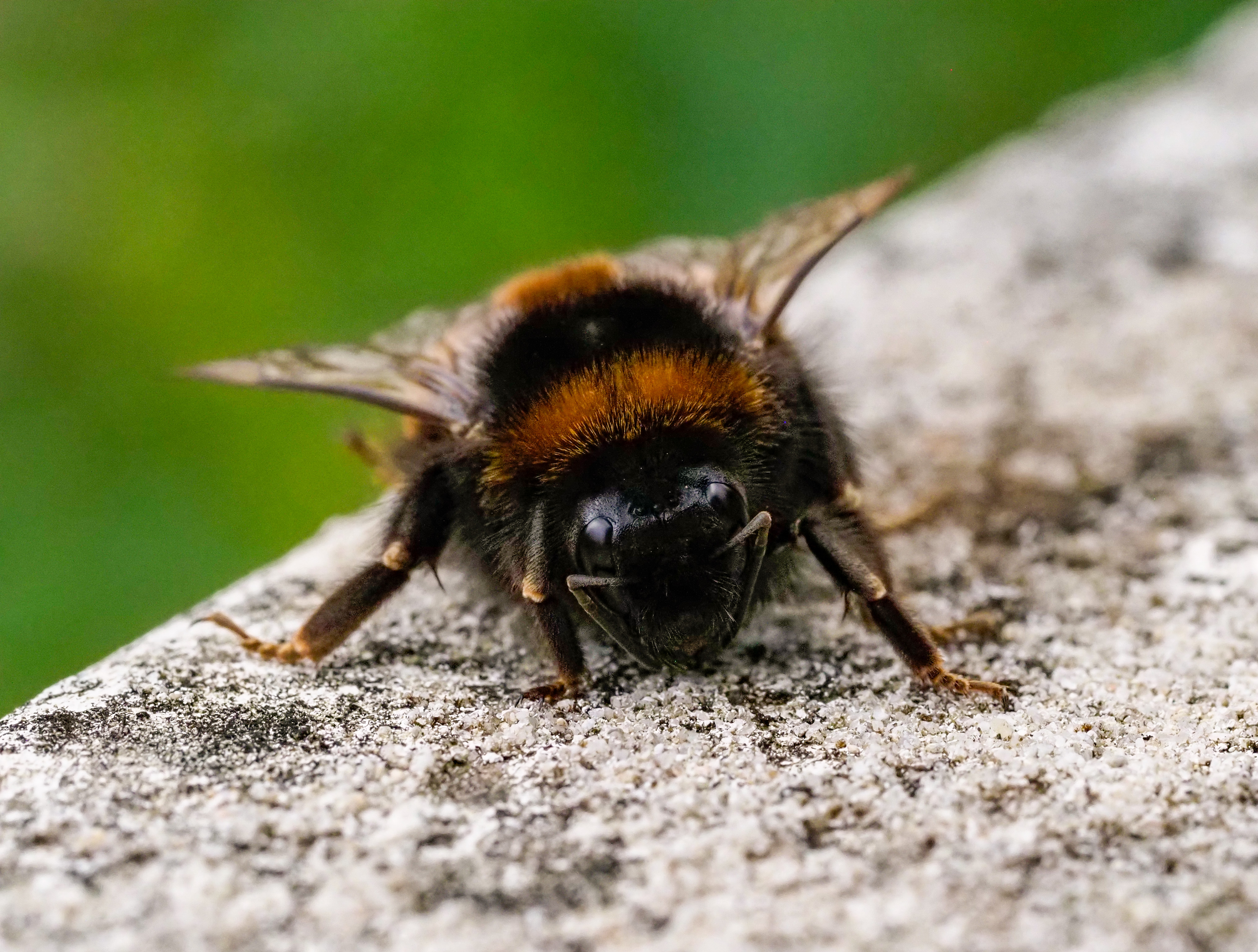
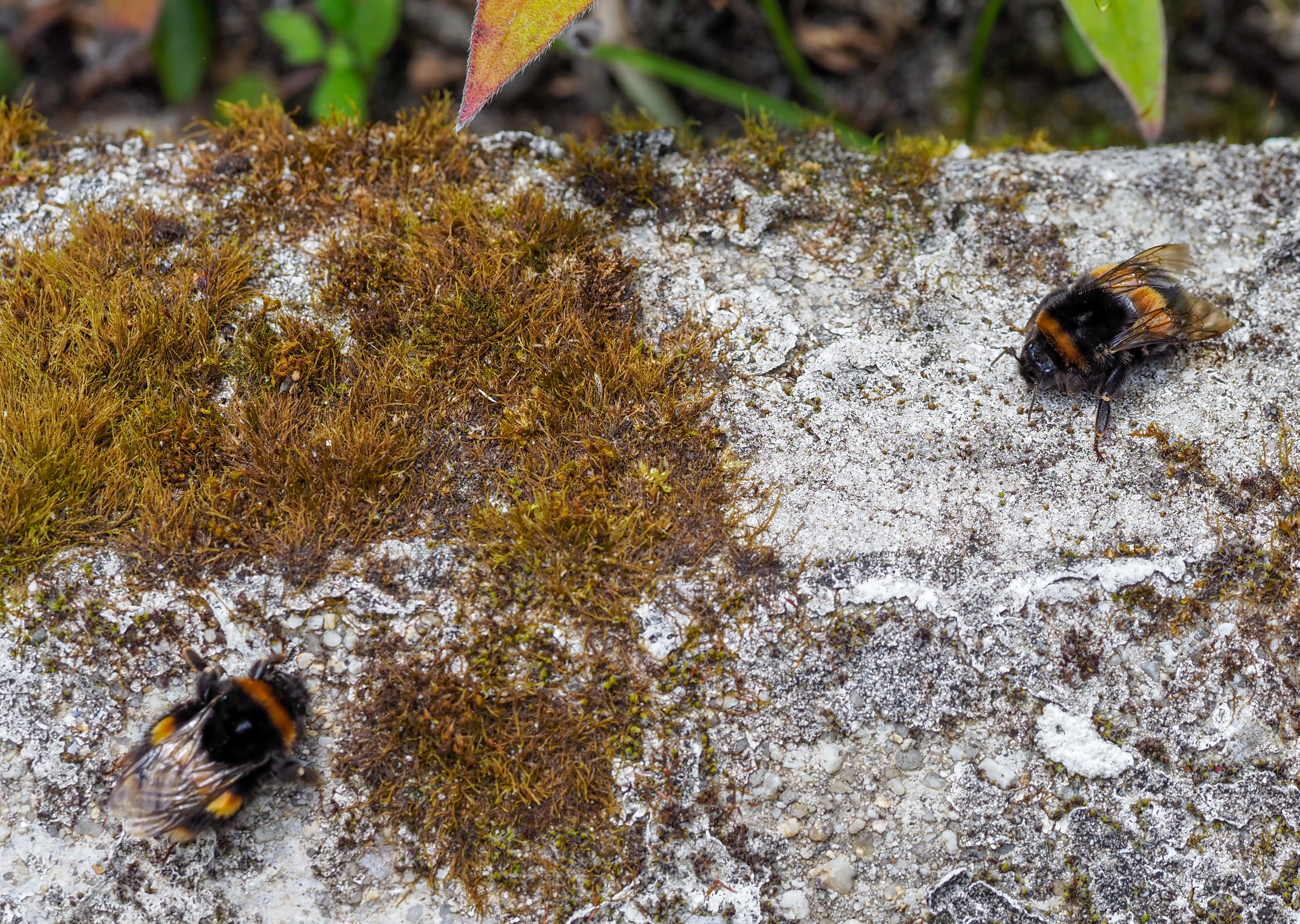
The buff-tailed bumblebees (Bombus terrestris) were resting on the ground beneath the giant flower and not moving, even remaining stationary as I moved my large macro lens closer and closer! One I photographed, head on, showed the sort of droopy antennae said to be associated with sleep in bumblebees (above, middle; and below). Were they sleeping off the effects of ingesting a large quantity of nectar? Perhaps before travelling back to their colony to empty their bee bellies?
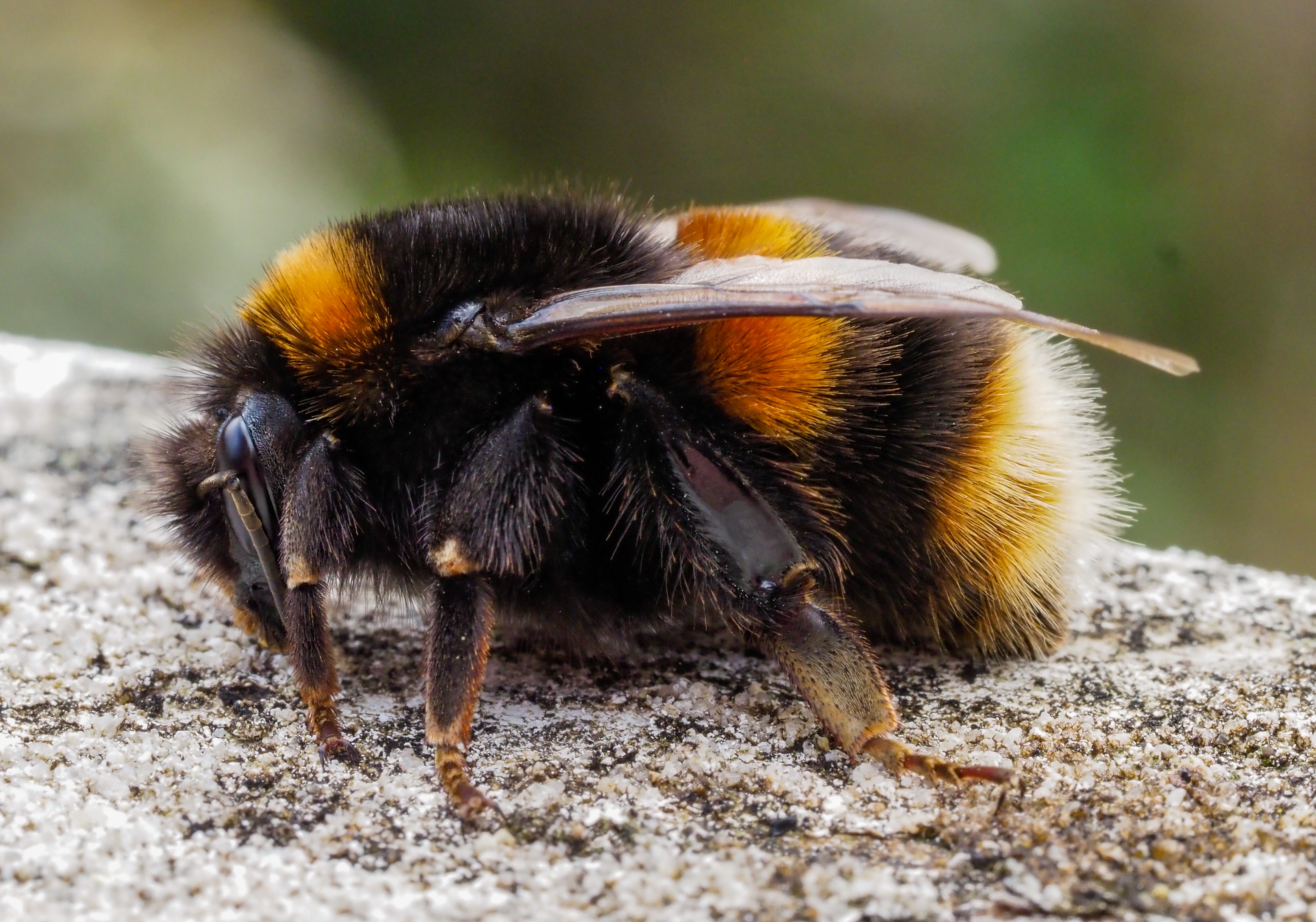
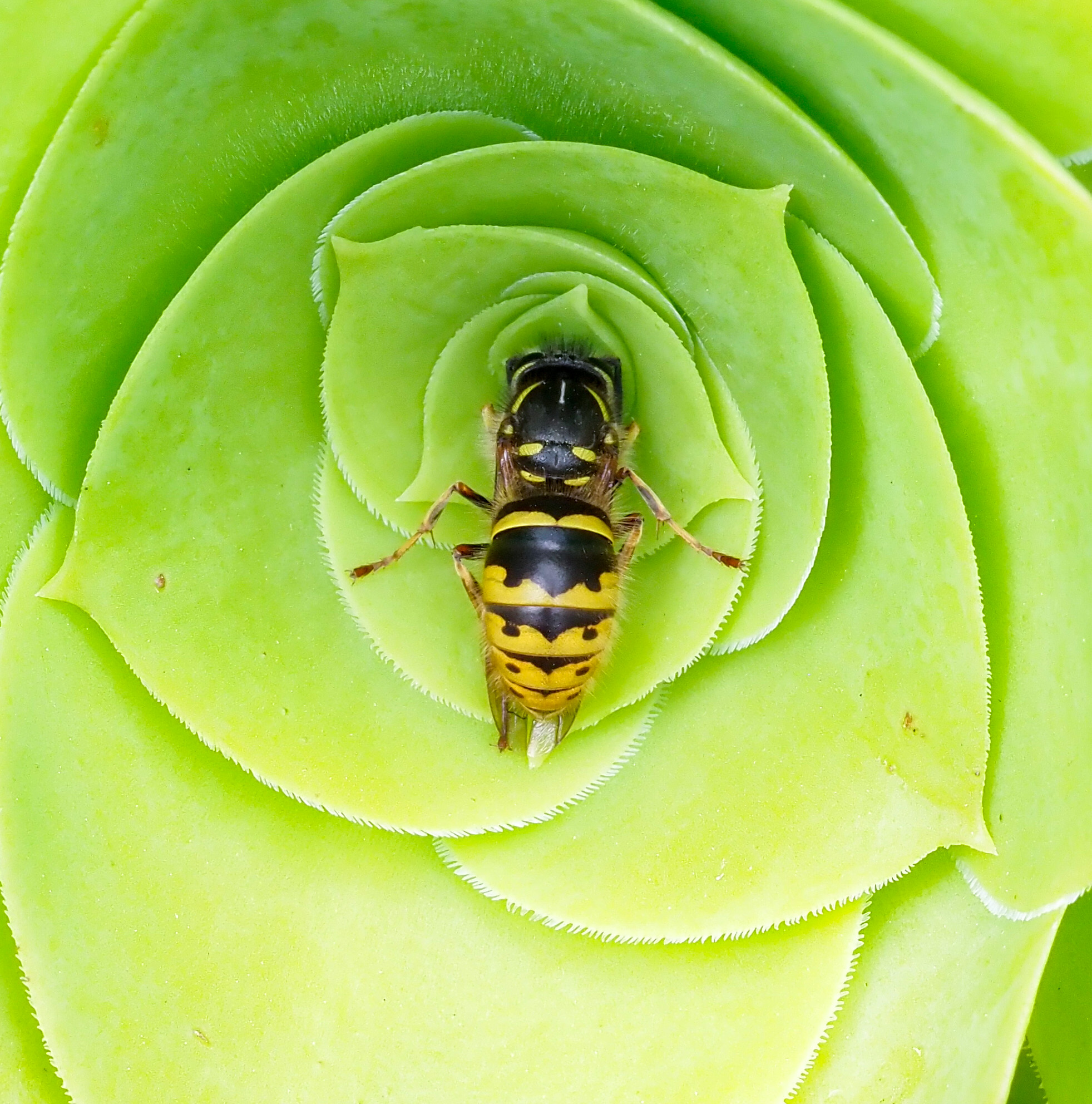
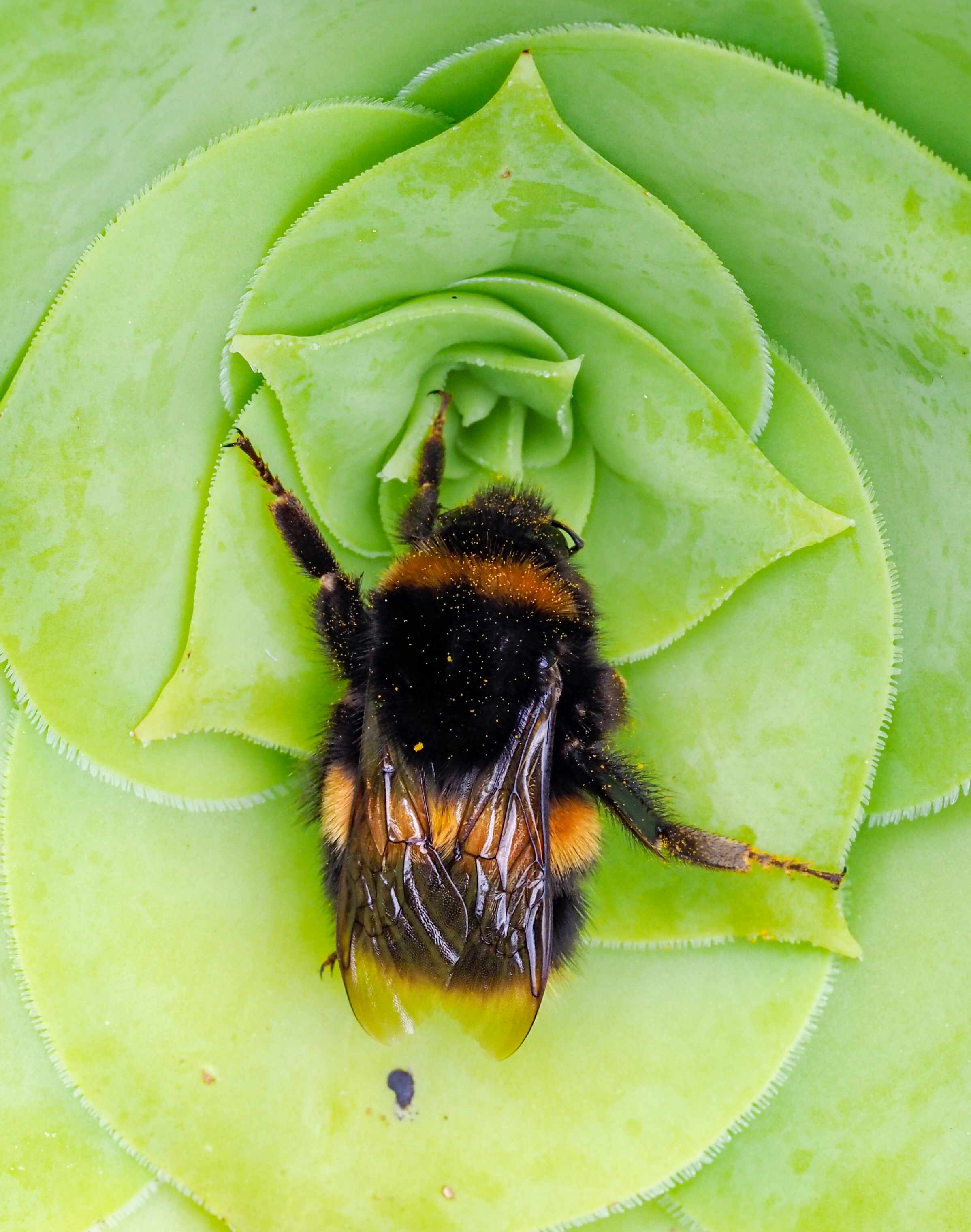
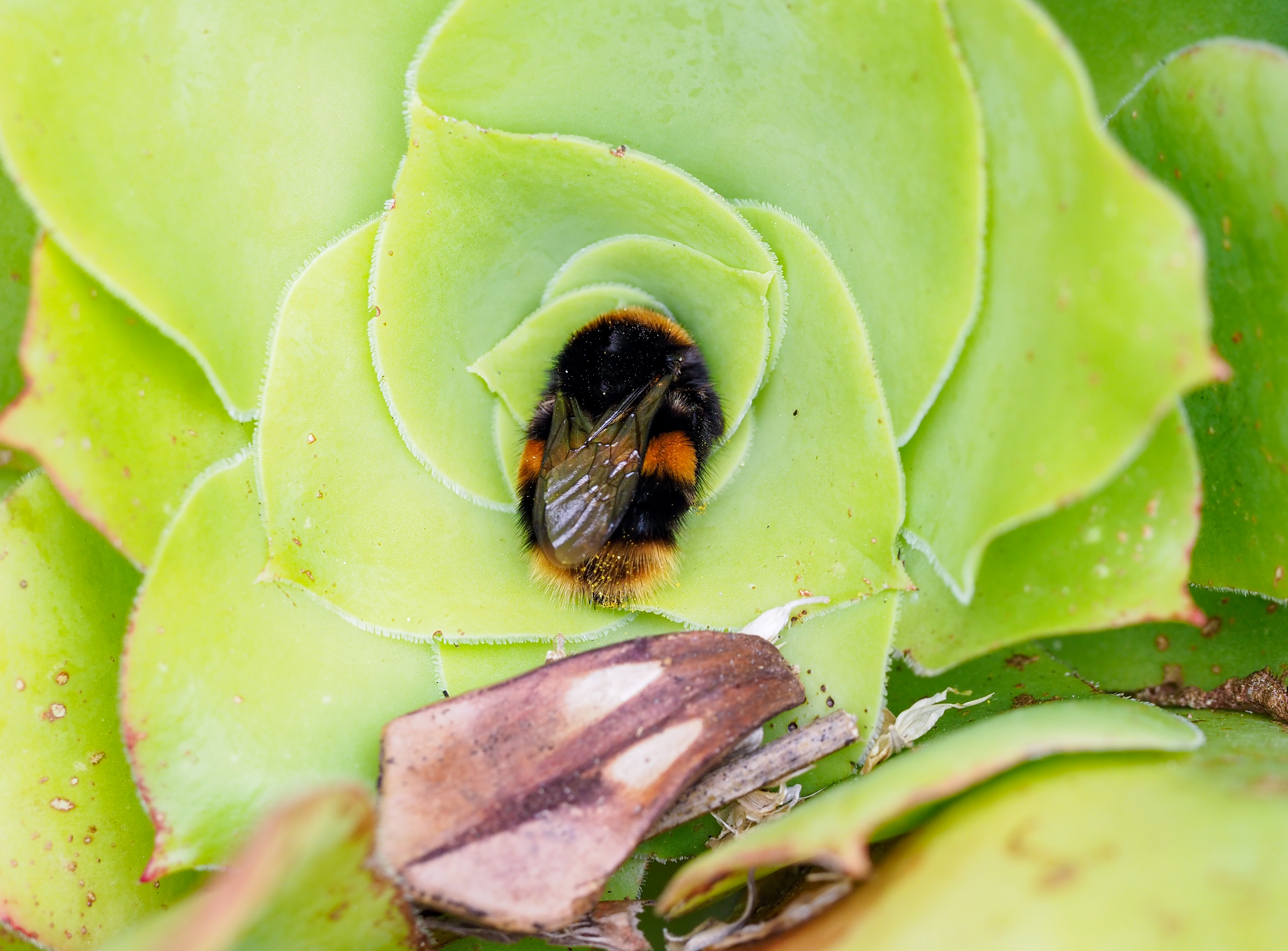
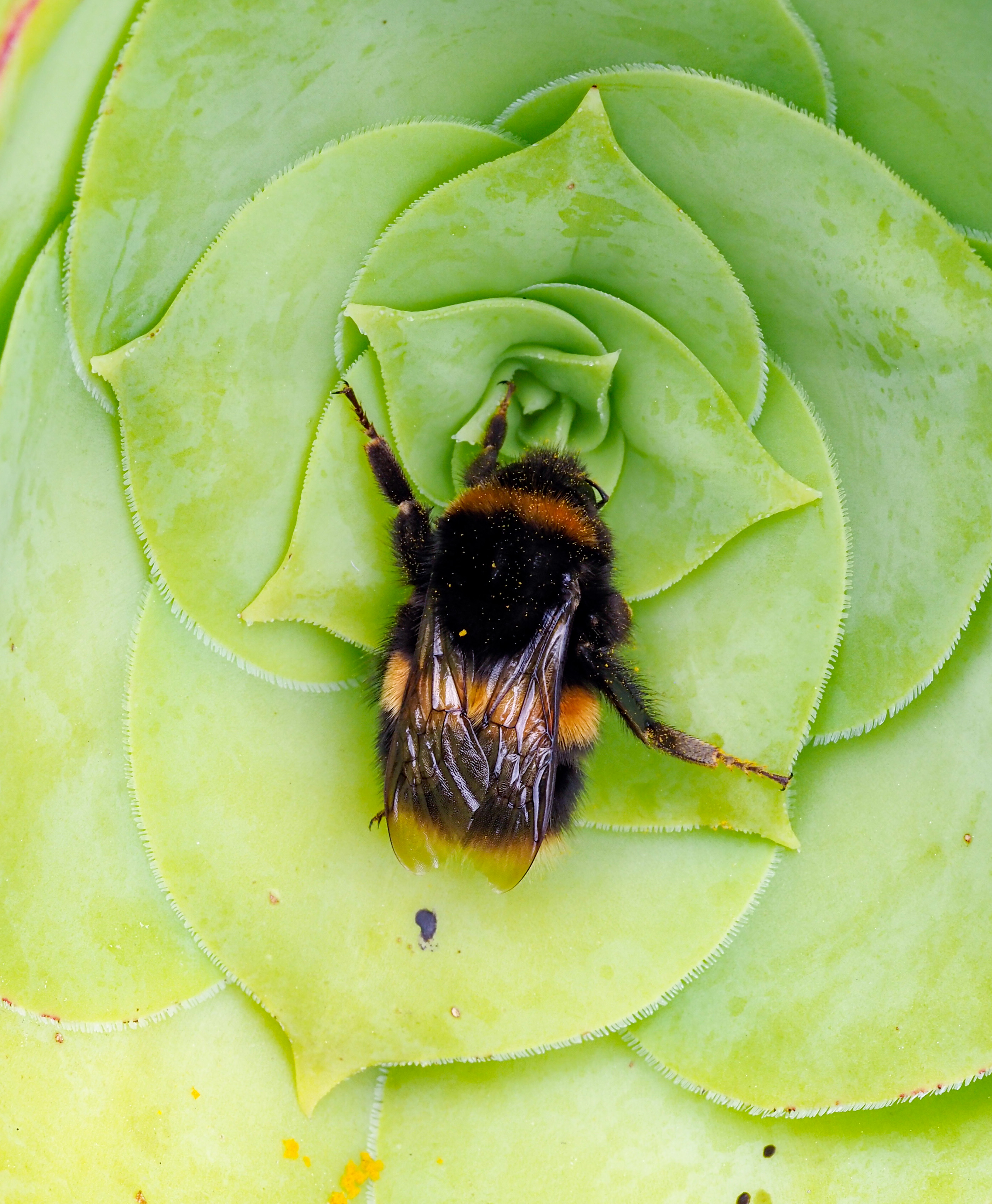
Elsewhere, at the same site – Tresco Abbey gardens – I came across more sleeping buff-tailed bumblebees. Some were parked head down, fast asleep in the hollows of Aeonium florets (see below). Others had spread three of their six legs, with the hooks on the tarsi attached to the edges of the Aeonium sepals.
Toxins can also induce sleep. Bumblebees that came in contact with small, i.e. sub-lethal, doses of neonicotinoid insecticides (10 μg/L imidacloprid) spent more time sleeping during the day and less time foraging (Tasman et al., 2020). The drugged foragers were inactive for more of the day than normal bumblebees, but they were more active at night! Even minute amounts caused a certain lethargy.
Sleeping sites and aggregations
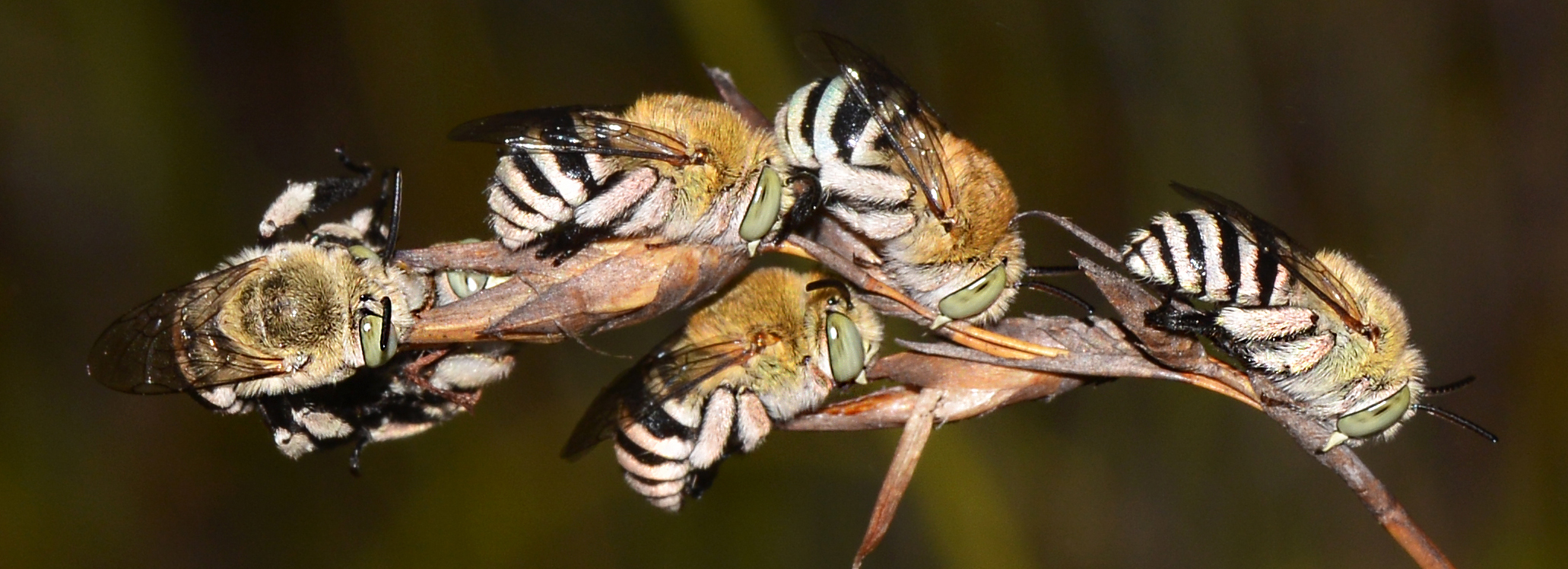
Males of many solitary bees sleep away from their nests at night, choosing to curl up in a flower, or aggregating at specific sleeping sites, at the end of the day (Pinheiro et al., 2017). Females usually sleep within the nests but can also form sleeping aggregations outside, on occasion. Some aggregations are all of the same sex. Others have mixed dormitories, as it were, but the females usually get up early and leave the sleeping site before the males!
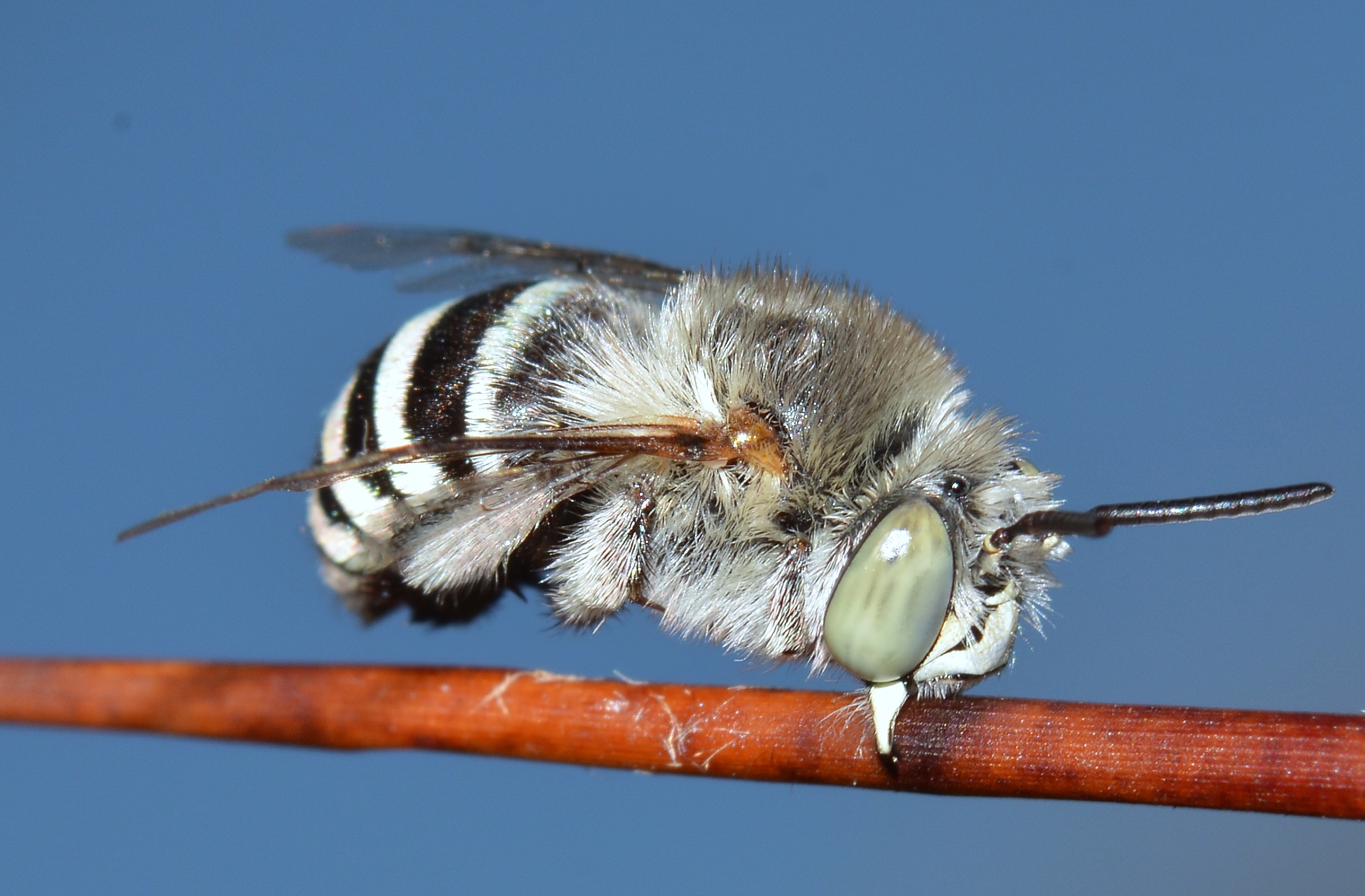
In male sleeping aggregations, the bees hang from small twigs and branches of the vegetation, gripping on with their mandibles (see below). They can support the weight of their body by clamping on to the end of a twig using their mandibles and remain rigid all night, sometimes in an upside-down position!
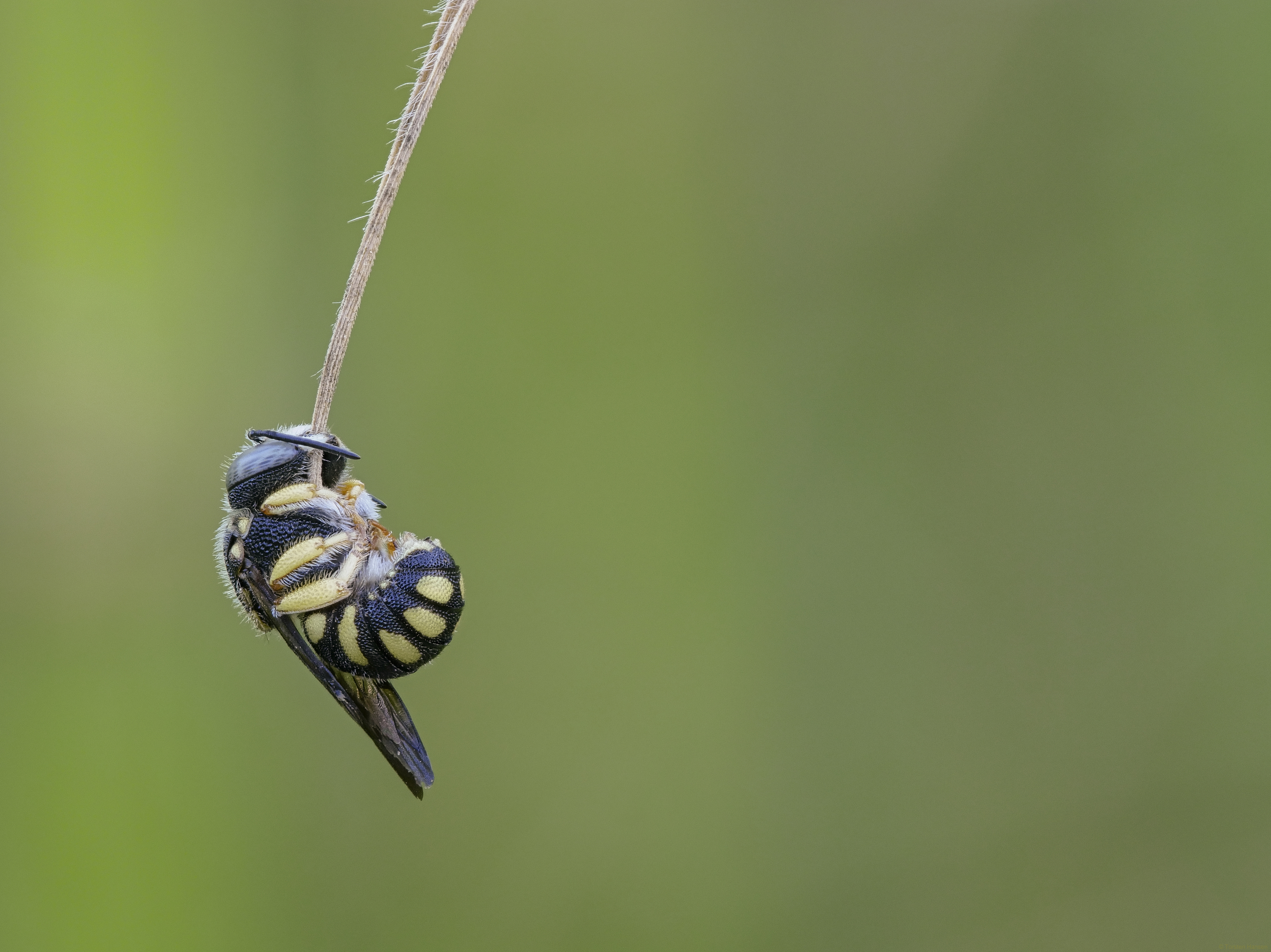
Some bees congregate at the end of each day to roost ar the same site, on plants that may have been used for many years by successive generations.
Why do we sleep?
Sleep disconnects animals from the external world, at considerable risks and costs, that must be offset by a vital benefit. (Pimentel et al., 2016)
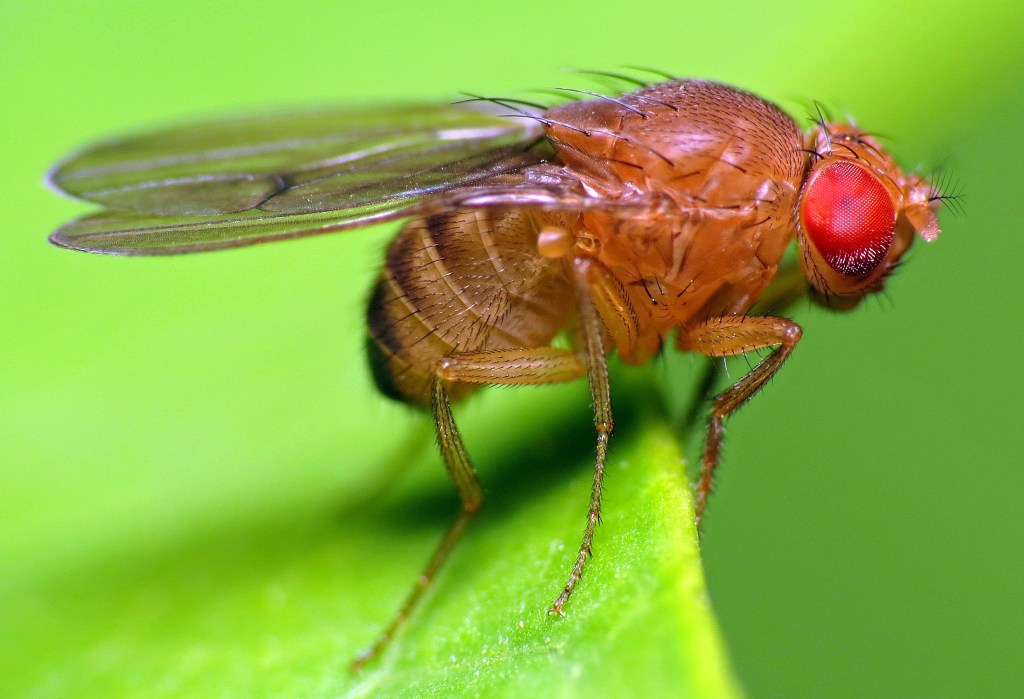
Sleep in insects seems to be remarkably similar to that experienced by humans, at least superficially. Older flies sleep less than younger adults; flies given coffee become restless; and those deprived of sleep – by scientists gently tapping their on container for 12 hours! – lost sleep, but managed to catch up by sleeping in for longer than usual; something called sleep rebound (Shaw et al., 2000 experiments using Drosophila).
Similarly, it’s hard not to anthropomorphise when learning that male fruit flies paired up with females ‘forgo a lot of night-time sleep to engage in courtship’ (Duhart et al., 2023). However, even fruit flies need their sleep eventually: sleep-deprived males, as well as sexually satiated males, were said to favour sleep over mating! (Machado et al., 2017).
Why we sleep is still something of a mystery, but it is known to be ‘orchestrated by a complex set of genes, neurons, and environmental conditions’ in Drosophila (Dubowy & Sehgal, 2016). In fact, scientists now know quite a lot about how sleep is regulated by different parts of the D. melanogaster brain (Helfrich-Förster, 2018). But I don’t think anybody knows whether insects dream!
“sleep in insects is more similar to human sleep than was previously known” (Zwaka et al., 2015).
Sleep provides insects with an interlude in which to scale down non-essential synaptic connections between the neurons in their brains and to consolidate their memories. For example, in honeybees, phases of deep-sleep – characterised by a reduction in muscle tone and antennal immobility – have the potential to prompt memory consolidation (Zwaka et al., 2015). Perhaps this is when newly formed memories from the days foraging are transformed in more stabilised memories, available to the bee in the days to come?
Sleep may also be a way of forgetting! Getting rid of insignificant and unwanted memories that might otherwise clutter up their tiny brains! N.B. there are about 100,000 nerve cells packed into the brain of a fruit fly, which is about the size of a poppy seed! See: The tiny brain of a fly!
In conclusion, sleep has a ‘profound’ effect on waking behaviour in insects, as it does in most animals, and is a biological necessity right across the animal kingdom. The fact that we share such similar behaviour with creatures from whom we diverged hundreds of millions of years ago is a testament to our commonality. If ever there was something that made you realise that all living creatures are somehow related and deeply connected, it is the sight of a sleeping bumblebee.
References
Alves-dos-Santos, I., Gaglianone, M. C., Naxara, S. R. C., & Engel, M. S. (2009). Male sleeping aggregations of solitary oil-collecting bees in Brazil (Centridini, Tapinotaspidini, and Tetrapediini; Hymenoptera: Apidae). Genetics and Molecular Research, 8(2), 515-524.
Banks, N. (1902). Sleeping habits of certain Hymenoptera. Journal of the New York Entomological Society, 10(4), 209-214.
Berenbaum, M. (2019). Catching ZZZZs. American Entomologist, 65(4), 220-222.
Duhart, J. M., Inami, S., & Koh, K. (2023). Many faces of sleep regulation: beyond the time of day and prior wake time. The FEBS journal, 290(4), 931-950.
Eban-Rothschild, A., & Bloch, G. (2012). Social influences on circadian rhythms and sleep in insects. Advances in genetics, 77, 1-32.
Gomes, A. S. S., Milet-Pinheiro, P., & Domingos-Melo, A. (2024). Male Emphorini (Hymenoptera: Apidae) bees use flowers of Ipomoea carnea (Convolvulaceae) as overnight resting sites. Biota Neotropica, 24, e20231604.
Hartse, K. M. (2010). Sleep in insects. In Evolution of sleep: phylogenetic and functional perspectives (pp. 34-56). Cambridge University Press Cambridge, UK.
Helfrich-Förster, C. (2018). Sleep in insects. Annual review of entomology, 63(1), 69-86.
Kaiser, W. (1988). Busy bees need rest, too: behavioural and electromyographical sleep signs in honeybees. Journal of Comparative physiology A, 163, 565-584.
Kaiser, W., & Steiner-Kaiser, J. (1983). Neuronal correlates of sleep, wakefulness and arousal in a diurnal insect. Nature, 301(5902), 707-709.
Machado, D. R., Afonso, D. J., Kenny, A. R., Öztürk-Çolak, A., Moscato, E. H., Mainwaring, B., … & Koh, K. (2017). Identification of octopaminergic neurons that modulate sleep suppression by male sex drive. Elife, 6, e23130.
Mahlmann, T., Hipólito, J., & de Oliveira, F. F. (2014). Male sleeping aggregation of multiple Eucerini bee genera (Hymenoptera: Apidae) in Chapada Diamantina, Bahia, Brazil. Biodiversity Data Journal, (2).
Martins, H., Rebouças, P., & Ferreira, V. (2018). Sleeping aggregation of an oil-collecting bee, Centris (Paracentris) xanthomelaena Moure & Castro (Hymenoptera: Apidae: Centridini). Sociobiology, 65(4), 770-772.
Murphy, K. R., Deshpande, S. A., Yurgel, M. E., Quinn, J. P., Weissbach, J. L., Keene, A. C., … & Ja, W. W. (2016). Postprandial sleep mechanics in Drosophila. Elife, 5, e19334.
Nagari, M., Gera, A., Jonsson, S., & Bloch, G. (2019). Bumble bee workers give up sleep to care for offspring that are not their own. Current Biology, 29(20), 3488-3493.
O Sabino, W., Da Silva, C. I., & Alves-dos-Santos, I. (2017). Mating system and sleeping behaviour of the male and female Centris (Paracentris) burgdorfi Friese (Apidae, Centridini). Journal of Insect Behavior, 30, 103-118.
Pimentel, D., Donlea, J. M., Talbot, C. B., Song, S. M., Thurston, A. J., & Miesenböck, G. (2016). Operation of a homeostatic sleep switch. Nature, 536(7616), 333-337.
Pinheiro, M., Alves-dos-Santos, I., & Sazima, M. (2017). Flowers as sleeping places for male bees: somehow the males know which flowers their females prefer. Arthropod-Plant Interactions, 11, 329-337.
Santos, C. F., Menezes, C., Vollet-Neto, A., & Imperatriz-Fonseca, V. L. Congregation Sites and Sleeping Roost of Male Stingless Bees (Hymenoptera: Apidae: Meliponini).Sociobiology 61(1): 115-118 (March, 2014)
Sauer, S., Kinkelin, M., Herrmann, E., & Kaiser, W. (2003). The dynamics of sleep-like behaviour in honey bees. Journal of Comparative Physiology A, 189, 599-607.
Tasman, K., Rands, S. A., & Hodge, J. J. (2020). The neonicotinoid insecticide imidacloprid disrupts bumblebee foraging rhythms and sleep. Iscience, 23(12).
Vorster, A. P., & Born, J. (2015). Sleep and memory in mammals, birds and invertebrates. Neuroscience & Biobehavioral Reviews, 50, 103-119.
Zwaka, H., Bartels, R., Gora, J., Franck, V., Culo, A., Götsch, M., & Menzel, R. (2015). Context odor presentation during sleep enhances memory in honeybees. Current Biology, 25(21), 2869-2874.
 Ray Cannon's nature notes
Absolutely fascinating text and pics although I must admit that reading your blog post made me a bit sleepy. 😉
😁