Guelder rose (Viburnum opulus) is a deciduous shrub which can grow up to 4 m tall and is covered in bright red berries at this time of year (August).
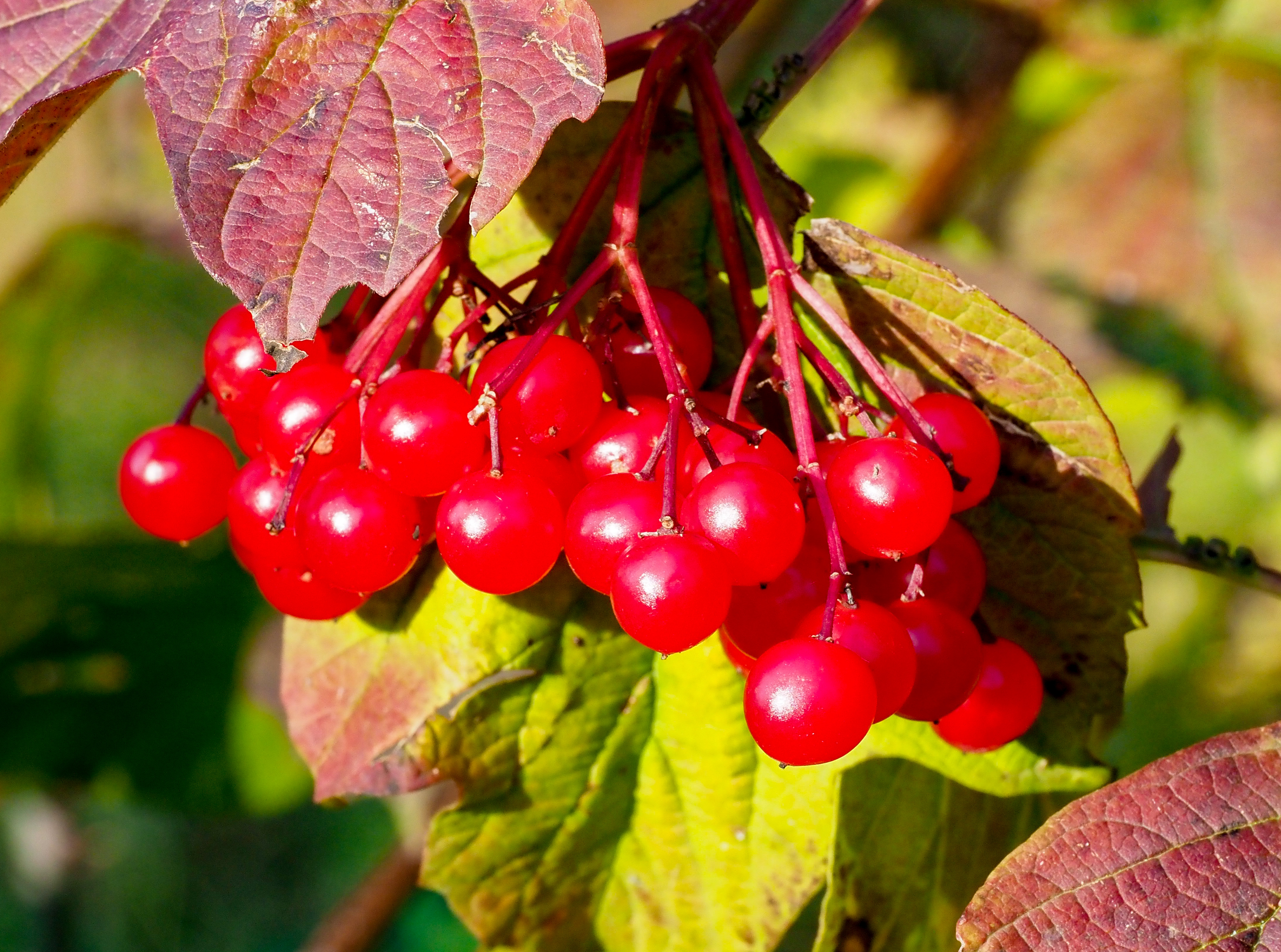
Earlier in the year it is covered in clusters of white flowers, composed of tubular white fertile flowers surrounded by larger white sterile flowers (below).
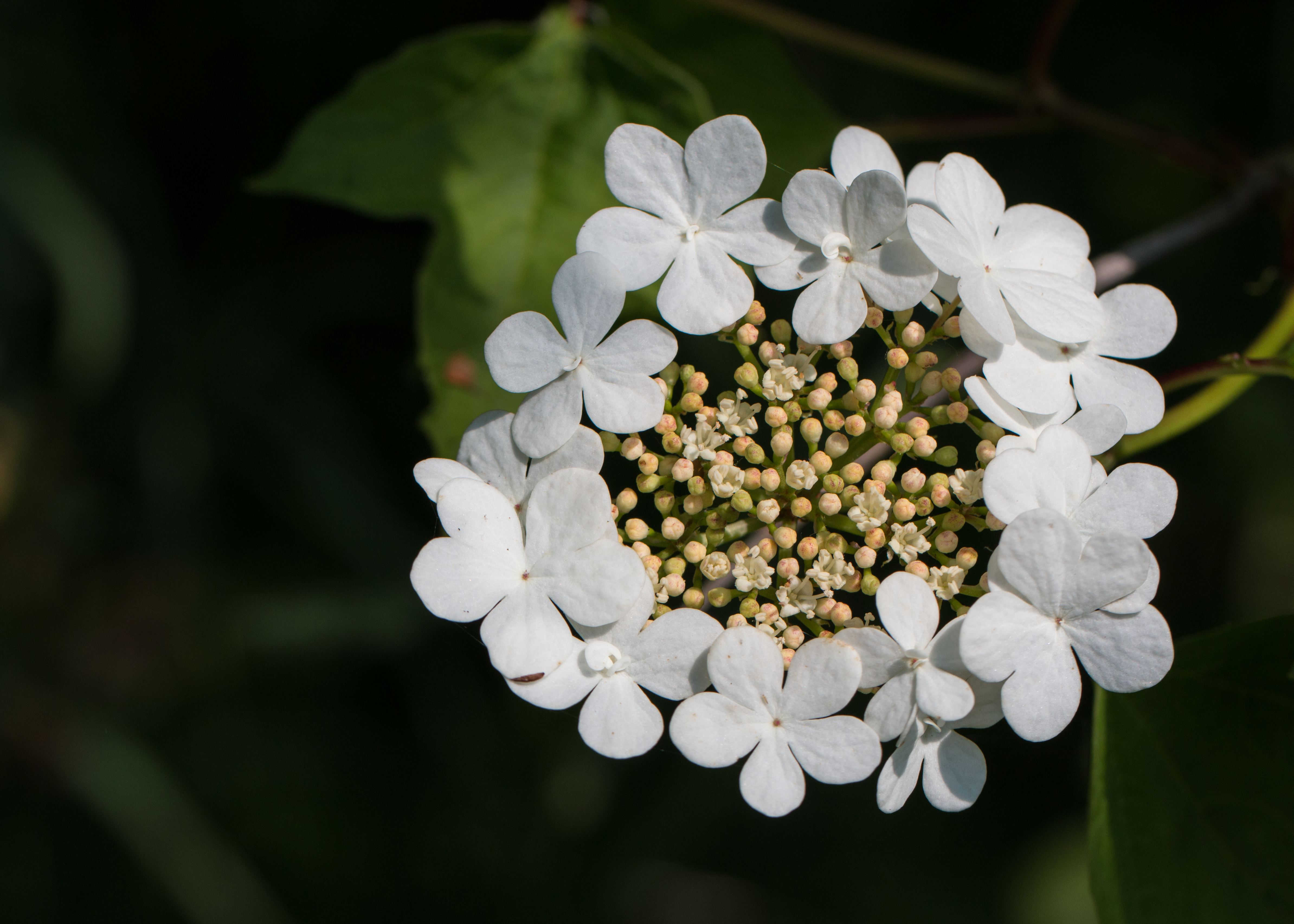
As well as the nectar-rich flowers, guelder rose plants have extra-floral nectaries (EFNs) at the base of each leaf-blade. These glands are variable in size (0.5–1 mm), and on some leaves there may be up to five pairs which extend onto the edge of the leaf lamina (shown below).
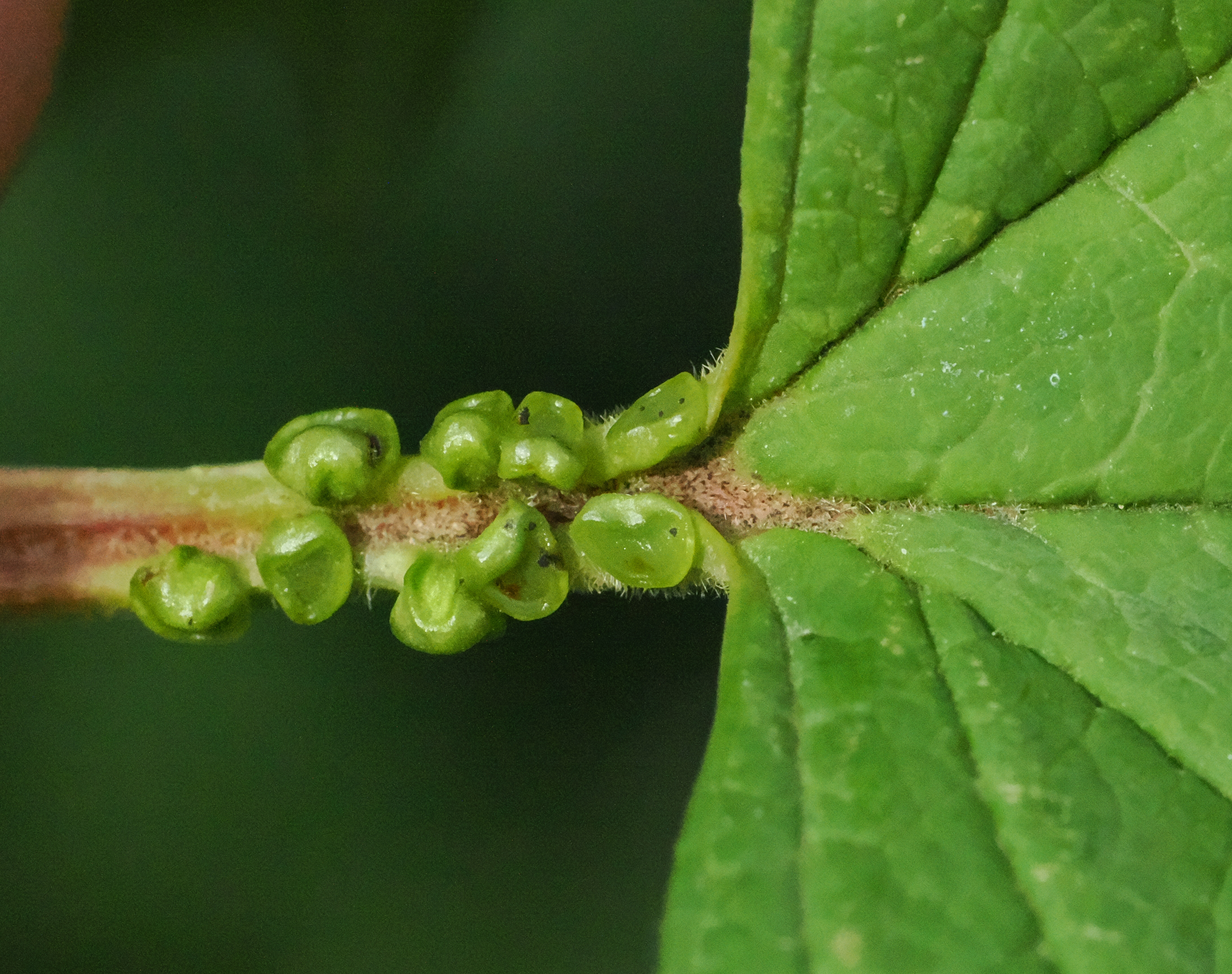
The EFNs produce water and sugars, but they have not evolved to attract and reward pollinators. So who is the nectar for, and how does the plant benefit?
The nectar produced by EFNs is sweeter than phloem and is rich in carbohydrates (sucrose and/or fructose), with diluted compounds of lipids, enzymes, amino acids, phenols, alkaloids and volatile organic compounds (Del-Claro et al. 2016).
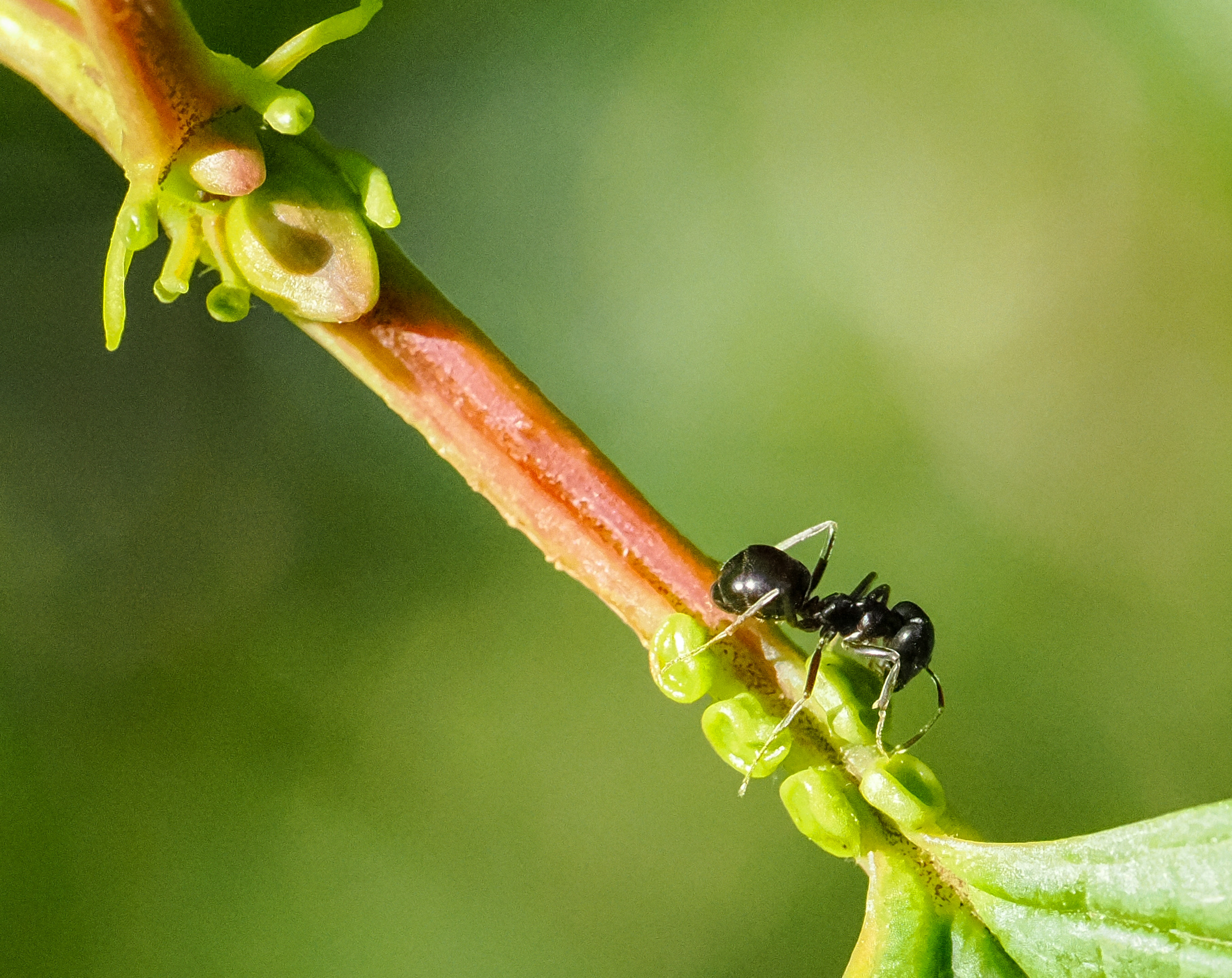
Photo by Raymond JC Cannon
It is generally thought that EFNs have a defensive function, attracting ants (mainly) that feed on the nectar and, in exchange, prey on, or chase away herbivores. Thus, benefiting the plant. This relationship is often described in cost-benefit terms, involving an exchange of services: i.e. plants pay for protection services provided by hymenopterans using nectar as the currency.
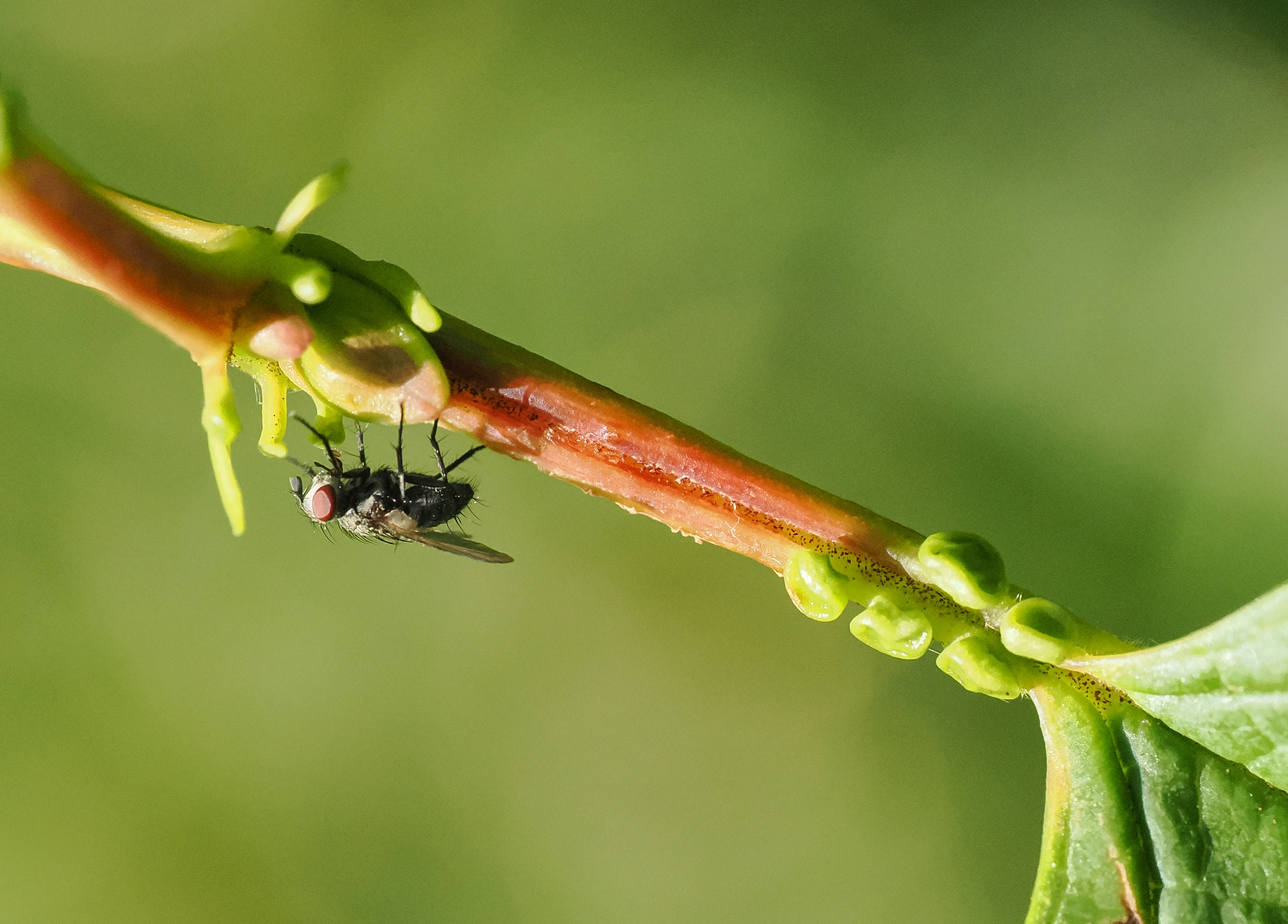
However, it is by no means certain that EFN only function in this way, i.e. as a plant-ant mutualism. Some alternative hypotheses related to the evolution and the functioning of EFNs were reviewed by Calixto et al. (2018). These include suggestions by various researchers that:
(i) EFNs may be a sort of distraction device, i.e. to prevent ants from foraging on flowers, which may affect the plant’s reproductive success. Bees are far more effective pollinators than ants, because they move from plant to plant with such alacrity! Rewarding ants with extrafloral nectar can reduce their visits to flowers on the same plant; reducing ant‐pollinator conflict while retaining protection of other structures: i.e. bribing ants away from flowers (Villamil et al., 2015).
The buff-tailed bumblebee (Bombus terrestris), which I photographed on a cornflower (below), dwarfs the two tiny bees, also foraging – presumably – on the same flower. In this case, there does not appear to be any ‘ant-pollinator’ conflict; the bumblebee is just too big!
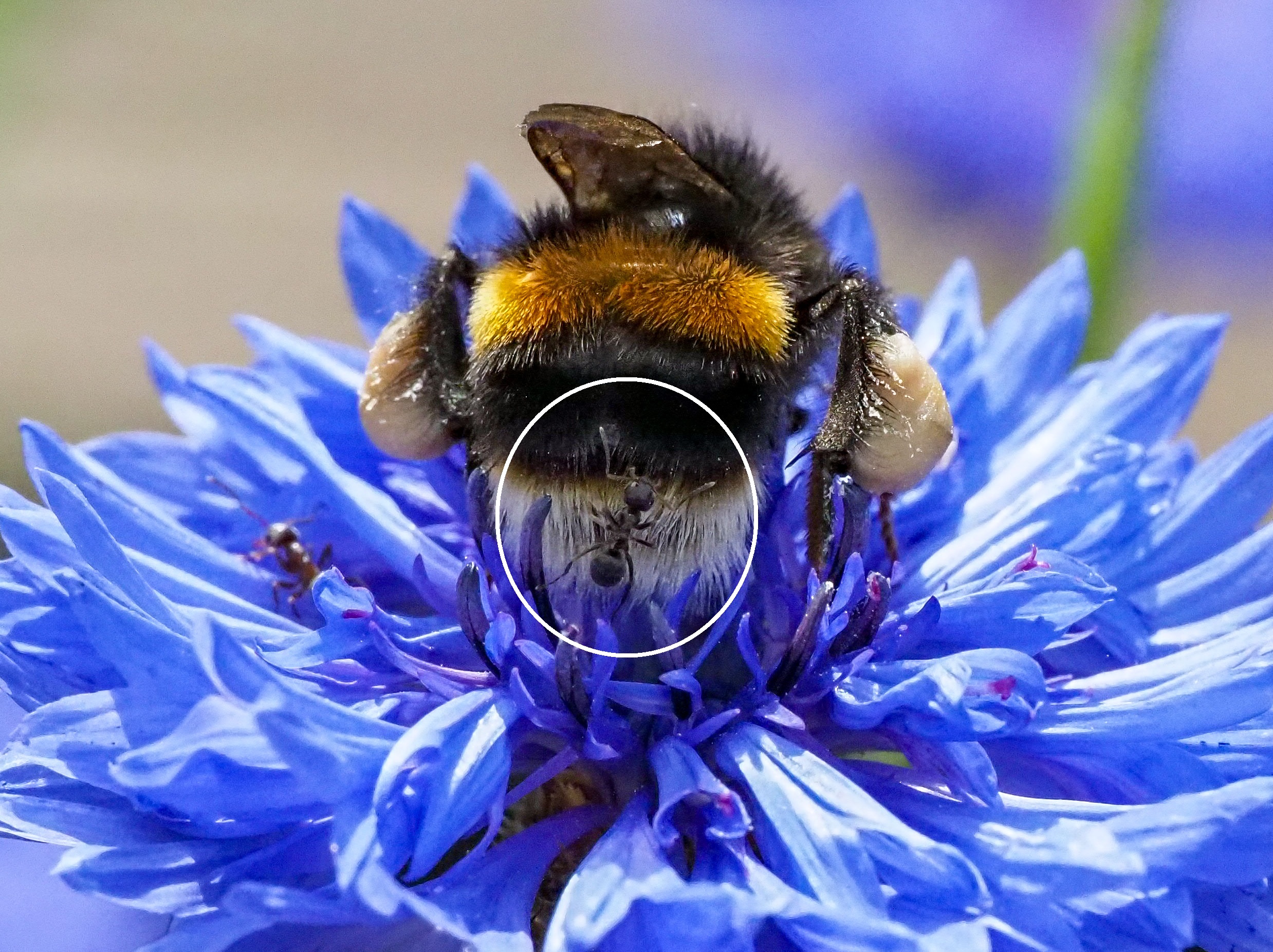
Photo by Raymond JC Cannon
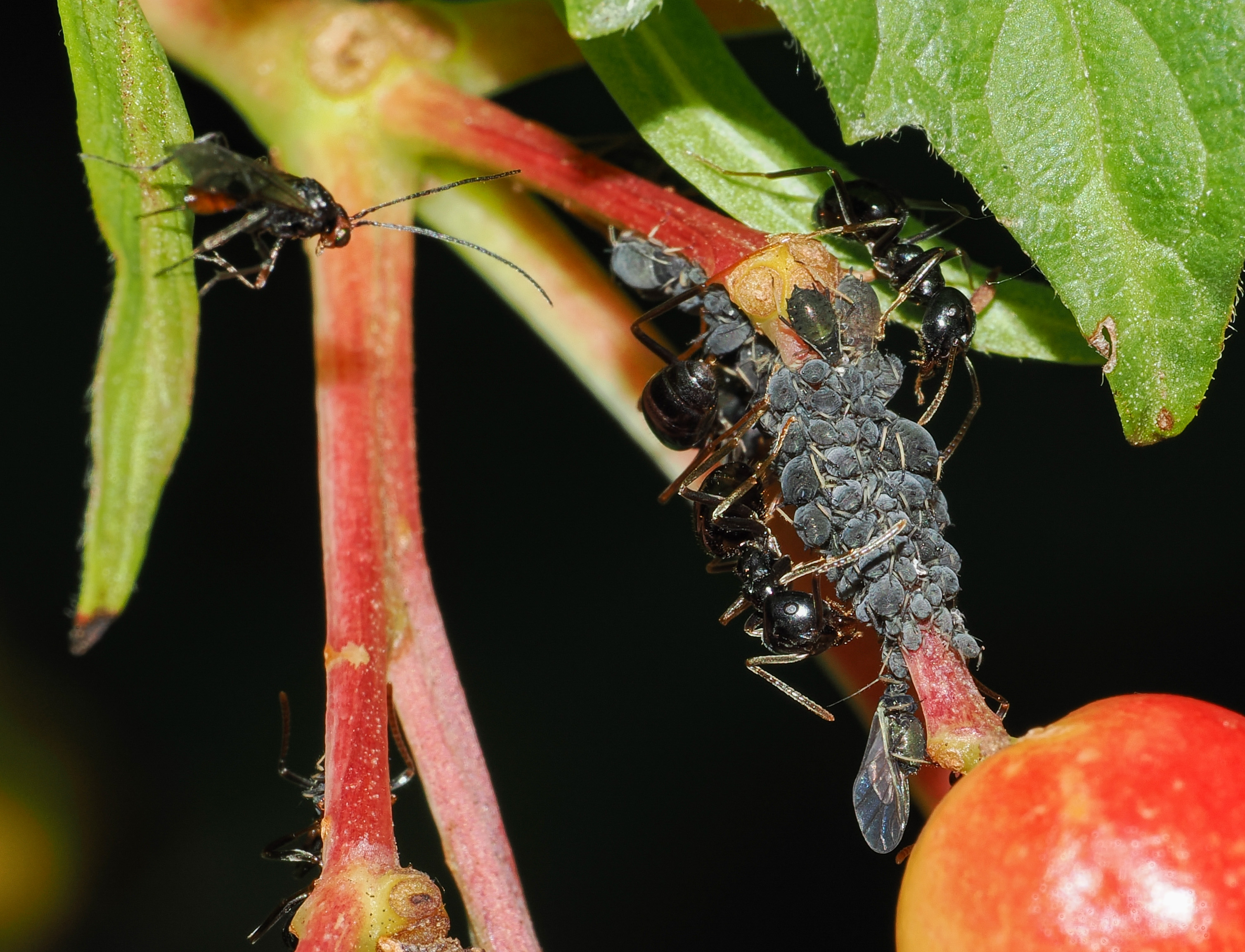
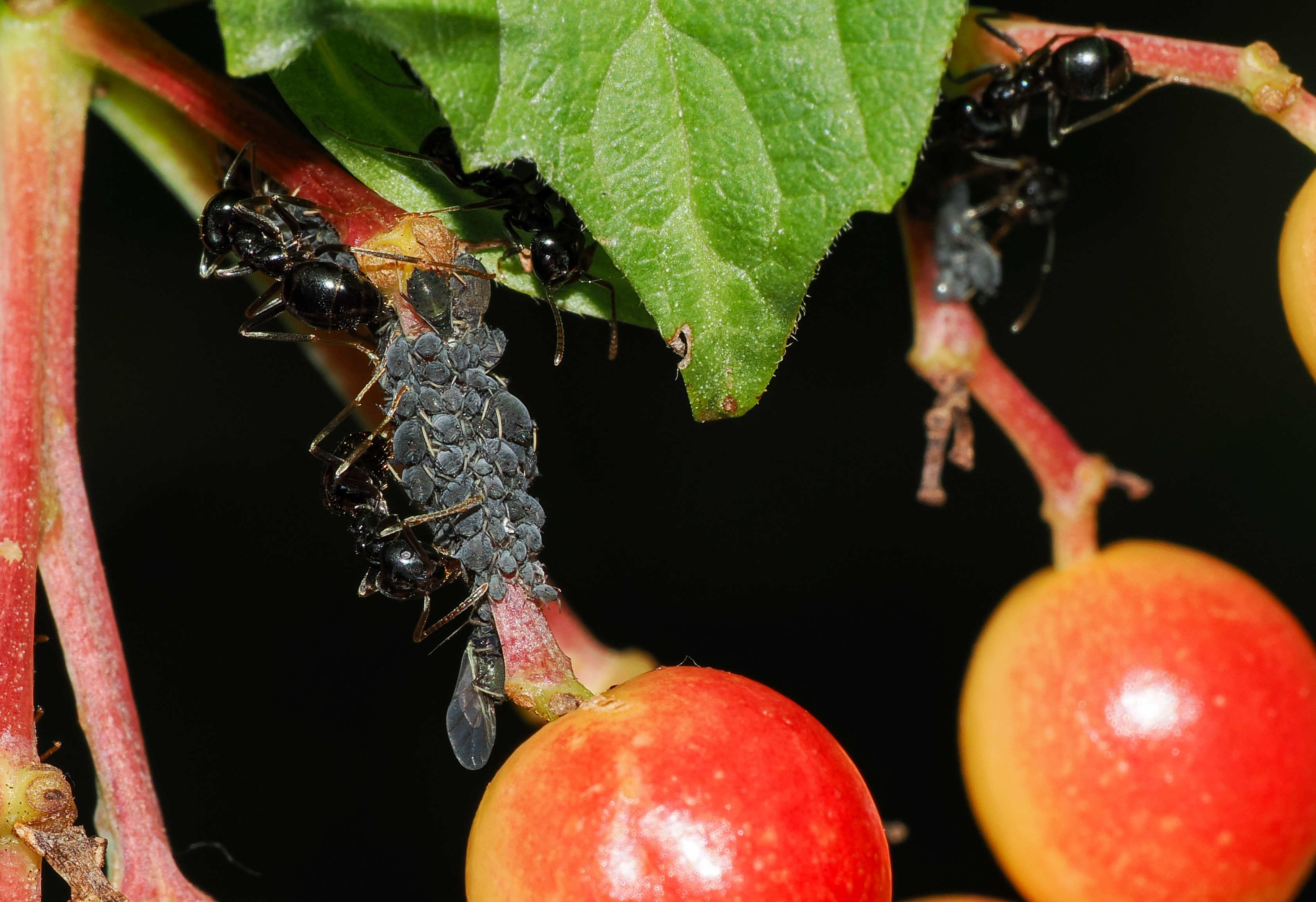
(ii) EFNs are a food source, which could lead to the establishment of ant nests closer to plants and thereby, improve the plant nutrition. However, ants also ‘farm’ aphids – as a source of phloem sap – and this often occurs on plants with EFNs. I photographed black ants tending ants colony of aphids – viburnum aphids (Aphis viburni), I think – on a guelder rose plant (see below). Notice the parasitoid wasp – with sharp ovipositor – on the top left of the first picture. No doubt waiting to parasitise the aphids!
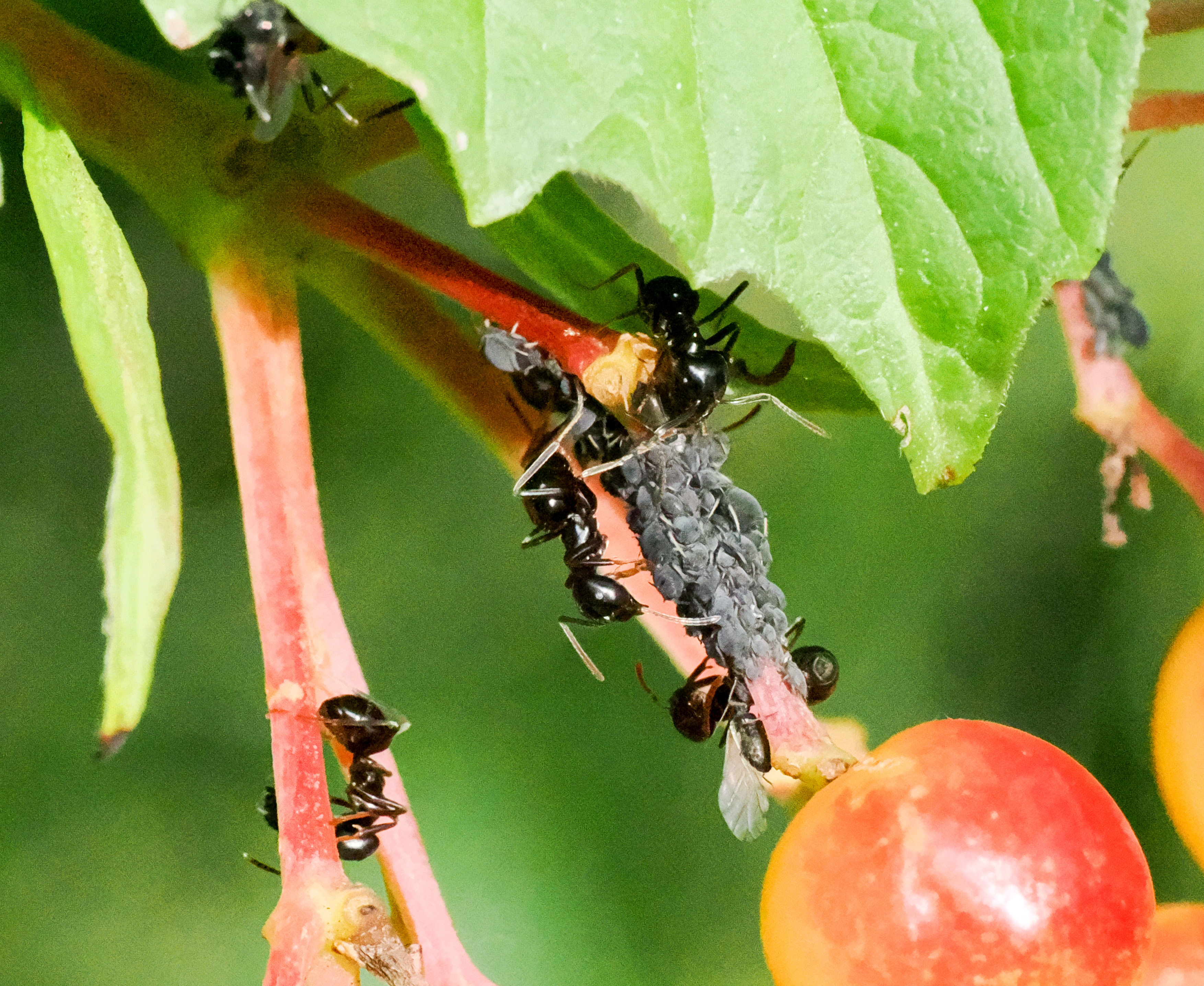
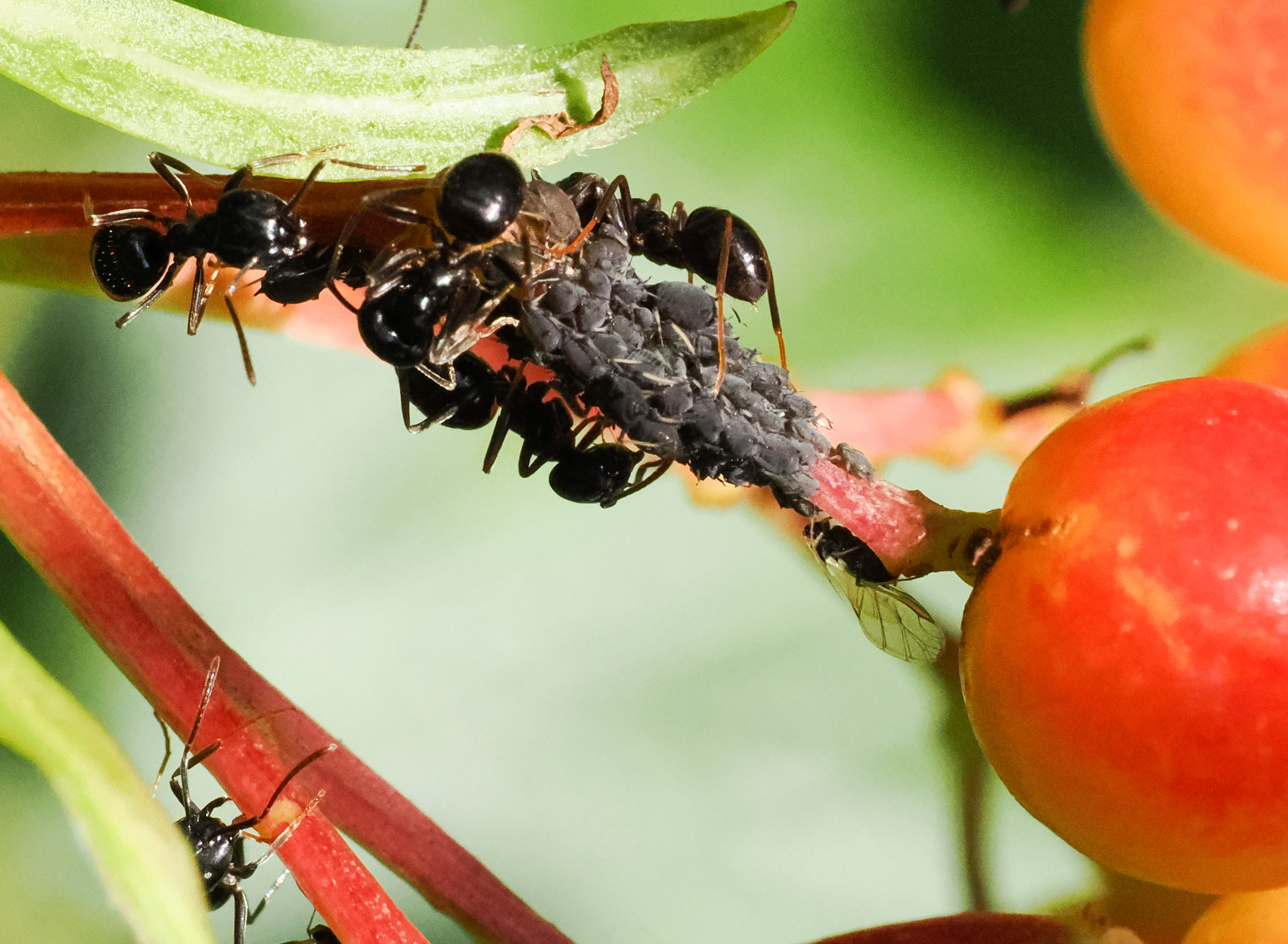
The food source provided for the ants also attracts a host of other insects, including flies, wasps, beetles, sawflies, and probably many others (see below). This is an important ecosystem service, but the benefit to the plants of such largesse is not so obvious, at least to me. Could it be that the evolved mutualism is much broader than usually assumed, and includes ‘services’ provided by other species which benefit the plant in more subtle ways?
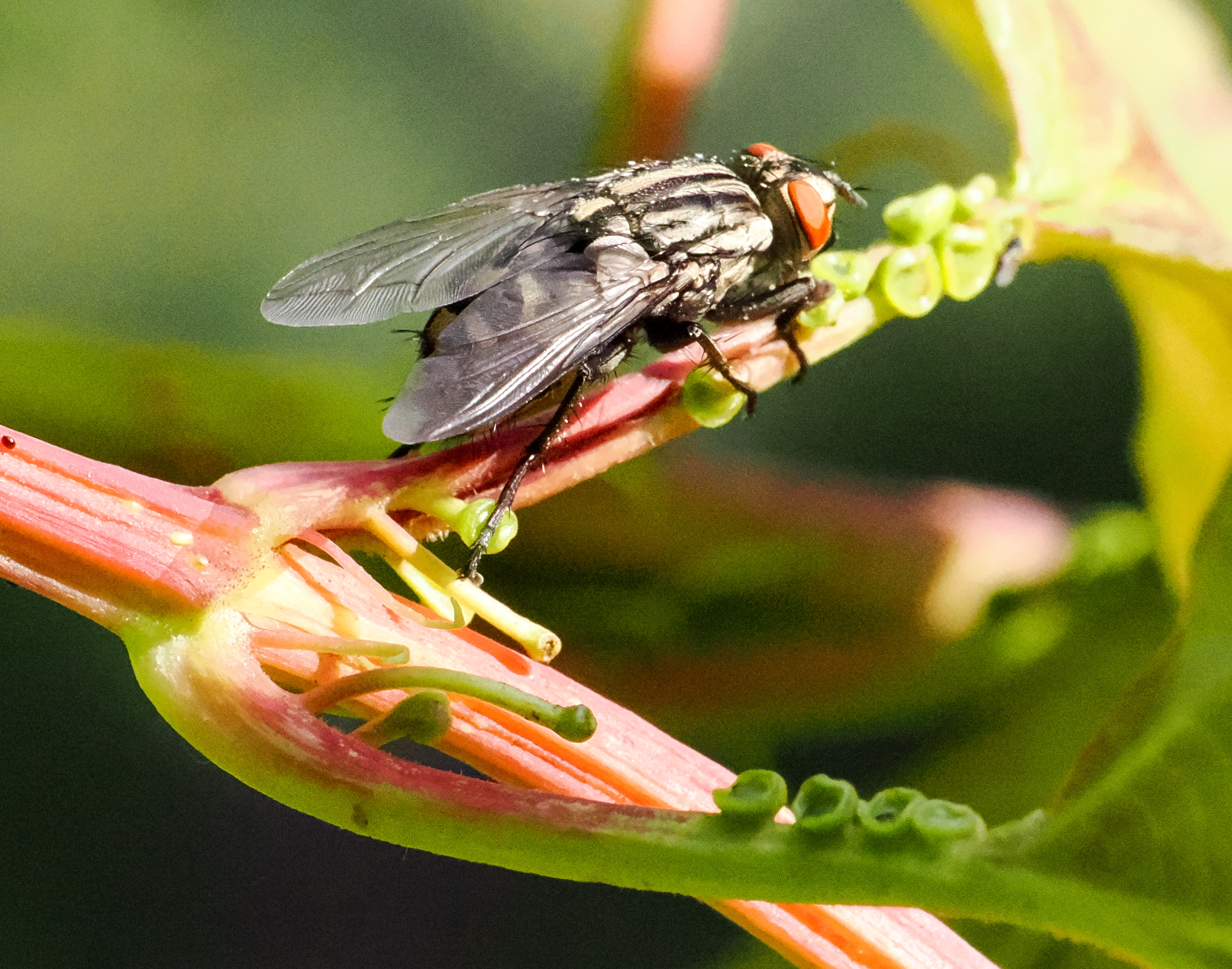
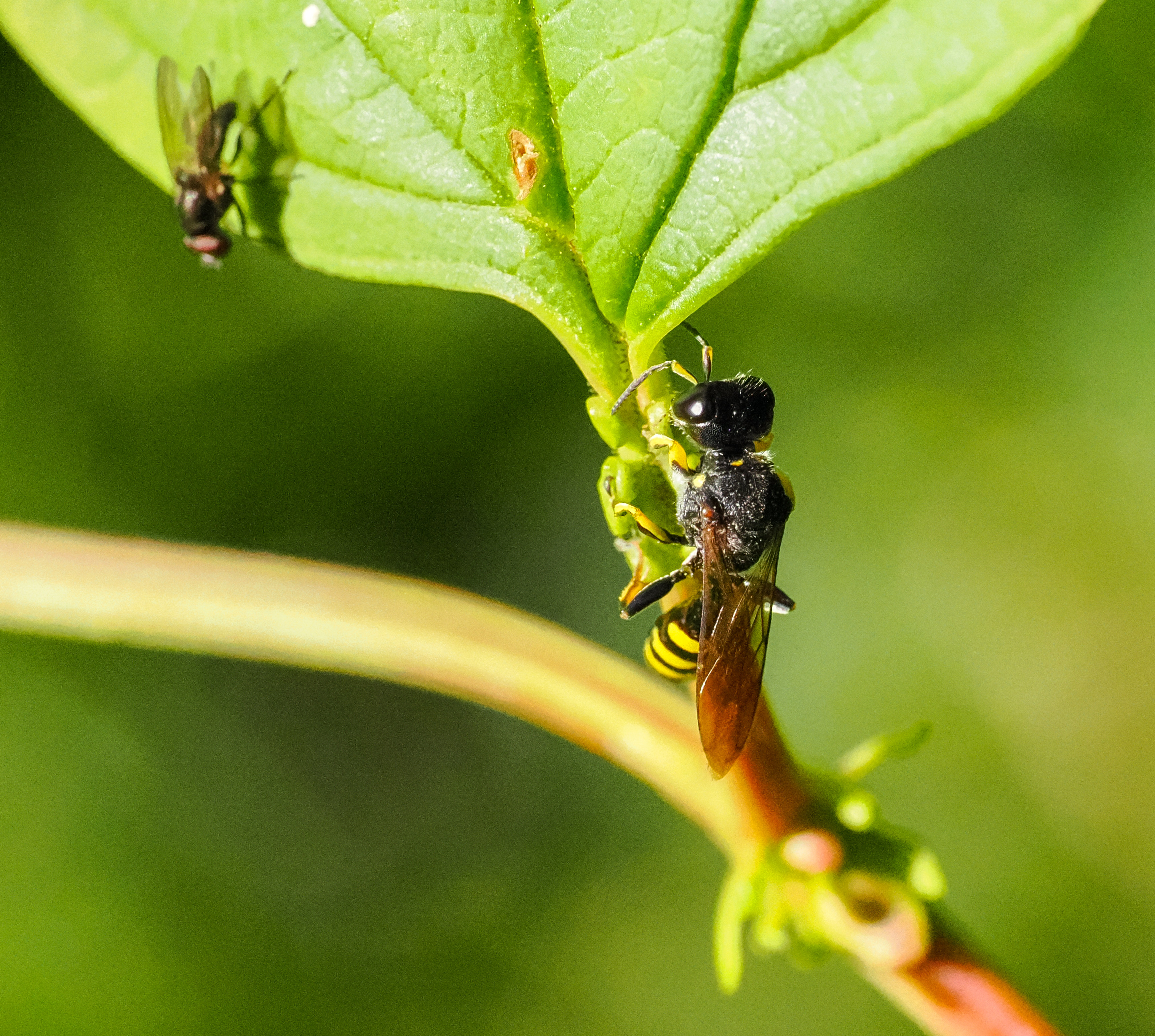
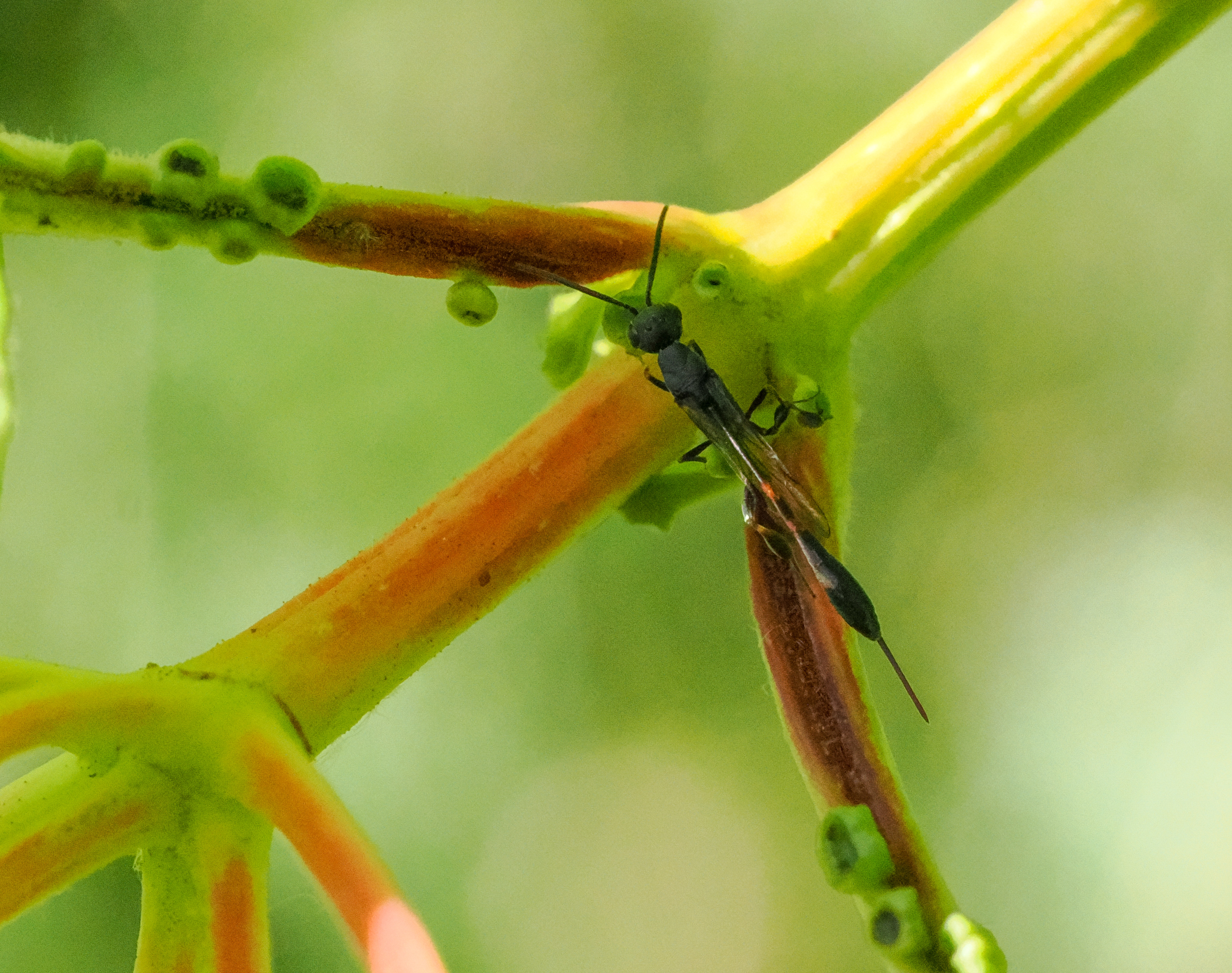
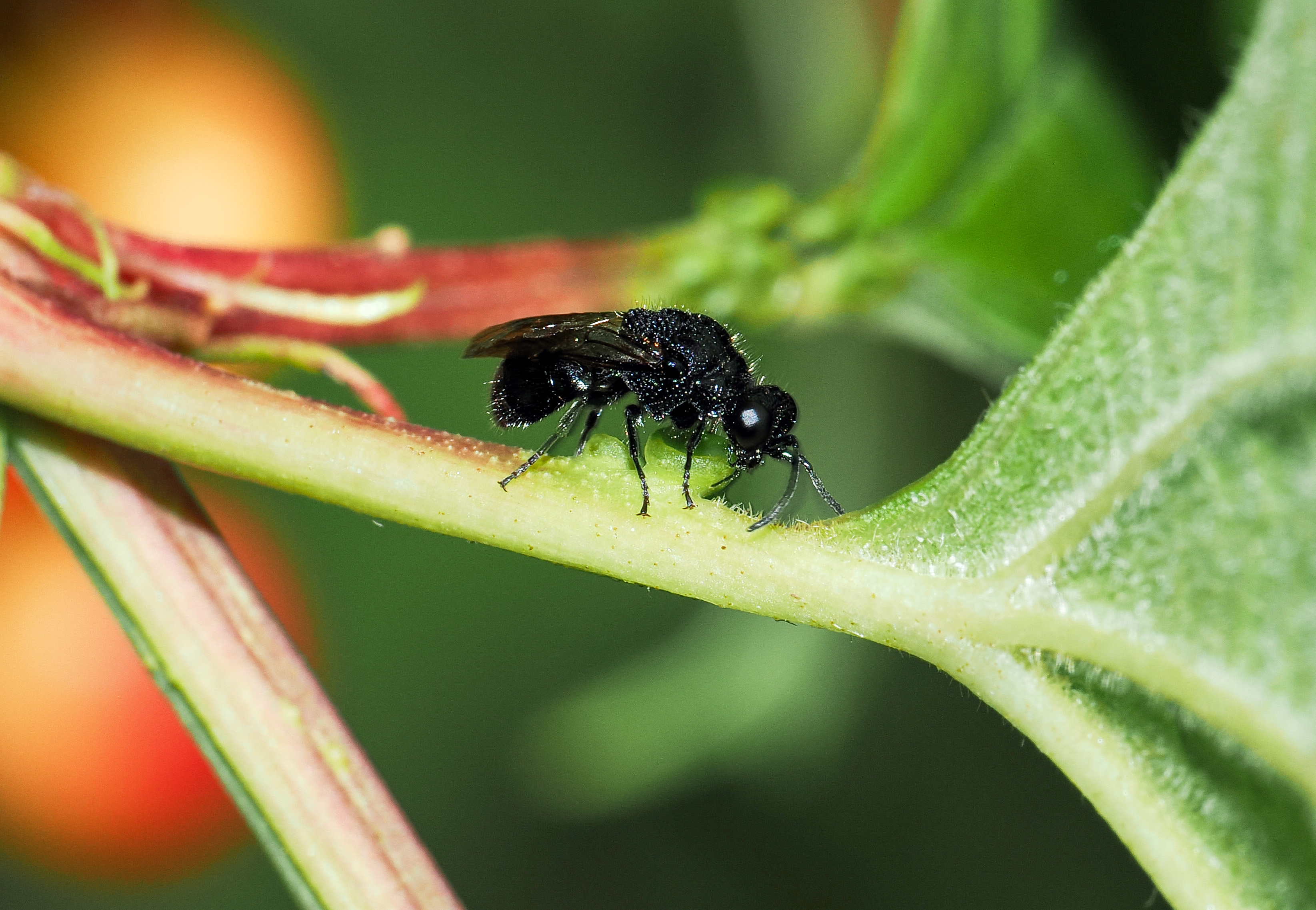
(iii) Like aphids, plants may secrete extrafloral nectar to eliminate excess sugar; although, this is an indirect consequence of obtaining nitrogen in aphids.
There are other ideas about the function of extra-floral nectaries on plants and this species seems to me to be an excellent model on which to test many of these hypotheses. Such a plethora of insects feed on the EFNs of guelder rose, it must be playing a very important role in any ecosystem in which it occurs. There must be community level effects: direct and indirect interactions between different species within a community which impact the overall structure and function of the ecosystem.
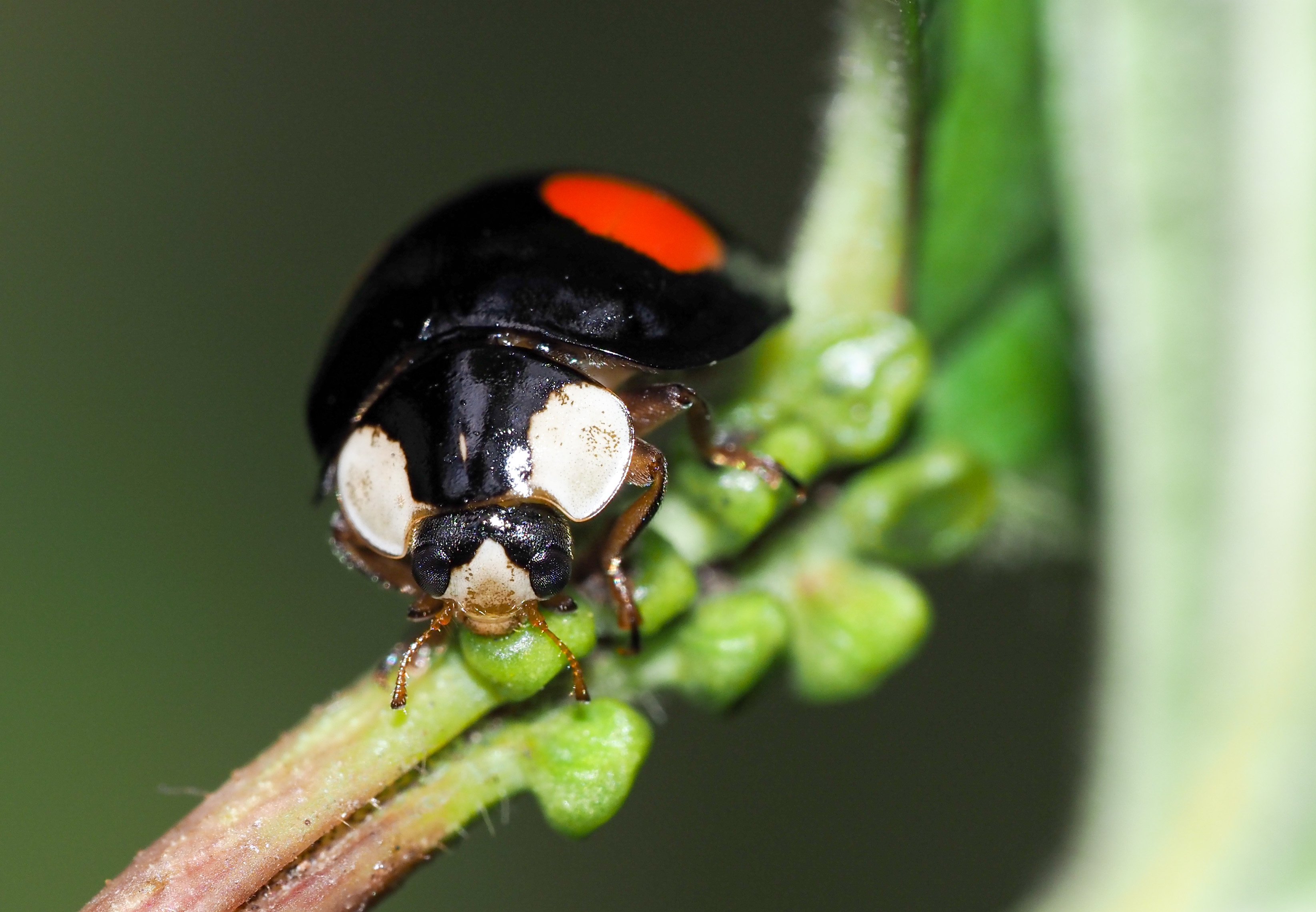
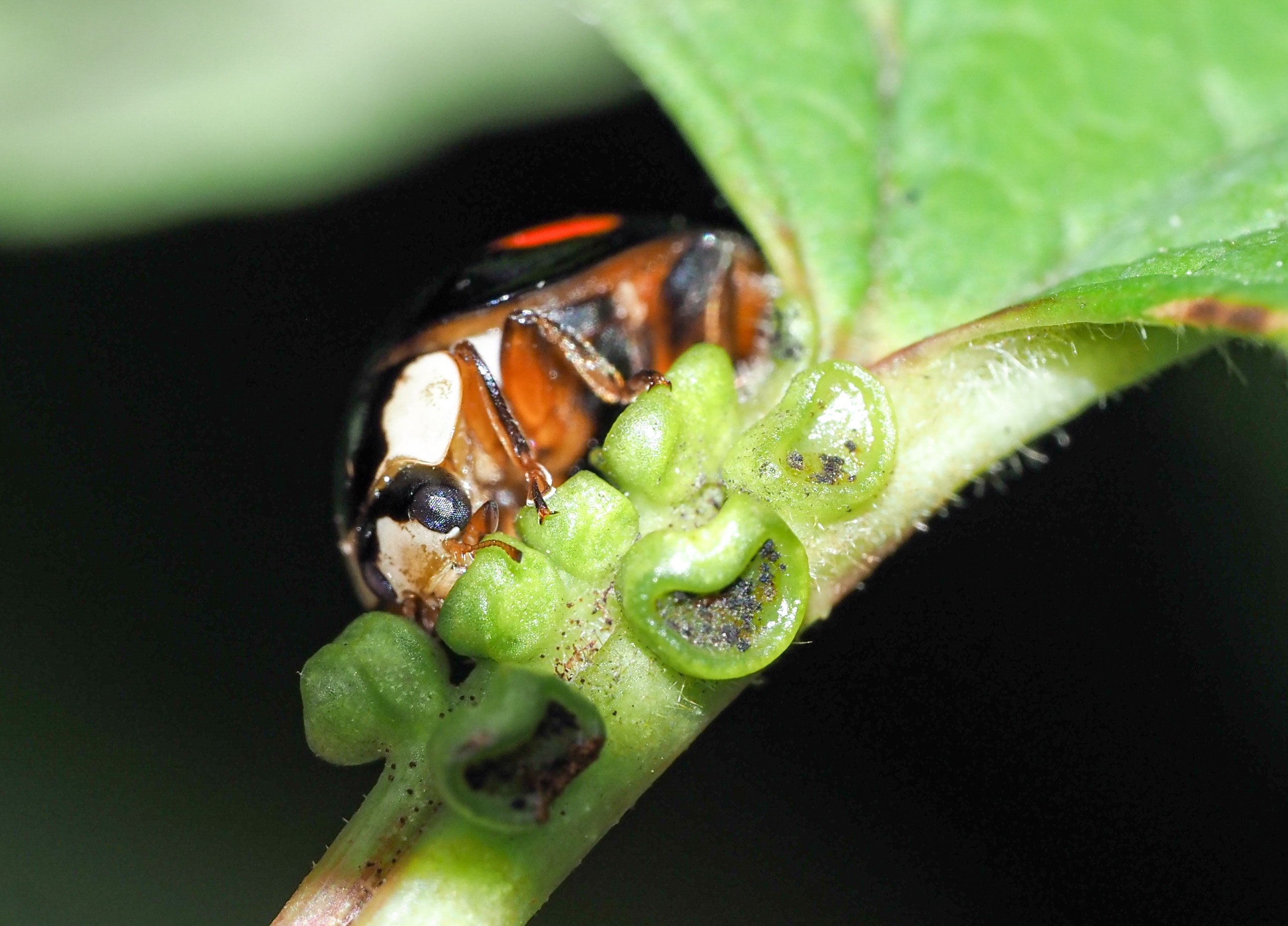
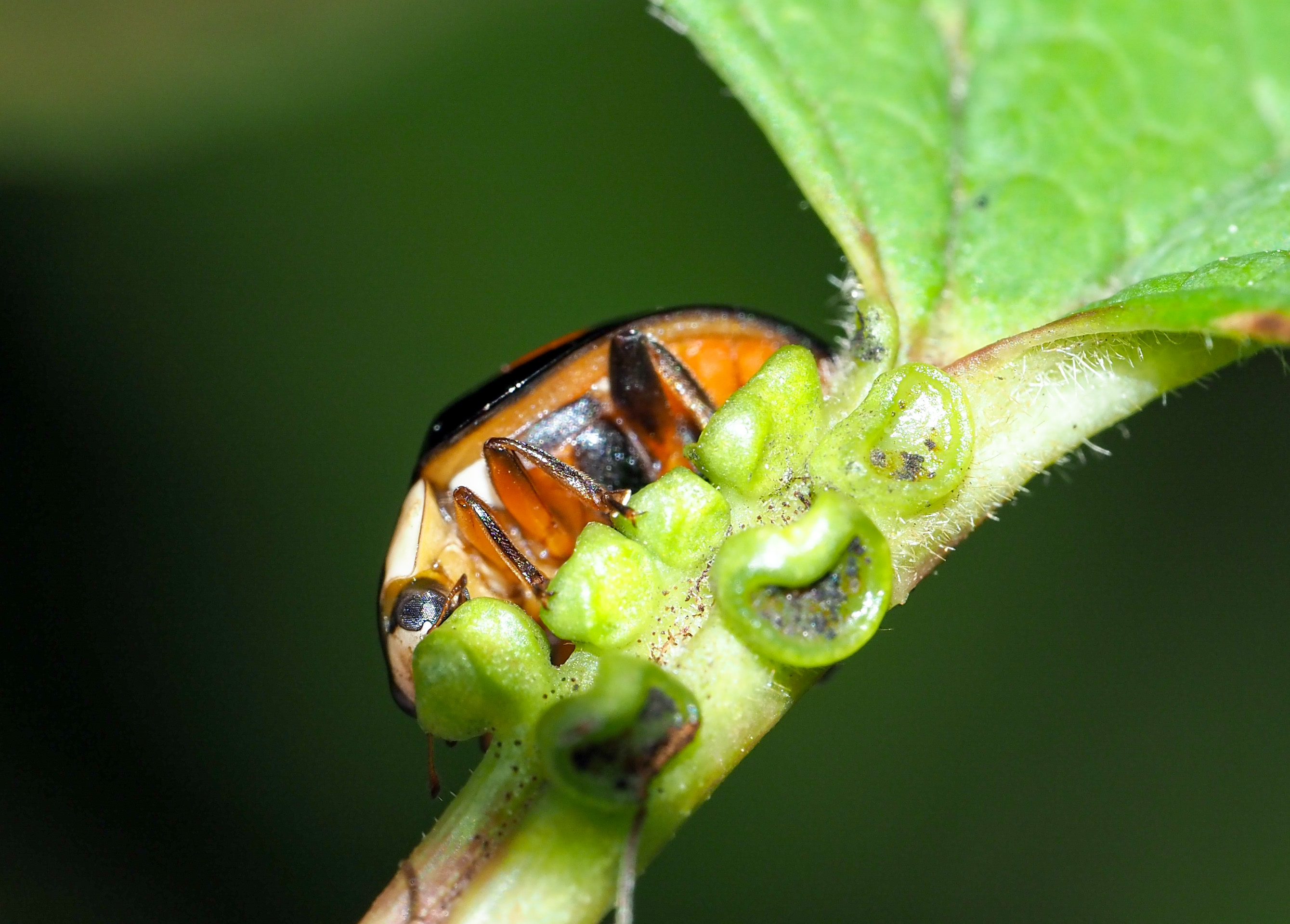
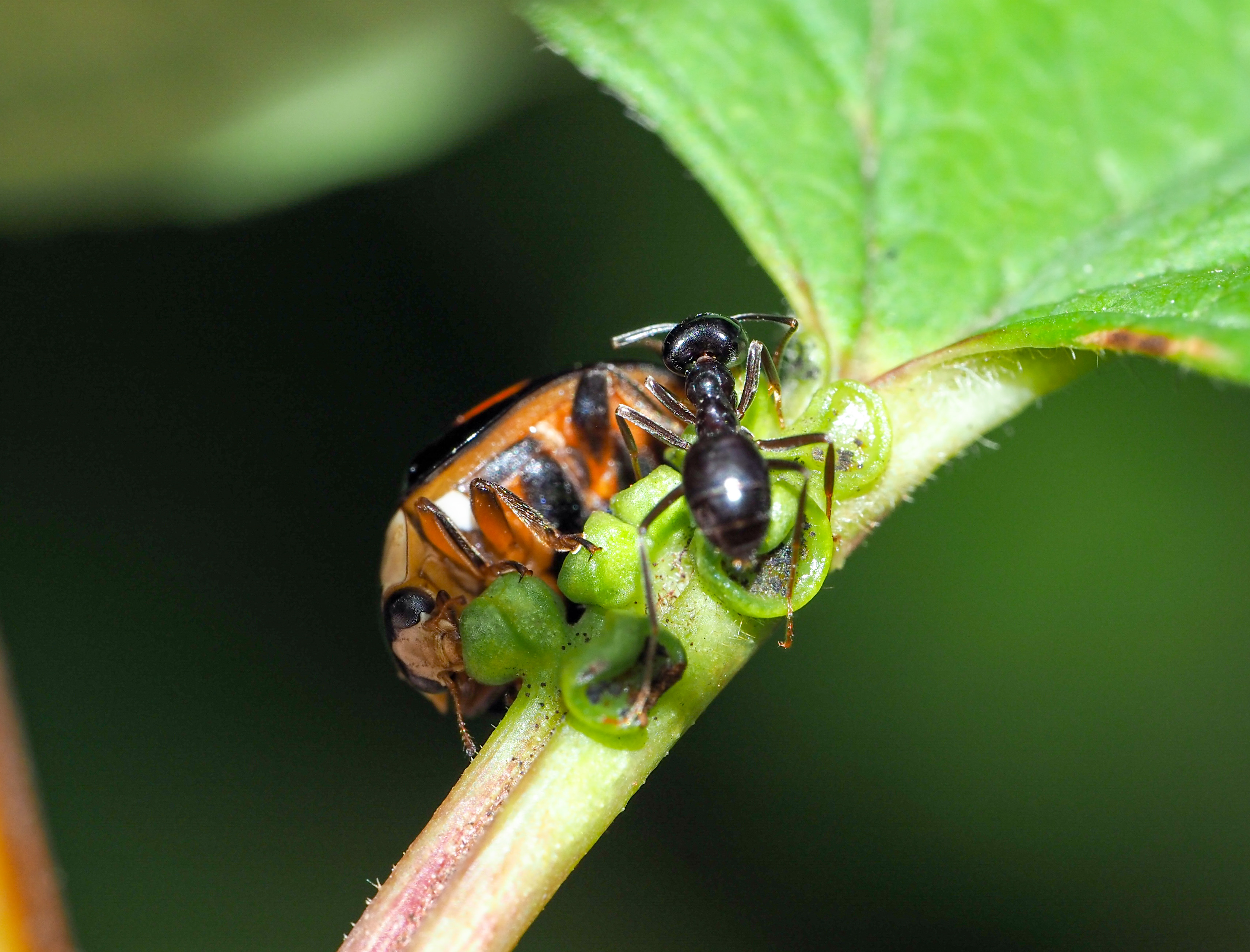
Photos by Raymond JC Cannon
Discussion
Photographing insects visiting extra-floral nectaries on guelder rose plants led me to thinking about the wider implications of these structures in the woodland where this species is relatively common. For example, rewarding ladybirds with EF nectar may result in better control of homopterans, such as aphids, which presumably take a toll on the plant’s phloem supply. Visiting parasitoids (see photo) are likewise rewarded with a drink while waiting to deposit their eggs in the hapless aphids.
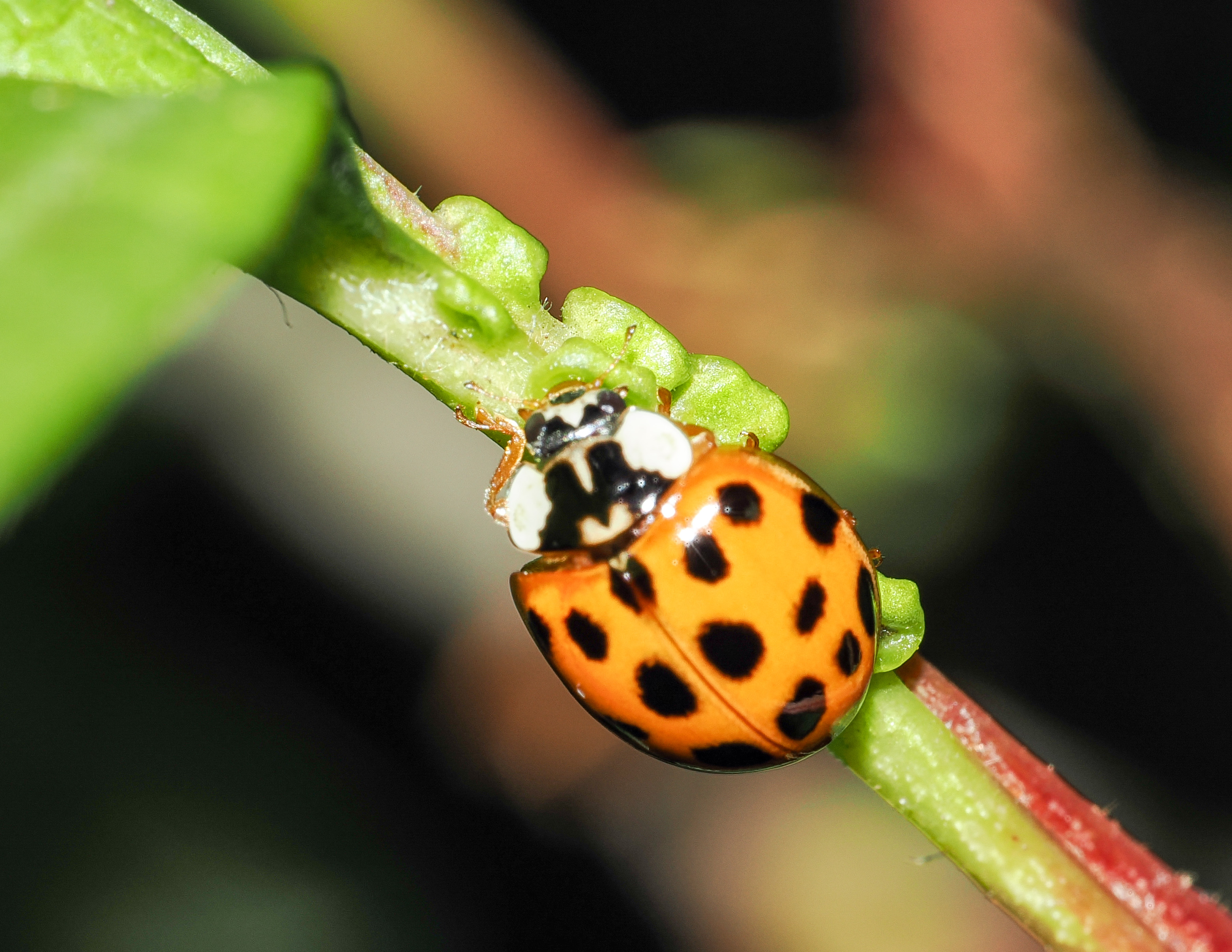
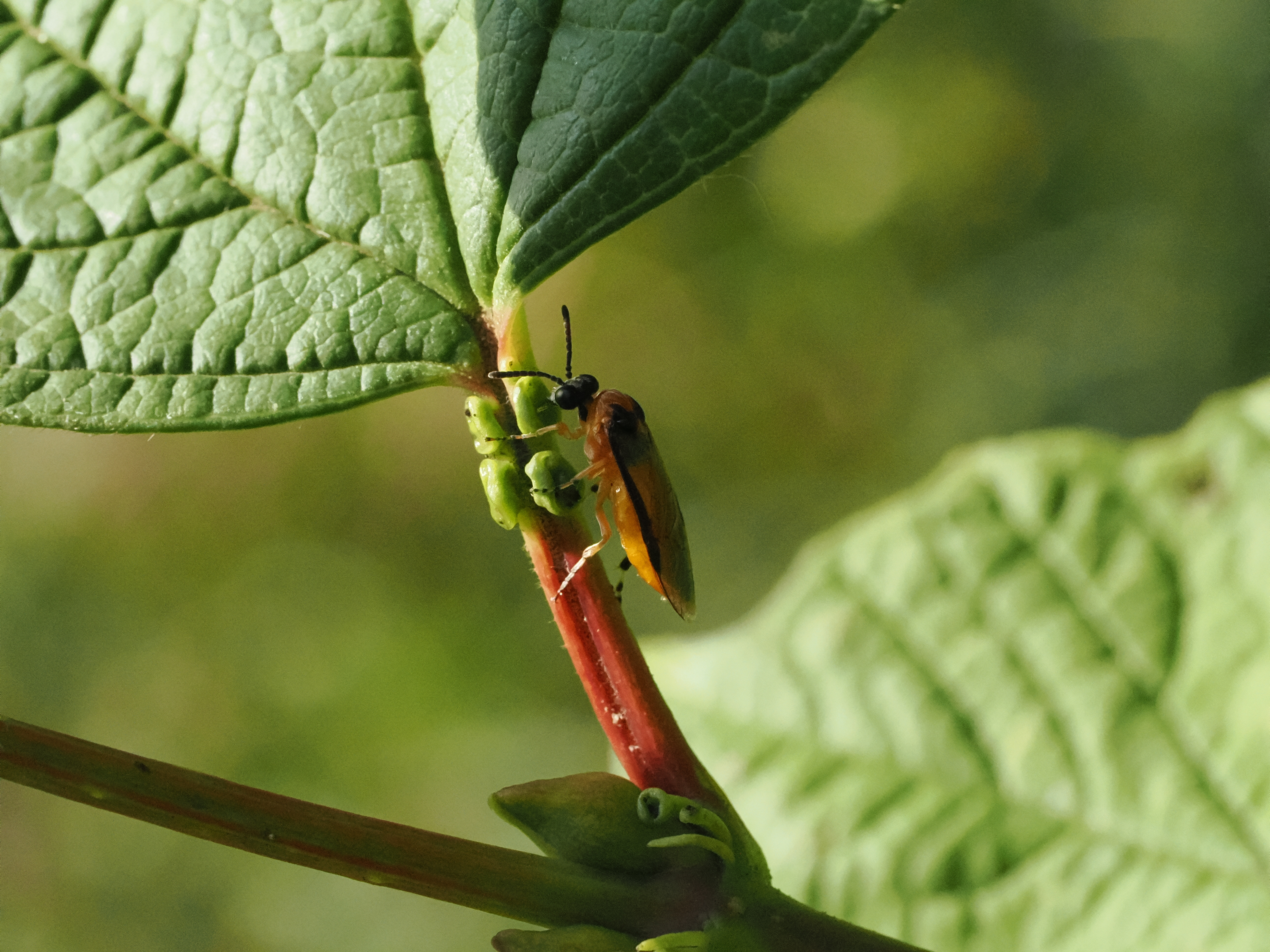
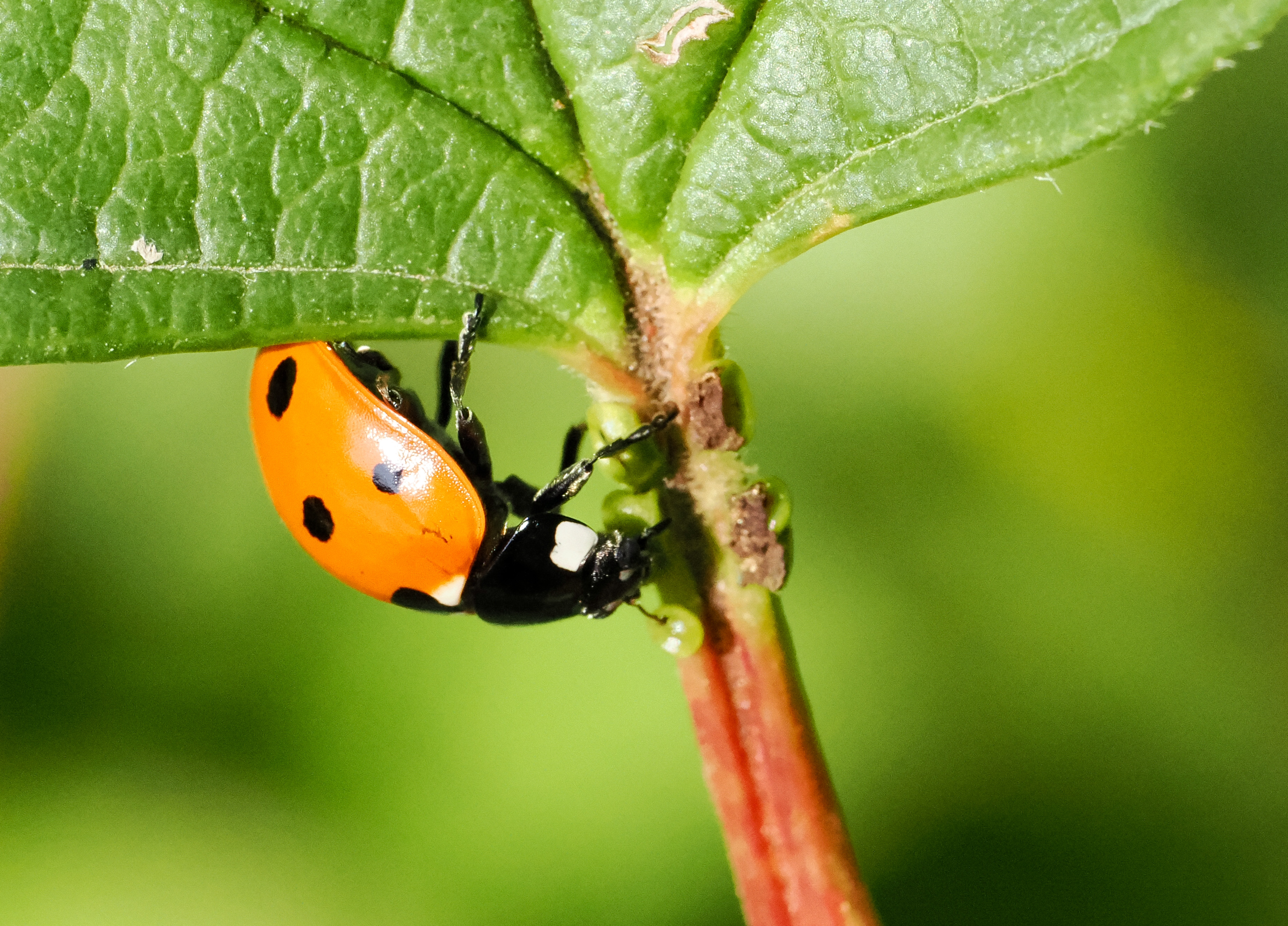
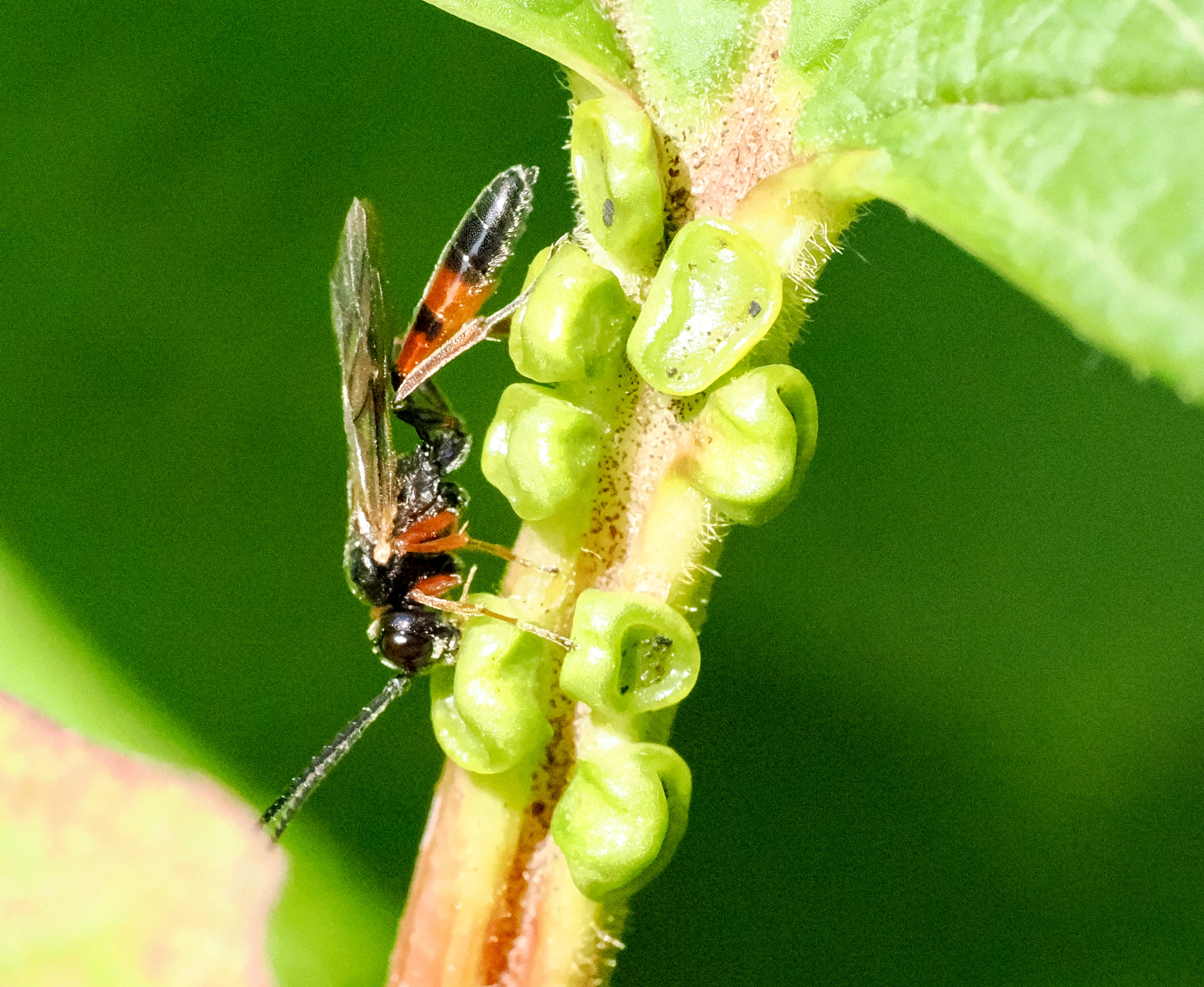
In conclusion, the function of the EFNs is far more general than perhaps realised. A specific mutualism turns out to be a wide, multispecies interaction, which benefits the plant in multifarious ways. EFNs are at the heart of an even wider network within the woodland ecosystem, as the bees, wasps, flies and beetles are all interacting with other arthropods and other plants in vicinity. Sawflies, like the turnip sawfly (Athalia rosae) seen below feeding on Guelder rose, seem particularly fond of the extra-floral nectar!
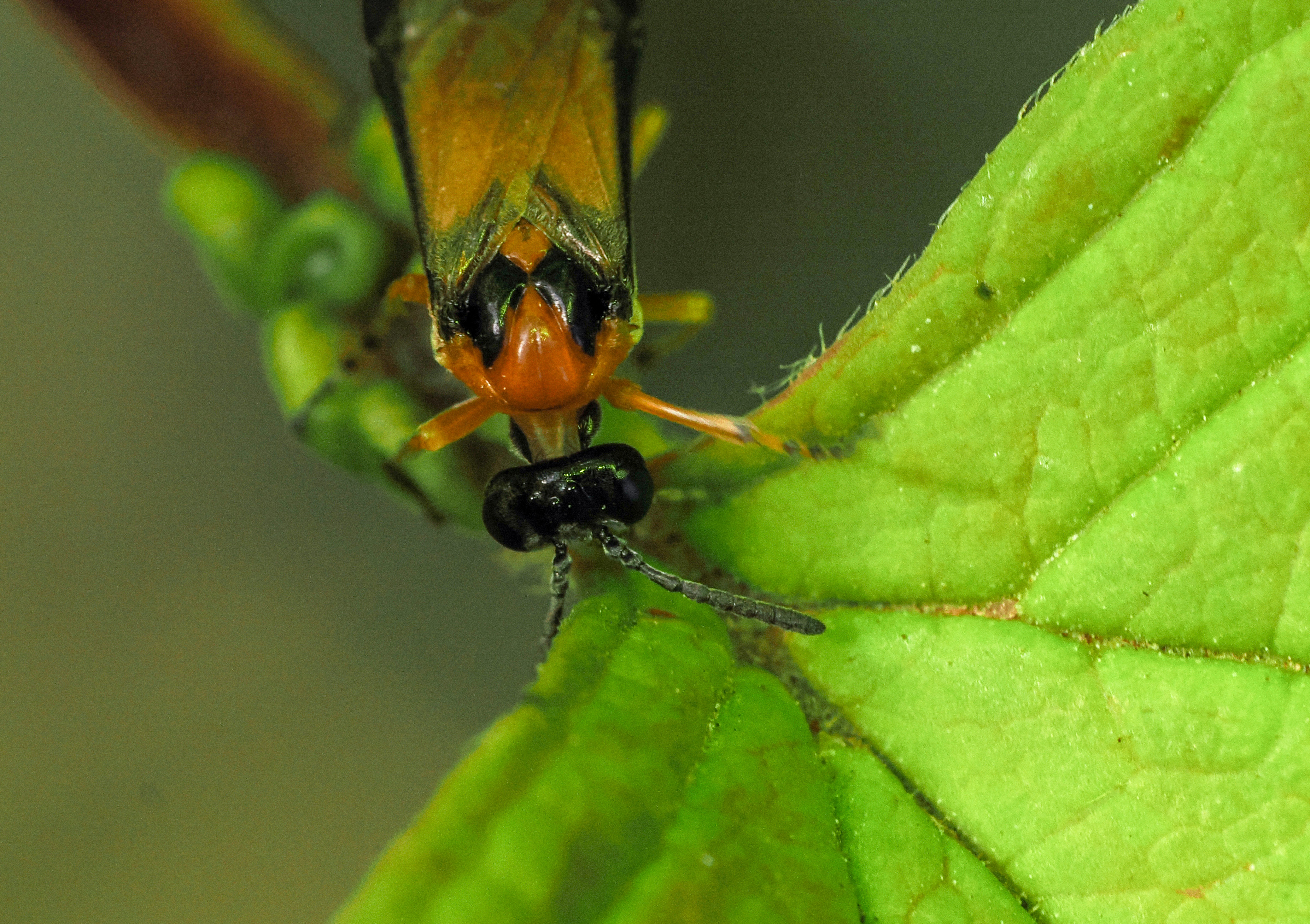
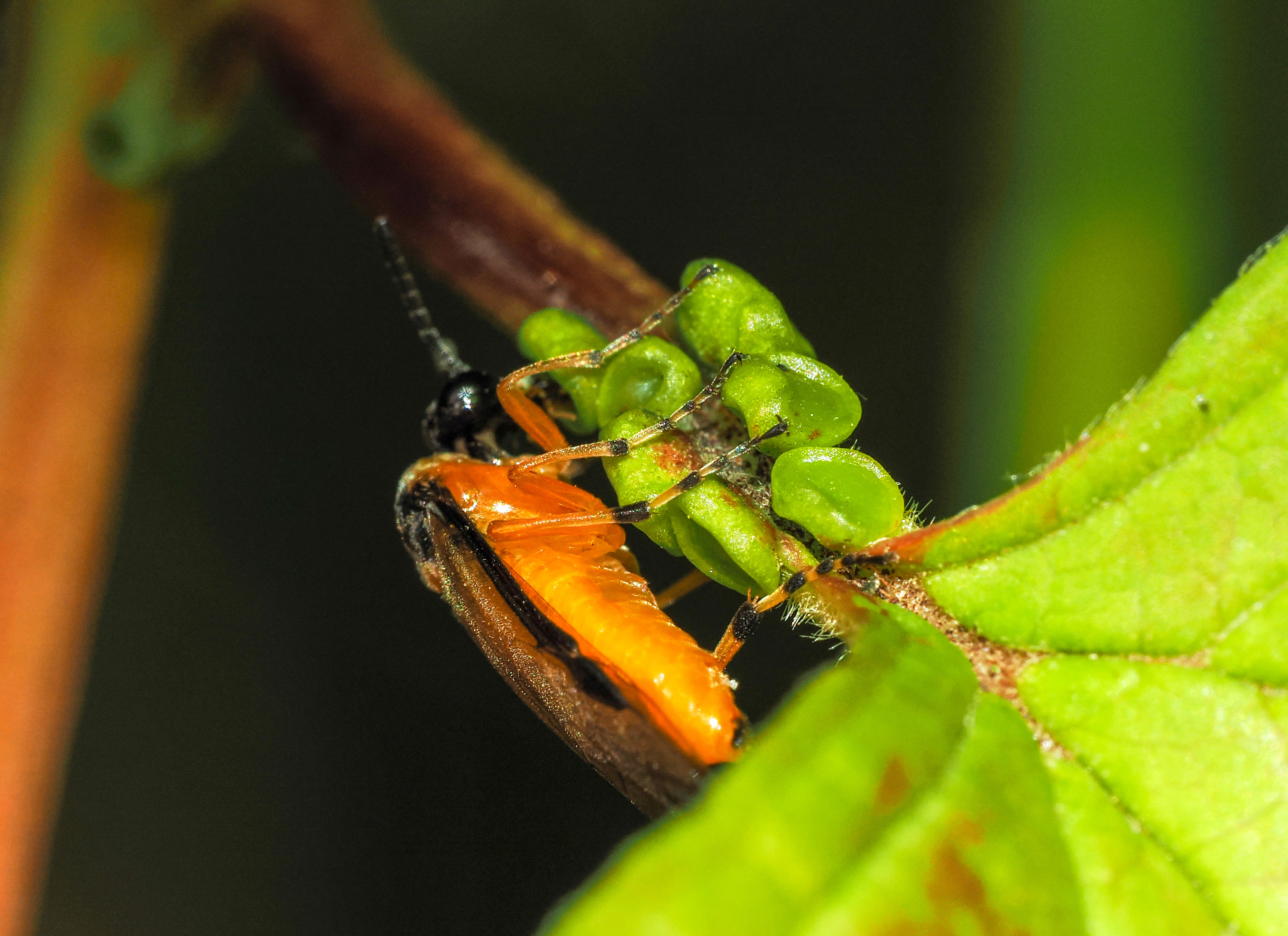
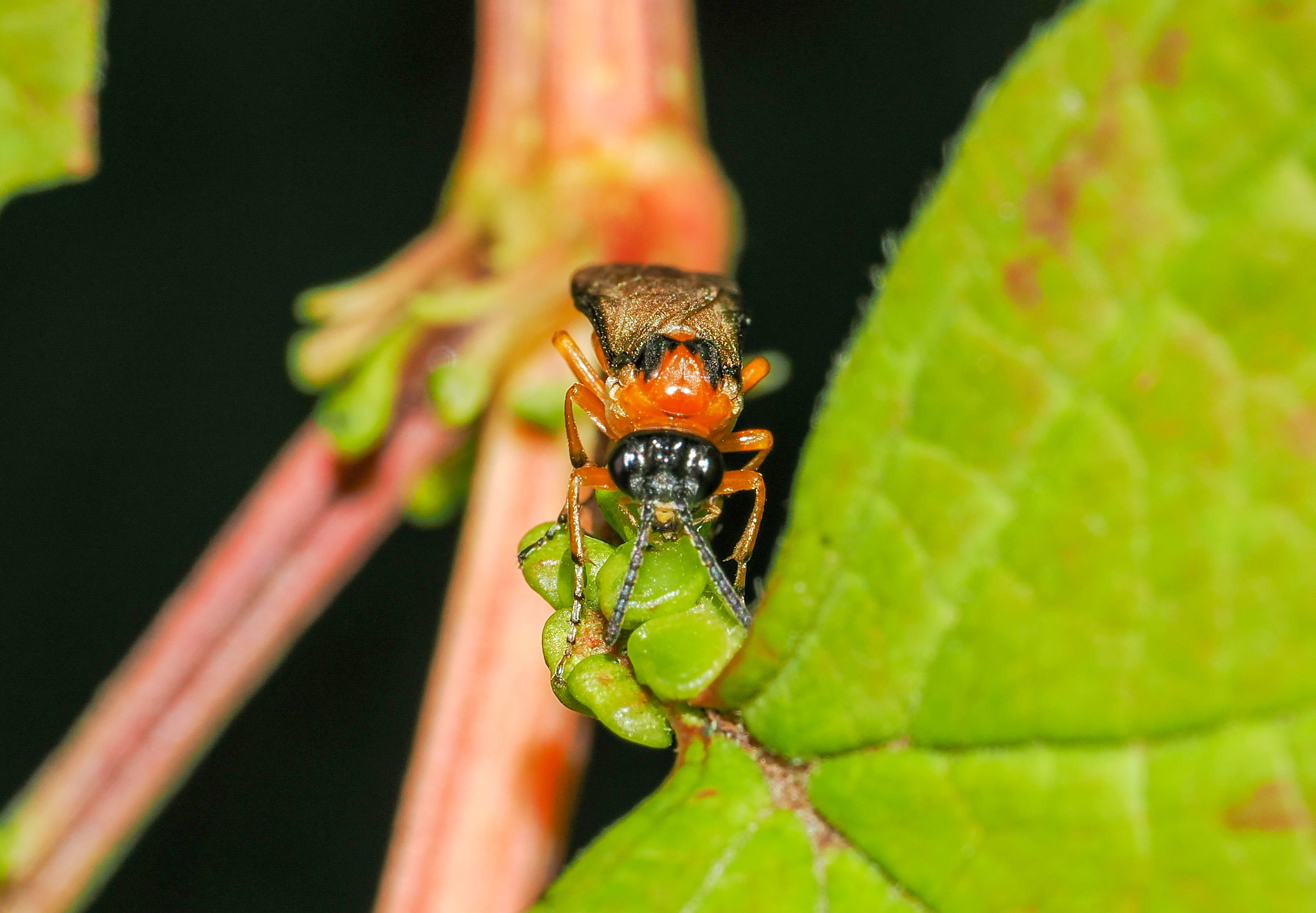
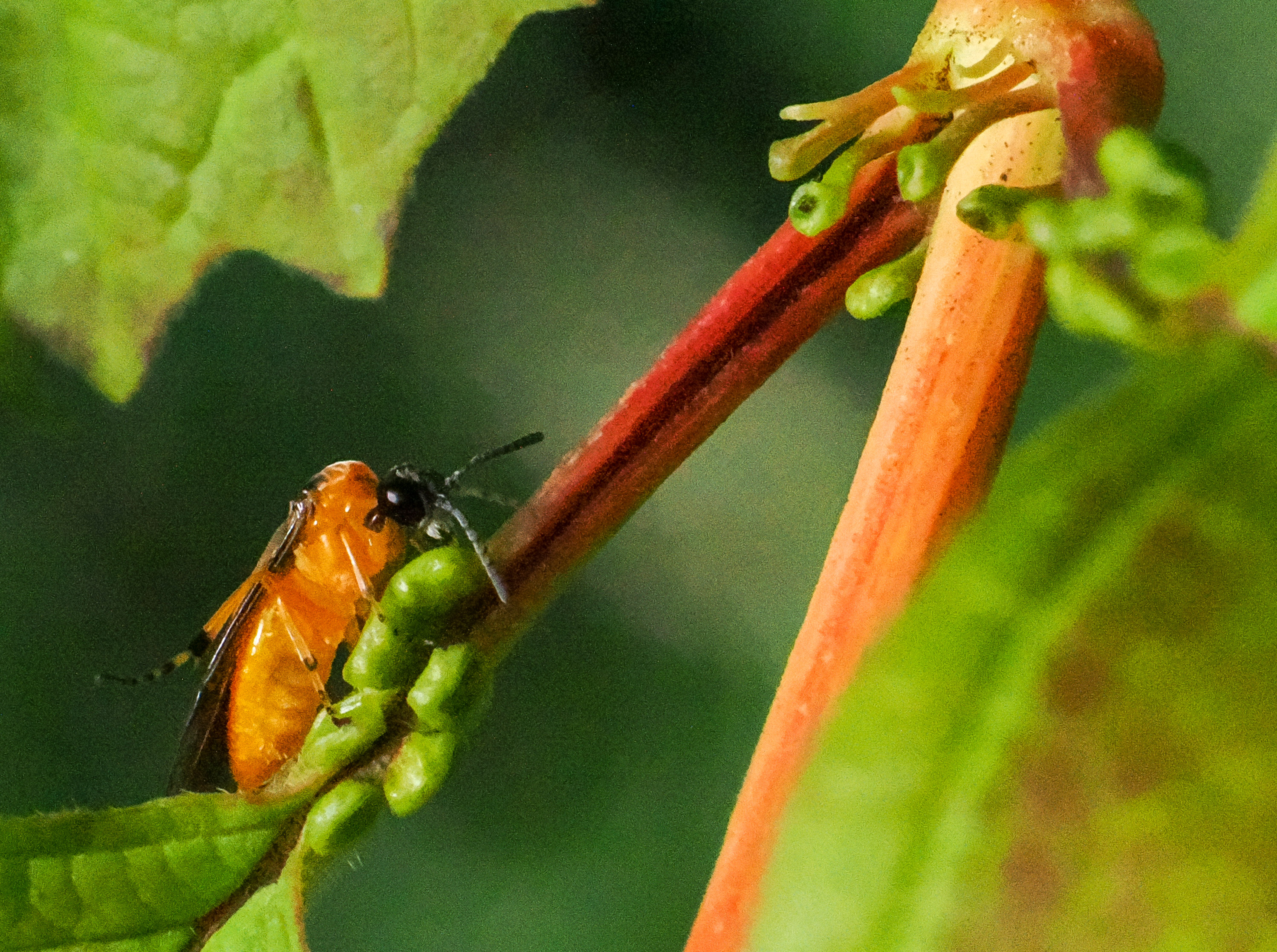
As a final note, it is also worth remembering that the early stages of many of the imagoes (adult stages) visiting EFNs, particularly ladybirds and hoverflies, are voracious predators, and will also play important roles in modulating the overall plant-herbivore relationship on the plants.
References
Calixto, E. S., de Oliveira Pimenta, I. C., Lange, D., Marquis, R. J., Torezan-Silingardi, H. M., & Del-Claro, K. (2024). Emerging trends in ant–pollinator conflict in extrafloral nectary-bearing plants. Plants, 13(5), 651.
Calixto, E. S., Lange, D., & Del-Claro, K. (2018). Protection mutualism: an overview of ant-plant interactions mediated by extrafloral nectaries. Oecologia Australis, 22(4).
Del-Claro, K., Rico-Gray, V., Torezan-Silingardi, H. M., Alves-Silva, E., Fagundes, R., Lange, D., … & Rodriguez-Morales, D. (2016). Loss and gains in ant–plant interactions mediated by extrafloral nectar: fidelity, cheats, and lies. Insectes Sociaux, 63(2), 207-221.
Engel, V., Fischer, M. K., Wäckers, F. L., & Völkl, W. (2001). Interactions between extrafloral nectaries, aphids and ants: are there competition effects between plant and homopteran sugar sources?. Oecologia, 129(4), 577-584.
Kollmann, J., & Grubb, P. J. (2002). Viburnum lantana L. and Viburnum opulus L.(V. lobatum Lam., Opulus vulgaris Borkh.). Journal of Ecology, 90(6), 1044-1070.
Nepi, M., Grasso, D. A., & Mancuso, S. (2018). Nectar in plant–insect mutualistic relationships: from food reward to partner manipulation. Frontiers in Plant Science, 9, 1063.
Villamil, N., Boege, K. & Stone, G.N. Testing the Distraction Hypothesis: Do extrafloral nectaries reduce ant‐pollinator conflict? J Ecol. 2019;107:1377–1391
Winnall, R. (2012). Ants and Extra-floral Nectaries. https://www.wbrc.org.uk/WORCRECD/32/Winnall_Rosemary–Ants_and_Extra-floral_.html
 Ray Cannon's nature notes
This is fascinating. I will take an increased interest in our guelder roses from today onwards. Nature’s complexity is wonderful, and you have illustrated this so clearly.
Thank you. It’s a fun project to see how many species you can spot visiting the EFNs during the summer.😁
Thanks for the idea, I’ll do that next summer. It might be interesting to compare the invertebrate numbers in our garden and on our nature sites.
[…] To reward the ‘heavies’, plants have developed a multitudinous array of extra-floral nectaries (EFNs): sugar-producing glands sited away from the flower; as they don’t want the ants to disturb the busy flower-visiting pollinators! I have written about such relationships between plants and ants before: in Common vetch (Vicia satica) and Guelder rose (Viburnum opulus) – see here and here. […]