First of all, there were none. No bumblebees at all in Iceland; from when the land first formed 70 million years ago, until the arrival of Man. By Man we mean men and women and children and all the plants and animals they brought with them. Now there are six, maybe seven, established species.
Iceland is a starkly beautiful country, but it has changed markedly – not always for the better – since the first Viking settlers arrived during the period c. 870-930.
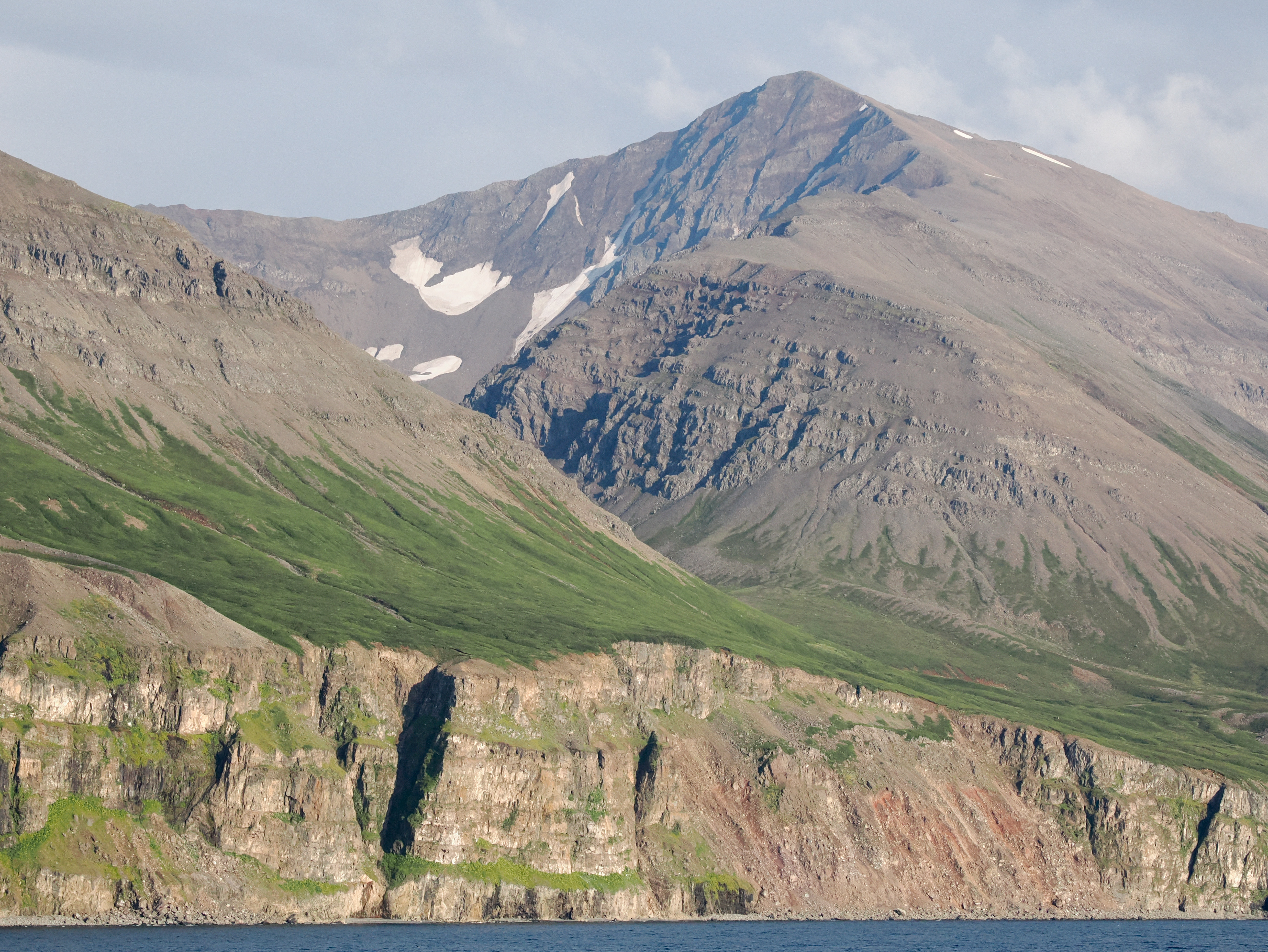
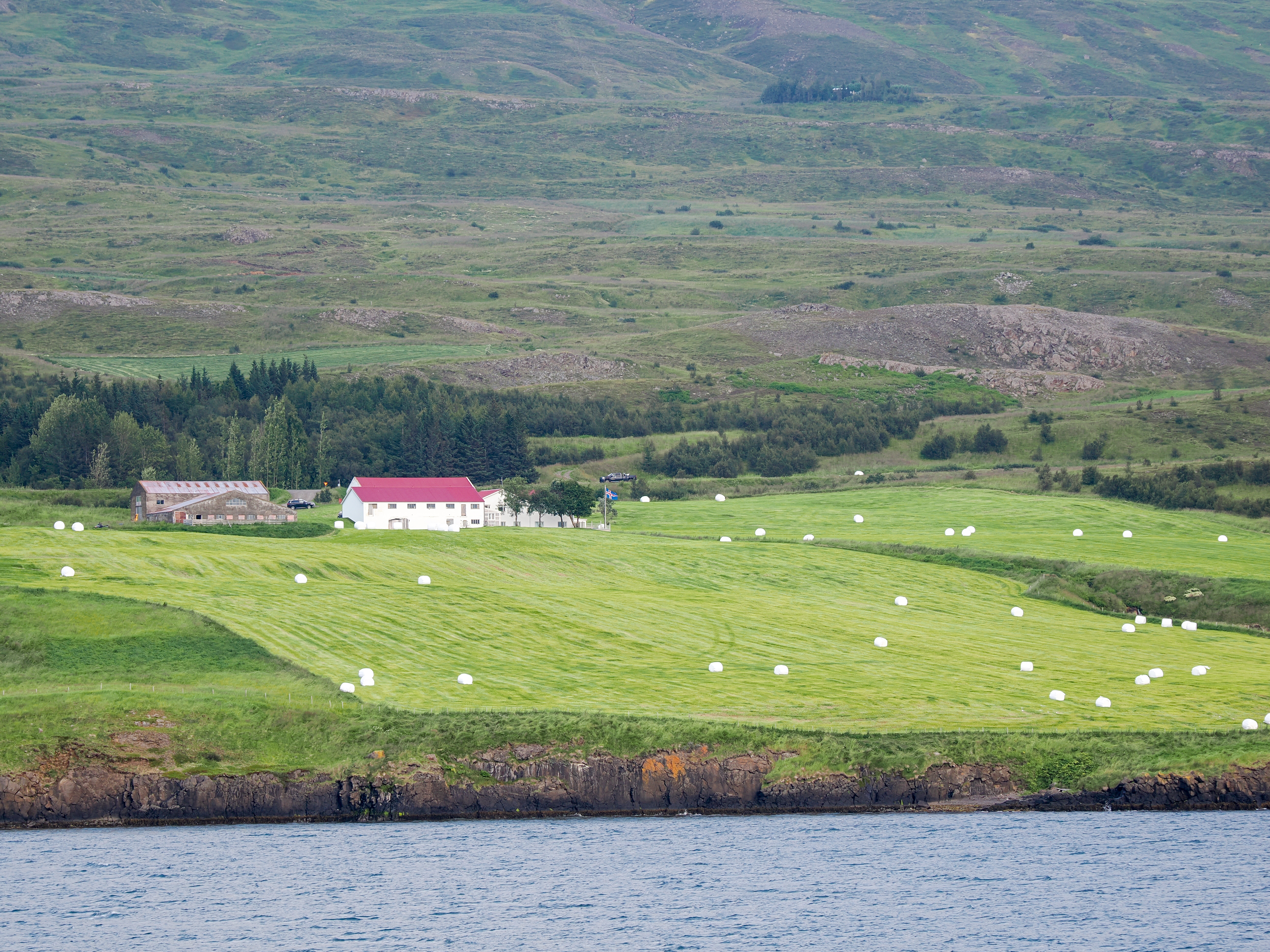
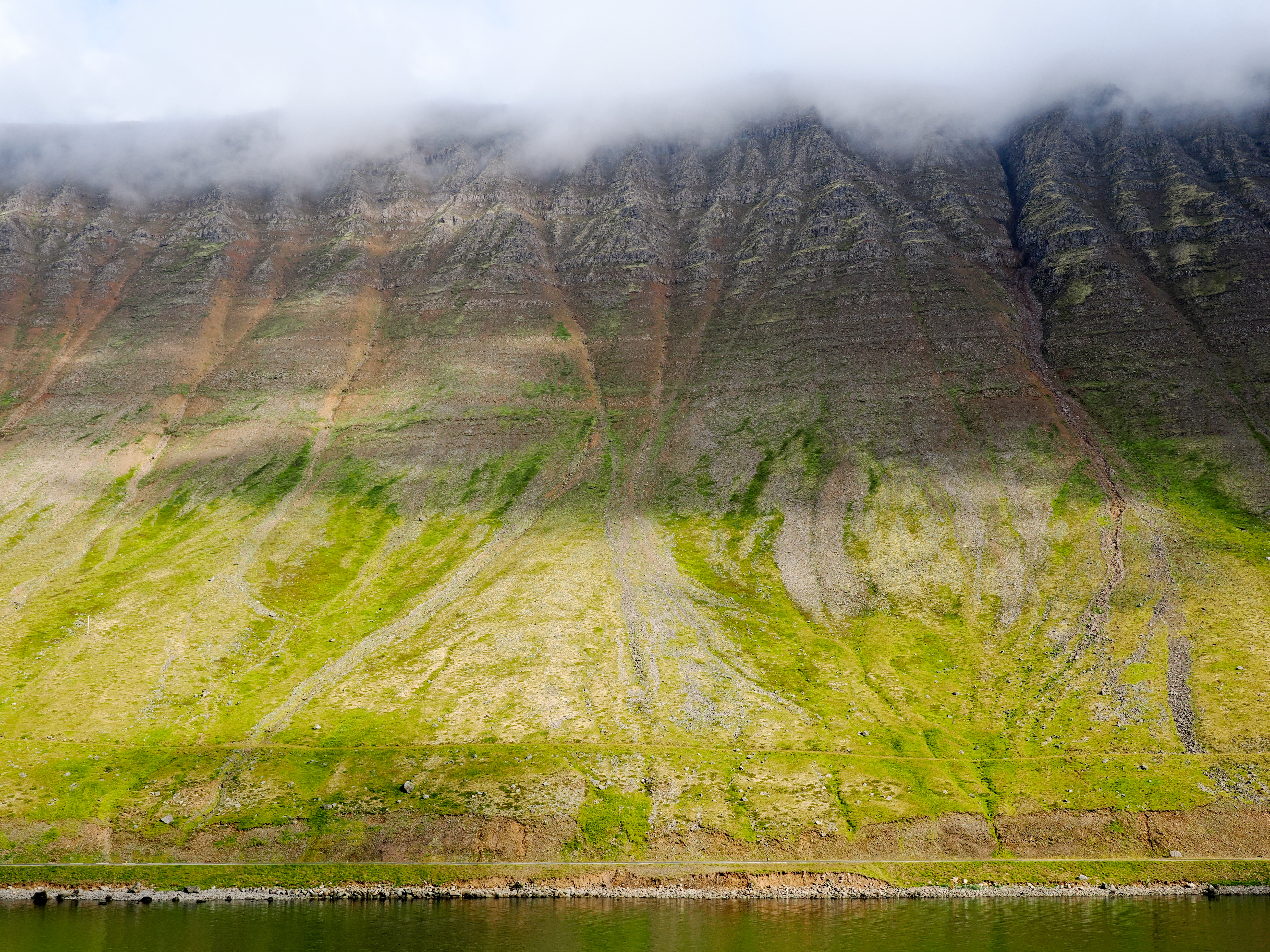
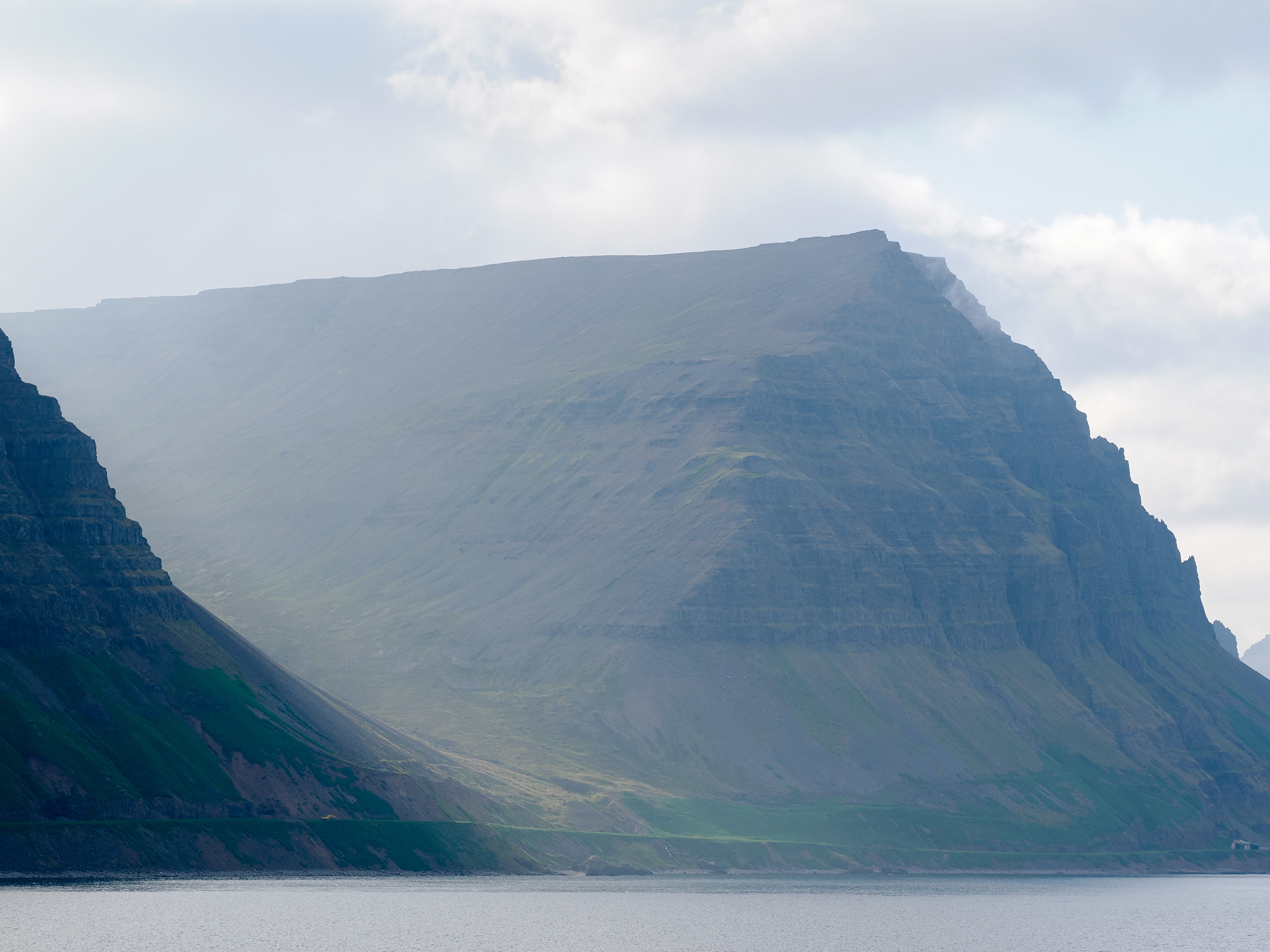
I knew nothing about the bumblebee fauna of Iceland before I visited the country earlier this year (July 2025), but it turns out to be a story for our times, involving invasive species, introduced plants, climate change, and of course, Vikings!
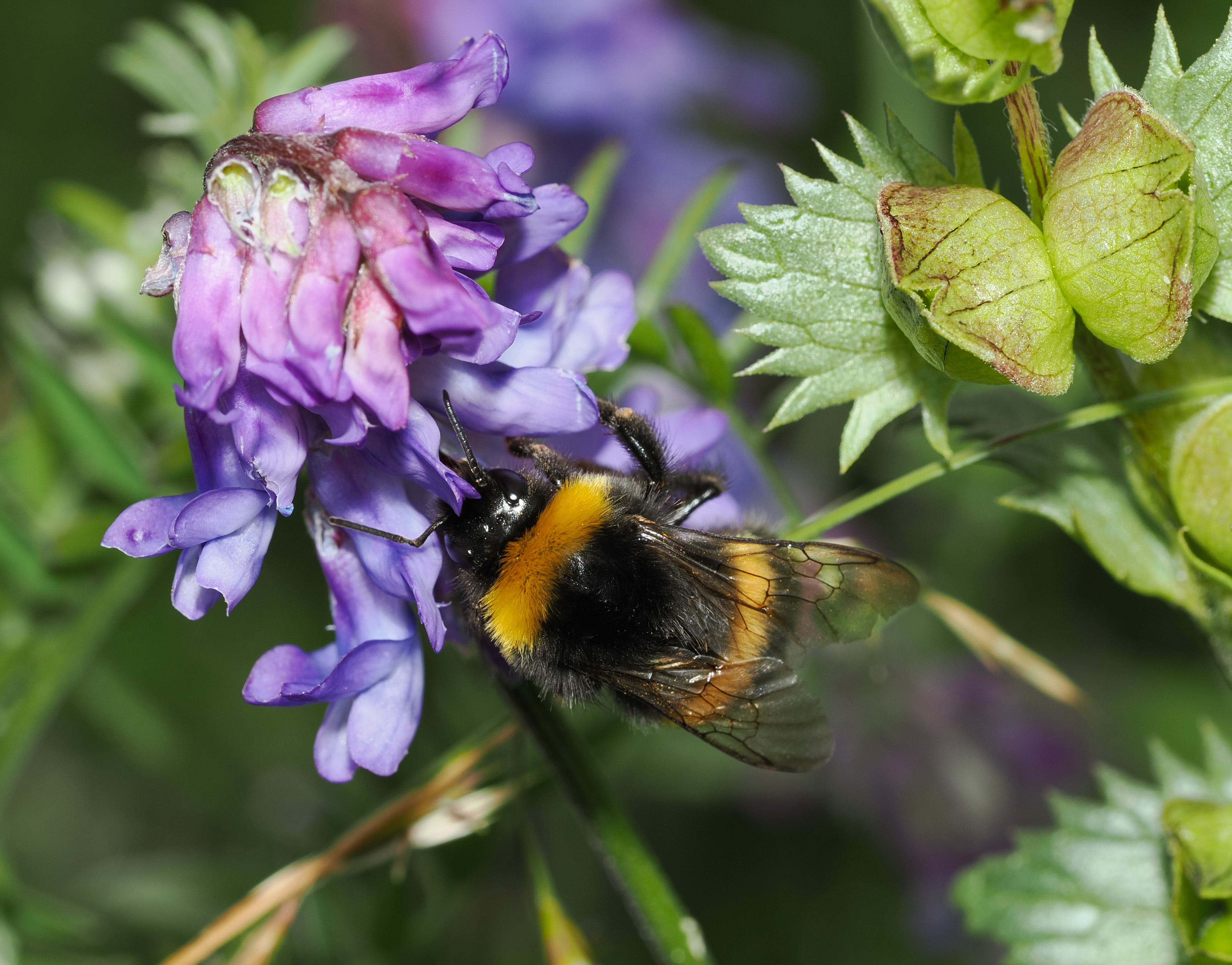
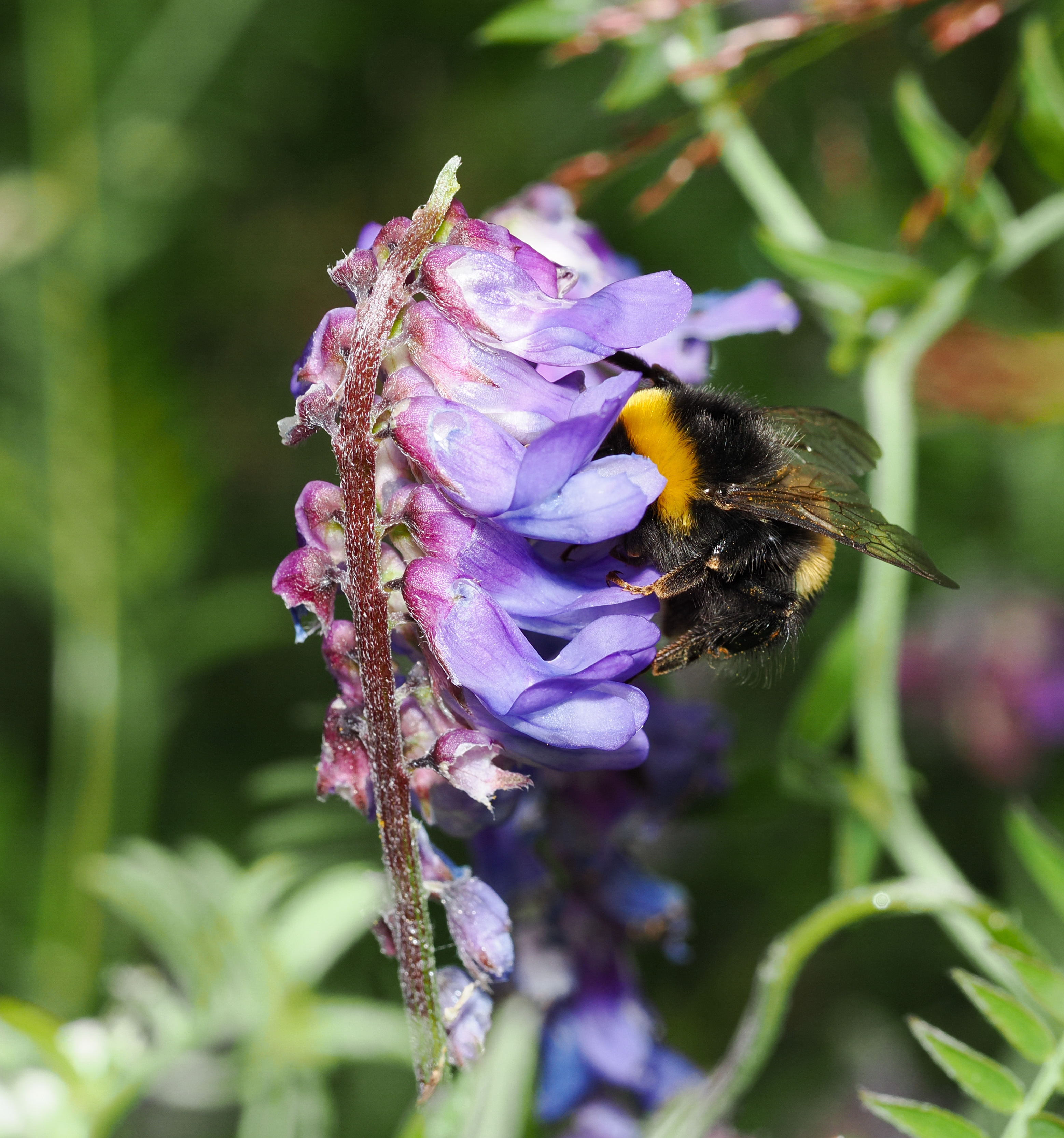
The first bumblebee I came across in Iceland – the day I stepped off the ship – was one (shown below) which was nectaring on some Cow vetch (Vicia cracca) flowers near to the Viking World museum, at Reykjanesbær (very close to Keflavík International Airport). It looks remarkably like a buff-tailed bumblebee (Bombus terrestris), to me, which are present in Iceland, because they are used for greenhouse pollination of tomatoes. However, whether they are established or not is a moot point, and they can look like white-tailed bumblebees (Bombus lucorum), which are also widely established in Iceland.
N.B. commercial colonies Bombus terrestris are sent to many countries around the world, including many places located outside their natural range, and has been used as a pollinator in glasshouses in Iceland since 1994 (see video here).
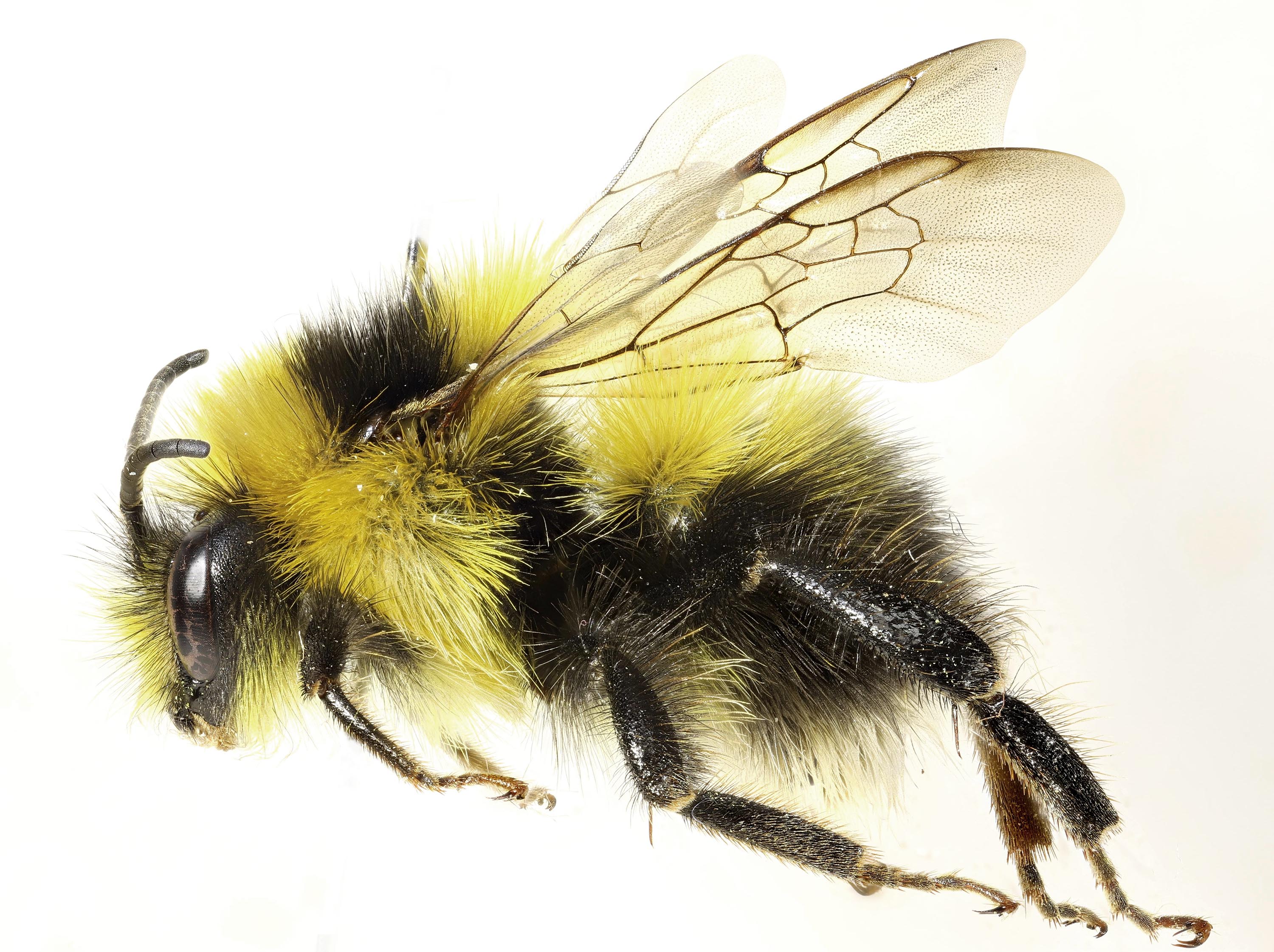
The heath bumblebee, Bombus (Pyrobombus) jonellus, was the first species to arrive in Iceland. This circumboreal species came with the Vikings in the 9th century. Somehow, it managed to smuggle itself aboard a ship together with the Scandinavian colonisers. Perhaps it was clinging on to the wool of a sheep, or a goat, or just sitting on some blankets? Viking ships carried up to 30 tons of cargo, so it is easy to imaging that many non-native species may have stowed away with the domestic animals and the other cargoes. Nevertheless, the heath bumblebee was the first of its kind to arrive.
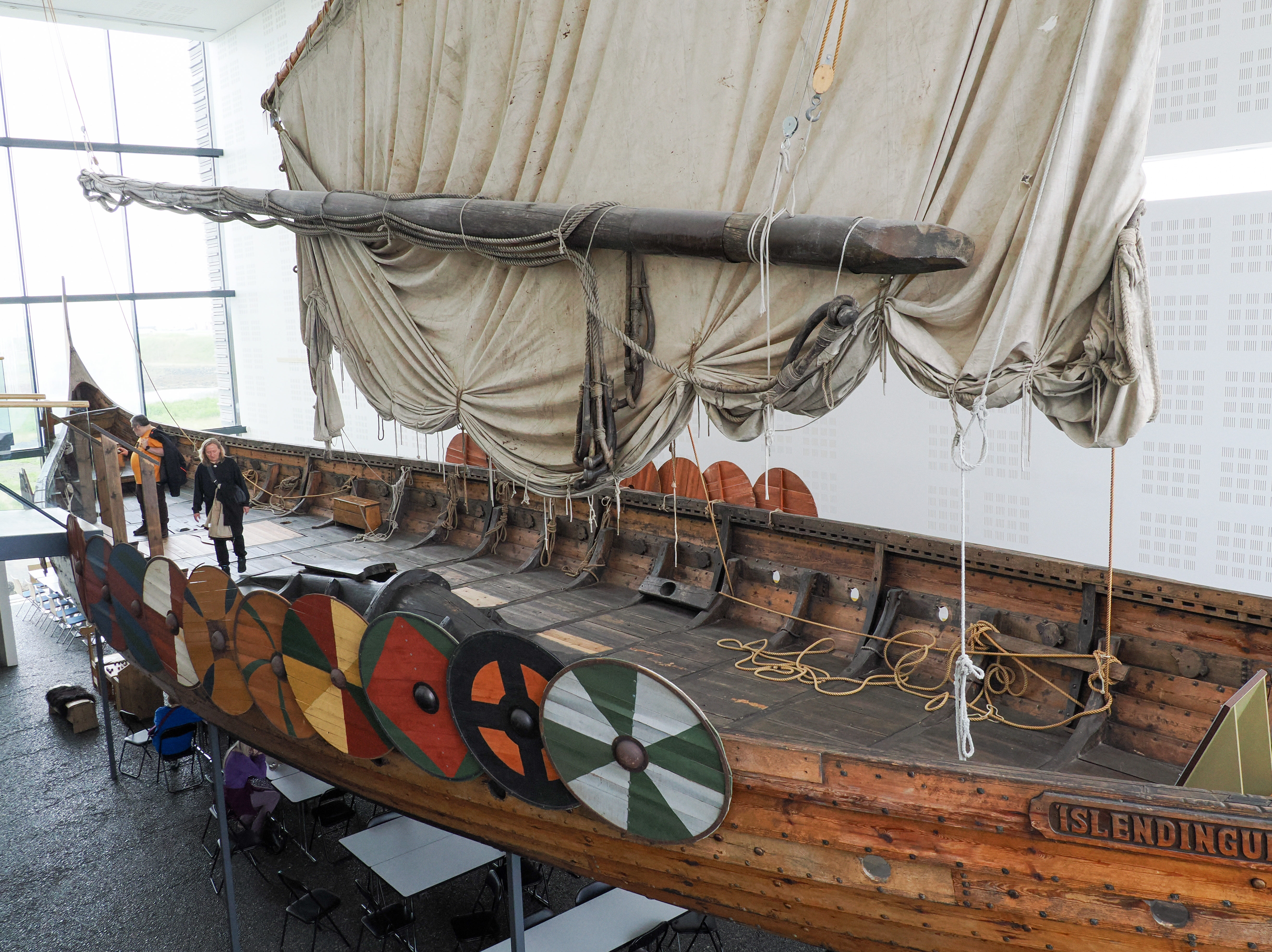
Photo by Raymond JC Cannon
In fact, studies have revealed that Bombus jonellus may have arrived more than once. Perhaps it also accompanied the Irish monks who preceded the Vikings? Anyway, it then had the island to itself for at least ten centuries. That’s why it is sometimes called the only native bee species in Iceland.
There are now six, or seven – depending how you count them – bumblebees which have established themselves in Iceland. Naturalised is the word used by biologists to describe a non-native species that has become established in a new environment, successfully reproducing and maintaining its population without ongoing human intervention. All of them have been introduced by man. Perhaps on container ships like the one I saw as we approached Reykjavik (below).

The second species to arrive was Bombus hortorum; it established a bridgehead in the 1950s. The interesting thing about the Garden bumblebee is that it has a long tongue (or proboscis), which gives it access to the nectar in some flowers which other bumblebees cannot reach, as least not without a little subterfuge! See previous blog: Two ways to suck a Salvia! Nectar robbing bumblebees.
Other species soon followed: the White-tailed bumblebee (Bombus lucorum) in 1979; the Tree bumblebee (Bombus hypnorum) in 2008; and the Common carder bee (B. pascuorum) and the Early bumblebee (Bombus pratorum) in 2010. These are the dates when they were first recognised as being established, but they may have gone unnoticed for a little while before people realised that there were there.
So, the number of bumblebee species in Iceland has doubled, from three to six, over the last 46 years. However, only five of them are considered truly naturalised, including: Bombus (Pyrobombus) jonellus (Heath bumblebee); B. (Megabombus) hortorum (Garden bumblebee); B. (Bombus) lucorum (White-tailed bumblebee), B. (Pyrobombus) hypnorum (Tree bumblebee), and B. (Thoracobombus) pascuorum (Common carder bee). However, it seems to me that the number of naturalised species will continue increase, especially as we are on a rapidly warming climate trajectory.
As mentioned above, two other species have been found, Bombus terrestris (Buff-tailed bumblebee) and B. pratorum (Early bumblebee), but it is not known whether they have become naturalised in Iceland yet, since no nesting sites have been discovered (Prŷs-Jones et al., 2016).
Once Icelanders learned to recognise them, the bumblebees soon got their own Icelandic names. Now that’s love for you! Everyone likes bumblebees, even if they are immigrants! We are all immigrants if you go back far enough.
The Icelandic names for the bumblebees, in the order in which they have arrived, are as follows:
- Móhumla – Bombus jonellus
- Garðhumla – Bombus hortorum
- Húshumla – Bombus lucorum
- Rauðhumla – Bombus hypnorum
- Ryðhumla – Bombus pascuorum
- (no Icelandic name) – Bombus pratorum
As we cruised around Iceland, we stopped off at a number of different locations. The first was a small town in the north of the Snæfellsnes peninsula in the west of Iceland.

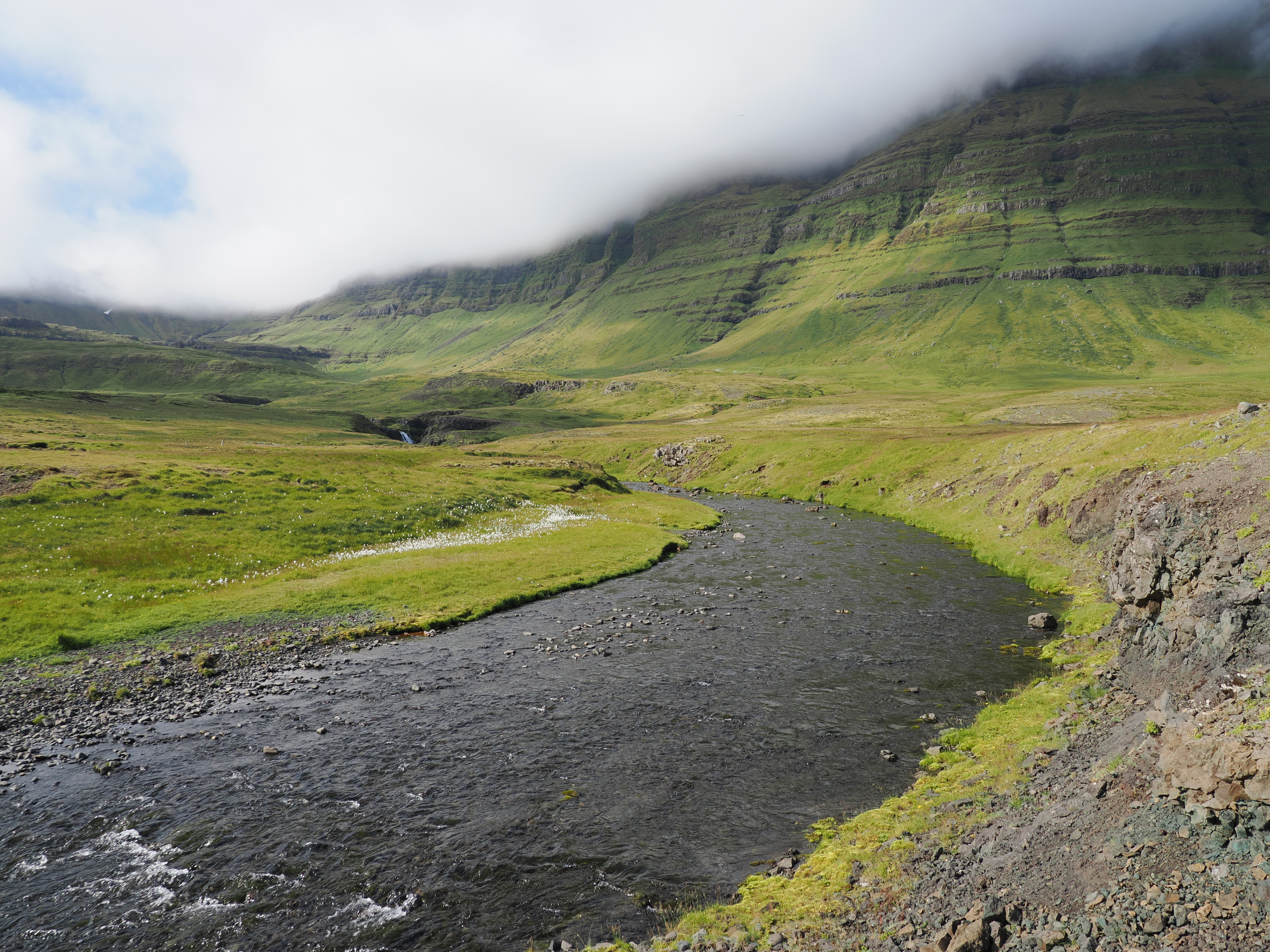
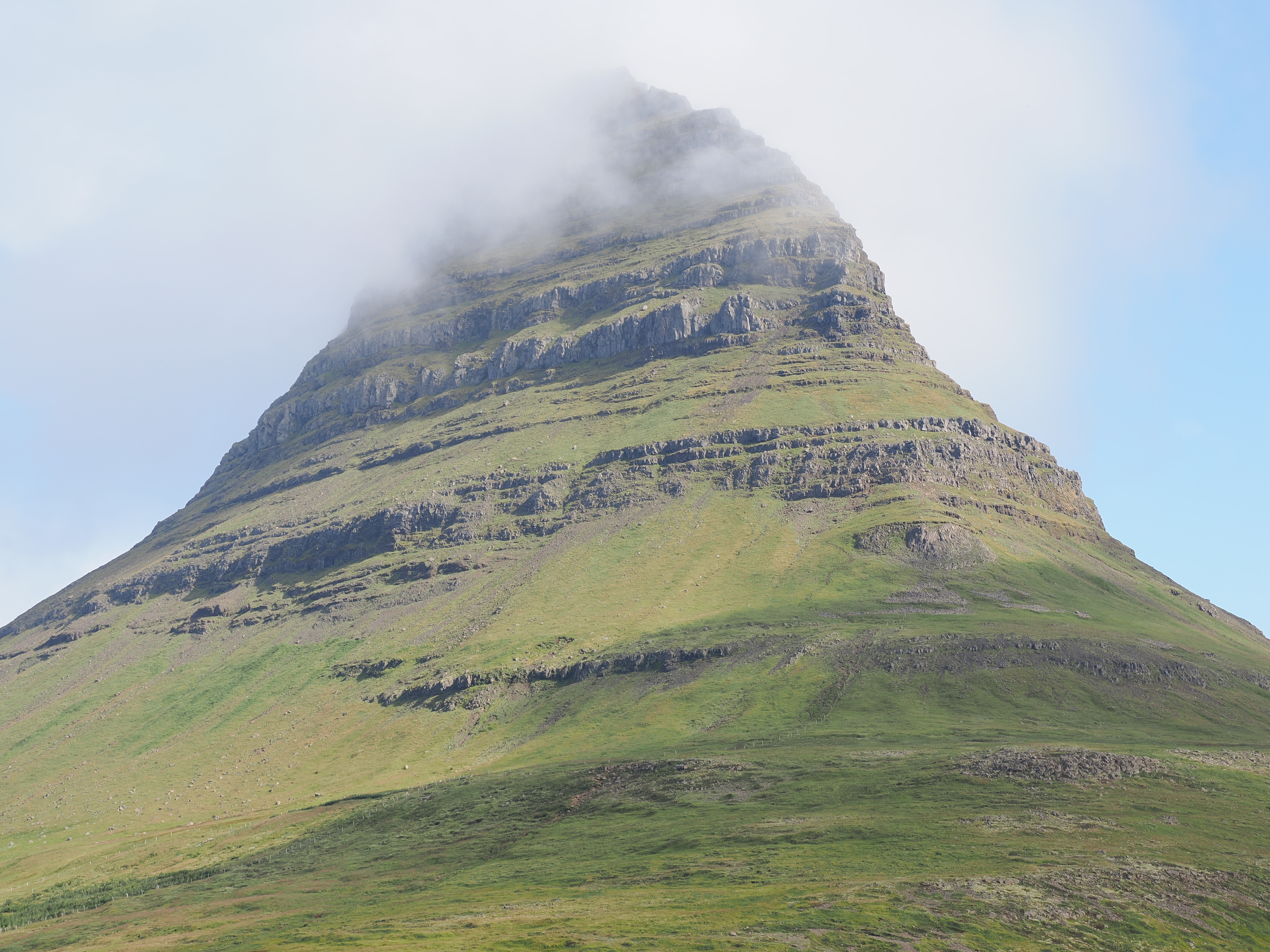
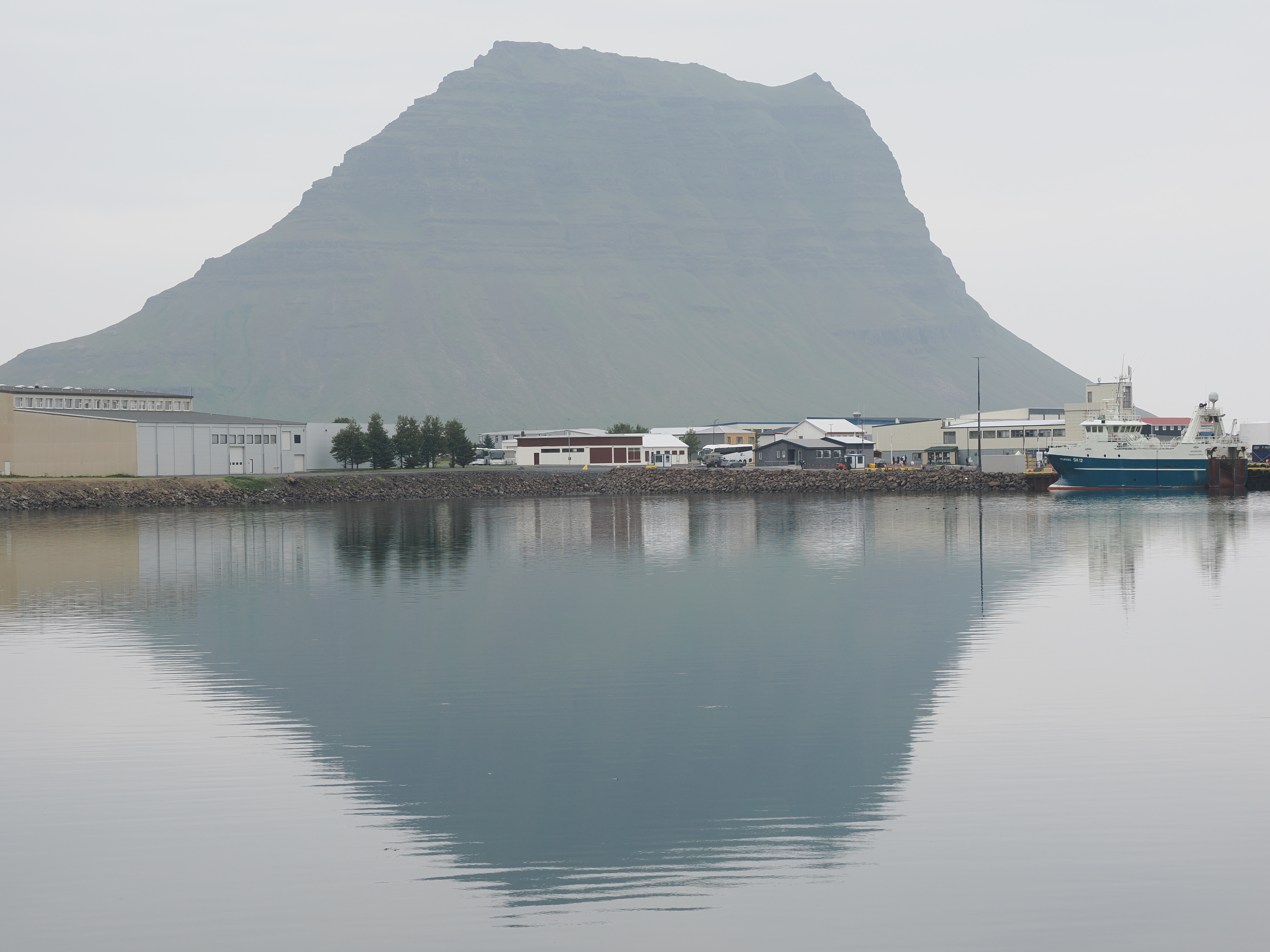
There were lots of bumblebees nectaring on dandelions in fields when we docked in the small town of Grundarfjörður.
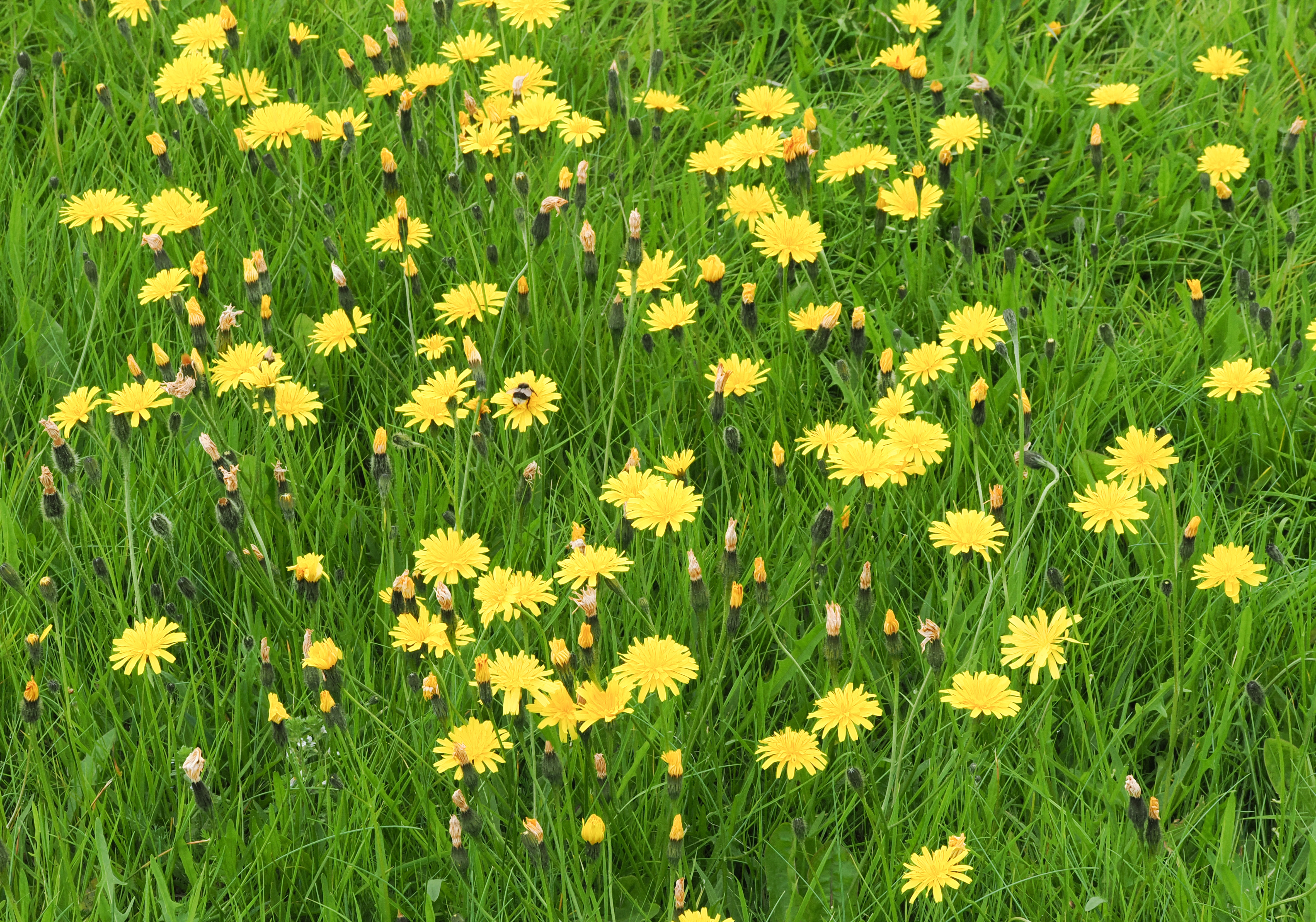
Photo by Raymond JC Cannon
The bumblebees – which all appeared to be white-tailed (Bombus lucorum) – were smeared with yellow pollen on their faces, but the dandelion pollen looks orange when it is gathered together in the pollen baskets (see below). This introduced species is typically associated with towns and hamlets in Iceland.
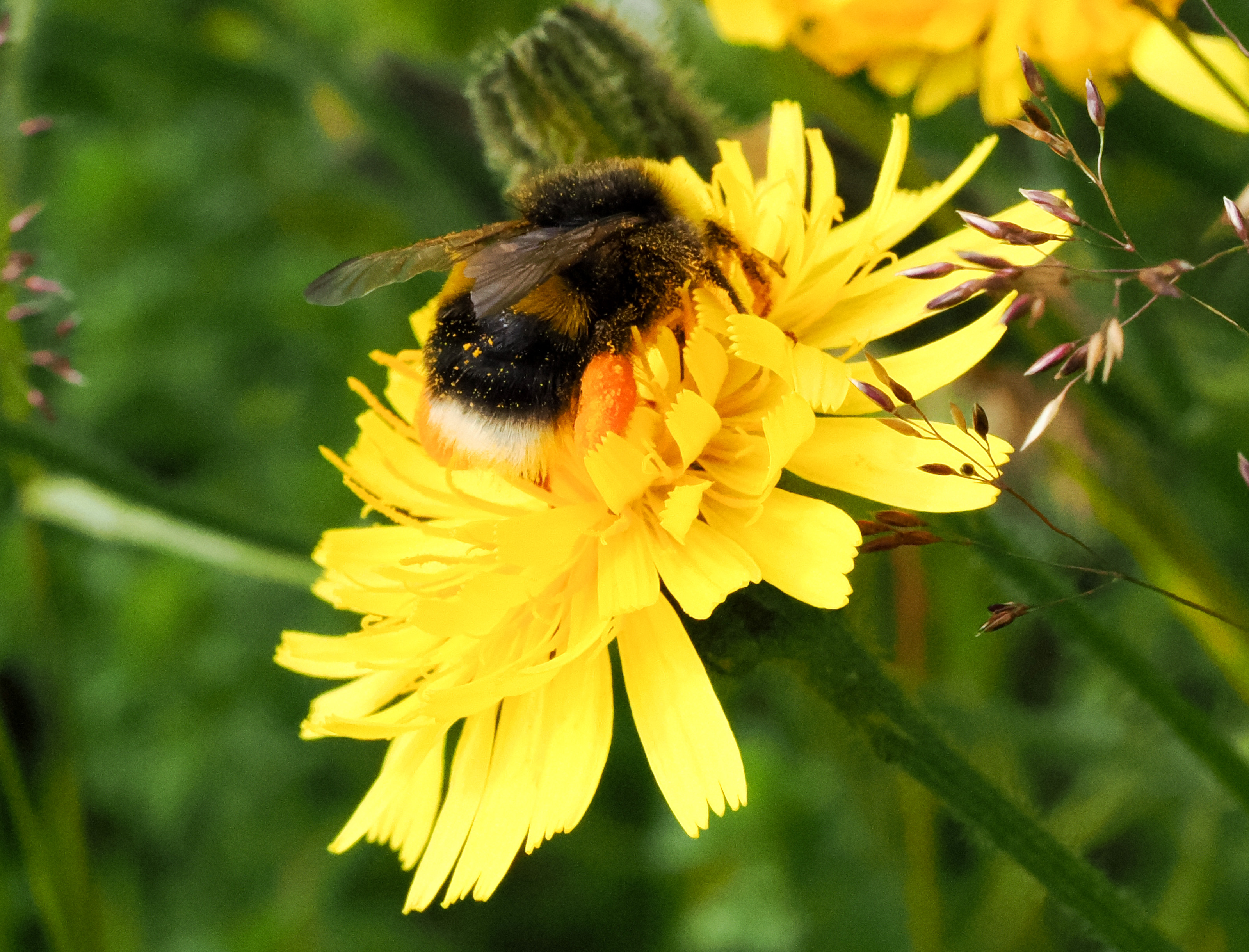
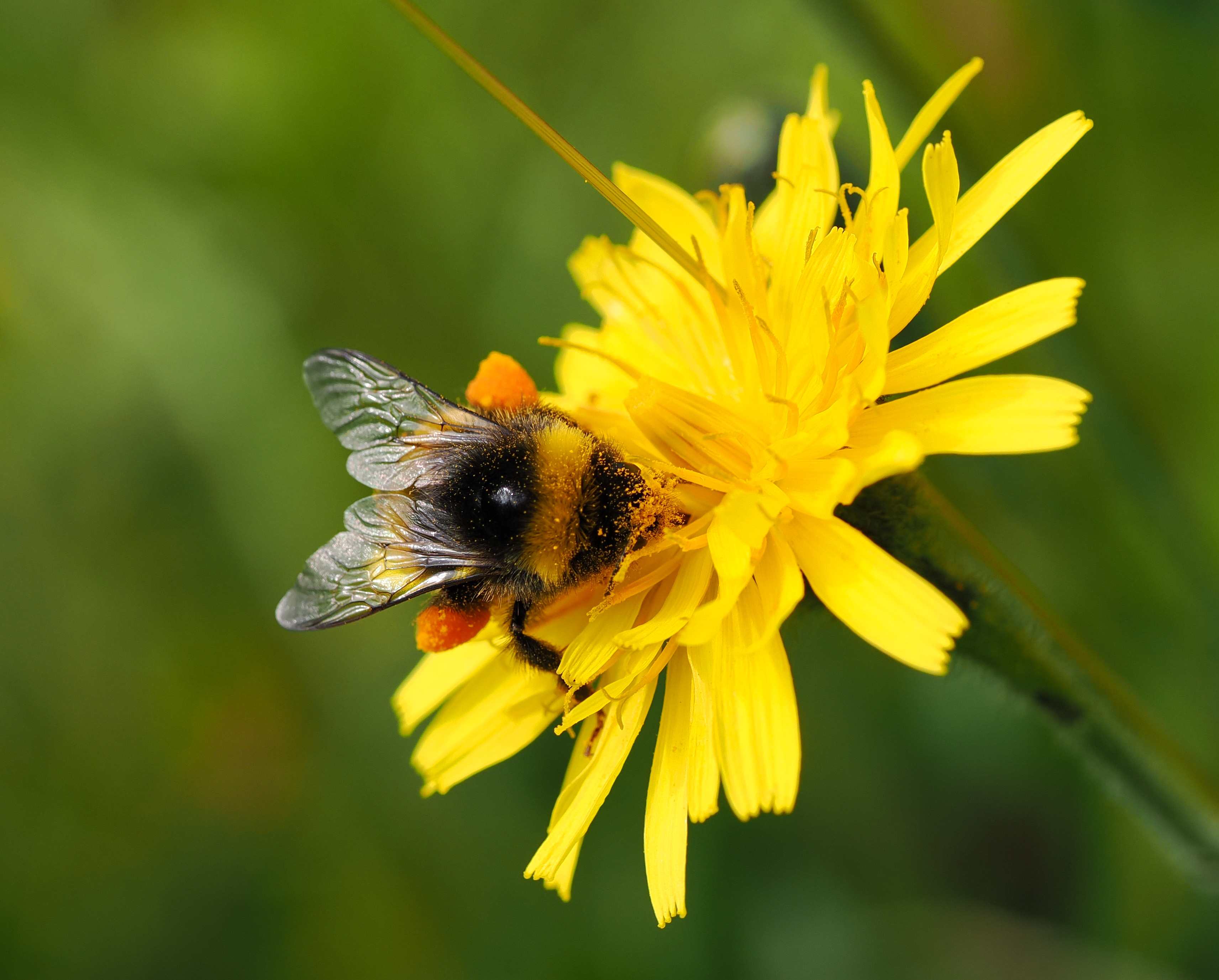
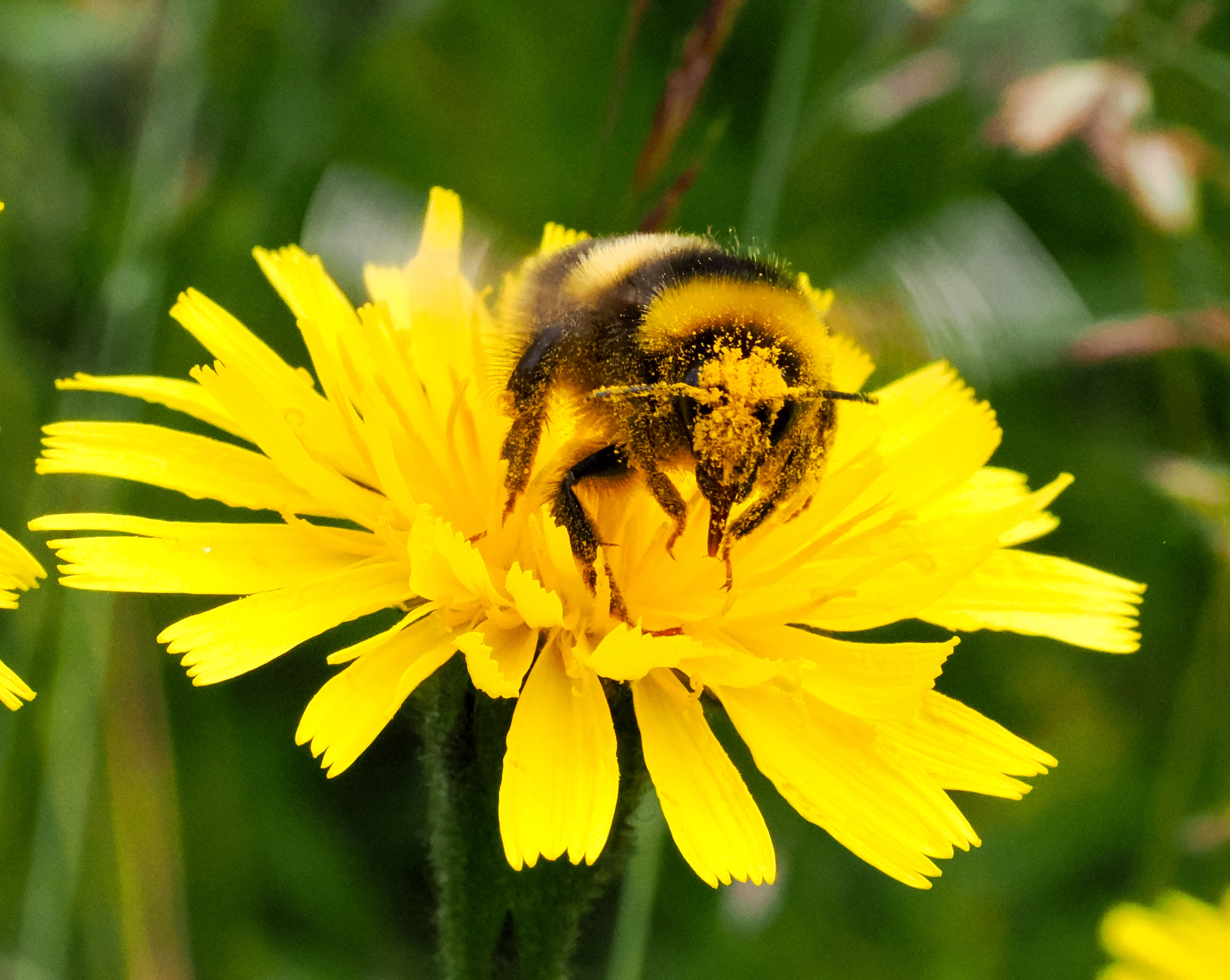
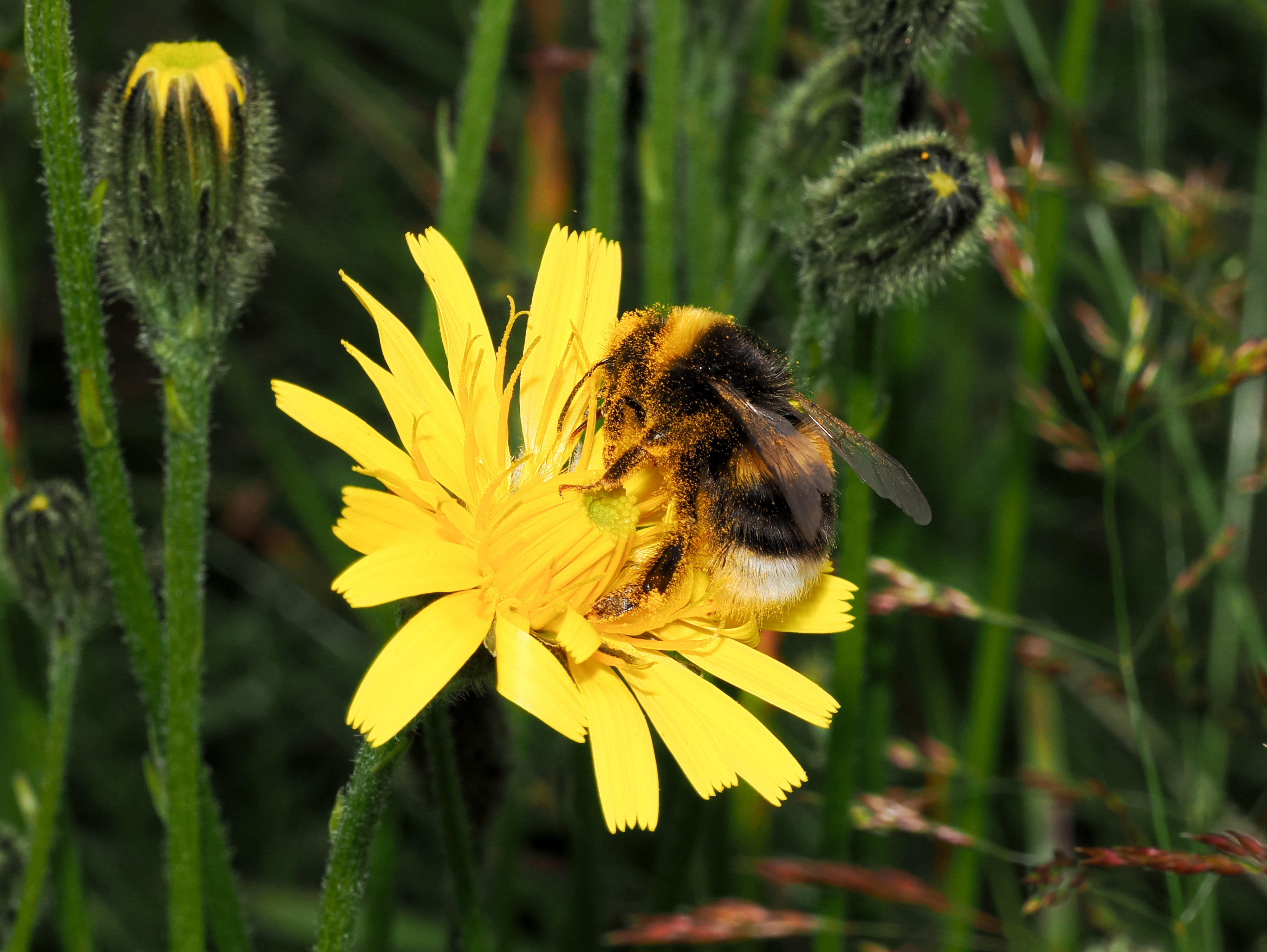
Photo by Raymond JC Cannon
Next we sailed around to the town of Akureyri, at the base of Eyjafjörður Fjord in northern Iceland. About 20,000 people live there, together with large influxes of tourists off cruise ships!
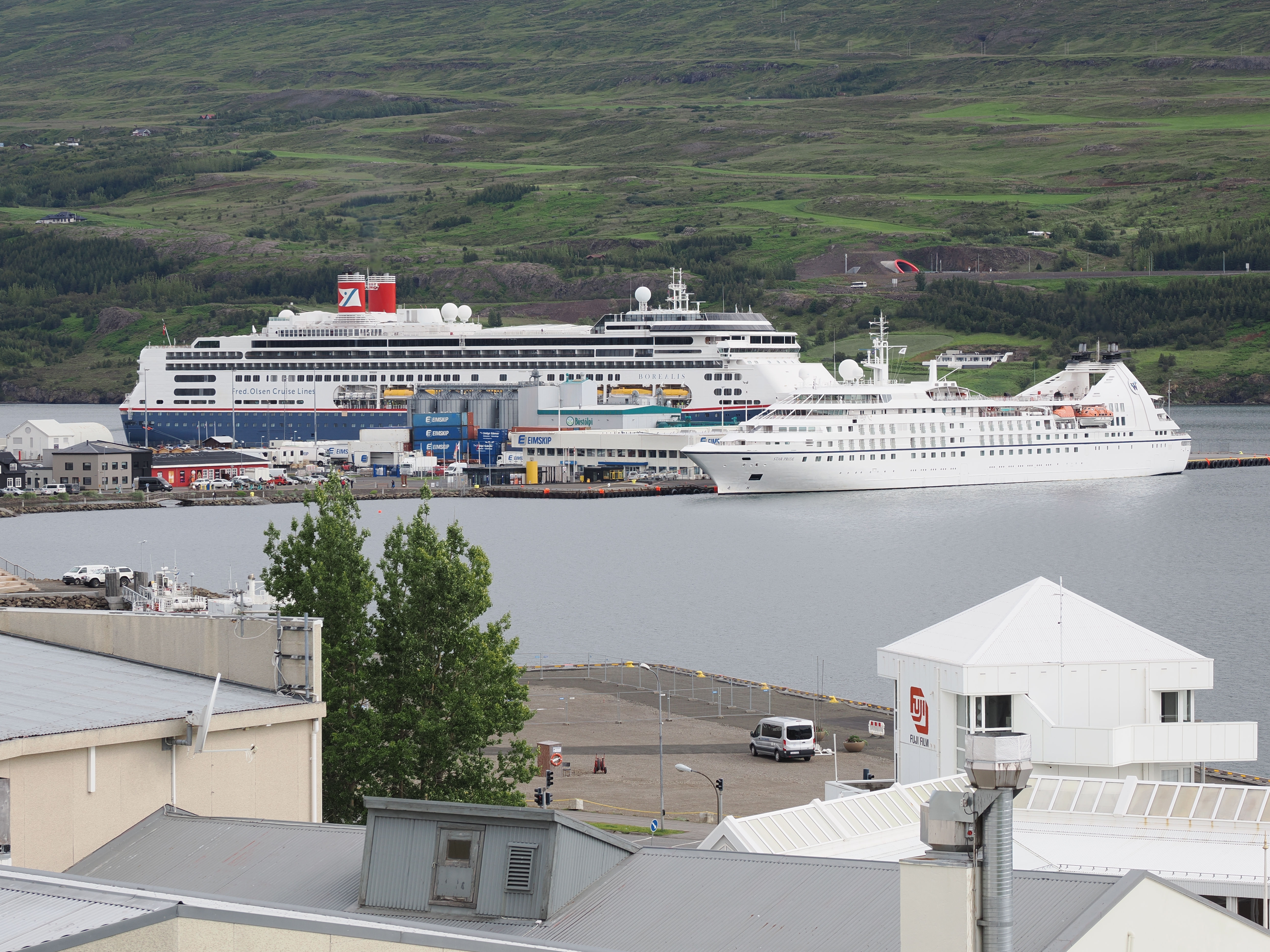
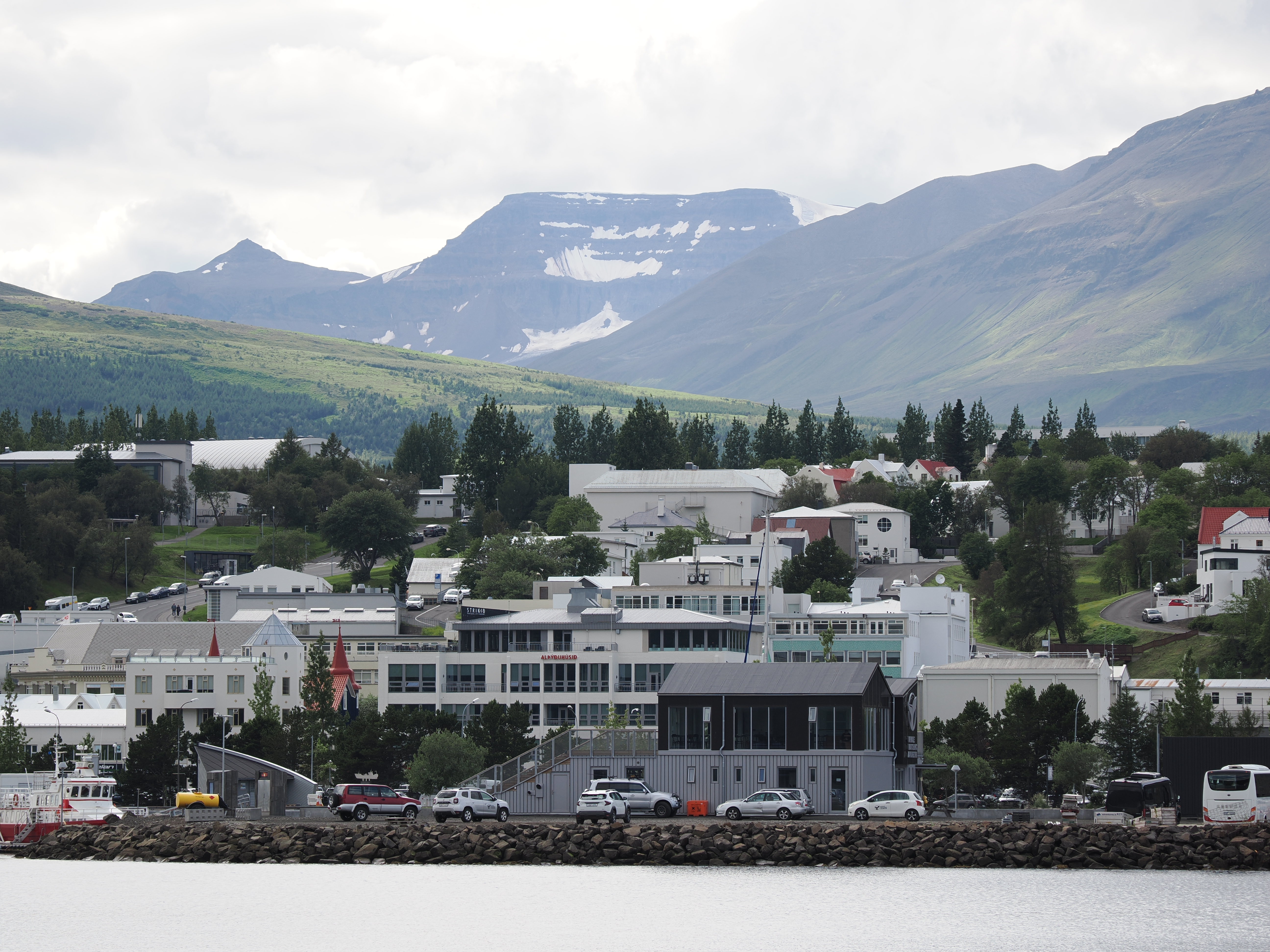
The location where I saw the most bumblebees was in the Akureyri Botanical Garden, supposedly the most northerly botanical garden in the world. First of all I came across many tree bumblebees (Bombus hypnorum) nectaring on tiny flowers along a garden hedge (see below).
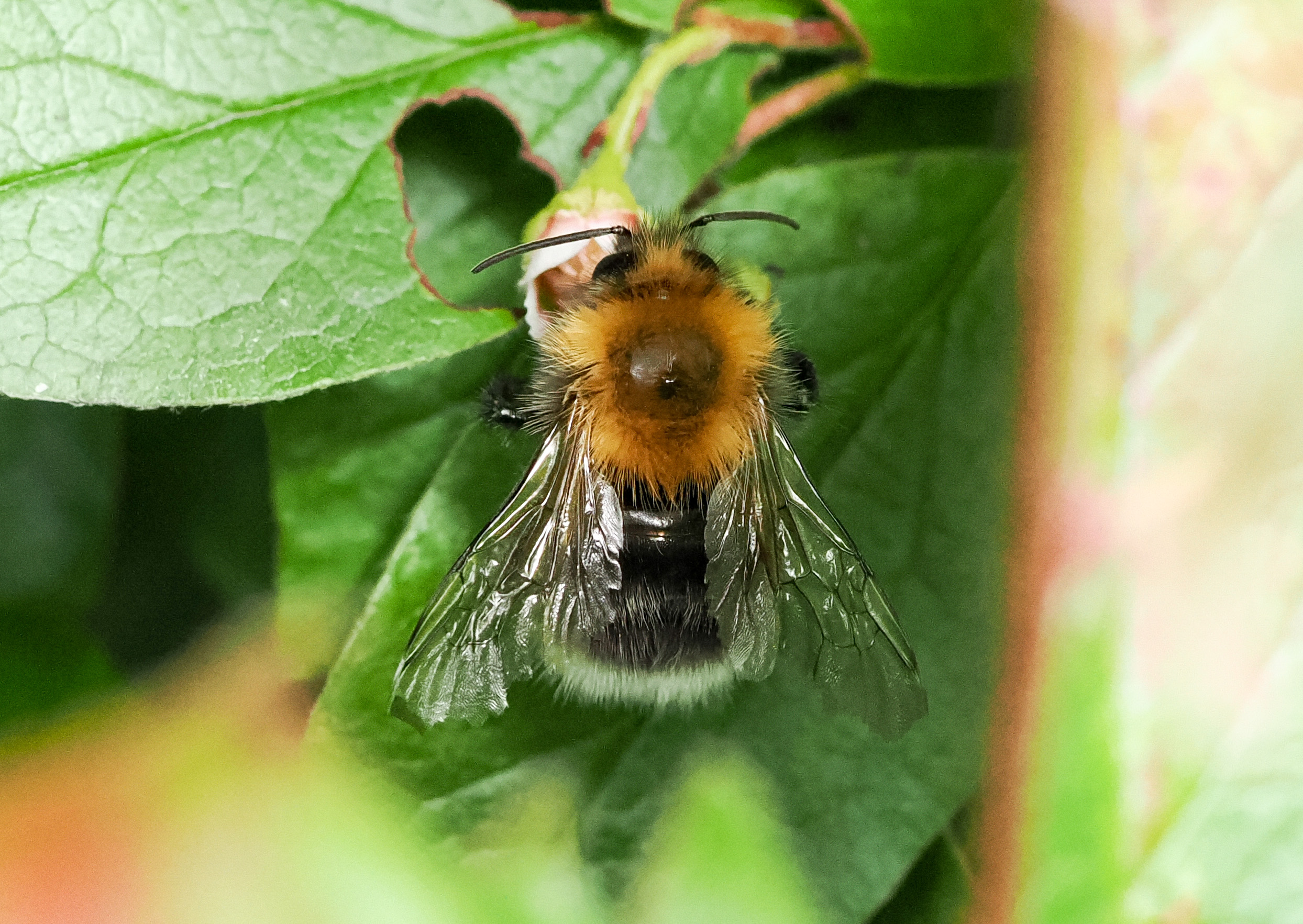
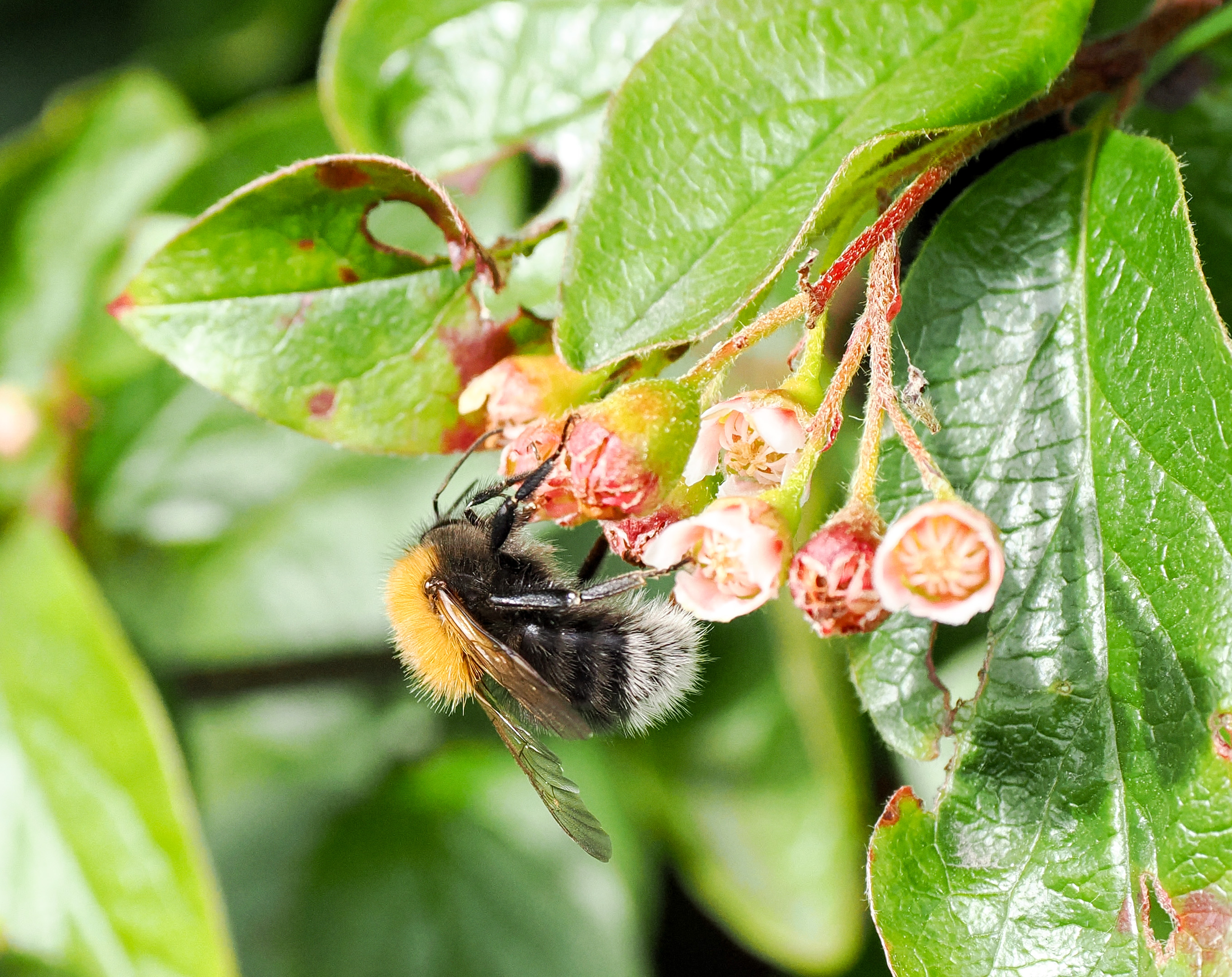
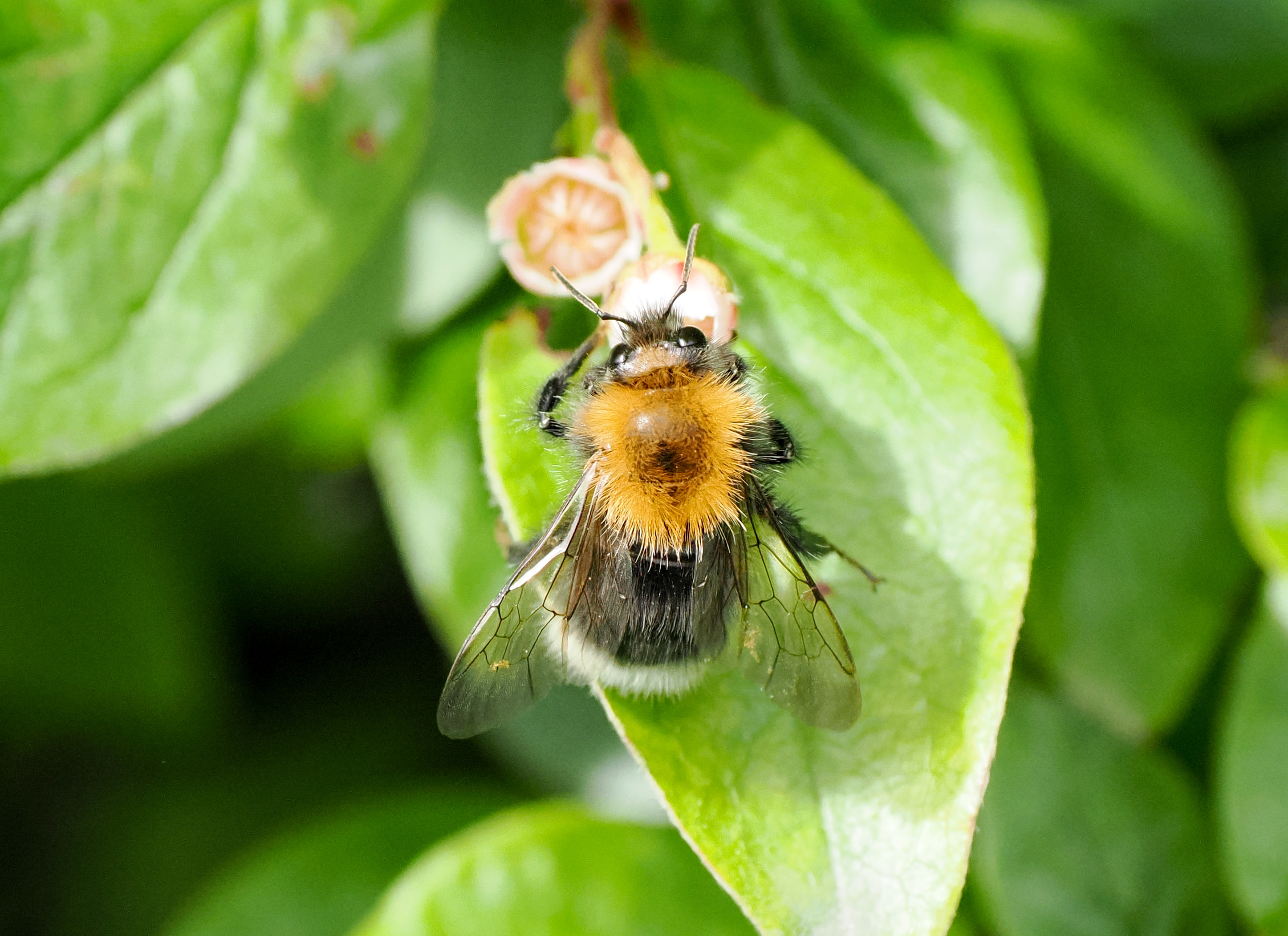
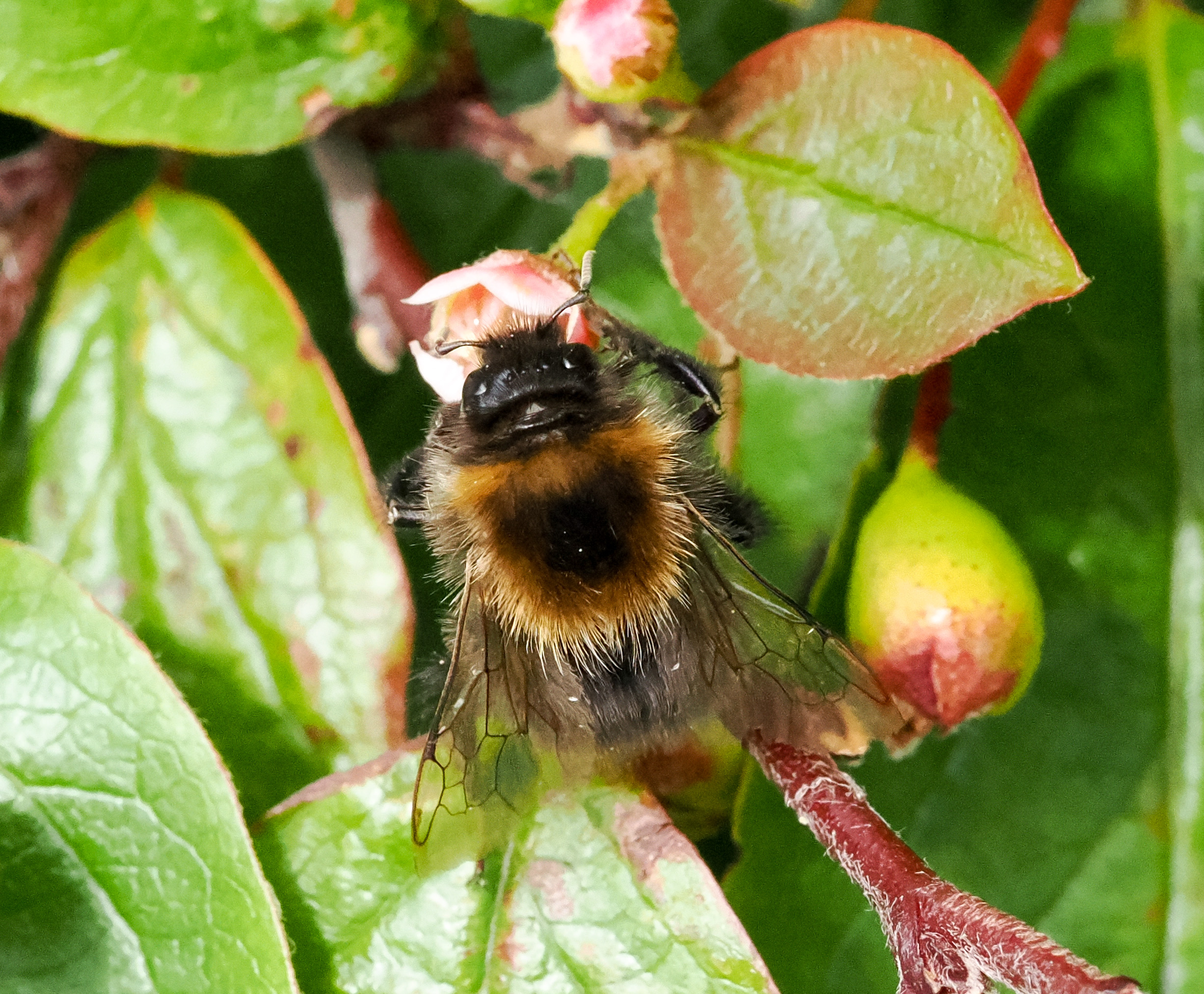
Photos by Raymond JC Cannon
Bombus hypnorum s. lat. is actually a species-complex, comprised of at least seven species. They are found from Western Europe, across Northern Asia as far as Kamchatka, but they are reportedly, difficult to tell apart (see Williams et al., 2022). The so-called, hypnorum-complex has expanded its in range in Europe in recent decades, also arriving in Britain in 2001; Iceland in 2008; and Ireland in 2017. It almost certainly gets transported by Man, rather than flying across the Irish Sea, or the North Atlantic!
I was at first, confused by a small black bumblebee I came across in Akureyri Botanical Garden, but I am fairly sure that it was a melanic form of the tree bumblebee (Bombus hypnorum). This black form is probably not a separate species but a melanic variety, characterised by a completely dark thorax instead of the typical ginger ‘pelt’ (shown above). This melanism is thought to be related to the bees’ ability to regulate temperature, potentially helping them adapt to Iceland’s climate.
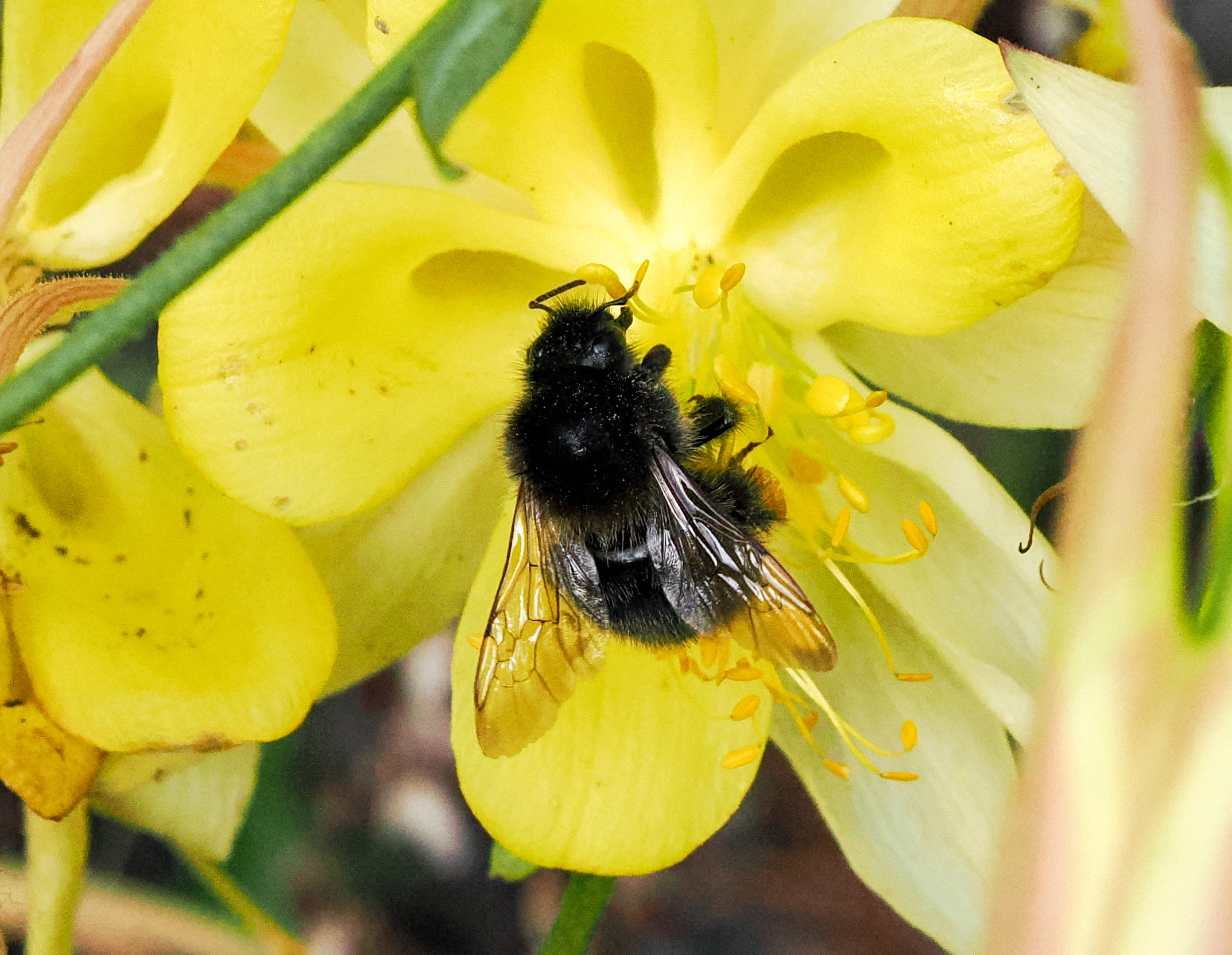
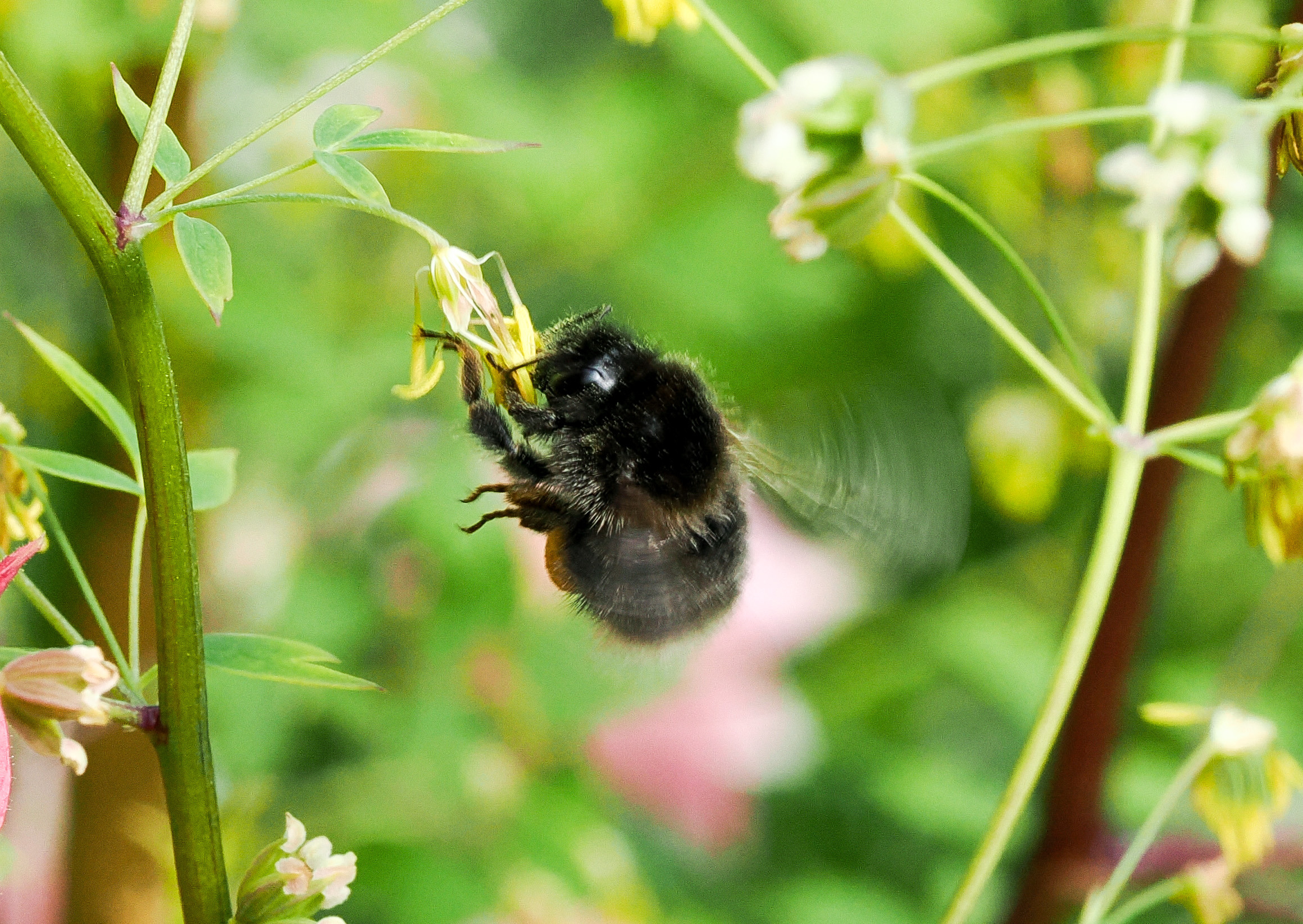
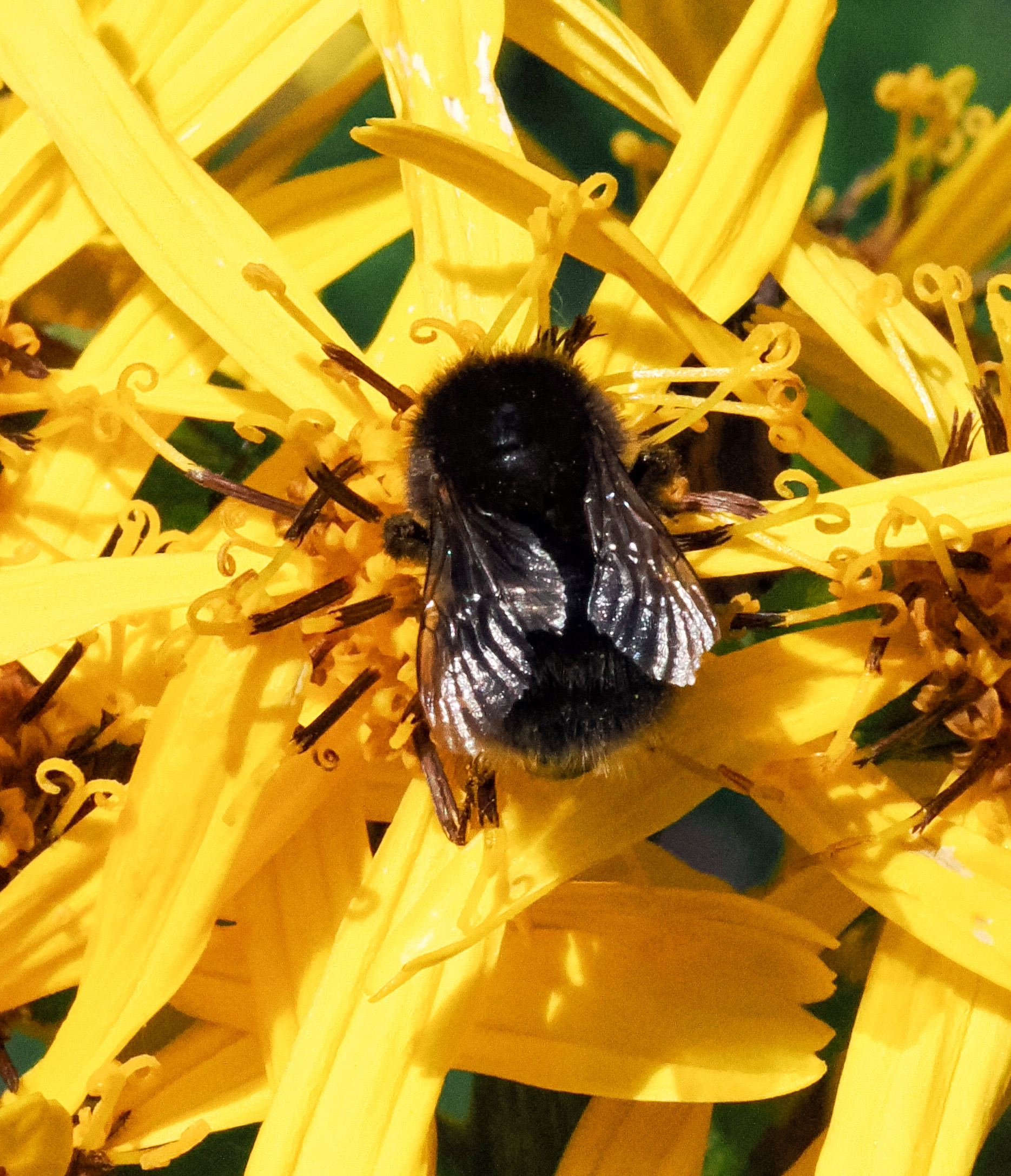
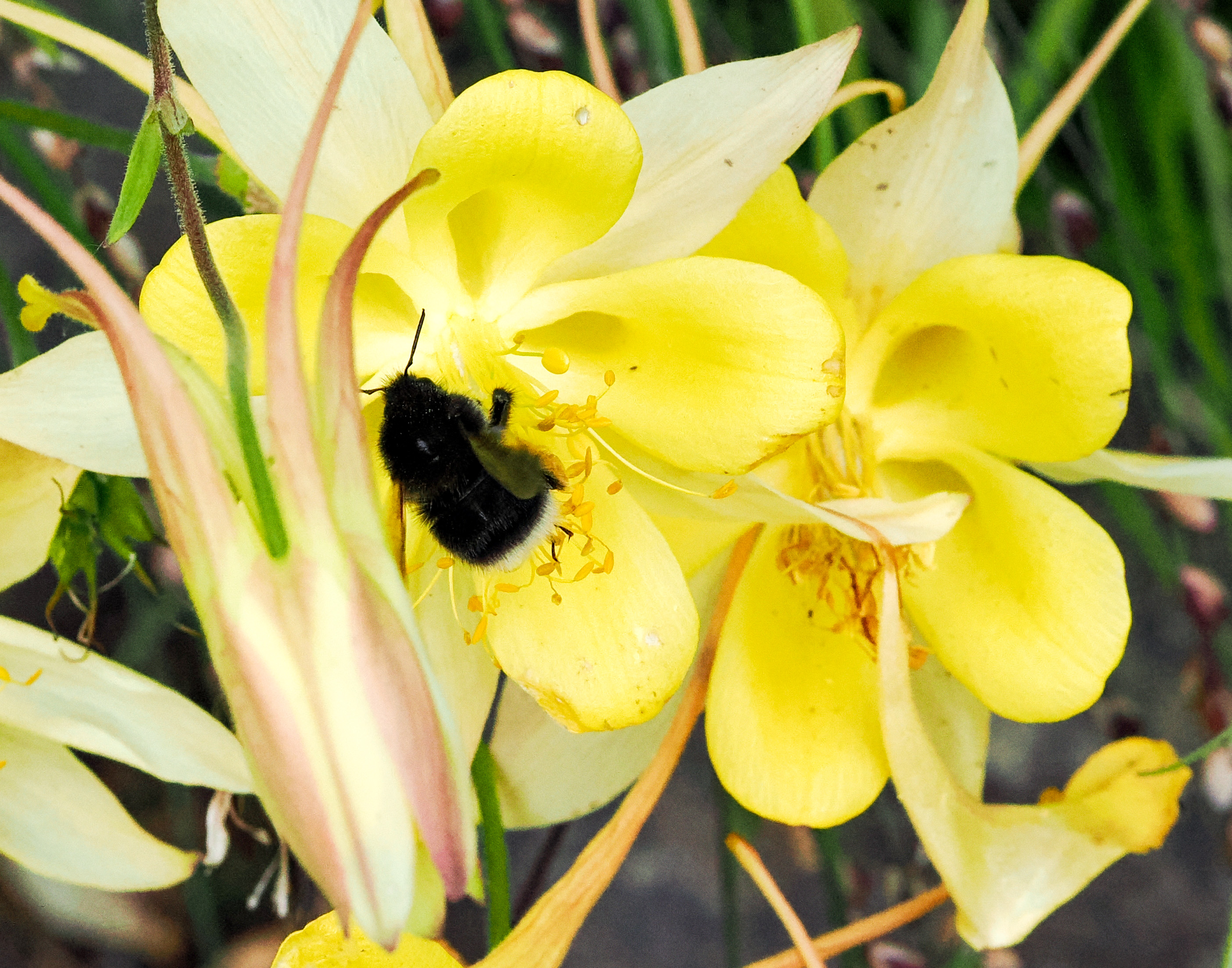
The reasons why the Tree Bumblebee has substantially expanded its range in recent years – in contrast to many other bumblebee species, which are declining – is undoubtedly related to the fact that it can nest above ground, and ‘takes positive and extensive advantage of man-made structures for nesting’ (Prŷs-Jones, 2014).
Sadly, I did not manage to see a the heath bumblebee, despite clambering up a few hill-sides, but my time was limited. However, B. jonellus populations appear to be declining, perhaps as a result of competition with the other introduced species – particularly B. lucorum – and climate change. Another factor, is the ‘massive advance’ of the introduced lupine (discussed below: Introduced plants) which has probably played a part, since this lupine shades out other important forage plants of B. jonellus.
Honeybees
Surprisingly, there are also honeybees in Iceland. Introduced of course, but their number is growing. According to the Iceland Monitor, bee-keeping is on the rise in Iceland and in 2017 there were over 100 beekeepers with around 300 beehives. I was lucky enough to come across some in Akureyri Botanical Garden, nectaring on some poppies. Keeping them alive through the Icelandic winter is the biggest challenge!
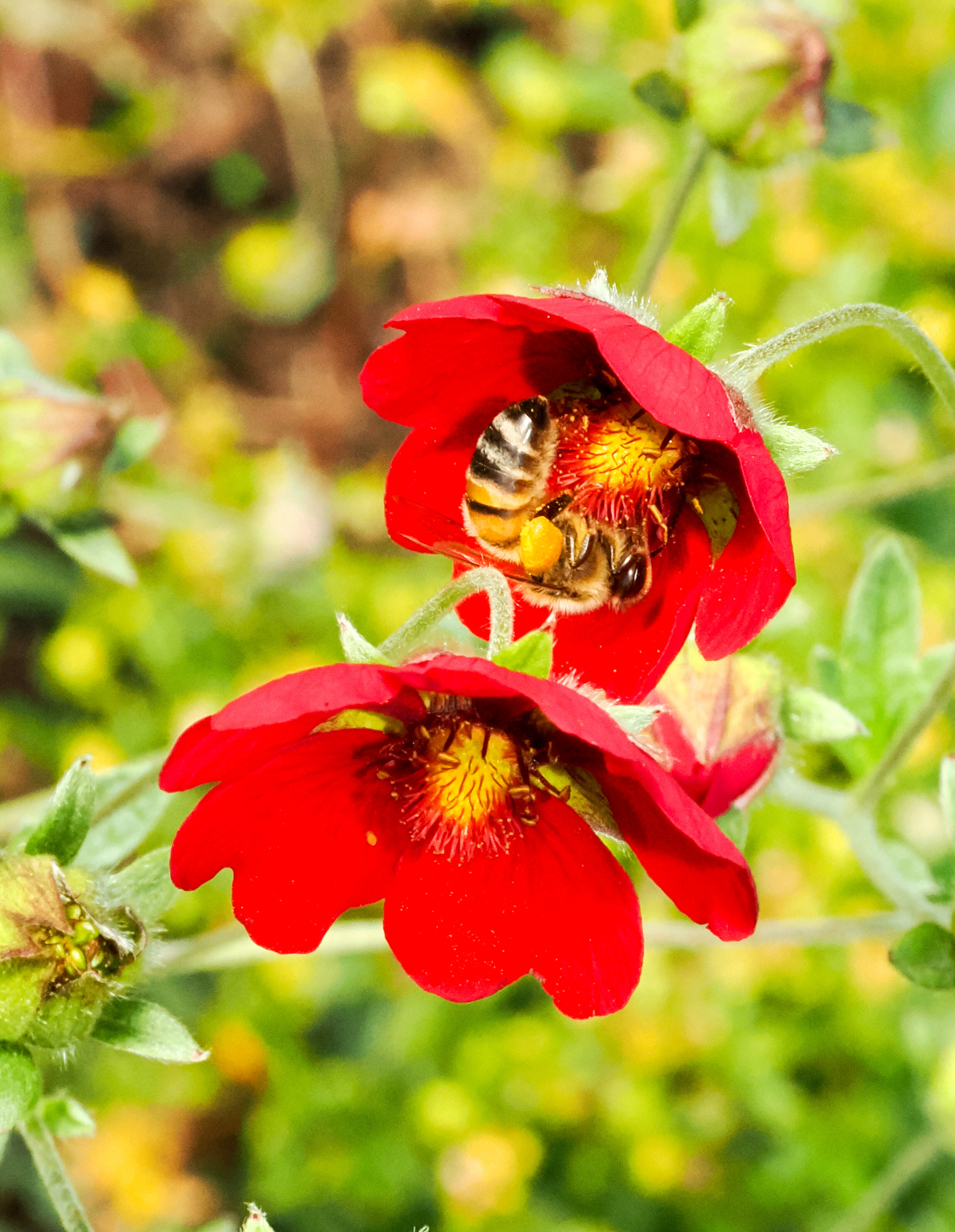
Photo by Raymond JC Cannon
Introduced plants
According to the early Icelandic sagas, Iceland was ‘covered by woods between the mountains and the shore’ when the first settlers arrived in the 9th century. Somewhere between 54-65% of the total land area was covered in vegetation, before the Norse settlement began, but 90% of these woodlands have been lost, largely as a result of deforestation and soil erosion. Goats were particularly nibbly!
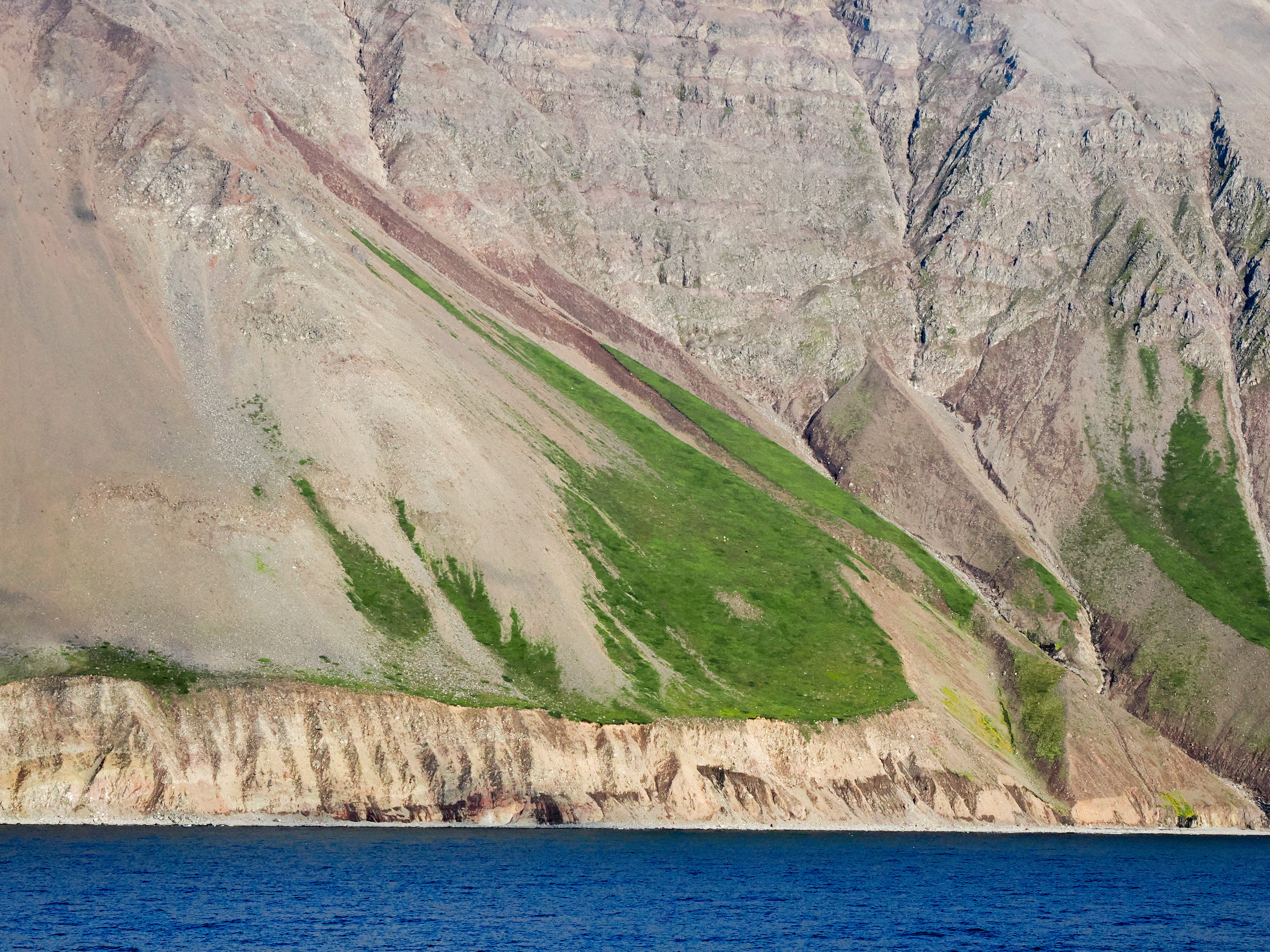
Photo by Raymond JC Cannon
The Alaskan lupine (Lupinus nootkatensis) was introduced to Iceland at the beginning of the 20th century, in an attempt to stabilise the fragile, easily eroded soils. Within forty years it had spread right across the country and is now categorised as an invasive species. The fast-growing lupine dominates native species such as low-growing mosses, lichens, and shrubs and tends to replace such native vegetation.
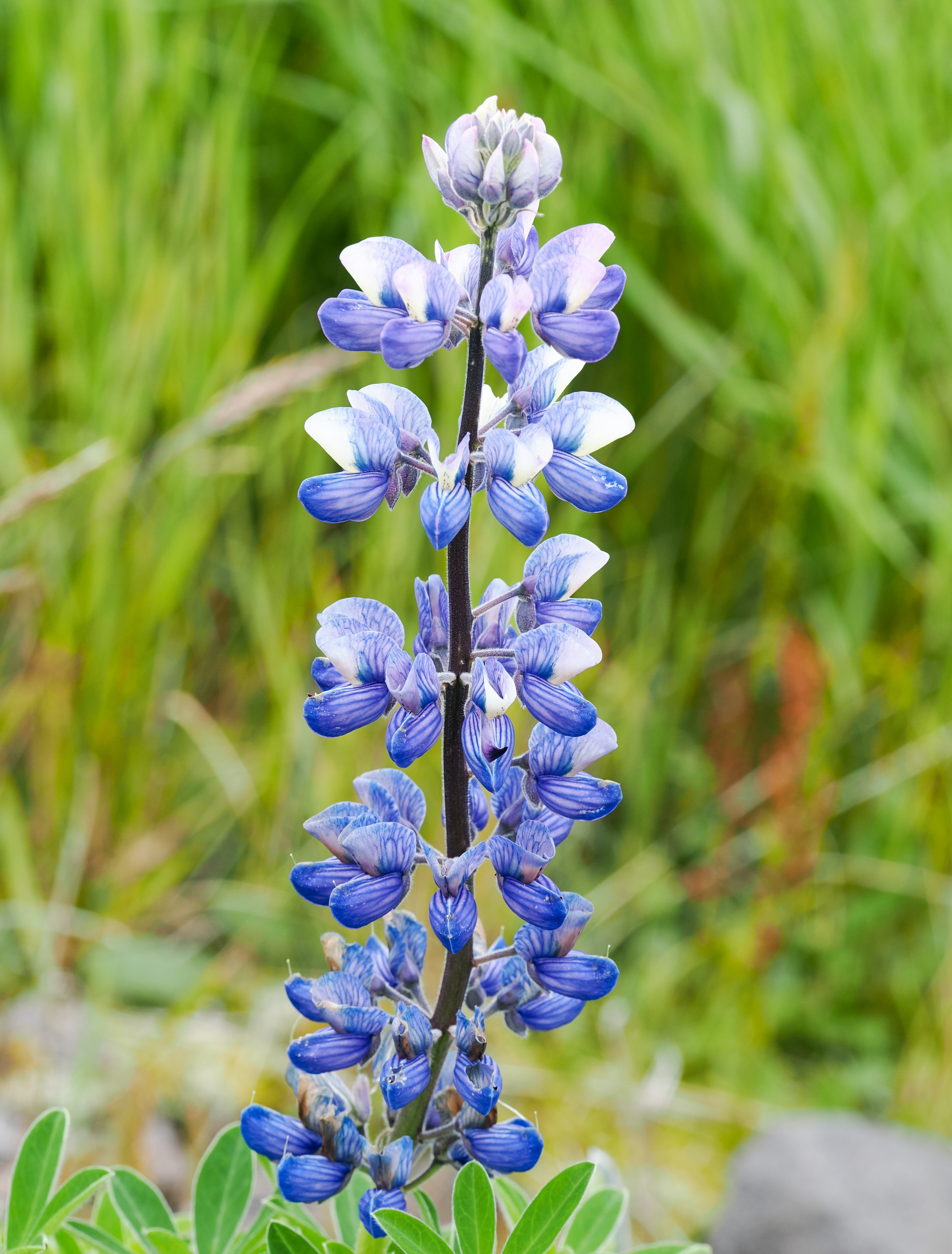
Photo by Raymond JC Cannon
However, opinions are sharply divided on the pros and cons of this pretty plant. It is very attractive, but L. nootkatensis is probably an inadequate alternative food source for the majority of Iceland’s pollinator community. To begin with, the introduced lupins were largely free of herbivores, but when average temperatures began to increase, from around the 1990s onwards, some native insect species started to shift onto the introduced plant. However, Bombus jonellus, appears to favour native flowering plants over L. nootkatensis.
I came across both tree bumblebees and white-tailed bumble bees nectaring on perennial cornflowers (Centaurea montana) on some rough ground in Grundarfjörður. Like Lupinus nootkatensis, this flower is an introduced, non-native species, presumably a ‘garden escape’, but seems to be doing very well, despite the cold. It is widely established in many regions including the British Isles, Scandinavia and North America. It’s known by the Icelandic name Fjallakornblóm.
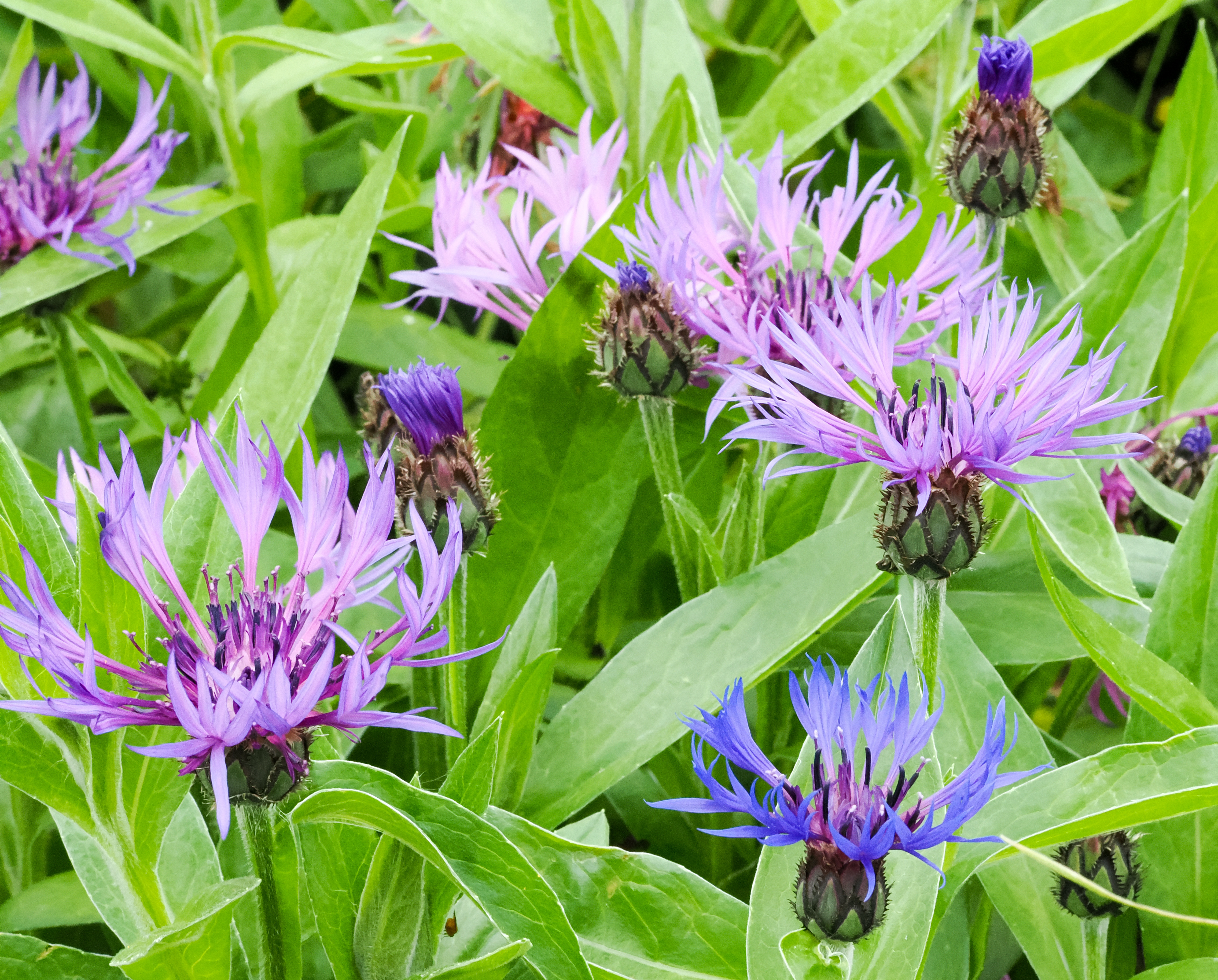
Photo by Raymond JC Cannon
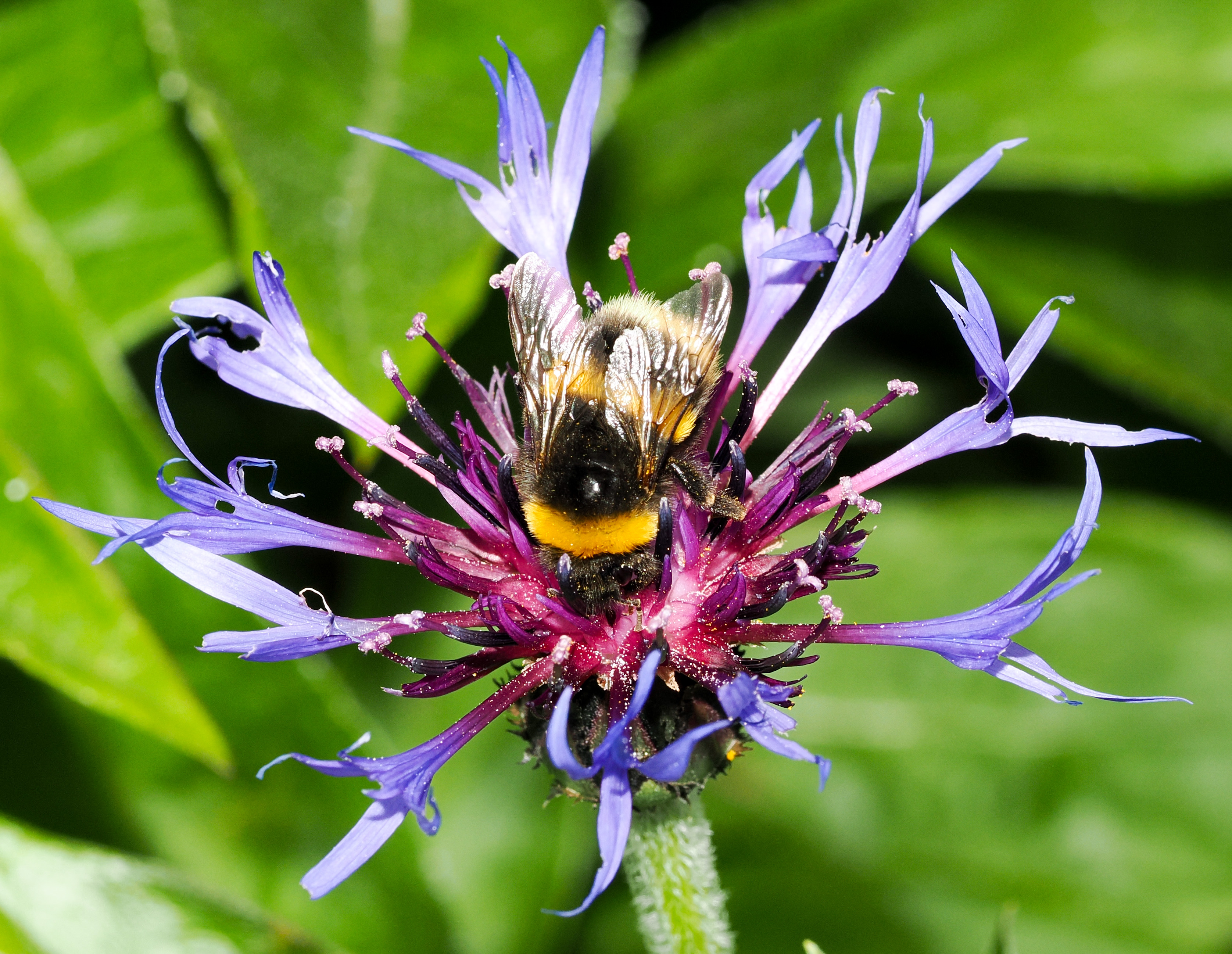
Photo by Raymond JC Cannon
Interestingly, in a study of bumblebee-plant interactions in urban green spaces in Reykjavik, visitation rates were found to be significantly higher on alien plants, compared to native plants (Schmela, 2024). It seems that introduced bumblebees like introduced flowers!
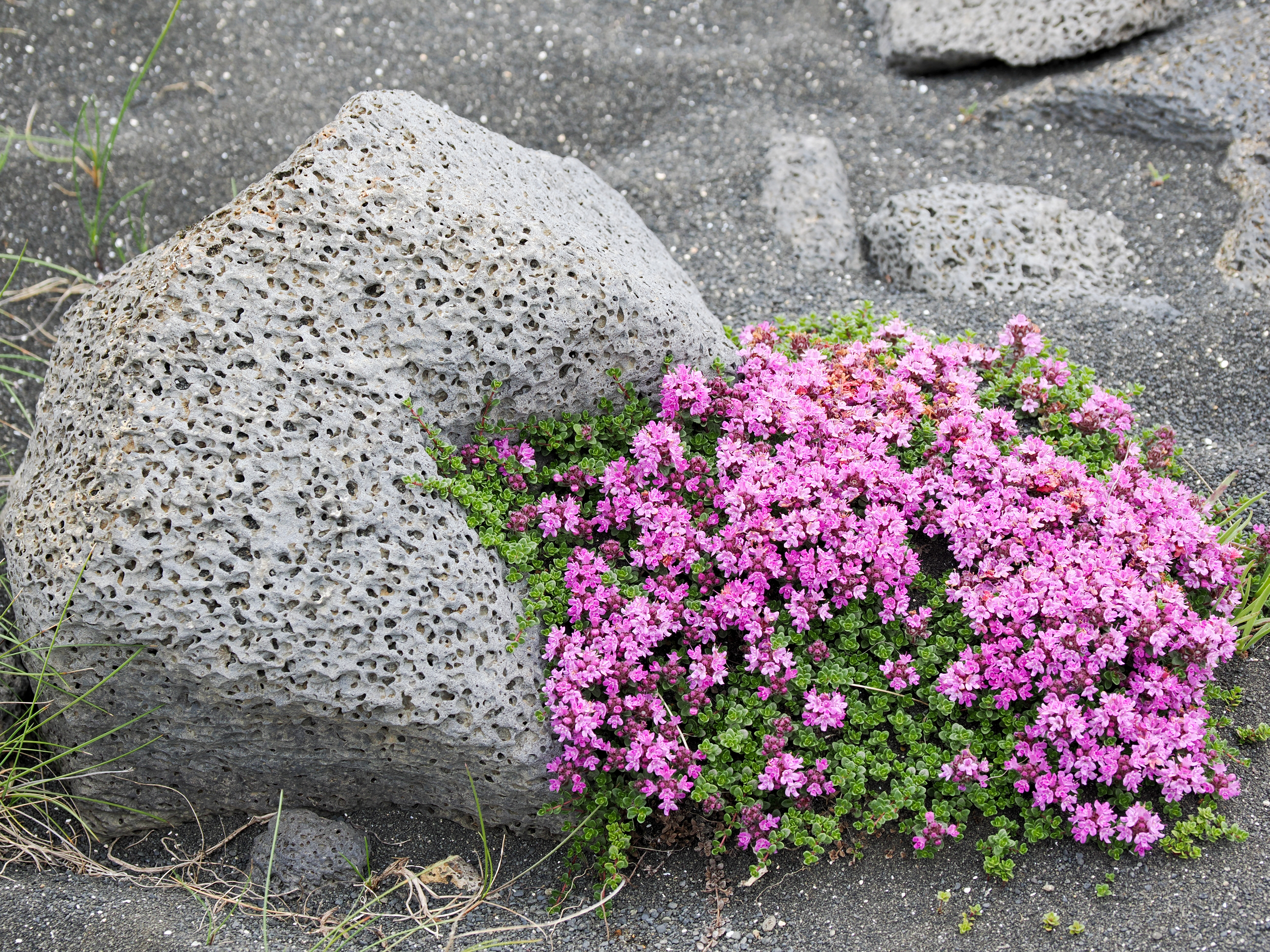
Nevertheless, despite the attraction of the widespread alien plants species, Wild Thyme (Thymus praecox ssp. arcticus), a native plant, had the highest visitation rates, at least in urban Reykjavik, where B. hypnorum and B. lucorum are the two most abundant species.
In conclusion, the status of bumblebees in Iceland appears to be highly dynamic, with major changes occurring as a result of introductions and expansions of both non-native bumblebee species and alien plant species.
Addendum
New bumblebees have also appeared in the Faroe Islands, probably introduced to the islands via visiting ships in the same way as in Iceland. For example, Bombus lucorum and Bombus pratorum were first found in the Faroe Islands in 2007 and 2008, respectively (Jensen & Madsen, 2018). Tree bumblebees are also quite common in large parts of the capital, Tórshavn, according to a very informative blog by Jens-Kjeld Jensen, see here.
Links
References
Crowther, L. P., Hein, P. L., & Bourke, A. F. (2014). Habitat and forage associations of a naturally colonising insect pollinator, the tree bumblebee Bombus hypnorum. PLoS One, 9(9), e107568.
Goulson D. & Williams P. 2001. Bombus hypnorum (Hymenoptera: Apidae), a new British bumblebee?
British Journal of Entomology and Natural History 14: 129–131.
Hallmen, N. (2017). Changes in the bumblebee fauna of Iceland: Will Bombus lucorum replace
Bombus jonellus? (Hymenoptera: Apoidea). Nachr. entomol. Ver. Apollo, N.F. 38 (2/3): 121–128 (2017).
Hautala, R., & Kulmala, J. (2023). How erosion and other natural forces have changed the Icelandic landscape–is Nootka lupine fixing any of these problems?. Suo, 74(1–2), 119-127.
Hrafnkelsdóttir, B. (2020). The interaction between native insect herbivores, introduced plant species and climate change in Iceland.
Huml, J. V., Ellis, J. S., Lloyd, K., Benefer, C. M., Kiernan, M., Brown, M. J. F., & Knight, M. E. (2021). Bucking the trend of pollinator decline: the population genetics of a range expanding bumblebee. Evolutionary Ecology, 35(3), 413-442.
Jensen, J. K., & Madsen, H. B. (2018). Opdatering af humlebiernes udbredelse på Færøerne (Hymenoptera, Apoidea, Apiformes). Entomologiske Meddelelser, 86, 51-56.
Kratochwil, A., & Schwabe, A. (2016). Bombus invaders (Hymenoptera: Apoi dea) in Iceland: Correlation of humanassisted intro duc tion an global change. Mitteilungen des Ento mo lo gi schen Vereins Stuttgart, Stuttgart, 51(1), 35-37.
Kuprian, A. (2018). Negotiating contested landscapes: The lupin controversy in Iceland. Northern studies, 49, 25-37.
Potapov, G. S., Kondakov, A. V., Kolosova, Y. S., Tomilova, A. A., Filippov, B. Y., Gofarov, M. Y., & Bolotov, I. N. (2018). Widespread continental mtDNA lineages prevail in the bumblebee fauna of Iceland. ZooKeys, (774), 141.
Prŷs-Jones, O. E. (2014). The tree bumble bee (Bombus hypnorum) as a house sparrow equivalent? Comments on colonizing success in Britain in the context of declining native species. Bee World, 91(4), 98-101.
Prŷs-Jones, O. E., Kristjánsson, K., & Ólafsson, E. (2016). Hitchhiking with the Vikings? The anthropogenic bumblebee fauna of Iceland–past and present. Journal of Natural History, 50(45-46), 2895-2916.
Prŷs-Jones, O. E., Ólafsson, E., & Kristjánsson, K. (1981). The Icelandic bumble bee fauna (Bombus Latr., Apidae) and its distributional ecology. Journal of apicultural Research, 20(3), 189-197.
Schmela, K. (2024). Bumblebee-plant interactions in urban green spaces in Reykjavik. M.S. Thesis in Environment and Natural Resources, University of Iceland.
Williams, P. H., Dorji, P., Ren, Z., Xie, Z., & Orr, M. (2022). Bumblebees of the hypnorum-complex world-wide including two new near-cryptic species (Hymenoptera: Apidae). European Journal of Taxonomy, 847, 46-72.
Willow, J. (2016). Potential impact of Nootka lupine invasion on pollinator communities in Iceland (Doctoral dissertation).
Willow, J., Tamayo, M., & Jóhannsson, M. H. (2017). Potential impact of Nootka lupine (Lupinus nootkatensis) invasion on pollinator communities in Iceland. ICEL. AGRIC. SCI. 30 (2017), 51-54. https://doi.org/10.16886/IAS.2017.06
 Ray Cannon's nature notes
Brilliant piece! Thank you for writing this and publishing the great pictures. Your depth of research for this blog is appreciated. I visited Iceland a few years ago and I wish I had read a resource as good as yours before I made my trip.
Thank you! – Ron
Many thanks Ron!
Thanks, Ron!
Fascinating, Ray!