We have entered a brave new world of AI (Artificial intelligence) and we are all coming to terms with what it means for us personally, be it our jobs, our hobbies or our passions. In my case, blogging and photography.
I thought I would take a subject I written about before, in different guises, and ask Google AI to produce a summary.
The proboscis (or tongue) lengths of bumblebees may sound like a rather esoteric subject but the length of the proboscis – and the extent to which it can be extended – determines which flowers a bee can extract nectar from, and is also an indication of which type of flora a given bee species is adapted to.
Or, as AI would have it:
“Bumble bee tongue lengths are crucial because they determine which flower species a bee can forage from, dictating their role in pollination and their ability to survive in specific habitats.” (Google AI).
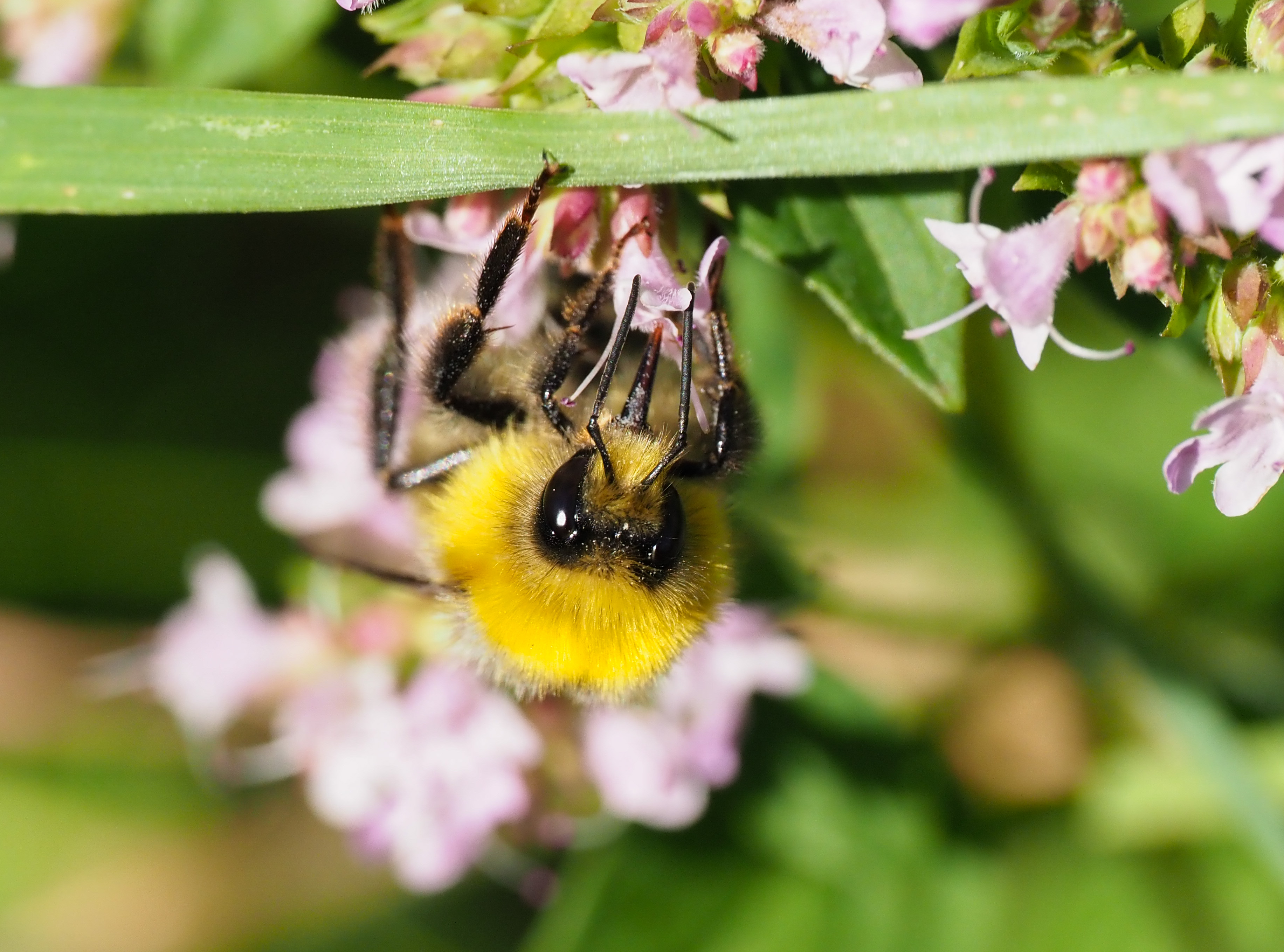
I then asked Google AI to rank the proboscis lengths of British Bumblebees. I had previously used data I had obtained myself, from scientific papers and from a website (http://www.bumblebee.org) in a blog called Bees knees and tongues! For results, please see Table 1 (below).
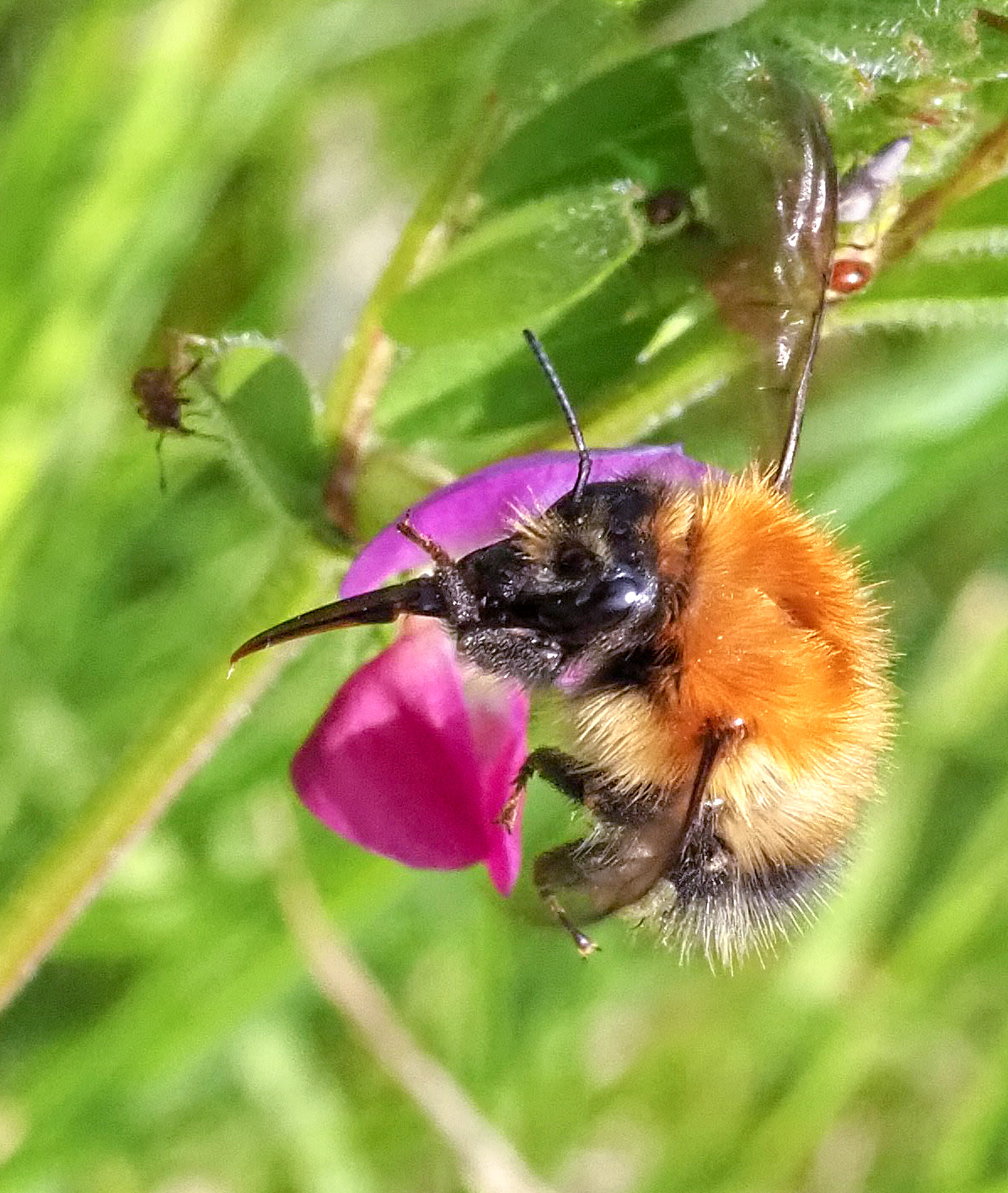
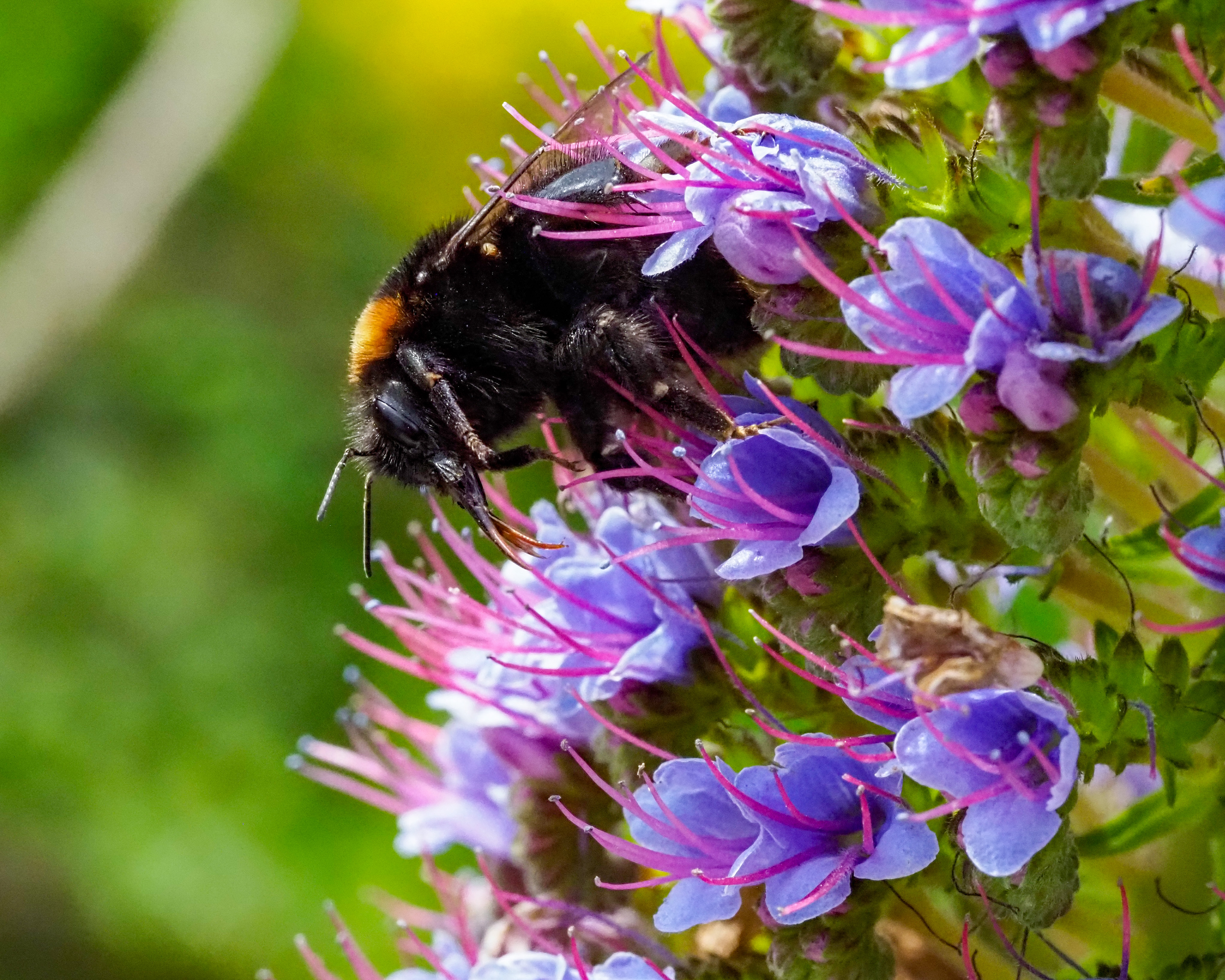
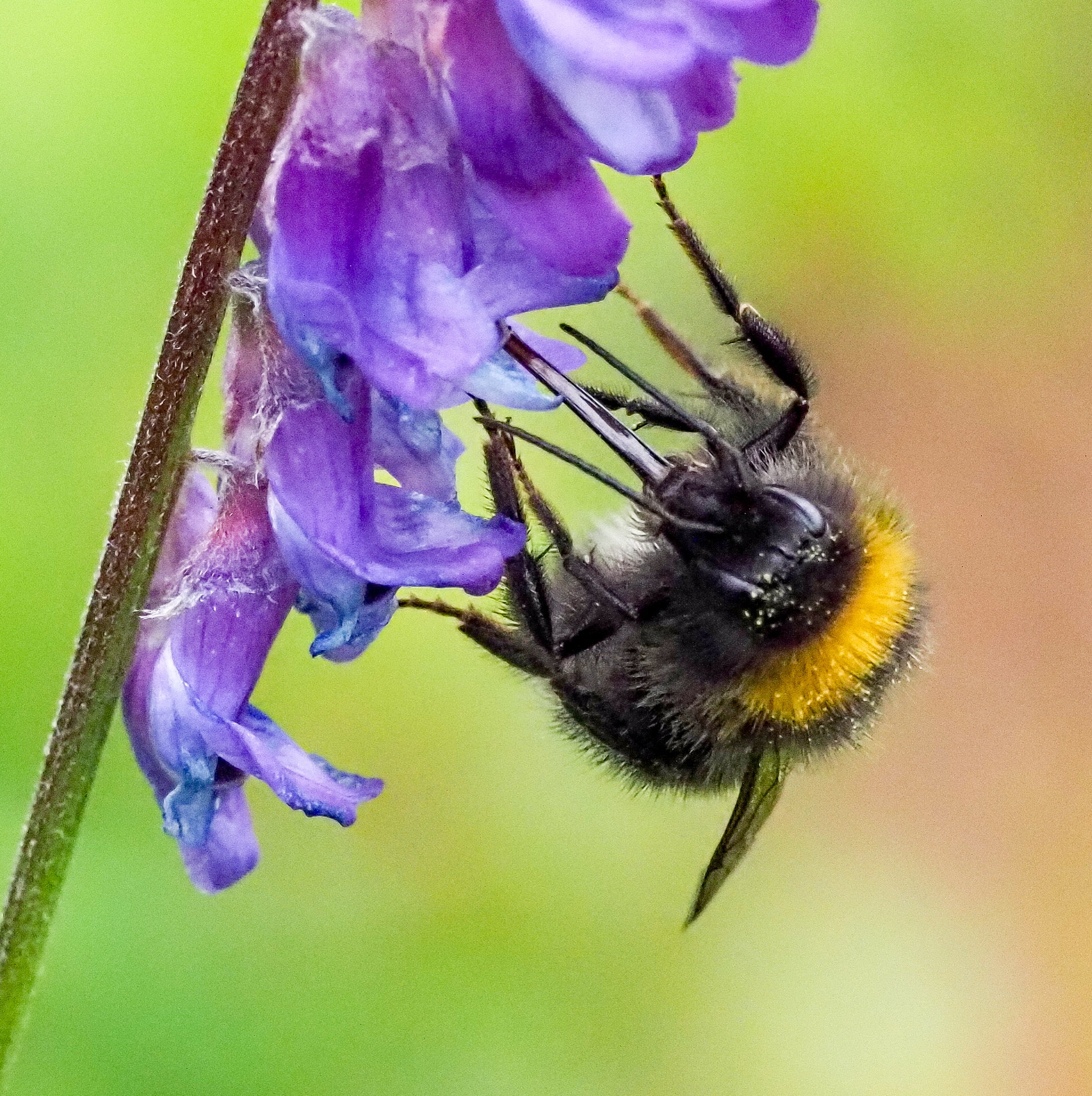
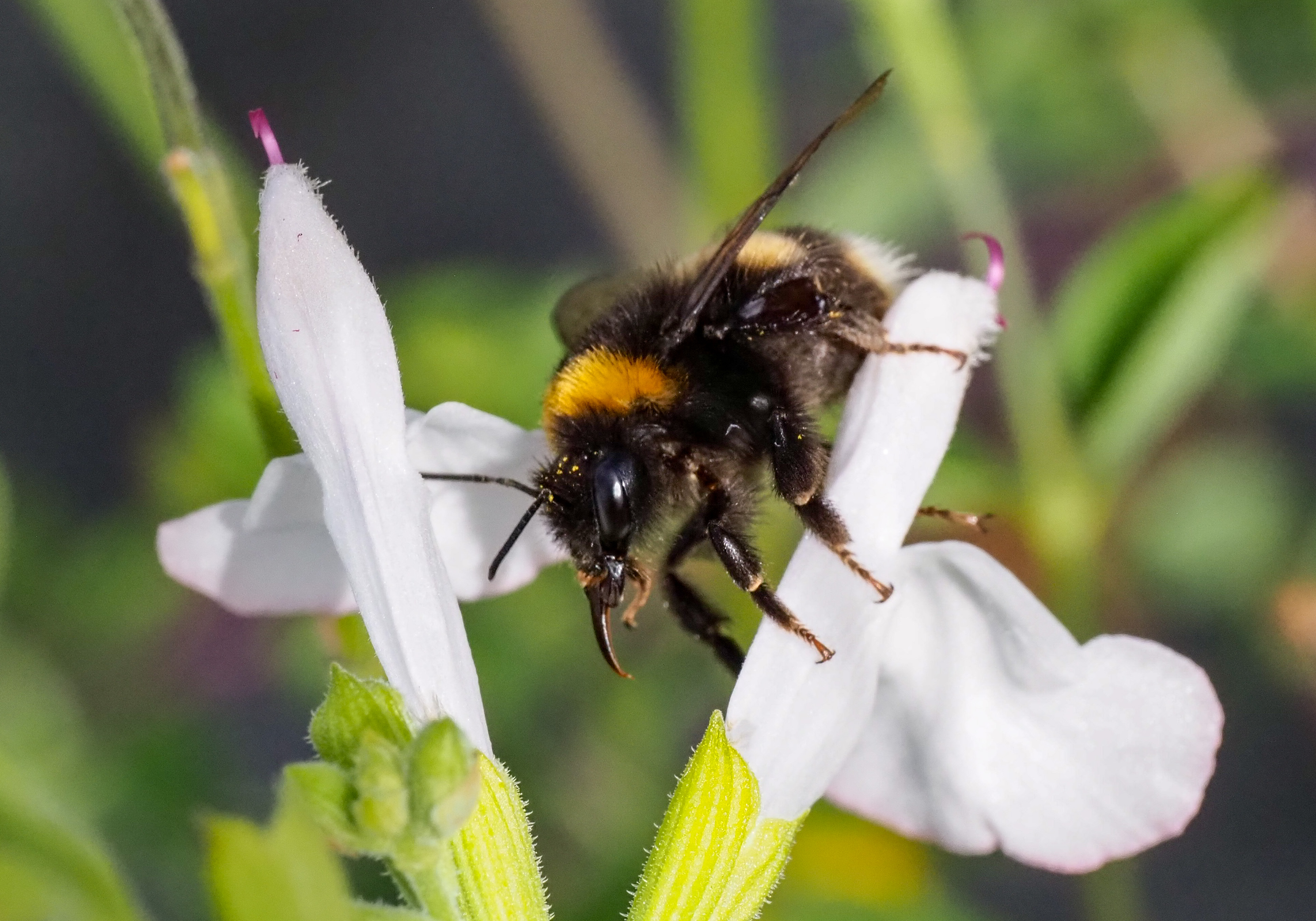
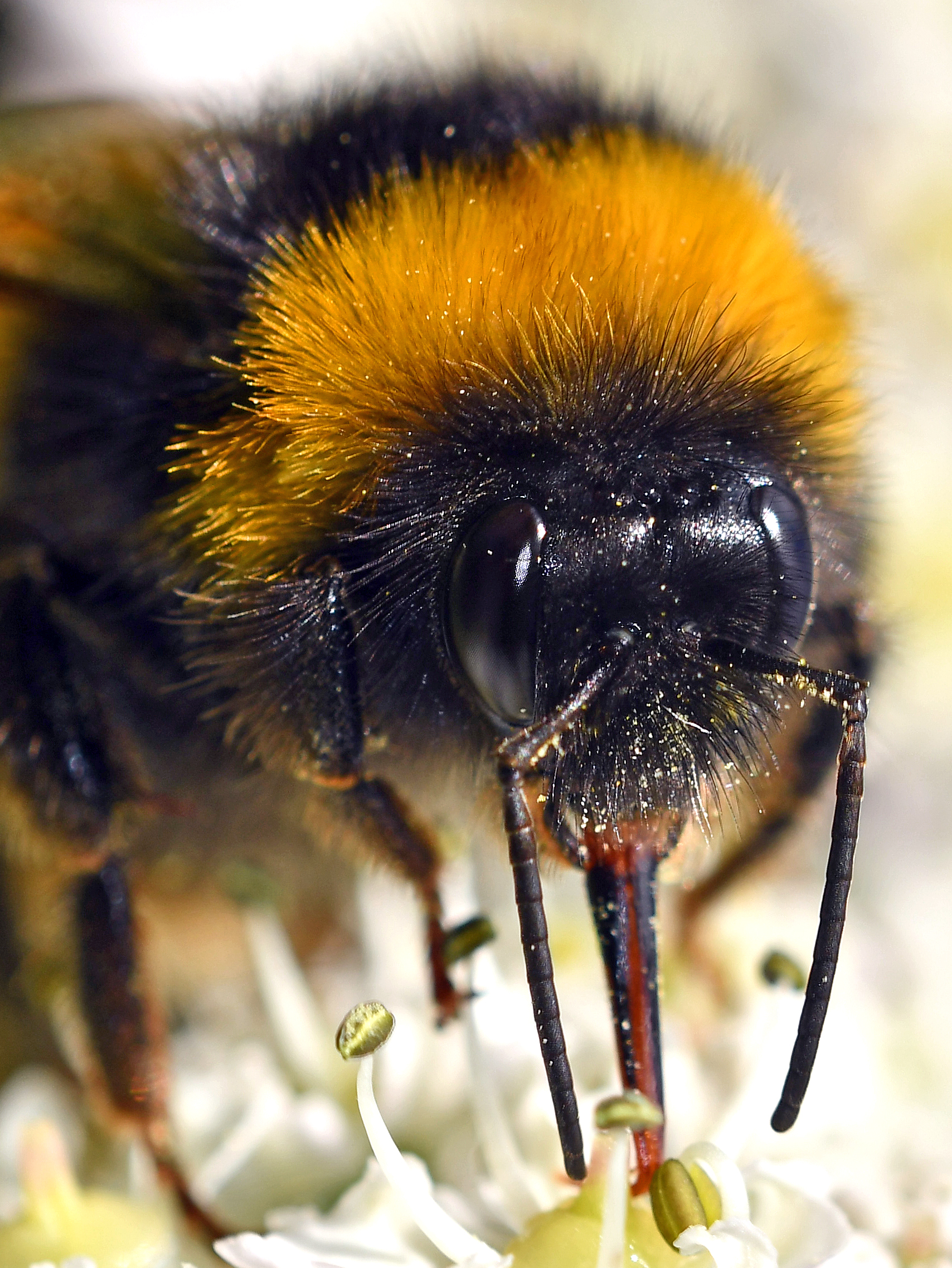
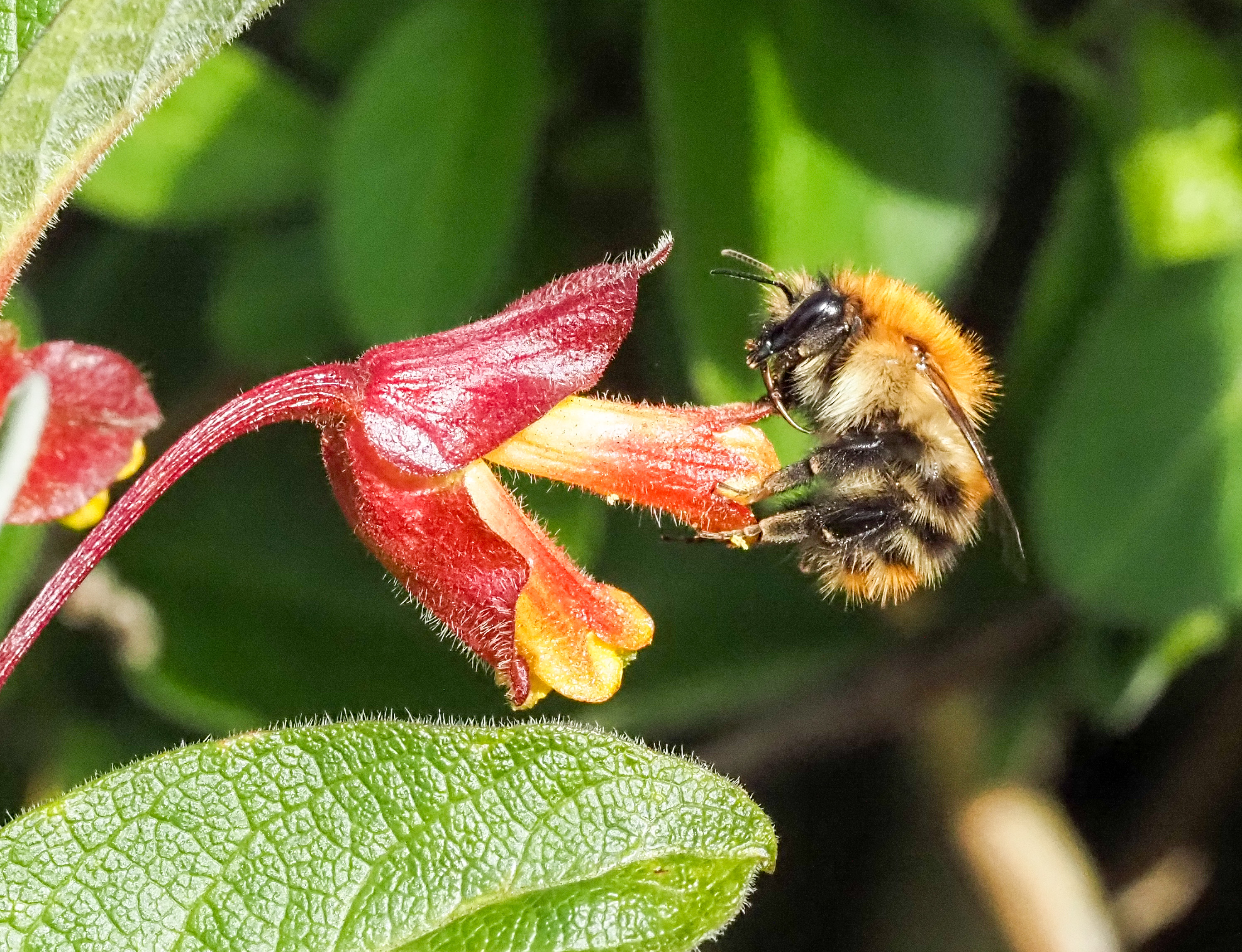
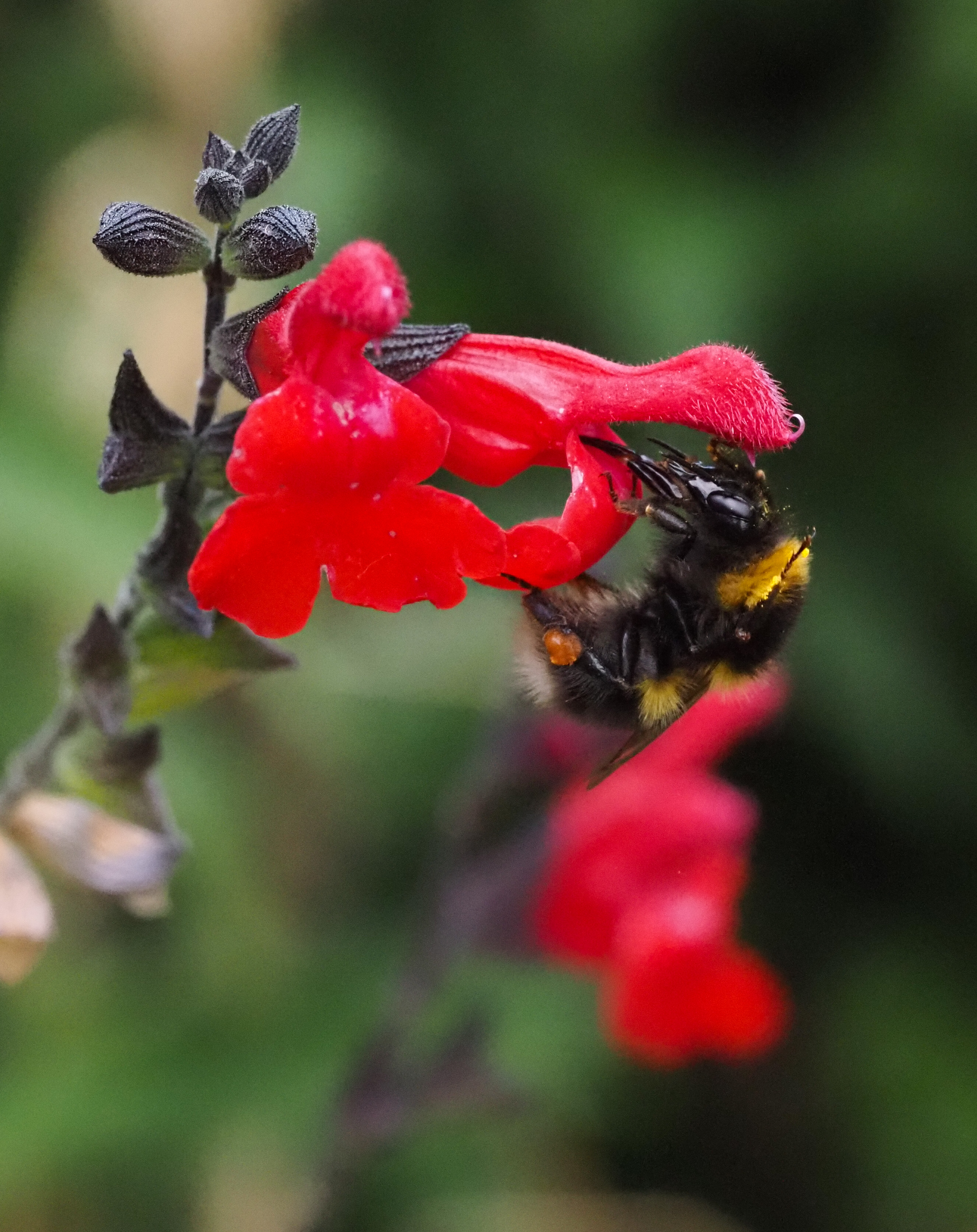
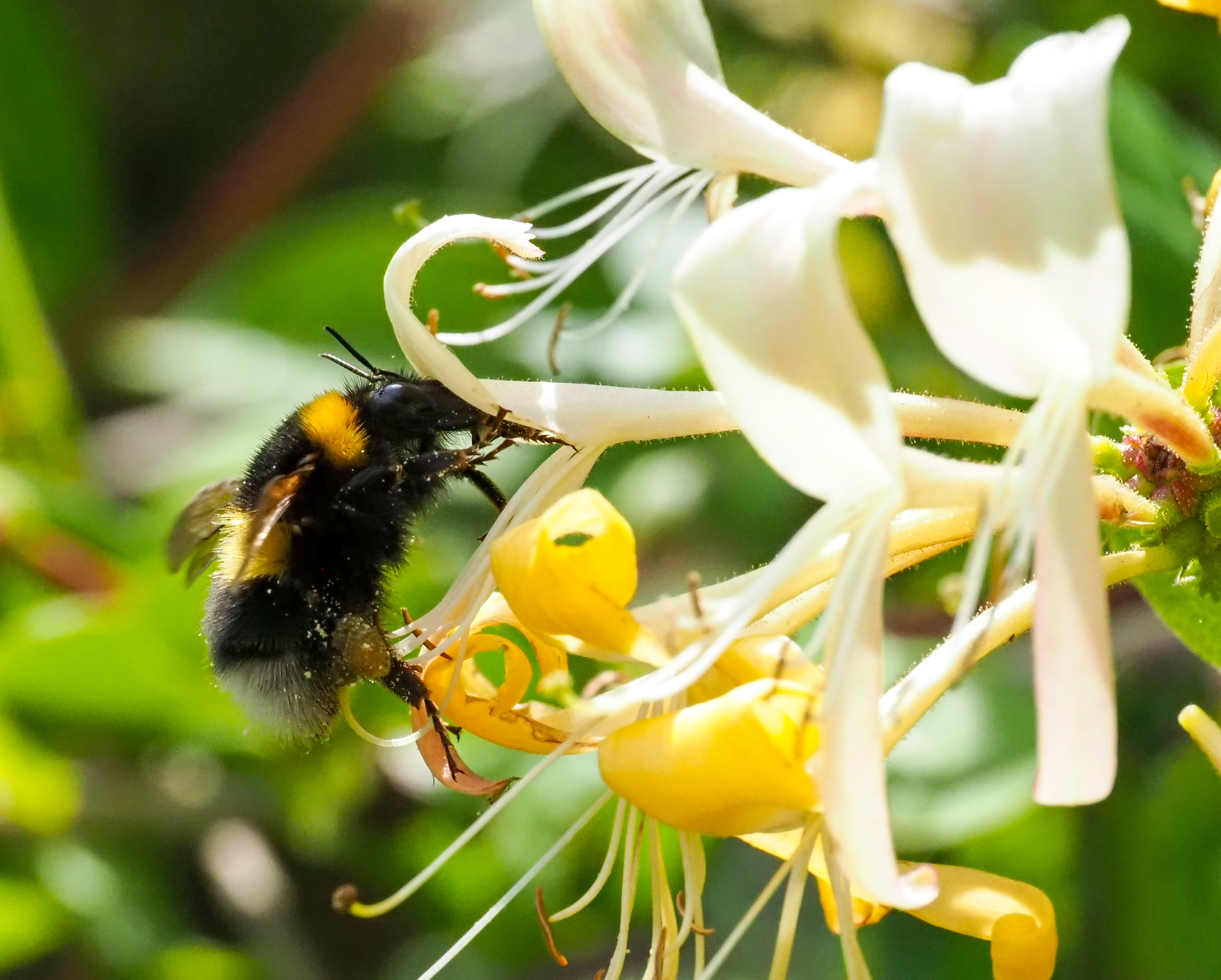
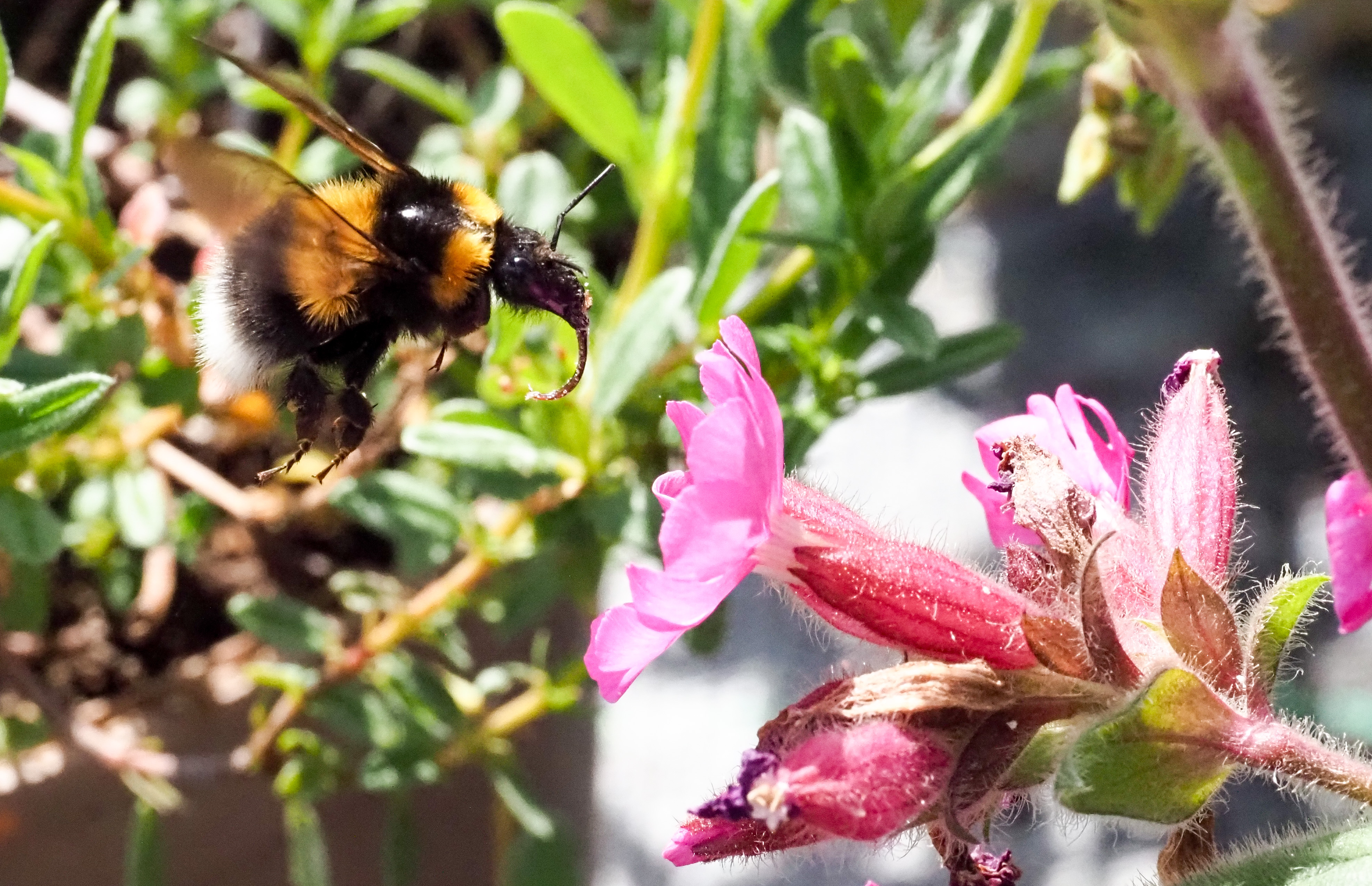
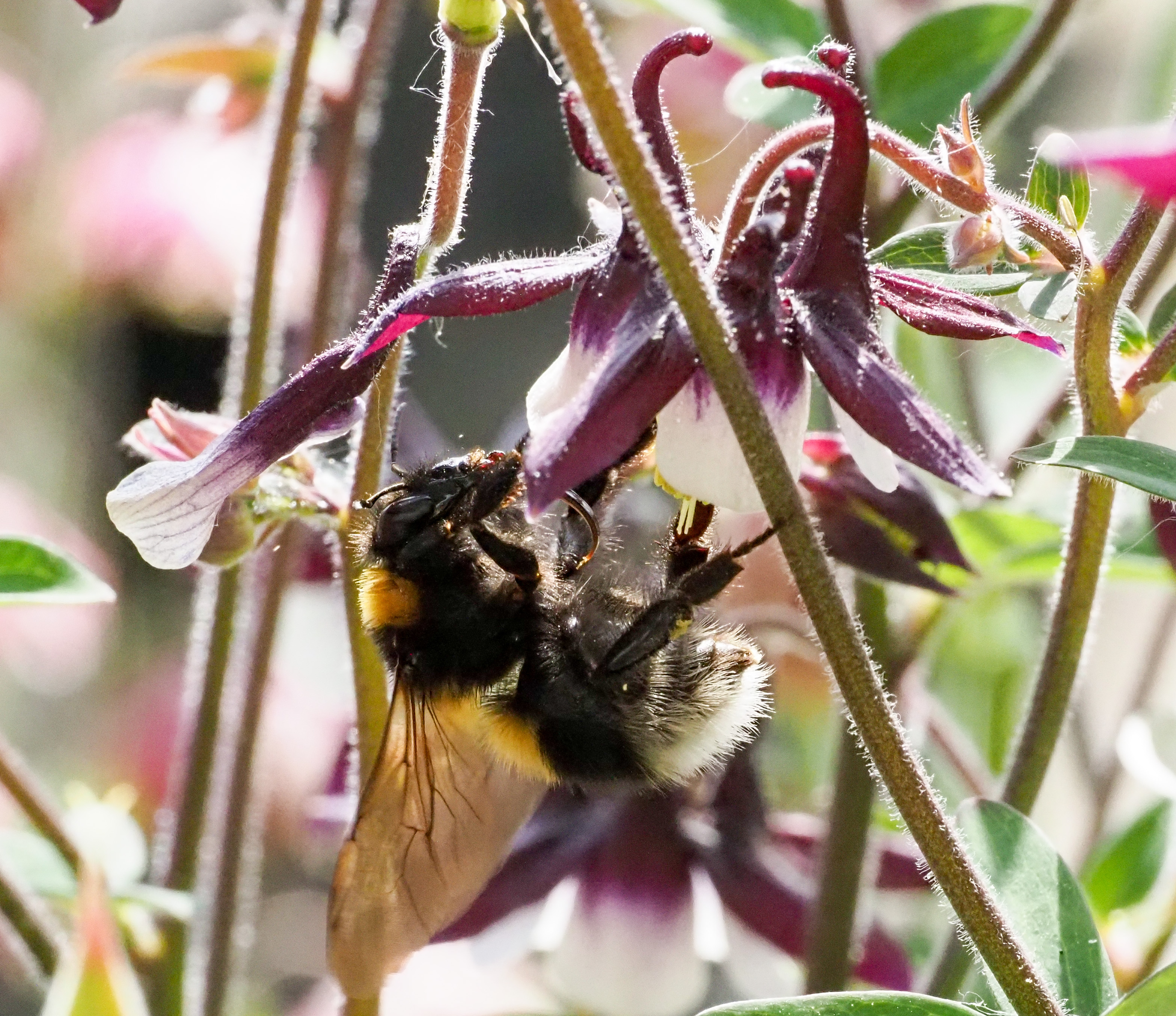
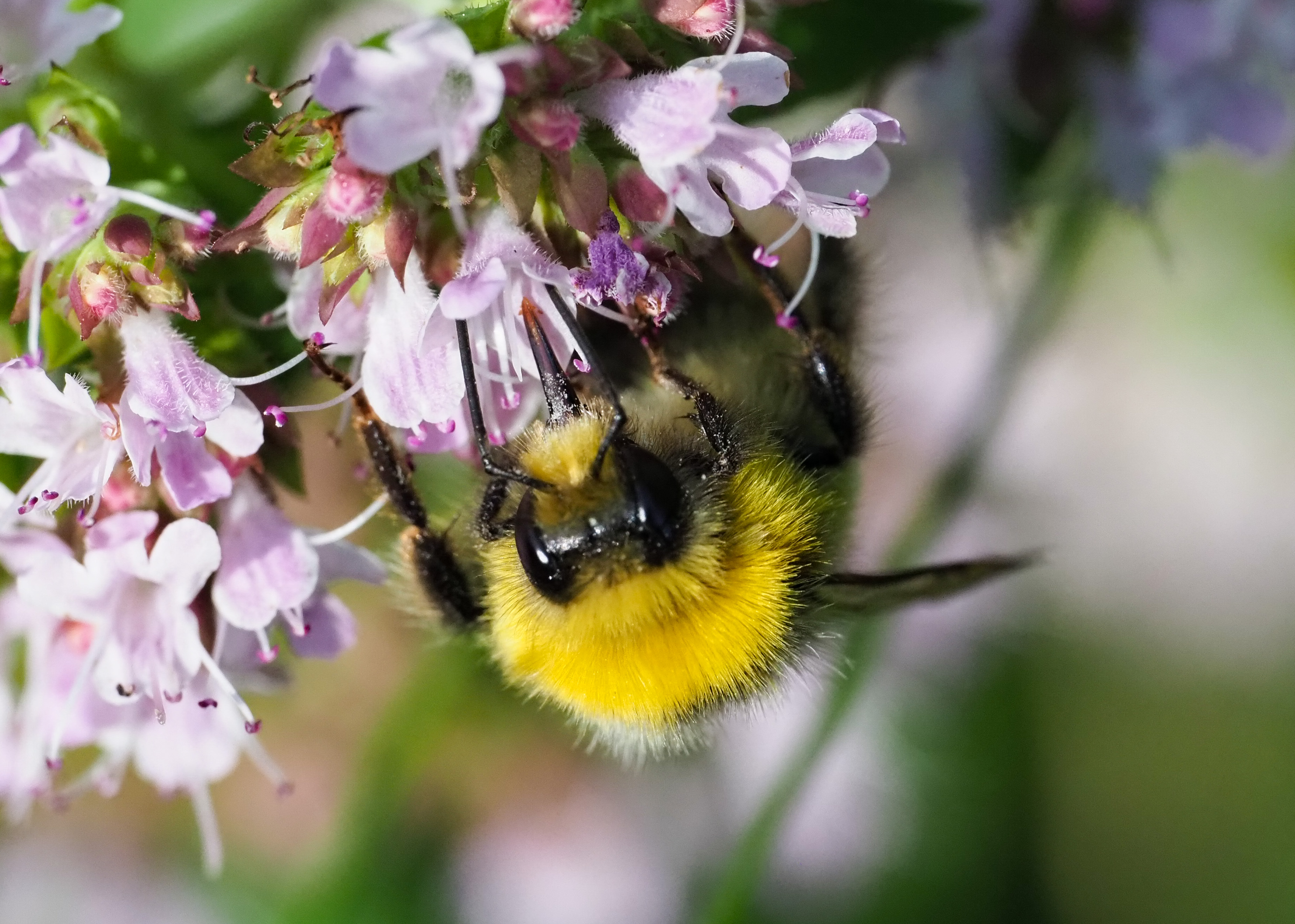
I have also referred to bumblebee tongue lengths in at least three other blogs: Bumblebees and flower tubes: a tale of two honeysuckles, Two ways to suck a Salvia! Nectar robbing bumblebees, and Red hot lips and bumblebees. It is a sort of leitmotif, or recurrent theme, in my interactions with insects, as these photographs show.
Google AI ranked UK Bumblebee Tongue Lengths (Average Worker) as follows:
- Garden bumblebee (Bombus hortorum) – Approx. 12 mm (can reach up to 20 mm when fully extended). This species has a long face and is the premier pollinator for deep, tubed flowers like foxgloves and red clover.
- Large Garden Bumblebee (Bombus ruderatus) – Very long (similar to B. hortorum), often considered the longest in the UK. [No length given]
- Common Carder Bee (Bombus pascuorum) – Approx. 7.6 mm. These are considered “long-tongued” and are commonly seen foraging on red clover and other tubular flowers.
- Early Bumblebee (Bombus pratorum) – Approx. 6.4 mm. A medium-to-short tongue, but they are smaller bees and can still access moderate-depth flowers.
- Red-tailed Bumblebee (Bombus lapidarius) – Approx. 6.0 mm. A shorter tongue, forcing them to prefer more open flowers or to rob nectar from deeper ones.
- Tree Bumblebee (Bombus hypnorum) – Short (approx. 6 mm). A common, relatively new arrival that often visits open, easy-to-access flowers.
- Buff-tailed/White-tailed Bumblebees (Bombus terrestris / lucorum) – Short (approx. 5.8 mm). These species have the shortest tongues in this group, forcing them to rely on shallow flowers or to chew holes in the base of longer, tubular flowers.
Summary of Tongue Length Groupings
- Long-Tongued: Bombus hortorum, Bombus ruderatus, Bombus pascuorum, Bombus sylvarum (Shrill carder).
- Short-Tongued: Bombus terrestris, Bombus lucorum, Bombus lapidarius, Bombus pratorum, Bombus hypnorum.
How does AI go about producing this information?
You can use Google AI – and other AI-powered search engines using large language models (LLMs) – to synthesise information from multiple sources, but how do they go about finding out such information?
The key to using AI is to frame the question well, providing suffient contextural information for the search engine to go to work on.
Google AI says that is uses:
“real-time web searching, structured data analysis, and large language models (LLMs) such as Gemini. It identifies, extracts, and summarizes the information from high-quality sources“.
It then scans scientific journals, academic databases, specialized websites, and so, on to find specific measurements, and uses “Credibility Assessments based E-E-A-T guidelines (Experience, Expertise, Authoritativeness, and Trustworthiness) to prioritize results from reliable sources“.
In summary, it then takes the data it has gathered from these multiple sources and synthesizes it into a direct answer.
How would I go about finding this information without AI?
How would I go about finding out information on bumblebee tongue lengths. Previously, I would have used Google search (i.e. not the new AI tool Gemini 3) to scan the information for likely sources.
My favourite search tool is Google Scholar, where I usually pose a number of slightly differently worded questions on the subject to try and fish out something useful. There is, I suppose, an art to using these search engines, as there is, no doubt, an art to using AI tools.
What Google AI does not do, as far as I am aware, is show you the complete process – i.e. reveal its methodology – and tell you i) what sources it gave the most weight to; ii) whether it produced a numerical average, or a weighted mean, and so on.
“The specific mathematical weightings given to individual sources are not disclosed.” (Google AI).
So you cannot really evaluate and judge for yourself the underlying processes, as it were. There’s a large degree of trust, and the AI system itself prefers certain domain types:
“Established, older domains and authoritative platforms are favored.” (Google AI)
This is what Google AI says about itself!
“In 2026, you can obtain a list of specific sources Google AI uses to generate an answer, but you cannot access the internal weightings or exact numerical credibility assessments it assigns to them.”
Digging a bit deeper
In the question I posed above, about bumblebee tongue lengths, Google AI provided what it called ‘approximate’ tongue lengths, so I assume that it did some sort of calculation to come up with these approximations.
Individuals will of course vary, not only between castes (workers, drones and queens) and populations, but also between individuals of the same caste within a given population.
“proboscis length may be a heritable trait that can evolve in response to changing environmental conditions” (Miller-Struttmann et al. 2015).
In other words, tongue lengths are not some immutable fact, they depend on the environment, as well as a host of other factors.
Proboscis length is a key factor in the utilisation of floral resources by bumblebees. But it is by no means the only factor affecting their choice of flowers from which to obtain nectar. Some of the other factors which come into play include: bumblebee body size, wing length, learning capacity, the amount of nectar produced per flower per day, communication between nest (colony) mates and so on (Arbulo et al., 2011 and references therein).
The answers produced by the search engine did not give any information about variability in tongue lengths. Some scientists have calculated this variation for different species, e.g. Bombus diversus, 11.67 ± 1.30 (N = 7), Bombus honshuensis, 8.16 ± 0.64 (N = 8) (Dohzono et al., 2011).
So how do the AI derived approximations compare to figures in specific research papers (see below). It is pretty clear that the search engine has used the lengths provided by the website (www.bumblebee.org). Presumably, these are much easier to access than scientific journals which may be behind a paywall. The search engine will only be able to search what it has been ‘fed’. I would like to know a lot more about how the scientific literature has been scanned? For example, did it scan the paper by Brian (1957), where the tongue lengths for four different Bombus species would have to be read off a rather old-fashioned graph? Probably not.
| Source (paper, website and AI) | Eggenberger et al. (2019 | Goulson et al. (2008) | http://www.bumblebee.org | Silló, N., & Claßen-Bockhoff, R. (2024). | Google AI |
| Bombus hortorum | 12.7 ± 0.7 | 12 | 9.52 +/- 1.17 | 12 | |
| Bombus lapidarius | 0.751 ± 0.071 | 7.0 ± 0.4 | 6.0 | 4.94 +/- 0.48 | c. 6.0 |
| Bombus pascuorum | 0.903 ± 0.041 | 8.4 ± 0.6 | 7.6 | 6.67 +/- 0.67 | c.7.6 |
| Bombus pratorum | 5.8 ± 0.3 | 6.4 | 5.66 +/- 0.49 | c.6.4 | |
| Bombus terrestris/lucorum | 6.3 ± 0.5 | 5.8 | 5.50 +/- 0.56 | c.5.8 | |
| Bombus sylvarum | 5.90 +/- 0.49 | ||||
| Bombus hypnorum | 6.4 ± 0.5 | c. 6.0 | |||
| Bombus humilis | 7.9 ± 0.4 | ||||
| Apis mellifera | 3.94 +/- 0.32 |
Of course AI search engines will also provide neat little summaries of scientific papers, something which is very useful for publications which are difficult to obtain or are behind paywalls.
Concluding remarks
My tentative conclusion is that the search engine is giving us an answer that is most easily obtainable. The process is not transparent and the weightings given to individual sources are not disclosed. The process is not overseen by an expert in the field! Whether older and hard-to-obtain sources are being neglected is hard to know because we don’t know exactly what was searched and indexed by the web crawlers and bots which systematically scan the web and academic repositories. I know that there has been some expert appraisal of the output, because the AI companies were hiring people for this not so long ago. And finally, the systems aim to get feedback from users – in the form of a simple ‘like’ or ‘dislike’ – regarding the output.
I would be very interested to know how students (at school and university) are being taught to use and interpret the results of these AI platforms. I am still on the learning curve myself, and tend to use the search engines to give me a broad picture of a subject, which I then check out using original sources. But if you are lazy, or in a hurry, it is very tempting to just cut and paste the answers, with a bit of rewriting to give it a unique gloss!
All photographs taken by Raymond JC Cannon.
References
Arbulo, N., Santos, E., Salvarrey, S., & Invernizzi, C. (2011). Proboscis length and resource utilization in two Uruguayan bumblebees: Bombus atratus Franklin and Bombus bellicosus Smith (Hymenoptera: Apidae). Neotropical Entomology, 40, 72-77.
Brian, A. D. (1957). Differences in the flowers visited by four species of bumble-bees and their causes. The Journal of Animal Ecology, 71-98.
Dohzono, I., Takami, Y., & Suzuki, K. (2011). Is bumblebee foraging efficiency mediated by morphological correspondence to flowers?. International Journal of Insect Science, 3, IJIS-S4758.
Eggenberger, H., Frey, D., Pellissier, L., Ghazoul, J., Fontana, S., & Moretti, M. (2019). Urban bumblebees are smaller and more phenotypically diverse than their rural counterparts. Journal of Animal Ecology, 88(10), 1522-1533.
Goulson, D., Lye, G. C., & Darvill, B. (2008). Diet breadth, coexistence and rarity in bumblebees. Biodiversity and Conservation, 17(13), 3269-3288.
Harder, L. D. (1982). Measurement and estimation of functional proboscis length in bumblebees (Hymenoptera: Apidae). Canadian Journal of Zoology, 60(5), 1073-1079.
Inoue, M. N., & Yokoyama, J. (2006). Morphological variation in relation to flower use in bumblebees. Entomological Science, 9(2), 147-159.
Miller-Struttmann, N. E., Geib, J. C., Franklin, J. D., Kevan, P. G., Holdo, R. M., Ebert-May, D., … & Galen, C. (2015). Functional mismatch in a bumble bee pollination mutualism under climate change. Science, 349(6255), 1541-1544.
Morse, D. H. (1977). Estimating proboscis length from wing length in bumblebees (Bombus spp.). Annals of the Entomological Society of America, 70(3), 311-315.
Pellissier, L., Pradervand, J. N., Williams, P. H., Litsios, G., Cherix, D., & Guisan, A. (2013). Phylogenetic relatedness and proboscis length contribute to structuring bumblebee communities in the extremes of abiotic and biotic gradients. Global Ecology and Biogeography, 22(5), 577-585.
Prys-Jones, O. E., & Corbet, S. A. (1991). Naturalists’ Handbooks 6: Bumblebees. Slough: Richmond Publishing Co. Ltd.
Ranta, Esa, and Hans Lundberg. “Resource partitioning in bumblebees: the significance of differences in proboscis length.” Oikos (1980): 298-302.
Silló, N., & Claßen-Bockhoff, R. (2024). A multitude of bee pollinators in a phenotypic specialist-pollinator diversity from the plant’s perspective. Flora, 312, 152461.
Vajna, F., Kis, J., & Szigeti, V. (2021). Measuring proboscis length in Lepidoptera: a review. Zoomorphology, 140(1), 1-15.
 Ray Cannon's nature notes
Is AI really intelligent? In my view no, not really. As your post shows all it does is scan the web to give a simplistic overview. Some of these overviews have been quite amusing, I’ve even seen some (on my other passion, drag racing) which has used some of my images and wording!
Like you if I need data I will search the ‘net. Then I can appraise the validity of the information available and follow up by acquiring books.
Those who rely on AI will take a big risk the info it has gleaned is accurate because all it is doing is repeating what it has found in a simple way. If someone has filled the web on a certain subject with a load of squit…….
Simplistically, AI is a giant echo chamber. It can summarize, and even rephrase, what has already been written, and is publically available (i.e., no passwords). Meaning that its answers to technical questions simply cannot benefit from the paywalled technical articles and research that have been published, and meaning that it tends to find the most frequently repeated info, even if they are not the most accurate. I find it quite useful for identifying different opinions and perspectives regarding a topic, that I often hadn’t thought of. So, I consider it a handy research assistant, but not a primary source.
This was a great experiment, worth every minute to read. Thanks for sharing it!