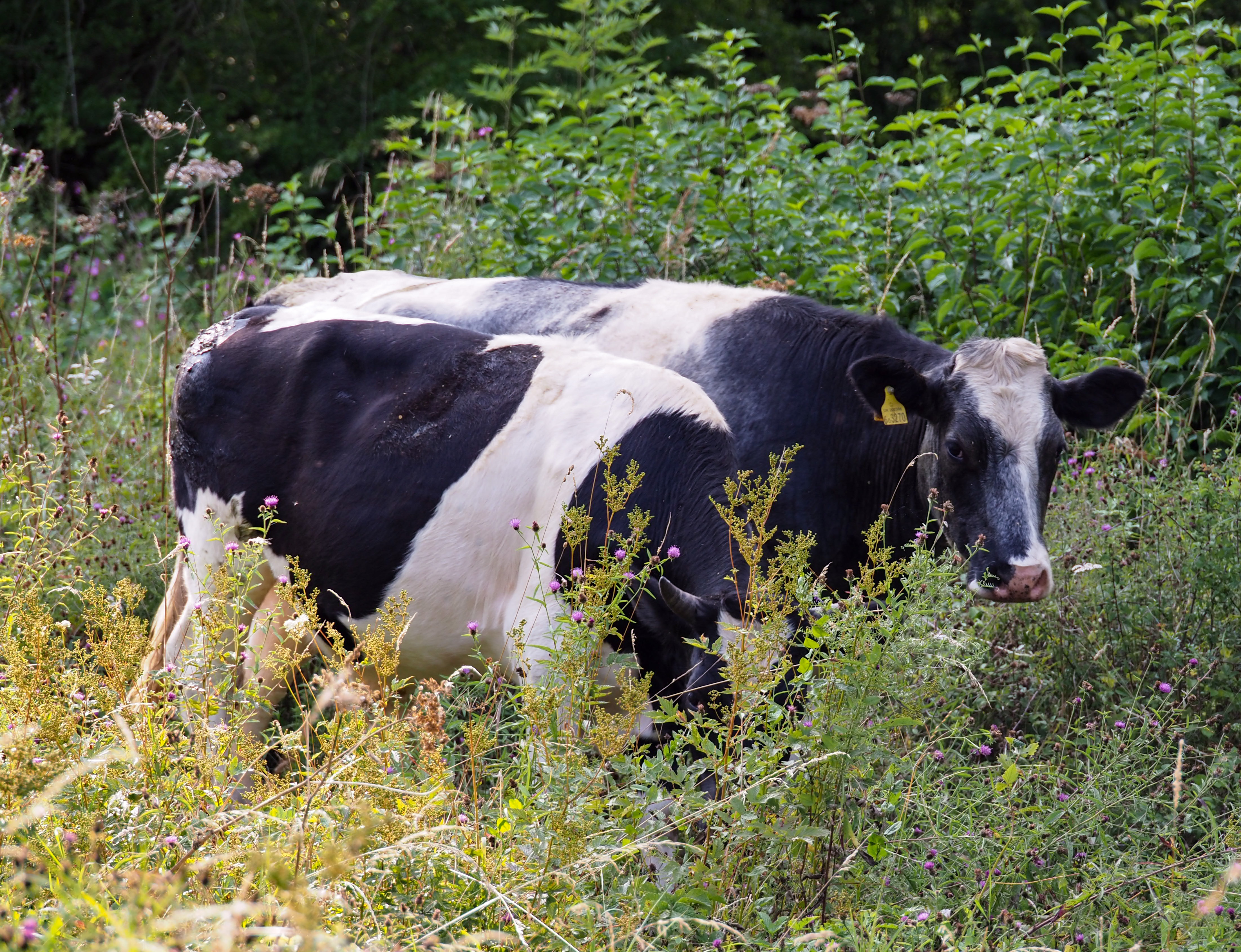
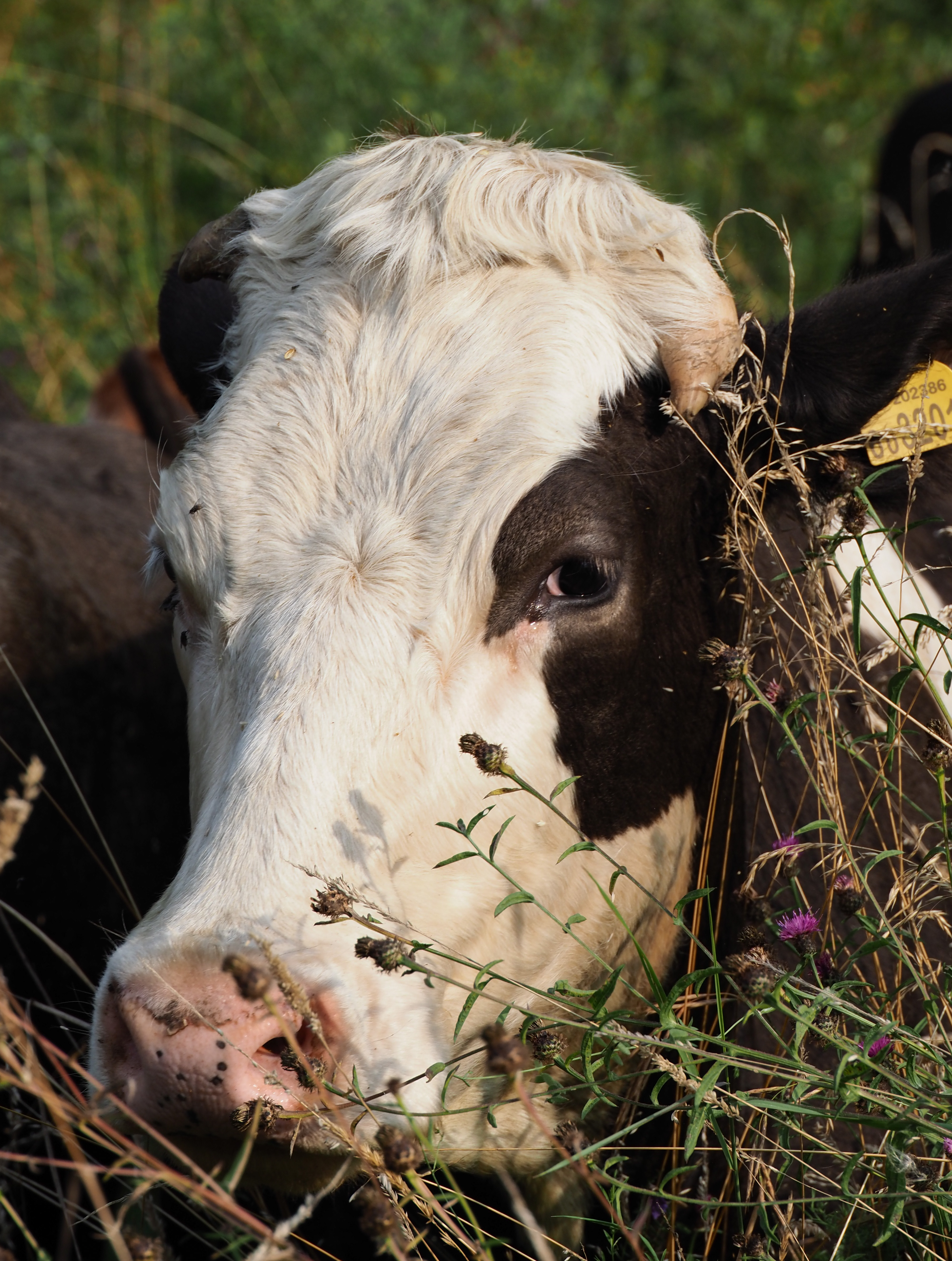
Last summer I got down and dirty with some lovely bovine beasts, looking at cow pats! The cows had recently been introduced to a local nature reserve (Felmersham Gravel Pits SSSI) to help maintain the meadows. Cattle are used for conservation grazing to pull up the long vegetation and open up the sward for wild flowers. It is surprising what a marked effect a few cows can have! Trampling, and of course consuming, the vegetation (see below).
I am something of a beginner when it comes to identifying the insects which are attracted to cows and cow pats, but it was fun to try. Stable flies (Stomoxys calcitrans) are a constant irritant to cattle and can cause painful bites and affect the behaviour of the afflicted animals. Here is a pictures of the culprit! Sunning itself on a nearby leaf (below).
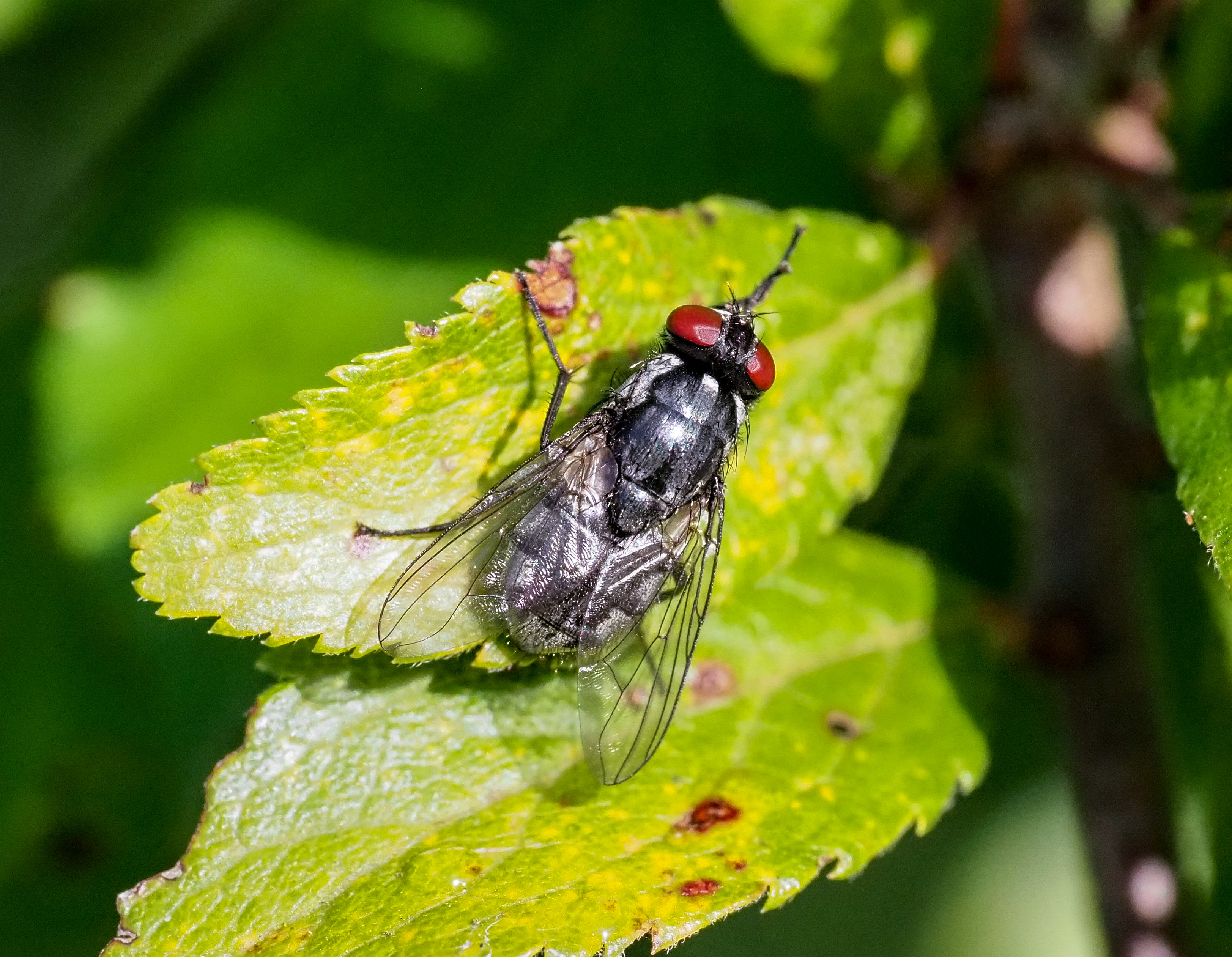
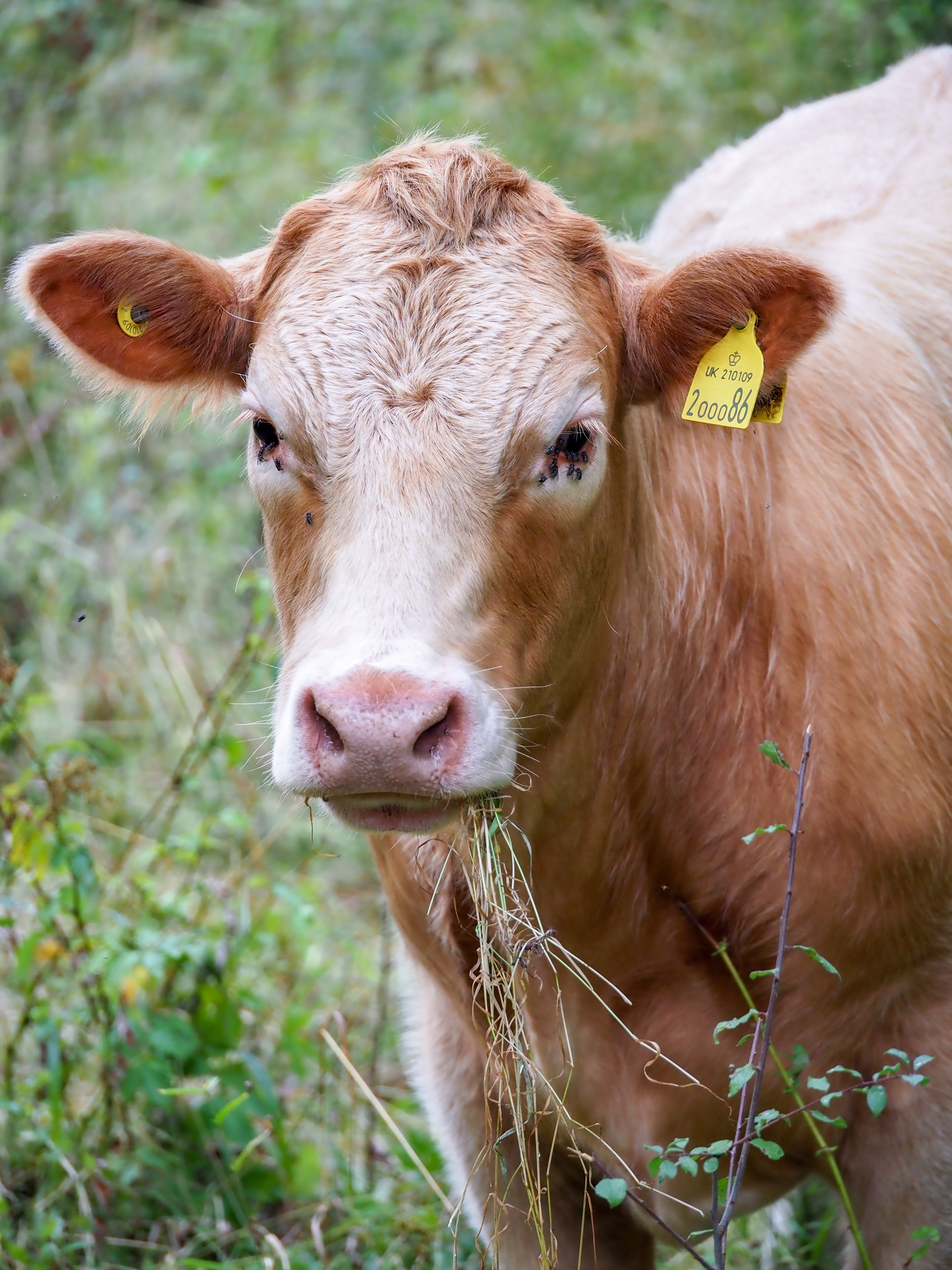
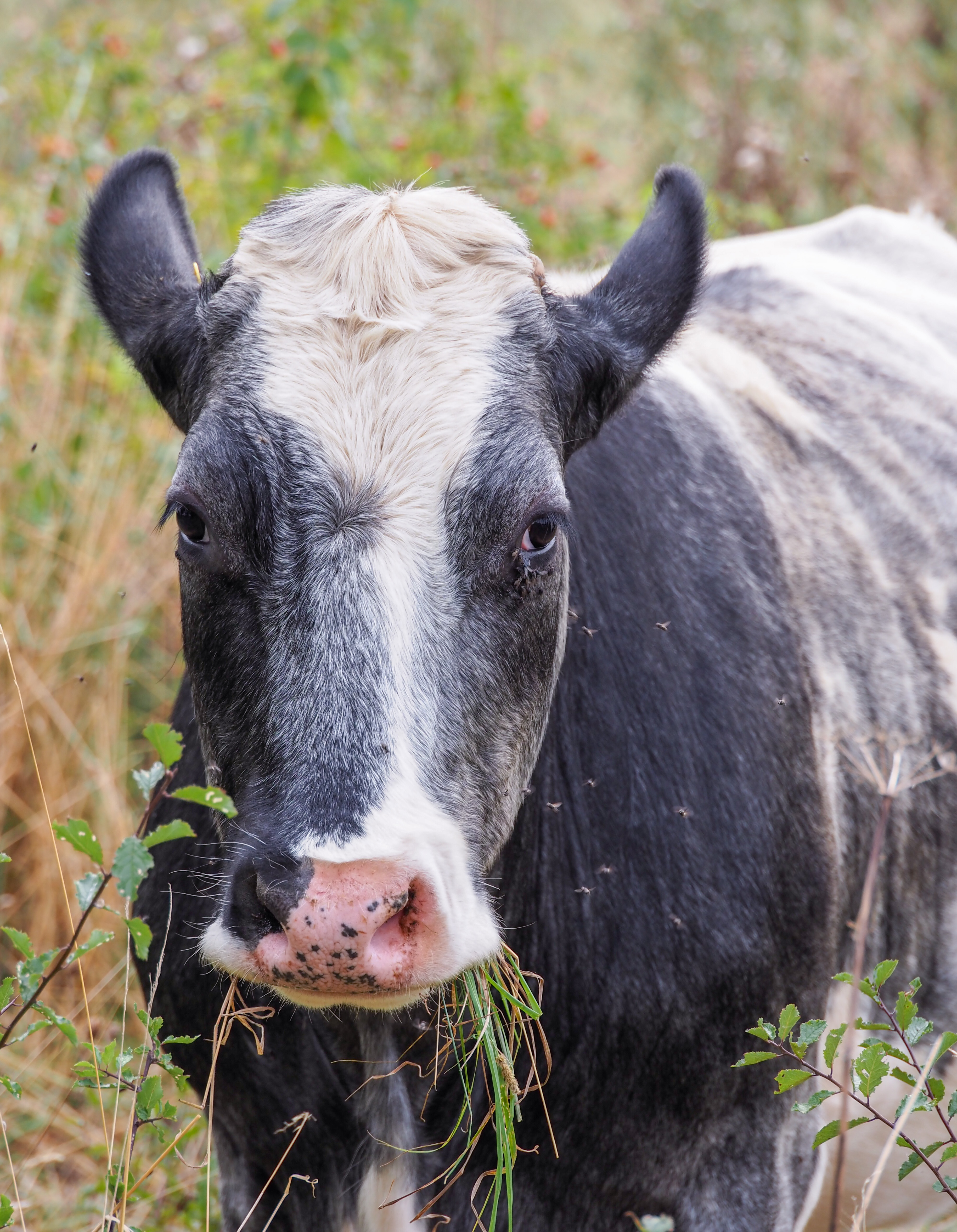
Both stable flies and Face flies (Musca autumnalis) are active on hotter days: feeding on eye and muzzle secretions of cattle in bright sunlight (below).
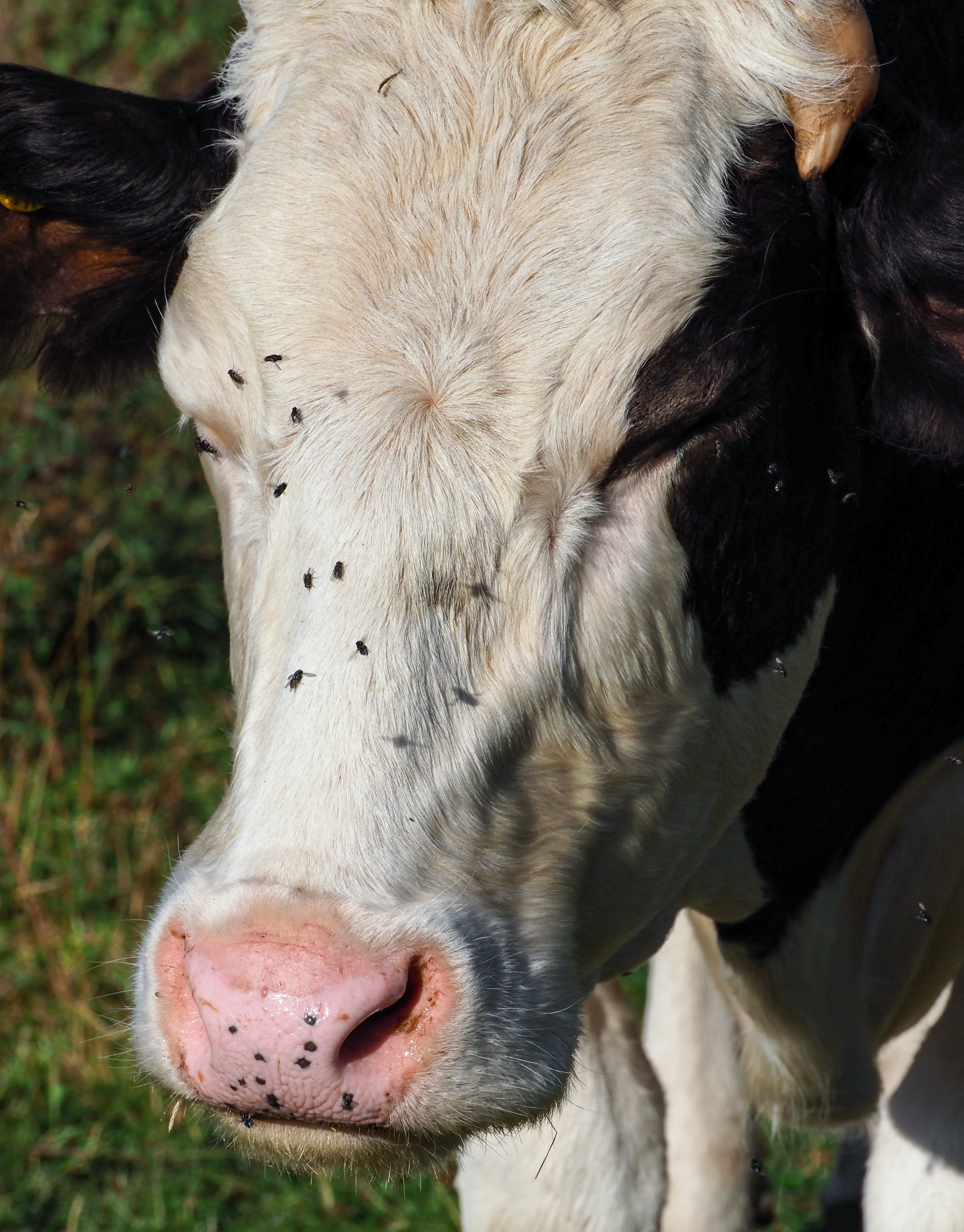
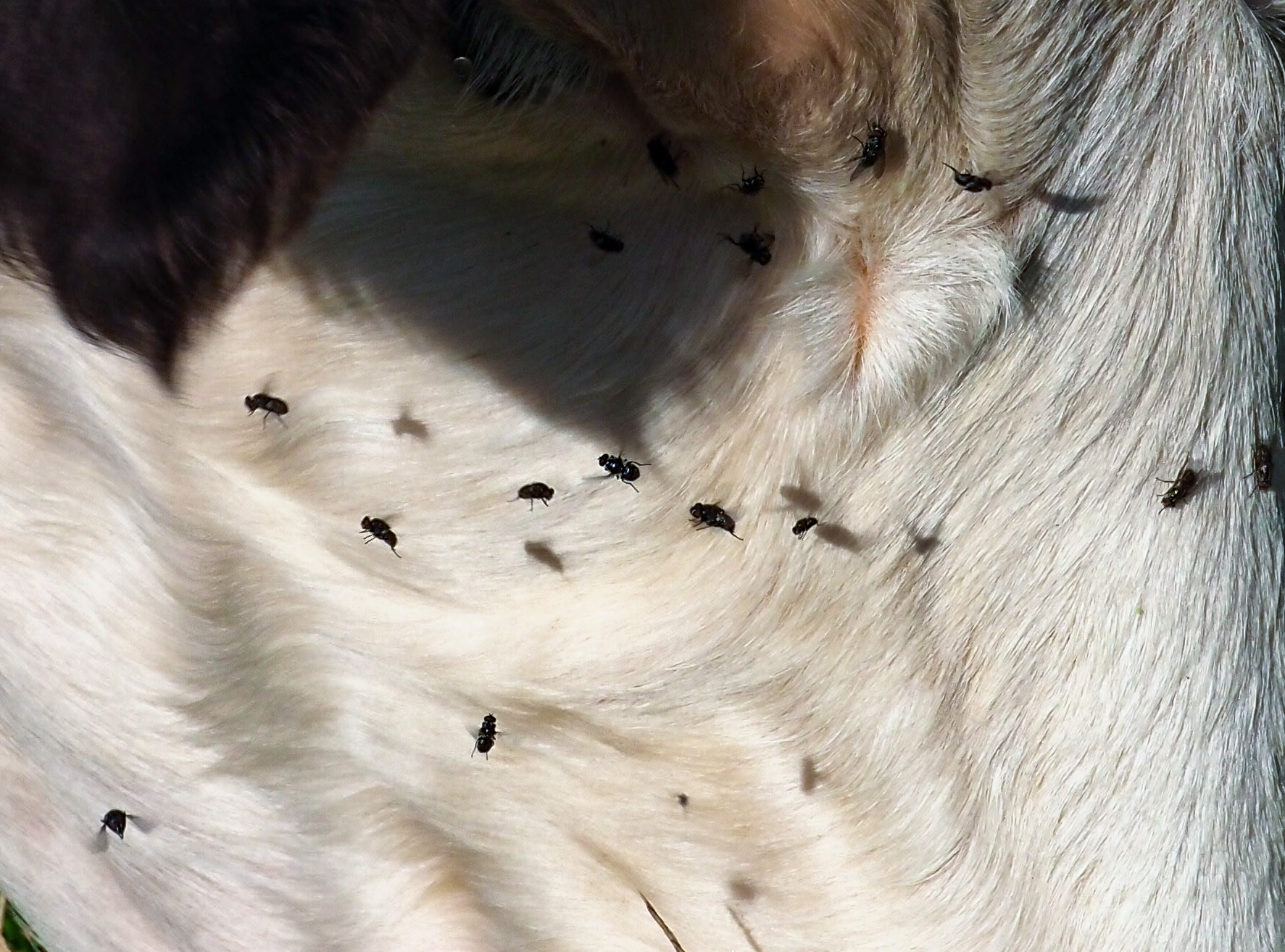
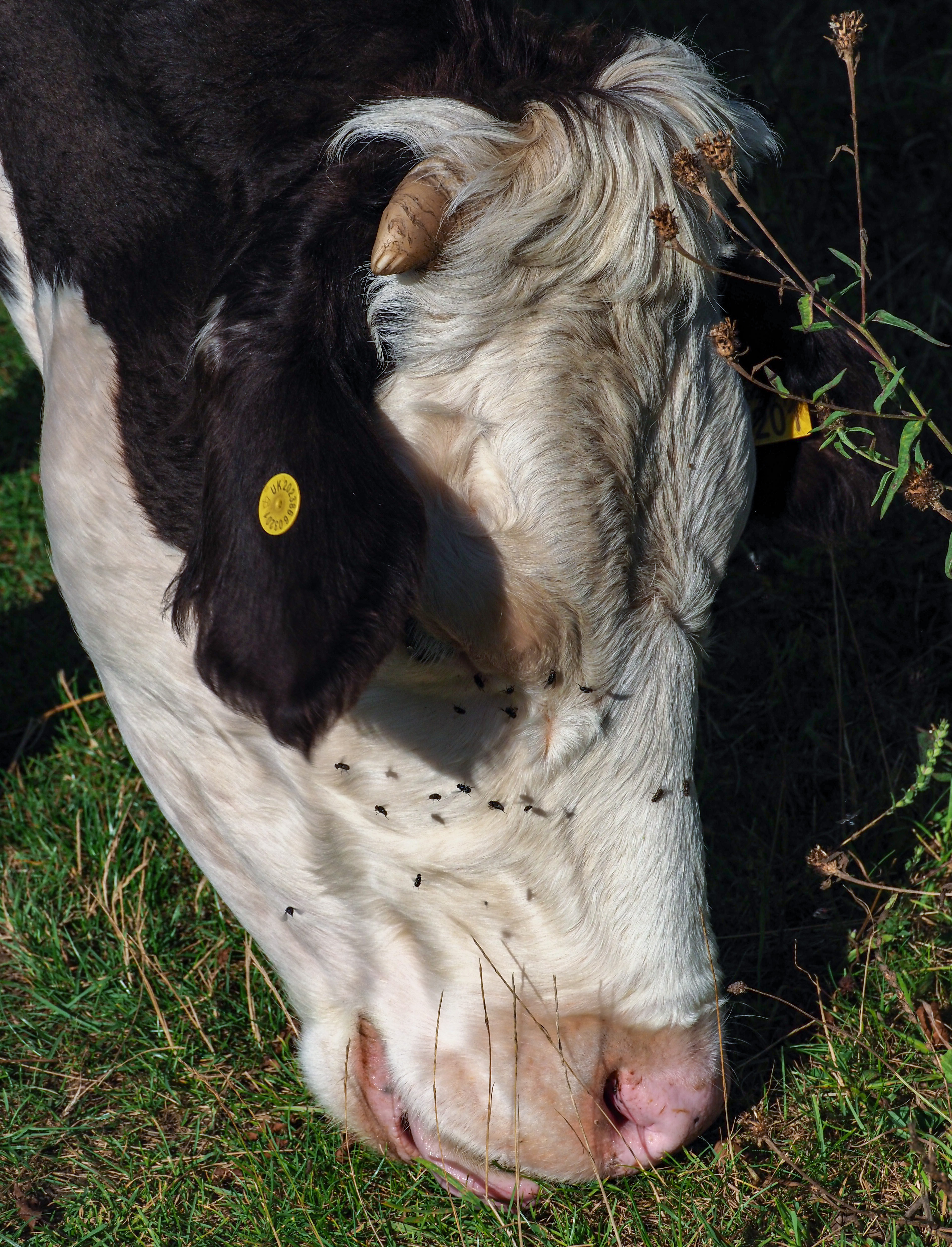
Here are some picture of face flies (below); the males look very different from the females, with yellowish, patches on their abdomen.
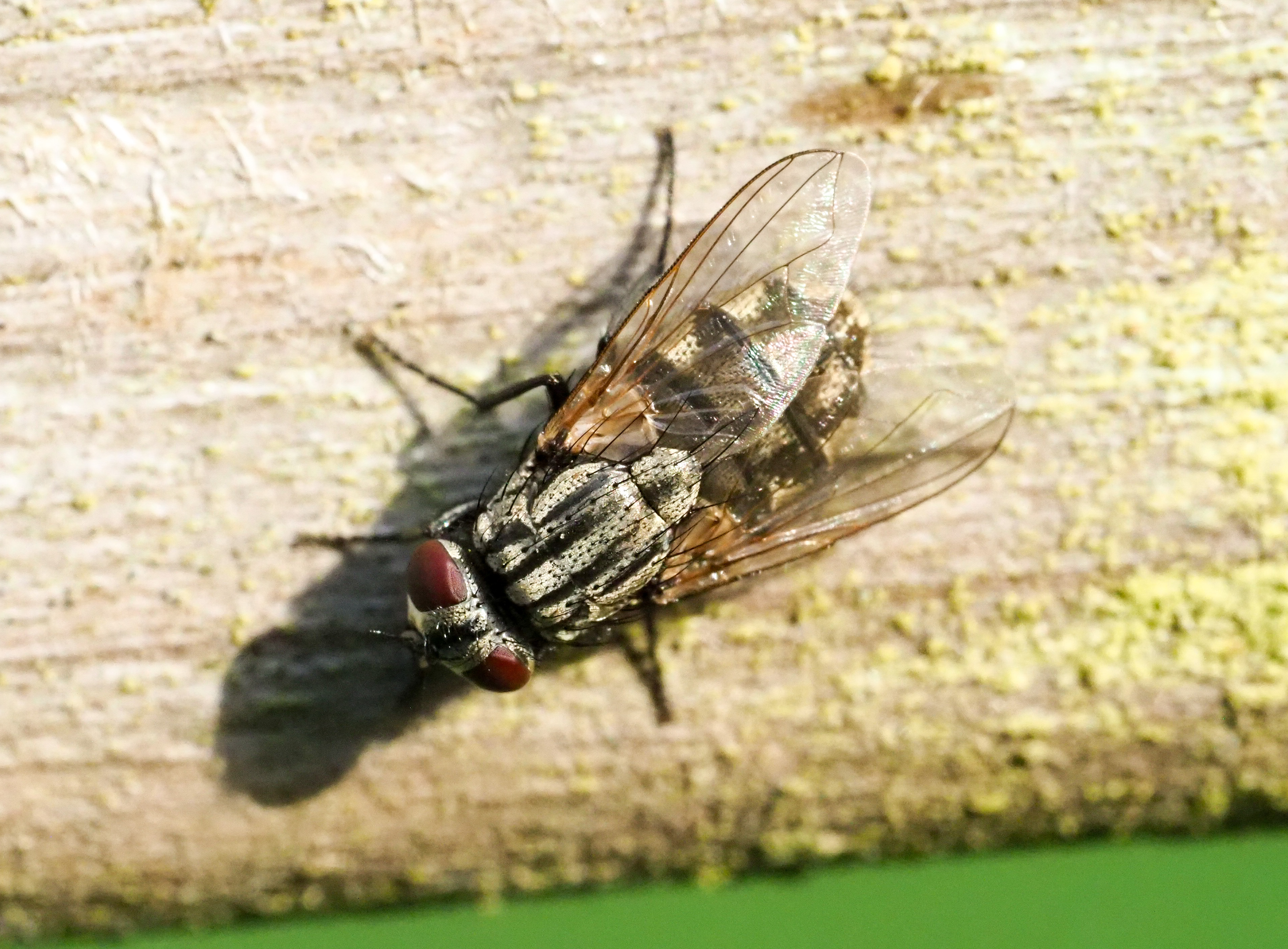
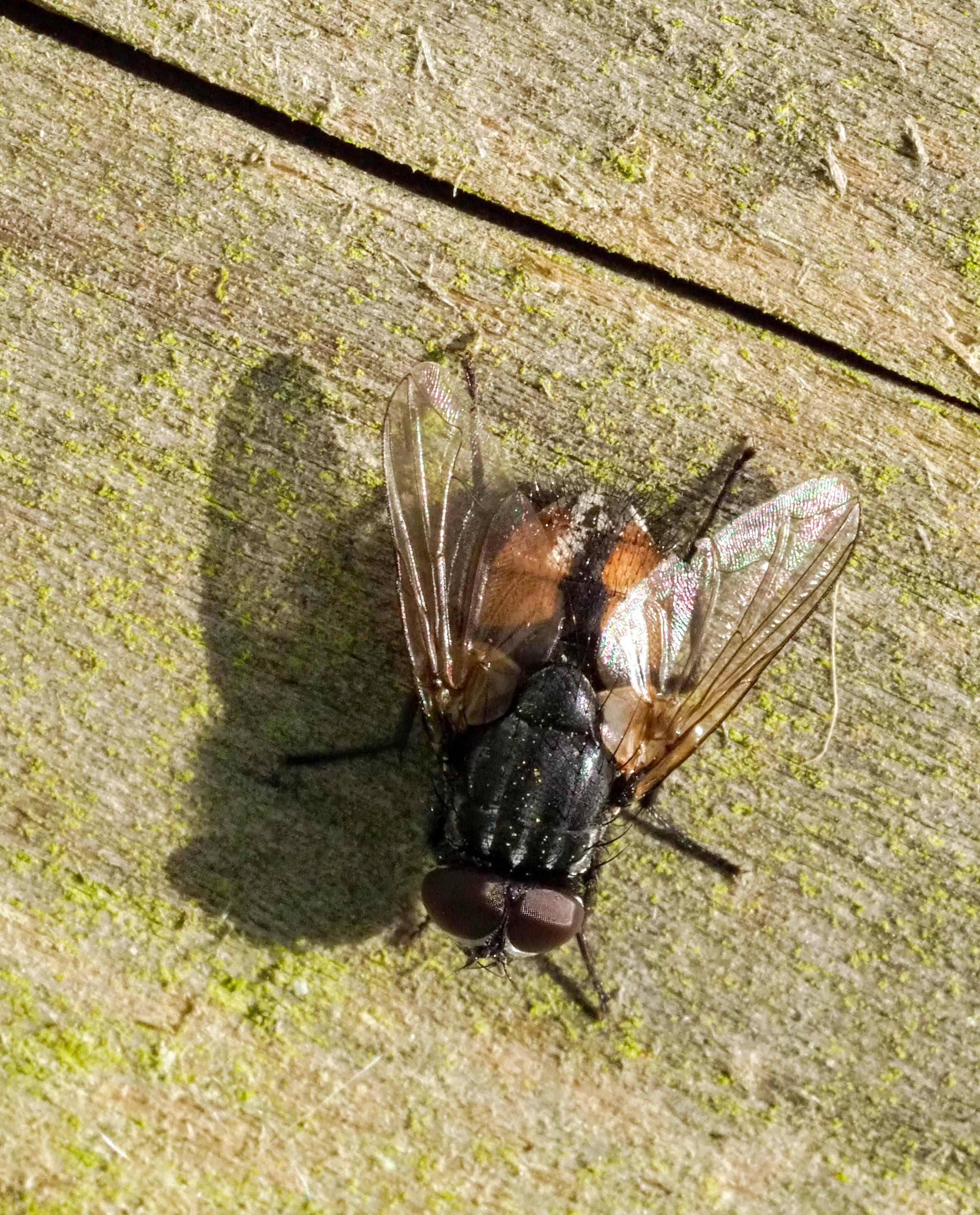
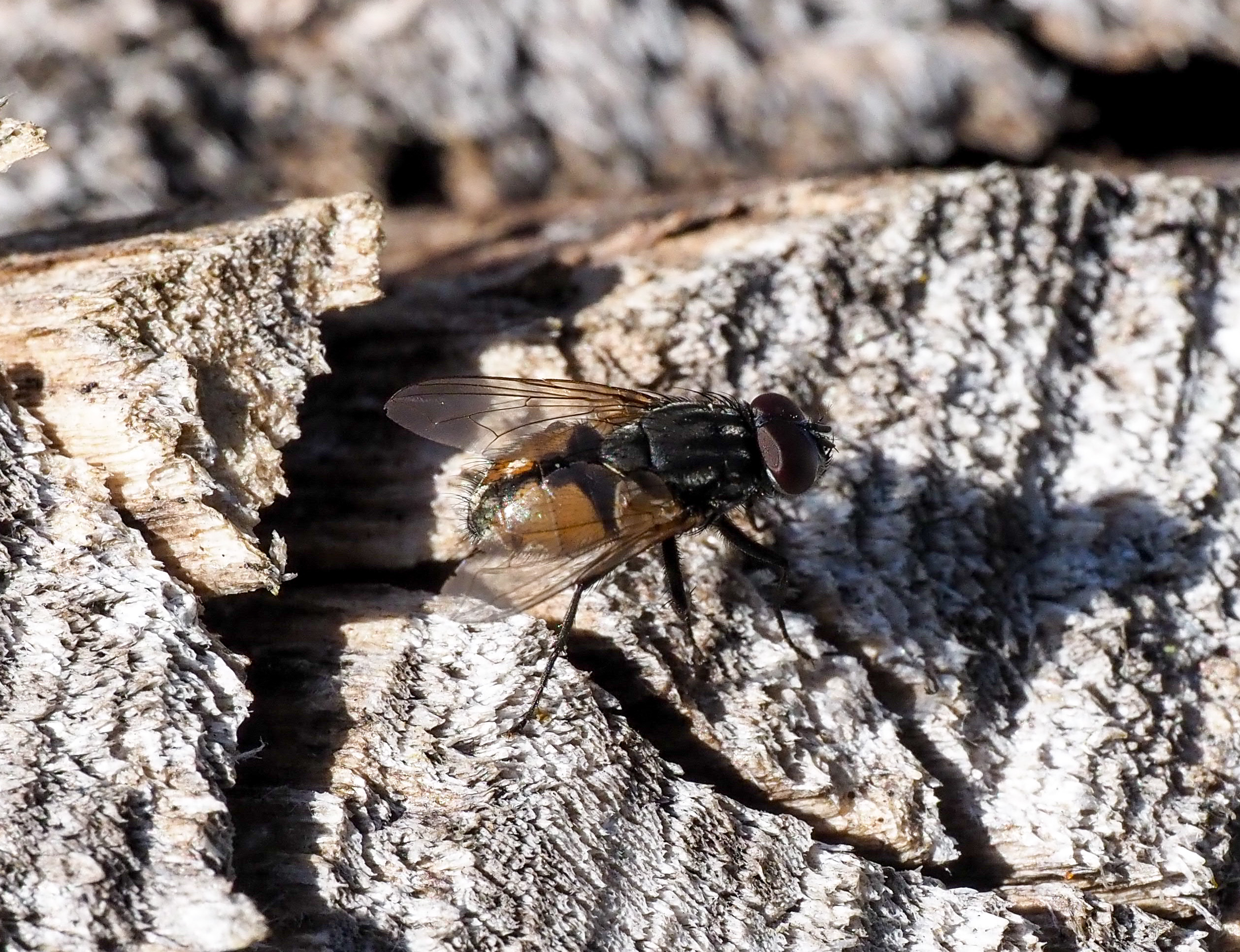
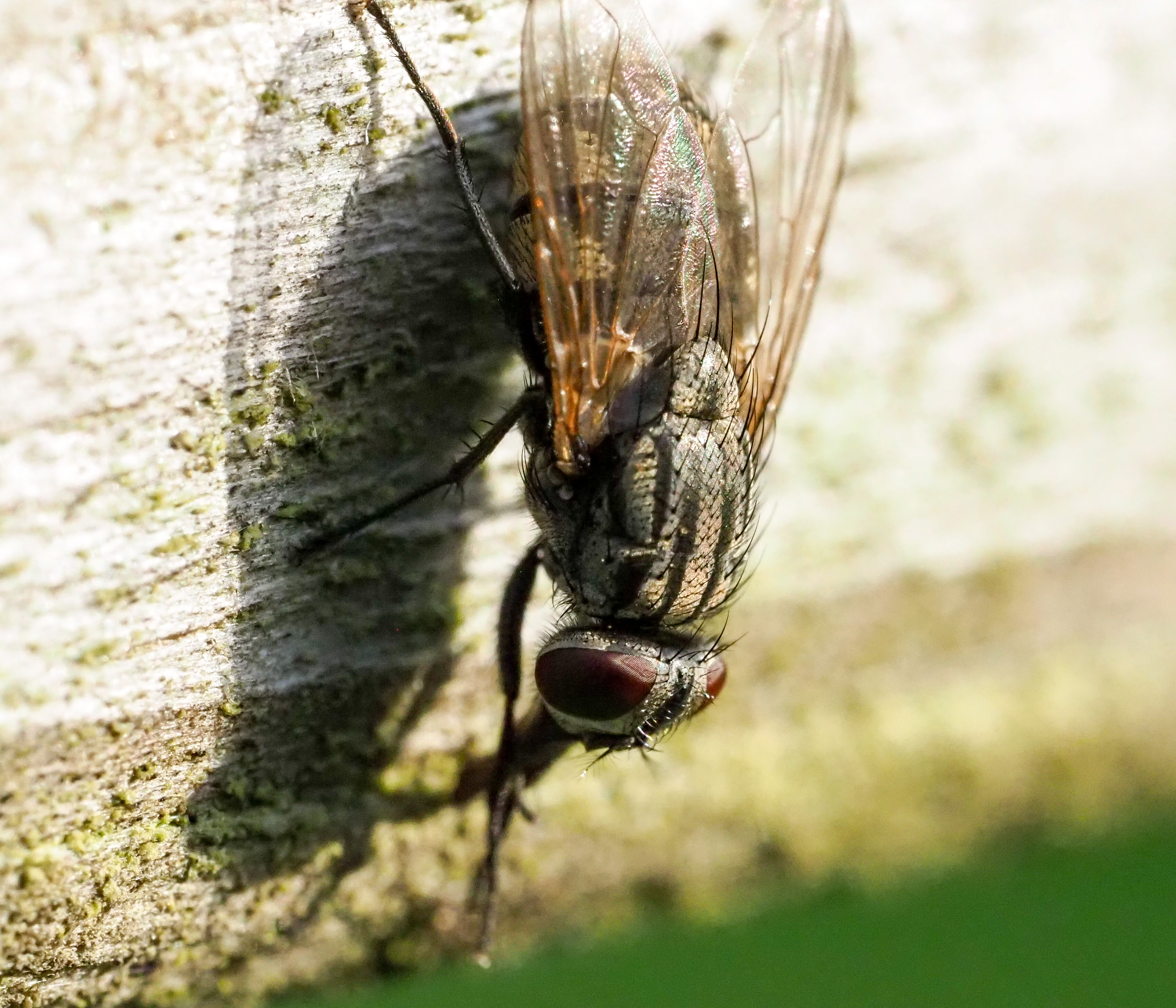
Females deposit eggs on fresh cow manure and these hatch within hours after deposition.
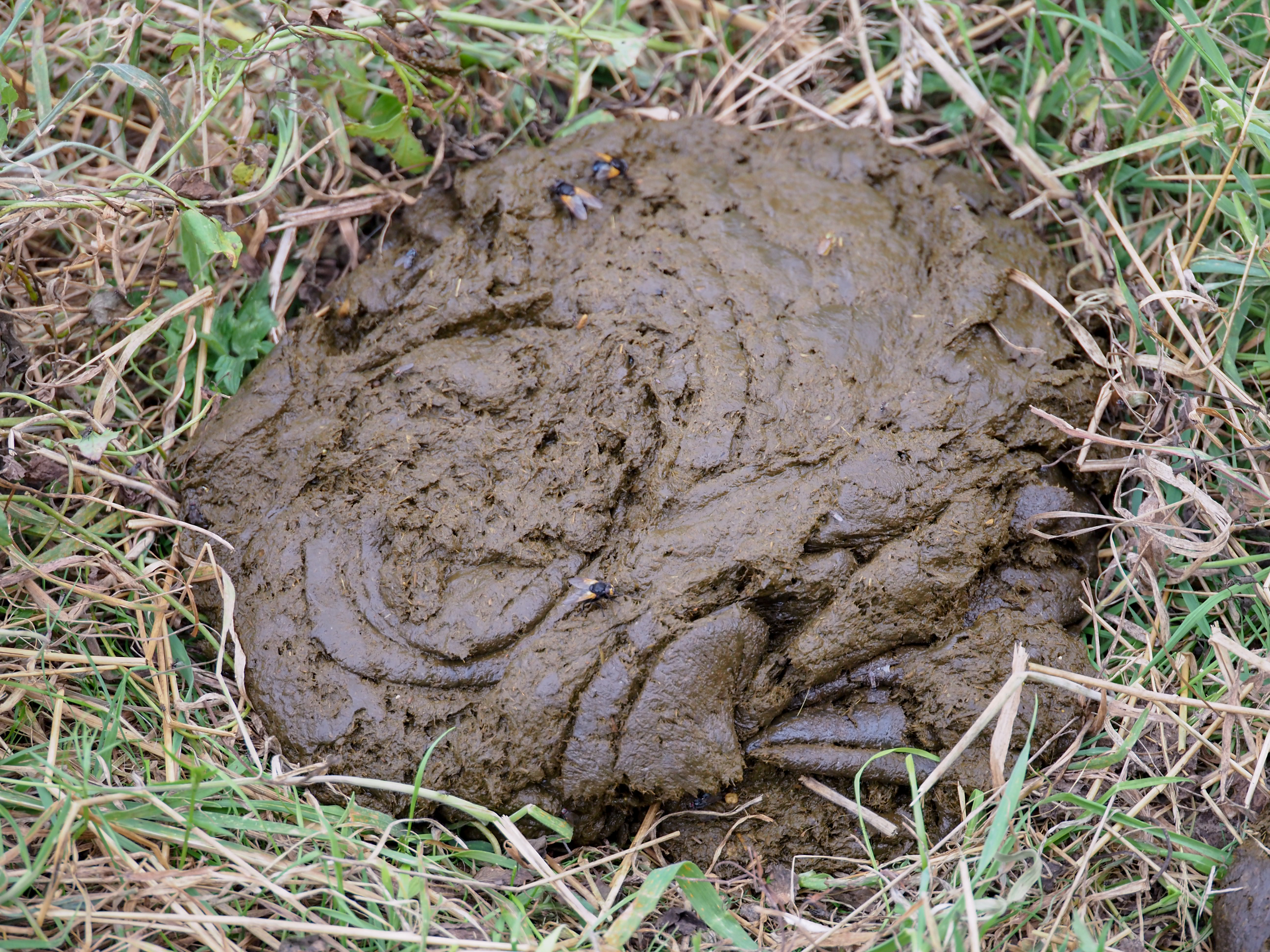
The coprophagous (i.e. dung-eating) insect community associated with the dung produced by domesticated livestock in the UK consists mainly of beetles and flies, although their life histories are extremely varied. Some are decomposers, actively consuming the dung in their larval stages, while others are predators and parasitoids of these basic consumers. Beetles are generally more abundant earlier in the season, with flies appearing later in the year.
There are few, if any good popular identification guides to the insects associated with cow pats or cow dung. One excellent, out of print guide, is that by Peter Skidmore, that can still be accessed here, via the Internet Archive, or here, from The Field Studies Council. So, the identification of the cow dung community is not always straightforward. There are some very distinctive and striking species which are relatively easy to identify (see below), but also some who closely resemble other insect species present in the surrounding habitat.
Green bottles
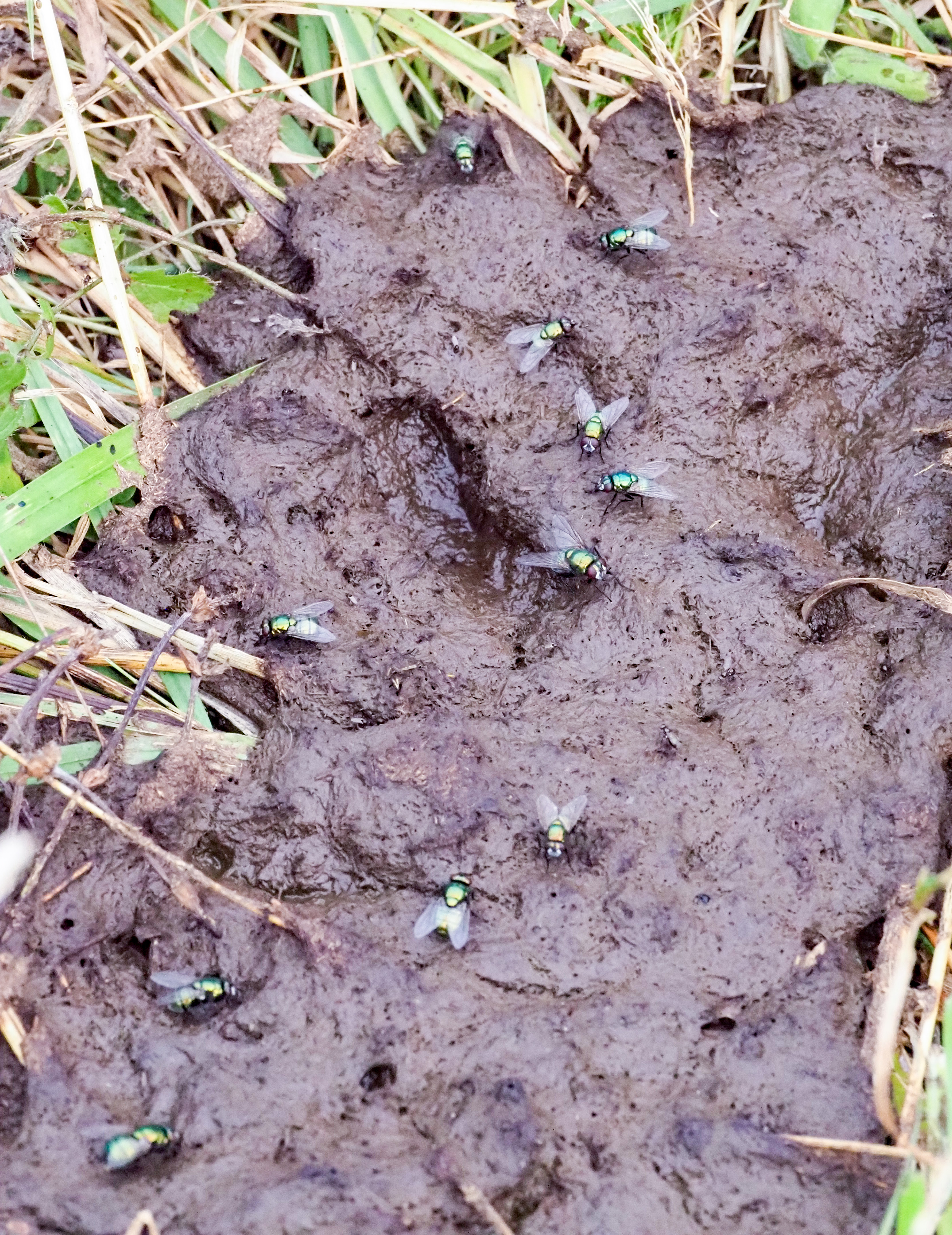
On one rare hot day in September, large numbers of green bottle flies could be seen engaged in bubbling behaviour. This may help them to cool down, but it is also a useful way of eliminating excess fluids. When the droplets are extruded, the fluid cools via evaporation, which, on re-ingestion, lowers the body temperature of the fly.
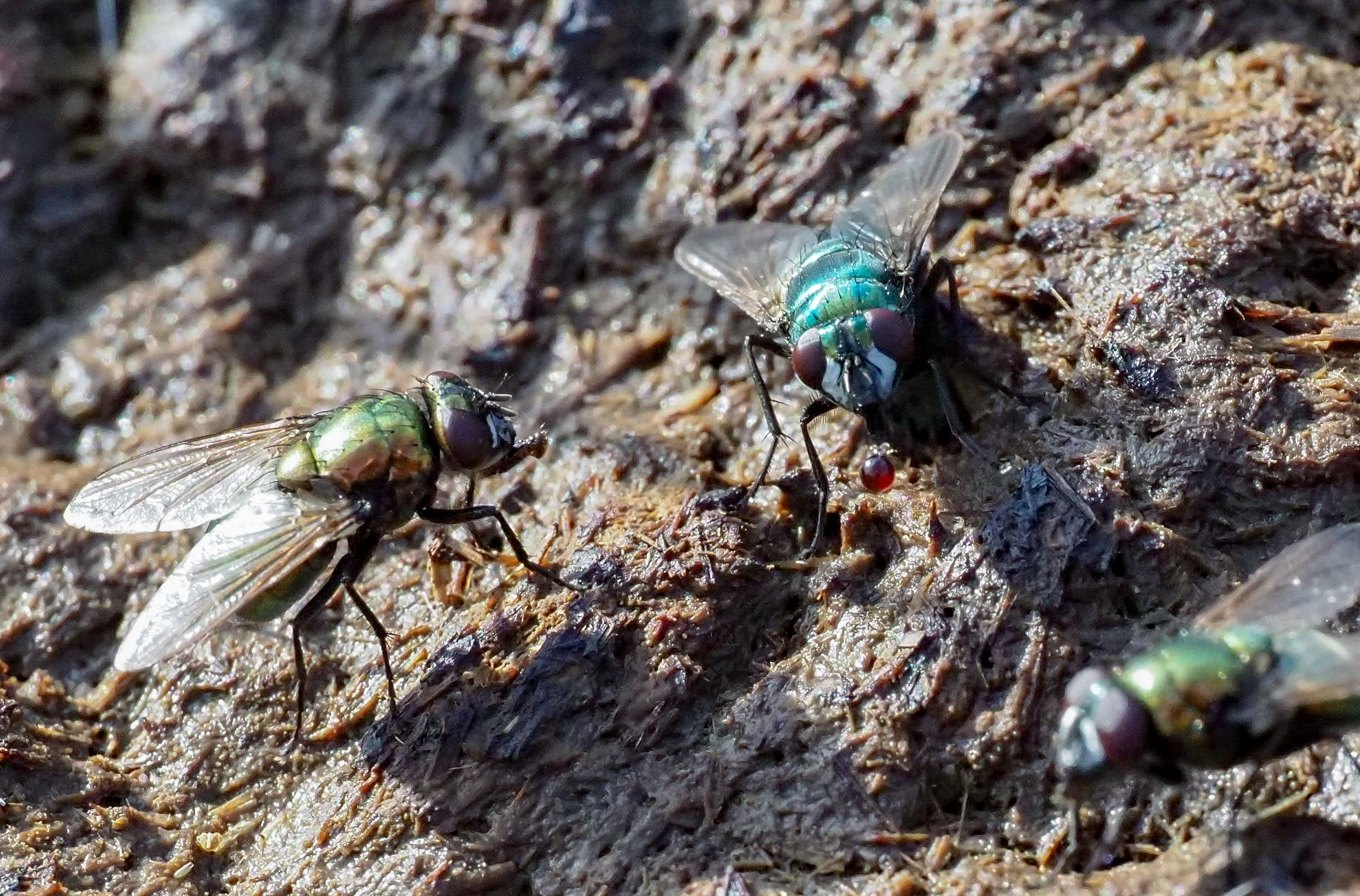
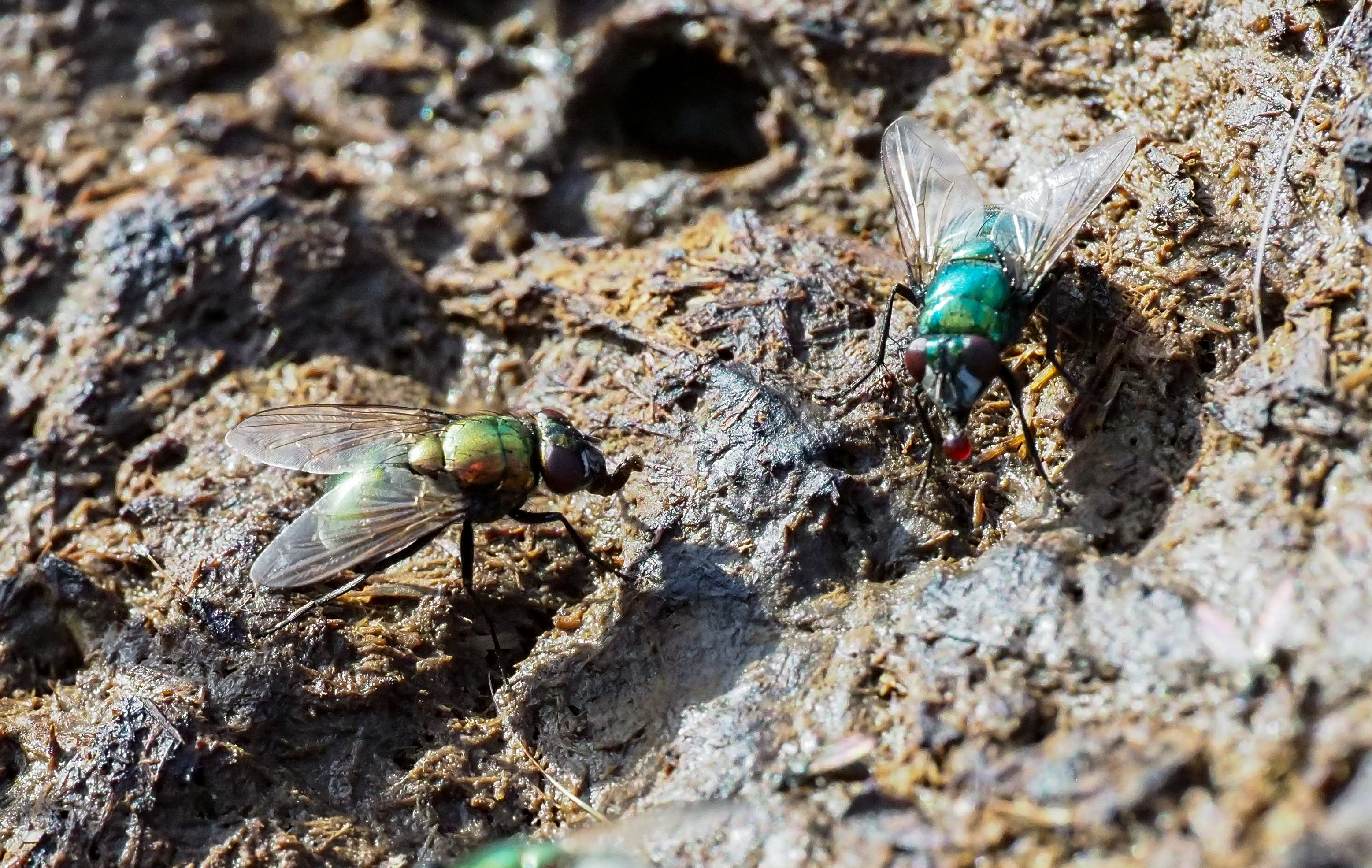
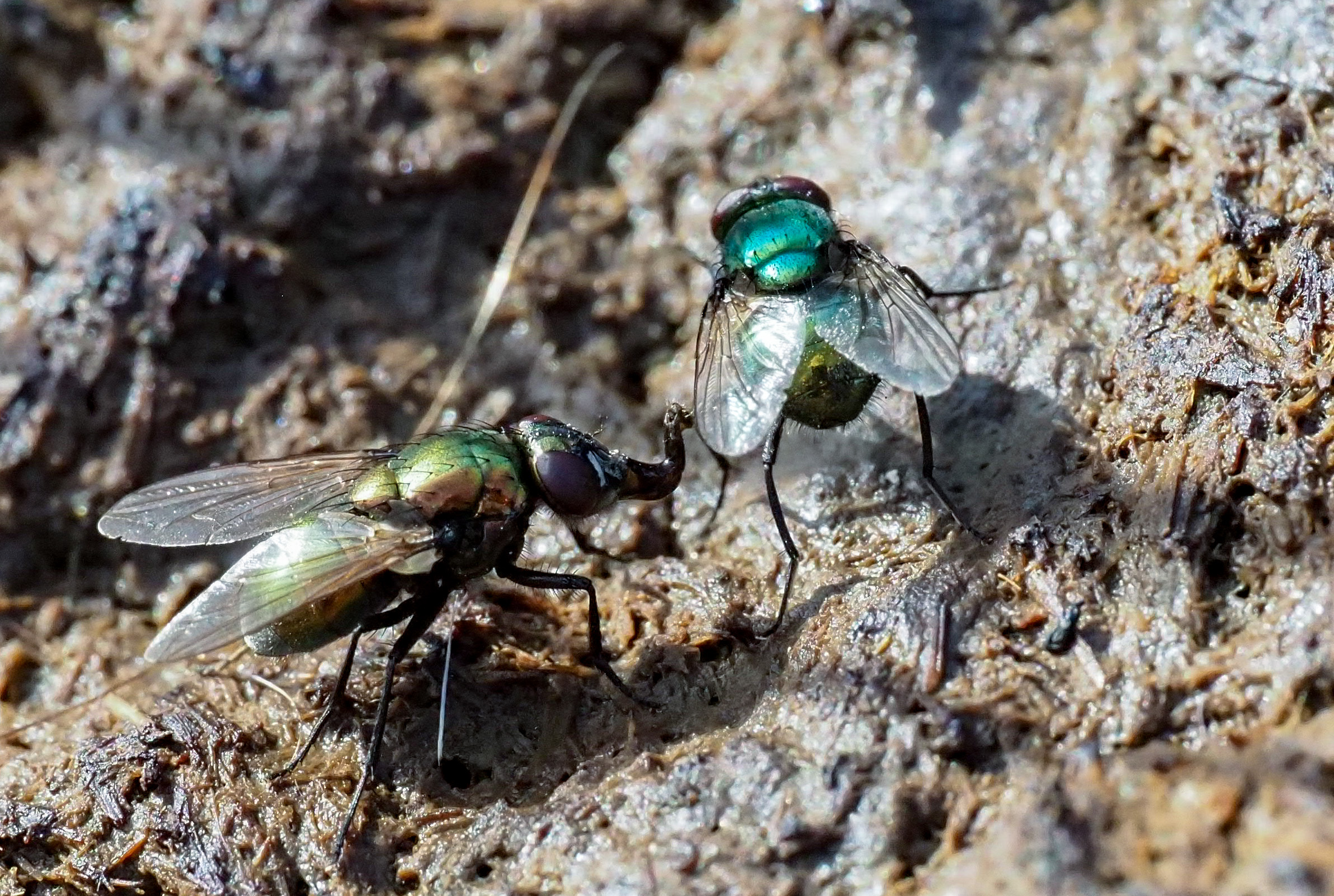
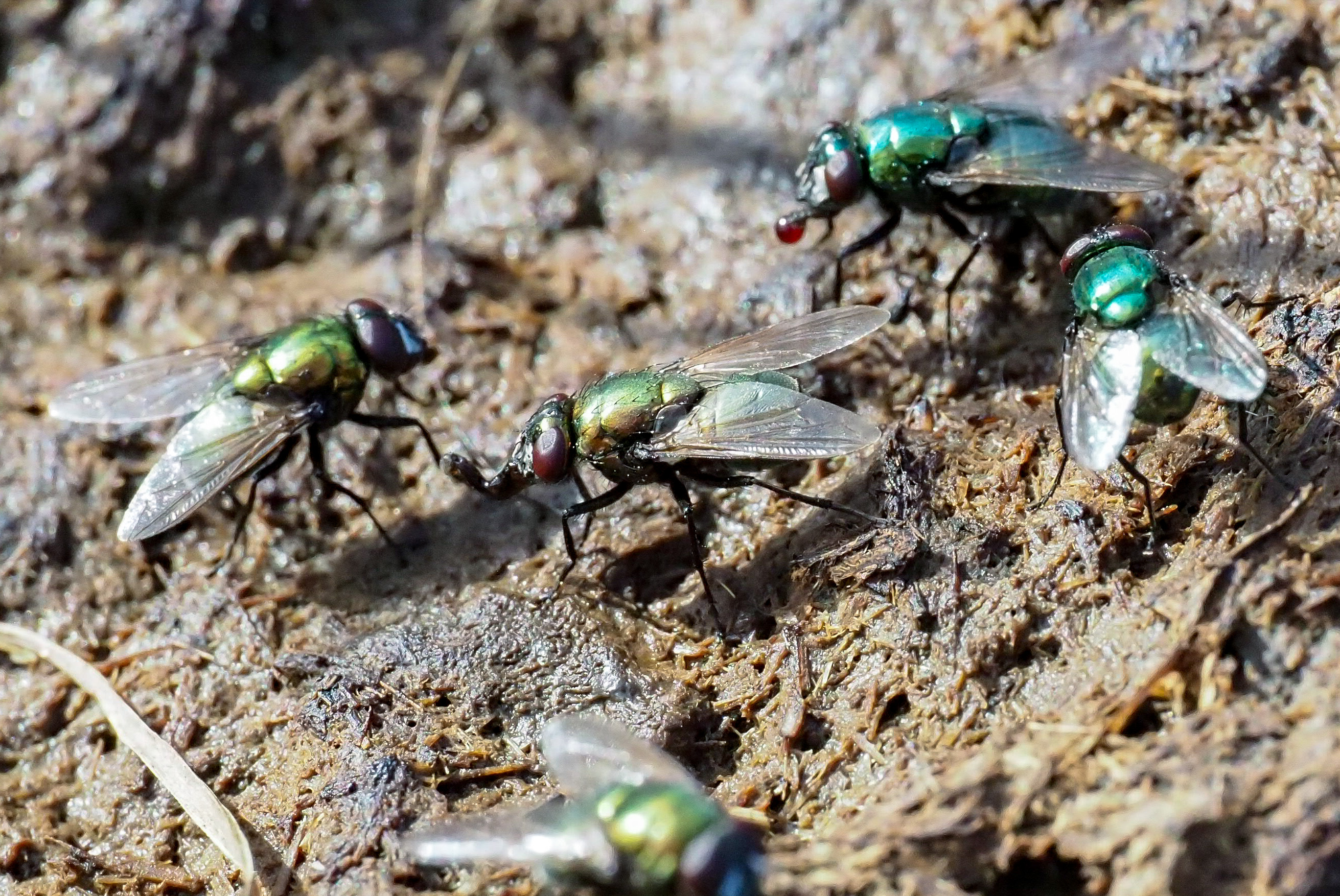
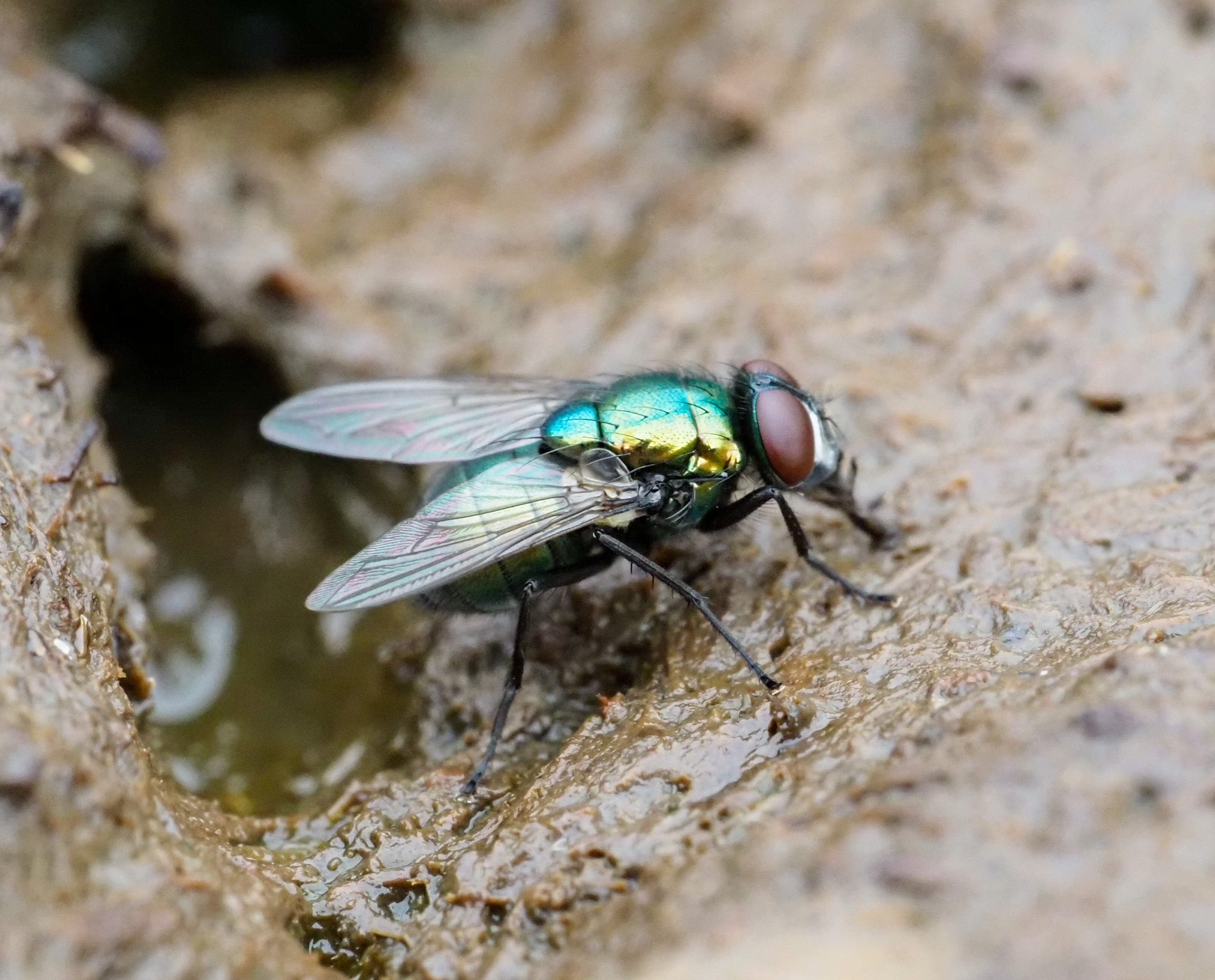
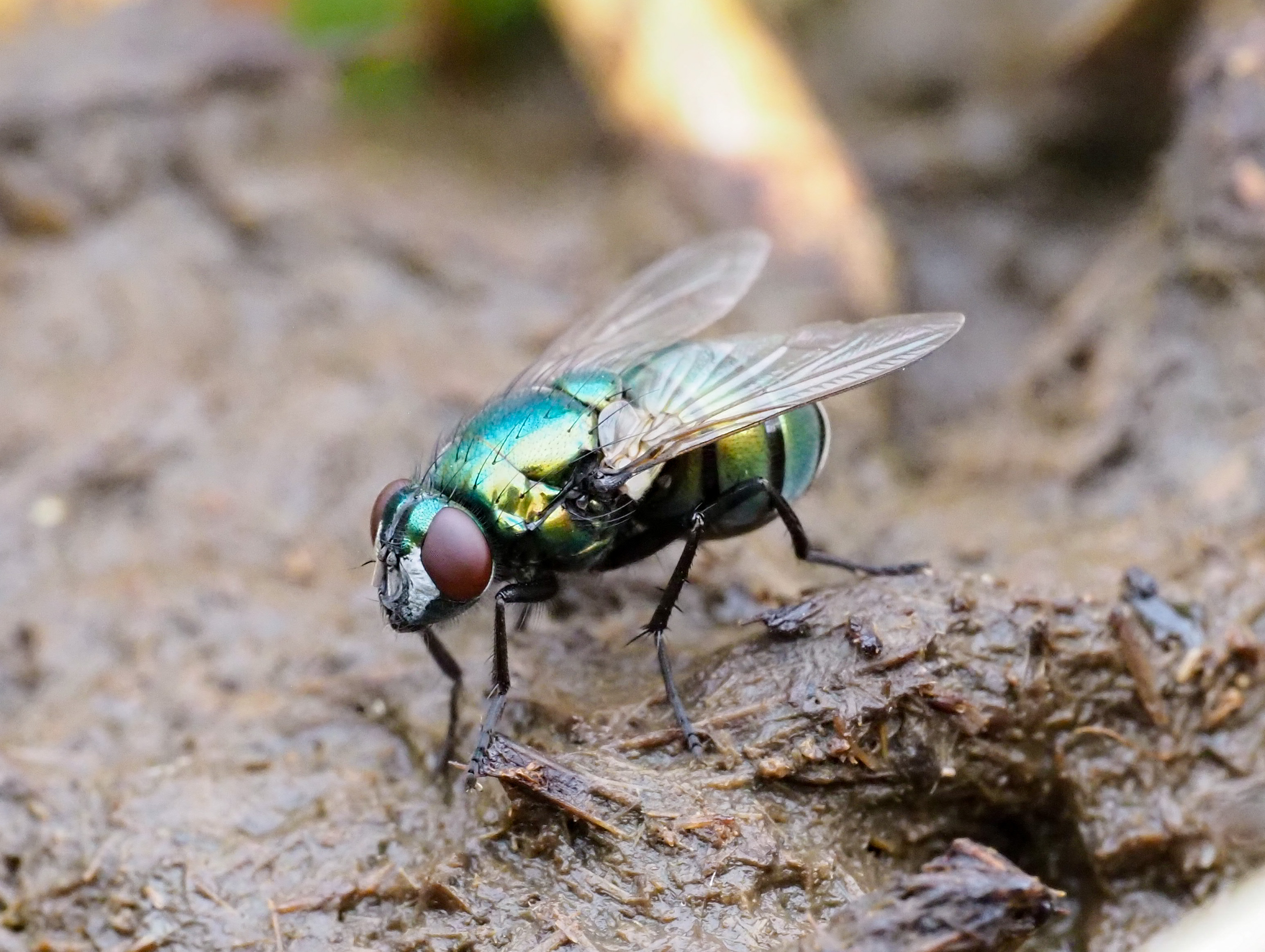
The green bottle flies shown above and below are probably the common green bottle fly (Lucilia sericata), which is in the family Calliphoridae (blowflies). However, there are a number of greenbottles flies which look very similar: see here.
Noon fly
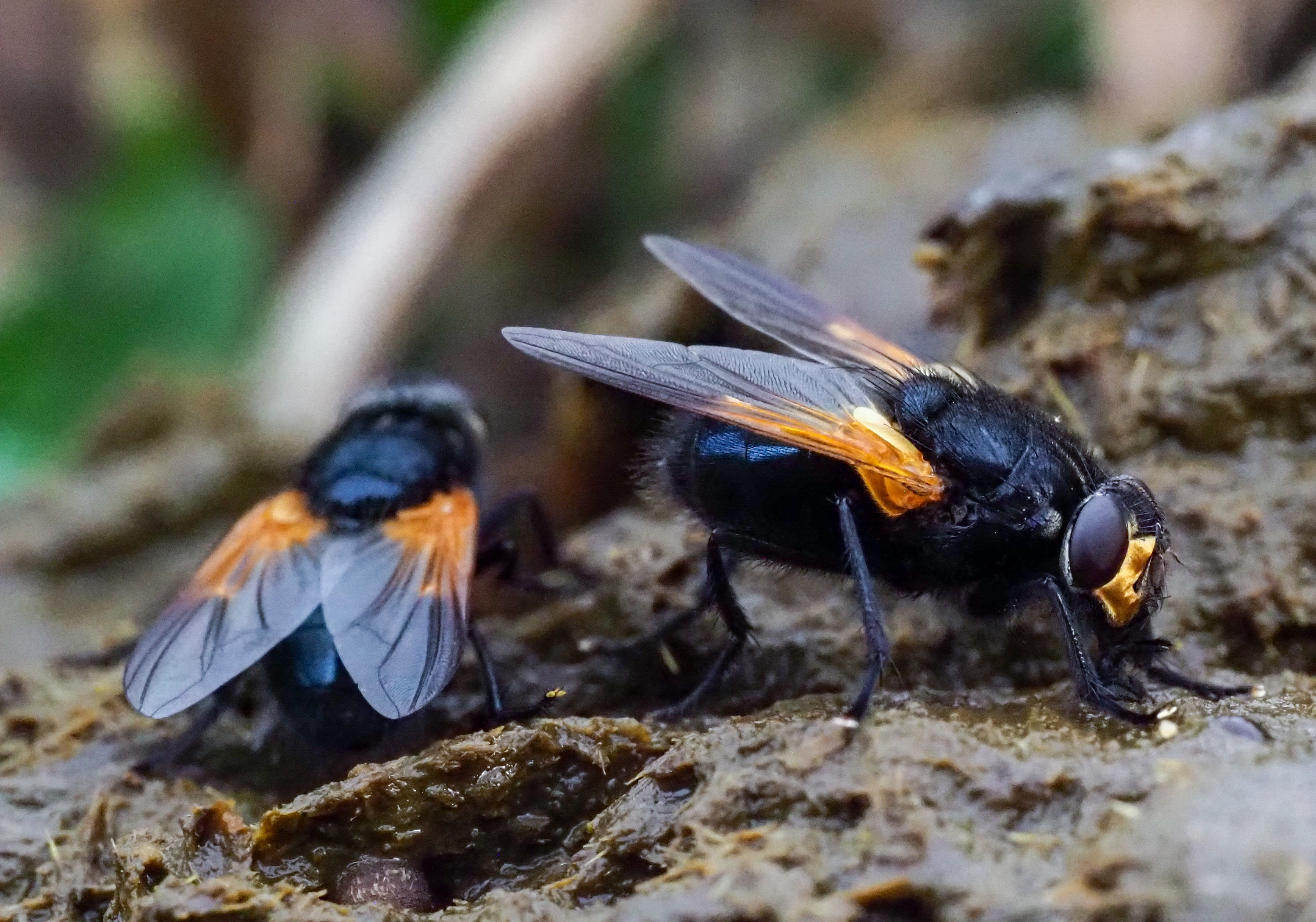
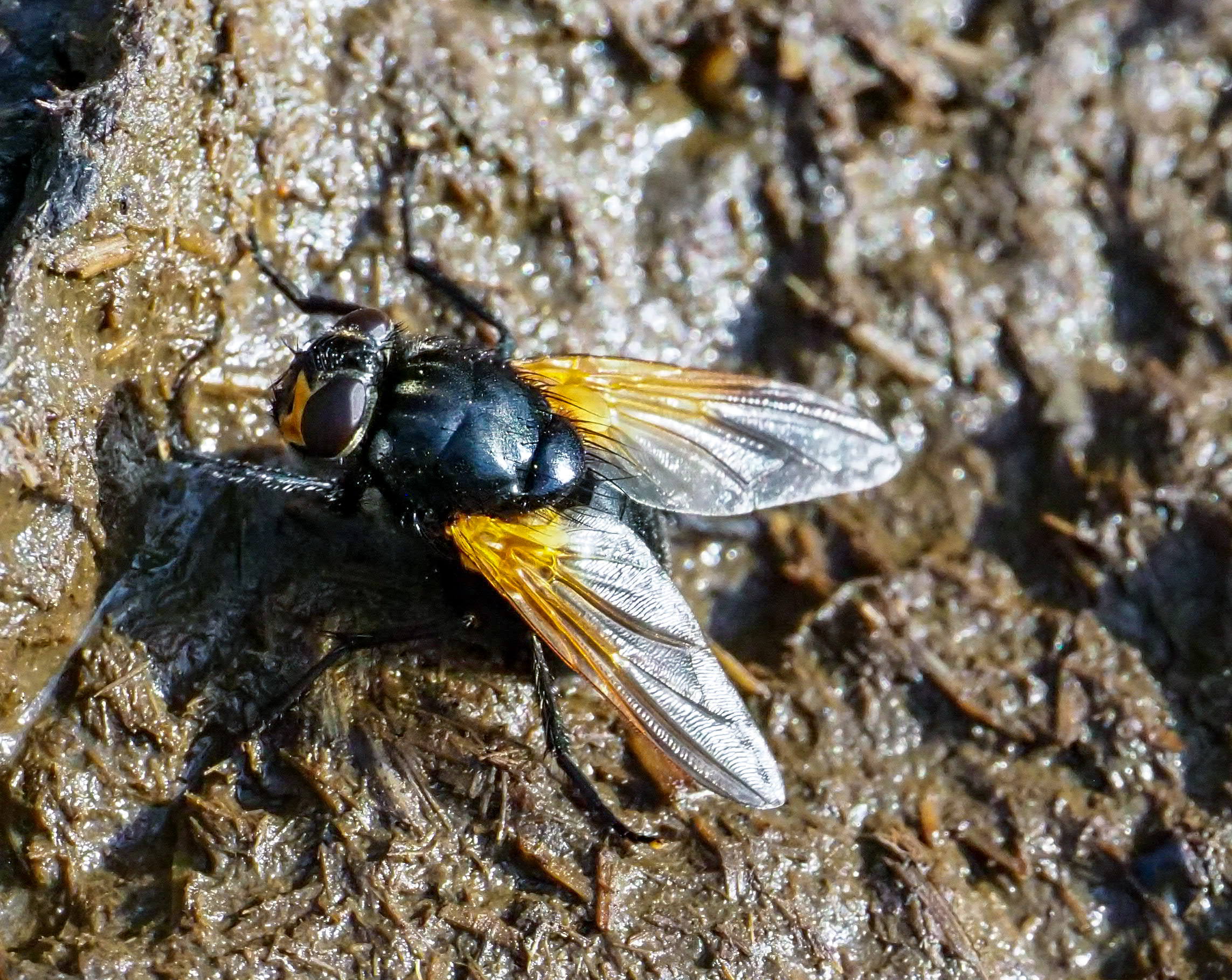
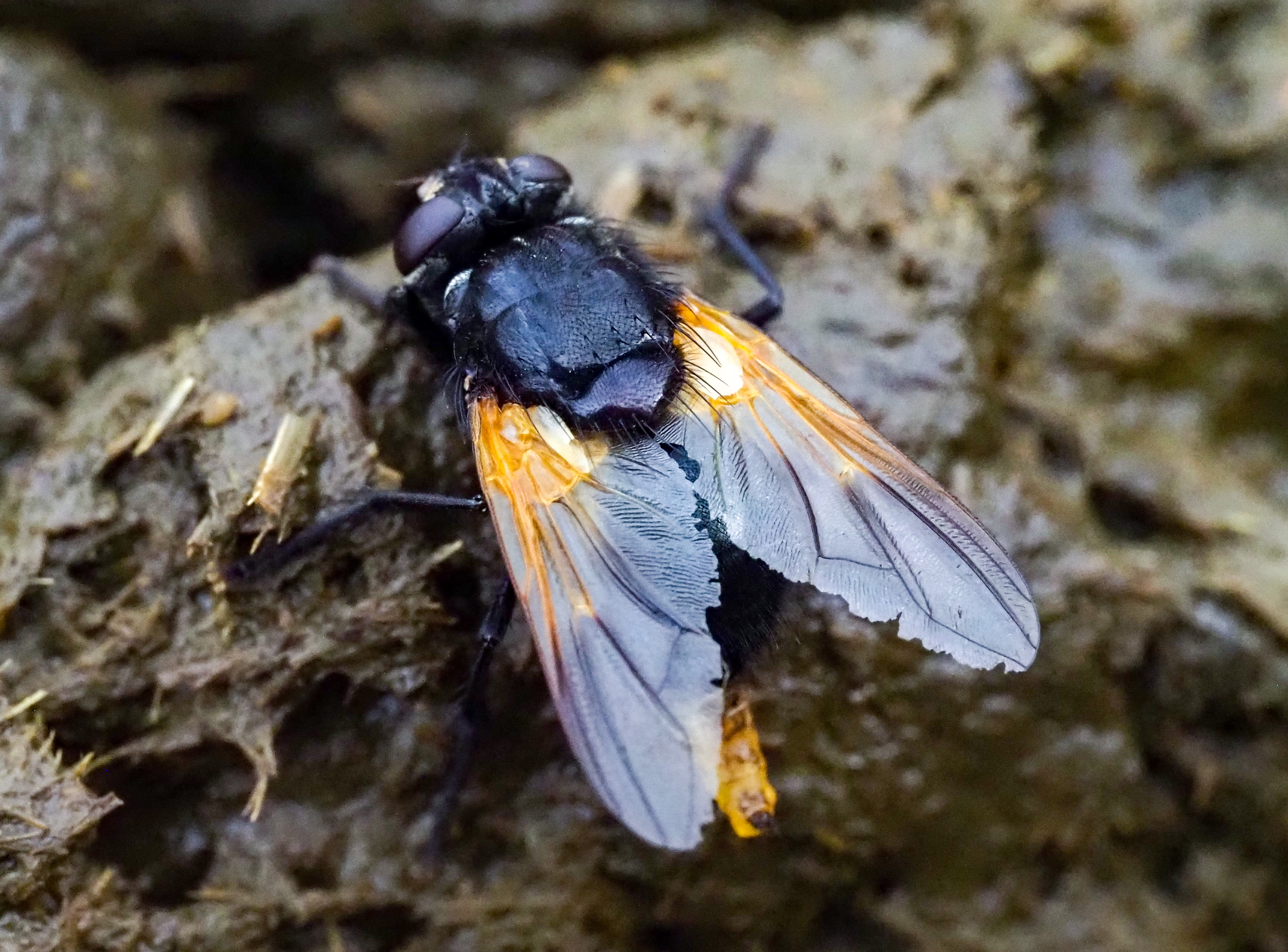
The Noon fly (Mesembrina meridiana) is – I think – a very attractive insect! This large fly is easy to identify, with a jet black body colour, offset with a distinctive orange-gold section on the base of its wings, and on its face (below). Noon flies are ovoviviparous, as the eggs come fully developed and the larvae hatch out prior to, or within an hour of deposition. The females only lay about five eggs in their lifetime, each one on a different cowpat, at two-day intervals.
Yellow dung fly
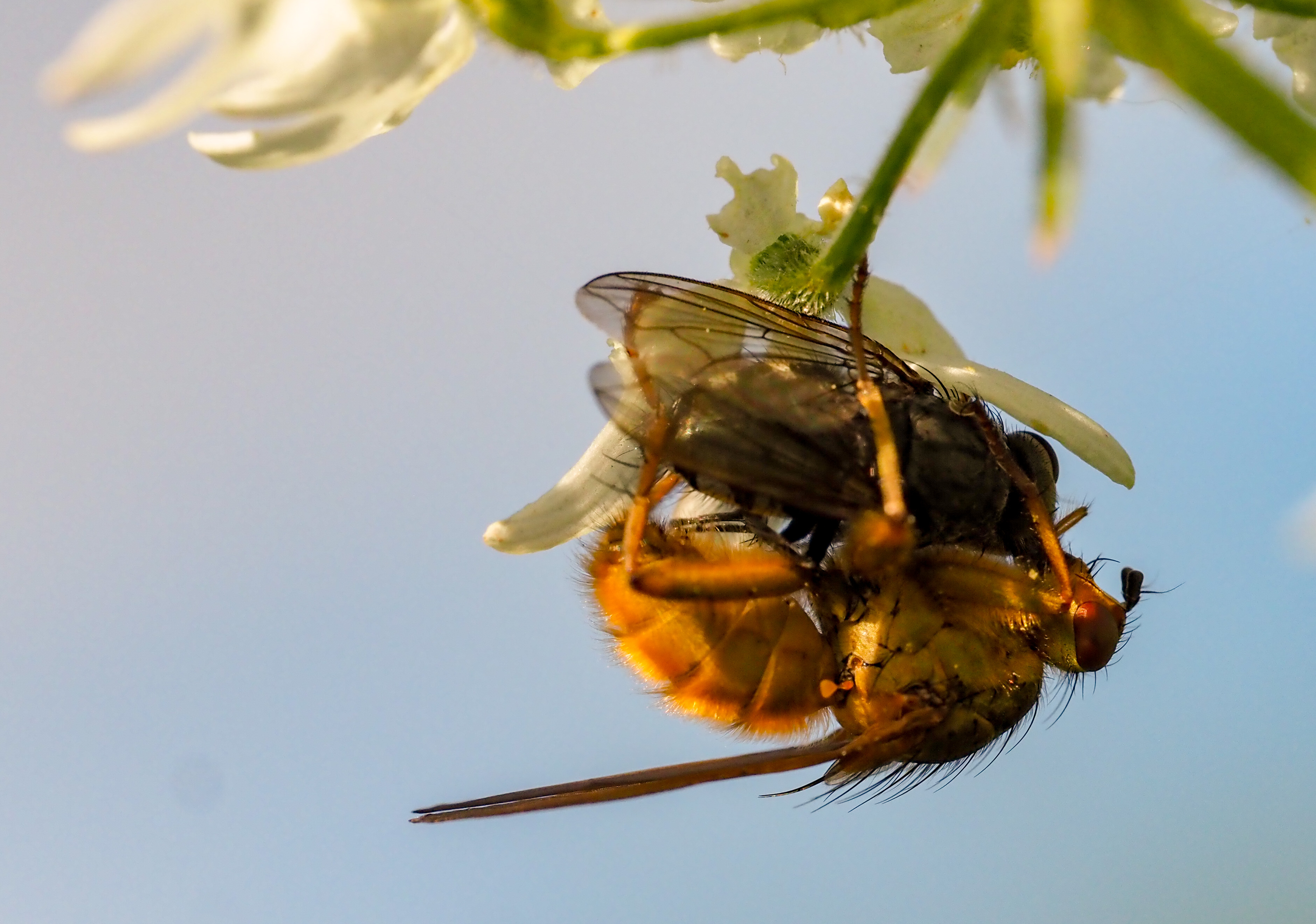
I have blogged before about the fascinating reproductive behaviour of the Golden Dung Fly (Scathophaga stercoraria, Scathophagidae) which is one of the most abundant dung flies in temperate regions and frequently associated with domesticated cattle.
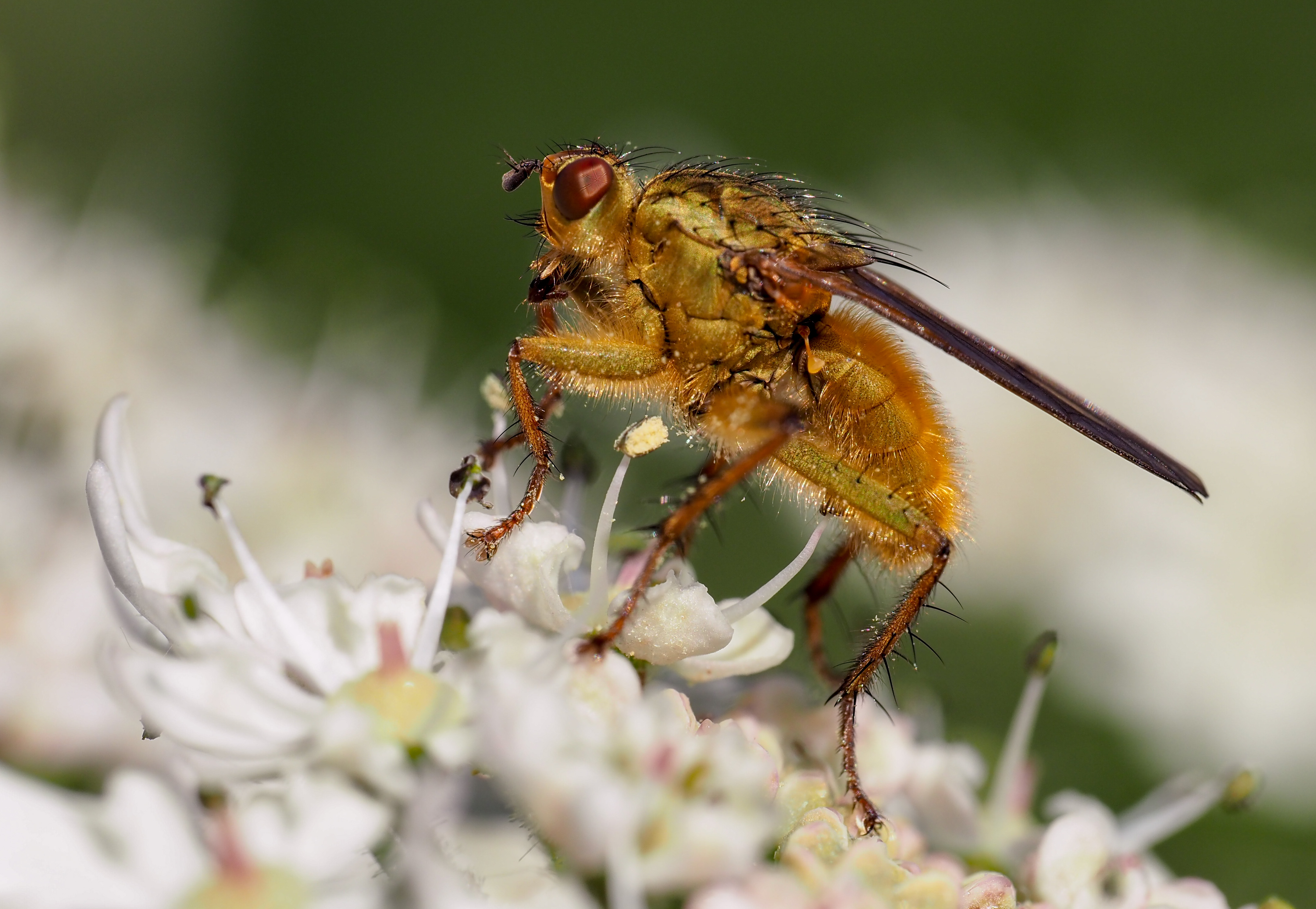
Yellow dung flies are fearsome predators and when not looking for mates on cow pats they spend most of their time hunting (see below). This one had just captured a fly and has hugging it tightly, extracting its hemolymph I suppose?
There is no doubt that many other species were present on these cowpats, and on cowpats in general, but these were the species that I managed to photograph in the few days I spent lying down next to dung pats in that September. I would like to try again this year, but it is important to take into account health and safety. Cows are usually gentle creatures, but they must be treated with respect as they can get frisky and curious! And budding entomologists do not want to get trampled by a herd of curious cows!
Ideally, try to find cowpats in a cow-free field! Perhaps a field where they have been moved off recently, onto another pasture. It would be a good idea to ask the farmer for permission if walking onto private land.
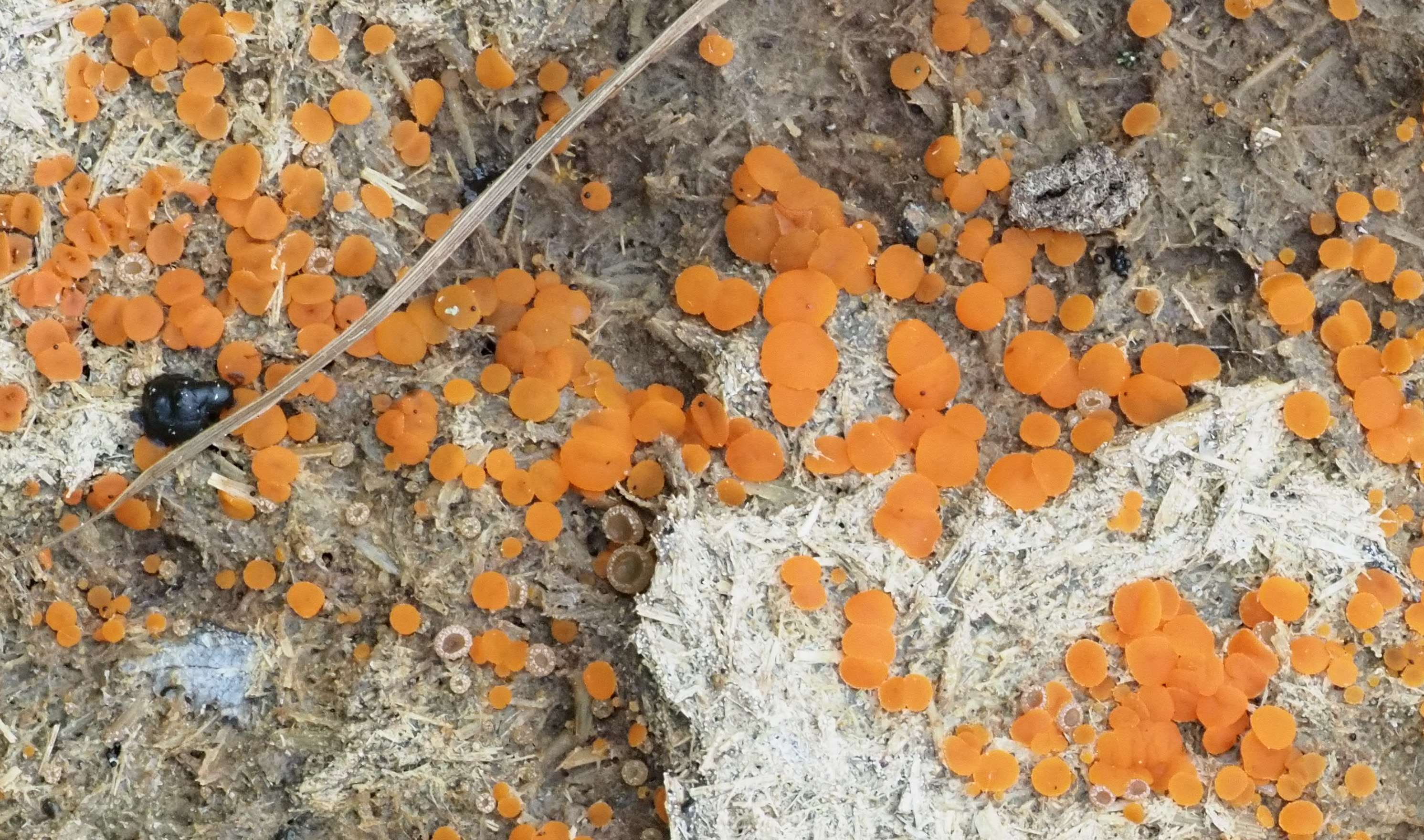
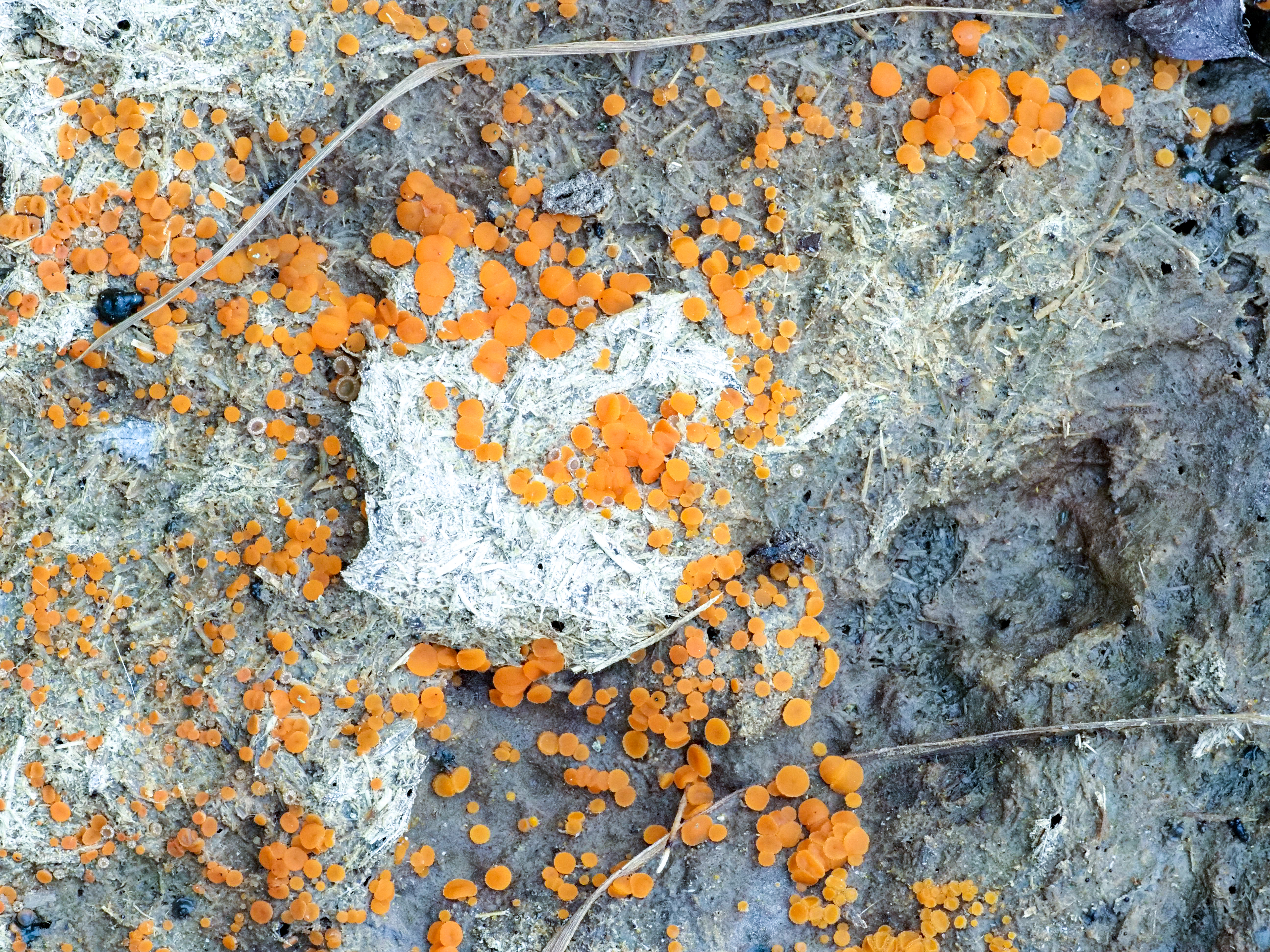
Finally, I want to mention a completely different sort of organism which is associated with cowpats: Cheilymenia (Coprobia) granulata, known as Cowpat Gem, is an ascomycete fungus (or sac fungi). Hence, the tiny little sacs which produce ascospores (see below). All part of breaking down cowpats and releasing nutrients into the soil.
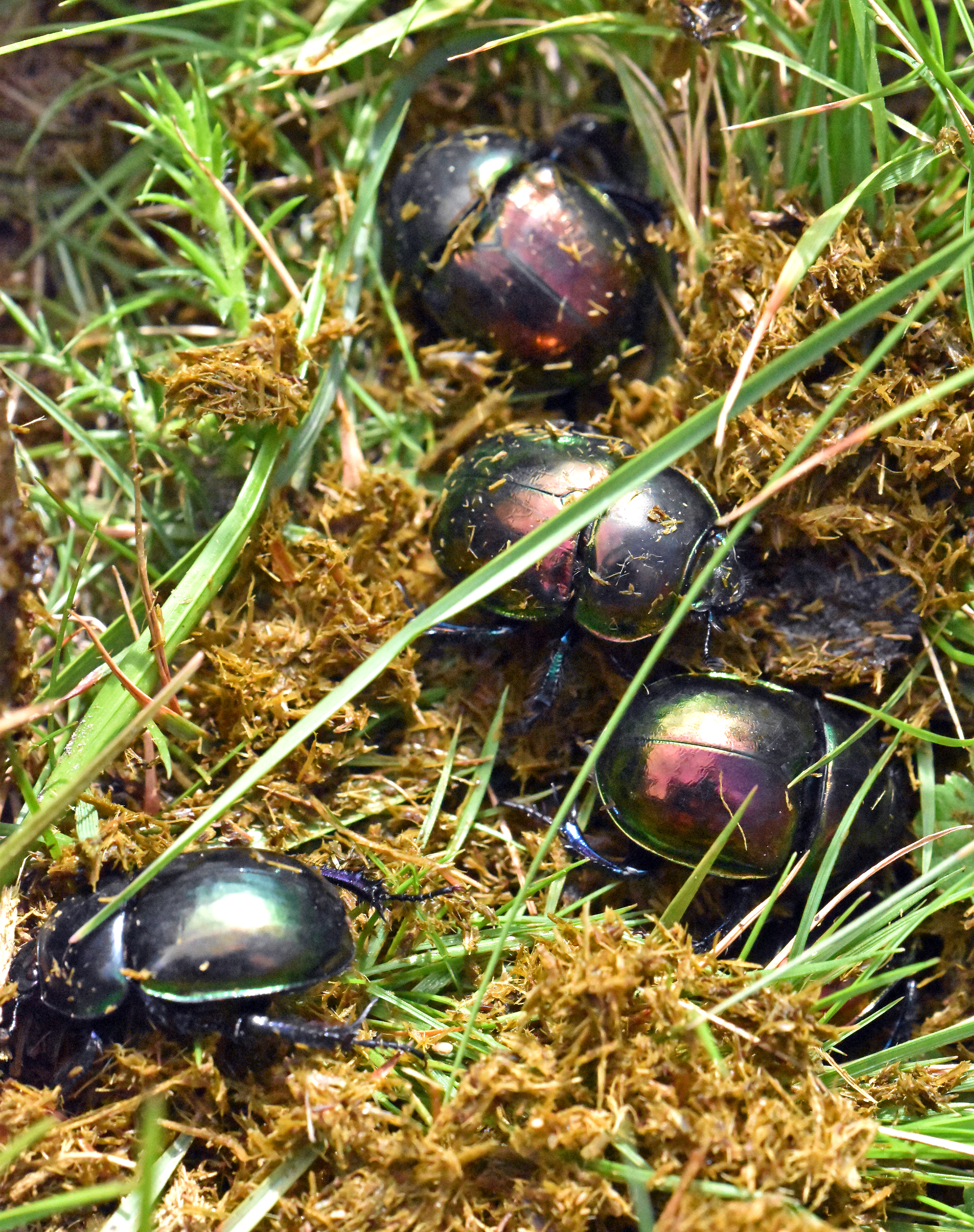
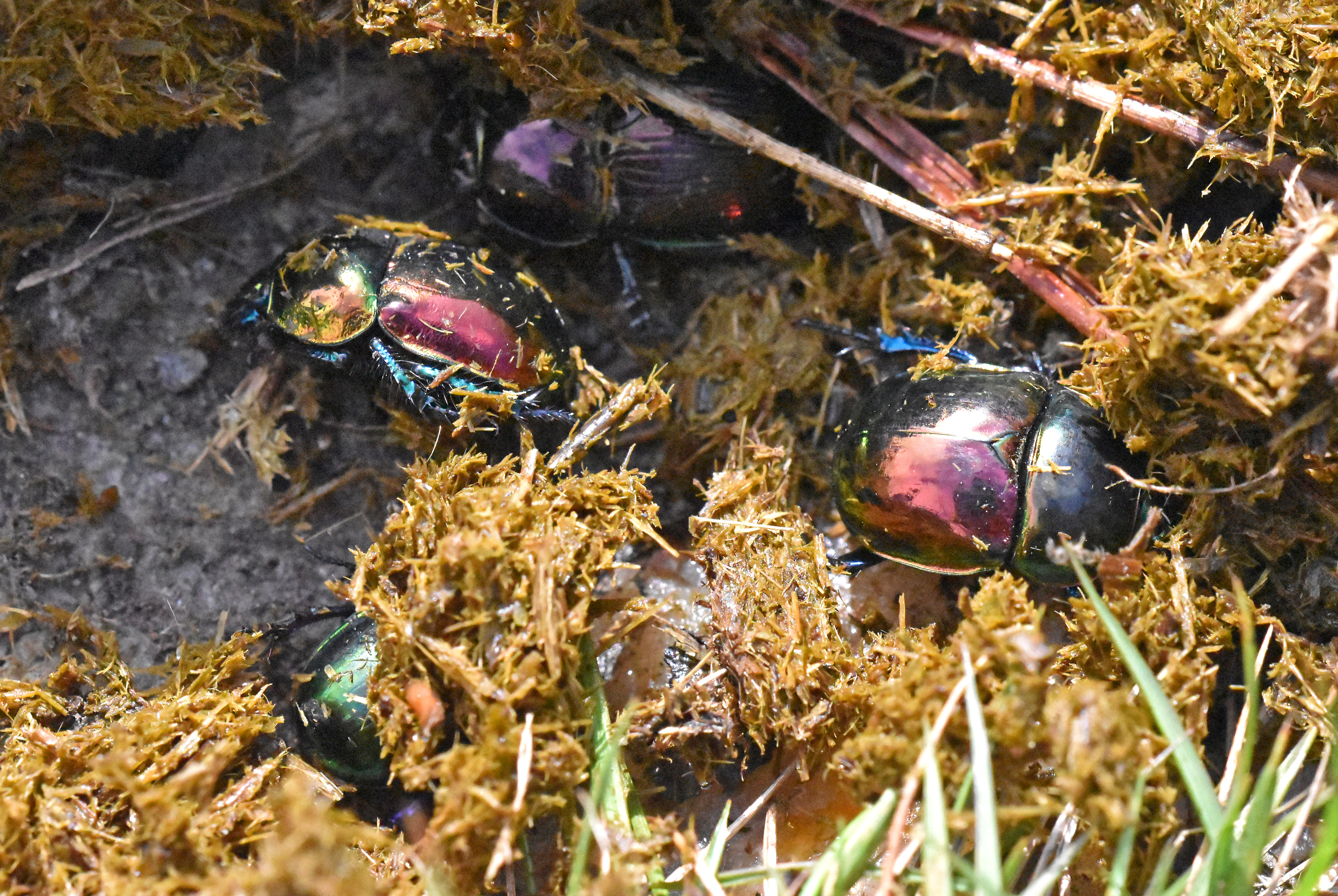
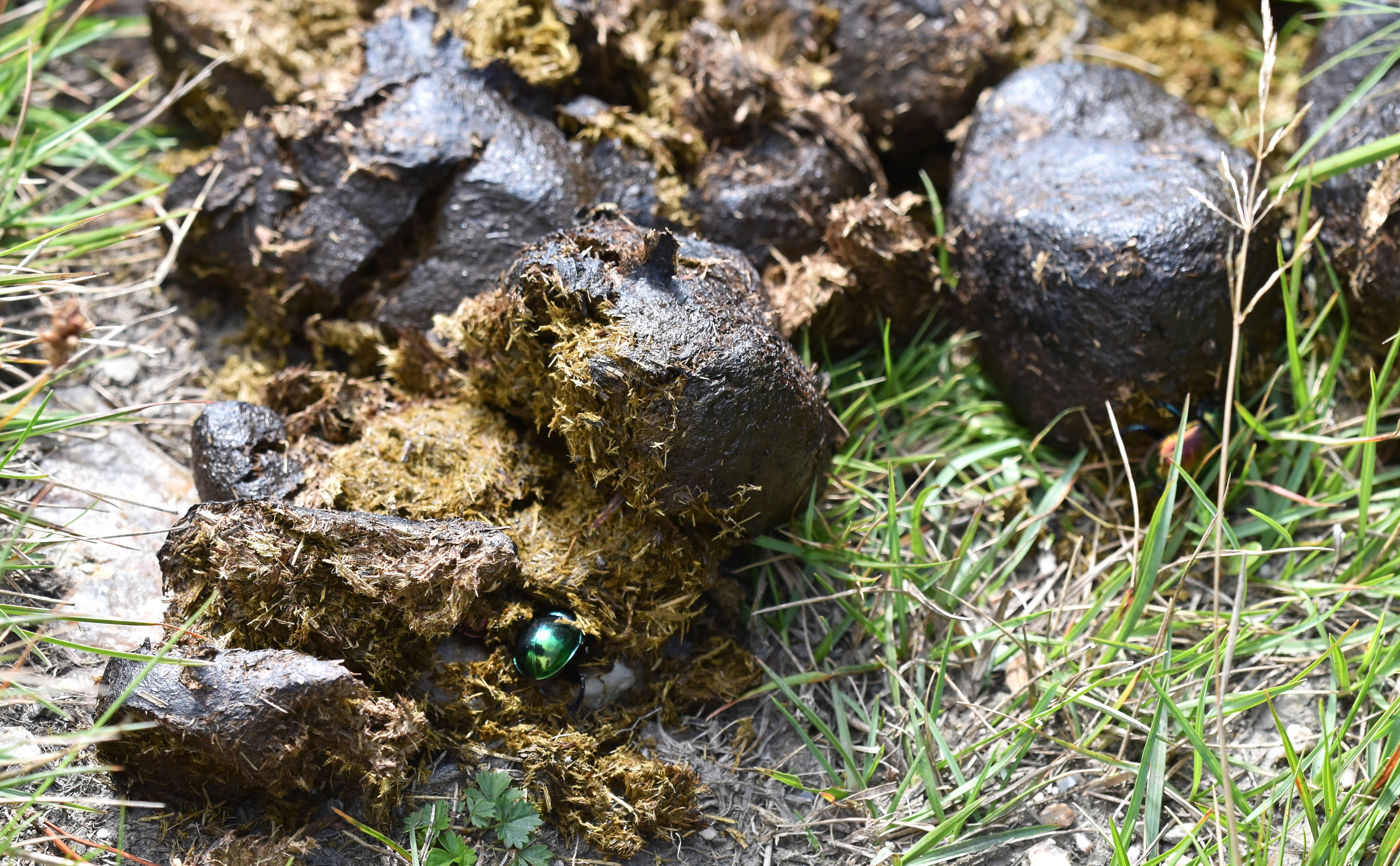
There is a lot to learn about the organisms associated with cowpats. I have blogged previously about the beautiful dumbledor (Trypocopris) dung beetles which are particularly fond of horse dung (below).
All photographs by Raymond JC Cannon.
References
Skidmore, P. (1991) Insects of the Cow Dung Community: No 21 (Field Studies Council Publications). https://archive.org/details/insectsofbritish0000skid
Wall, R., & Lee, C. M. (2010). Aggregation in insect communities colonizing cattle-dung. Bulletin of entomological research, 100(4), 481-487.
 Ray Cannon's nature notes
Very interesting. Learned a lot. Thank you.
I thoroughly enjoyed this blog, made my day, and excellent photos, very good, takes me back to my young lab tech days left in a paddock with cow pats and specimen jars.
This was a brilliant read, and great photos too. Interesting to learn about the flies on cattle, must look closer next time I get the chance. Lots of entertainment to be had with cowpats – it can be fun to sit near a fresh one and watch dung beetles homing in on it https://www.youtube.com/watch?v=dZj2d1HKTRE Also I can recommend keeping a small sample of cowpat (or herbivore dung of choice) in a moist container with a clear lid – absolutely fascinating to watch the succession of fungi appearing on it.
Great post, both informative and entertaining. Thanks!