If you have been out and about in the countryside this spring, you might have seen some large, fat, bumblebees zig-zagging around, close to the ground. These are the queens, looking for new nest sites.
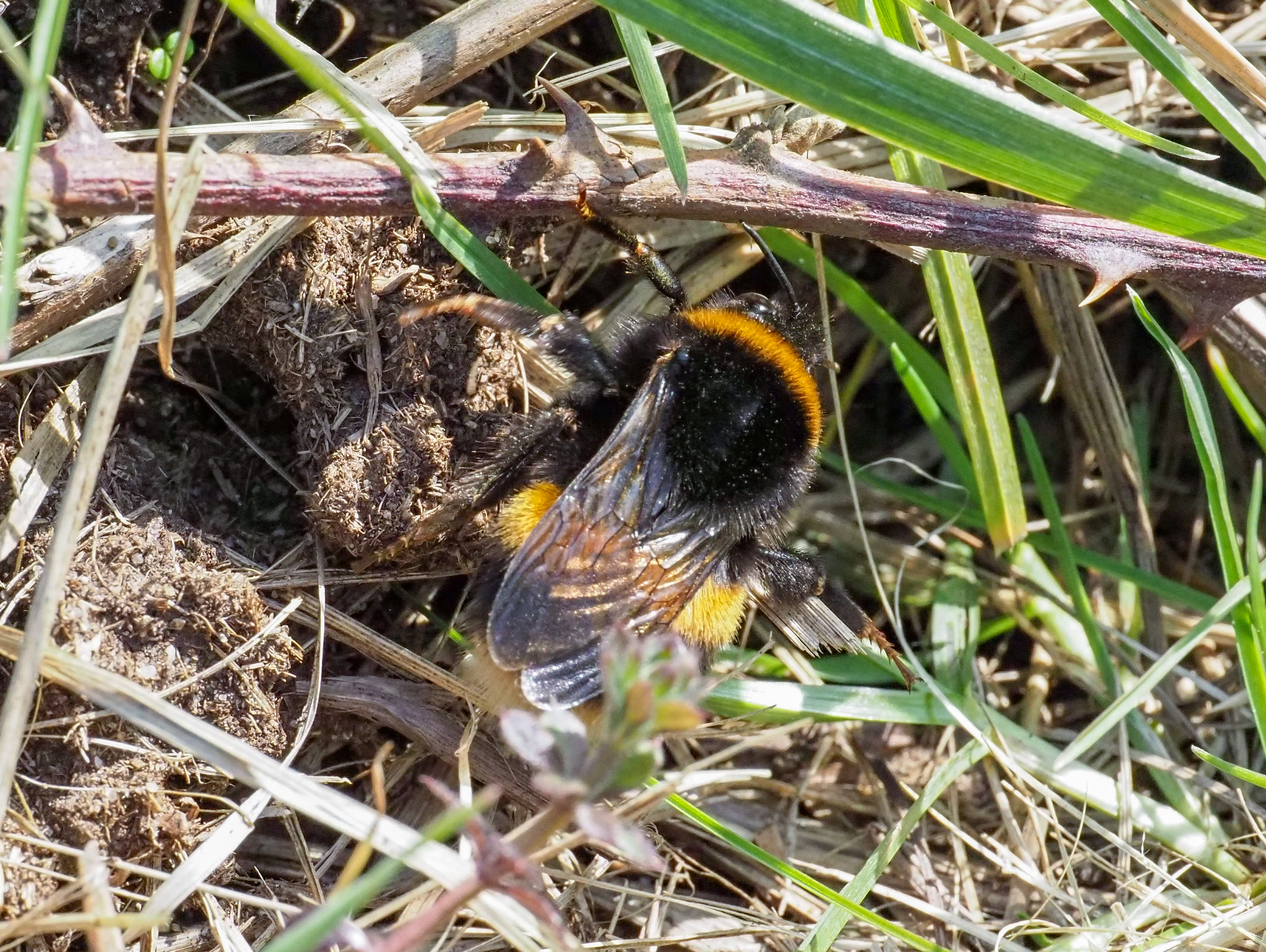
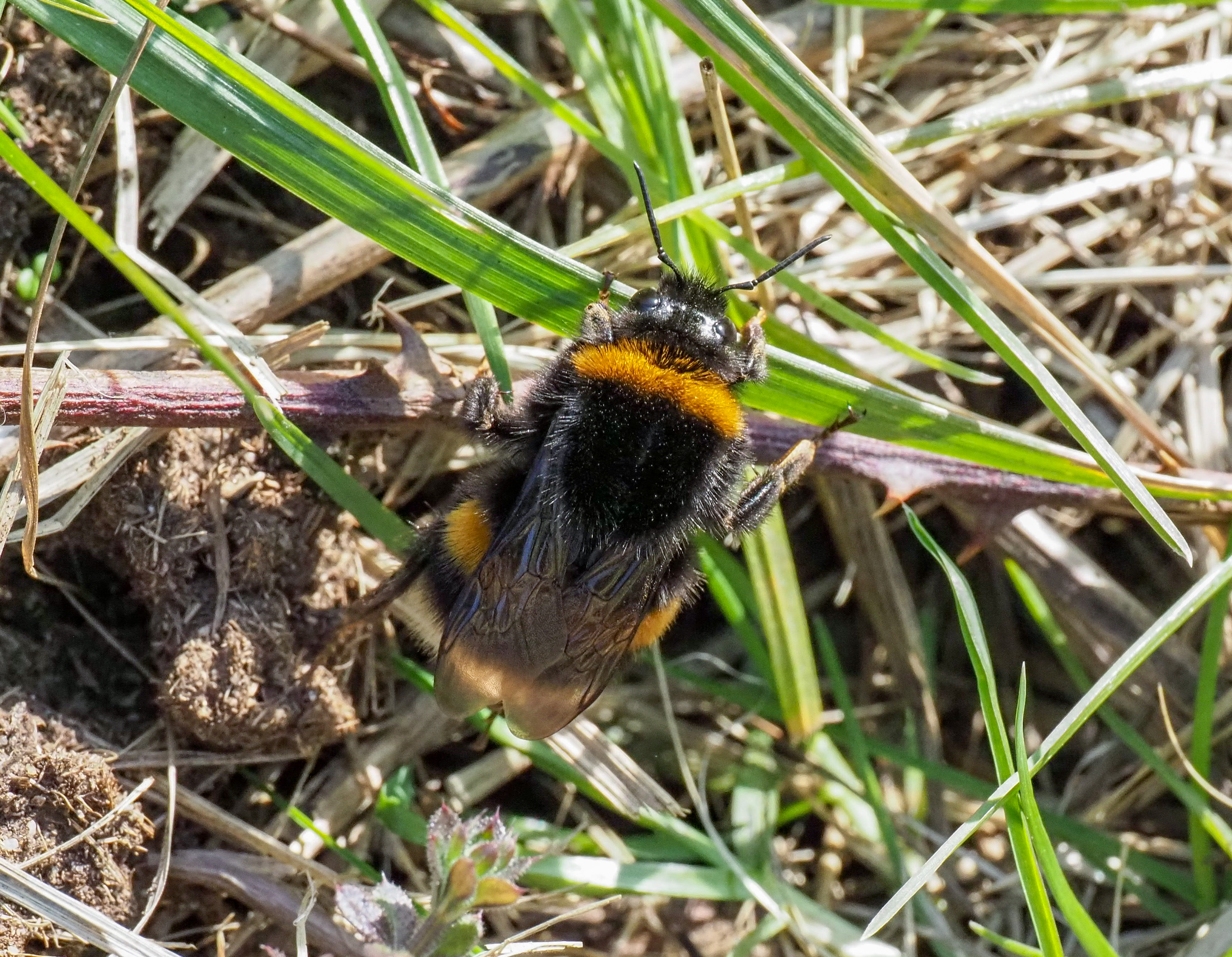
Young queen bumblebees spend a considerable amount of time, up to several weeks sometimes, trying to locate a suitable nest site (Free and Butler, 1959). Writing in a more recent New Naturalist edition on bumblebees, Ted Benton describes how in these low-level exploratory flights, the “bees ‘contour’ irregular features they encounter and can often be seen entering small holes and crevices”. In my experience, they can sometimes disappear down a hole at the base of clumps of grass, only to reappear after a few moments some way away – say a metre – demonstrating that there are tunnels or pathways, probably made by small rodents, that are not visible from above.
Emerging from hibernation
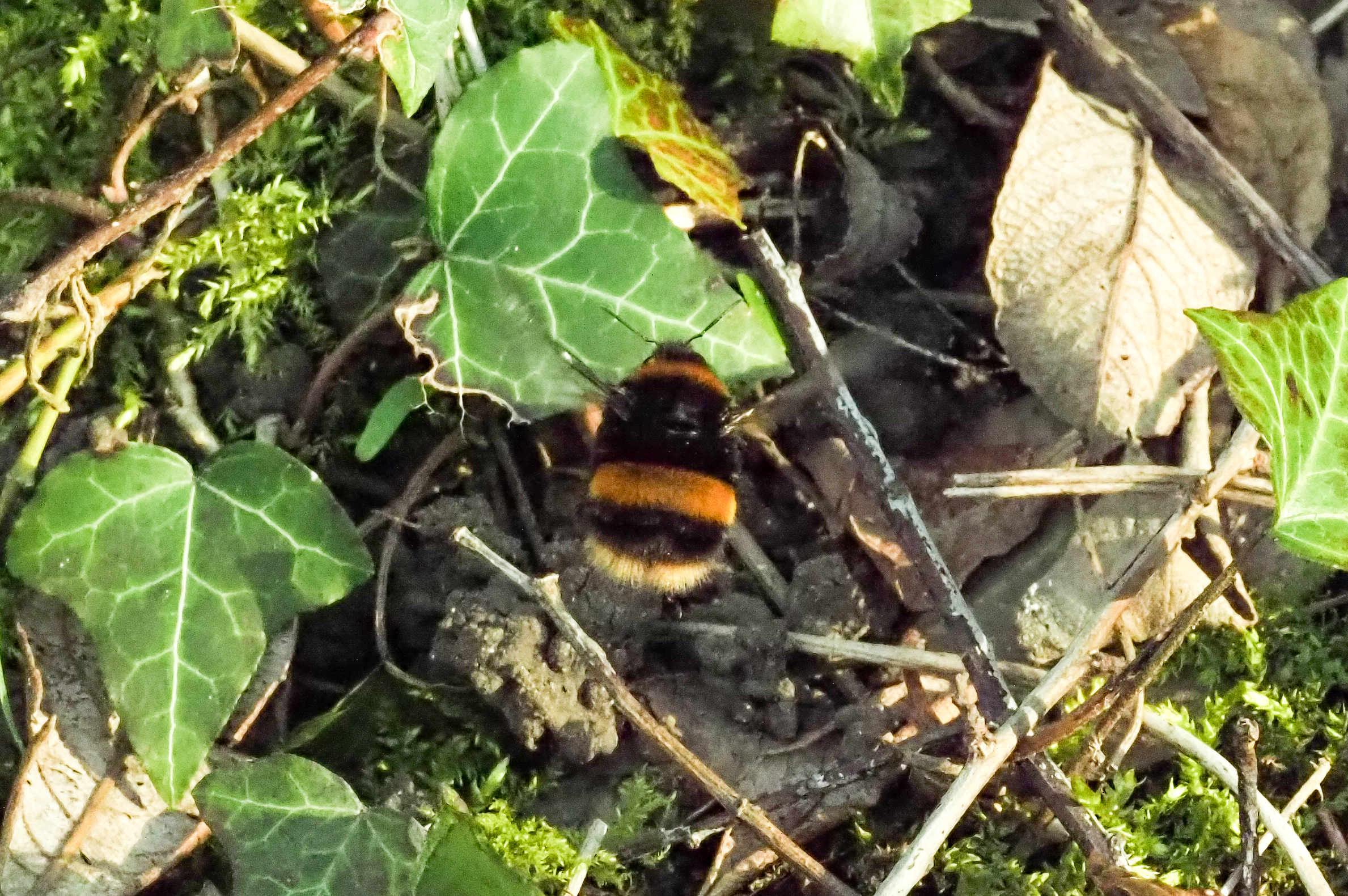
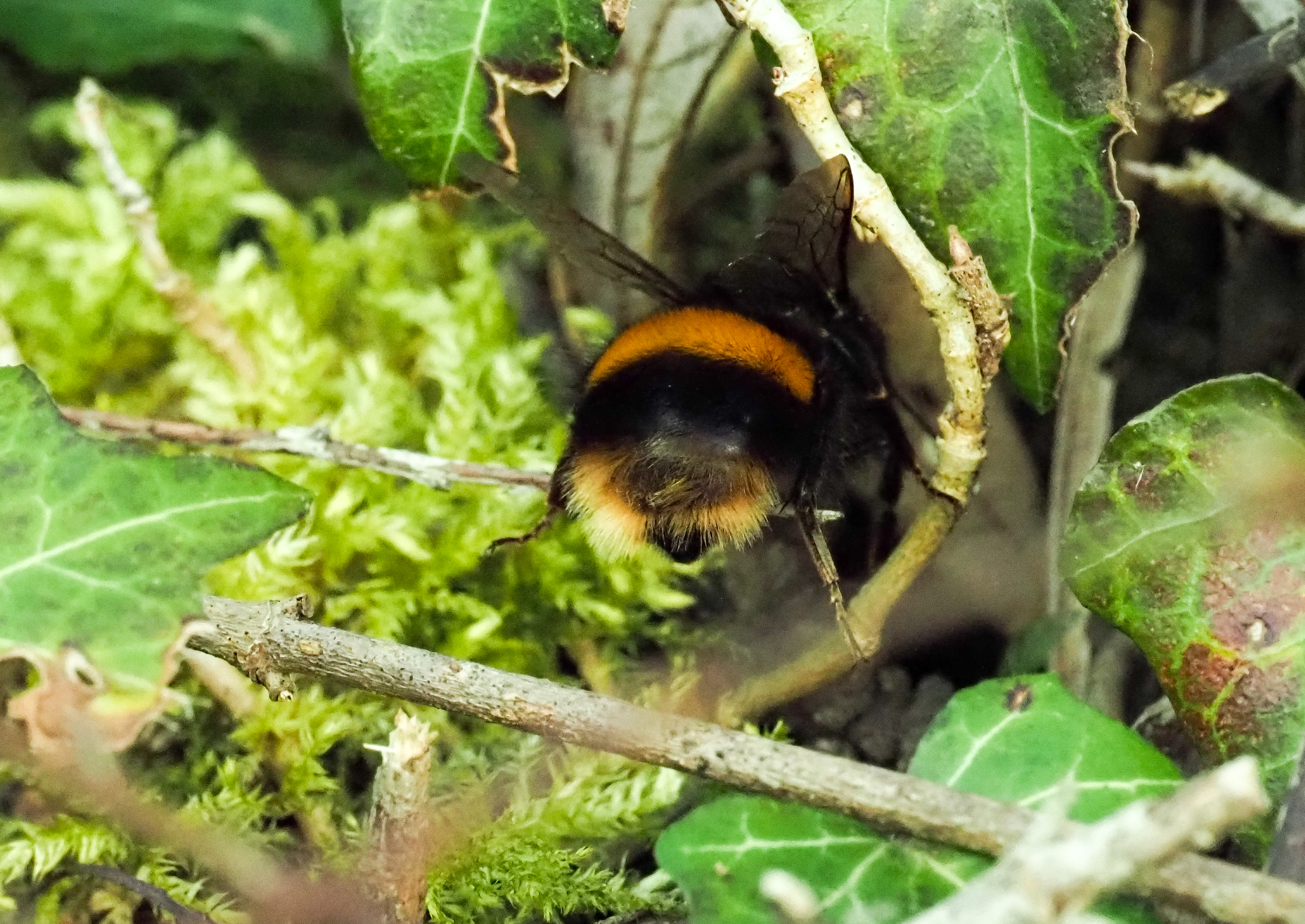
Queen bumblebees will have spent the winter alone, in a sheltered underground site – perhaps in shallow holes which they have dug in banks of earth, or under leaf litter – in a state of hibernation. They will have already mated the previous year, and if they survive – the mortality rate of overwintered queens can be as high as 80% (Benton, 2006) – they emerge looking to build up their energy levels and start a new colony.
In temperate regions such as the British Isles, queen bumblebees can take up to three weeks after emerging, before they start looking for nest sites. This period coincides with the development of their ovaries so they do not usually start nest searching until they are nearly ready to lay their eggs. However, a recent study on a North American bumblebee, Bombus vosnesenskii, showed that the queens “searched for and occupied nests at all stages of ovary development” (Sarro et al., 2022). This suggests that bumblebees are flexible and opportunistic in their ability to develop their eggs and find a nest.
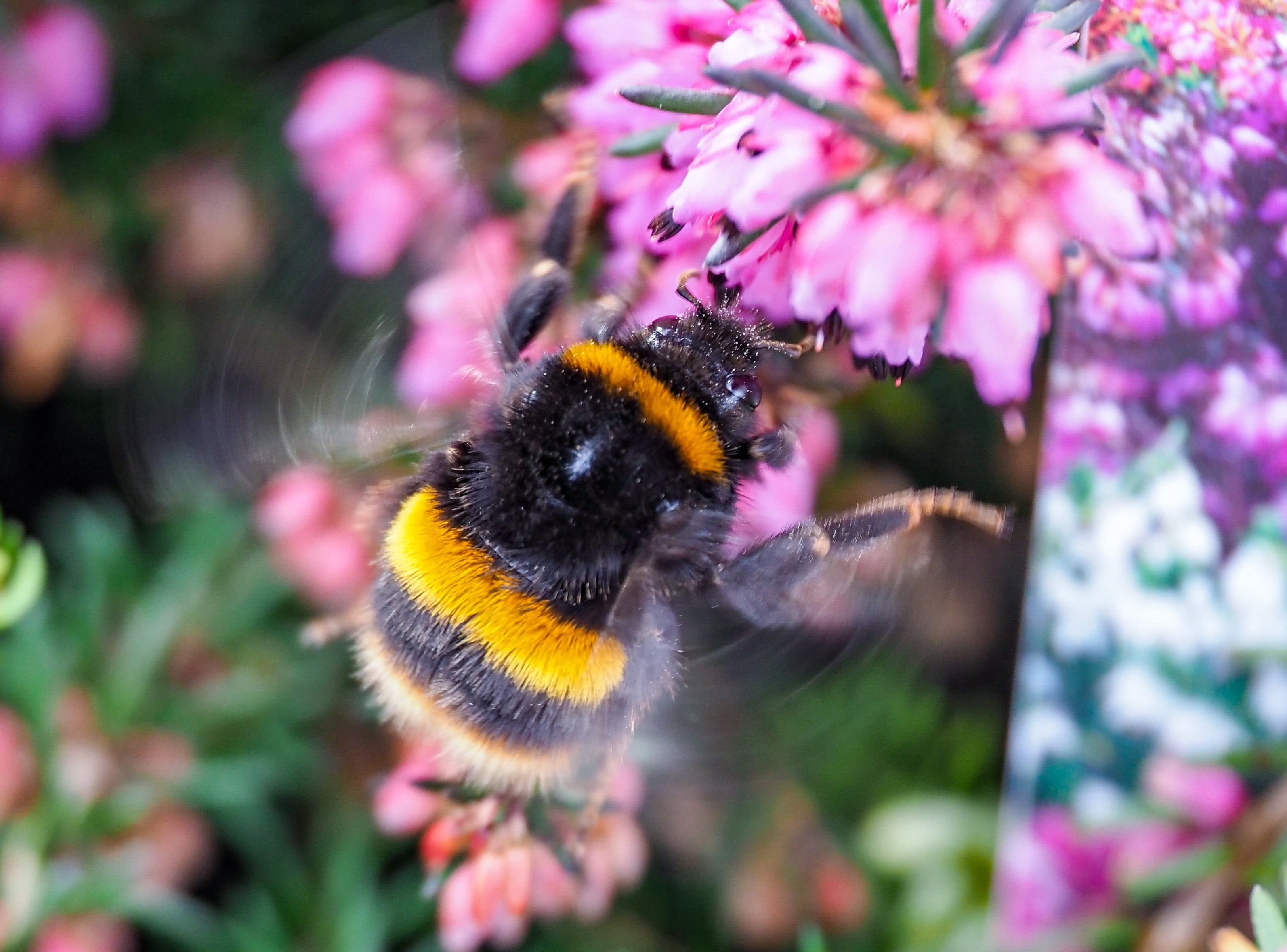
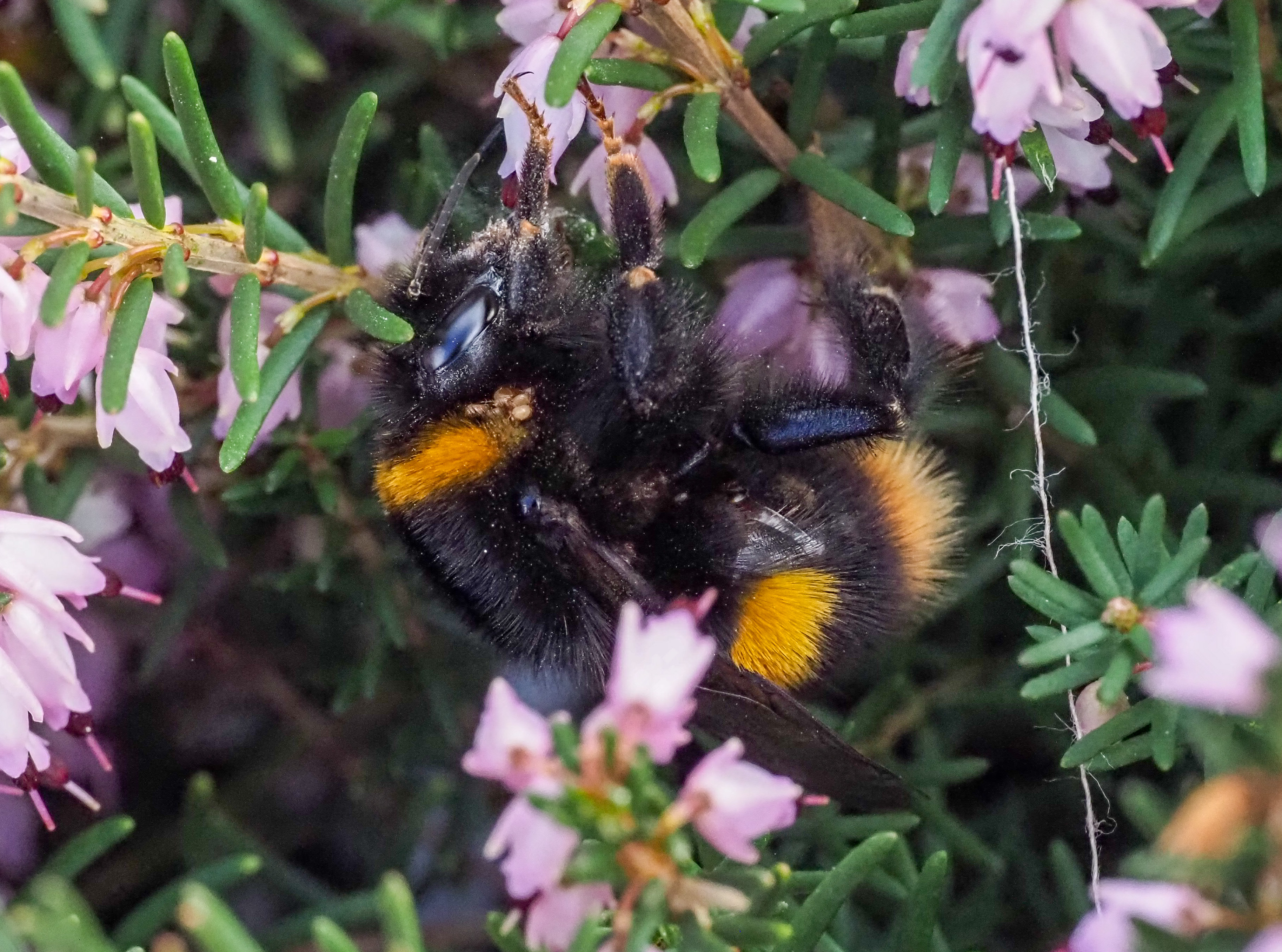
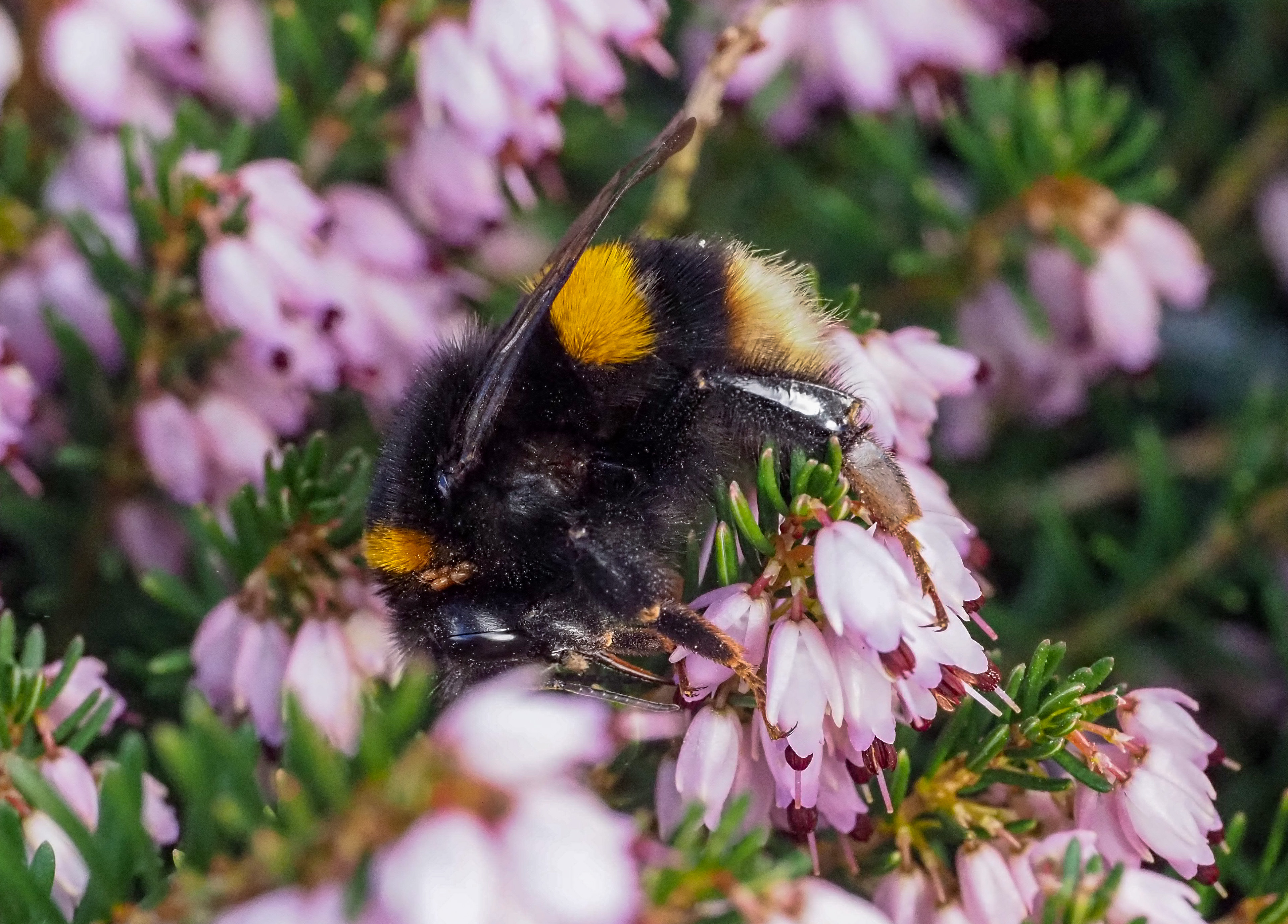
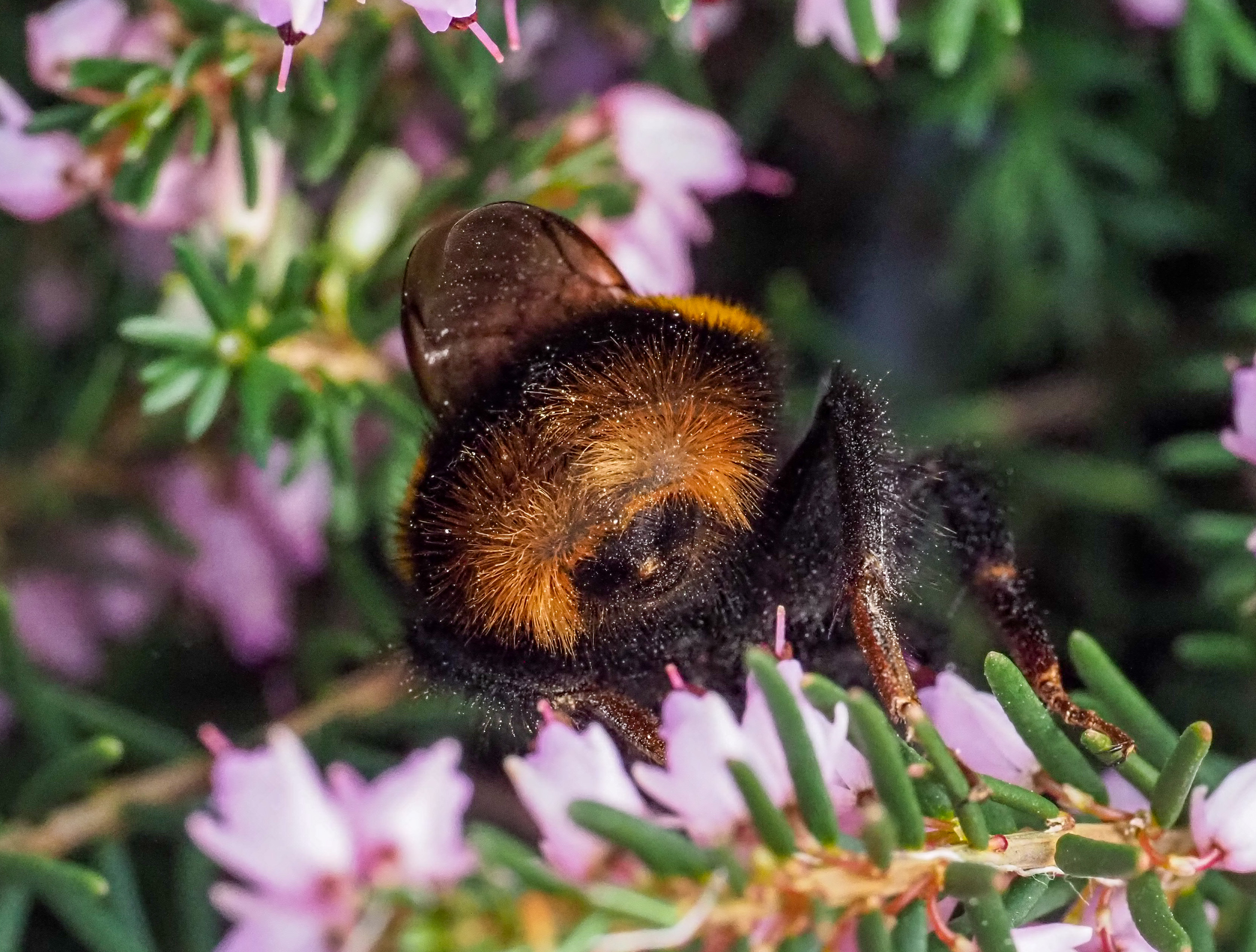
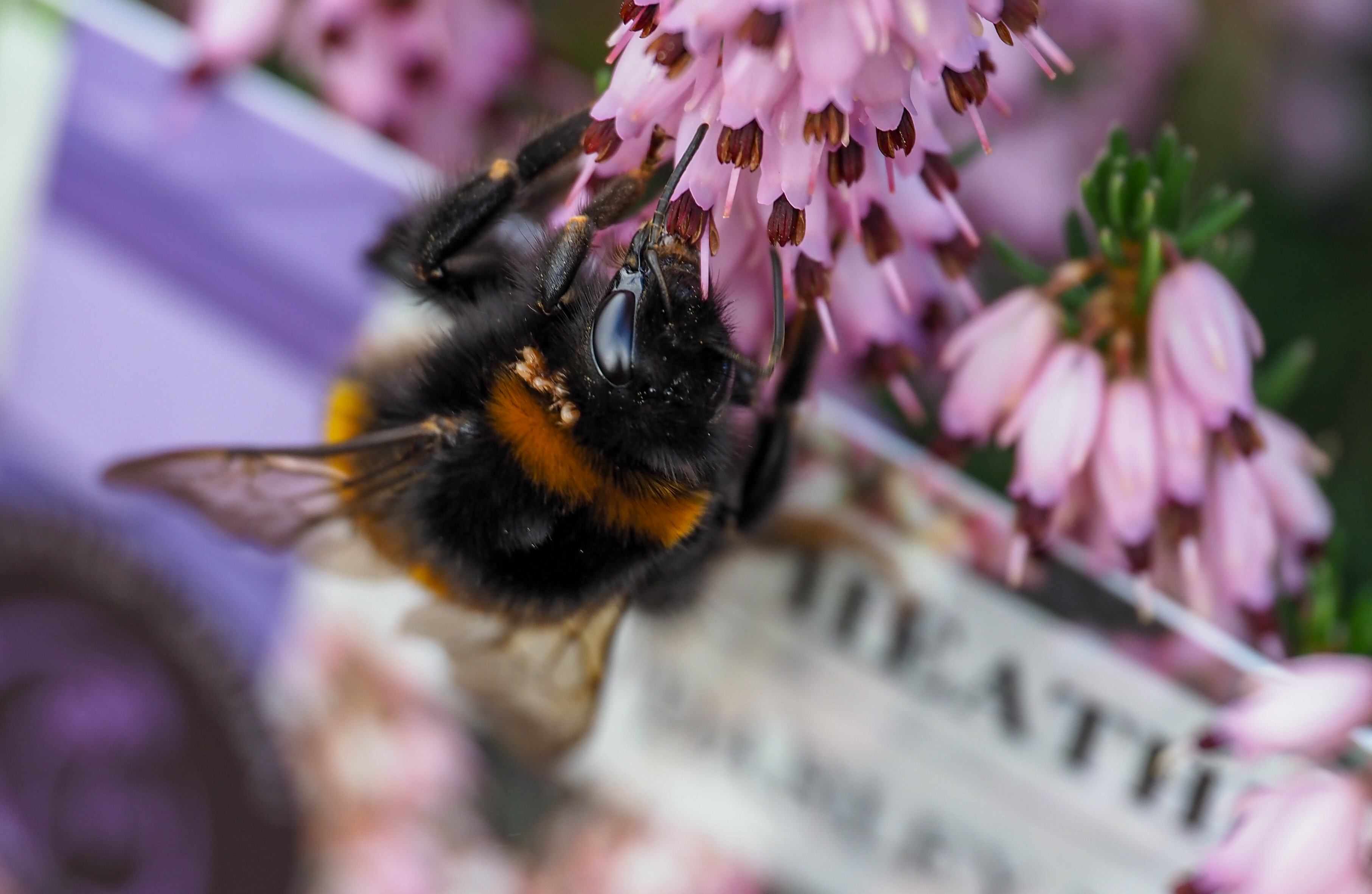
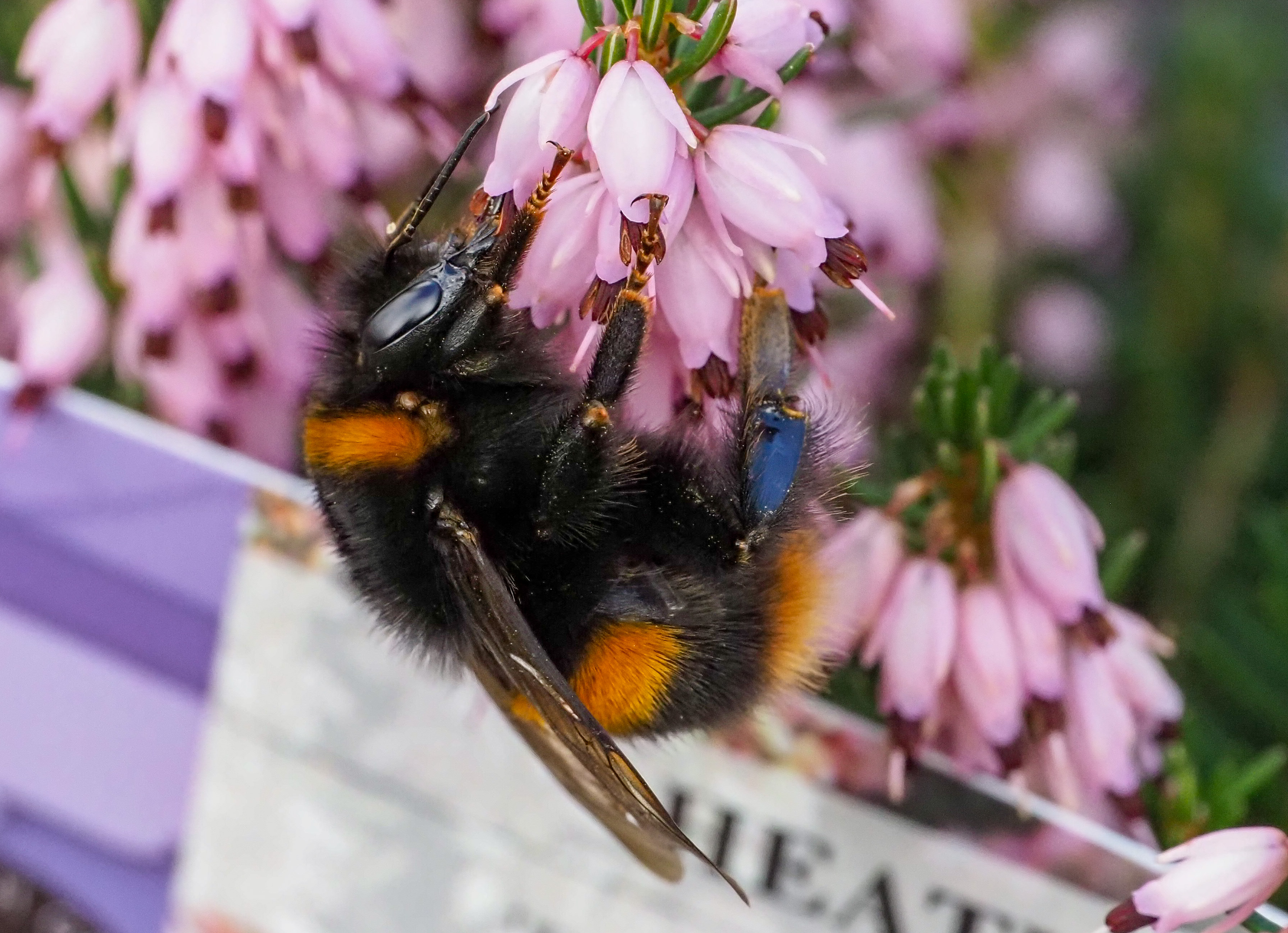
Once they start to actively search for a nest, young queens are thought to spend several days, or more, before successfully locating a suitable nest site (Makinson et al., 2019). If you have ever tried to follow a queen as she zig-zags along, stopping off to investigate likely holes, you will know how active and persistent they are. They seem to fly on relentlessly, exploring every possible micro-site, traversing long distances, and sometimes flying off, up and away, to a different location.
Tracking bumblebees
Tracking bumblebees which are looking for new nests, or returning to their established nests, is not easy, but researchers in Germany (Lower Saxony) managed to track individual Bombus muscorum bumblebees using ‘marking labels’: paper strips glued to their thoraxes (Greil et al., 2024). Although the bees tried to remove the paper strips glued to their backs, most of them continued on their foraging flights, or flew home to their nests.
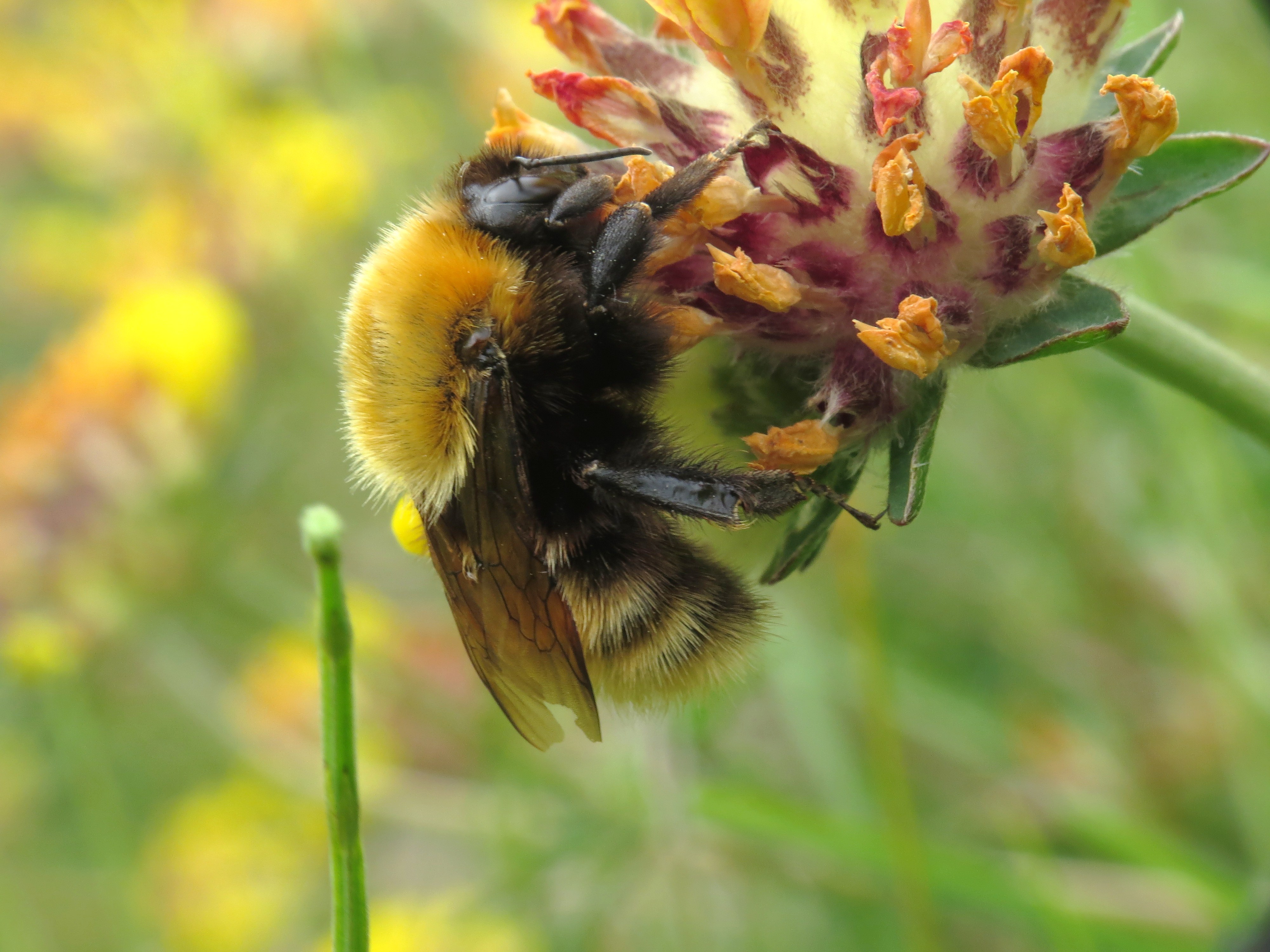
Tracking the bumblebees trailing 7-8 cm pink strips does sound like a lot of fun!:
“The marked bumble bee was tracked by an average of 7–8 people who initially positioned themselves up to 10 meters around the bumble bee. When the bee suddenly flew very fast, one person was mostly able to follow the marked individual. If not, another person, who was closest to the bumble bee, tried to follow it while the rest ran in that direction.” (Greil et al., 2024)
The researchers manged to track the bumblebees for up to two hours, and for distances of up to 800 m: “only eventually losing sight due to the difficult terrain.”
Another study carried out in North America (Massachusetts) on Bombus impatiens found that nest-searching queens searched more thoroughly in areas previously associated with high nest densities (Pugesek & Crone, 2022). The nest-searching queens of this species explored high quality sites, such as meadows and forests, more slowly than lower quality sites (hay fields in this case).
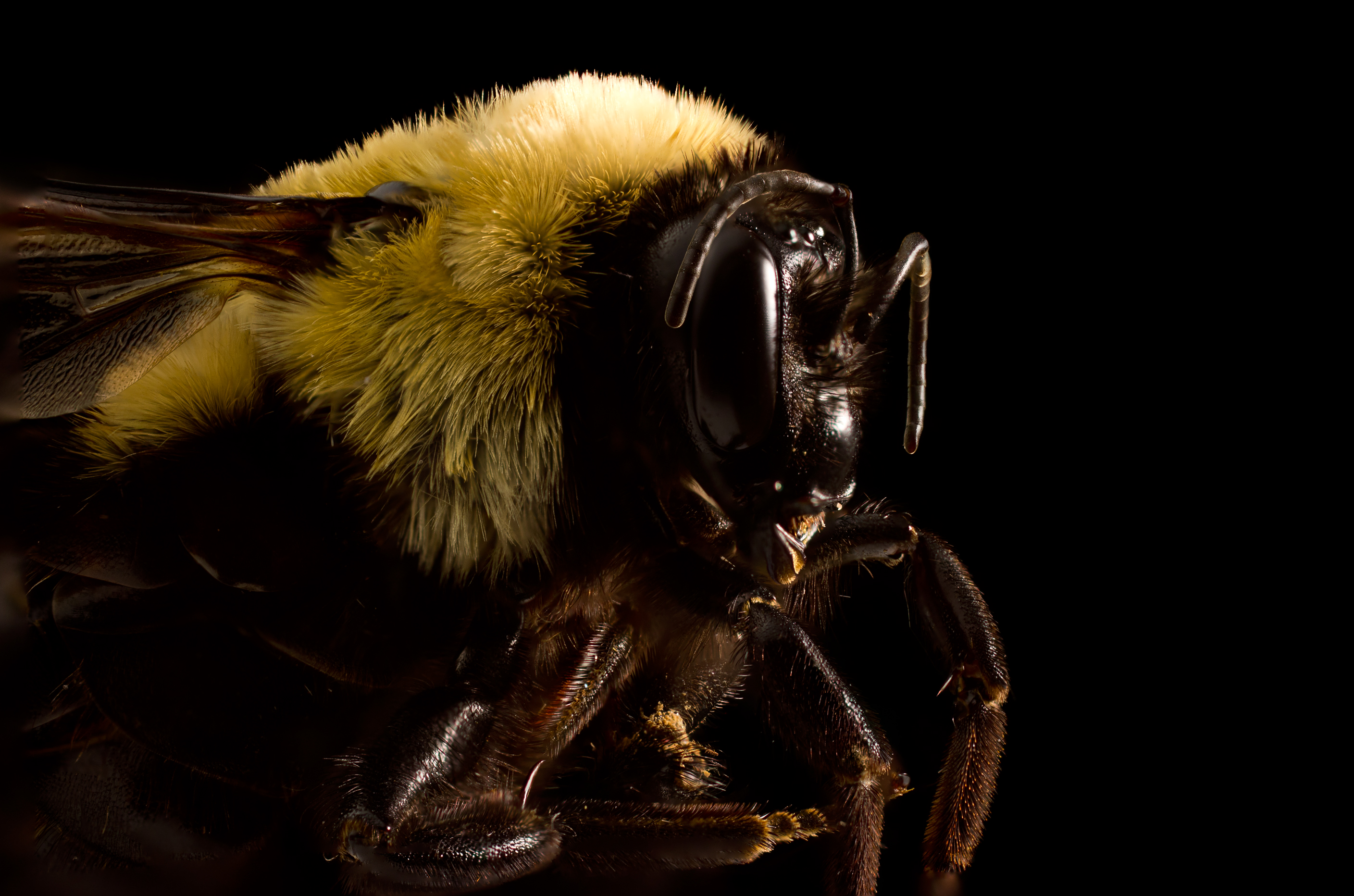
Thus, the behaviour of nest-searching queens can be a sort of proxy for – or indicator of – nesting habitat quality, and counts of nest-searching queens have been found to provide a positive indication of good nesting habitat, i.e. where bumblebee nests are likely to be found later in the year (O’Connor et al., 2017).
A National Bumblebee Nest Survey, carried out in the early summer of 2004 by 719 volunteers, during early summer 2004, found that domestic gardens provide important nesting habitat for bumblebees in the UK (Osbourne et al., 2007). This study showed that garden habitats are favoured for nesting by bumblebees because they often have a high diversity of plant species and flowering times, and provide nectar and pollen sources throughout the spring and summer.
The life-cycle of bumblebees is beautifully illustrated in a paper by Sarro et al. (2022) – below –
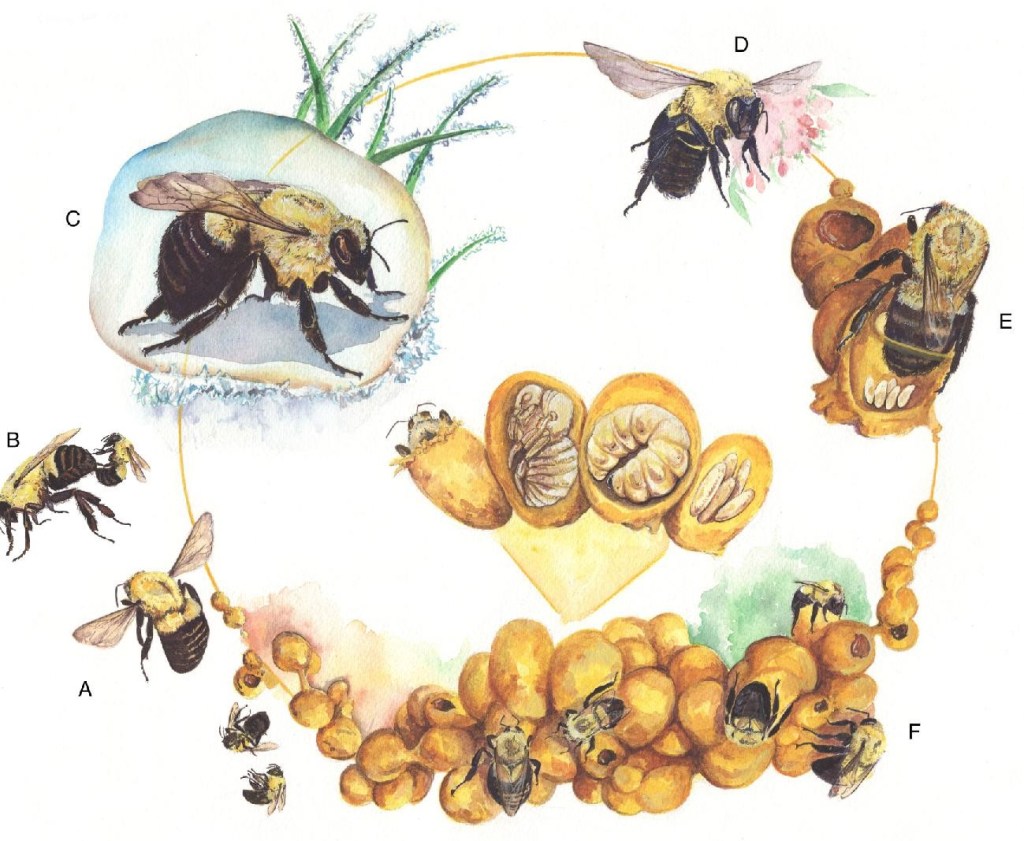
When the queen bumblebees have found a suitable nesting site, they furnish it with a marble-sized ball of pollen and a single wax cell, which they fill with nectar. The queen lays her first clutch of between six to 16 eggs in the pollen ball and then incubates them using her body heat (O’Connor, 2013). Who said insects were cold-blooded?
Bumblebees nesting sites
Some species prefer to nest underground, i.e. subteraneously – e.g. Bombus terrestris, B. lucorum, B. lapidarius and B. ruderatus – whilst others prefer to nest on, or just below the soil surface (Kells & Goulson, 2003). These surface nesters include B. hortorum, B. pascuorum, B. sylvarum, B. humilis, B. muscorum and B. ruderarius.
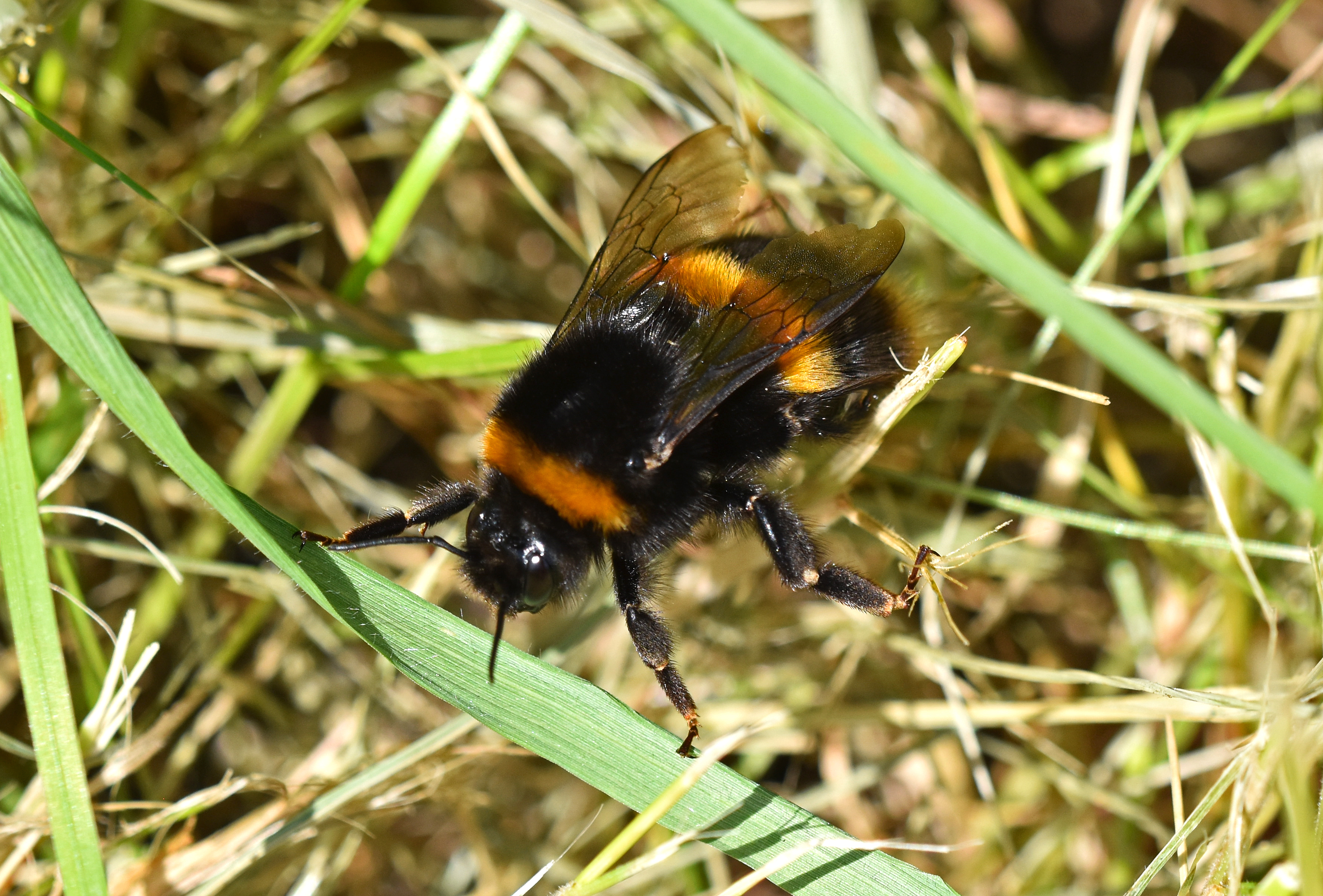
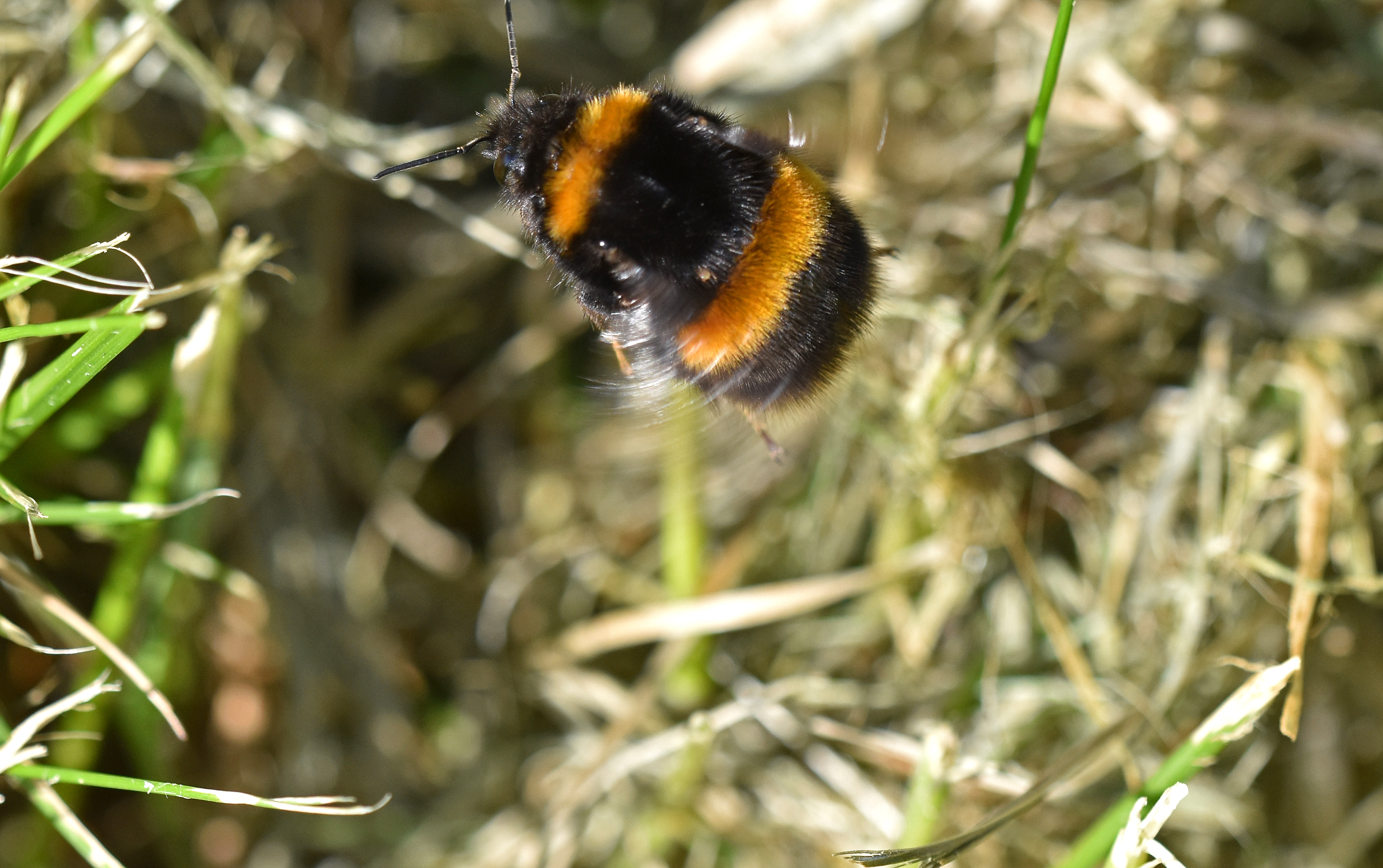
Species such as B. lapidarius and B. pratorum are said to be rather opportunistic in their choice of nest sites, being able to utilise birds’ nests or man-made objects (Kells & Goulson, 2003). Underground nesters like Bombus terrestris and B. lapidarius often use the disused nests of small mammals, and the nesting chamber is usually linked to the surface by a narrow tunnel (Benton, 2006).
Resting: taking a break
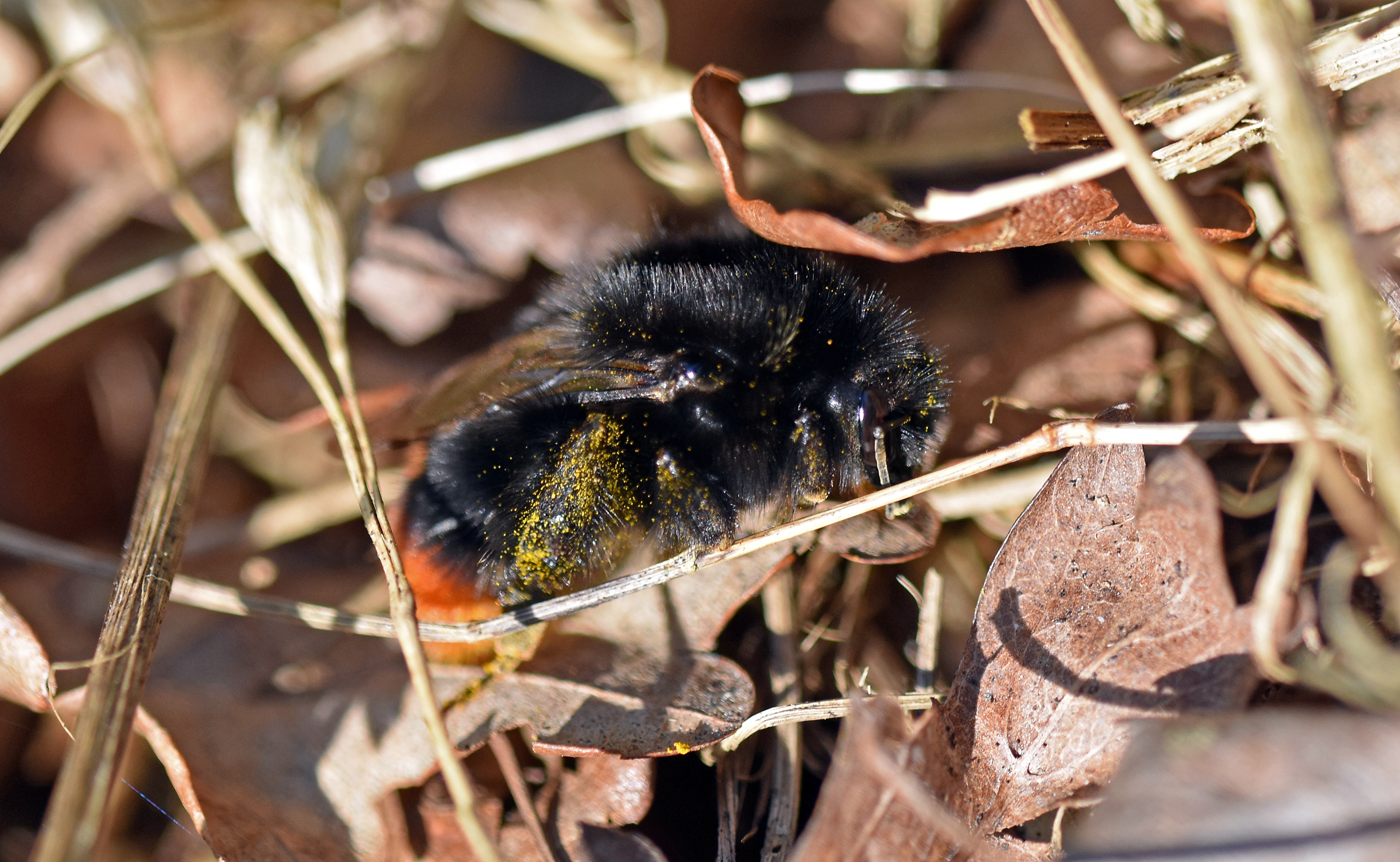
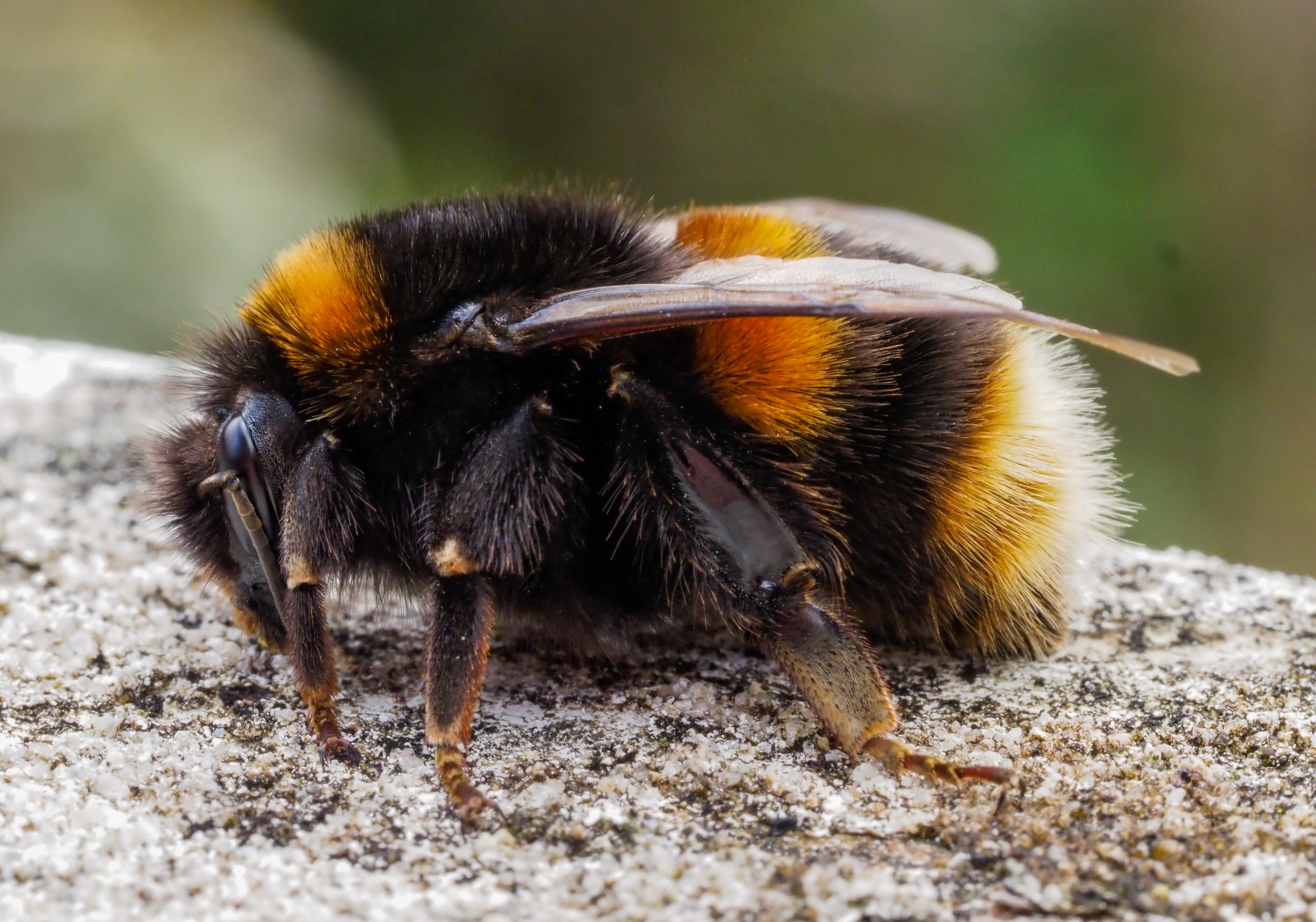
Finally, a study which used harmonic radar to track artificially over-wintered Bombus terrestris queens, found that they spent a large majority of their time resting on the ground, between very short flights (of tens of seconds) (Makinson et al., 2019). However, this was a study of queen bumblebees immediately after emergence from hibernation, rather than nest searching, and furthermore, researchers could not be sure that, between fights, the queen bumblebees were not walking.
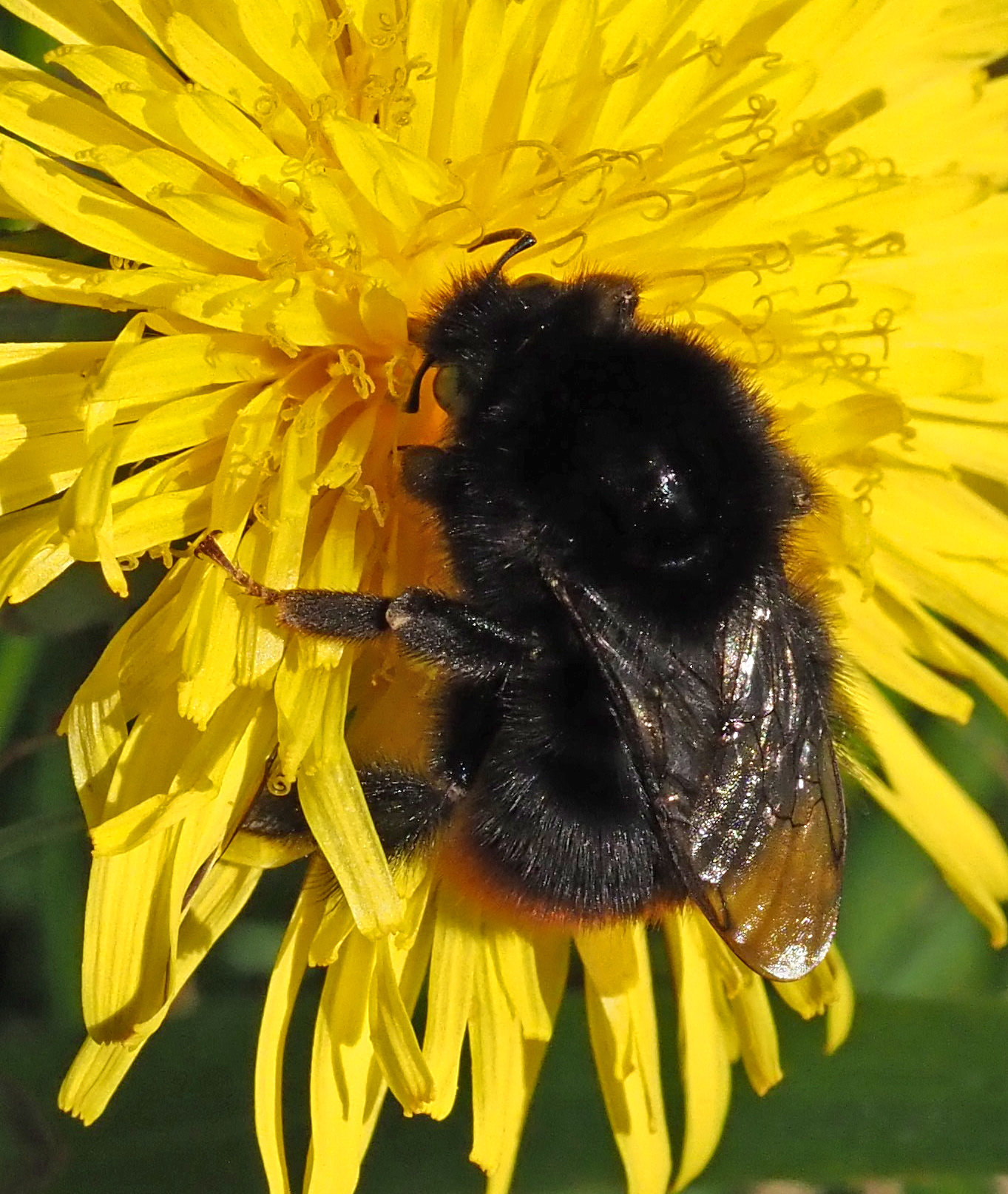
Queen bumblebees also take a break after a bout of nectaring on flowers (see below). Read more here.
Link
References
Benton, T. (2006). Bumblebees: the natural history & identification of the species found in Britain. London: Collins. New Naturalist 98.
Free, J. B., & Butler, C. G. (1959). Bumblebees. New Naturalist 40.
Greil, H., Witt, R., Klaus, F., Erler, S., & Buschmann, H. (2026). Locating nests of endangered bumble bees: Lessons from field trials in northern Germany. Insect Conservation and Diversity, 19(2), 268-279.
Kells, A. R., & Goulson, D. (2003). Preferred nesting sites of bumblebee queens (Hymenoptera: Apidae) in agroecosystems in the UK. Biological conservation, 109(2), 165-174.
Liczner, A. R., & Colla, S. R. (2019). A systematic review of the nesting and overwintering habitat of bumble bees globally. Journal of Insect Conservation, 23(5), 787-801.
Makinson, J. C., Woodgate, J. L., Reynolds, A., Capaldi, E. A., Perry, C. J., & Chittka, L. (2019). Harmonic radar tracking reveals random dispersal pattern of bumblebee (Bombus terrestris) queens after hibernation. Scientific reports, 9(1), 4651.
O’Connor, S. A. (2013). The nesting ecology of bumblebees. Phd The University of Stirling.
O’Connor, S.., Park, K. J., & Goulson, D. (2017). Location of bumblebee nests is predicted by counts of nest‐searching queens. Ecological entomology, 42(6), 731-736.
Osborne, J. L., Martin, A. P., Shortall, C. R., Todd, A. D., Goulson, D., Knight, M. E., … & Sanderson, R. A. (2008). Quantifying and comparing bumblebee nest densities in gardens and countryside habitats. Journal of applied ecology, 45(3), 784-792.
Pugesek, G., & Crone, E. E. (2022). Movement of nest‐searching bumblebee queens reflects nesting habitat quality. Ecological Entomology, 47(5), 719-727.
Sarro, E., Tripodi, A., & Woodard, S. H. (2022). Bumble bee (bombus vosnesenskii) queen nest searching occurs independent of ovary developmental status. Integrative organismal biology, 4(1), obac007.
 Ray Cannon's nature notes