A photographic essay of autumnal wildlife encountered on a walk through the Bedfordshire countryside with my camera on 27th October 2024.
Here we are at the end of October, and life is starting to hunker down for the long winter ahead. Whilst some species – like Ivy bees – disappear relatively suddenly, not to be seen again until next year, others taper out slowly, hanging on until the first frosts of winter kill them off, or drive them into hibernation. And yet others stay active all winter, or at least when sunny days permit them to warm up against the bark of a tree, like some species of flies.
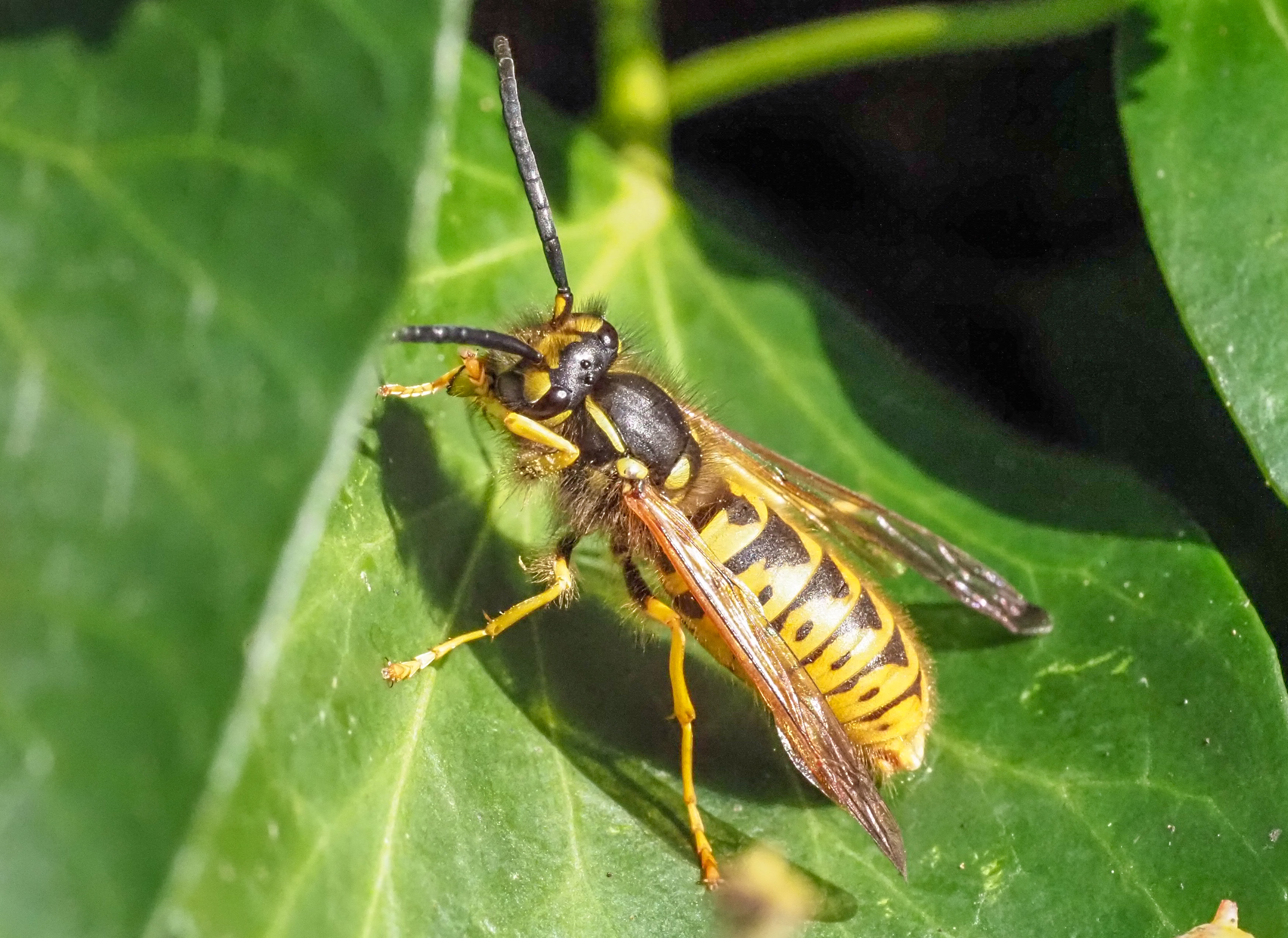
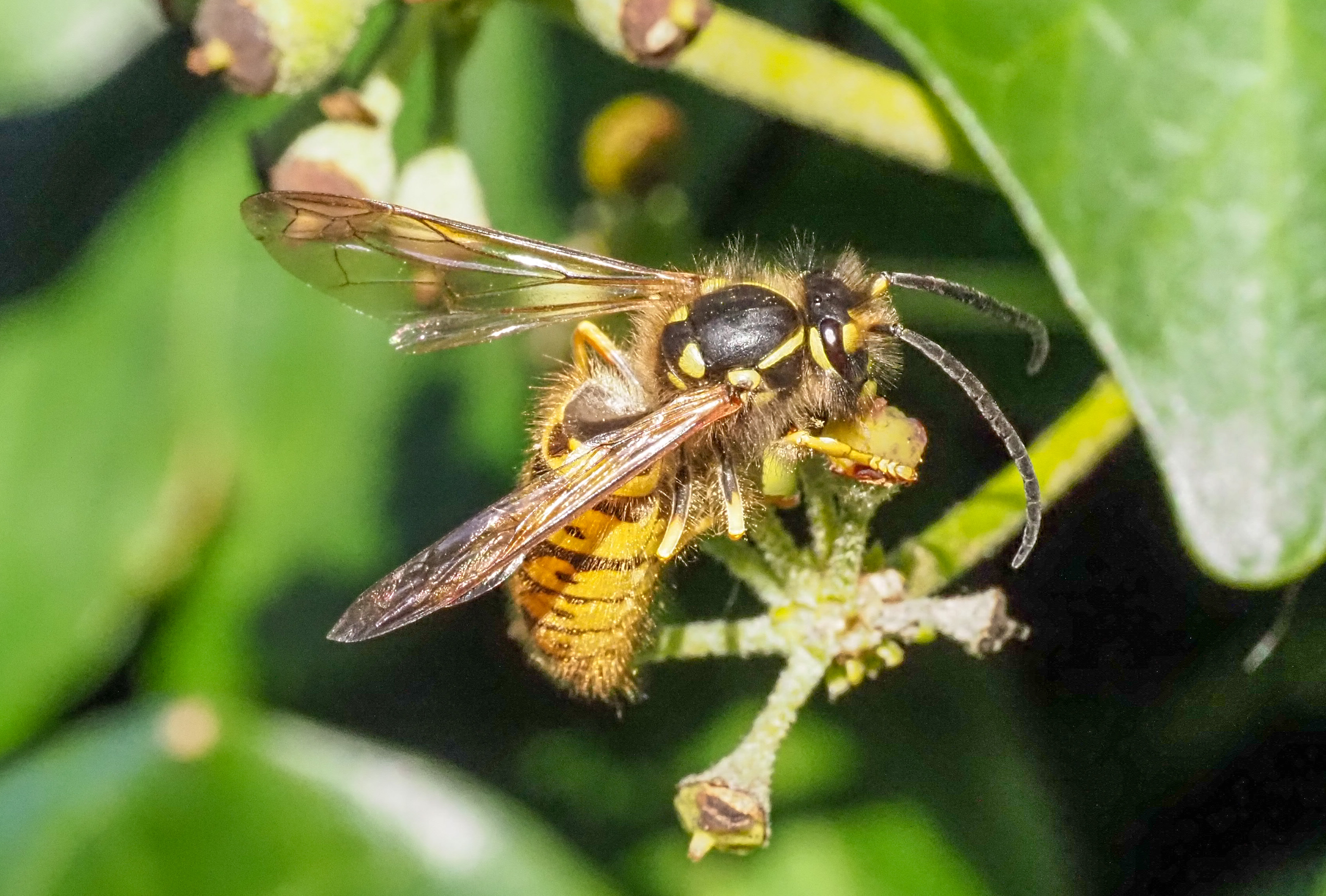
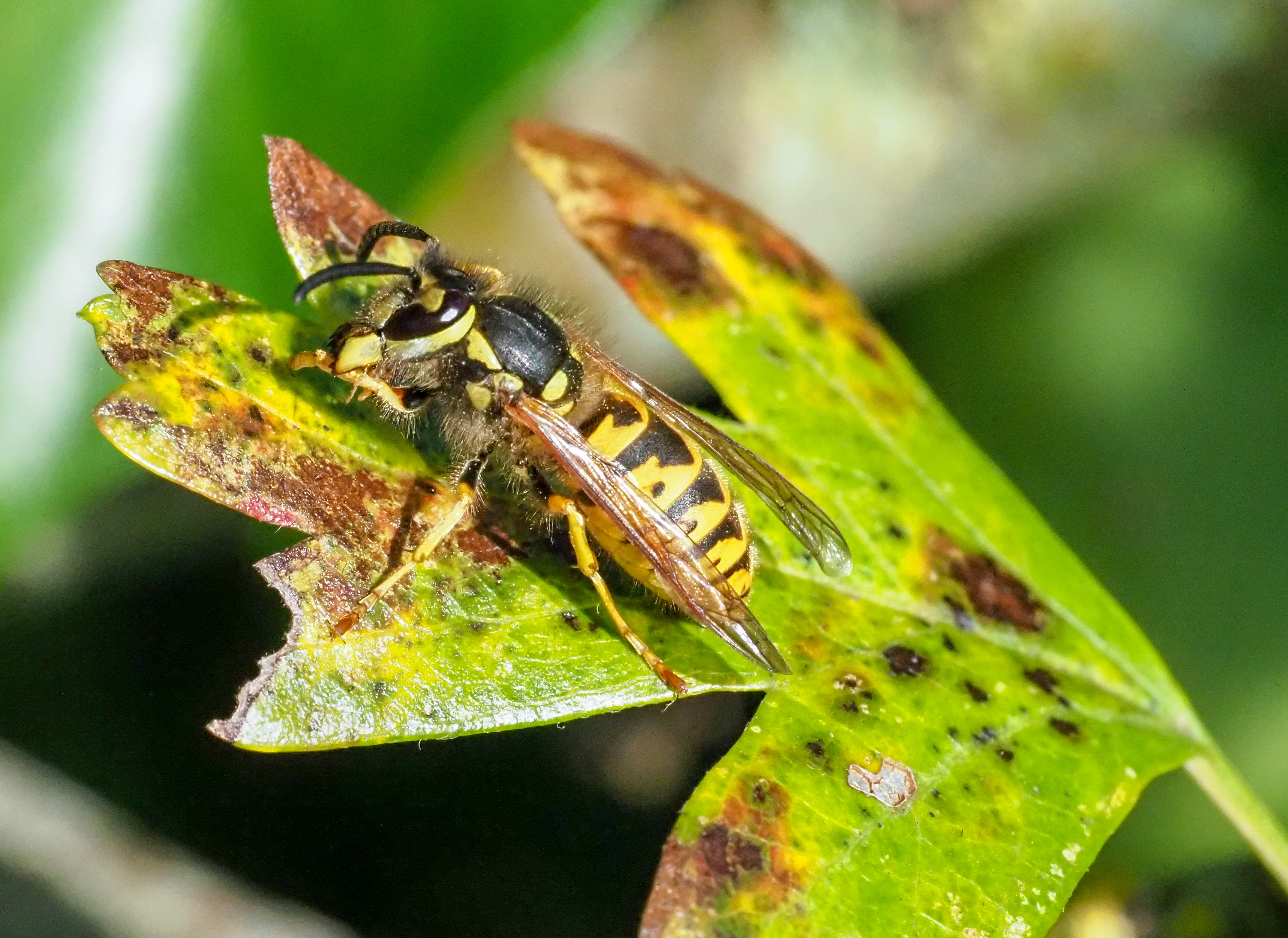
Ivy flowers well into November, and is a good place to find a wide range of insects in the autumn. There were quite a few German wasps (Vespula germanica) feeding on the remaining ivy flowers and then sitting on leaves in the sun, to carefully clean their mandibles and brush the dirt off their antennae. Such fastidious little animals!
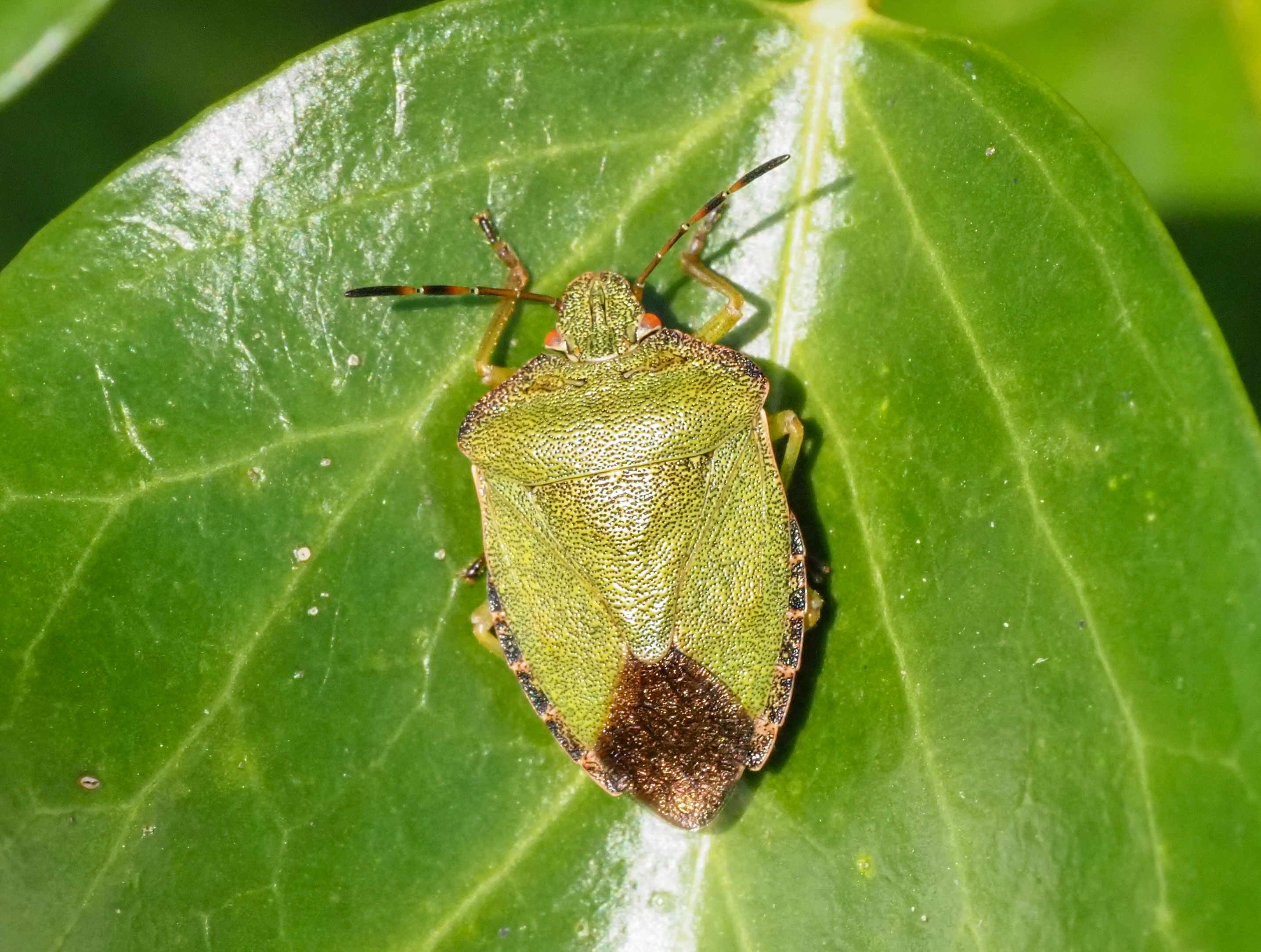
I was also delighted to see this beautiful shieldbug sunning itself on an ivy leaf! Not to be confused with the cosmopolitan species, the Southern Green Shieldbug, Nezara viridula.
Other species nectaring on Ivy were featured in a previous blog: The ivy league! Insects nectaring on Hedera helix.
Walking along the edge of the lake at Felmersham Gravel Pits, I watched the swan family which has been there all summer; sometimes feeding on the green algae in the small back ponds, at other times bending down, tails in the air, to feed on water plants in the main lake.
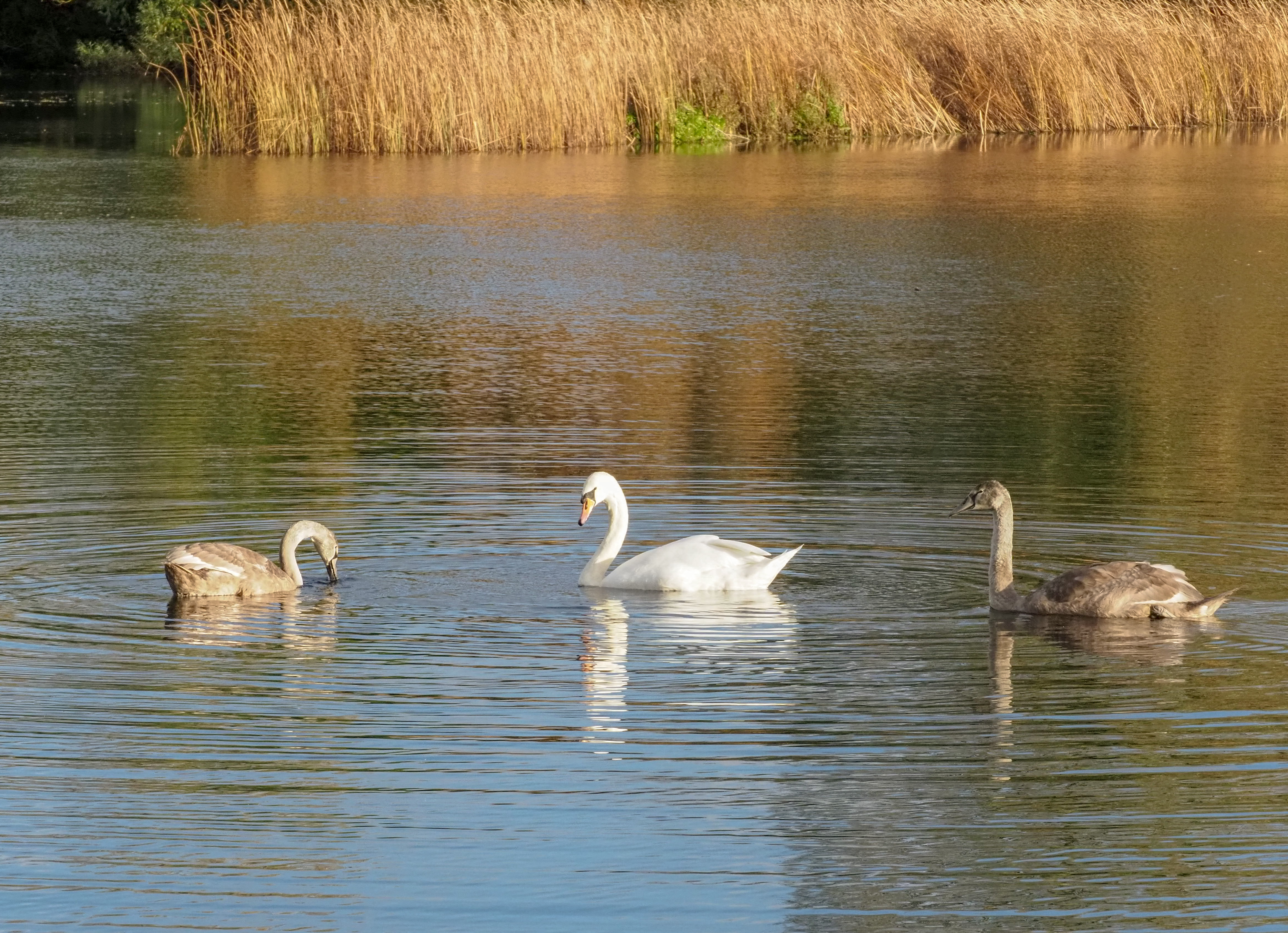
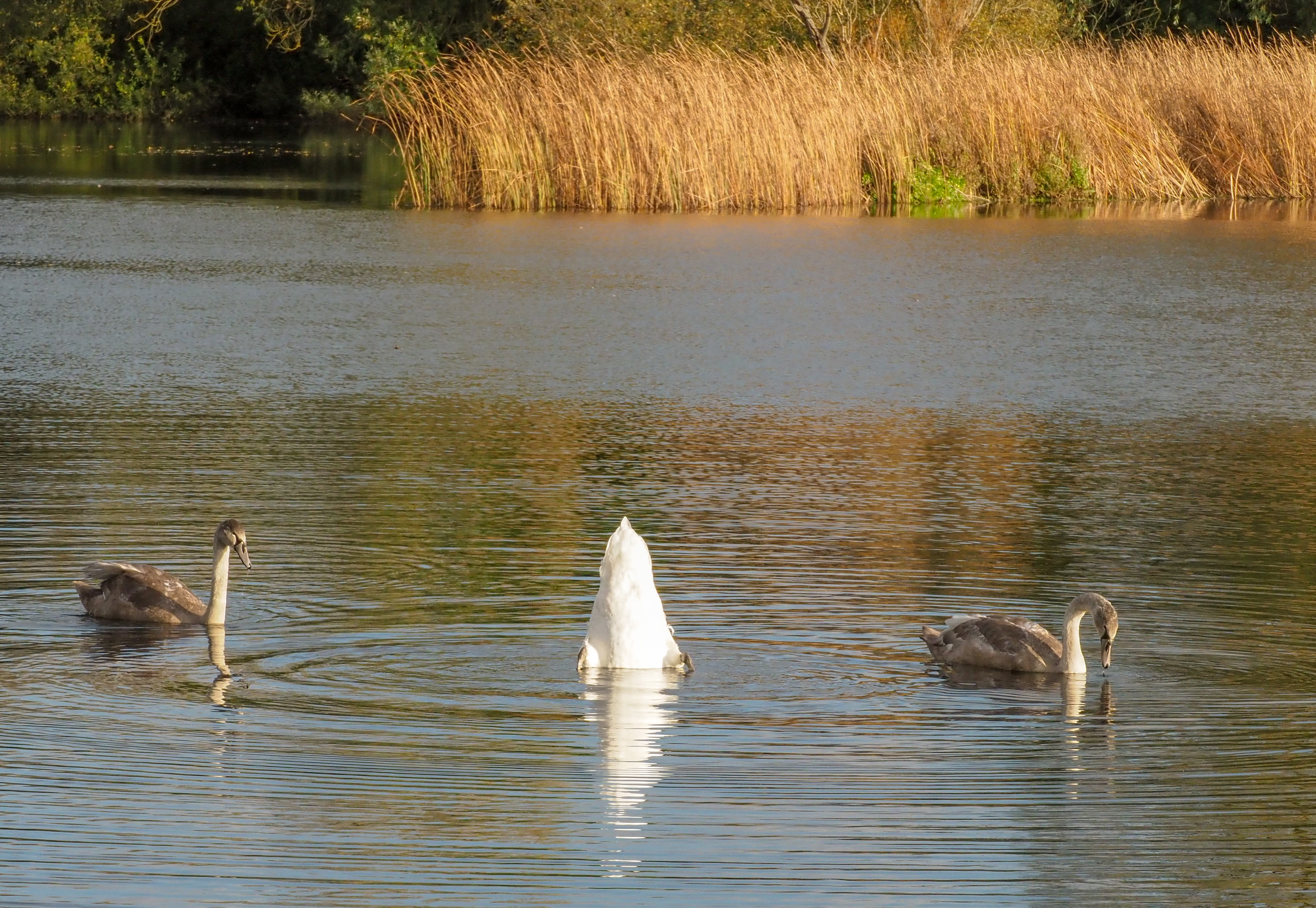
The cygnets will probably leave their parents over the coming months and fly off by themselves to find other swans with which to associate, until their pair up and eventually mate, aged between four and seven years old.
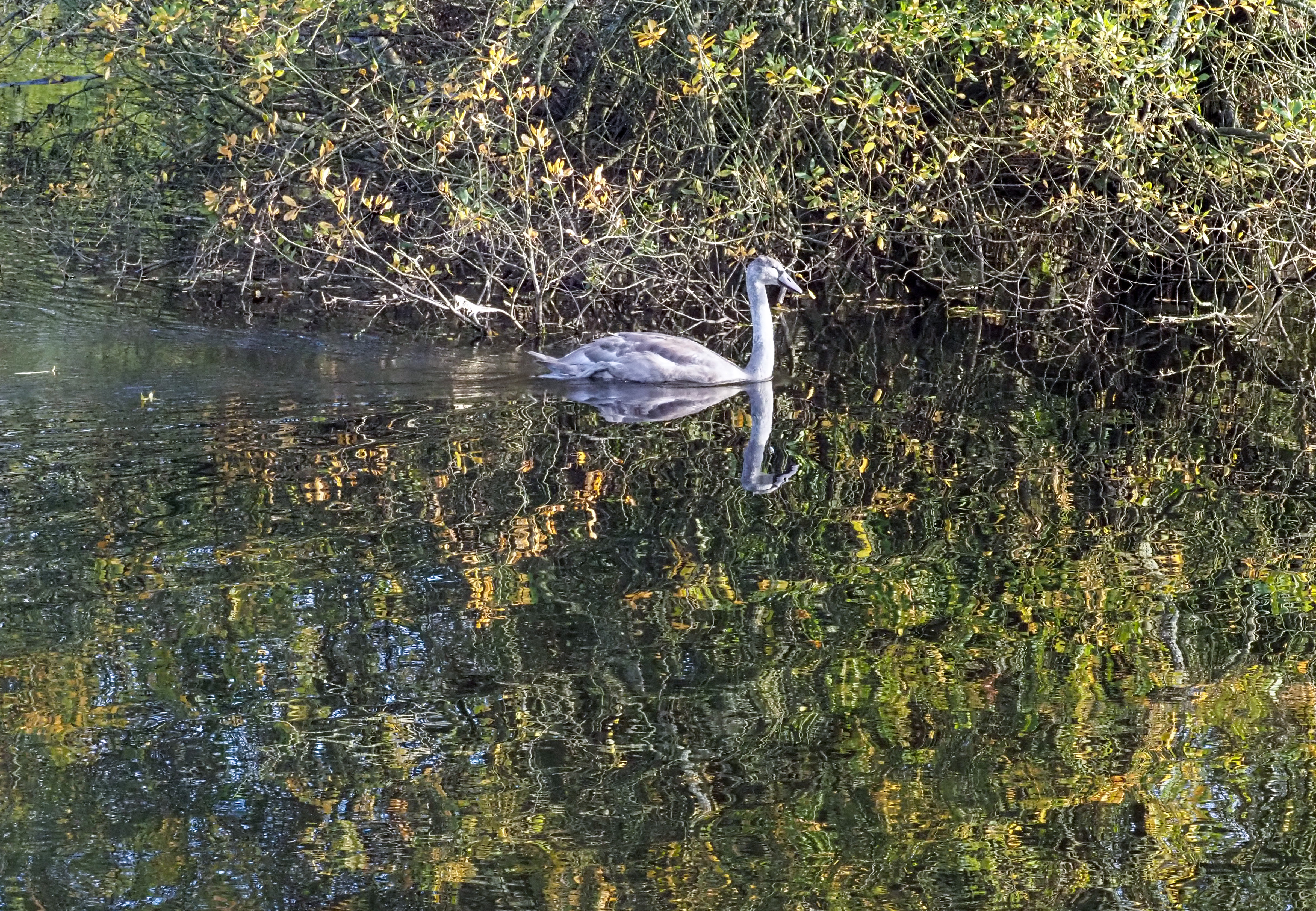
There were still a few dragonflies gliding past as I walked along the lakeside.
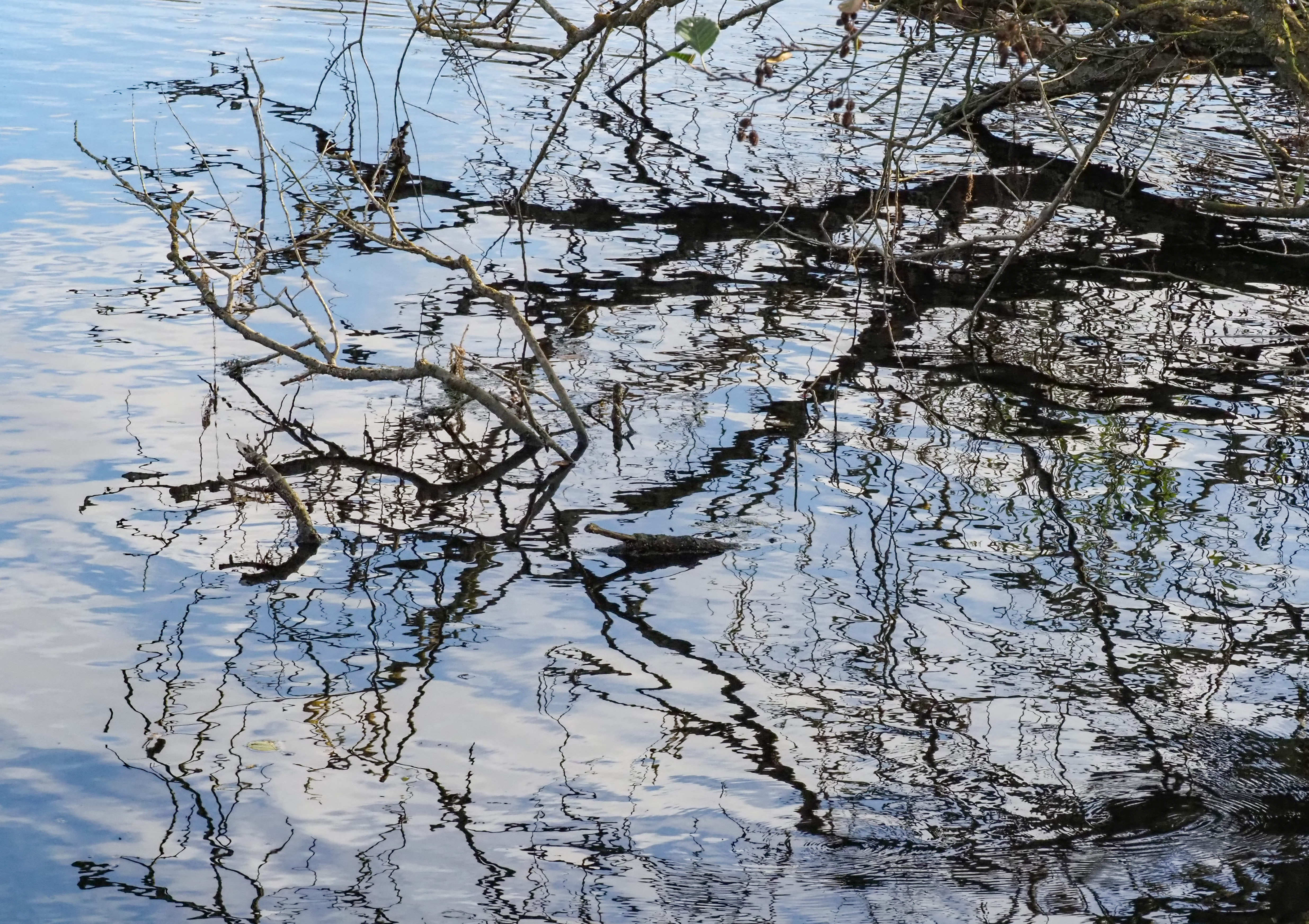
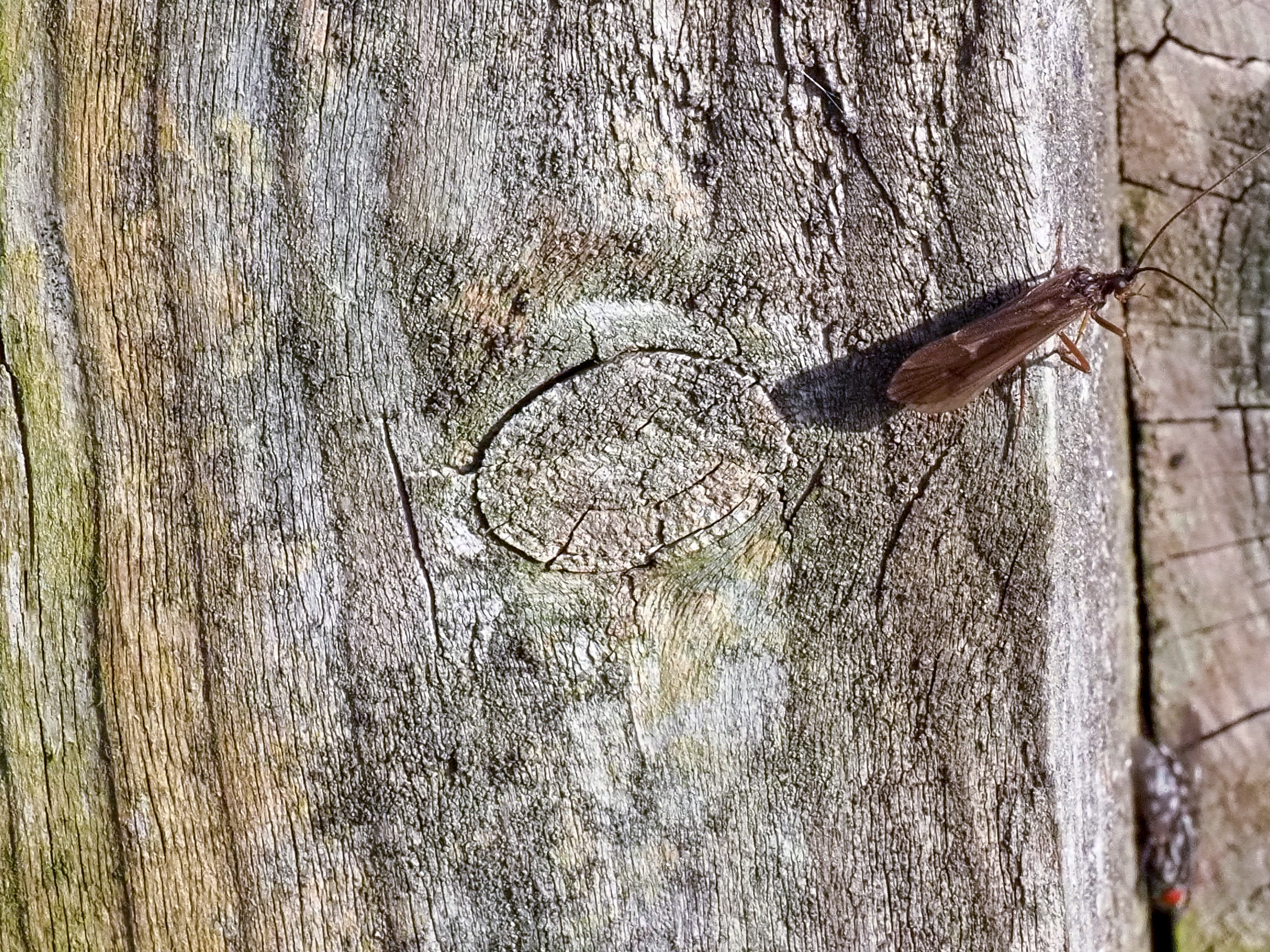
And still a few caddisflies about!
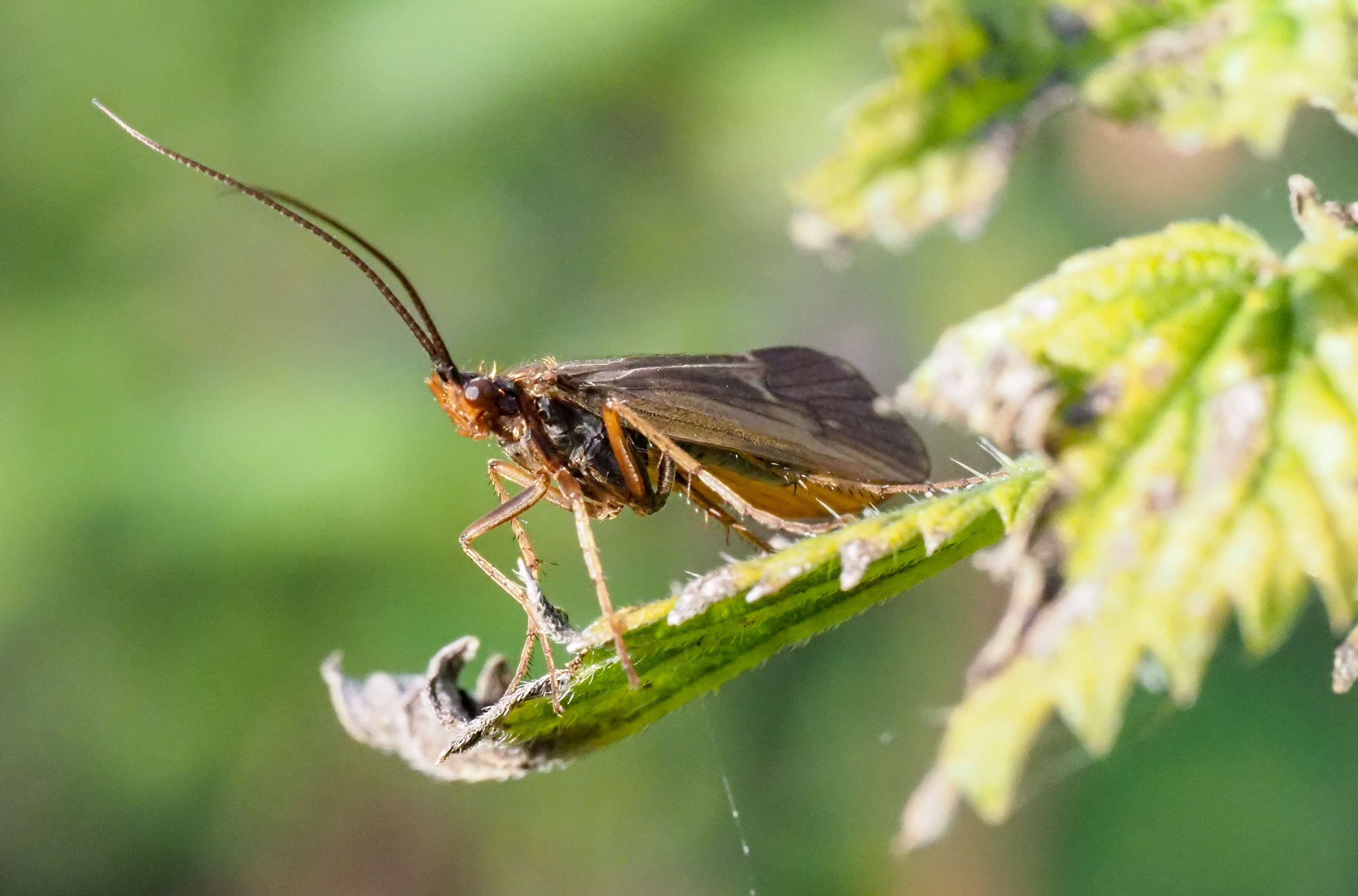
It was good to see quite a few wasps, mainly on ivy; where have they been all summer?
As I passed a crab apple tree, I stopped to see whether there were any butterflies, and lo and behold (!), there was a rather worn Red Admiral nectaring on the fallen apples. These butterflies have taste sensors – contact-chemoreceptor (gustatory) sensillae – on their feet (tarsi), as well as their proboscis (feeding tube) to assess the composition of the fluids in the fruit and to decide whether to eat it! This butterfly might well overwinter under a pile of logs somewhere, and despite having lost some chunks of its right wing, could well survive and emerge to breed in the Spring next year.
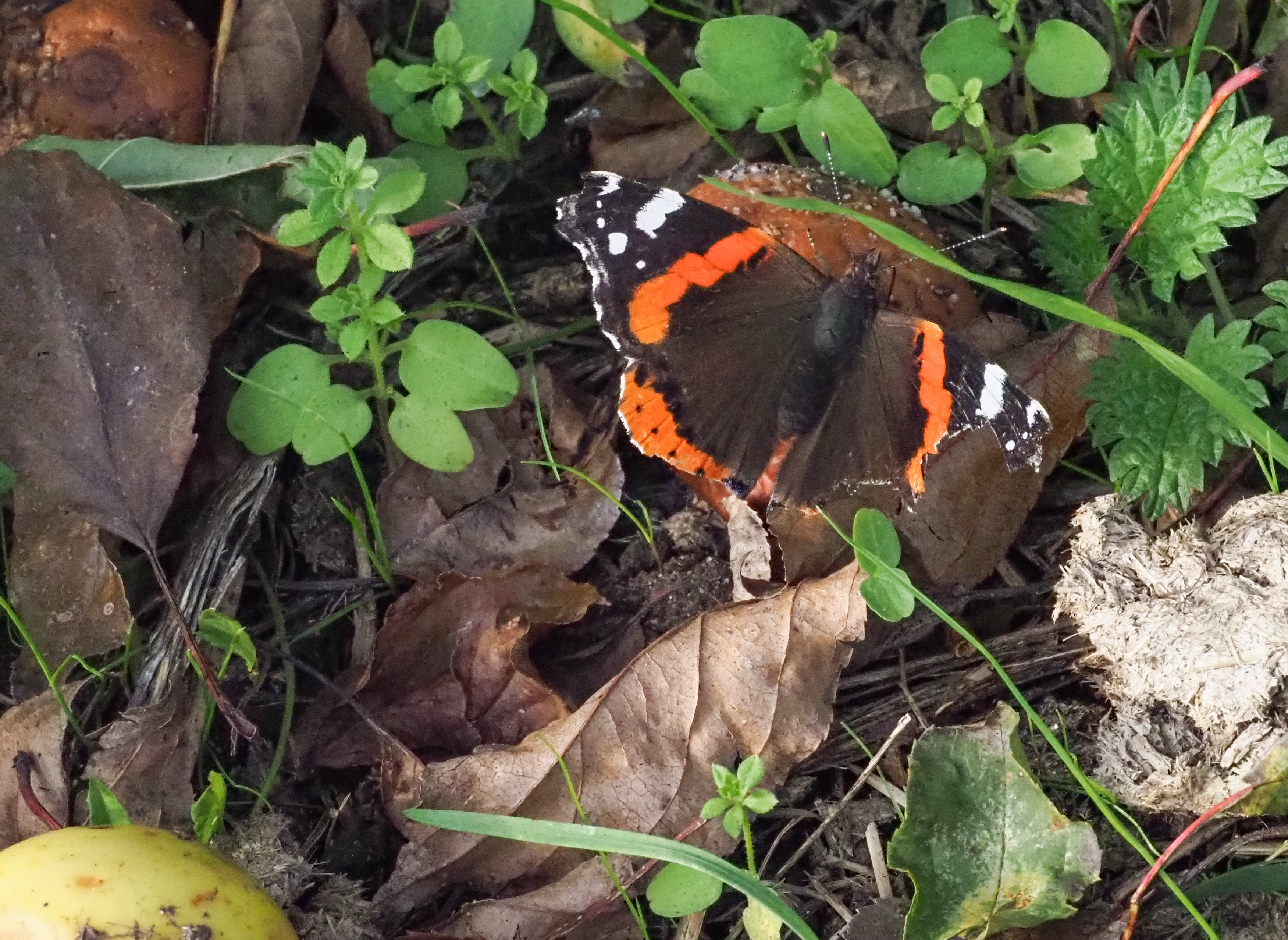
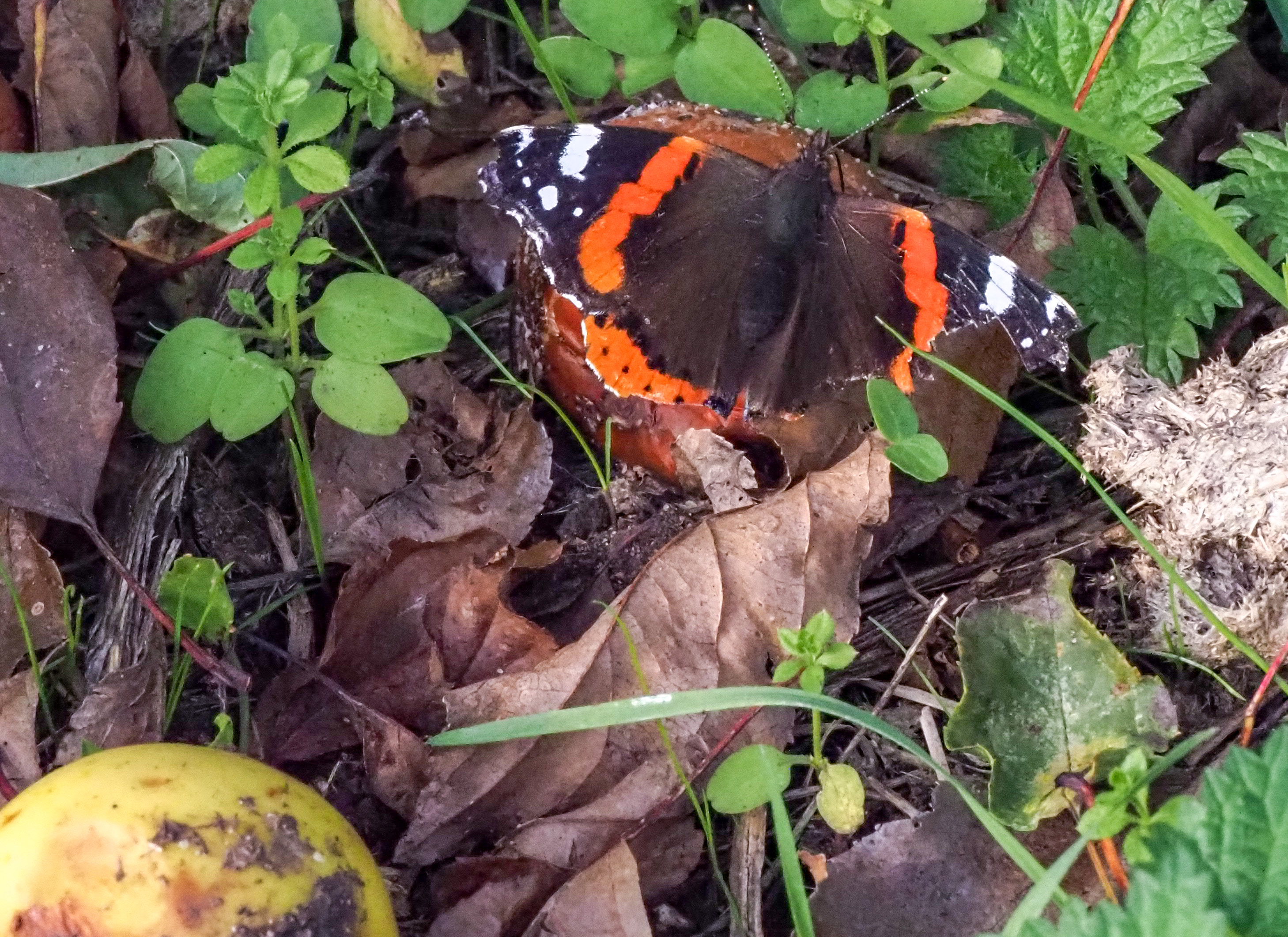
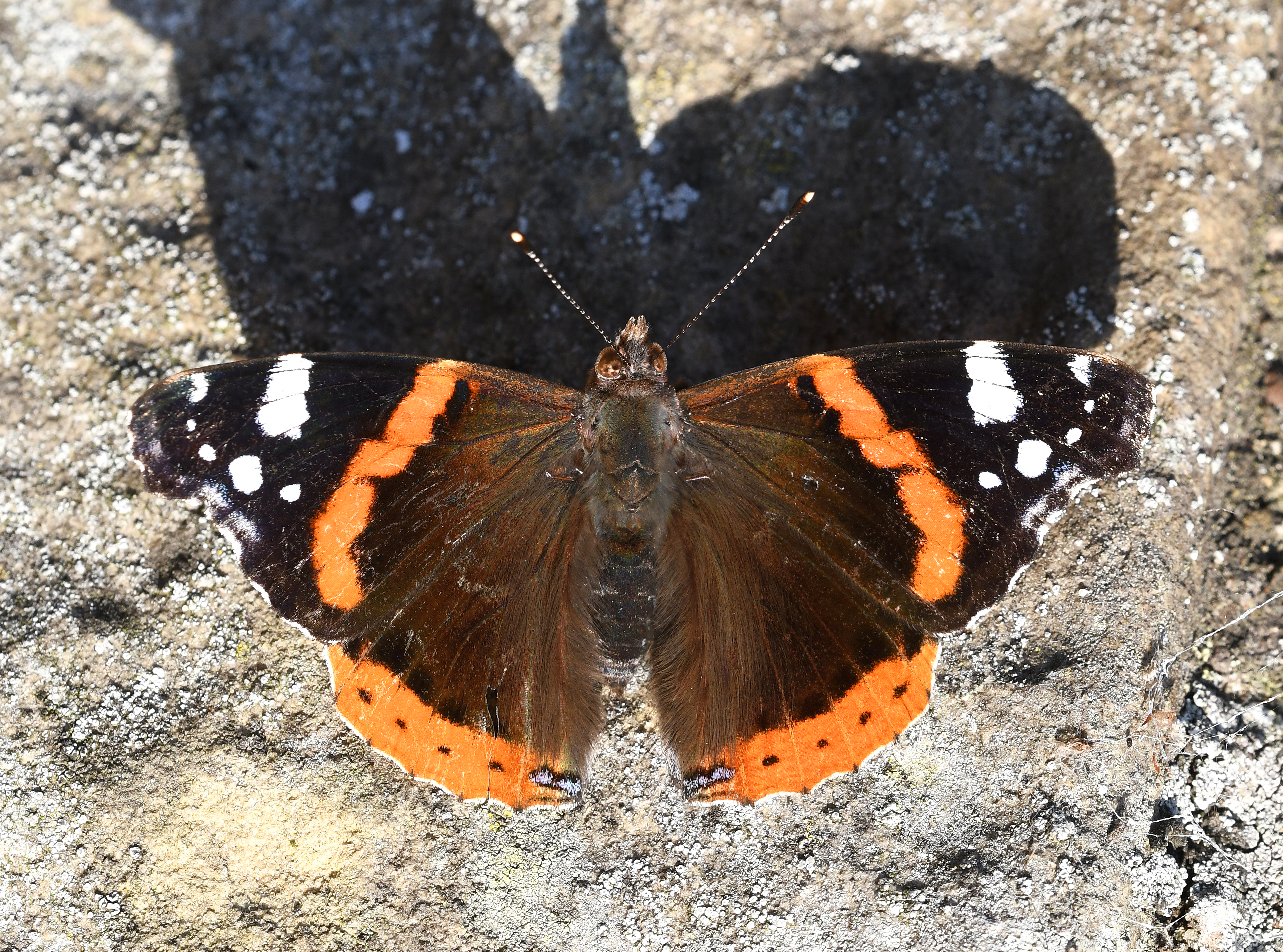
What amazes me about Red Admirals, is how they turn up, year after year, at the same spot, and at roughly the same time, each year! I have blogged time and again about these beautiful butterflies, and how some migrant Red Admirals, Vanessa atalanta, arrive in the UK during May and June each year. I think there is a lot more to find out about the ecology and behaviour of these splendid insects! Here is an image of one on a wall in North Yorkshire on 25th June; immigrant or local? Who knows?
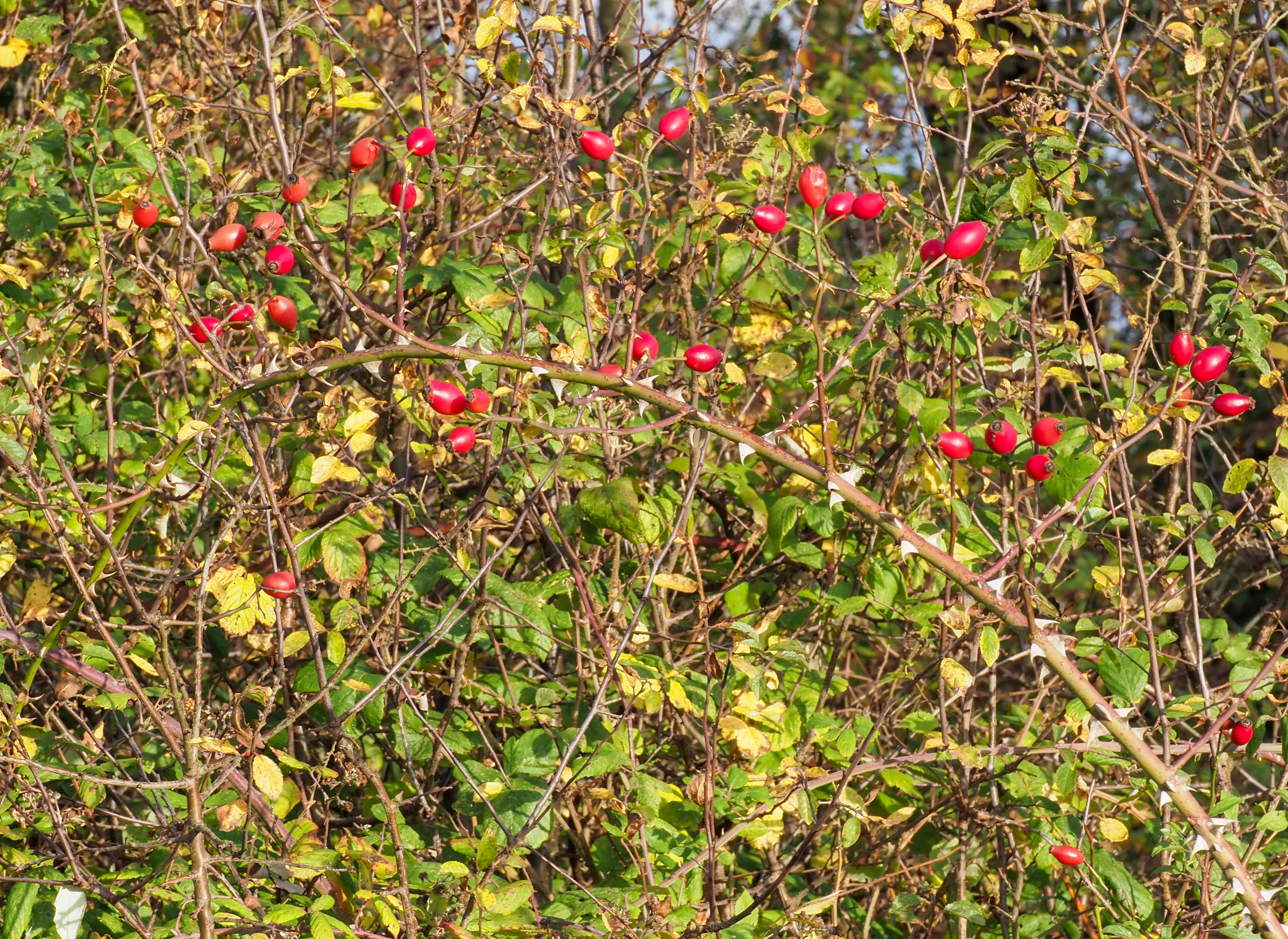
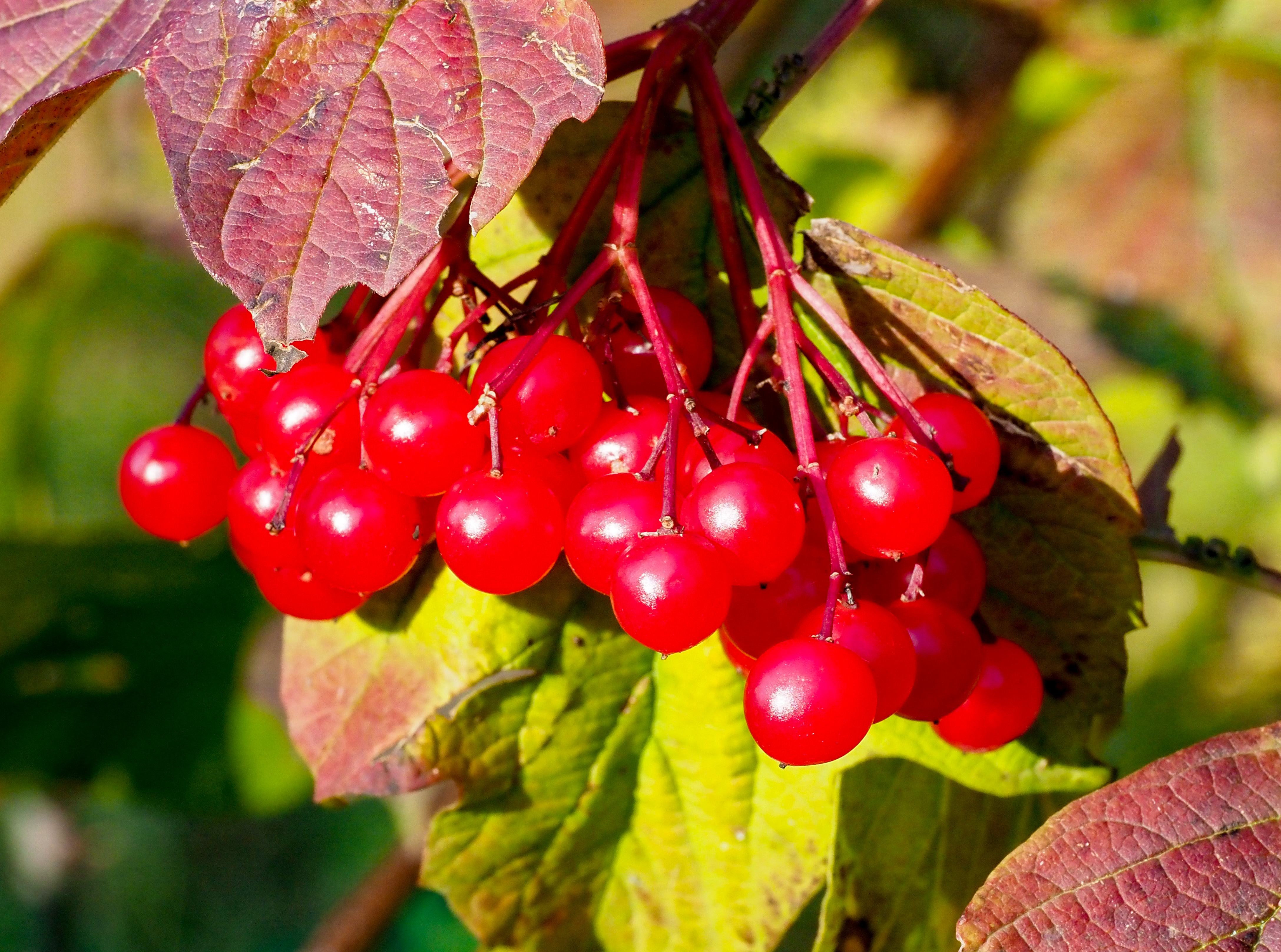
Returning to the autumnal theme, it is lovely to see all the red fruits and berries bejewelling the countryside. Why are so many of them red coloured? Presumably to advertise their presence and availability to birds. They are saying come and eat me, spread my seeds far and wide. And then there is the chemistry of it all: anthocyanins etc. There are also plenty of black and blue fruits as well! See here.
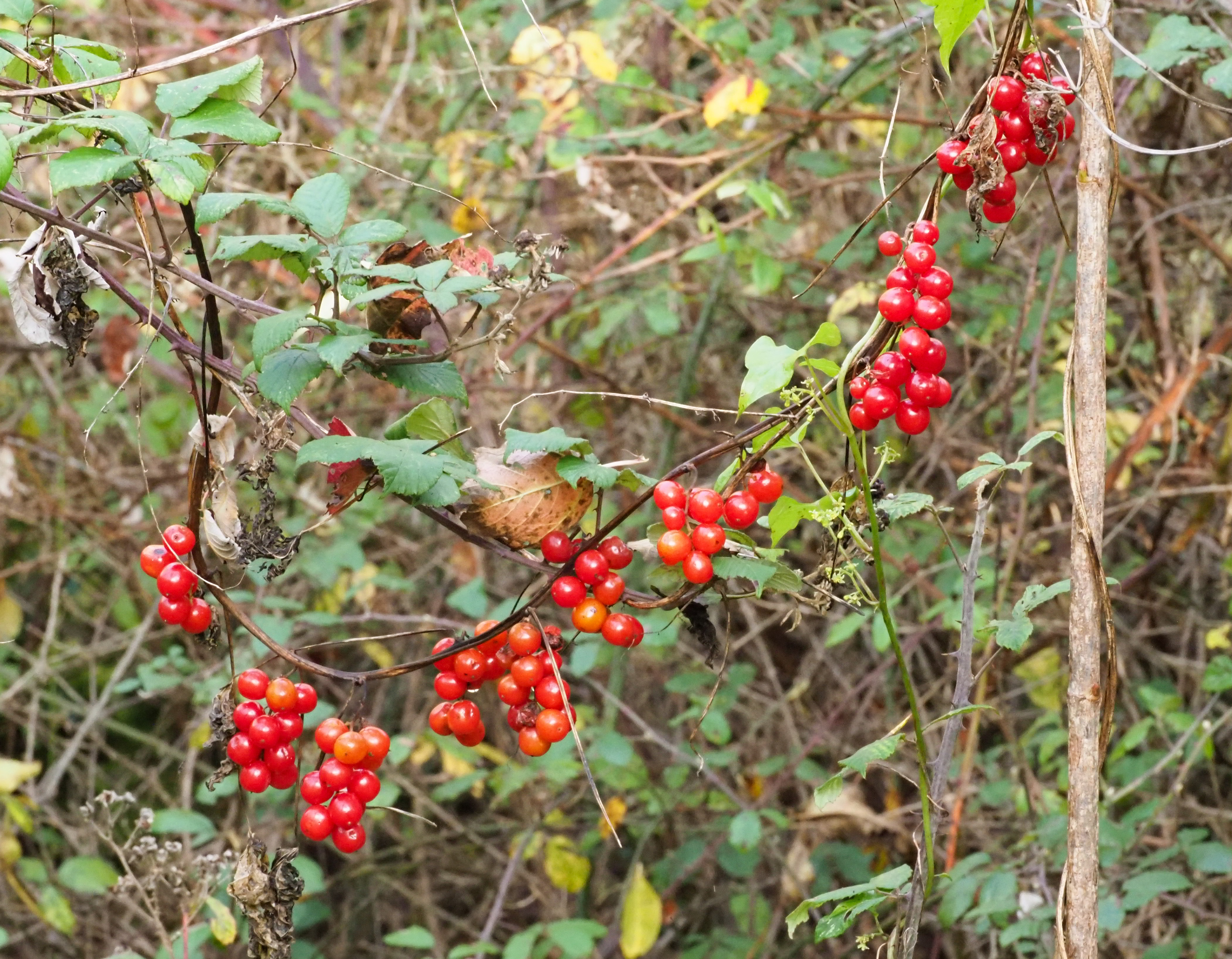
Some red berries are poisonous of course! Most are at least distasteful for humans, but the shiny red berries of Black bryony (Dioscorea communis) are poisonous! As well as containing calcium oxalate crystals, which can cause severe irritation, they are also chock-a-block with toxic compounds like, 7-Hydroxy-2,3,4,8-tetramethoxyphenanthrene, and a host of other phenanthrenes! These compounds probably evolved for a variety of reasons – e.g. protection of the seeds in the soil – and some newly isolated phenanthrene compounds have been discovered to have cytotoxic, antimicrobial, anti-inflammatory, and antioxidant effects! Plants have some magic chemicals up their sleeves! Looking like a discarded necklace, they may turn out to contain a new anticancer agent!
A nice find on a bramble leaf, was this pretty little fly: Helina impuncta (Muscidae); a species which breeds on cow dung. I got the identification wrong at first, but was kindly helped by the people of the Facebook site, UK Diptera site. So useful to be able to post your photos and get an informed diagnosis!
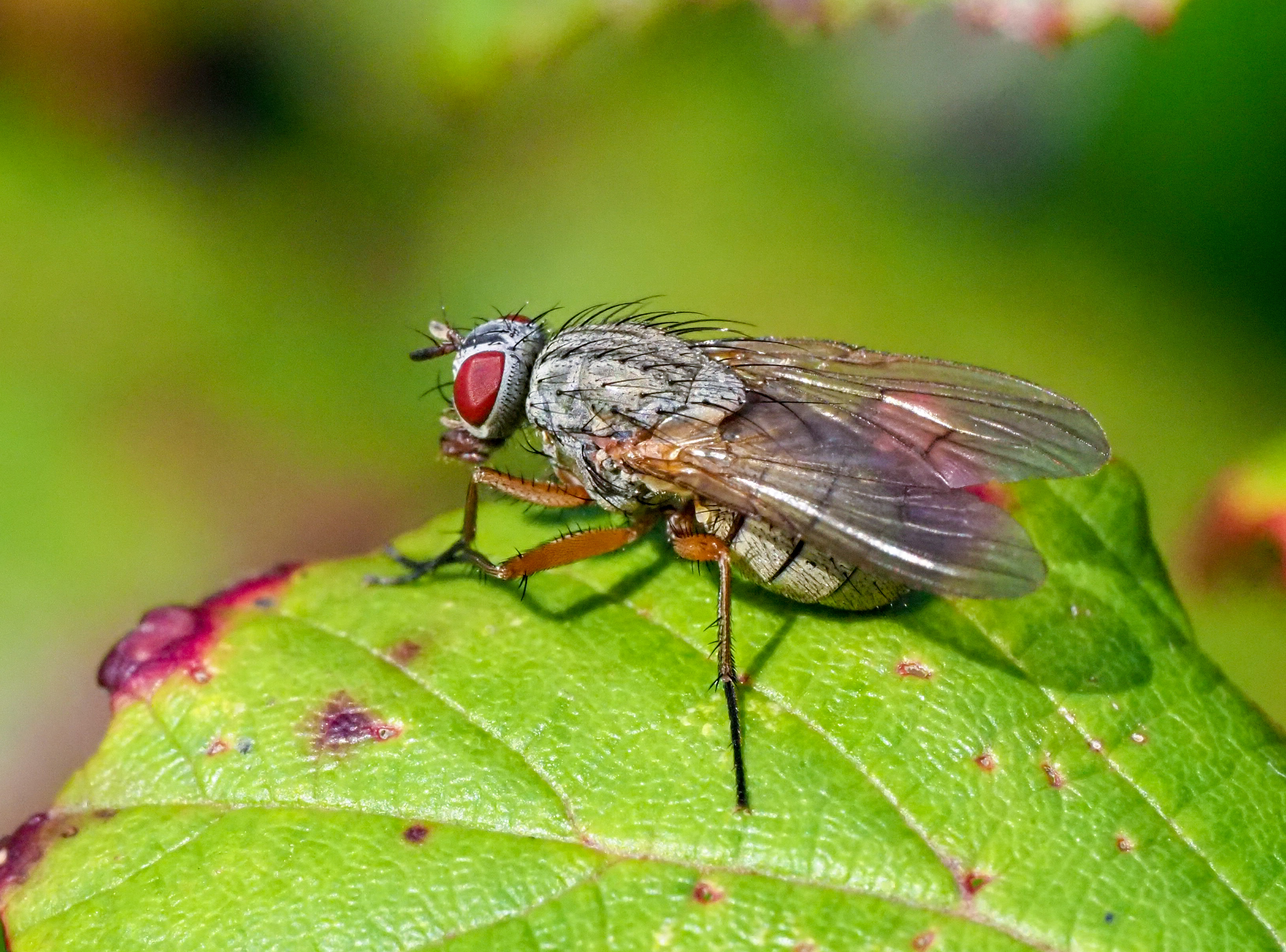
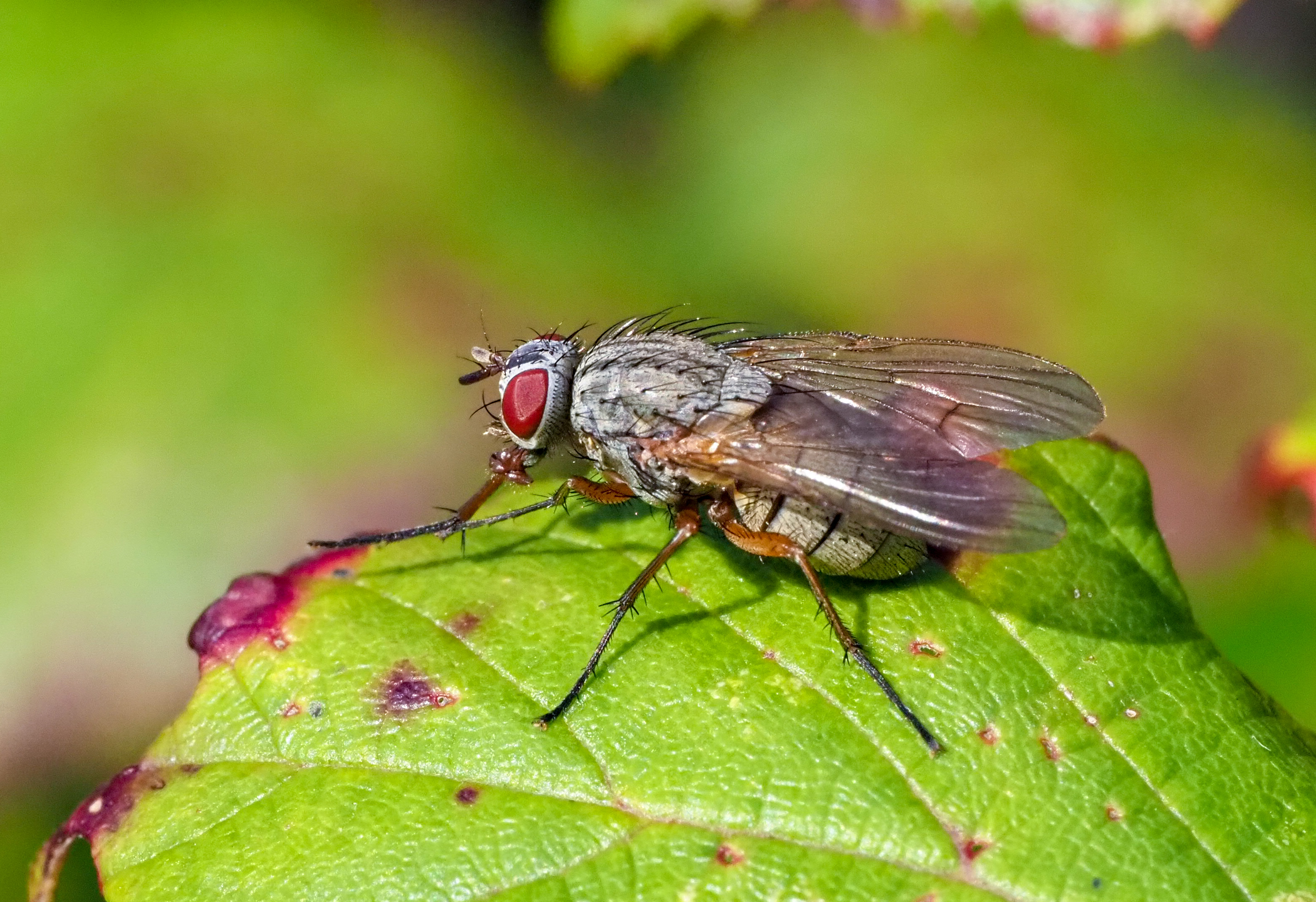
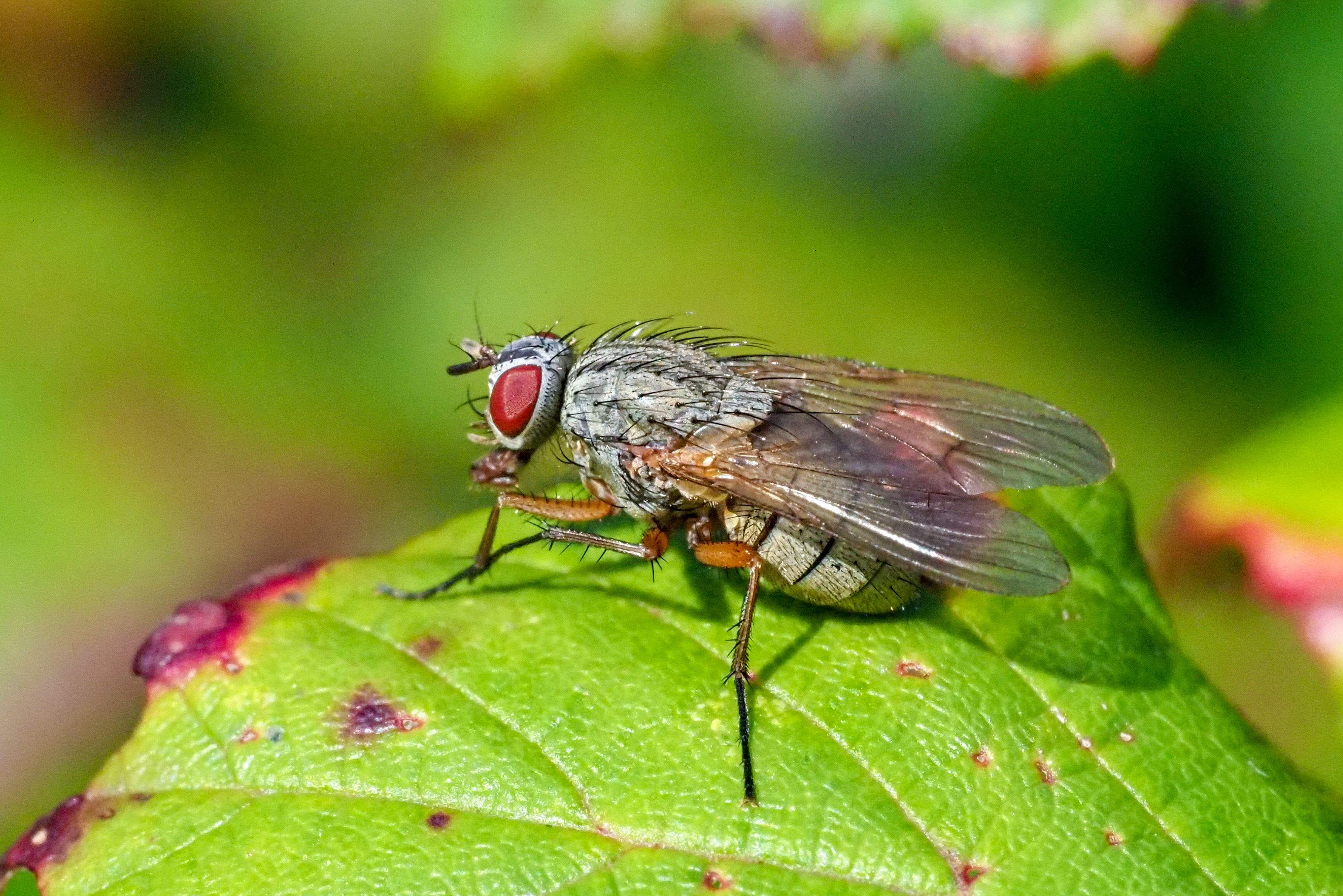
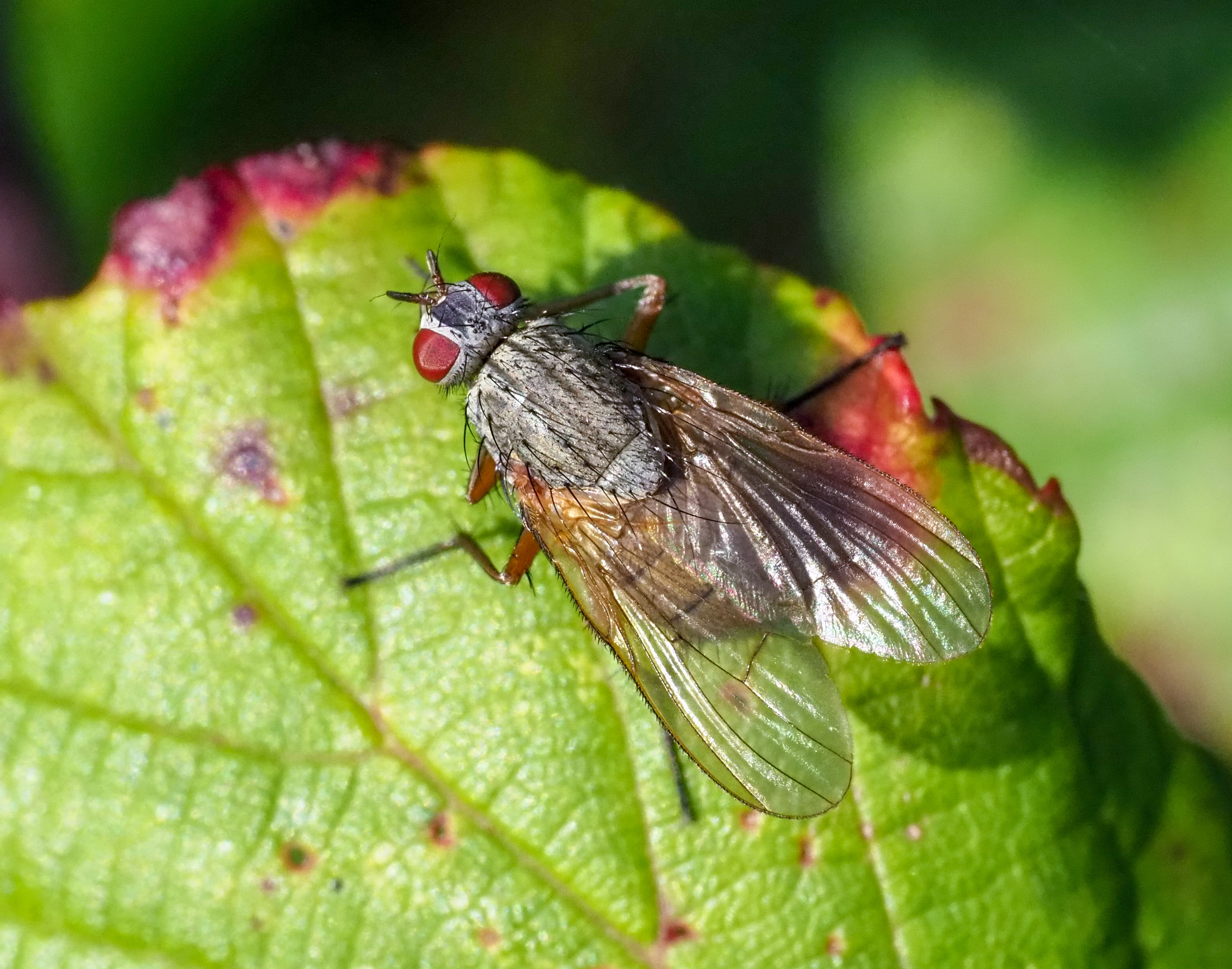
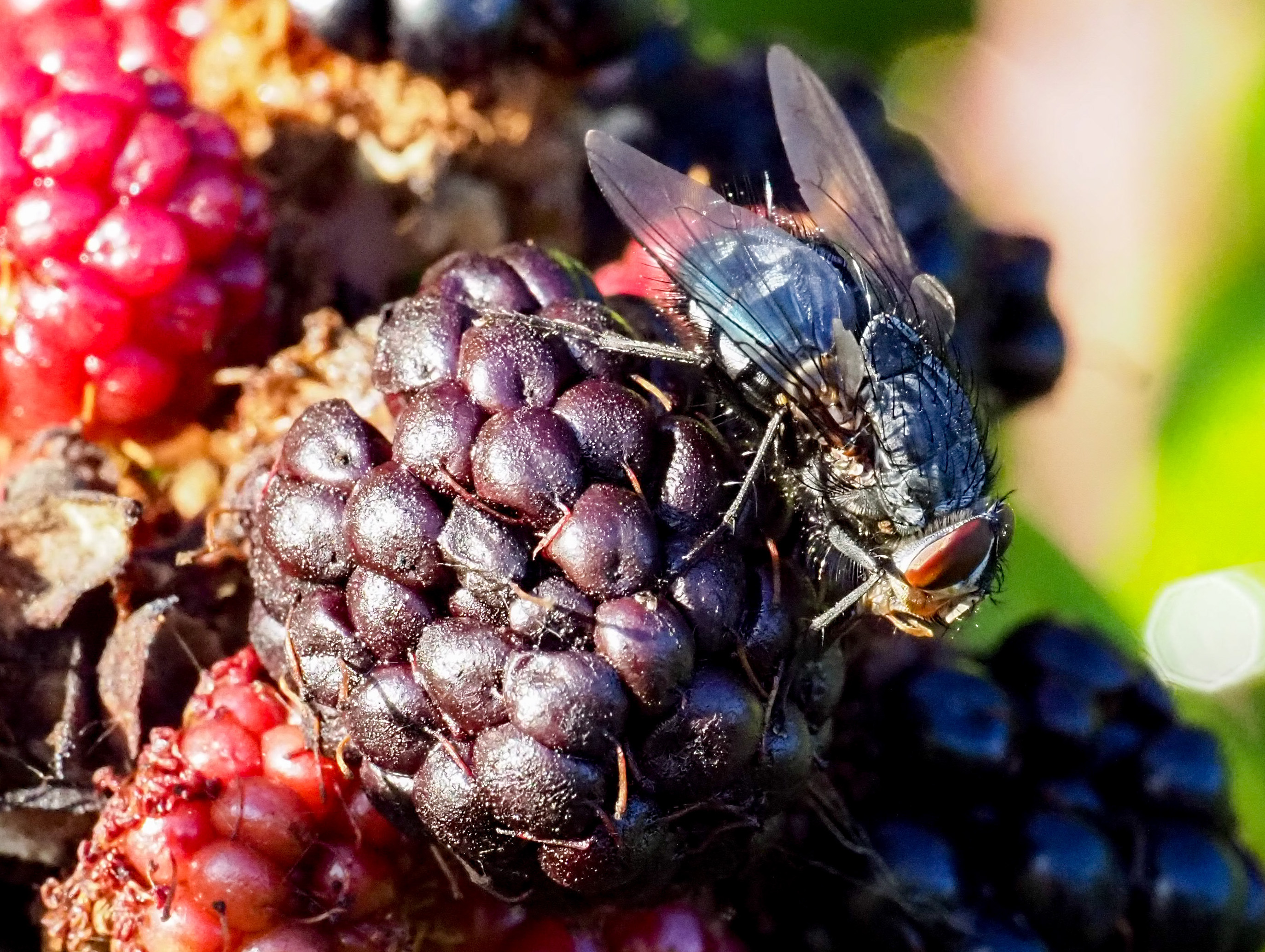
I came across its ‘cousin’ – a congeneric species to be precise! – last month: Helina evecta (see below). Nectaring on blackberries, which are still around in some places.
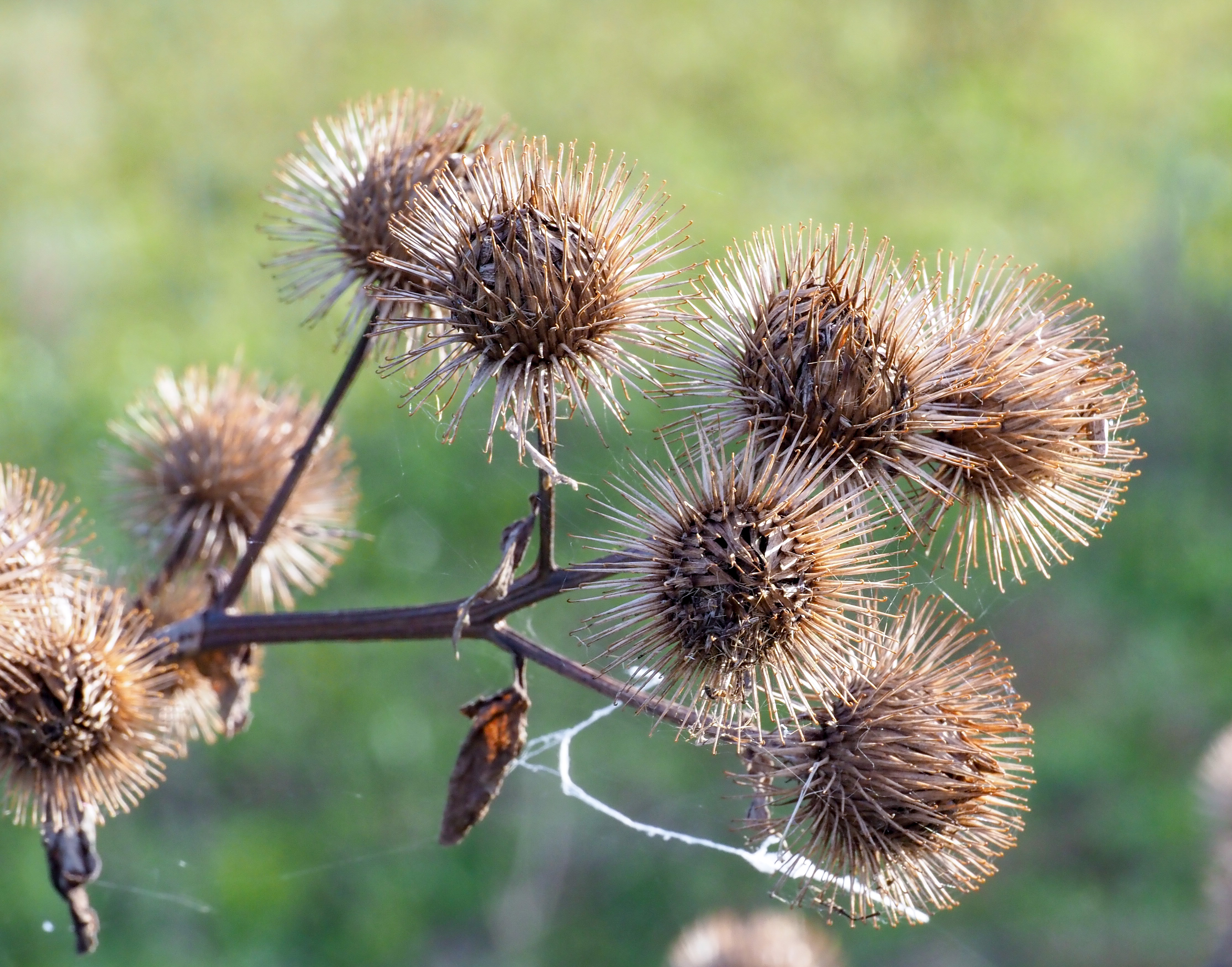
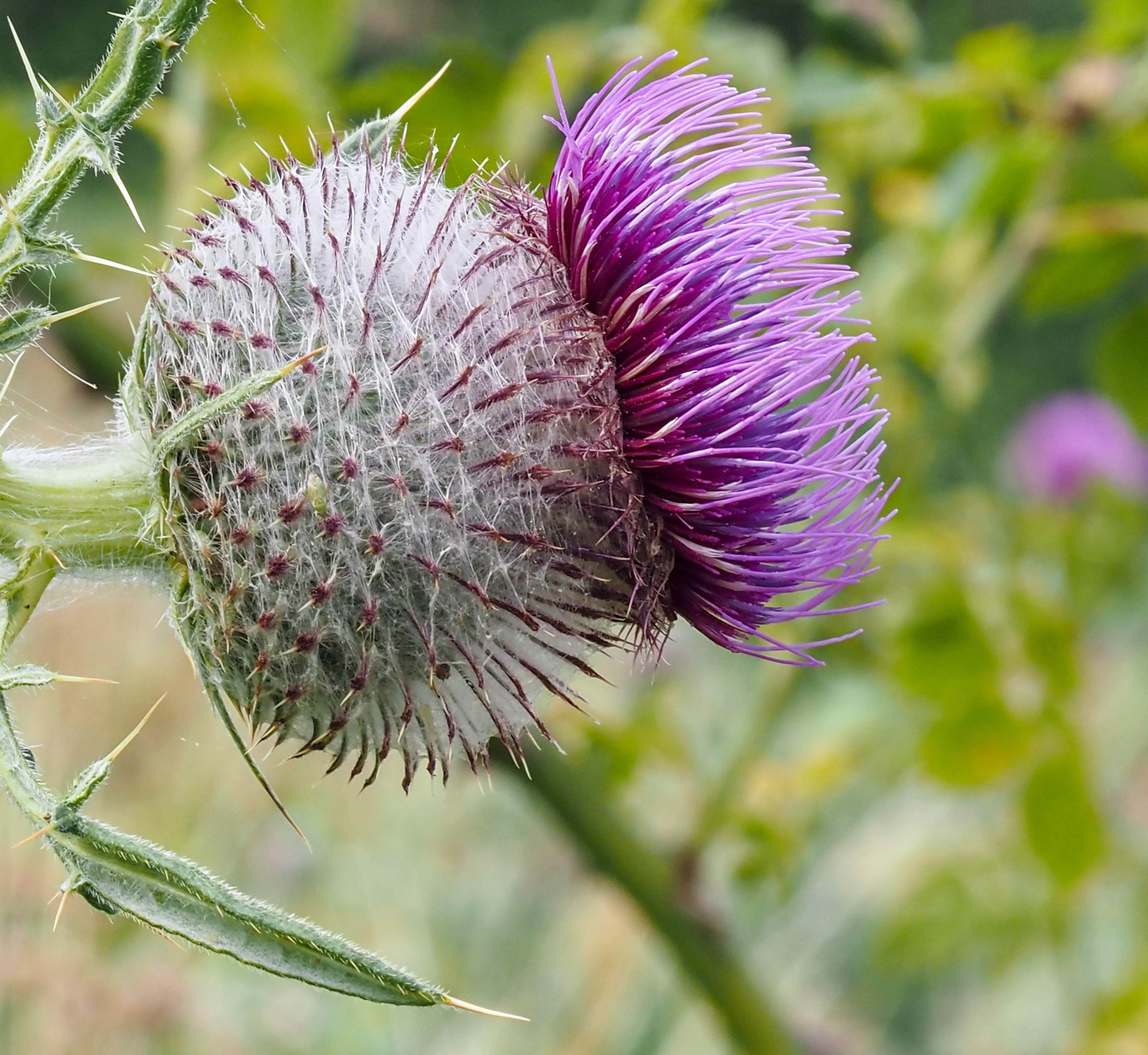
Thistles are a shadow of their former selves! But still nice, I think, in a prickly, seedy sort of way!
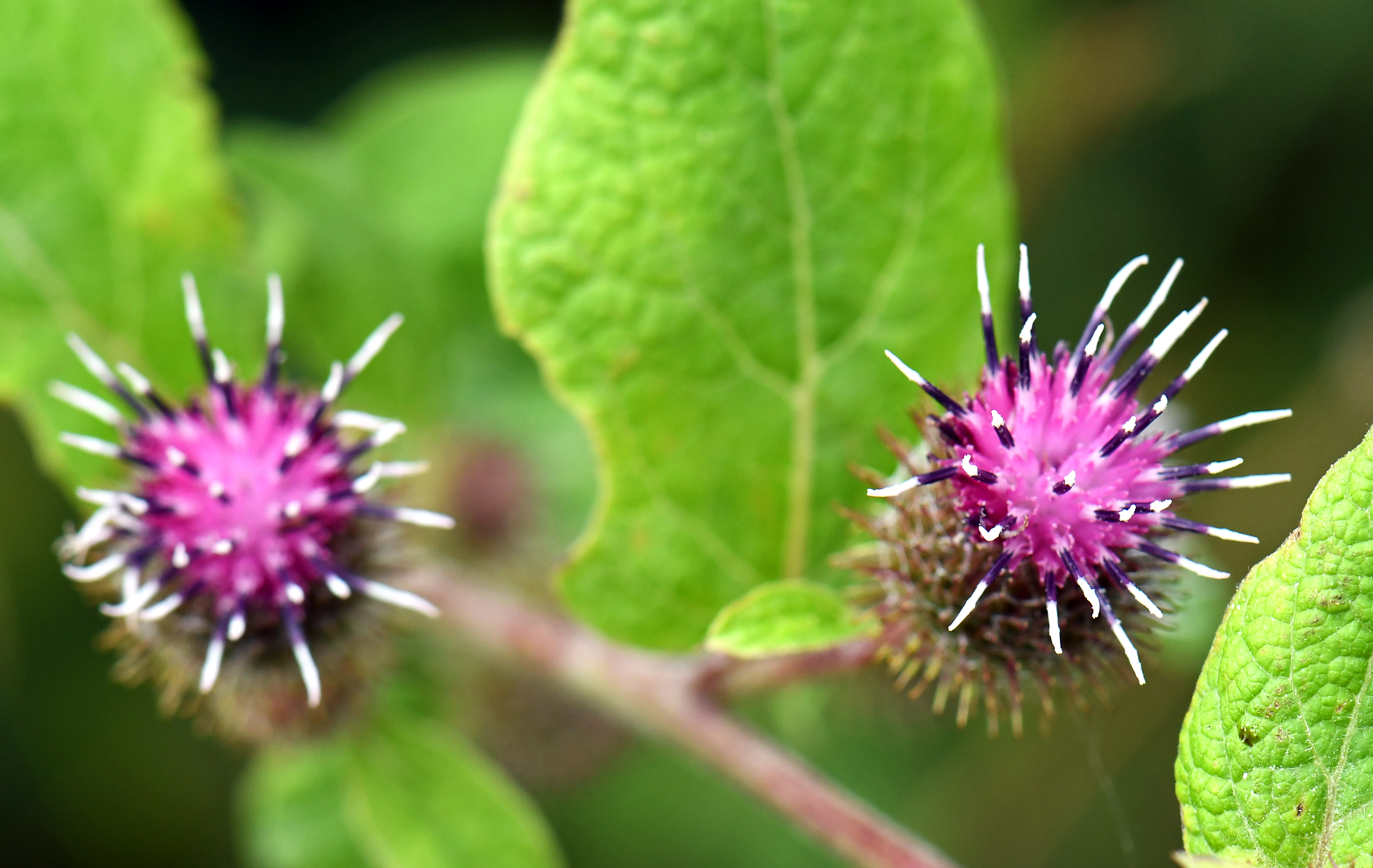
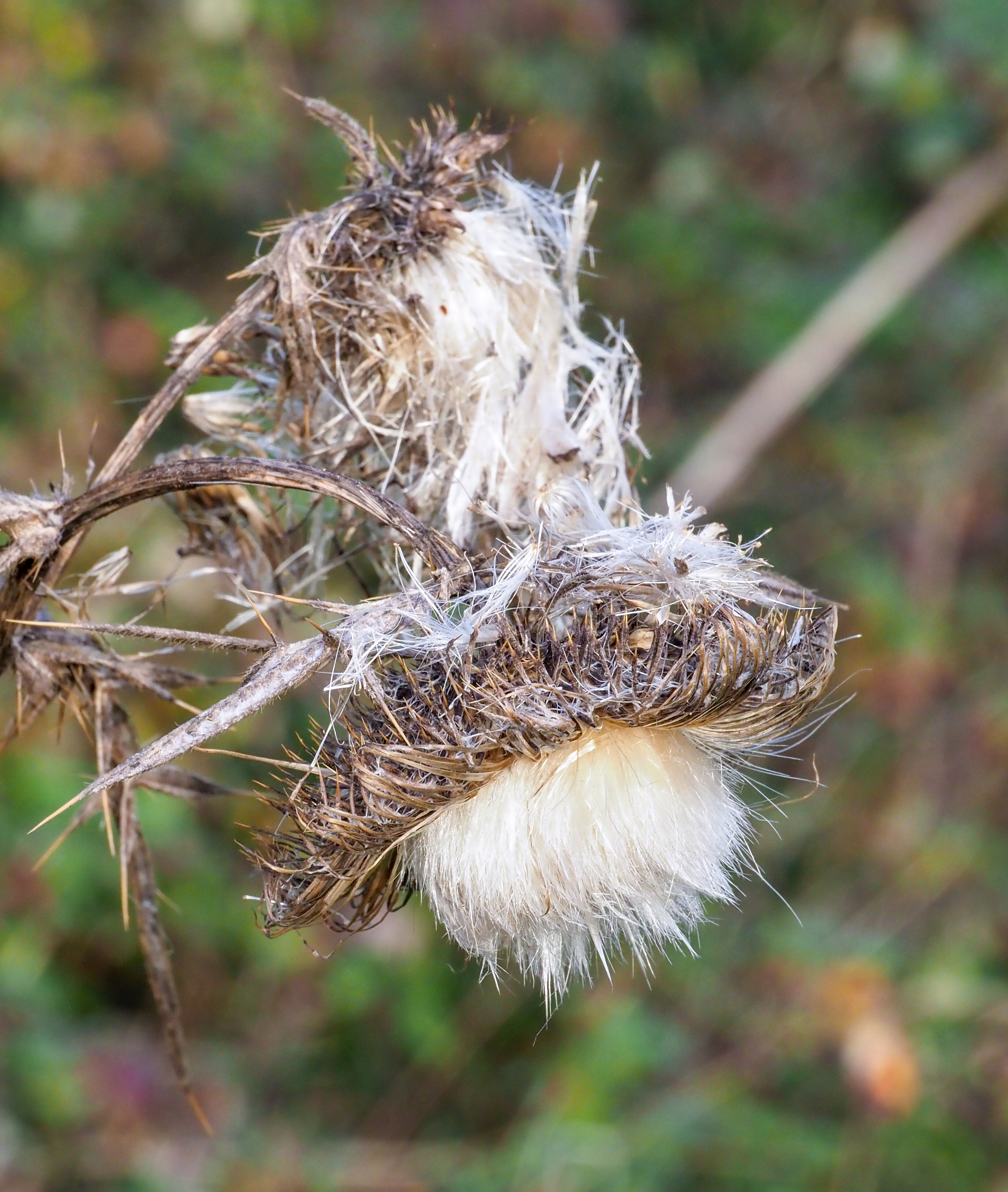
And my favourite thistle, in dried up state or bursting with purple florets full of nectar, is the Woolly Thistle (Cirsium eriophorum).
What is wonderful about this time of year, is the realisation that it will all reappear and come again next year. After decay and death, or dormancy/hibernation, comes renewal. Only sometimes it feels like a long wait! But not for the organisms which go to sleep, or pass on their genes to the next generation: an overwintering egg or a torpid larval form. For them, time passes in a different way than for us. Physiologically they slow down, sometimes almost shutting off completely, apart from a vital spark ticking over in their cold bodies, ready to spring back into life next year!
 Ray Cannon's nature notes
Nice post Ray.
I did a similar walk on the 27th in lovely weather and counted 5 species of butterfly. One Ivy plant in full bloom was so full of insects you could here the hum from some few feet away!
Wow, that’s great! Must be a warm spot.😁
Such a beautiful autumn walk, Ray. Keeping my fingers crossed for the worn Red Admiral that it will survive and emerge to breed in the spring next year.
Thanks. I think the Red Admiral will need a mild winter to survive as they don’t seem to hibernate. But if it does survive, it might meet up a female who arrives in the Spring!