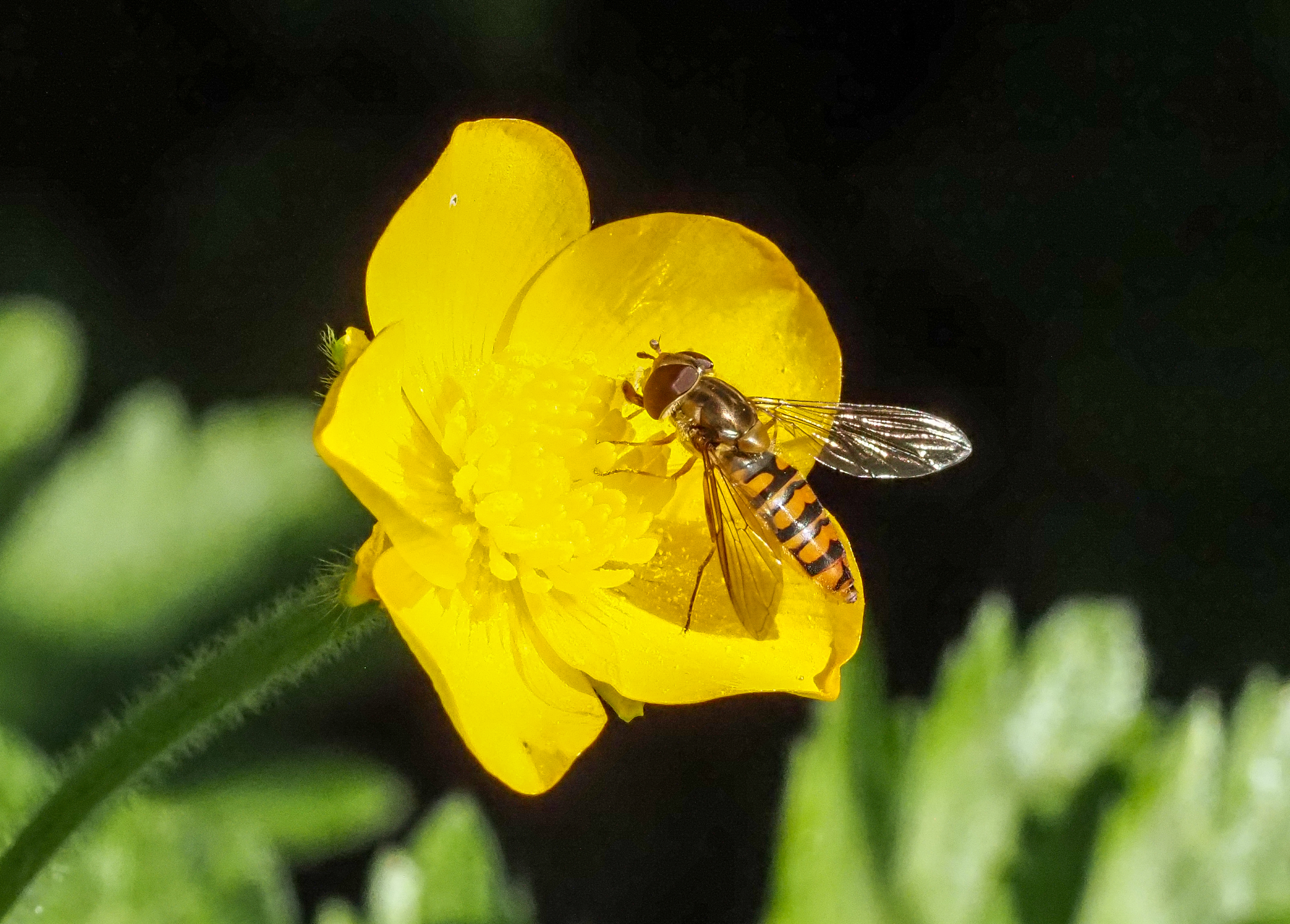
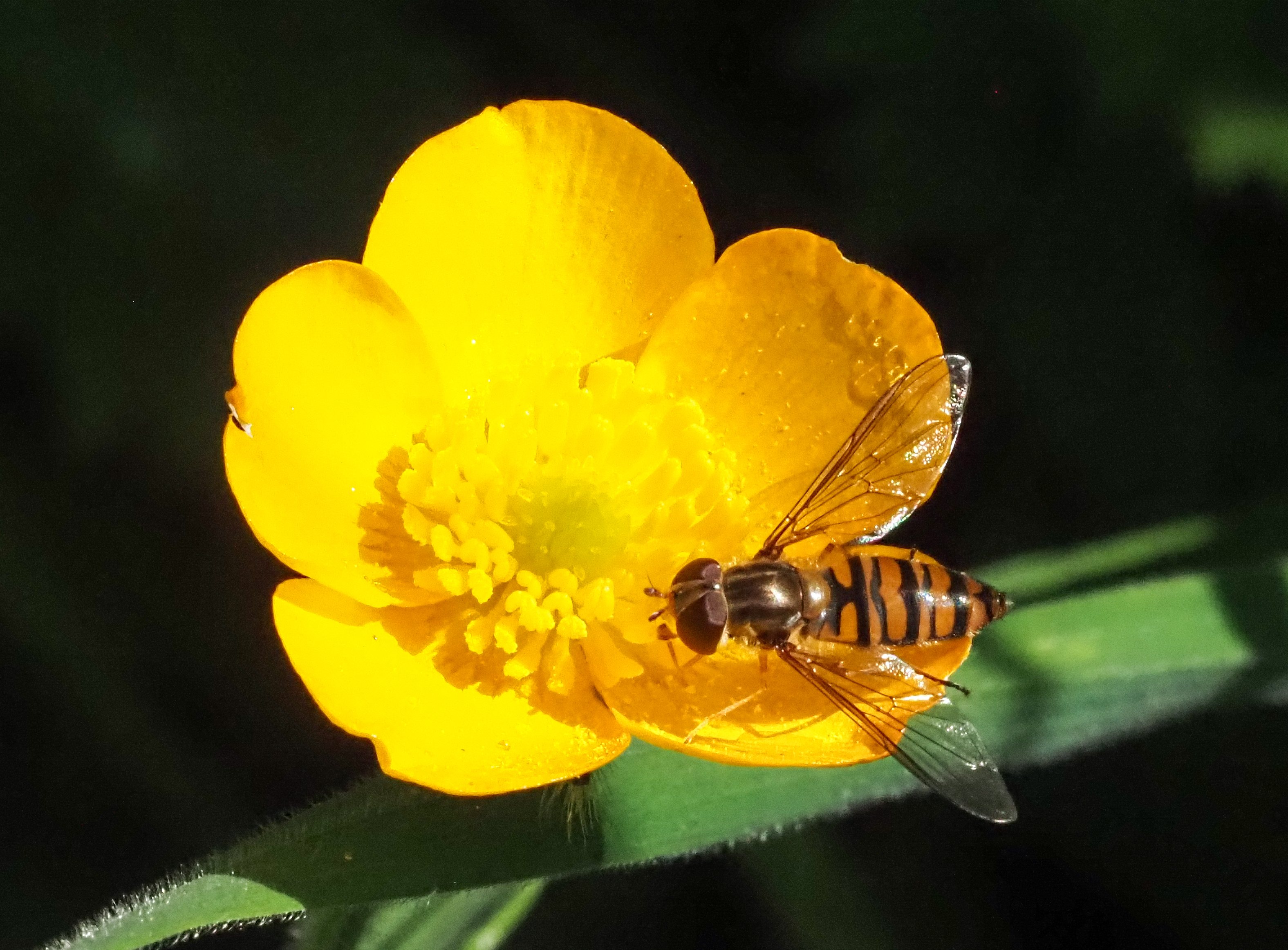
This blog is about the life and travels of a beautiful little insect called the marmalade hoverfly (Episyrphus balteatus), first given its scientific name by the Swedish entomologist Charles De Geer in 1776, but undoubtedly known to many people beforehand, as it famously appeared in painting called till Life with Bird’s Nest, painted by Jan Van Huysum in about 1718, and displayed in Edinburgh’s National Gallery of Scotland (described in a blog by Rob Tomlinson here).
I have photographed the marmalade hoverfly – so-called because of its exquisite orange colouration – many times as it is quite common, but I really did not know it had such an interesting life history, until I started to research it.
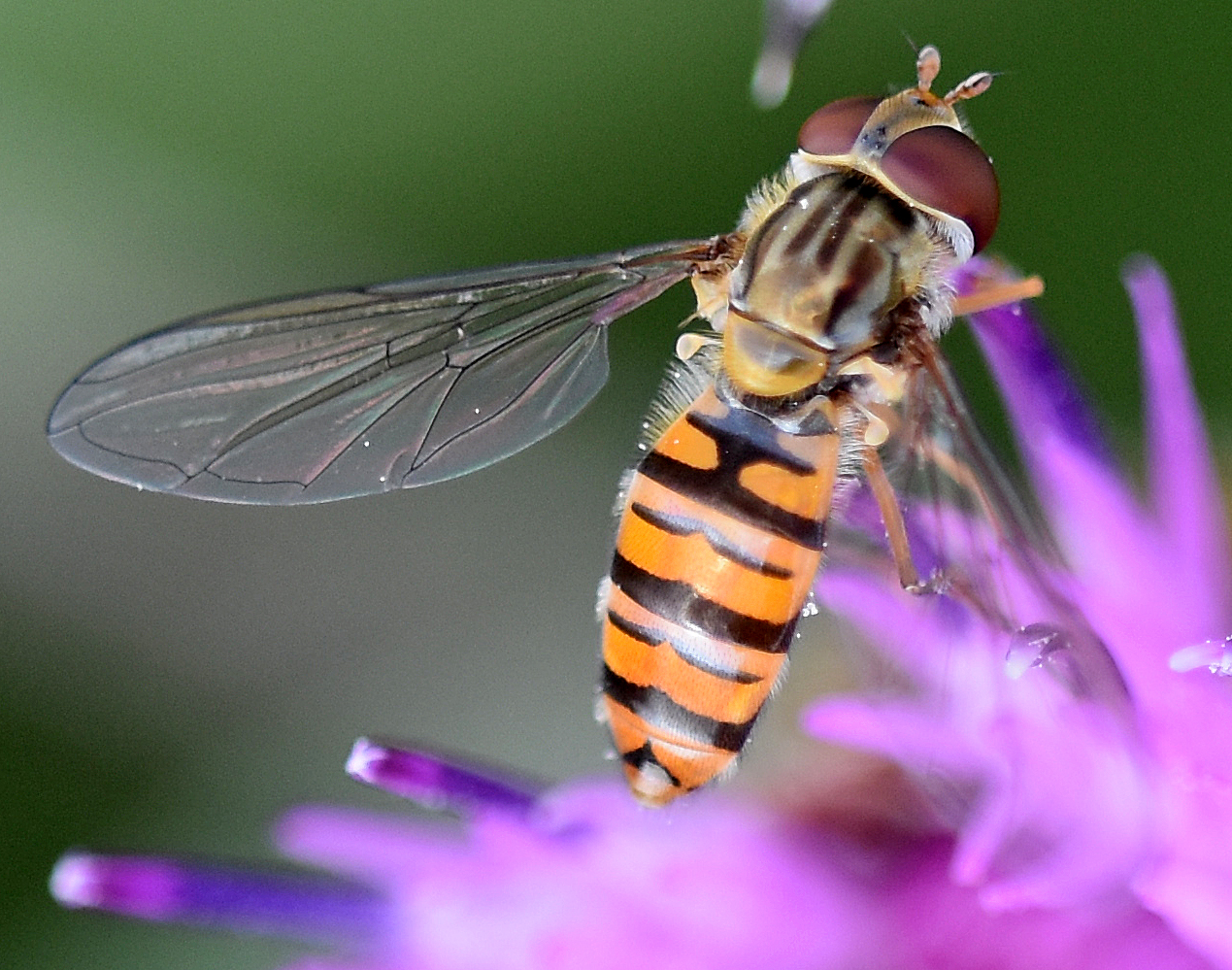
Episyrphus balteatus (Diptera: Syrphidae), is both a predator and a pollinator. The larvae feed on aphids, and the adults consume pollen and nectar, providing pollination services as they feed.
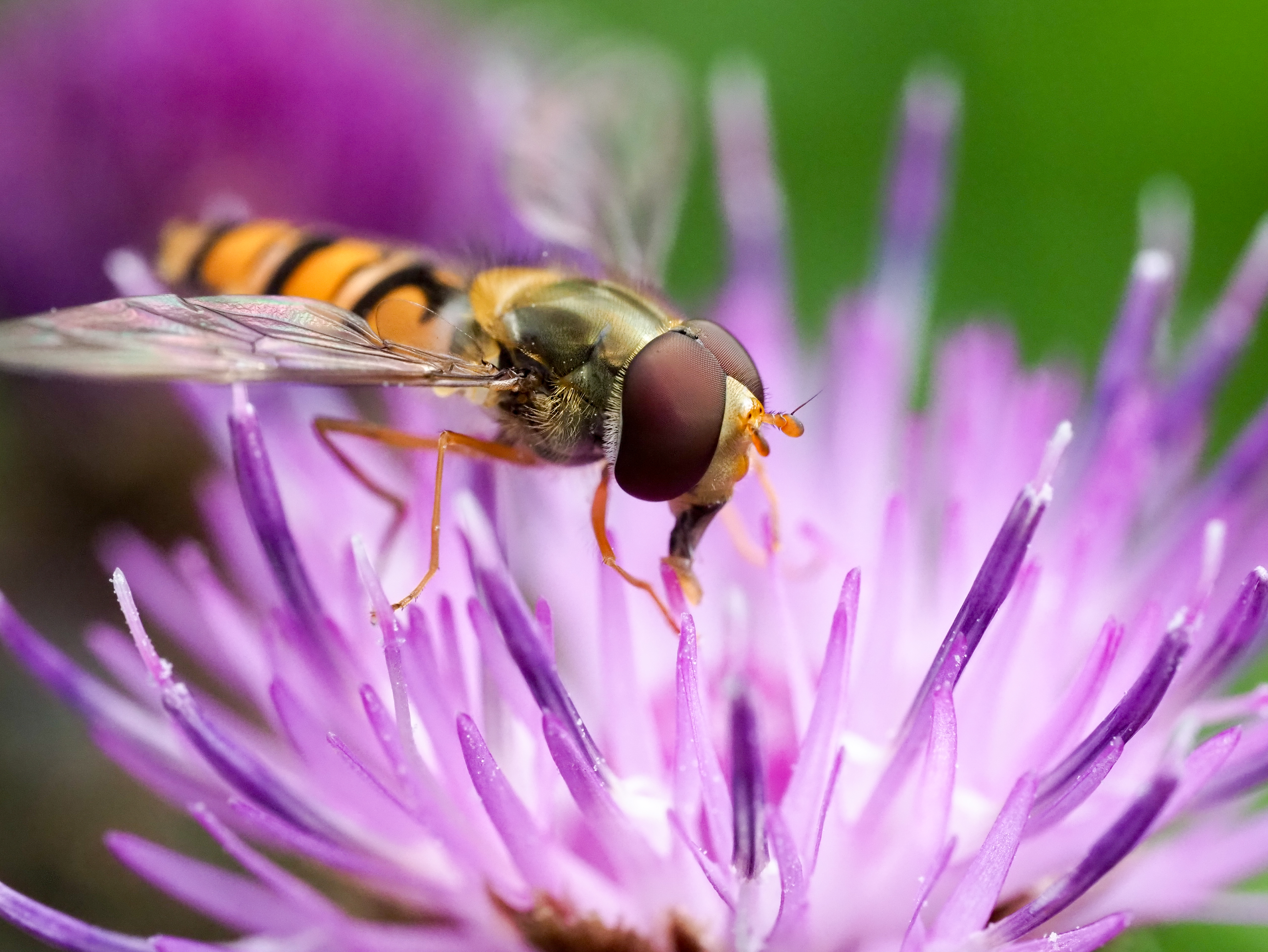
Photo by Raymond JC Cannon
The marmalade hoverfly is also a long-distance migrant, with billions of individuals – weighing as much as 50 tonnes en masse (and they only weigh a few milligrams each!) – flying high above our heads every summer!
Each year large numbers of hoverflies spread up into northern regions of Europe, beginning in early May. This is followed later in the year, by huge southward migrations of the subsequent generations, beginning around late July and August, and lasting until October (Doyle et al., 2025b).
These mass migrations of hoverflies – predominantly Episyrphus balteatus and Eupeodes corollae (below) – provide an incredibly valuable ecosystem service, with their offspring (larvae) consuming literally trillions of aphids, and the adults pollinating billions of individual crop plants (Wotton et al., 2019).
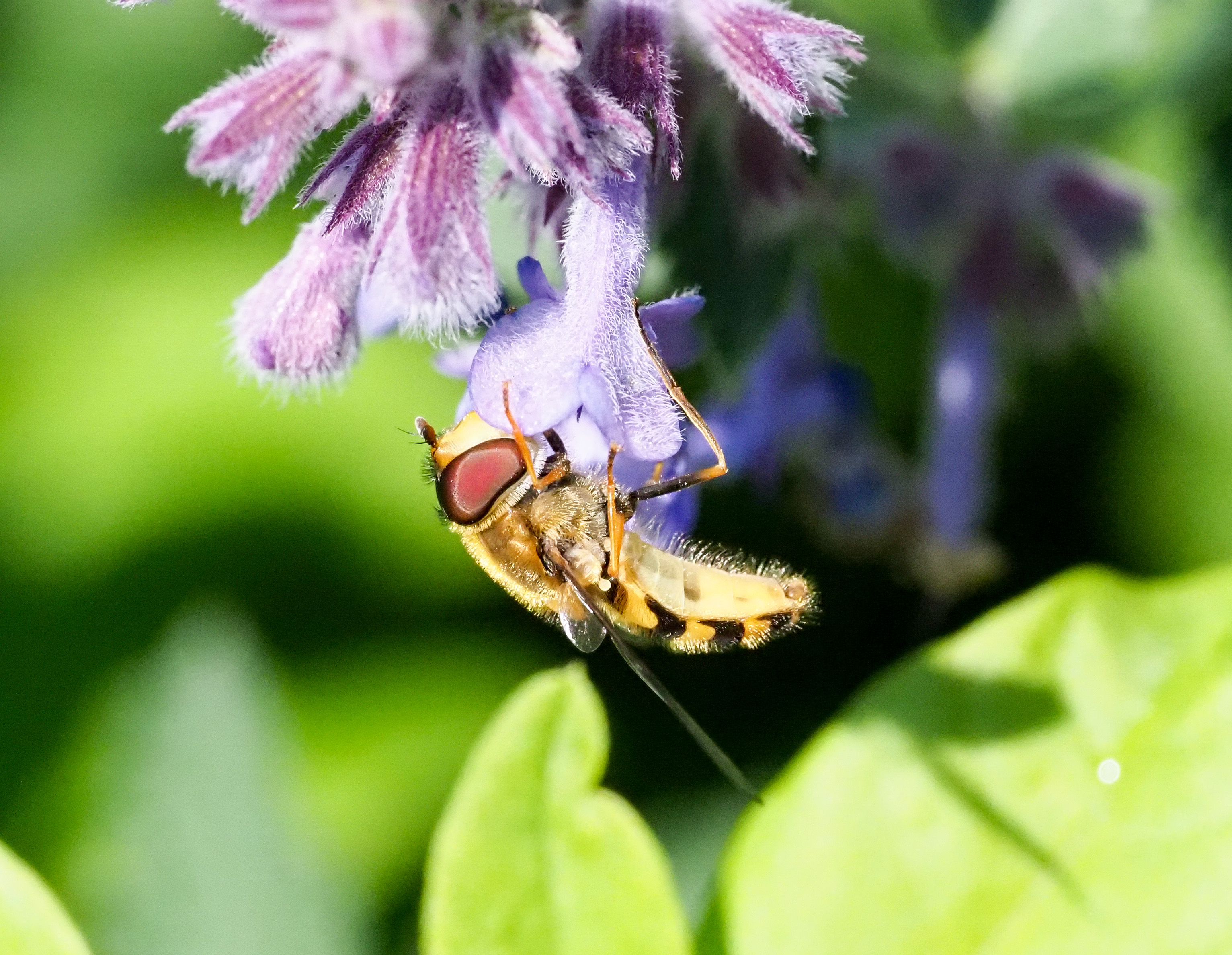
Photo by Raymond JC Cannon
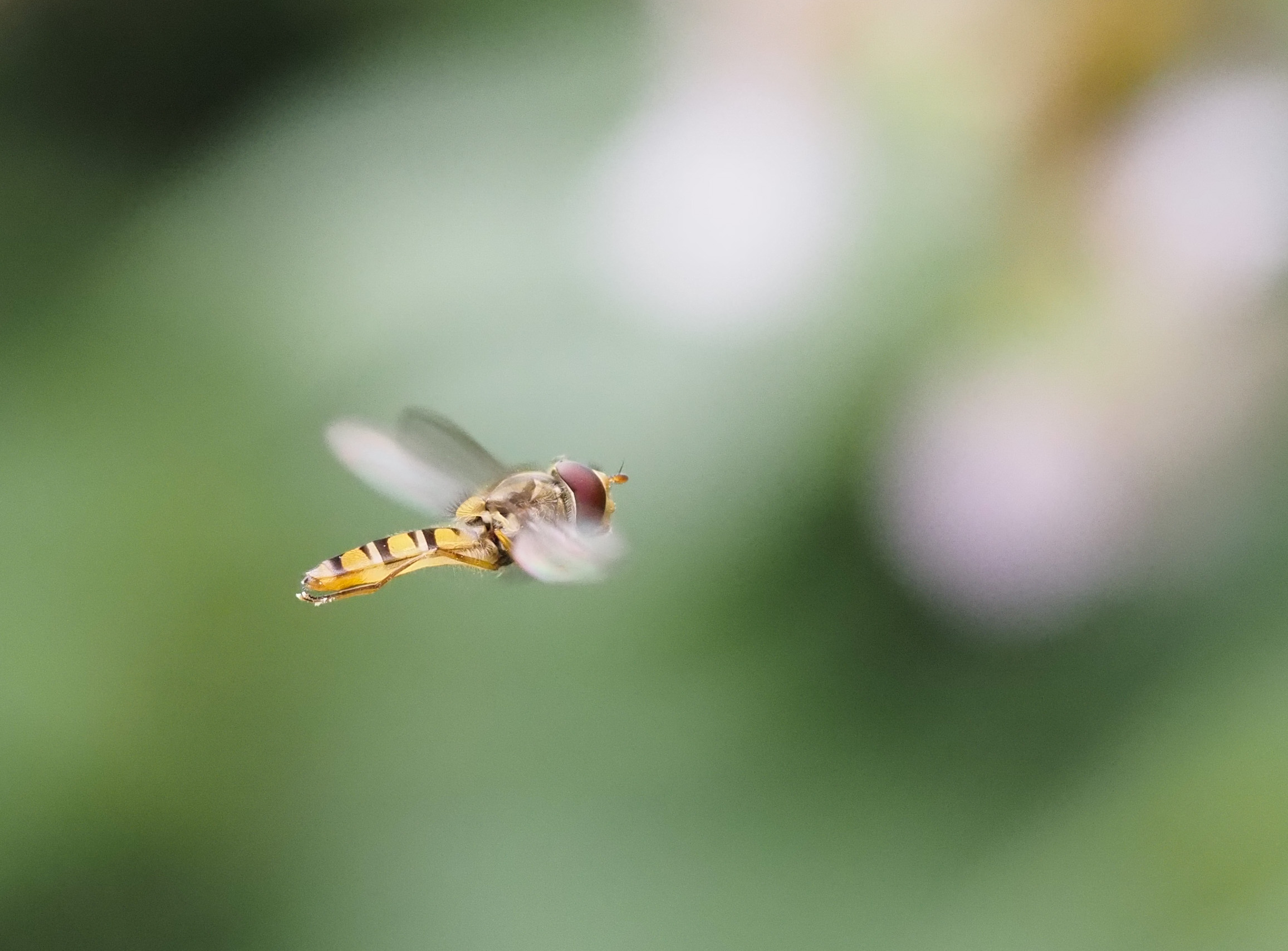
Hoverflies are strong fliers, capable of sustaining flight over long distances and covering hundreds of miles in a day, often over water (Doyle et al., 2025b). This is all the more remarkable when you think that a marmalade hoverfly is only about a centimetre (9–12 mm) long!
Migratory and non-migratory morphs.
In terms of its movement and life history, the marmalade hoverfly is best described as a partial migrant: part of the population remains in its summer habitat and overwinters there, while the other part leaves for warmer climes. I.e. there are migratory and non-migratory forms (called morphs).
The two Episyrphus balteatus morphs differ greatly in terms of their flight capabilities: migratory morphs (caught in the autumn) flew twice as far in flight-mills – i.e. in the laboratory – as non-migratory morphs (caught in the summer) (Massey et al., 2024).
However, although the migratory morphs can fly twice as far, they are not necessarily faster fliers. Flight speed depends on size:
“Hoverflies with fat abdomens fly almost five times the distance of those with thin abdomens” (Massey et al., 2024).
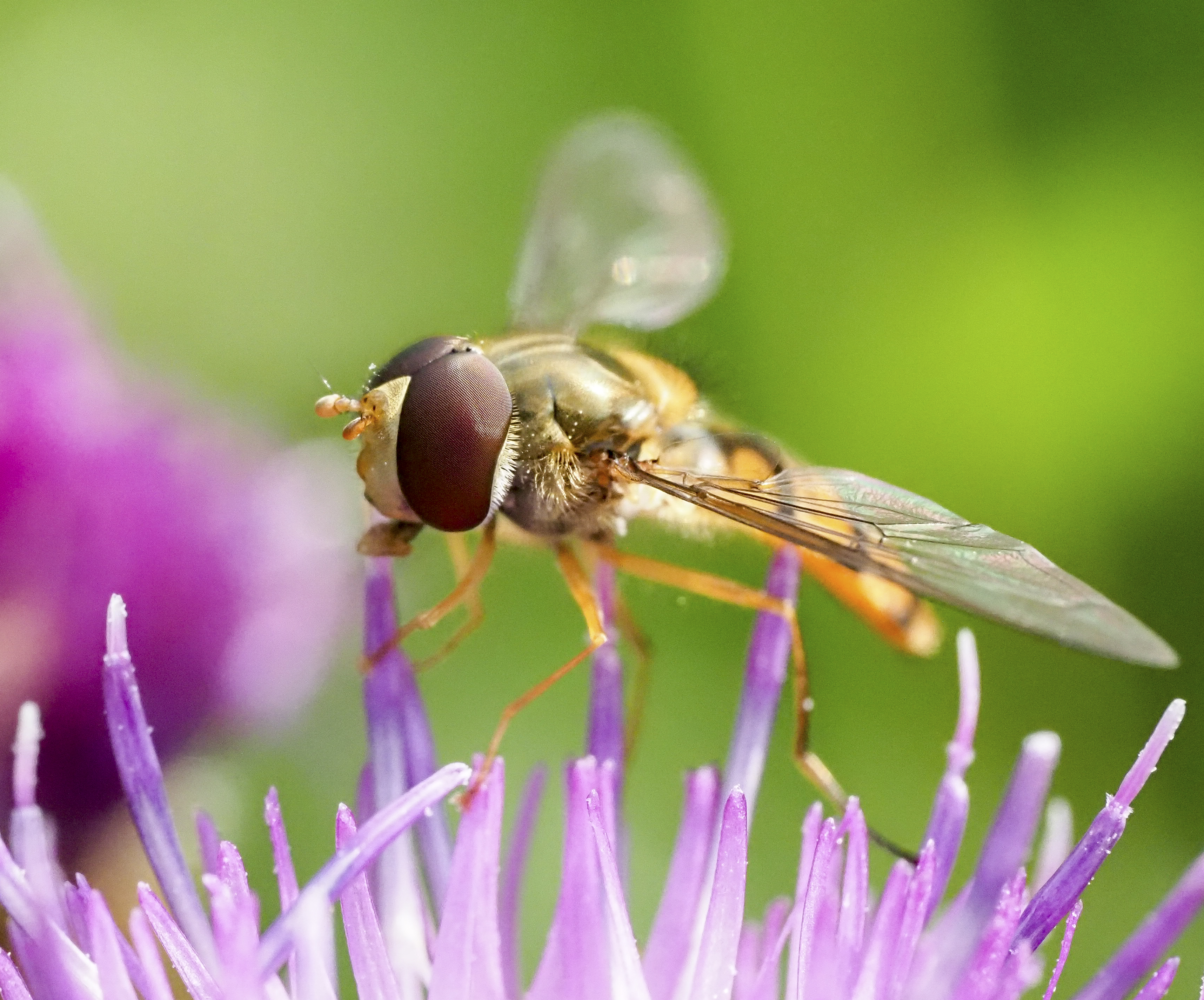
Photo by Raymond JC Cannon
Marmalade hoverflies can overwinter as immature stages (e.g. larvae or pupae), or as adults, although only a small number of adult females attempt to hibernate locally, in the UK. It can’t be easy to find them, holed up in some sheltered nook (or cranny!).
The adult female marmalade hoverflies that do stay for the winter, overwinter in a facultative (meaning optional), reproductive diapause, i.e. a genetically regulated pause in reproduction.
So, the majority of the population – including both males and females – are migrants, and fly off in a southerly direction in the autumn, searching for milder climates.
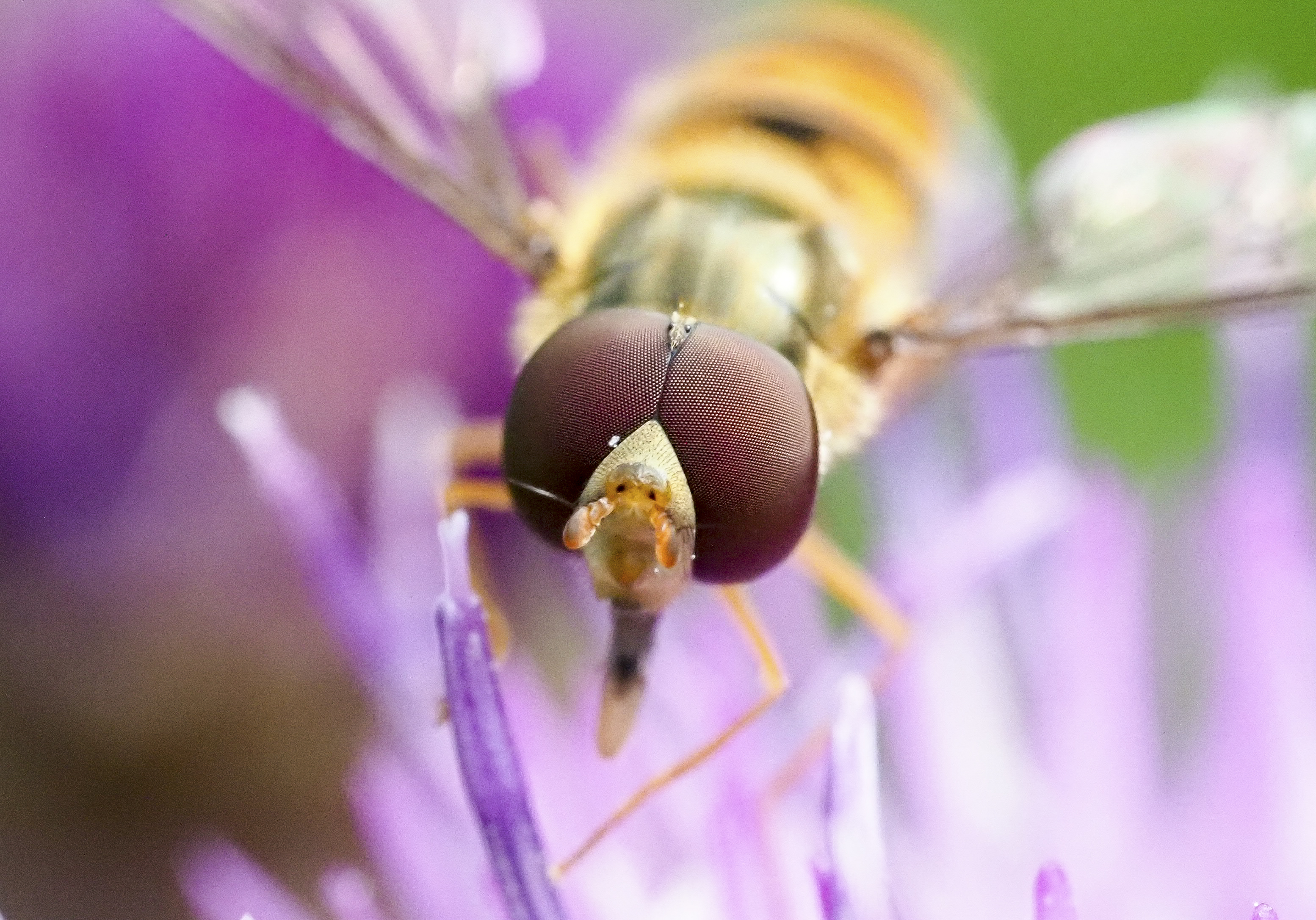
Females are stronger fliers
Females are by far the better migrant, and they significantly outperform males in a variety of flight performance tests. They are also more cold hardy, have greater wing areas, and significantly lower wing loading (Doyle et al., 2025). These, together with a host of other factors, make them better migrants.
These differences between the sexes become apparent during their autumn migration. The sex ratio of migrants starts out about 50:50, as they commence their journeys from northern Europe, but changes to around 90:10 (females to males) by the time they reach southern Europe (Doyle et al., 2025b). The males simply ‘drop out’ on the long journey south!
The males are just not such good long-distance fliers. Why? Well, males have been very busy in the summer period before migrating: mating and donating sperm to the females, and defending territories. All very energy consuming activities! For example, males typically hover for long periods in a chosen sunspot (as I discussed in a previous blog called Hovering hoverflies), chasing away other males and intruders of all sorts, before returning to approximately the same position.
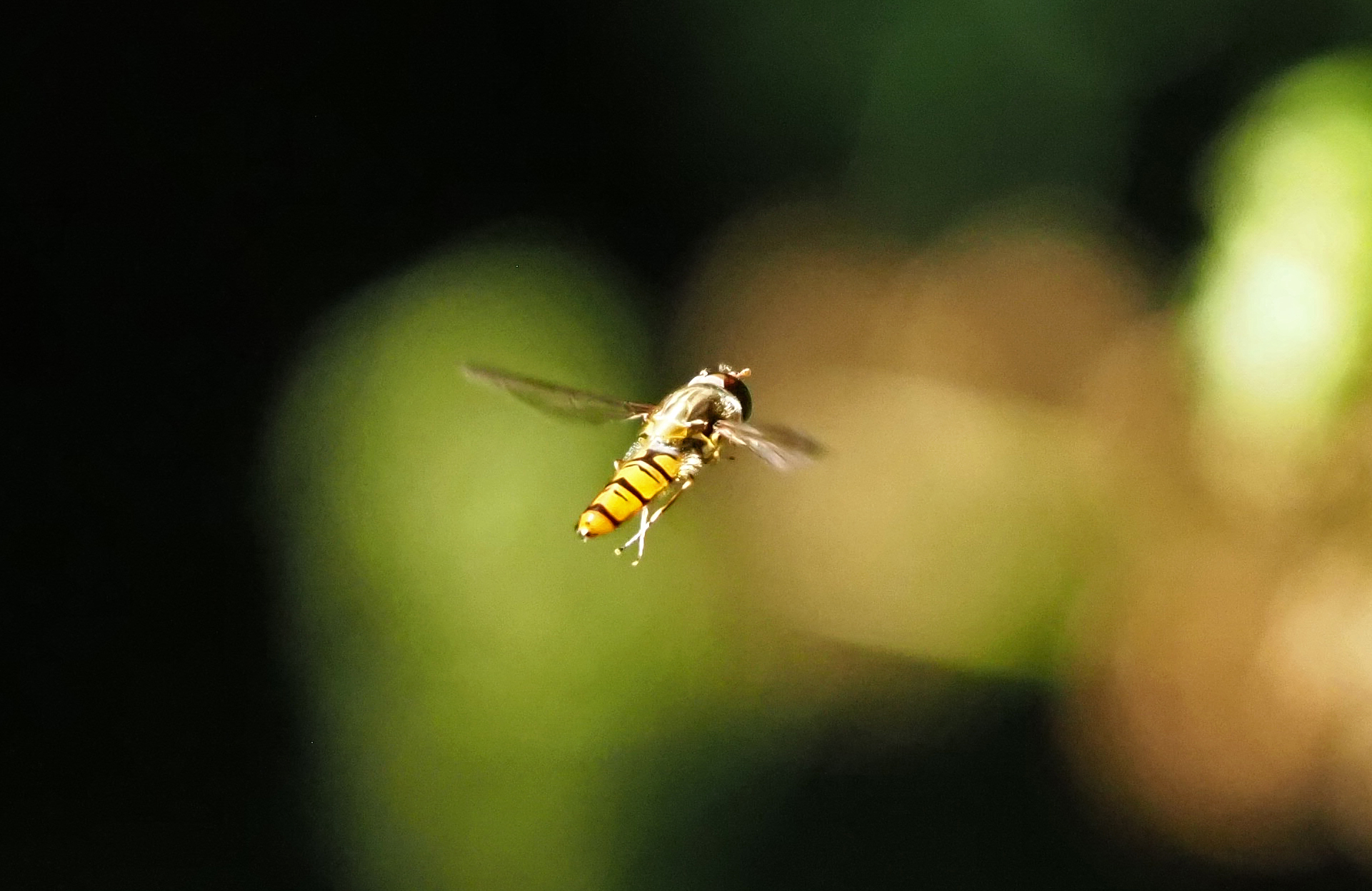
Photo by Raymond JC Cannon
So, perhaps the males start their journeys in poorer condition? Or, they just have fewer fat reserves than the females when the time comes to leave? But by then, the work of the males is largely done. The females carry their sperm – within their spermathecae – to use in the spring when they become reproductive again (Doyle et al., 2025b). They will give birth to new generations, composed of males and females, ready to meet, mate and produce new generations, in good time to move north once again.
This partial migration life history is not fully understood, but it probably a bet-hedging strategy (Chapman et al., 2011). Having two different phenotypes (or morphs) in the population means that they have a better overall chance of surviving the vicissitudes of weather, predation and disease. Spreading out the risks of mortality, as it were. If the migrants come to a sticky end, which many of them do of course, the stay-at-home individuals might fare better, or vice versa!
Moving back north in the spring
The relatively short life span of a hoverfly suggests that this species must be a one-way migrant. In other words, the same individuals are not returning later in the year! But their descendants are. A succession of one-way movements occurs, across a series of breeding areas, and over several generations.
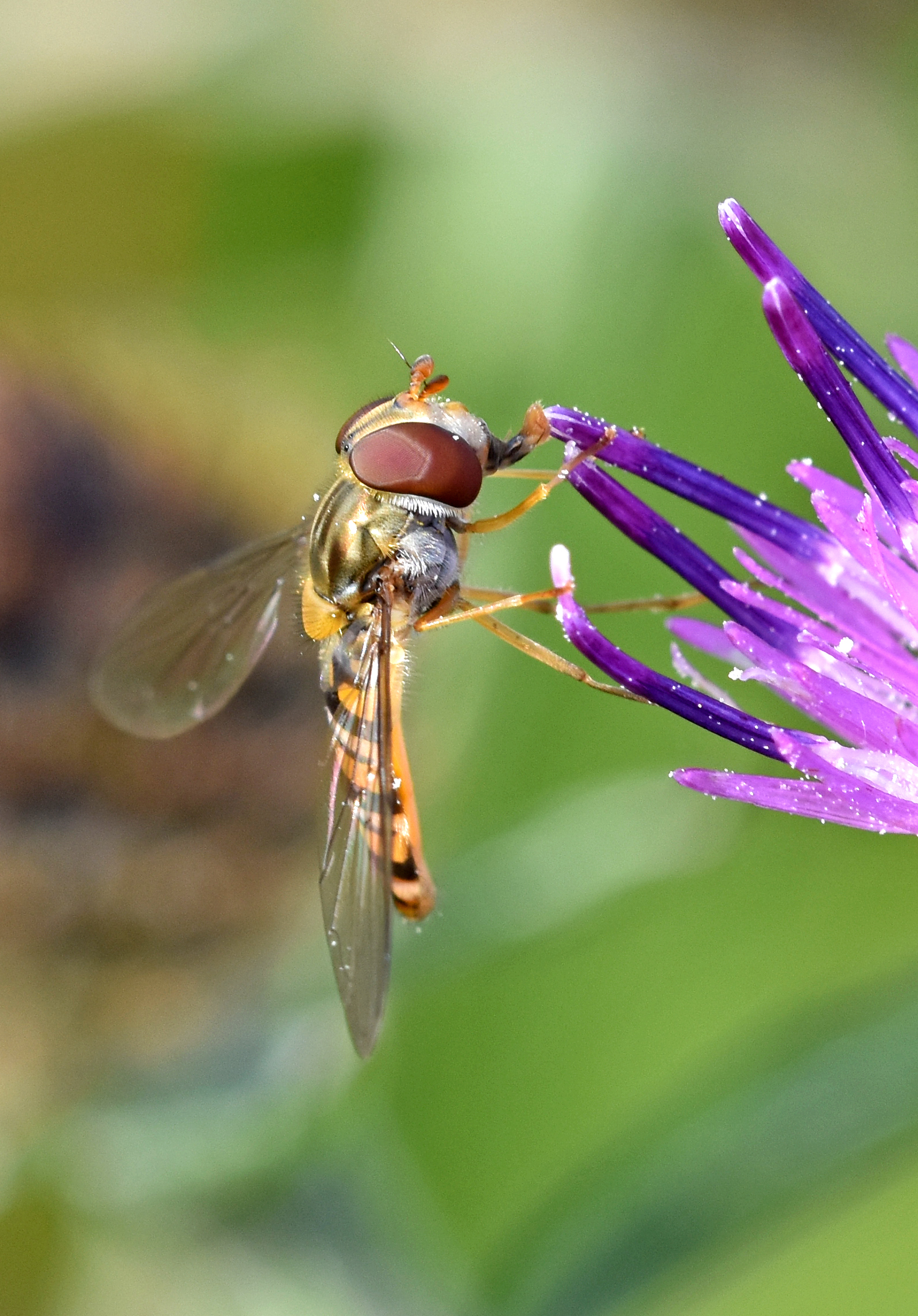
The southward migration seems to be the stronger urge? Hoverflies arriving in the spring in the UK, exhibited weaker orientation tendencies; not correcting their orientations when blown off course, as well as the autumn migrants, as I understand it (Hawkes et al., 2022).
However,there is nonetheless, a gradual return of marmalade hoverflies to northern Europe by migratory individuals each spring; although, as we have seen, this takes place over several generations (Raymond et al., 2014). It is rather like the northward migration of another long-distance migrant, the Painted Lady butterfly: see Painted ladies on tour – butterfly migration.
There is also evidence of a major migratory flyway of insects from the Middle East into Europe during the spring, with estimates of more than a billion hoverflies leaving the Middle East and heading west each spring! (Hawkes et al., 2022).
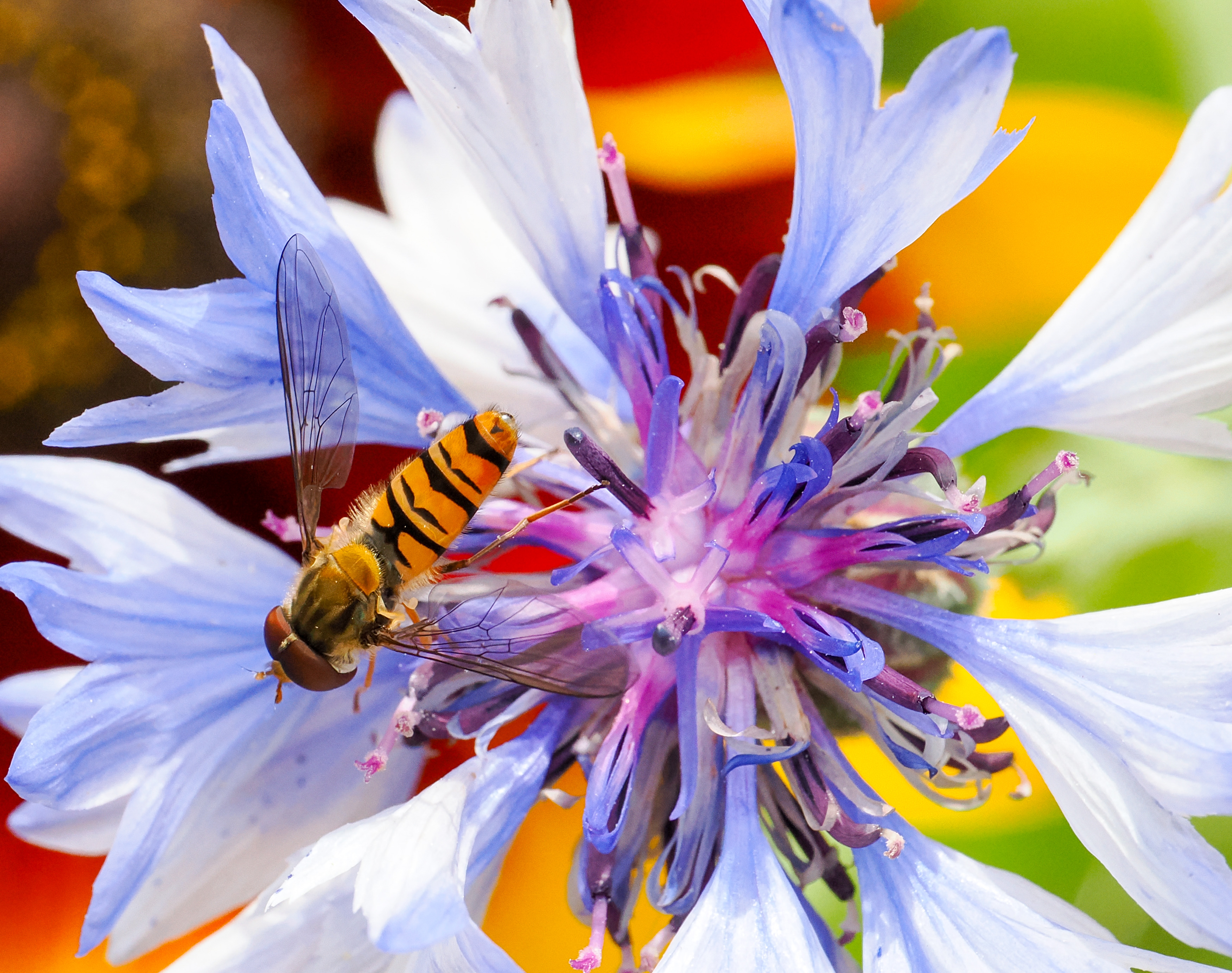
Going south in the autumn: Flying high!
Huge numbers of migratory hoverflies have been observed flying over mountain passes throughout Europe and Asia. The eminent ornithologists, David and Elizabeth Lack, were the first scientists to record migrating marmalade hoverflies. They saw large numbers flying over a narrow pass, only ’50 yards wide’ – called Port de Gavarnie – at 7,000 feet in the Pyrenees (Lack & Lack, 1951). They wrote:
“The syrphid flies, like the dragonflies, flew steadily forward WSW against the wind, keeping extremely close to the ground, where the wind was, of course, weaker.“
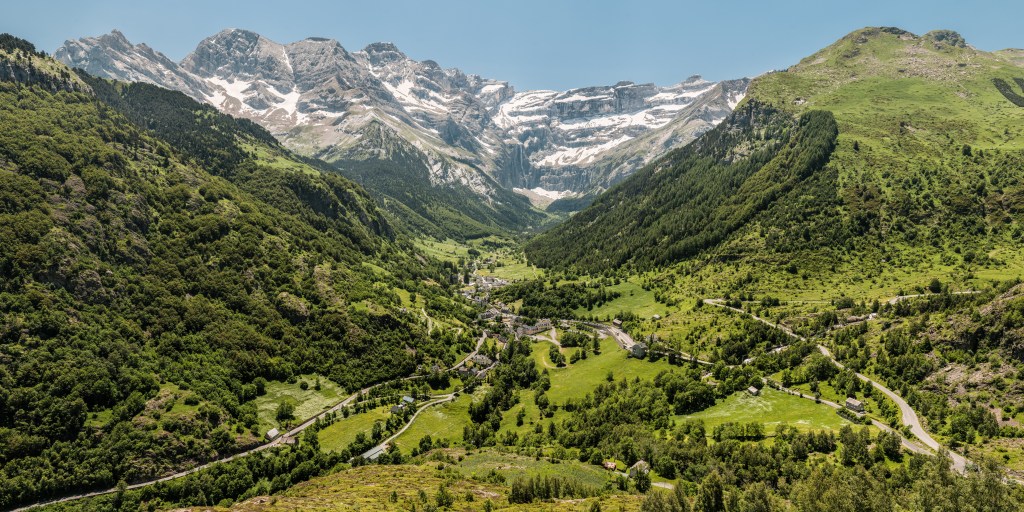
By Benh LIEU SONG – Self-photographed, CC BY-SA 3.0,
The two specimens the Lacks collected on 13 October 1950 were both male Episyrphus balteatus (Lack & Lack, 1951). Males – shown below – have large compound eyes that meet along the midline above the antennae in almost all species, whereas females have a distinct forehead gap (frons) between their eyes.
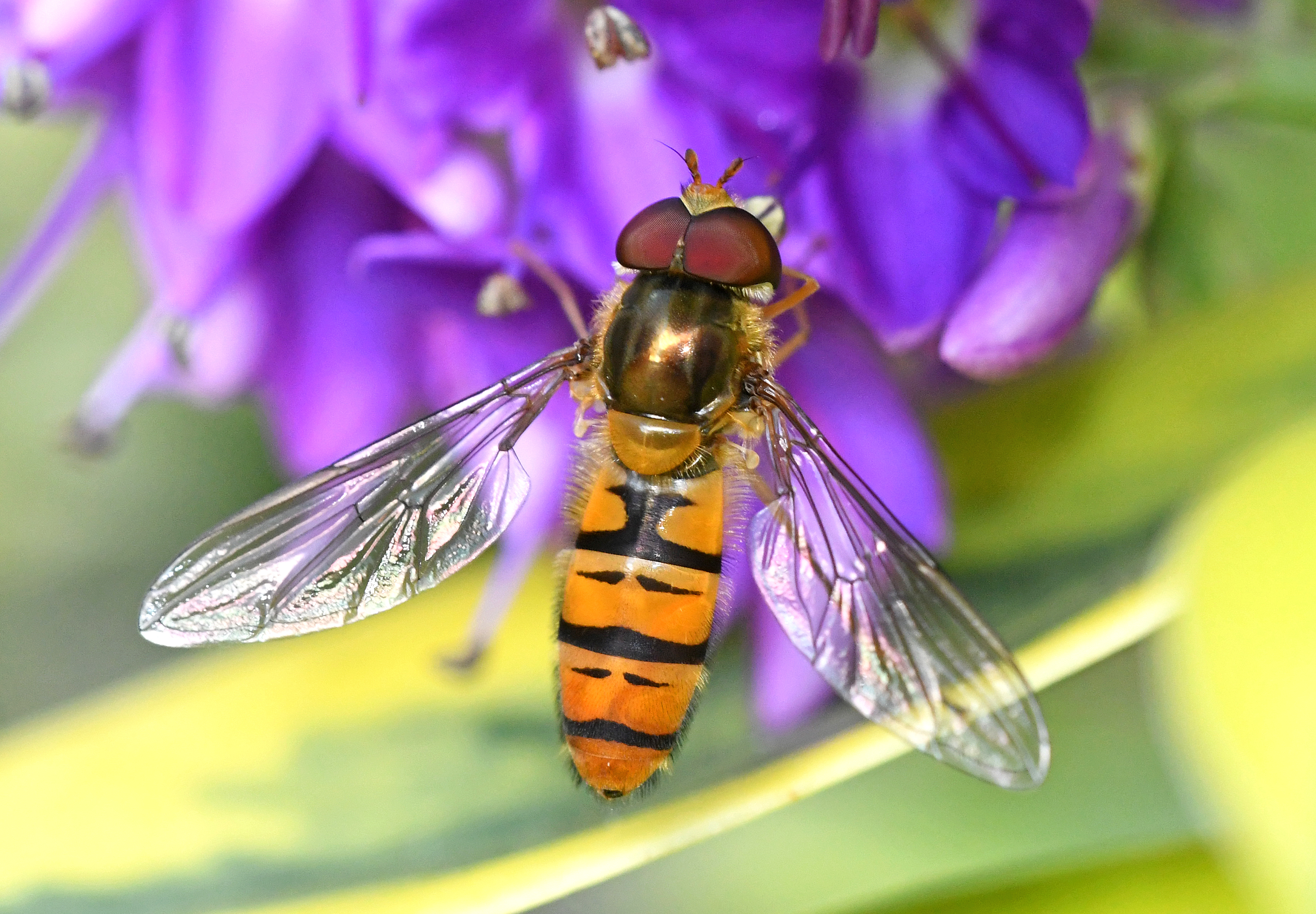
Photo by Raymond JC Cannon
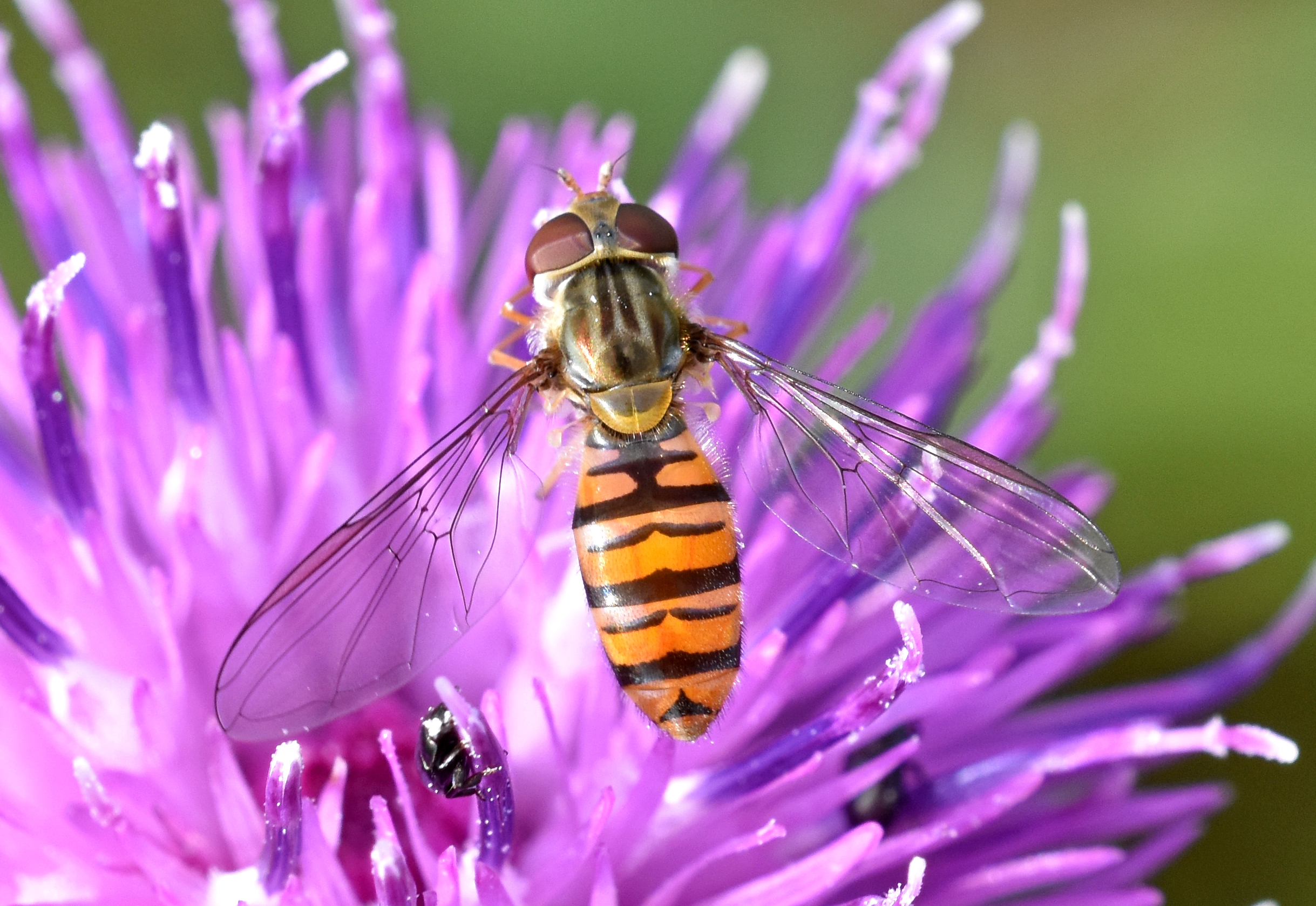
Move forward in time some 70 years from the observations in 1950, and William Hawkes and colleagues revisited the area – the Vallée des Gaves in the Hautes-Pyrénées region of southwest France – over four seasons, to monitor the abundance of day-flying insect migrants in autumn (Hawkes et al., 2024).
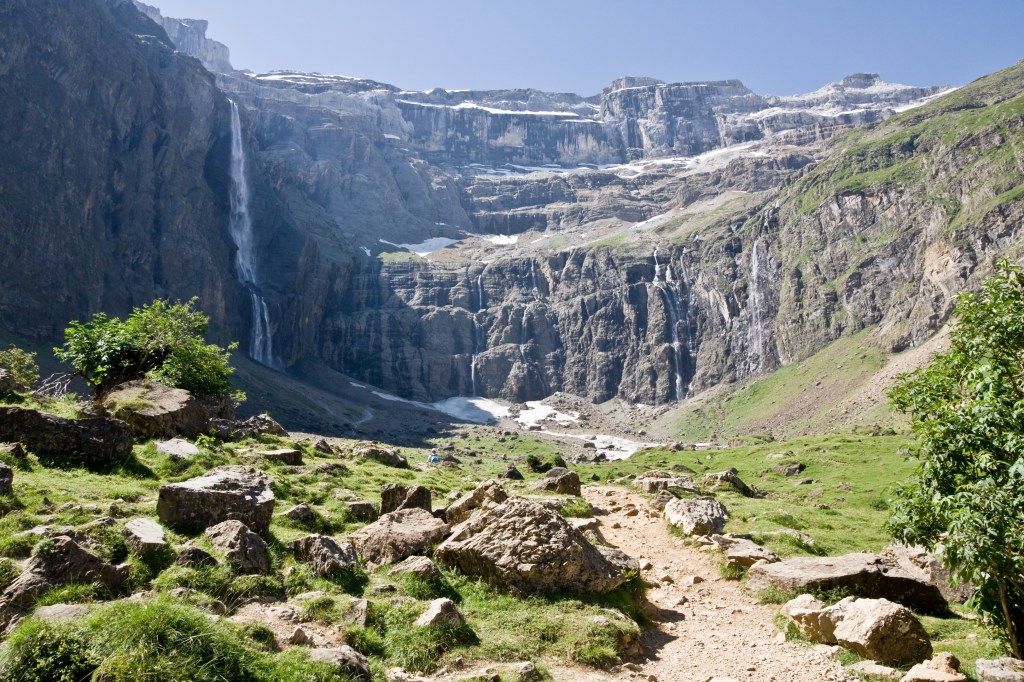
Hoverflies (or syrphids as they are called) were the most abundant dipteran in their study – with an estimated 3.1 million moving south per season (‘20% of the migratory assemblage’). The most abundant hoverfly species were once again, Eupeodes corollae and Episyrphus balteatus (Syrphidae) (Hawkes et al., 2024).
Sun worshippers!
If marmalade hoverflies are like some other hoverflies – namely Scaeva pyrastri and Scaeva selenitica – studied by Massey et al. (2025), then they probably use a time-compensated sun compass for navigation when migrating. This means that they use visual cues from the sun – together with their own internal circadian clock – to maintain a relatively constant direction of travel, even as the sun moves across the sky.
The experiments on the Scaeva spp. hoverflies demonstrated how important a view of the sun is to migrating hoverflies. Their ability to orientate towards the south is lost if they only have a restricted view of the sky, i.e. one which excludes the sun. Hoverflies seem to wait for sunny periods, when the sun is highly visible, then set off in a huge mass of migrating individuals.
Altitude does not seem to be much of a barrier for marmalade hoverflies either. Episyrphus balteatus was observed migrating through passes in the Himalayas at 5,416 m (see references in Hawkes et al., 2025). There is only about 50% as much oxygen per breath at those heights (about 17,717 feet) as there is at sea level.
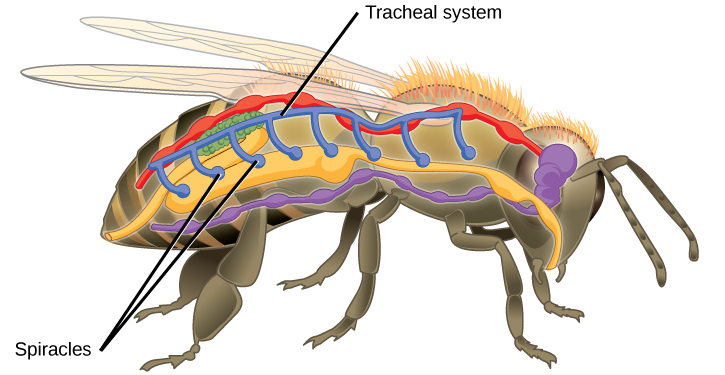
Hoverflies don’t have lungs like us; they have to breathe through small body openings (called spiracles) connected to a network of internal air tubes (called tracheae) that deliver oxygen to their tissues. Whether that process is any easier than inflating and deflating mammalian lungs, I can’t tell you!
OpenEd CUNY
When migrating, marmalade hoverflies tend to fly below 300 meters of altitude, but they can go higher, up to almost 1,000 m in some cases. They are also capable of selecting favourable winds, and find ways of flying south even against unfavourable prevailing winds.
Marmalade hoverflies as pollinators
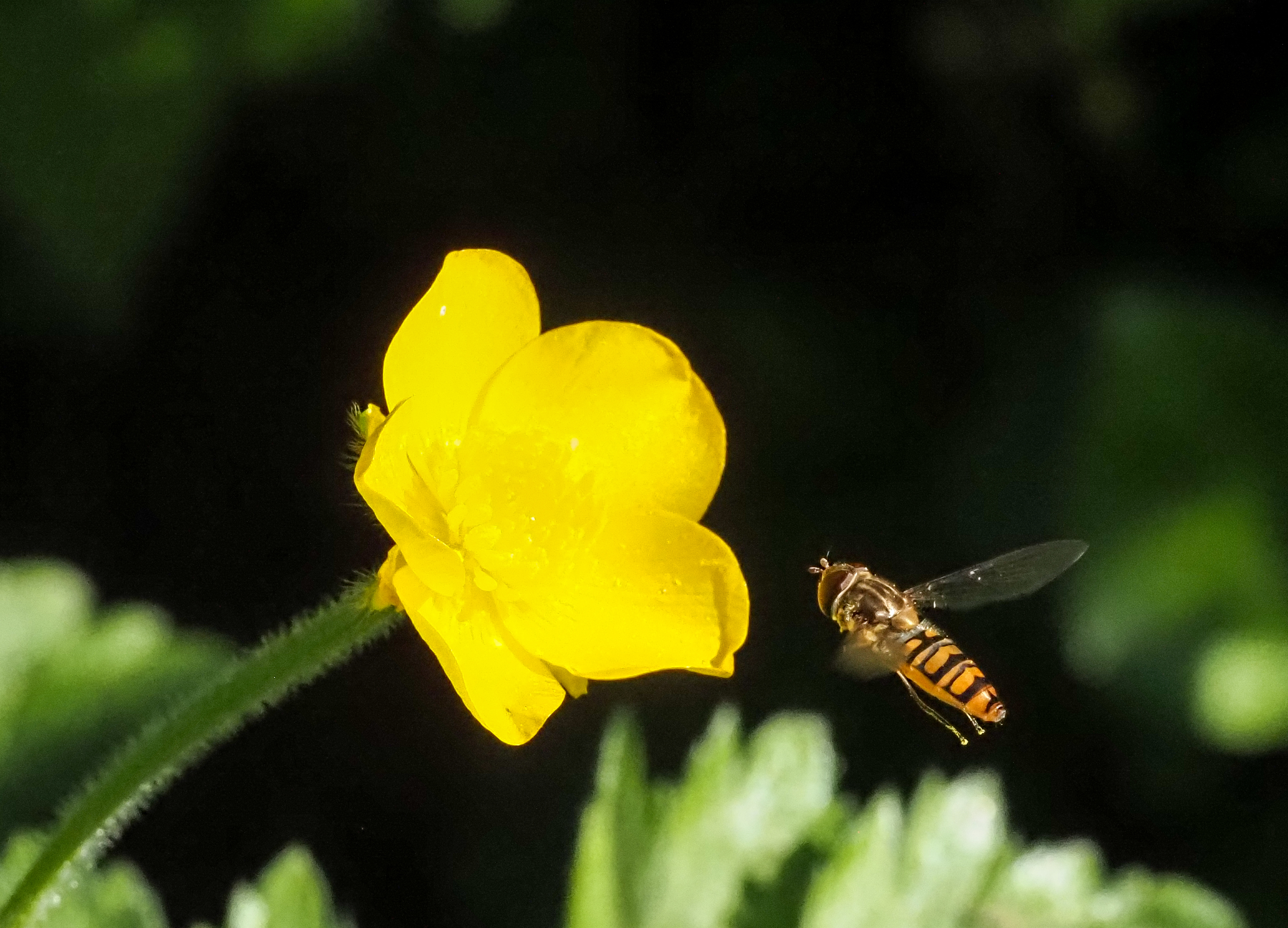
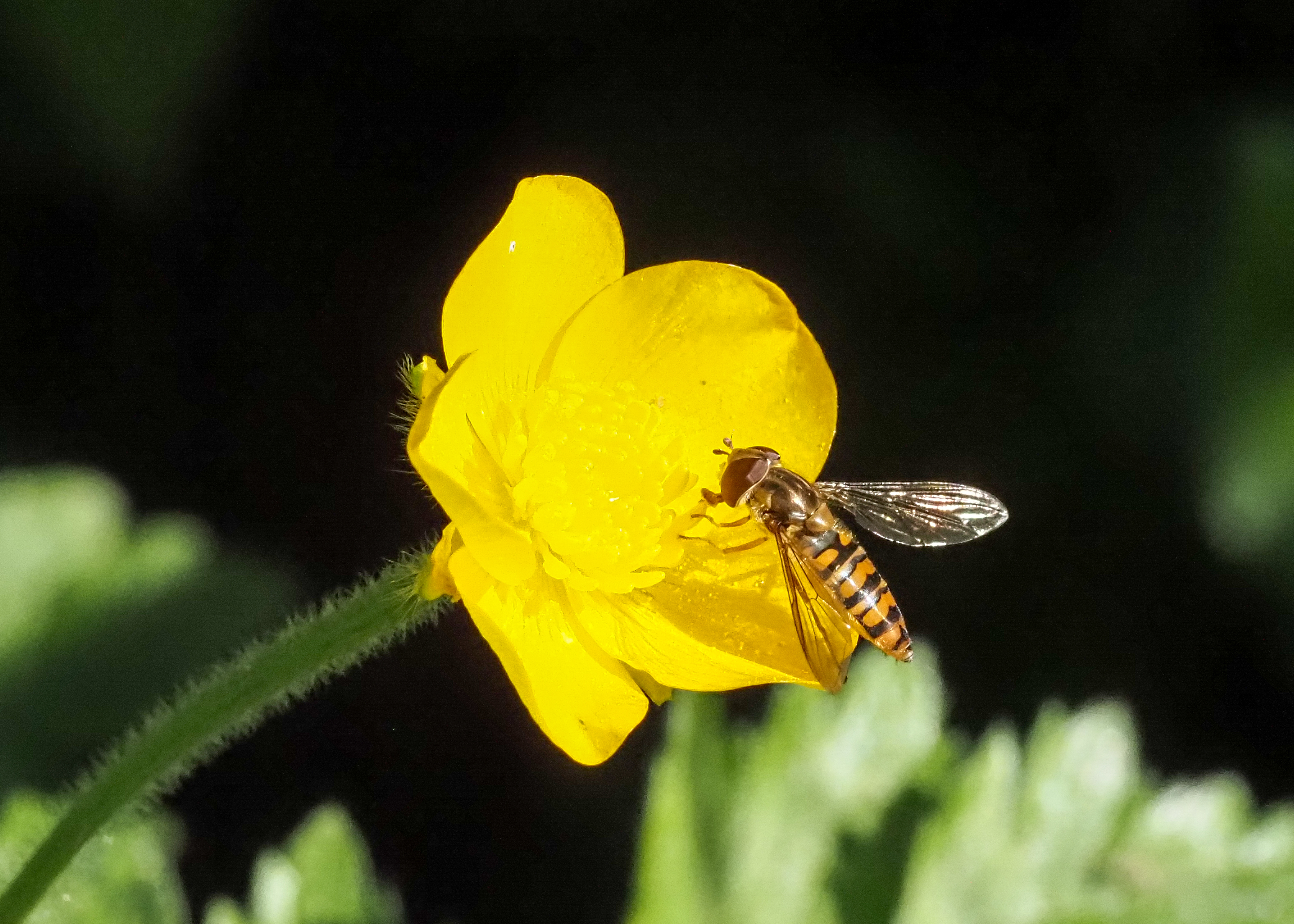
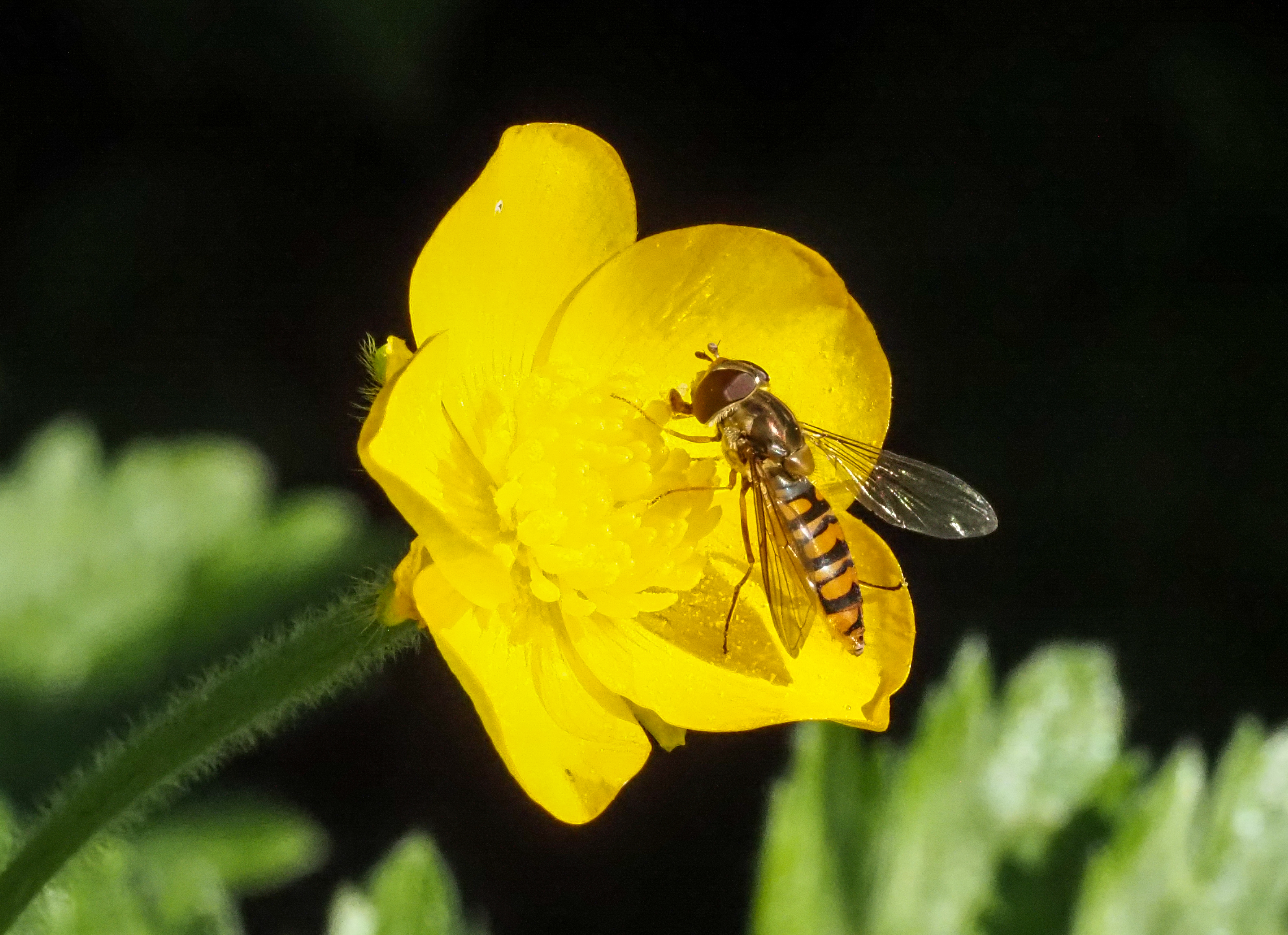
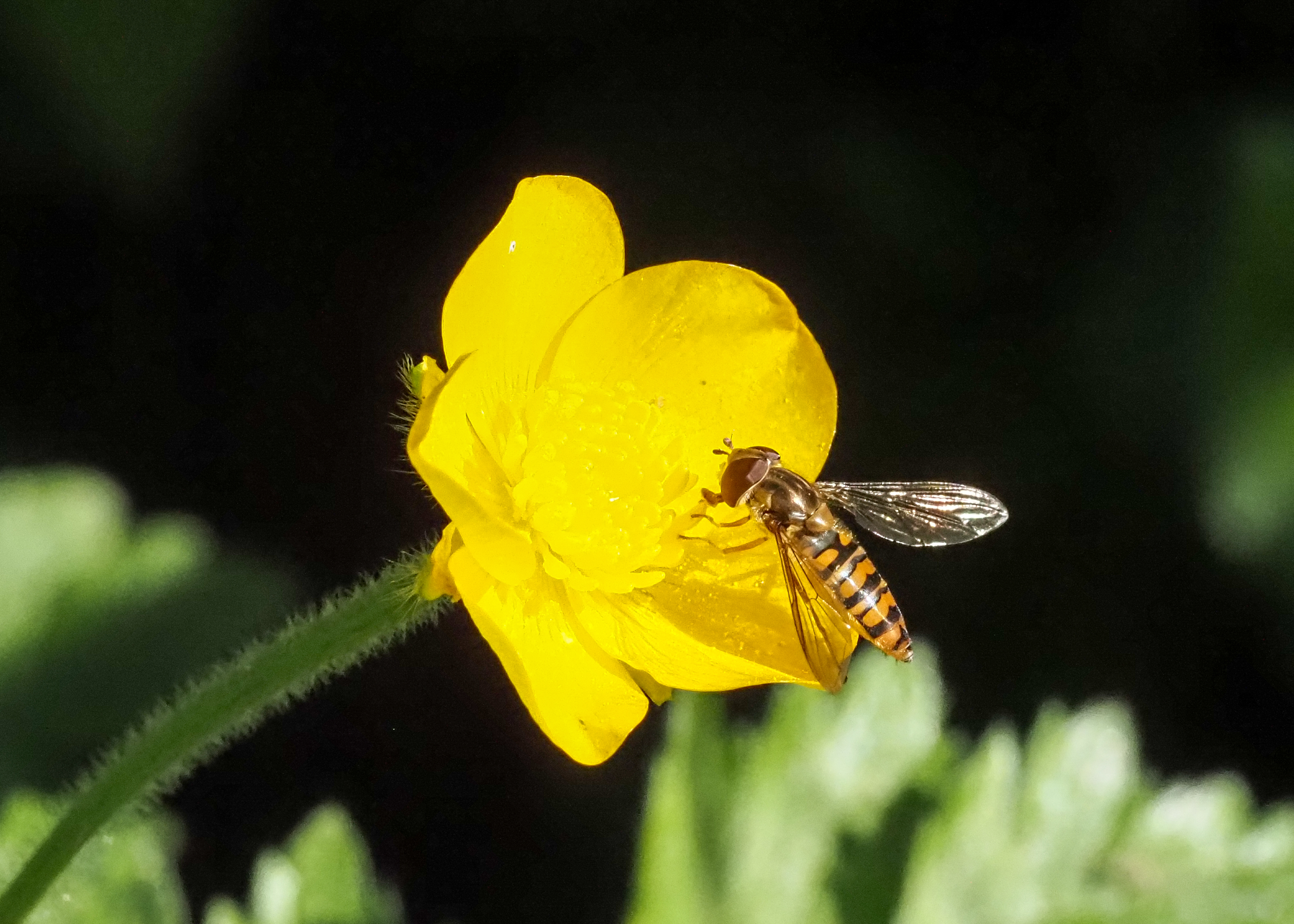
The subfamily Syrphinae, including Episyrphus balteatus, are short-tongued flies, that favour open flowers with exposed anthers and a short corolla (flower tube); i.e. those with easily accessible nectar and pollen (Gilbert, 1981). Researchers found that a single, uninterrupted visit by Episyrphus balteatus to strawberry flowers (Fragaria × ananassa) results in highly efficient pollination (Fox et al., 2026). The hoverflies stayed on the strawberry flowers for five and one half minutes, on average, spending most of the time feeding and a short period of time (5%) grooming.
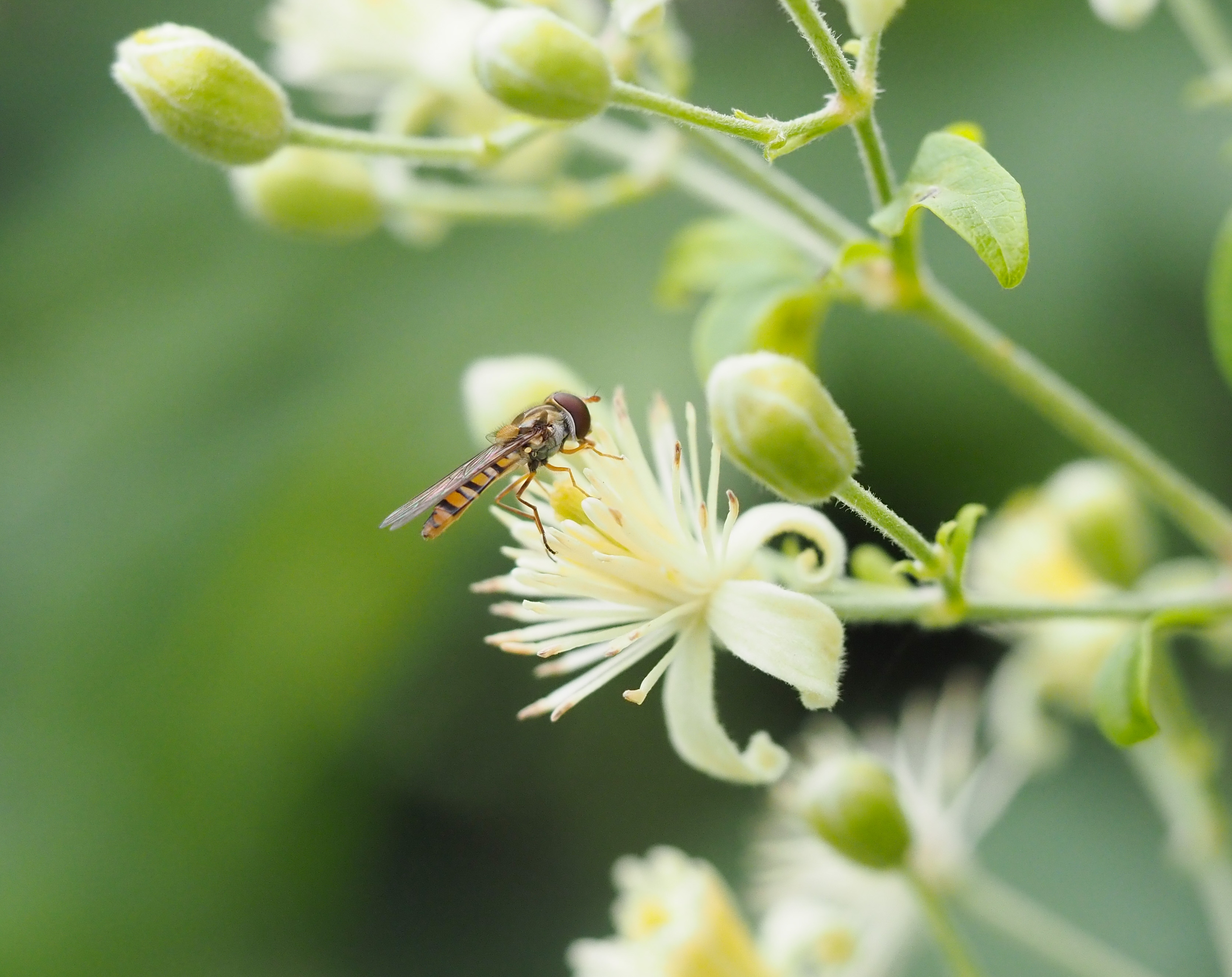
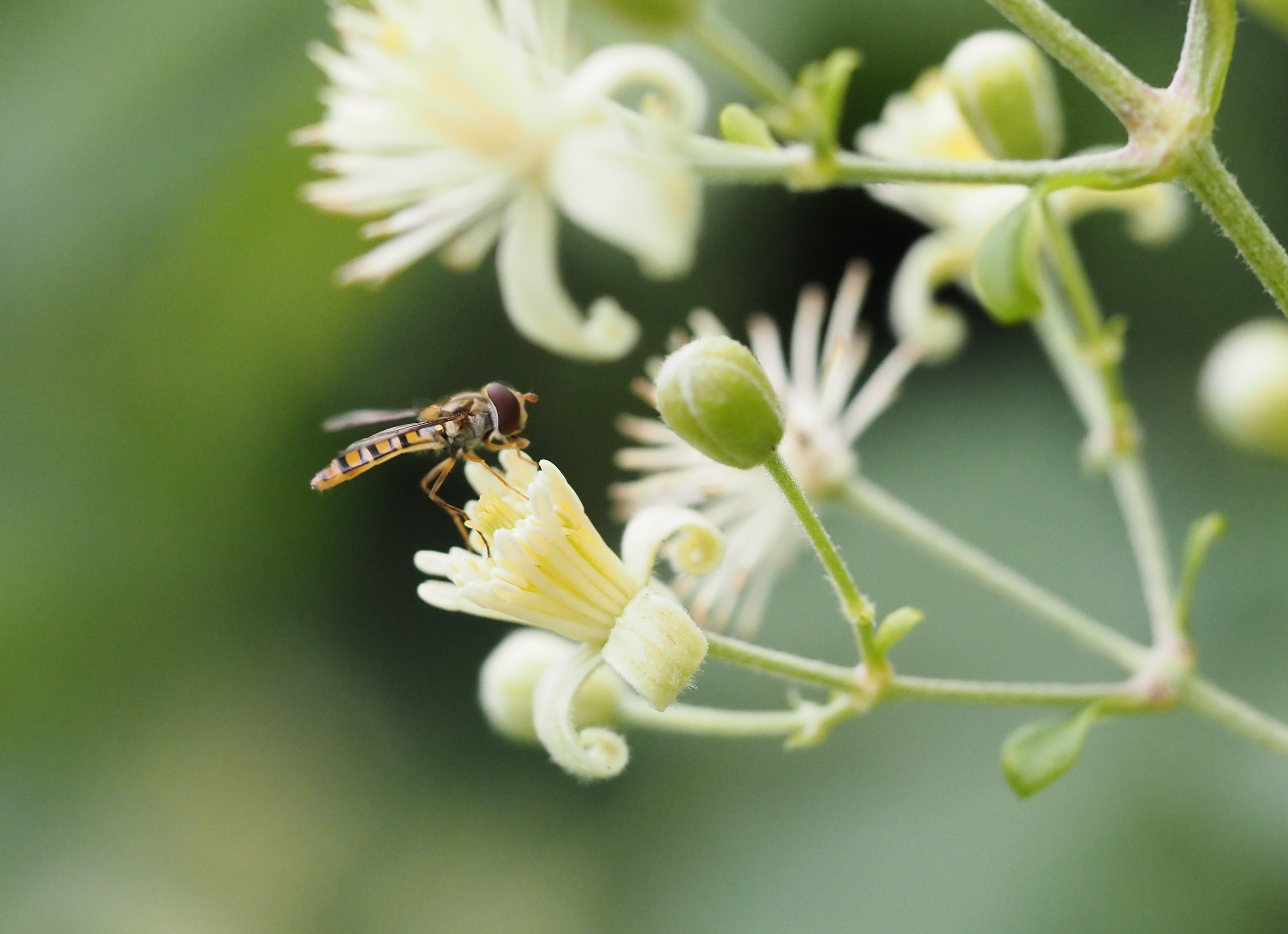
Fox et al. (2026) also observed that marmalade hoverflies (Episyrphus balteatus) moved in circular patterns across the outer ring of nectar-producing florets on strawberry flowers. Feeding and grooming behaviour is the key to pollination success. The pollination efficiency – i.e. how much viable pollen a marmalade hoverfly transfers during a single flower visit – depends on the duration of the time spent nectar and pollen feeding, and on stigma-oriented grooming. The transfer of pollen onto the flower stigma is the key to effective pollination.
Summing up
The migration of these tiny flies, back and forth across continents, is something truly extraordinary; and something that was largely hidden, or unknown to us, until very recently.
Knowing about their ability of make these multi-generational round trips each year, surely increases our appreciation, and respect, for these tiny insects.
That they are able to make such large scale migrations towards more favourable southern regions in the autumn, is something quite extraordinary (just like birds). These little flies have evolved an ability to ride the winds, and are Lords of the Air! (to paraphrase the title of the paper by Will Hawkes et al., 2025).
References
Chapman, B.B., Brönmark, C., Nilsson, J-A., Hansson, L-A. (2011). The ecology and evolution of partial migration. Oikos 120, 1764-1775.
Doyle, T., Hawkes, W. L., Massy, R., Powney, G. D., Menz, M. H., & Wotton, K. R. (2020). Pollination by hoverflies in the Anthropocene. Proceedings of the Royal Society B: Biological Sciences, 287(1927), 20200508.
Doyle, T. D., Jimenez‐Guri, E., Barnes, J. C., Hannah, C., Murray, S., Wyatt, C. D., … & Wotton, K. R. (2025a). Long‐range pollen transport across the North Sea: Insights from migratory hoverflies landing on a remote oil rig. Journal of Animal Ecology, 94(11), 2267-2281.
Doyle, T. D., Poole, O. M., Barnes, J. C., Hawkes, W. L. S., Jimenez Guri, E., & Wotton, K. R. (2025b). Multiple factors contribute to female dominance in migratory bioflows. Open Biology, 15(2).
Fox, M., Scott, L., & Capellini, I. (2026). How do insects pollinate flowers? Behaviour during visitation determines high pollination efficiency by a generalist insect. Functional Ecology, 40(10), 3213-3224.
Gilbert, F. S. (1981). Foraging ecology of hoverflies: morphology of the mouthparts in relation to feeding on nectar and pollen in some common urban species. Ecological Entomology, 6(3), 245-262.
Hart, A. J., & Bale, J. S. (1997). Cold tolerance of the aphid predator Episyrphus balteatus (DeGeer)(Diptera, Syrphidae). Physiological Entomology, 22(4), 332-338.
Hawkes, W.L., Doyle, T., Massy, R., Weston, S.T., Davies, K., Cornelius, E., Collier, C., Chapman, J.W., Reynolds, D.R., Wotton, K.R. (2024). The most remarkable migrants—systematic analysis of the Western European insect flyway at a Pyrenean mountain pass.
Proceedings of the Royal Society B, 291, 20232831.
Hawkes, W. L., Menz, M. H., & Wotton, K. R. (2025). Lords of the flies: dipteran migrants are diverse, abundant and ecologically important. Biological Reviews, 100(4), 1635-1659
Hawkes, W. L., Weston, S. T., Cook, H., Doyle, T., Massy, R., Guri, E. J., … & Wotton, K. R. (2022). Migratory hoverflies orientate north during spring migration. Biology Letters, 18(10)
Hawkes, W. L., Menz, M. H., & Wotton, K. R. (2025). Lords of the flies: dipteran migrants are diverse, abundant and ecologically important. Biological Reviews, 100(4), 1635-1659.
Hlaváček, A., Lučan, R. K., & Hadrava, J. (2022). Autumnal migration patterns of hoverflies (Diptera: Syrphidae): interannual variability in timing and sex ratio. PeerJ, 10, e14393.
Hondelmann, P., & Poehling, H. M. (2007). Diapause and overwintering of the hoverfly Episyrphus balteatus. Entomologia Experimentalis et Applicata, 124(2), 189-200.
Ji, J., Gao, Y., Xu, C., Zhang, K., Li, D., Li, B., … & Cui, J. (2024). Chromosome-level genome assembly of marmalade hoverfly Episyrphus balteatus (Diptera: Syrphidae). Scientific data, 11(1), 844.
Lack, D., Lack, E. (1951). Migration of Insects and Birds Through a Pyrenean Pass. Journal of
Animal Ecology, 20(1), 63-67.
Massy, R., Hawkes, W., Weston, S., Doyle, T., & Wotton, K. R. (2024). Enhanced flight performance in hoverfly migrants. Iscience, 27(12).
Massy, R., Hawkes, W. L., Doyle, T., Troscianko, J., Menz, M. H., Roberts, N. W., … & Wotton, K. R. (2021). Hoverflies use a time-compensated sun compass to orientate during autumn migration. Proceedings of the Royal Society B: Biological Sciences, 288(1959), 20211805.
Raymond, L., Vialatte, A., & Plantegenest, M. (2014). Combination of morphometric and isotopic tools for studying spring migration dynamics in Episyrphus balteatus. Ecosphere, 5(7), 1-16.
Sutherland, J. P., Sullivan, M. S., & Poppy, G. M. (1999). The influence of floral character on the foraging behaviour of the hoverfly, Episyrphus balteatus. Entomologia Experimentalis et Applicata, 93(2), 157-164.
Wotton, K. R., Gao, B., Menz, M. H., Morris, R. K., Ball, S. G., Lim, K. S., … & Chapman, J. W. (2019). Mass seasonal migrations of hoverflies provide extensive pollination and crop protection services. Current Biology, 29(13), 2167-2173.
Yuan, H., Jia, H., Zhou, X., Li, H., & Wu, K. (2026). Comprehensive stage-and tissue-specific transcriptome of the global ecosystem service insect, marmalade hoverfly Episyrphus balteatus. Scientific Data.

