I’ve fallen in love with this wasp! She has such a beautiful face – look at those eyes! – and such an interesting ‘back story’. By which I mean the complex ecology of the species and its inter-relationships with other insects in the natural world.
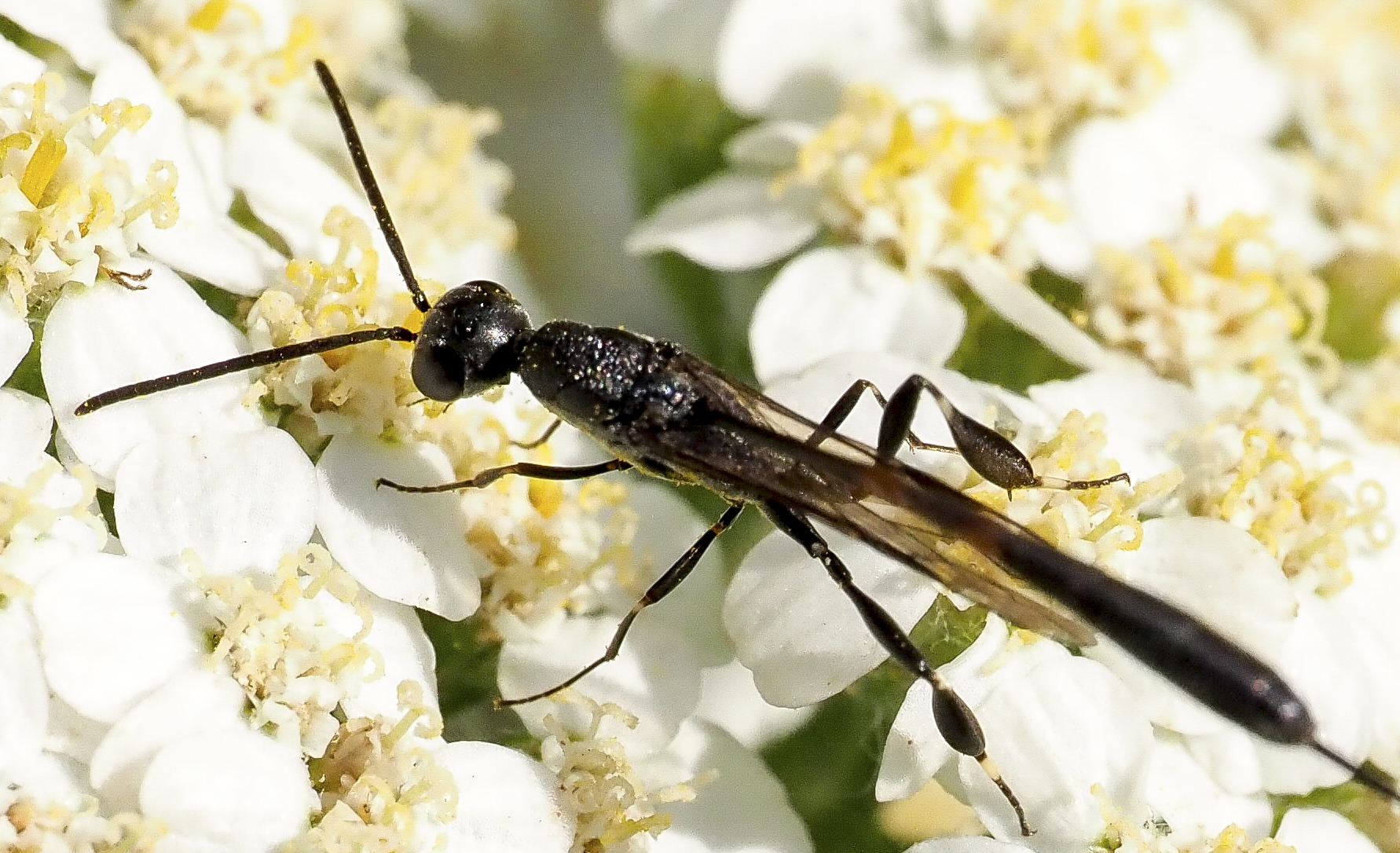
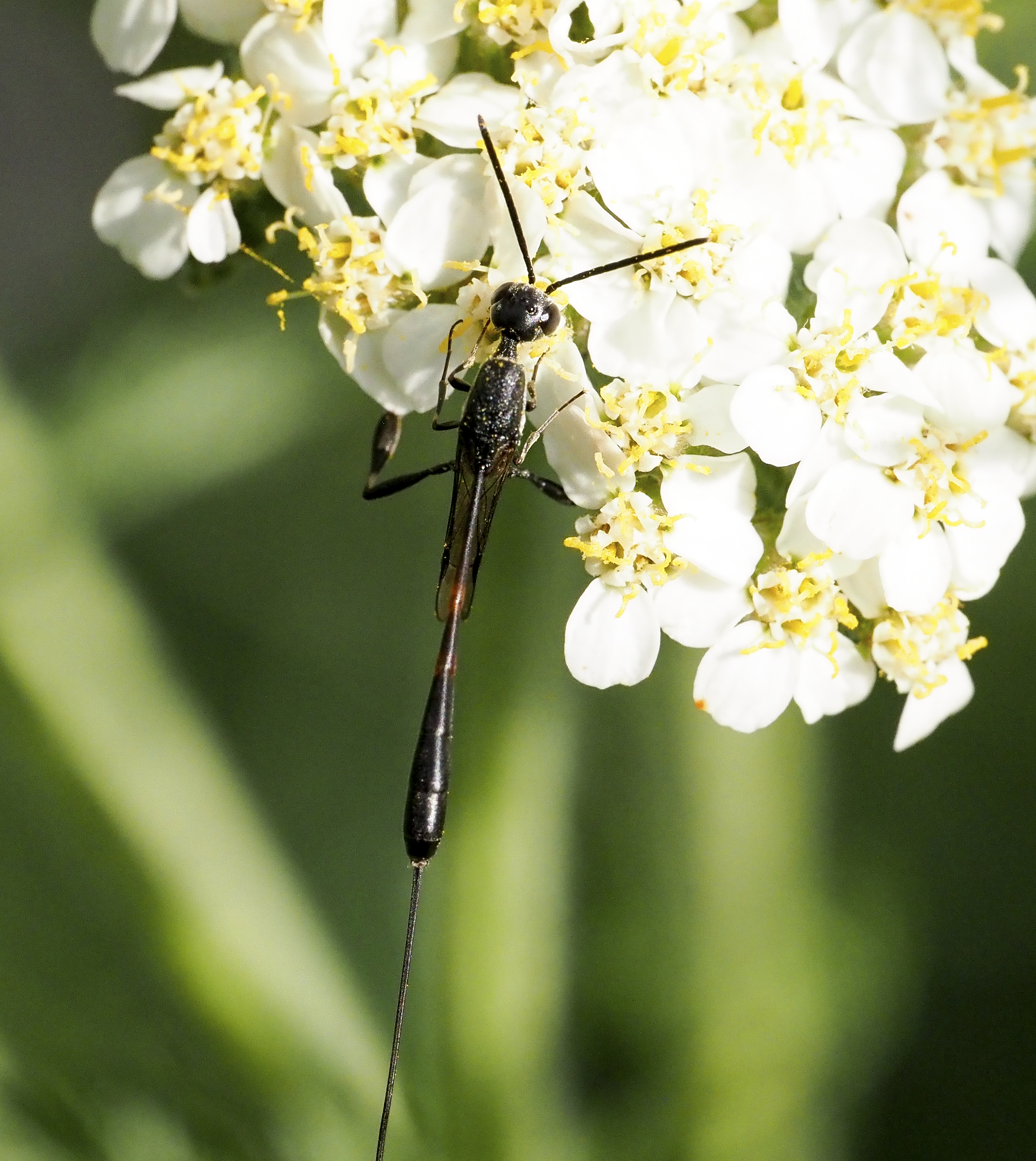
I came across this slender wasp feeding on the flower head of an umbellifer in July, and I manged to get a few pictures. It is called Gasteruption jaculator, or the Javelin Wasp. The genus Gasteruption Latreille (Gasteruptiidae), includes a group of parasitoid wasps with slender bodies, thick hind tibiae, and with females which can have both short or very long ovipositors.
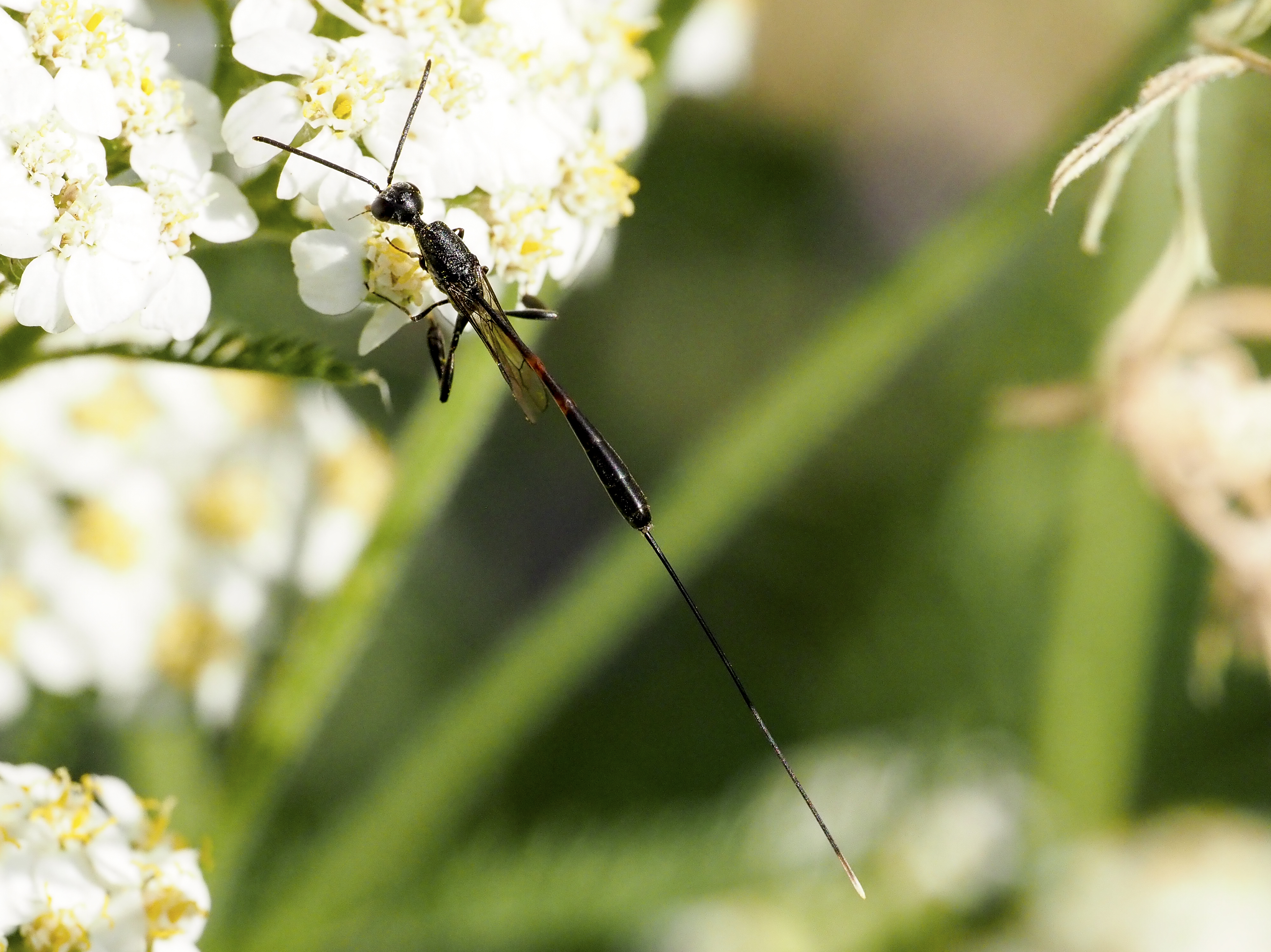
These wasps lay their eggs on the bodies of larvae of solitary bees, who make their nests in the vacated galls of chloropid frit flies, who live in Phragmites reeds. All will be explained below!
Part 1. The fly
Groups of bees and wasps make their nests in the old cigar-galls of the frit fly genus Lipara Meigen, 1830, on common reed (Phragmites australis) plants.
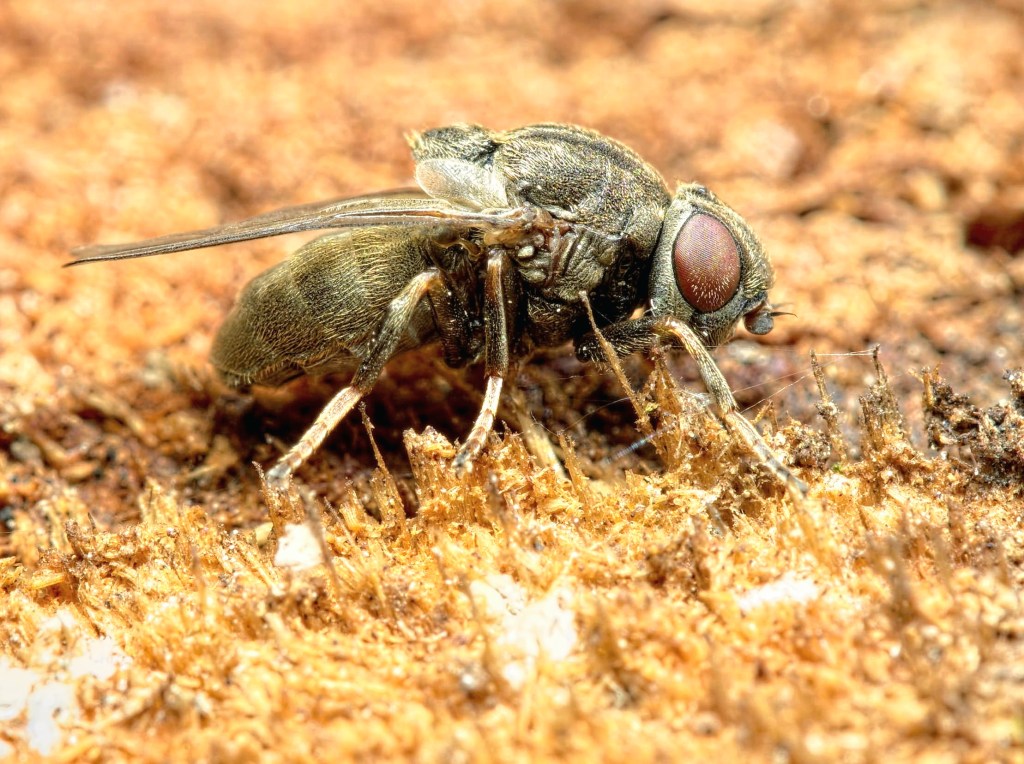
The cigar-gall fly, Lipara lucens Meigen, 1830 (Chloropidae) is a frit fly, found across Europe, that forms galls on Phragmites australis reeds.
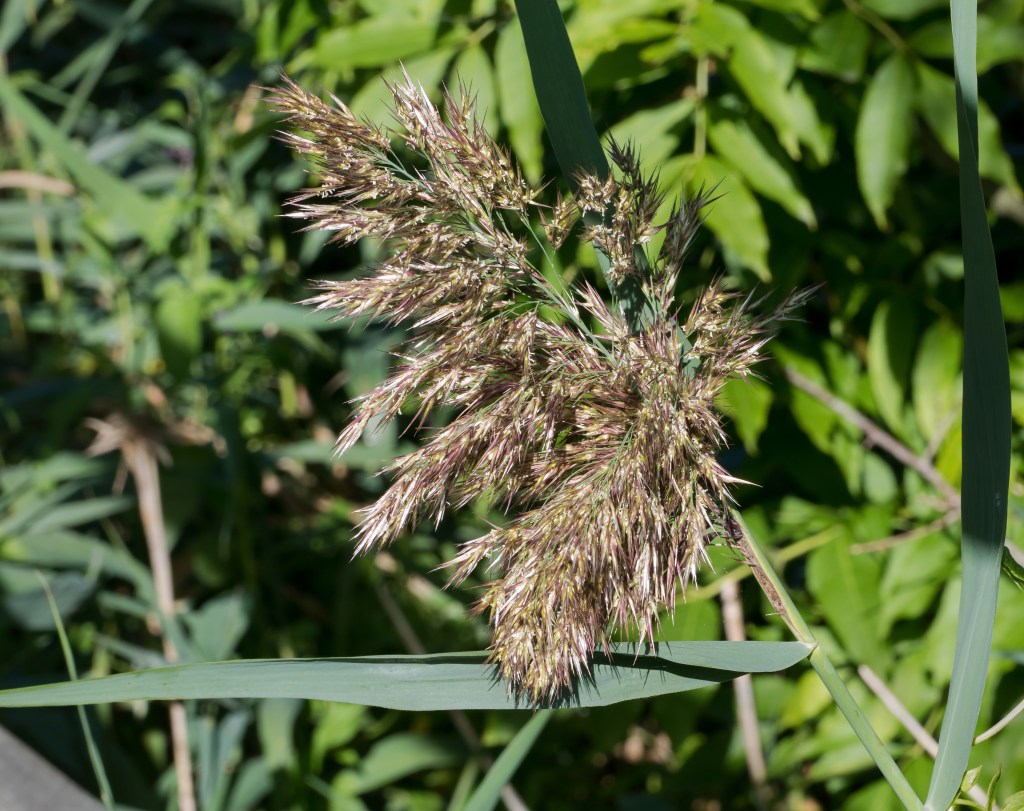
Lipara lucens females deposit a single egg on the surface of young reed shoots, and the 1st instar larvae bore their way in. There they feed on newly emerging leaves, and induce the formation of a cylindrical, woody cigar-gall (c. 6 cm long), with a gall chamber inside.
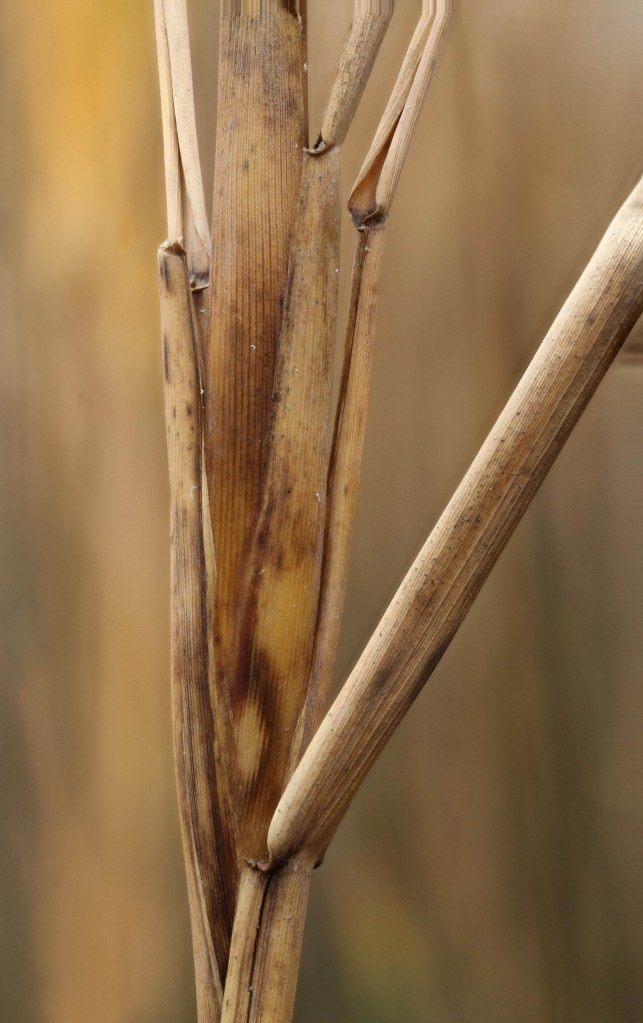
Photo by Janet Graham Flickr CC BY 2.0
A widely used microhabitat
The galls create a micro-habitat – a zoocoenosis of plant, insects and microbes – that is host to a whole variety of ‘lodgers’ (inquilines), parasitoid wasps, and other smaller Lipara fly species – there are 11 known species – while also serving as a food source for birds such as blue tits.
One study in the Czech Republic by Heneberg et al. (2014) found fourteen species of aculeate hymenopteran inquilines emerging from the Lipara reed galls! In the same study they showed that reed beds, and particularly the reed galls induced by Lipara flies, provide a unique habitat for at least 183 bee and wasp species!
Another study found 45 species of Hymenoptera associated with reed galls (Astapenkova et al., 2017). And a total of total 25 species of inquilines were found in reed cigar galls collected in the Netherlands (illustrated in a beautiful figure in Schreven, 2024).
In short, the gall flies create a shelter site and nesting place for a host of other arthropods. The chambers created by these gall-forming flies provide nesting sites for a large number of hymenopterans (bees and wasps), some of which are parasitised by other hymenopterans in a higher trophic layer.
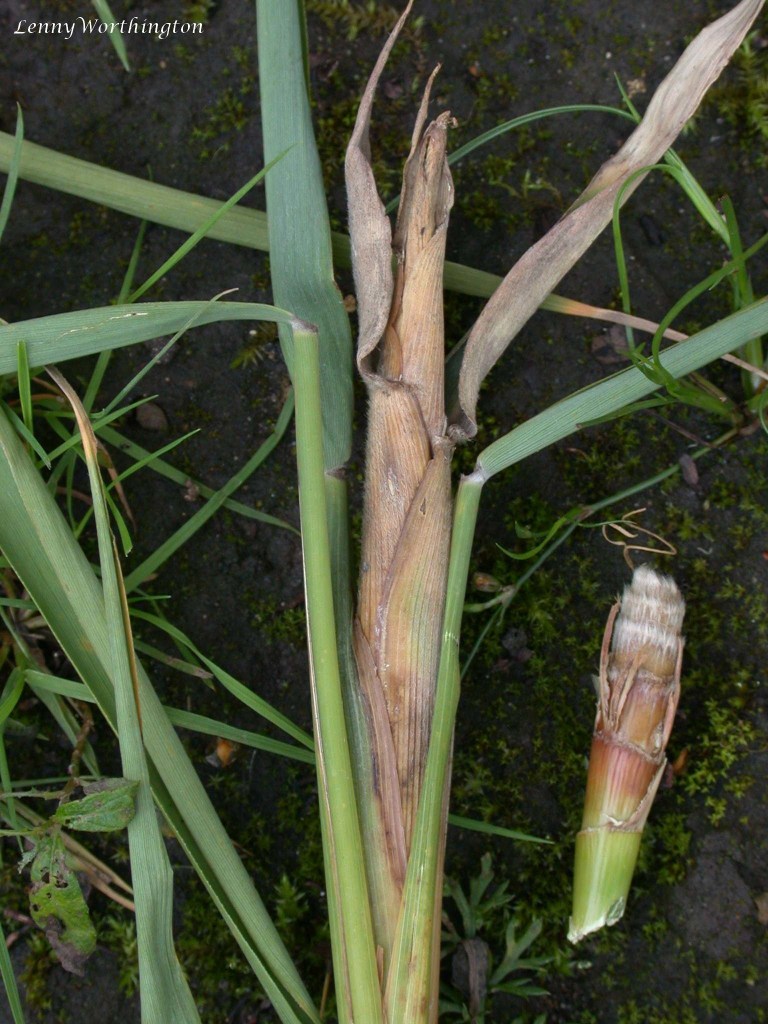
Courtship behaviour – the leaves vibrate when you come near!
As an interesting aside, the courtship behaviour of the cigar-gall fly is worth mentioning. Male Lipara lucens emit acoustical courtship signals – substrate vibrations – which are perceived by female flies resting on the same Phragmites reed stem. Virgin female cigar-gall flies respond to these acoustic signals by emitting their own vibrations, which stimulates the male to search and try to find her.
A regional language
The male courtship vibrations in Lipara lucens are composed of a train of bursts, which differ in both composition and duration, between different populations of the species in Europe (Kanmyia, 1990). It’s almost as though the flies speak (or vibrate) different languages in Germany, Belgium, Czechoslovakia and England!
The mature cigar-gall fly larvae overwinter in the gall – where some will be parasitised by wasps in the families Braconidae and Eulophidae – until emerging in the spring, after pupation, leaving a vacated gall for other insects to take up residence in!
Part 2. The bee
As we have seen, many species use the vacated spindle-shaped galls to make their own nests, including the Reed Yellow-face Bee, Hylaeus pectoralis Foerster (Colletidae ). A small bee, associated with wetlands – including Wicken Fen, Cambridgeshire – in south-east England. See photos by Steven Falk here.
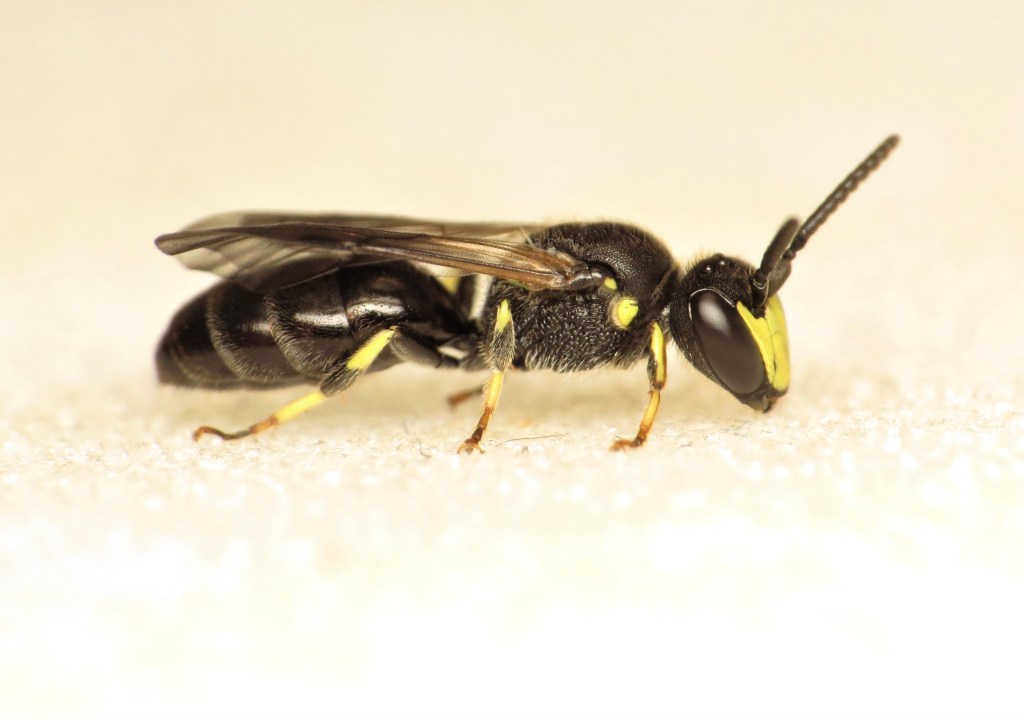
Female Hylaeus pectoralis bees line the inside of the cigar-gall chambers with a salivary secretion that dries into a cellophane-like membrane. They create individual brood cells and seal the completed nest with a plug of leaf fragments.
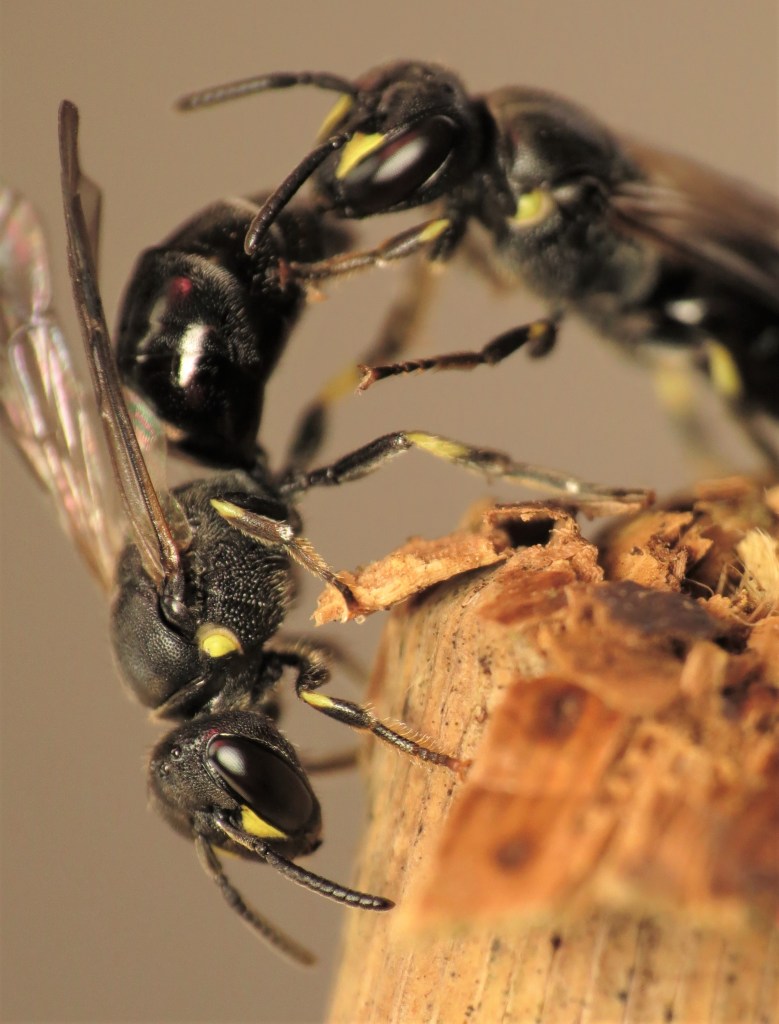
The Reed Yellow-face Bee is polylectic, which means that it collects nectar and pollen from a wide range of wetland and meadow flowering plants, including brambles (Rubus fruticosus), wild carrot (Daucus carota), hawkbits (Leontodon sp.), perennial sow-thistle (Sonchus arvensis), hogweed and angelica. This is why mosaics of wet meadows with such flowering plants and reed beds are so vital for bees such as Hylaeus pectoralis and other wetland specialists (including their parasitoids, see below).!
This small bee species has been commonly recorded as a host of several Gasteruption species, including Gasteruption jaculator (Linnaeus, 1758) (Bogusch et al., 2018)
Part 3. The wasp
Having set the scene, we can finally return to the wasp who I began by describing as so being beautiful, and which led me down this fascinating path of discovering something that was completely new to me.
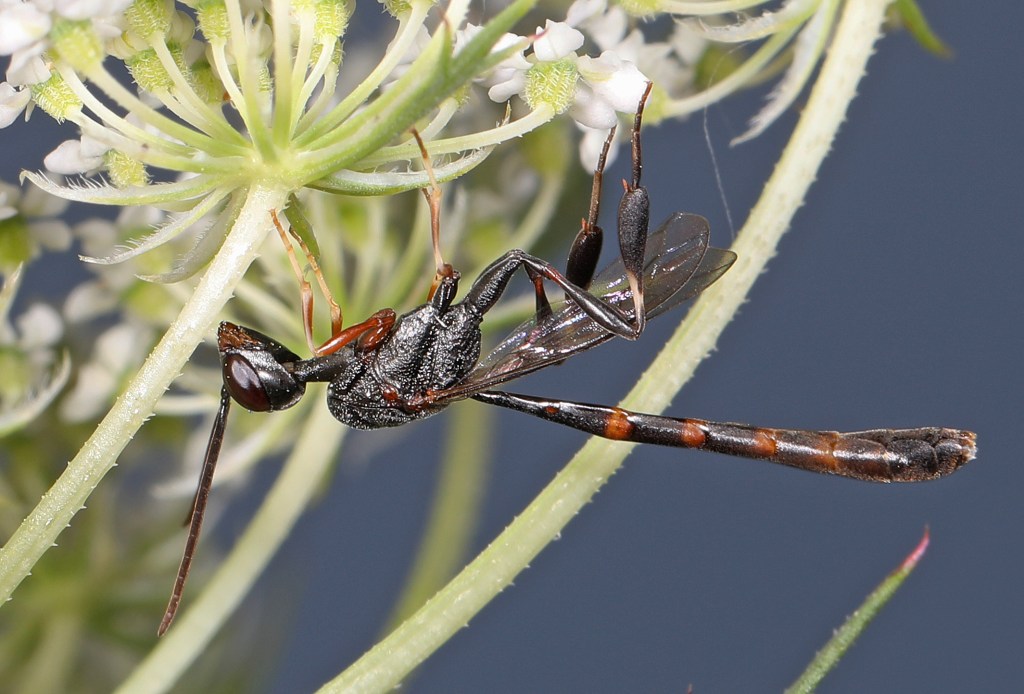
Gasteruption jaculator (Gasteruptiidae) males have long bodies, but with no ovipositors of course! (See above). It is the female which has the very long ovipositor in Gasteruption jaculator – a needle-like tubular organ through which she deposits her eggs. The shape and steering mechanism of the ovipositor was described by Quick & Fitton (1995). They showed that Gasteruption jaculator females can bend their ovipositor dorsally (i.e. upwards) through 180 degrees, so they can easily deposit their eggs in the bees’ nests.
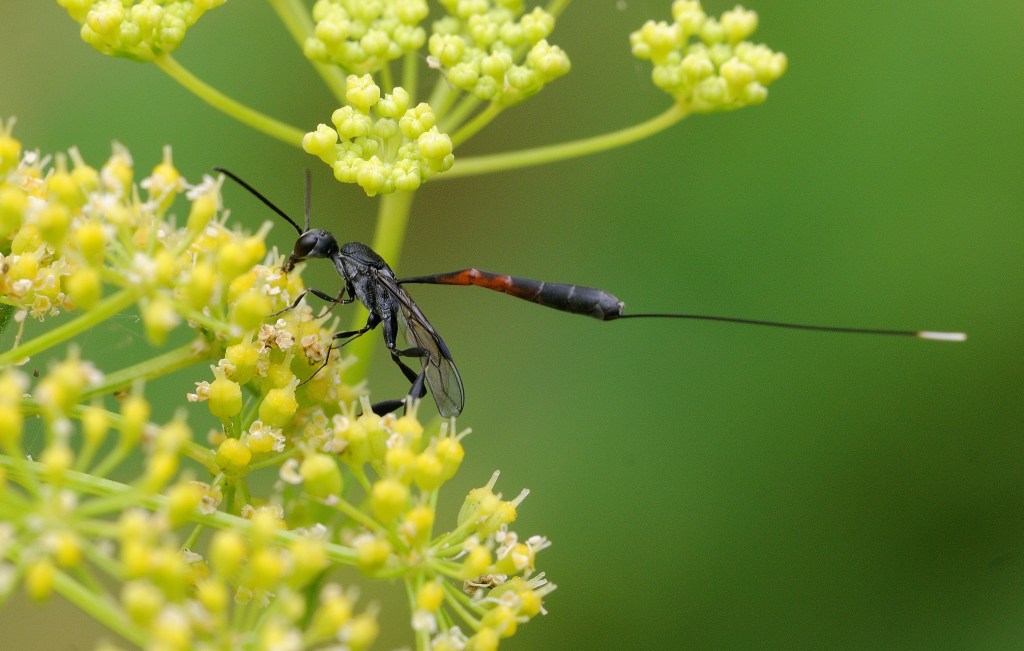
These slender Gasteruption wasps are commonly known as carrot wasps or pennant wasps, and there are at least six species in Great Britain. They are specialized parasitoids (or cleptoparasites) of solitary bees and wasps (such as Hylaeus and Colletes species).
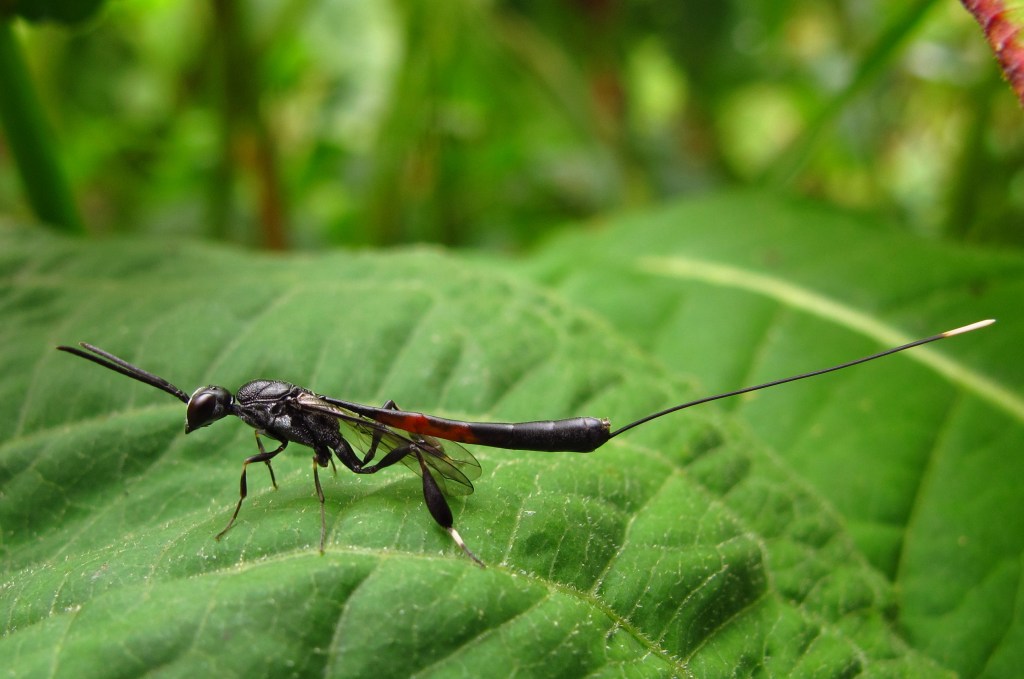
Adult Gasteruption wasps are free-living, and feed on nectar from flowers with easily accessible nectar, such umbellifers in the families Apiaceae, yarrow (Achillea millefolium) as shown here.
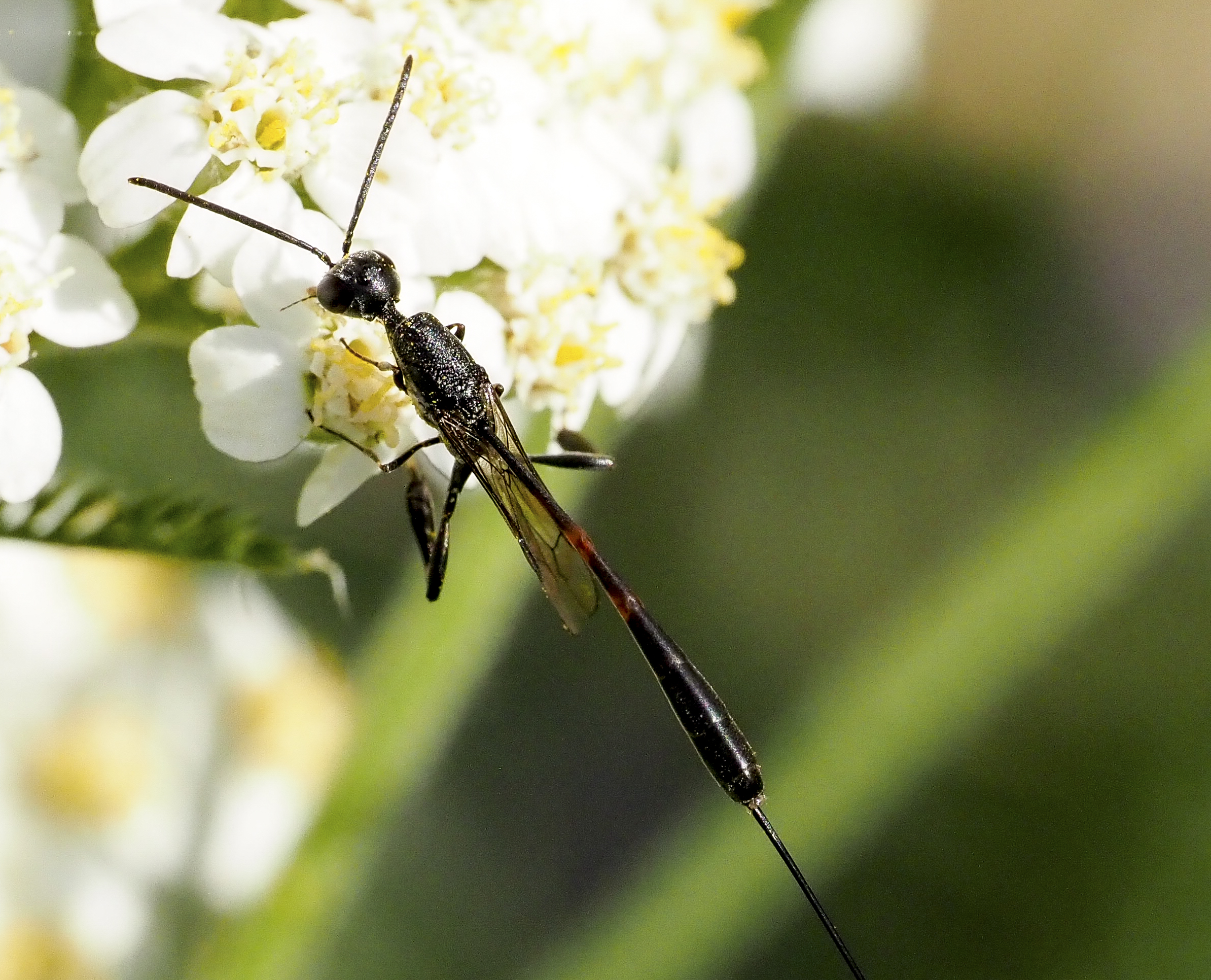
Gasteruptiid wasps are characterized by their hovering flight during their inspection of bee nests, somehow feeling (or listening?) for the vibrations of the bee grubs inside. The females were described as almost floating on the air during their searching, then sitting motionless outside Hylaeus nests until the female bee exists the nest to forage. Warning: don’t leave the grubs unattended!
The precise way in which Gasteruption wasps deposit their eggs depends on the species, in particular on how long their ovipositors are. They all lay their eggs in proximity to the host egg, with the exact positioning depending on the species. Those species with long ovipositors thrust the full length of the ovipositor into the nest, while other species with shorter ovipositors (like Gasteruption minutum, see below) have to enter the nests when the Hylaeus female bees are out foraging for pollen/nectar.
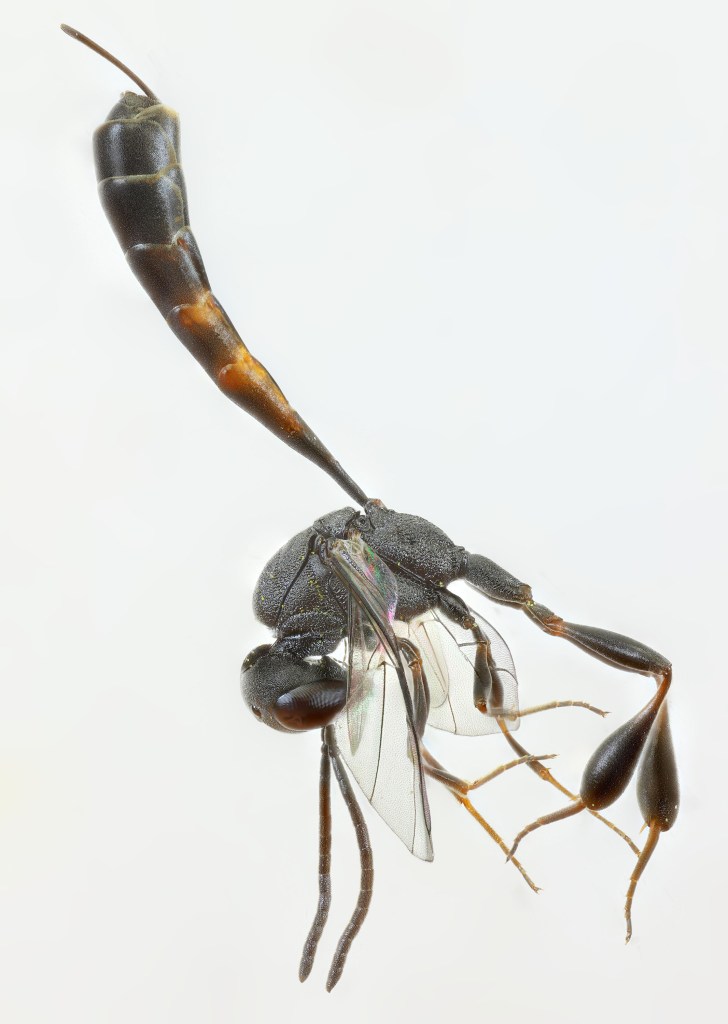
The Gasteruption wasp larvae feed on the larval food – pollen and nectar – meant for the Hylaeus bee larva of the solitary bees, after having eaten the egg or larva of the bee, that is! Whether they eat the food first (leaving the grubs for later!), or the host larva first, seems to depend on the species. However, it’s worth emphasising that only a small number of bee hosts – perhaps 4–7% of the broods – get parasitised, according to Parslow et al. (2020). So the effect on the bee population is probably minimal.
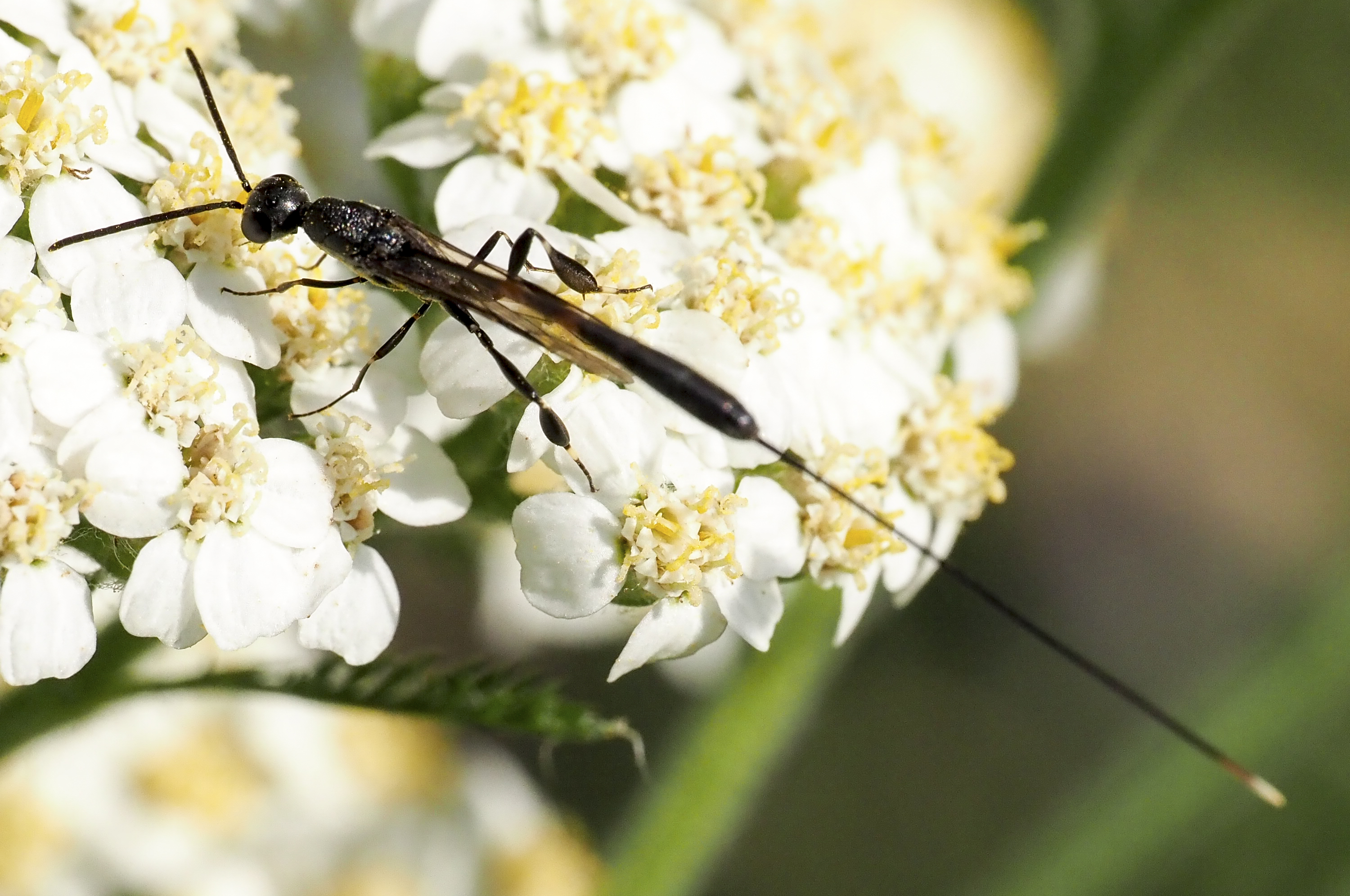
Summing up
This has, for me, been a fascinating voyage of discovery. I have often wandered around wetlands full of Phragmites reeds, like Wicken fen, but had no idea that such a complex ecology existed there. Complex layers of plants, herbivores, nest dwellers, parasitoids and so on.
These species all rely on each other and are woven together in fascinating weave of mutual dependency, far more complex than described here, as there are many more species involved. Nearly a dozen Lipara fly species in the UK alone, many different bees who take up residence in their nests, and a variety of pennant wasps – at least 30 species in the genus Gasteruption in Europe – which arrive to parasitise the bees. And then there are hyperparasitoids which lay eggs on the developing Gasteruption wasp larvae. We rarely get a glimpse into the true diversity of our ecosystems, even in counties like Britain, with many fewer insects than the tropics!
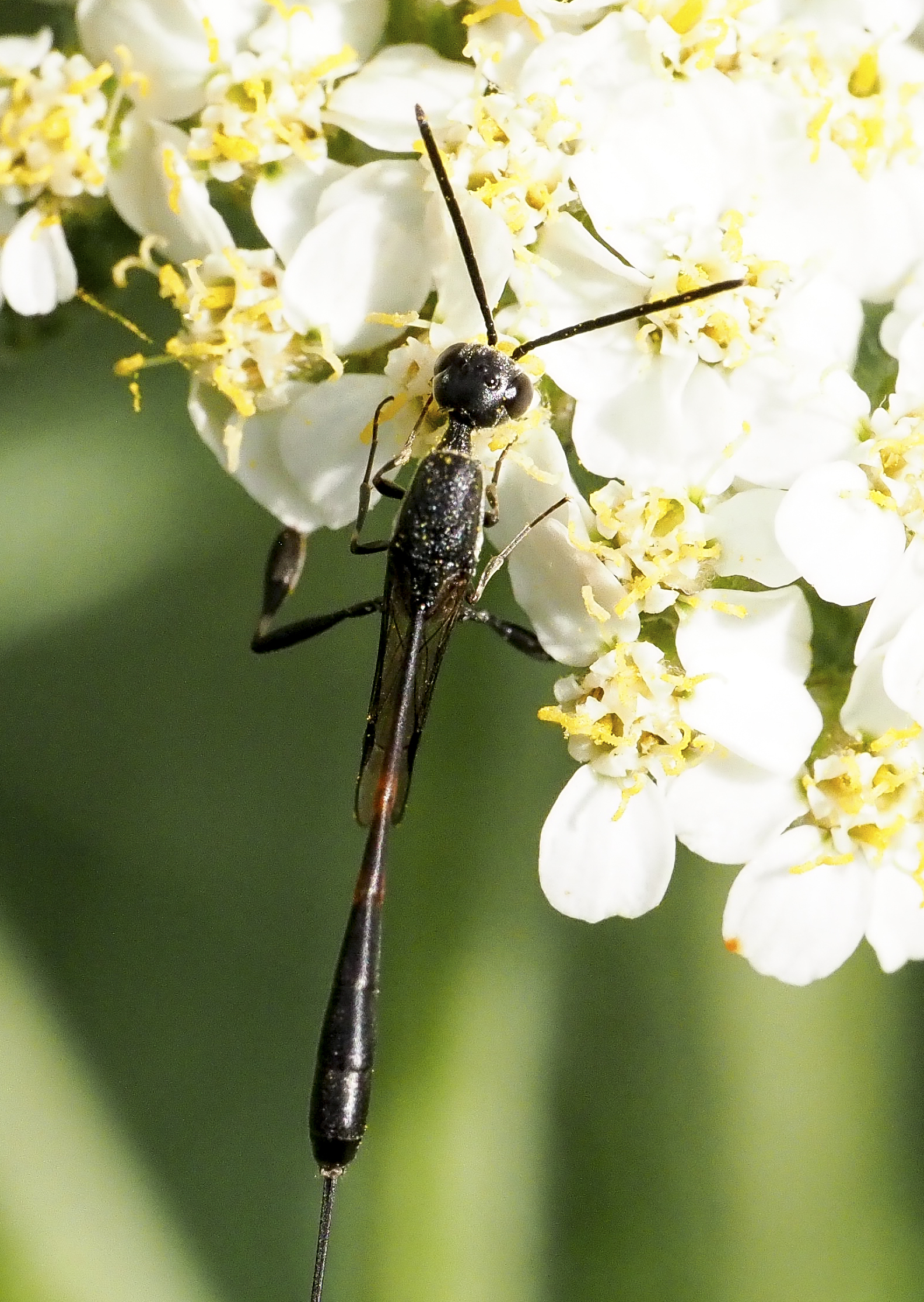
New species of these beautiful wasps – a large cosmopolitan genus Gasteruption with 500+ species – are being discovered around the world, e.g. see here. But how much do we know about their behaviour? How do they locate they hosts? How do they locate each other? Well the cigar-gall flies do so by sending each other vibrations! But, as I always say when finishing my blogs, there is so much more to find out!
References
van Achterberg, C., & Talebi, A. A. (2014). Review of Gasteruption Latreille (Hymenoptera, Gasteruptiidae) from Iran and Turkey, with the description of 15 new species. ZooKeys, (458), 1.
Astapenková, A., Heneberg, P., & Bogusch, P. (2017). Larvae and Nests of Aculeate Hymenoptera (Hymenoptera: Aculeata) Nesting in Reed Galls Induced by Lipara spp.(Diptera: Chloropidae) with a Review of Species Recorded. Part II. PLoS One, 12(1), e0169592.
Bogusch, P., van Achterberg, C., Šilhán, K., Astapenková, A., & Heneberg, P. (2018). Description of mature larvae and ecological notes on Gasteruption Latreille (Hymenoptera, Evanioidea, Gasteruptiidae) parasitizing hymenopterans nesting in reed galls. Journal of Hymenoptera Research, 65, 1-21.
Bogusch, P., Bělastová, L., & Heneberg, P. (2017). Limited overlap of the community of bees and wasps (Hymenoptera: Aculeata) nesting in reed galls with those nesting in other cavities. Journal of Insect Conservation, 21(5), 861-871.
Bogusch, P., Houfková Marešová, P., Falk, S., Astapenková, A., & Heneberg, P. (2024). Conservation of a specialised species is helpful for the whole ecosystem: a case study of Hylaeus pectoralis (Hymenoptera: Colletidae). Journal of Insect Conservation, 28(4), 831-842.
Heneberg, P., Bogusch, P., & Astapenková, A. (2014). Reed galls serve as an underestimated but critically important resource for an assemblage of aculeate hymenopterans. Biological Conservation, 172, 146-154.
De Bruyn, L. (1994). LIFE HISTORY STRATEGIES OF THREE GALL-FORMING FLIES TIED ΤΟ NATURAL VARIATION IN GROWTH OF PHRAGMITES AUSTRALIS. The ecology and evolution of gall-forming insects, 174, 56.
Jennings, John T. and Andrew R. Deans. 2005. Gasteruptiinae. Gasteruption. Version 06 May 2005. /Gasteruption/25832/2005.05.06 in The Tree of Life Web Project. https://tolweb.org/Gasteruption/25832
Kanmiya, K. (1990). Acoustic properties and geographic variation in the vibratory courtship signals of the European chloropid fly, Lipara lucens Meigen (Diptera, Chloropidae). Journal of Ethology, 8(2), 105-120.
Mook, J. H., & Bruggemann, C. G. (1968). Acoustical communication by Lipara lucens (Diptera, Chloropidae). Entomologia Experimentalis et Applicata, 11(4), 397-402.
Parslow, B. A., Schwarz, M. P., & Stevens, M. I. (2020). Review of the biology and host associations of the wasp genus Gasteruption (Evanioidea: Gasteruptiidae). Zoological Journal of the Linnean Society, 189(4), 1105-1122.
Quicke, D. L., & Fitton, M. G. (1995). Ovipositor steering mechanisms in parasitic wasps of the families Gasteruptiidae and Aulacidae (Hymenoptera). Proceedings of the Royal Society of London. Series B: Biological Sciences, 261(1360), 99-103.
Schreven, SJ (2024). The legacy of a fly: the inhabitants of reed cigar galls in De Bruuk. Entomological Reports , 84 (6), 223-230.
Vandevyvere, I., & De Bruyn, L. (1998). Morphological and histochemical analysis of galls of Lipara lucens (Diptera, Chloropidae) on Phragmites australis (Poaceae). Canadian journal of botany, 76(8), 1374-1384.

