Non-biting midges (Diptera: Chironomidae) are one of the most diverse and numerous groups of aquatic invertebrates, found in almost all freshwater habitats. There are probably many more than 15,000 species worldwide – although only 7,300 had been scientifically described, as of 2024 (Boóz et al., 2024). So, many more likely await discovery and description.
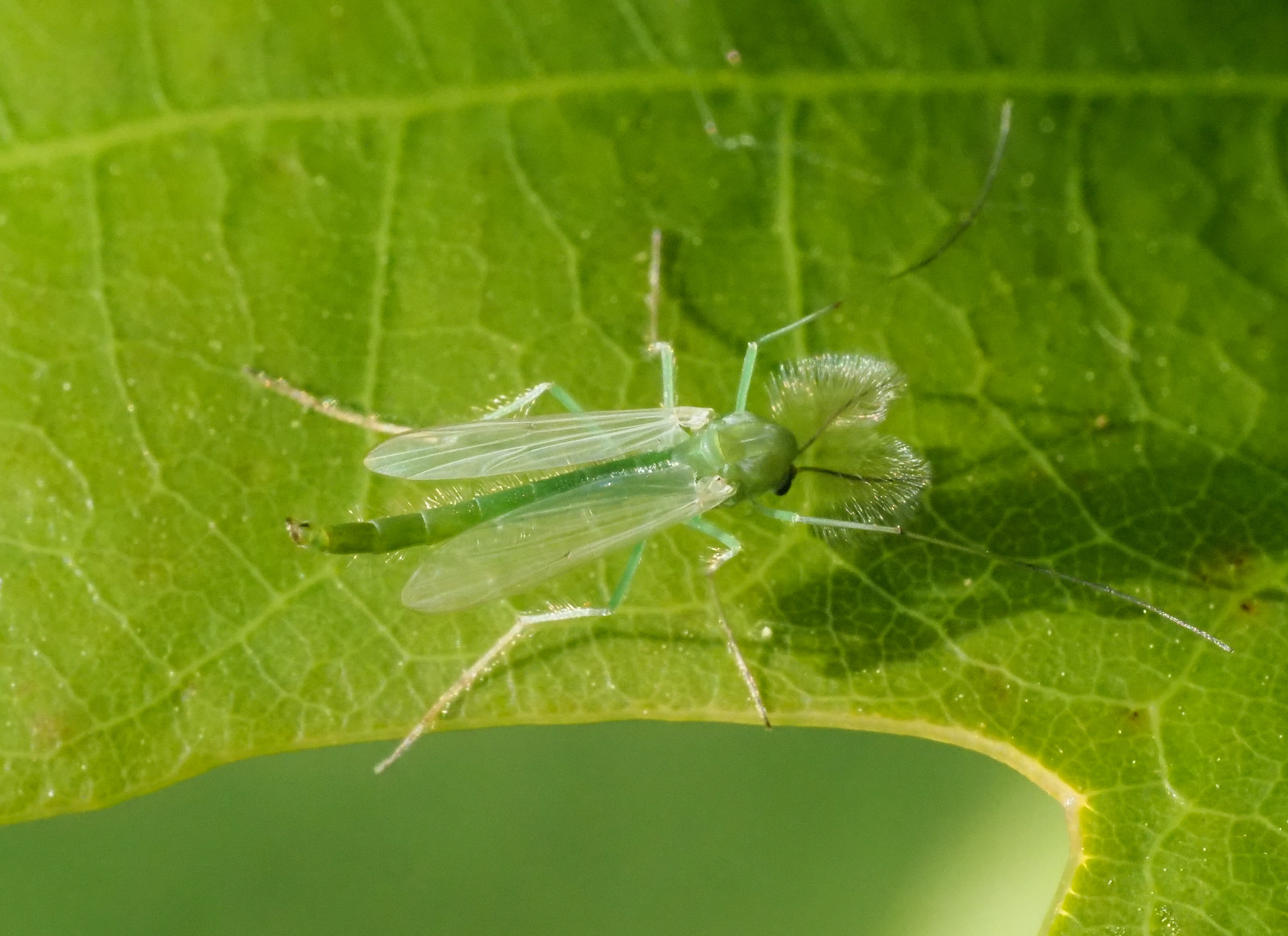
Anglers and fish-tank owners will be familiar with the bright red larval stages, called blood worms, used for fish food or fish bait. These thin segmented ‘worms’ are the larval stages of midges which live on the bottom of streams, ponds and lakes. Aquatic midges swim to the water’s surface as pupae, before the adults split their pupal skins and pull themselves out of their cases, to emerge into the air. Anglers – fly fishermen – produce ‘flies’ (lures) that can resemble midges at various stages, from pupae to full adult emergence (see here).
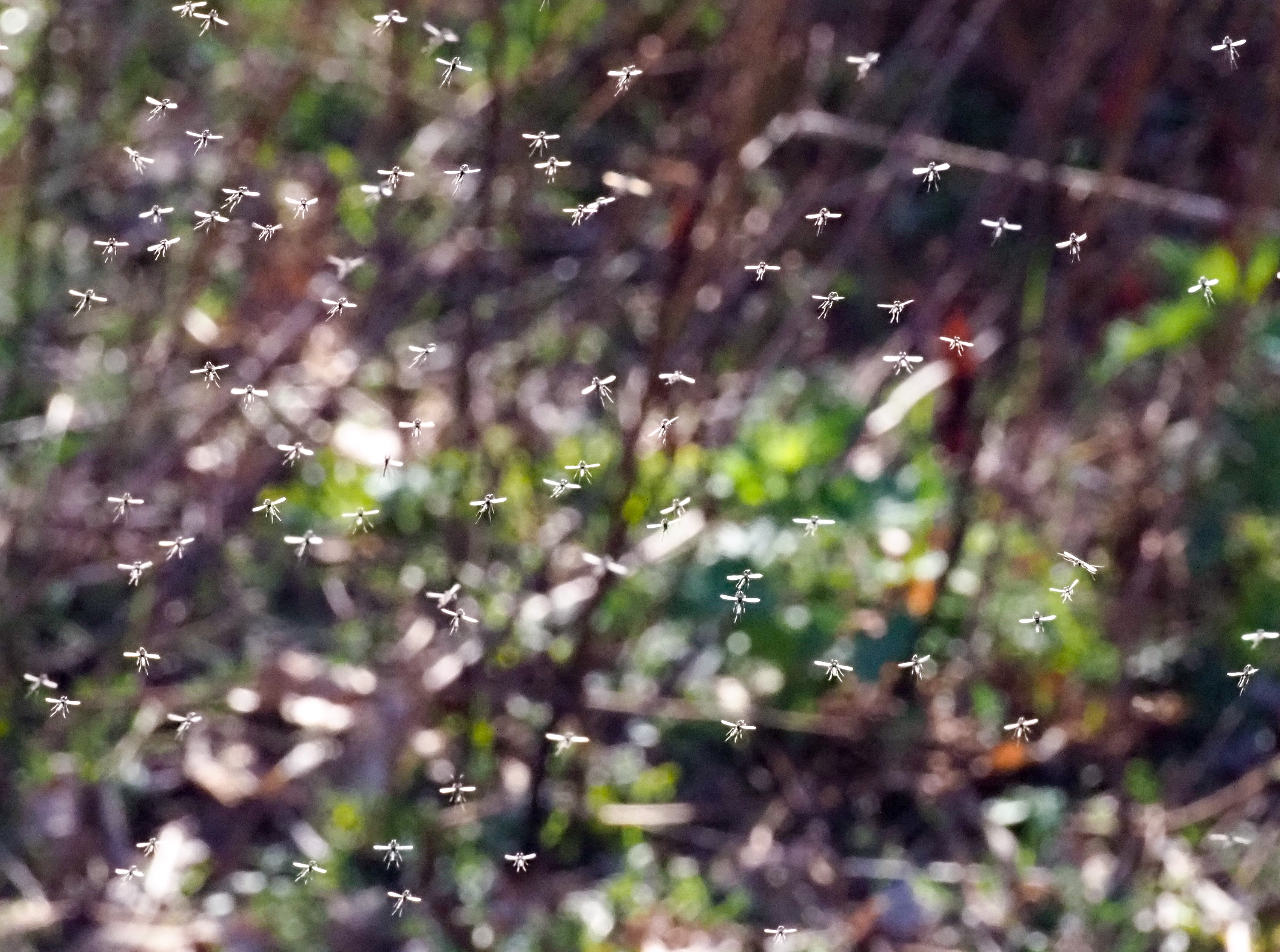
Male midges gather in large columns, or clouds: swarms of dancing insects which use ‘swarm markers’ or visual reference points, on which to maintain their position and orientation.
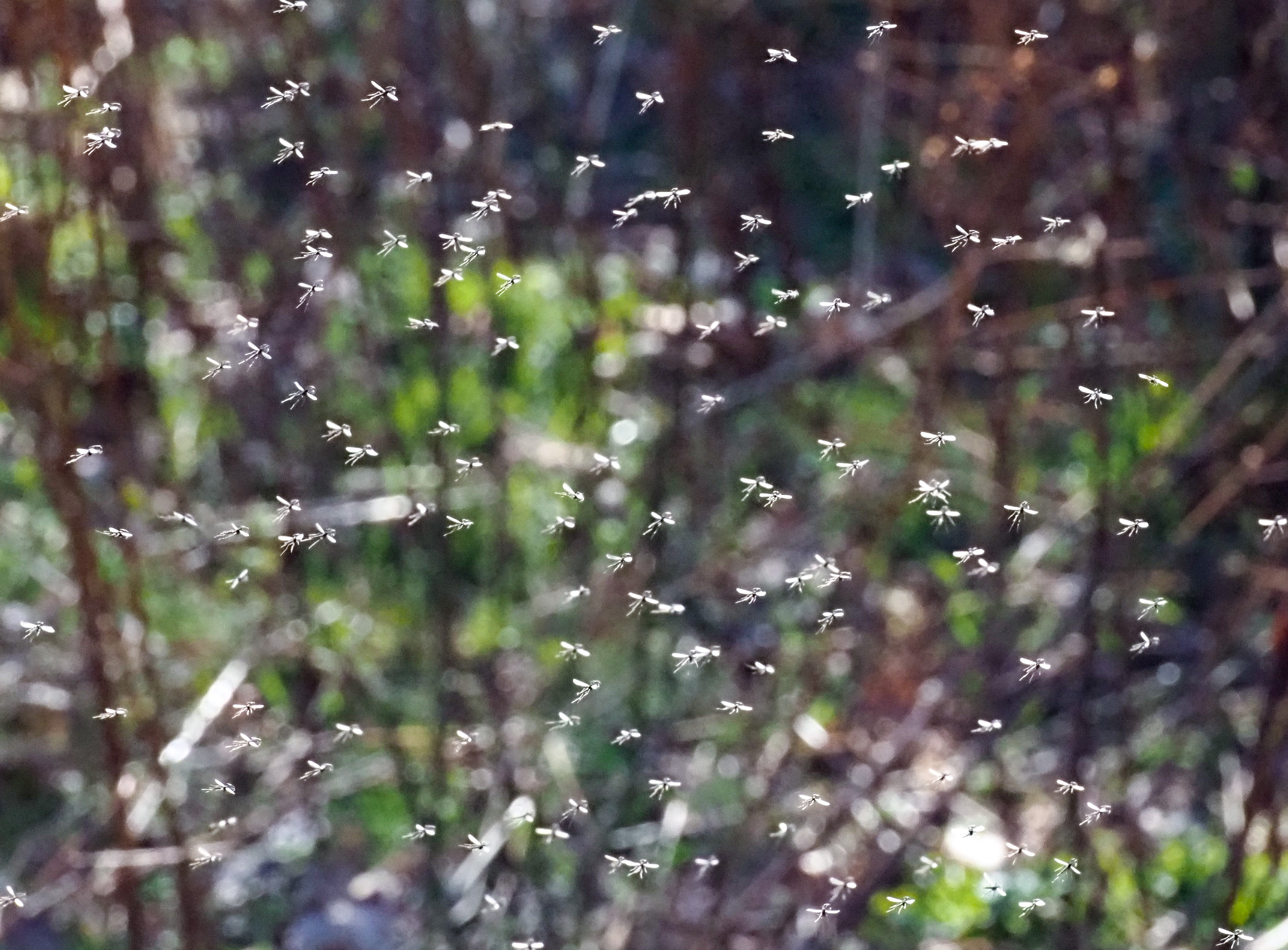
These swarms are leks – aggregations of males gathered together to engage in competitive displays and, in some species, courtship rituals to attract females, or allow them to choose a male. In some parts of the world, famously on Lake Victoria in Africa, midge swarms become so massive, they form towering, smoke-like columns visible from miles.
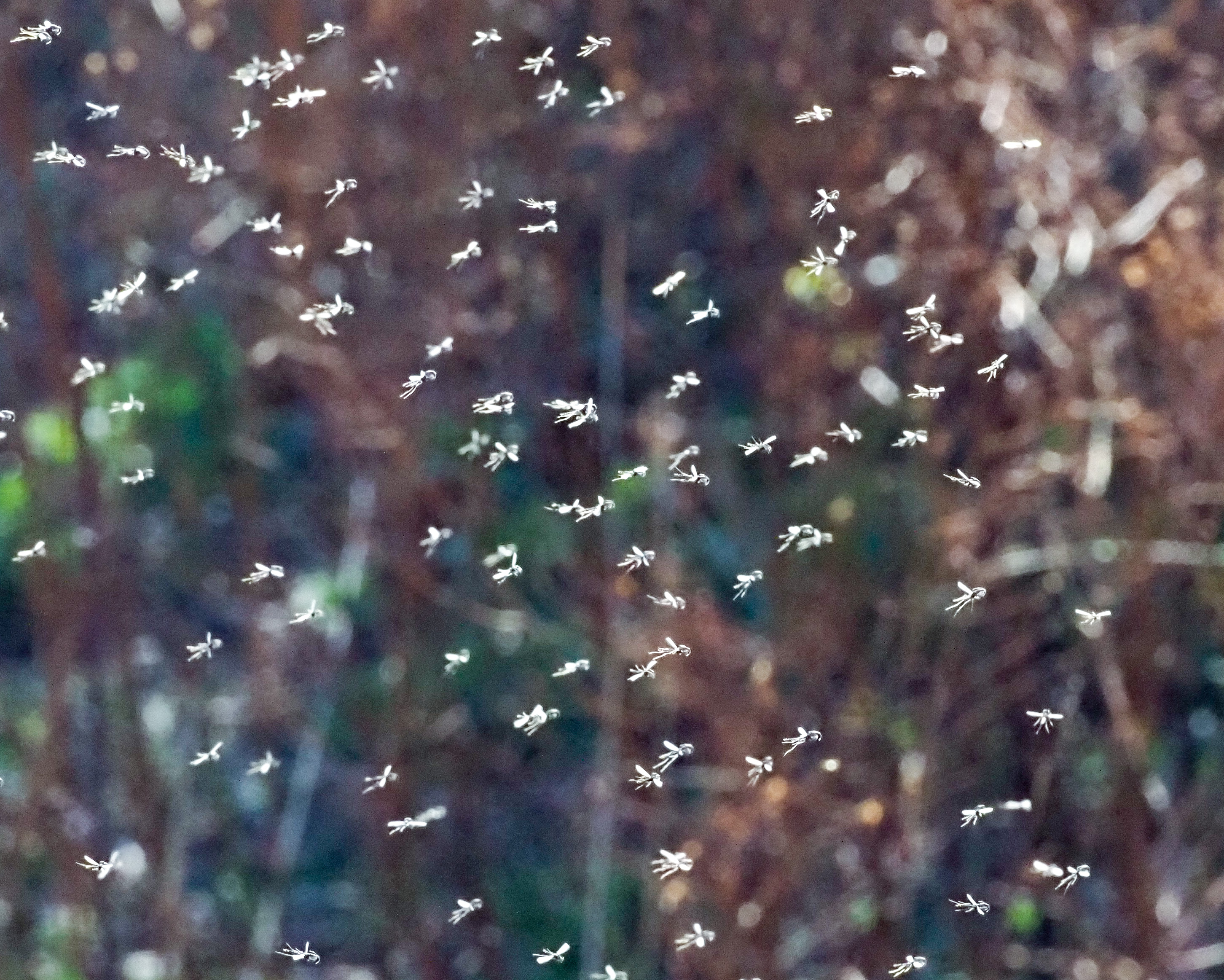
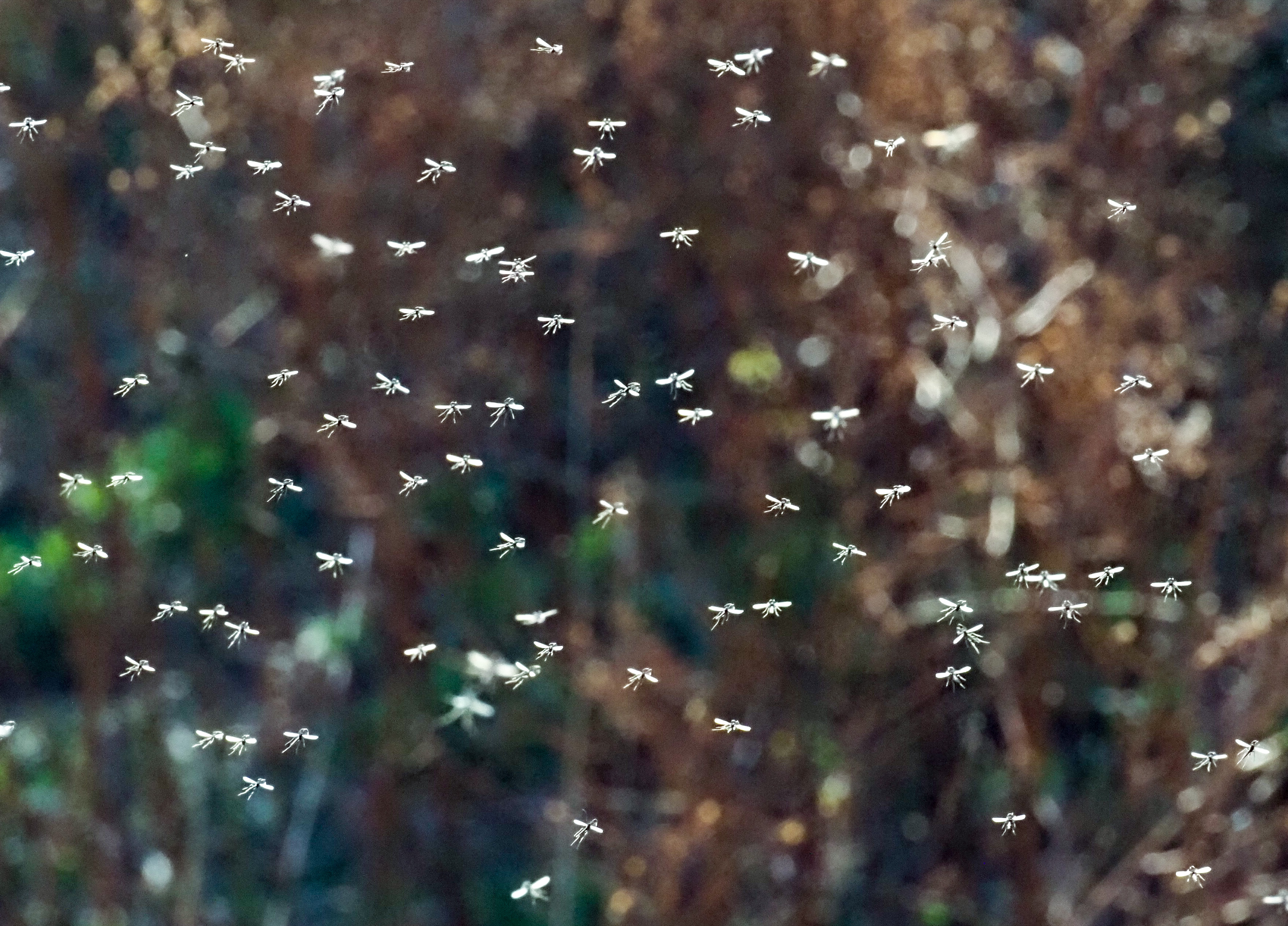
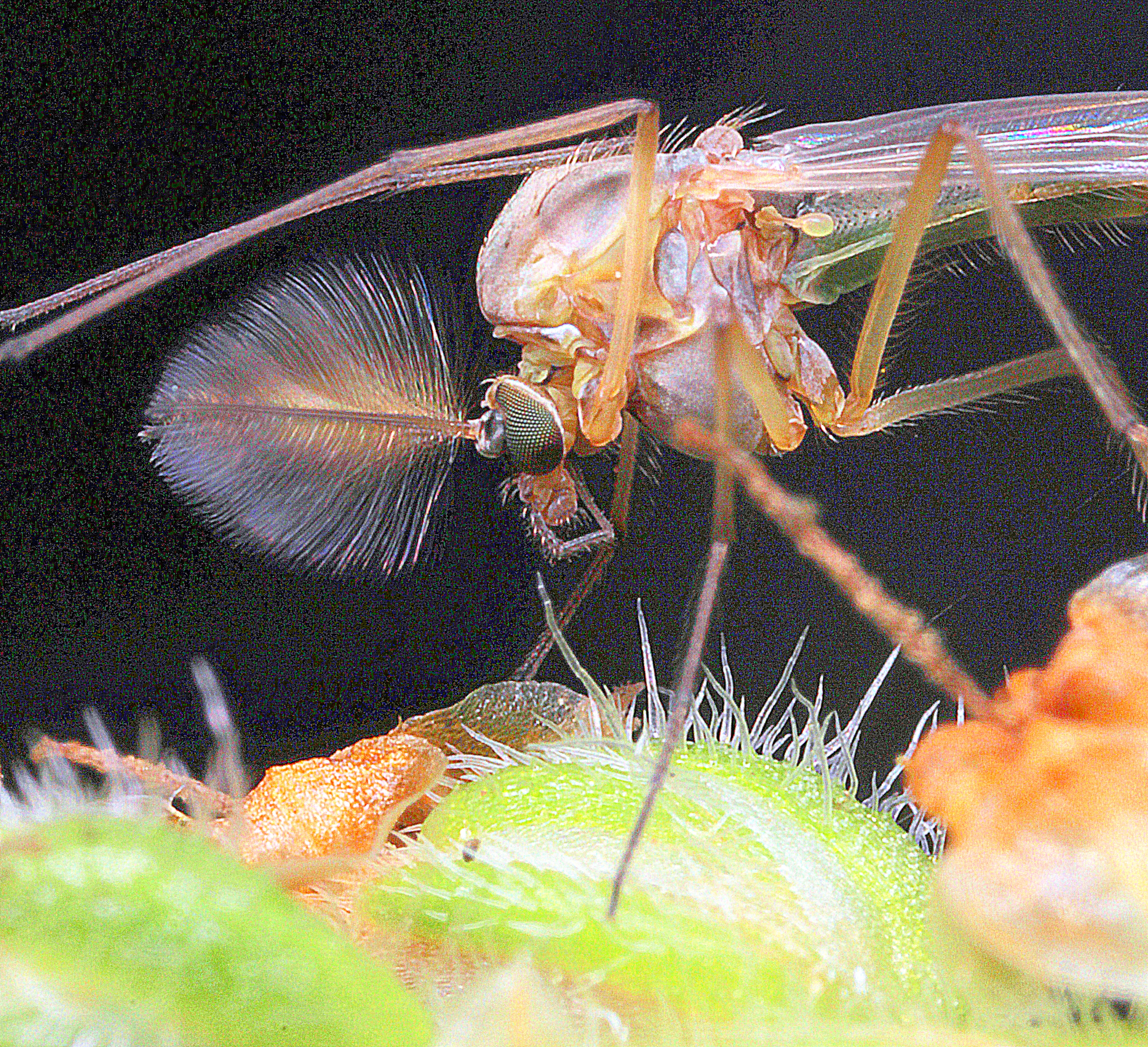
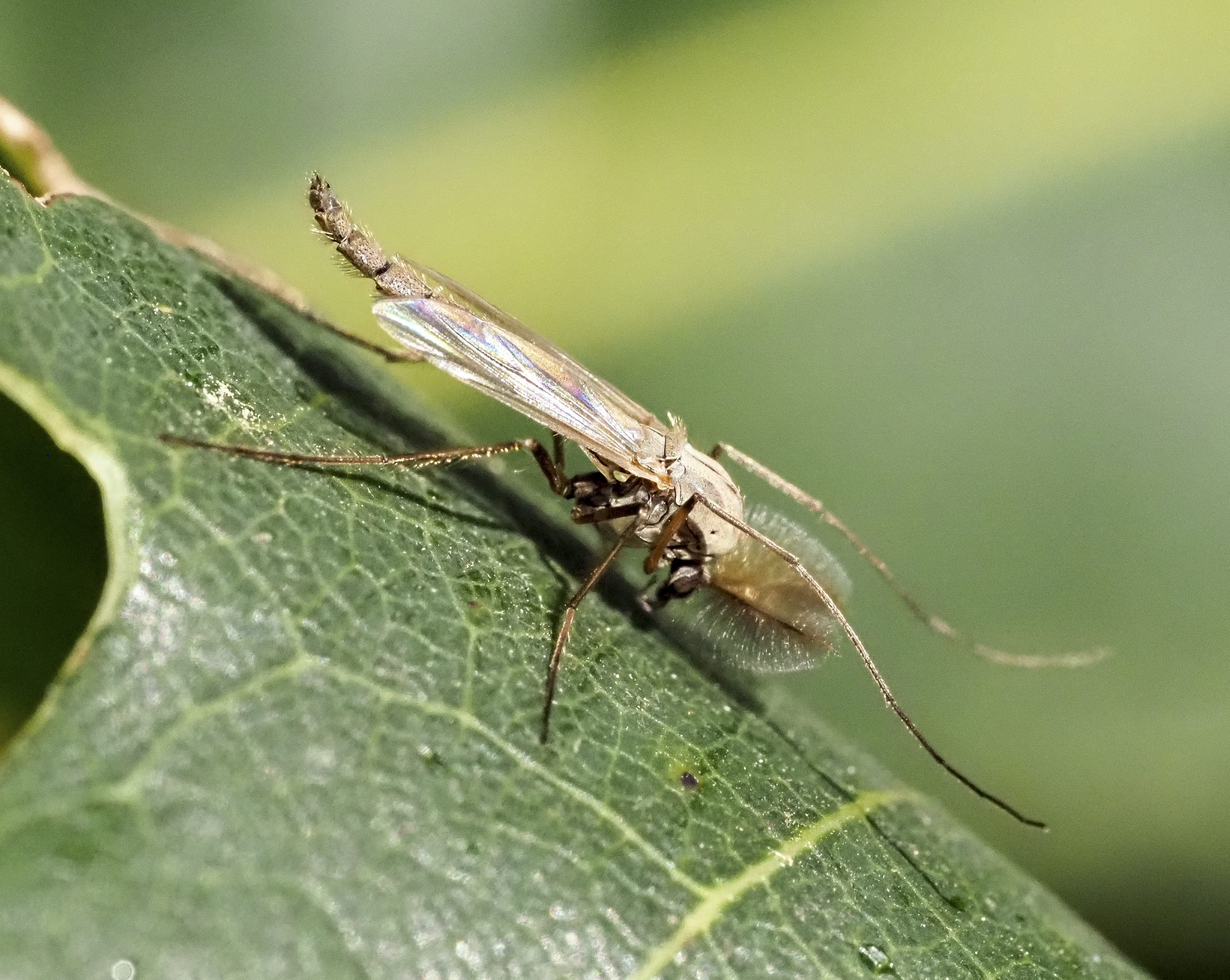
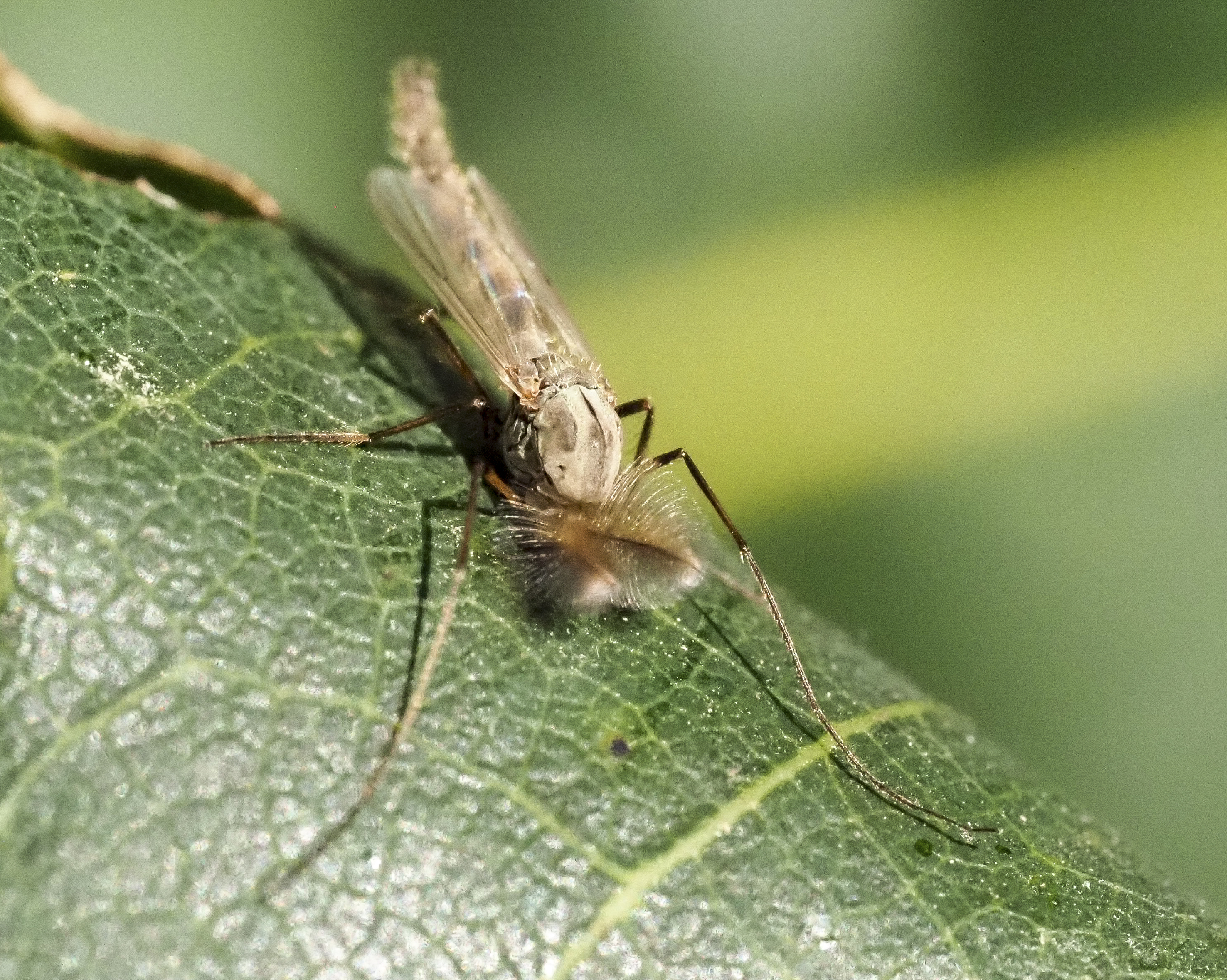
Non-biting midges superficially resemble mosquitoes, with long, slender bodies and thin legs, but they lack the piercing mouthparts (proboscis) that mosquitoes use for drawing blood. Male non-biting midges have large, feathery antennae – called plumose – which are tuned to the specific flight tone, or frequency, of the female’s wing beat.
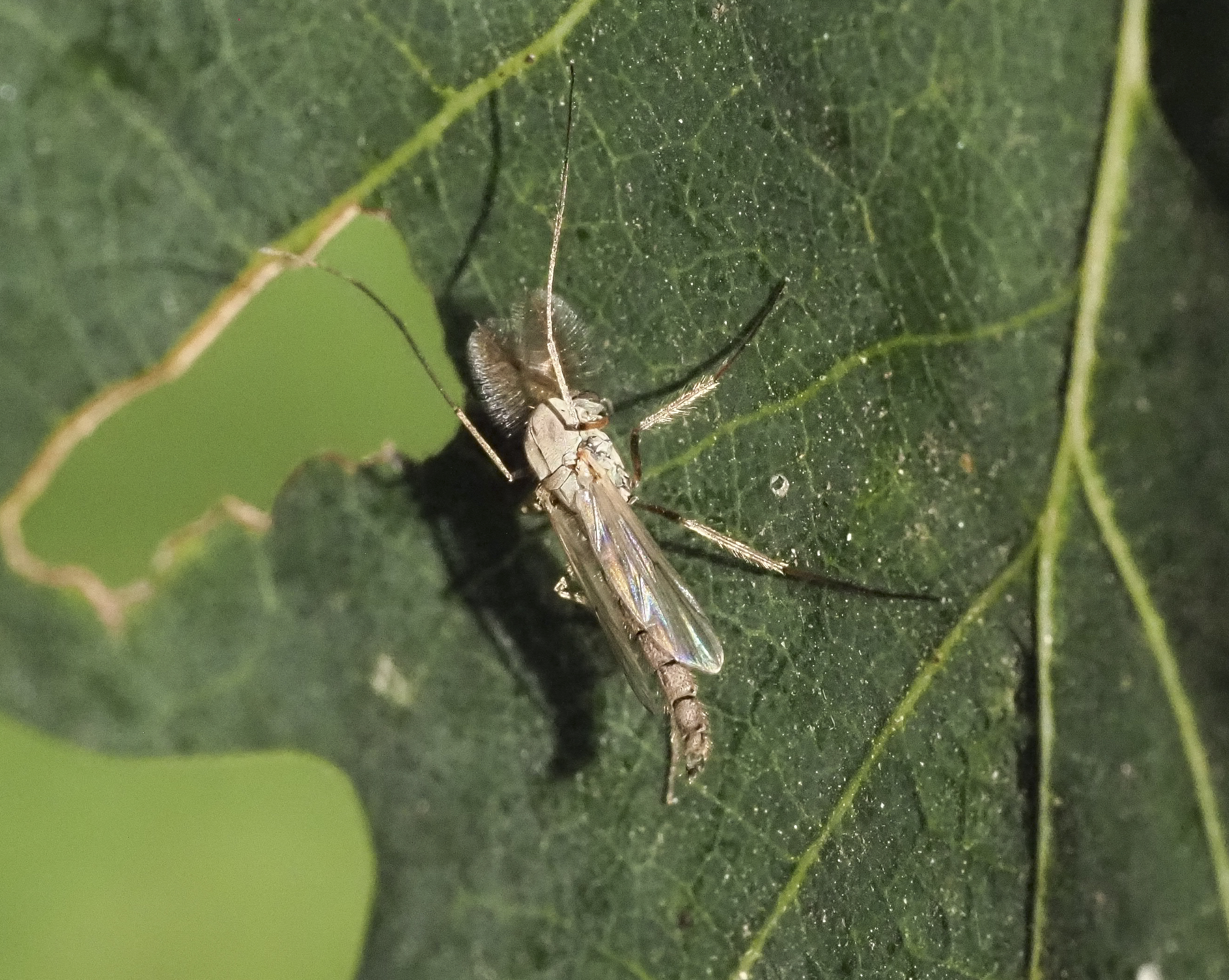
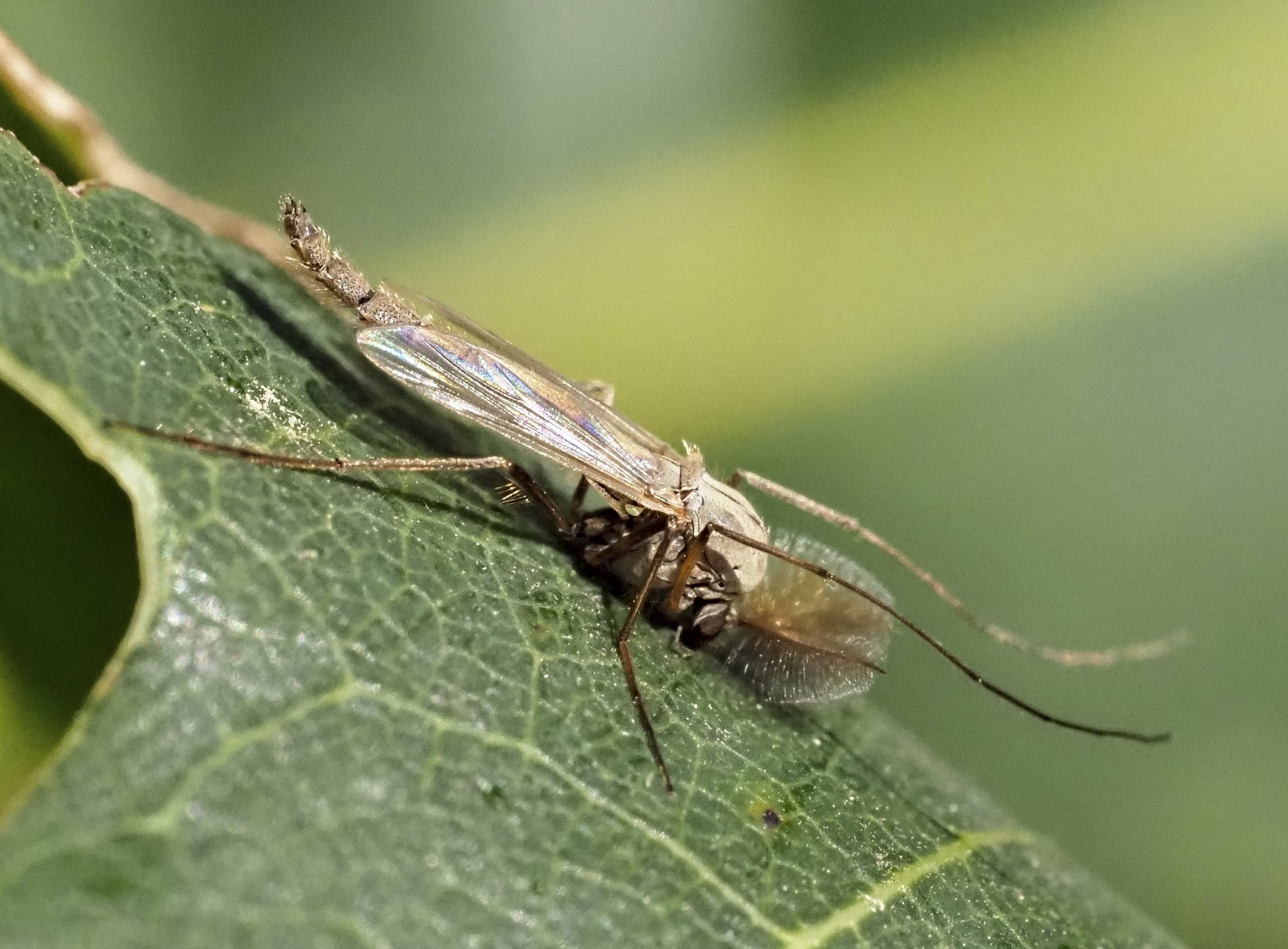
There are about 700 chironomid species in the UK, but they are notoriously difficult to identify, and ecologists usually record them simply by species groups, or subfamilies. In the UK, swarms of midges often start to appear early in the spring, typically at the end of March.
Finding a partner
As we have seen, it is the males who form these swarms, with individuals bobbing up and down in the air, hoping to attract females lurking in the vegetation, to come up and mate with them. When a female does fly up and enter the swarm, the males use their fine-tuned antennae to detect her unique acoustic signature. The timbre of the wing beats of female chironomids varies, depending on the species, which is useful to avoid mating mistakes, especially in regions where there are more than one species present.
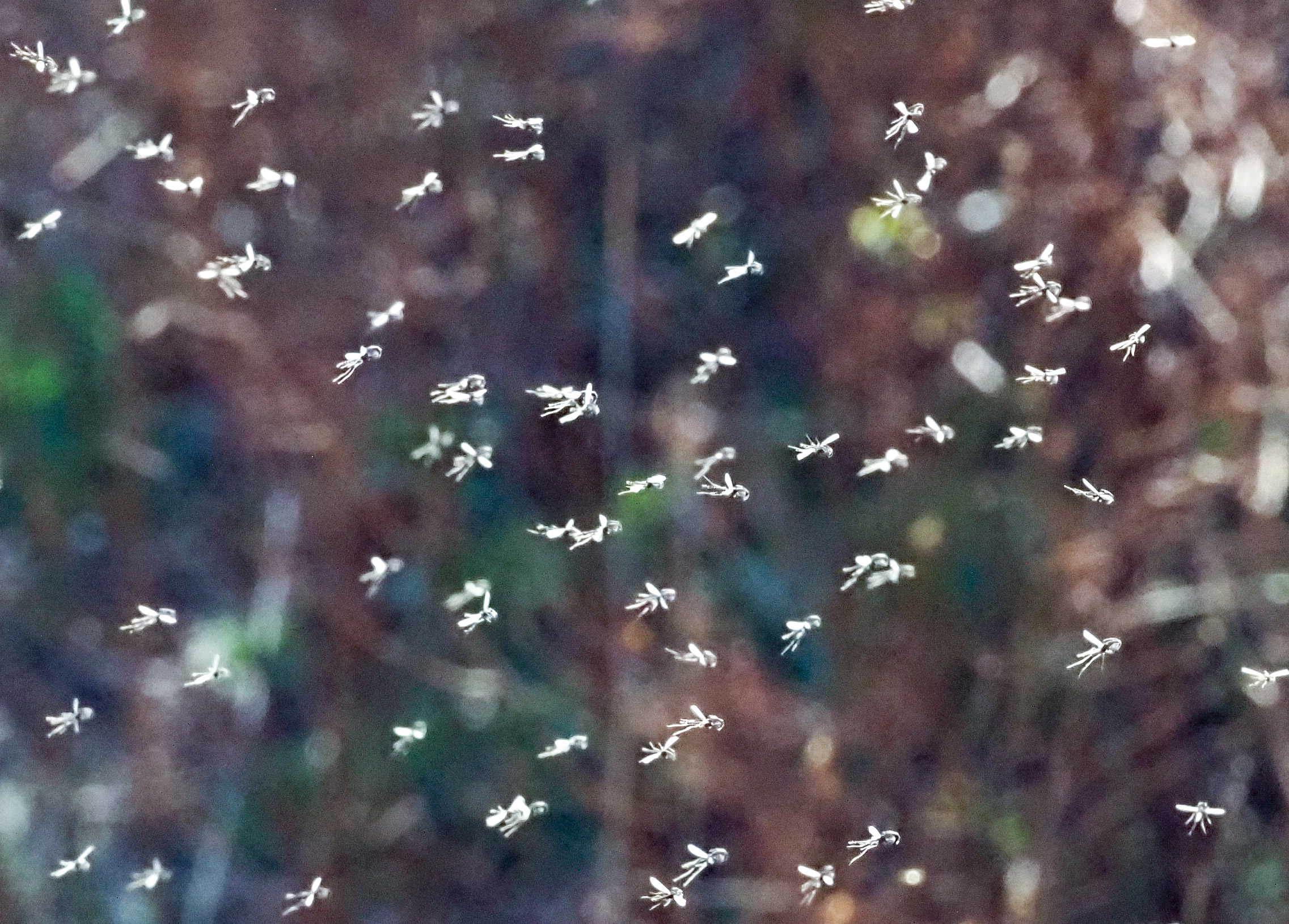
In fact, mating ‘mistakes’, or anomalous pairings, are surprisingly common in chironomid midge swarms. Midge researcher, Athol McLachlan, captured a total of 56 male/male pairs – over 20 sampling evenings – compared to 80 male/female pairs (McLachlan, 2011).
The high number of these ‘homosexual pairs’ was considered to be the result of ‘mistakes’, due to ‘imprecise sensory machinery’ (McLachlan, 2011). The author suggested that these ‘mistakes’ occurred, not so much because the males’ antennae were not sufficiently well-tuned to distinguish between the sexes, but rather that wing beat sounds, are a ‘fallible cue’. In other words, its difficult sometimes for a midge to tell a buzzing male from a buzzing female!
The findings suggest to me, that males often grab onto another midge, perhaps hoping it is a female (!), and just let go of it, if it turns out to be not the gender they were looking for!
Its worth noting that, in contrast to the males, ‘homosexual pairs’ of females were only ever recorded once in this study, over the entire two-year period (McLachlan, 2011). Females never made these ‘mistakes’; mainly because they were flying into a cloud of only male midges.
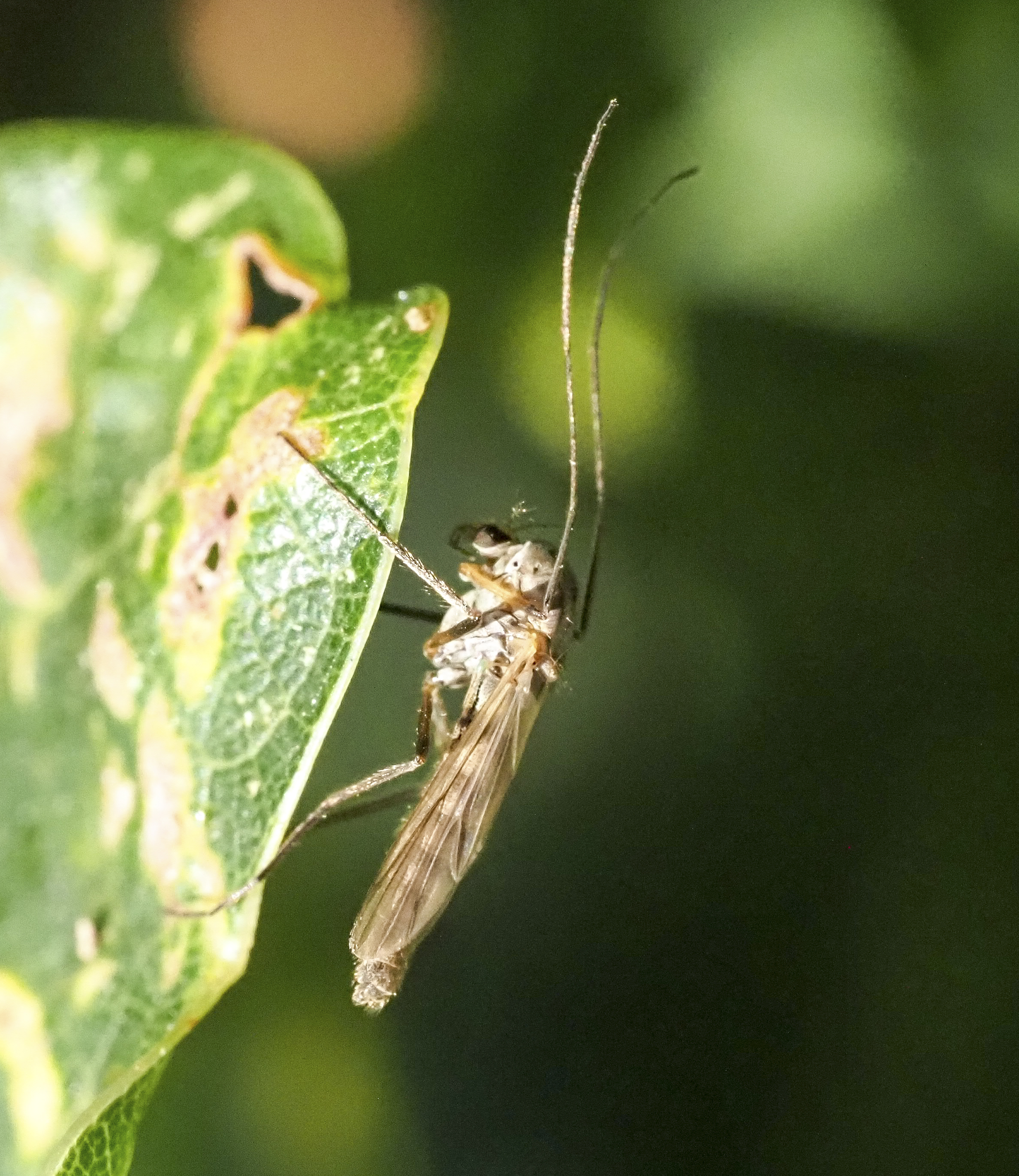
The males pursue and grasp the females in mid-flight, with little or no courtship, which seems a pity (!), but the adults do live rather short lives – typically lasting just 3-5 days – so they do need to get on with it (mating) to ensure that the female has time to lay their eggs.
McLachlan (2011) concluded that the mating system is ‘coercion-driven’ with males pursuing fleeing females. I’m not sure why they are fleeing, if they flew up into the male only swarm in the first place!
The male/female pair of chironomid midges either copulate within the swarm (Kon, 1989) or emerge from the mating swarm to stay together for just a few brief seconds (see below).
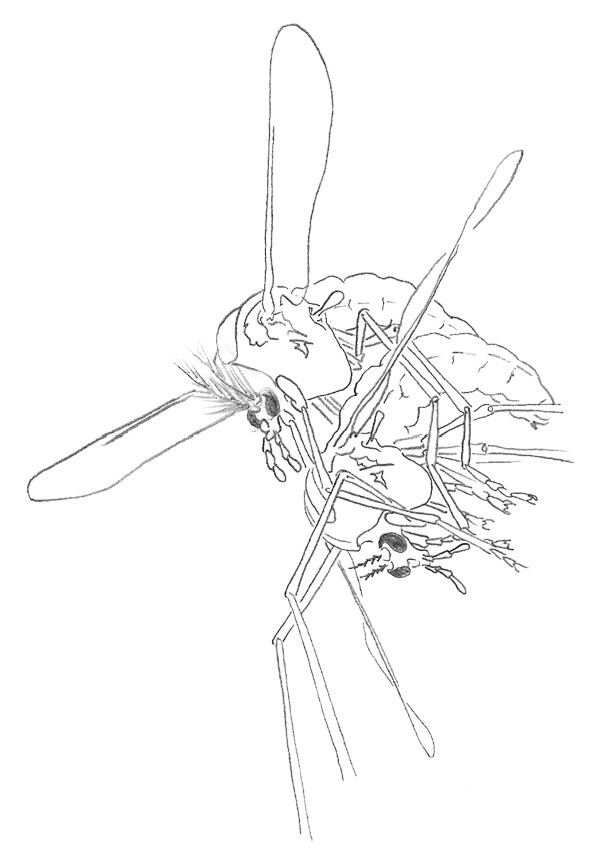
However, the males have to form an elliptical swarm of an certain size to attract females in the first place. So perhaps, once attracted by the size of the swarm, the female spots a male she fancies in the swarm and flies towards him hoping to be grabbed? Or flies away from another male midge, hoping not to be grabbed! Who knows? I think, there may be more going on than we realise.
Holding the swarm together
To maintain the size and shape of swarms, males have evolved to both maintain a certain distance from one another, and at the same time form a group (see Link). According to researcher Andy M. Reynolds, positions of the midges in (laboratory) swarms are maximally anticorrelated (Reynolds, 2024). Which means, I think, that individuals move in exactly opposite directions at all times.
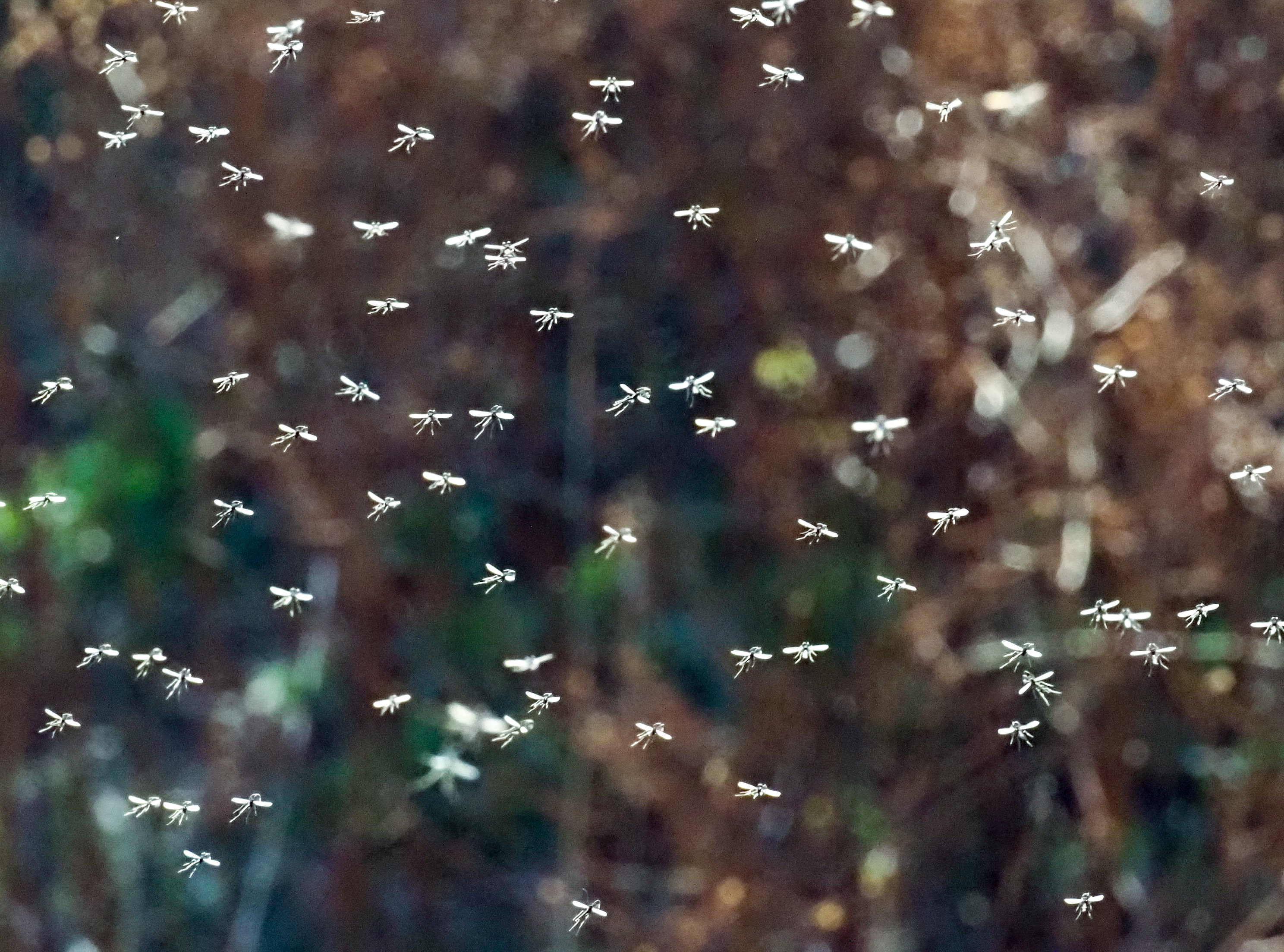
It is a rather strange arrangement, where, according to Reynolds (2024):
“when a female enters the swarm, and is pursued by a male, the swarm keeps its shape. Individuals may be drawn towards her, but this force of attraction is weaker than the negative “impulse” for the males to stay away from each other“
Survival of the smallest!
Another curious fact about male midge swarms, is that the smallest individuals appear to have the greatest mating success; perhaps due to their greater agility in capturing females; according to Neems et al. (1998) working with males of the midge Chironomus plumosus (below).

“In the swarming midge Chironomus plumosus small males have greater mating success and large males have greater stamina, fecundity, and longevity” (Neems et al., 1982)
However, there are limits on how small male midges can get and still be successful with lady midges! Although small size is highly beneficial in terms of their aerobatic prowess, if they get too small, they cannot maintain continuous flight. So, reduction in size as a result of sexual selection (of the smallest males) is balanced by ‘physiological constraints on flight’ (Neems et al., 1990).
This finding, that small males are more successful at acquiring mates than larger males, was confirmed in six species of Diptera (four chironomids, one sepsid and one scatophagid) by McLachlan & Allen (1987). Athol McLachlan – who sadly died earlier this year (2026) – and his students, showed that in some situations male agility can be favoured over size and strength in acquiring mates.
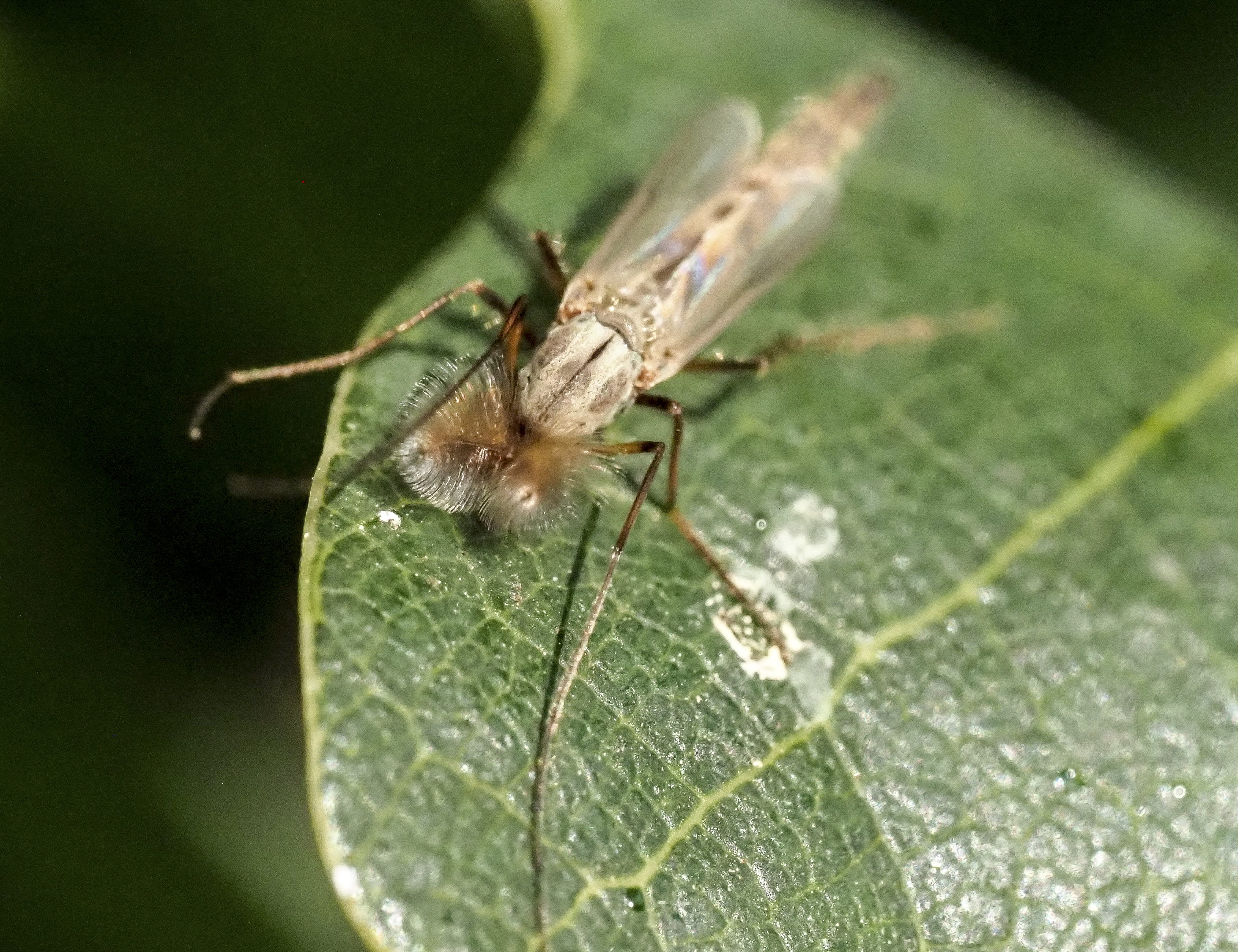
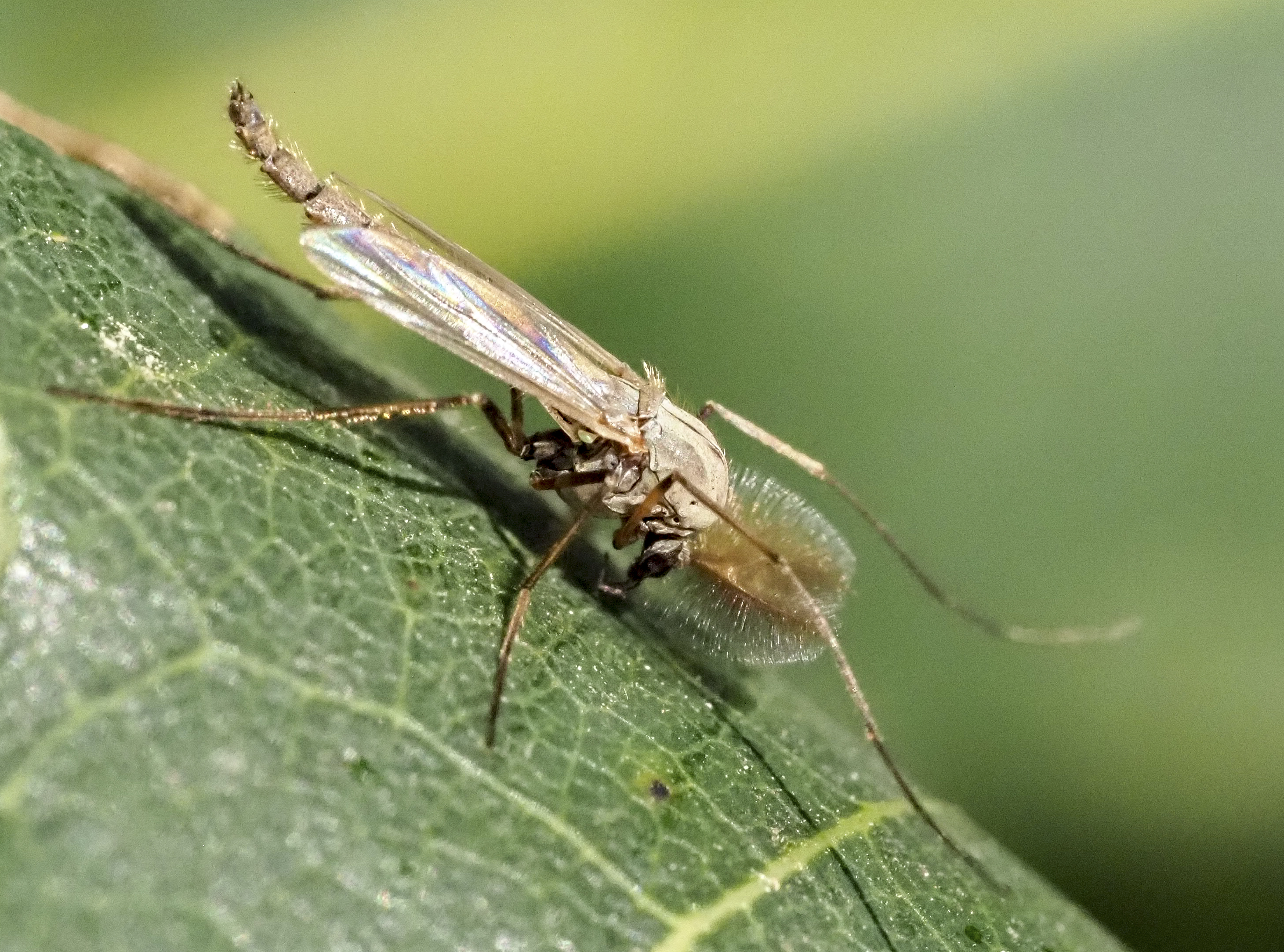
Photos by Raymond JC Cannon
There are other insect species where male mobility is critical for reproductive success, and where evolution (or sexual selection in some cases) has selected for small males: for example, in insects which engage in scramble competition, where the ability to move faster is an advantage (Cannon, 2023).
References
Boóz, B., Kovács, Z., Bartalovics, B., Boda, P., Miliša, M., Pernecker, B., … & Móra, A. (2024). Chironomids (Diptera) from Central European stream networks: new findings and taxonomic issues. Biodiversity Data Journal, 12, e136241.
Cannon, R. J. (2023). Courtship and mate-finding in insects: A comparative approach. CABI. https://www.amazon.co.uk/Courtship-Mate-Finding-Insects-Comparative-Approach/dp/1789248604
Crompton, B., Thomason, J. C., & McLachlan, A. (2003). Mating in a viscous universe: the race is to the agile, not to the swift. Proceedings of the Royal Society B: Biological Sciences, 270(1528), 1991.
Kon, M. (1989). Swarming and mating behaviour of Chironomus flaviplumus (Diptera: Chironomidae), compared with a sympatric congeneric species, C. yoshimatsui. Journal of Ethology, 7(2), 125-131.
McLachlan, A. J. (1997). Size or symmetry: an experiment to determine which of the two accounts for mating success in male midges. Ecoscience, 4(4), 454-459.
McLachlan, A. J. (2011). Homosexual Pairing within a Swarm‐Based Mating System: The Case of the Chironomid Midge. Psyche: A Journal of Entomology, 2011(1), 854820.
McLachlan, A. J., & Allen, D. F. (1987). Male mating success in Diptera: advantages of small size. Oikos, 11-14.
McLachlan, A. & Neems, R. (1989). An alternative mating system in small male insects. Ecological Entomology, 14(1), 85-91.
Neems, R. M., Lazarus, J., & Mclachlan, A. J. (1992). Swarming behavior in male chironomid midges: a cost-benefit analysis. Behavioral Ecology, 3(4), 285-290.
Neems, R. M., Lazarus, J., & Mclachlan, A. J. (1998). Lifetime reproductive success in a swarming midge: trade-offs and stabilizing selection for male body size. Behavioral Ecology, 9(3), 279-286.
Neems, R. M., McLachlan, A. J., & Chambers, R. (1990). Body size and lifetime mating success of male midges (Diptera: Chironomidae). Animal Behaviour, 40(4), 648-652.
Reynolds, A. M. (2024). Spatial correlations in laboratory insect swarms. Journal of the Royal Society Interface, 21(219), 20240450.
Athol McLachlan obituary (5/05/26):https://www.theguardian.com/science/2026/apr/05/athol-mclachlan-obituary

